2027 Best Emergency Management Master's Specializations for Career Growth

Co-Founder and Chief Data Scientist
The landscape of emergency management is shifting rapidly due to technological advancements, evolving regulatory frameworks, and heightened demands for specialized skill sets. Employers increasingly seek professionals who can navigate complex crisis environments, lead interdisciplinary teams, and adapt to dynamic hazards.
Not all master's specializations address these workforce needs equally; some concentrate on leadership and organizational resilience, while others focus on technical expertise or policy implementation. Selecting a specialization requires weighing its alignment with current labor market trends and anticipated industry transformations.
This analysis examines which master's specializations in emergency management best position graduates for nuanced, sustainable career growth amid these changing conditions.
Key Benefits of the Best Emergency Management Master's Specializations for Career Growth
- Specializing in risk assessment techniques requires intensive coursework, often elongating time to degree; this tradeoff matters for professionals balancing part-time study with existing job demands.
- Employers prioritize candidates with applied crisis communication skills, reflecting a 2024 survey indicating 68% value community engagement expertise for leadership roles in emergency management.
- Programs emphasizing data analytics offer enhanced decision-making tools, yet their higher cost and tech requirements may limit access for working students without institutional support.
Which Emergency Management Master's Specializations Offer the Best Career Growth?
Selecting a master's specialization in emergency management is fundamentally a strategic career decision shaped by how well the focus area aligns with evolving industry demands, leadership pathways, and the development of transferable skills critical for long-term advancement.
Career growth outcomes depend less on the credential itself and more on the professional trajectory these specializations enable, including access to executive roles, cross-sector mobility, and adaptability to emerging operational challenges.
- Homeland Security: This specialization channels professionals into a sector bolstered by persistent federal investment, particularly in counterterrorism and infrastructure protection. The expected 8% employment growth reflects an expanding need for strategic leadership capable of navigating complex national security issues, positioning graduates for upward mobility into policymaking and high-level agency roles.
- Cybersecurity within Emergency Management: Combining technical and emergency response expertise, this specialization taps into a rapidly growing niche with over 15% projected job growth through 2030, according to recent government data. Mastery here enables practitioners to influence both operational and strategic layers, offering accelerated promotion prospects in public and private sectors confronted by increasing cyber threats.
- Disaster Resilience and Climate Adaptation: Rising natural disasters linked to climate change have elevated demand for resilient infrastructure and policy leaders. Professionals with this focus are crucial in shaping adaptive frameworks, which translates into steady career progression within government and nonprofit sectors focused on sustainability and risk mitigation.
- Healthcare Emergency Management: Although broader, this specialization is gaining traction amid heightened attention to public health crises. The ability to coordinate across medical systems and emergency protocols offers scalable skills that open doors to leadership in hospitals, public health agencies, and disaster response organizations-fields experiencing expanding responsibility and investment.
These specializations also differ in how effectively they build skills transferable beyond traditional emergency operations, thereby enhancing cross-sector opportunities. Prospective students should consider how the chosen focus integrates technical acumen and strategic policy understanding, which greatly influences their ability to ascend into senior leadership or specialized advisory capacities within the emergency management field.
To complement specialization choices, informed professionals increasingly seek online courses with certificates that provide targeted, up-to-date competencies enhancing competitiveness in these evolving areas.
Which Emergency Management Master's Specializations Are Most In Demand?
Demand for emergency management master's specializations is shaped by shifting industry priorities, technological advances, and economic factors that vary by sector and region. Labor market needs reflect complex pressures such as infrastructure modernization, digital threats, and public health challenges, requiring nuanced consideration beyond simple popularity rankings.
- Disaster Resilience and Risk Reduction: Growing emphasis on mitigating the impact of climate change and aging infrastructure drives employer demand for expertise in preemptive planning and risk analysis. This specialization aligns with roles focused on community resilience, urban planning, and safeguarding critical infrastructure, where strategic foresight and interdisciplinary coordination are essential.
- Cybersecurity and Infrastructure Protection: Increasing digital integration of emergency operations and critical assets accelerates employer preference for candidates skilled in cyber risk mitigation and response coordination. Persistent shortages of professionals with combined emergency management and cybersecurity knowledge underscore its value amid escalating cyber threats to essential services.
- Public Health Emergency Preparedness: The ongoing fallout from global pandemics has recalibrated workforce needs toward managing health crises and coordinating cross-agency responses. Demand is particularly strong in public health agencies and international organizations, where expertise in bioterrorism preparedness and health emergency logistics is critical.
- Environmental and Climate-Related Emergency Management: Intensifying frequency of weather disasters and evolving regulatory environments increase the need for specialists in environmental hazard assessment and climate adaptation. Employers in government, consulting, and research seek candidates who integrate sustainability strategies into emergency planning frameworks.
- Critical Incident Management and Leadership: While requiring substantial experience, this specialization addresses growing demand for strategic command and interagency coordination capabilities during complex crises. Positions in senior operational and homeland security roles favor professionals proficient in crisis communication and leadership under pressure.
What Skills Are Developed in Different Emergency Management Master's Specializations?
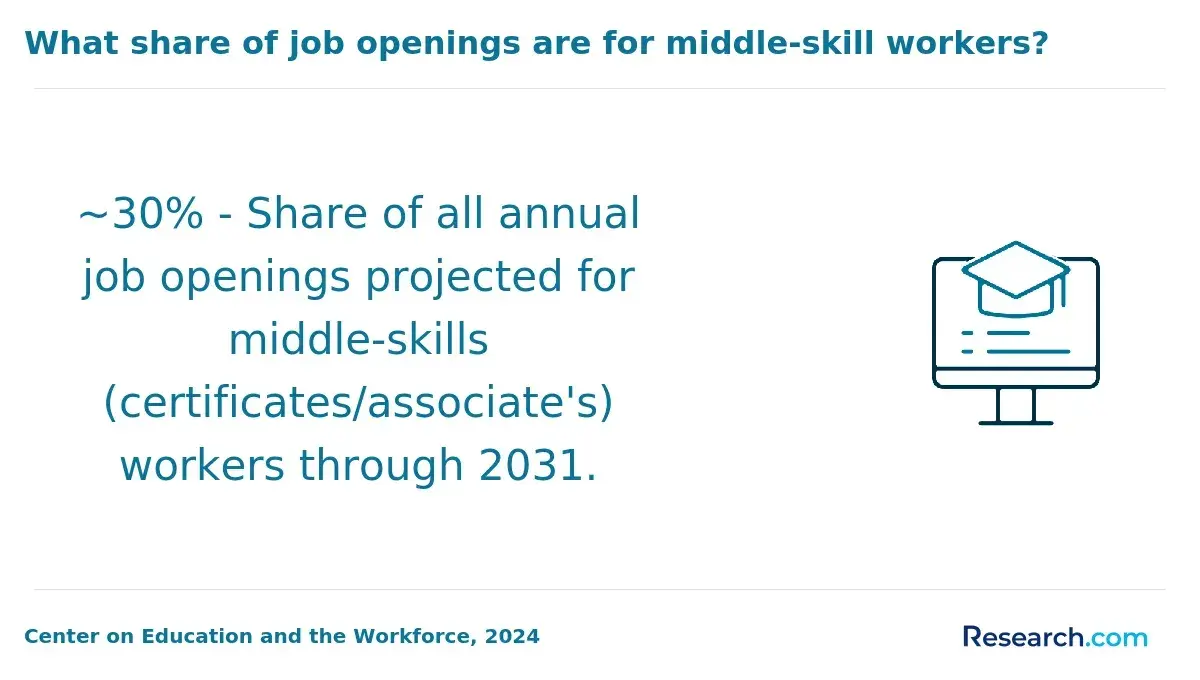
Selecting a specialization within an Emergency Management master's program directly shapes the professional skills a student acquires, affecting both their operational role and career trajectory. Each track develops distinct technical, analytical, leadership, or applied competencies that align differently with industry needs, impacting employability and advancement opportunities.
- Risk and Hazard Analysis: This specialization cultivates strong quantitative abilities essential for modeling disaster scenarios and evaluating vulnerabilities. Graduates excel in data-intensive roles requiring scenario planning and mitigation design, positioning them for technical analyst roles or advisory positions in government and private sectors where precision and predictive insight drive decision-making.
- Disaster Recovery and Resilience: Focused on project management and stakeholder collaboration, this pathway emphasizes coordinating complex recovery efforts and fostering sustainable community development. Skills here translate into leadership roles centered on rebuilding infrastructure and managing multisector partnerships, which are increasingly valued as resilience planning becomes a strategic priority across public and nonprofit agencies.
- Homeland Security: Combining regulatory knowledge with intelligence assessment and cybersecurity awareness, this track readies graduates for layered security environments. Professionals often enter roles that demand compliance oversight, threat evaluation, and integration of cyber-physical security measures, providing upward mobility in federal and state security agencies.
- Public Health Emergency Management: This specialization integrates epidemiological analysis with emergency response coordination, preparing students for crisis management positions in healthcare systems and public agencies. The skill set supports an interdisciplinary approach critical in pandemics and biohazard incidents, with growing demand reflected in healthcare infrastructure modernization efforts.
- Environmental Risk and Policy: Emphasizing regulatory frameworks and sustainability science, learners develop expertise in environmental hazard mitigation and policy advocacy. These capabilities align with roles that bridge environmental planning and emergency response, supporting career paths in governmental regulation and environmental consulting.
A 2024 report by the Federal Emergency Management Agency (FEMA) highlights that about 68% of employers prefer candidates with interdisciplinary skills blending policy acumen and data-driven strategies, underscoring the value of specialization choices that balance technical depth with leadership capabilities.
One graduate who specialized in disaster recovery recalled the uncertainty during the application process compounded by rolling admissions. "I submitted my application early but still waited weeks for feedback," they noted, emphasizing the challenge of planning while balancing a full-time job.
The delay forced them to reassess their timing and prepare contingency plans, eventually receiving acceptance just in time to align coursework with a planned job transition. Their experience underscored how navigating admissions timing strategically can influence how well students integrate specialized skills into career moves.
Which Emergency Management Master's Specializations Require Professional Licensure?
Professional licensure acts as a critical boundary shaping the selection of emergency management master's specializations. While many concentration areas do not mandate formal licensure, those that do often correspond to highly regulated roles with distinct compliance, liability, and accountability frameworks. Understanding which specializations require licensure-and why-clarifies how program design aligns with career gatekeeping and long-term employment eligibility.
- Public Health Emergency Preparedness: This specialization frequently overlaps with certification standards like the Certified Emergency Manager (CEM) or credentials from the National Registry of Emergency Medical Technicians (NREMT). Although these certifications are not universally required to earn the degree, many healthcare employers view them as critical for roles involving direct public health responses. The regulatory necessity arises from the intersection of emergency management with healthcare compliance and patient safety, firmly linking advanced academic preparation with professional credentialing to ensure readiness in high-stakes environments.
- Hazardous Materials Management and Industrial Safety: Licensure or certification such as the Certified Hazardous Materials Manager (CHMM) or Board of Certified Safety Professionals (BCSP) credentials are often prerequisites for these tracks. The underlying rationale relates to stringent workplace safety laws and environmental regulations necessitating documented expertise. These certifications require candidates to navigate additional examinations and professional experience verification, thereby extending post-degree preparation time but conferring access to specialized roles that demand proven competence and legal accountability.
- Structural Engineering and Infrastructure Resilience: Specializations that incorporate structural engineering aspects often demand professional engineering (PE) licensure for graduates aiming at roles involving design approval, safety oversight, or legal liability. This licensure is state-specific and requires passing rigorous exams and meeting work experience criteria, which programs support but do not confer. As a consequence, while the master's curriculum may align closely with licensure preparation, students must factor in the multi-year commitment and jurisdictional mobility limitations when pursuing this specialization.
- Fire Service and Law Enforcement-Related Emergency Management: Direct operational roles in fire or law enforcement require separate state or federal certifications unrelated to the master's program itself. Licensure here is tied to public safety regulations and agency mandates rather than academic credentialing. For students, this means licensure serves as a parallel but essential credential focused on practical enforcement capability, constraining employment eligibility in certain jurisdictions.
Although many emergency management master's degrees do not explicitly require professional licensure, selecting a specialization with licensure demands entails tradeoffs including extended timelines, exam preparation, and navigating regulatory boards. Yet, these credentials substantially improve employability in regulated sectors by signaling validated expertise and compliance readiness.
Data from a 2024 Department of Labor overview highlights that approximately 30% of emergency management roles in regulated industries prioritize candidates with relevant certifications or licensure, underscoring the practical career impact of these requirements. Prospective students evaluating professional licensure requirements for emergency management specializations should factor these regulatory and market dynamics into their education-to-employment planning.
For students seeking cost-effective educational pathways that balance licensure considerations, researching options from the cheapest accredited online college can provide accessible foundational training before pursuing specialized certification.
Which Emergency Management Master's Specializations Are Best for Career Changers?
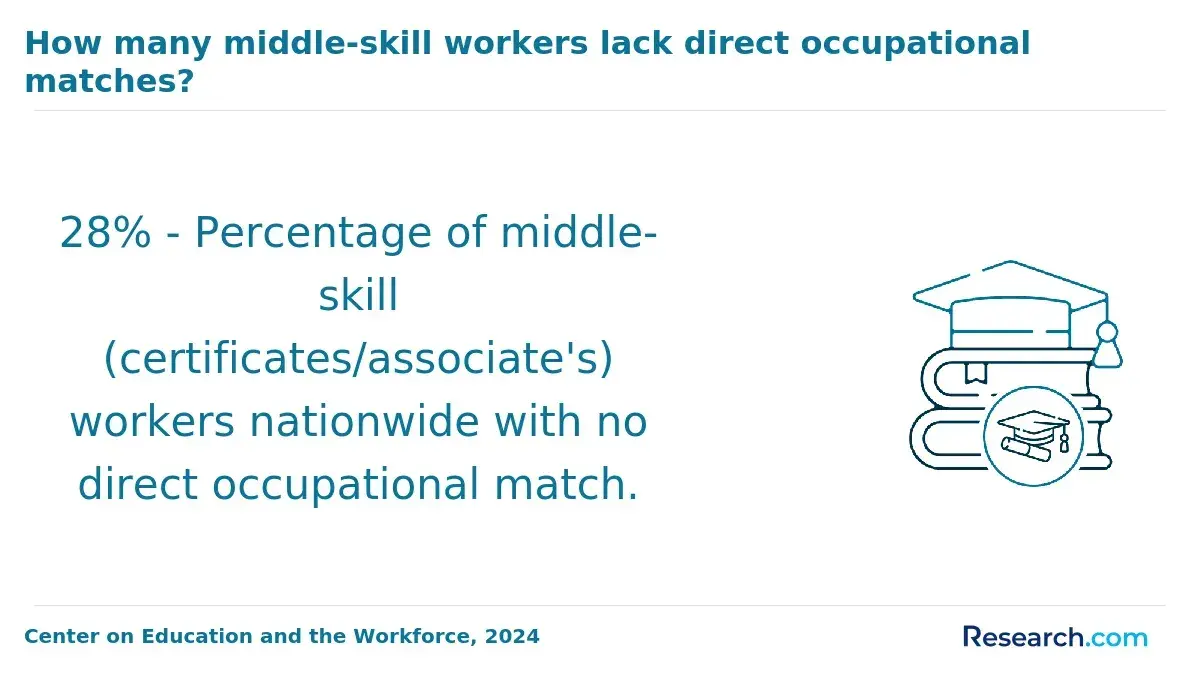
For career changers, selecting an emergency management master's specialization strategically can reduce the friction of transitioning industries by aligning new learning with existing skills and maximizing relevant job prospects. The most effective specializations minimize redundancy while enhancing access to roles that value hybrid expertise and logical skill progression.
- Disaster Resilience and Risk Analysis: This specialization leverages analytical and problem-solving skills common in fields like public health, urban planning, and environmental science. It provides a quantitative foundation that eases adaptation for those from research or technical roles, offering versatility across sectors and broad recognition by employers seeking risk assessment capabilities.
- Cybersecurity in Emergency Management: Catering to professionals with IT or data backgrounds, this track integrates emerging digital threat management with crisis response. Growing demand-projected to increase 15% over the next decade according to the Department of Homeland Security-makes it a viable pivot that rewards prior technical ability and accelerates career transition into specialized, high-growth emergency roles.
- Emergency Planning and Policy Development: Ideal for those with public administration or policy experience, this concentration builds on knowledge of regulatory frameworks and interagency operations. It enables smoother entry into leadership or coordinator roles by emphasizing strategic communication and compliance, which many employers prioritize for managing complex public safety initiatives.
- Health Emergency Preparedness: Particularly suited for individuals from clinical or social services fields, this specialization translates existing healthcare knowledge into emergency contexts. With increasing attention on pandemic readiness and community health integration, it positions career changers for roles that blend medical insight with emergency logistics, often easing the learning curve compared to more technical or abstract specializations.
An aspiring emergency management student with a background in urban planning described grappling with the rolling admissions timeline while deciding whether to specialize in disaster resilience or policy development. The delay in application feedback created uncertainty, pressuring a decision between a safer bet aligned with prior experience or pivoting toward a more interdisciplinary track.
Ultimately, the student chose resilience to capitalize on quantitative skills and expedite employability, reflecting a common practical dilemma faced during program entry when timing and specialization choice intersect under pressure.
Which Online Emergency Management Master's Specializations Support Career Growth Most Effectively?
Online emergency management master's specializations can serve as strategic accelerators for career growth, particularly for working professionals balancing upskilling with job demands. Their effectiveness depends largely on alignment with shifting industry priorities, along with the capacity to enhance upward mobility in environments that increasingly rely on digital collaboration and hybrid workflows.
- Cybersecurity Integration: This specialization supports career advancement by equipping students with critical skills to mitigate digital threats in emergency contexts, a capability growing in importance given evolving cyber risks in public and private sectors. The hands-on nature of cybersecurity-focused online courses allows professionals to apply new knowledge immediately, increasing promotion potential in roles that bridge emergency response with IT security.
- Public Health Preparedness: Focused on managing biological and environmental risks, this concentration aligns with expanding federal funding and institutional interest following global health crises. It uniquely positions graduates for leadership in agencies like FEMA and CDC, where extensive cross-sector collaboration and data-driven decision-making underpin operational effectiveness. Online programs in this area often incorporate practical, scenario-based learning that translates into accelerated readiness for senior roles.
- Homeland Security and Infrastructure Protection: Specializing in risk assessment and policy analysis, this track enhances career growth by preparing graduates to navigate complex regulatory frameworks and multi-agency cooperation. Its strength lies in fostering advanced crisis communication and leadership competencies applicable across public safety and infrastructure-critical organizations, skills highly valued for promotions and strategic roles.
- Emergency Management Leadership and Policy: While broader and less technical, this specialization can facilitate transitions into high-level administrative and management roles. However, without complementary technical expertise, upward mobility may be slower due to stiff competition. Online leadership programs often focus on strategic planning and organizational dynamics, which can be leveraged effectively in hybrid work settings where stakeholder coordination is paramount.
- Information Security and Risk Management: Combining technical and managerial elements, this specialization addresses employers' increasing demand for candidates who can both identify vulnerabilities and guide teams through crisis scenarios. The dual focus on cybersecurity and risk evaluation in online formats supports scalable skillsets that match labor market growth projections, especially as roles integrating IT defense and emergency management expand rapidly.
According to data from the U.S. Bureau of Labor Statistics (2024), employment for emergency management directors is expected to grow 15% over the next decade, with near 20% growth predicted for roles intersecting with cybersecurity and information security. This underscores how specializations integrating digital skills and crisis management offer the most robust pathways for long-term advancement.
Given the interplay of evolving employer expectations and the growing prevalence of remote and hybrid operations in emergency response, prospective students seeking the best online emergency management concentrations for job growth should prioritize programs that marry technical agility with leadership development. Evaluating these factors against personal background and goals is critical for positioning oneself effectively in a competitive and transforming job market.
For those balancing career changes or aiming to enhance their professional versatility, exploring fields that overlap with cybersecurity or public health preparedness can be particularly beneficial. For practical insights into affordable pathways in related disciplines, interested learners might also consider opportunities such as the affordable online MBA human resources, which can complement emergency management skills with robust organizational leadership training.
What Emergency Management Master's Concentrations Lead to Management Careers?
Advancement into management roles within emergency management results from growing operational authority and strategic influence rather than solely completing a graduate degree. Different master's concentrations cultivate distinct leadership competencies that affect one's readiness for management, with some tracks offering clearer pathways to supervisory or executive responsibilities based on the nature of skills developed and organizational needs.
- Disaster Risk Reduction and Resilience: This concentration develops the capacity to anticipate complex threats and coordinate multi-agency initiatives, positioning graduates to lead proactive, system-level responses. Mastery of resilience planning enhances visibility among strategic planners and fosters the ability to integrate diverse stakeholder interests, both critical for roles requiring broad oversight and risk-informed decision-making.
- Homeland Security and Counterterrorism: Focused on threat assessment and coordinated emergency response, this path builds expertise valued by federal and state agencies where interagency collaboration and real-time operational command are essential. The strategic nature of this specialization cultivates decision-making agility and cross-jurisdictional leadership skills that are often prerequisites for management posts.
- Data Analytics and Geographic Information Systems (GIS): Specializing in data-driven emergency management equips professionals to translate complex datasets into actionable policies and resource deployment strategies. Given industry reports highlighting that over one-third of management vacancies prefer candidates with analytics prowess, this concentration boosts promotion prospects by linking technical insight with organizational strategy.
- Project Management in Emergency Contexts: By emphasizing allocation of resources, budgeting, and stakeholder engagement, this track addresses foundational managerial functions within emergency operations. The hands-on command of project lifecycles and team coordination directly supports the assumption of supervisory duties and financial oversight responsibilities common in leadership roles.
- Public Health Emergency Management: Growing demand across health systems and government agencies makes this specialization pivotal for professionals overseeing coordinated responses to health crises. The concentration sharpens abilities in interdepartmental communication and policy enforcement, traits that increase competence in managing complex, multi-stakeholder health emergencies with substantial organizational accountability.
How Does Earning Potential Vary by Emergency Management Master's Specialization?
Earning potential among master's specializations in emergency management shows significant variation, influenced by the specific niche and its associated labor market demands. Graduates in cybersecurity risk management regularly command median salaries exceeding $95,000, according to aggregated data from the U.S. Bureau of Labor Statistics and Lightcast, reflecting the increasing premium placed on protecting digital infrastructure.
Conversely, those focused on disaster response coordination or community resilience often see median wages in the $65,000 to $75,000 range, as these roles typically align with public sector positions where budget constraints and slower salary growth are common. These figures highlight how specialization choice directly impacts starting compensation and underscore the importance of aligning training with current and projected workforce needs.
The structural causes behind this pay disparity extend beyond simple job titles and touch on skill scarcity, regulatory complexity, and organizational impact. Higher compensation in fields like homeland security arises partly from federal funding streams, defense contracts, and the demand for candidates with specialized technical certifications that reduce organizational risk and enhance operational capabilities.
Roles entailing direct responsibility for intelligence analysis or cybersecurity require proficiency with advanced technology and compliance with stringent regulatory frameworks, thus commanding premium salaries and more rapid advancement opportunities. In contrast, public health emergency management often operates under fixed governmental budgets, emphasizing stability and community impact over rapid salary escalation.
Long-term salary trajectories further complicate the picture, as the highest initial pay does not always guarantee the strongest upward mobility. Specialists who deepen their expertise and transition into leadership or policy-making positions-particularly in rapidly evolving areas like intelligence or cybersecurity-can realize substantial growth in compensation and influence over time.
However, operational roles in more stable sectors, while offering predictable job security, may face ceiling effects in salary and advancement. Understanding these dynamics is essential for those selecting a pathway that balances short-term earnings with long-term career sustainability and professional responsibility.
What Mistakes Do Students Make When Selecting a Specialization?
Selecting a specialization in a master's program for emergency management is a strategic decision that shapes professional trajectories well beyond graduation. Many students make critical errors by prioritizing immediate interests or perceived ease rather than analyzing labor market dynamics and industry trends, which can stunt their growth in this competitive field.
Understanding the underlying assumptions behind these mistakes helps clarify their implications for employment, advancement, and salary progression.
- Choosing Based Solely on Short-Term Appeal: Students often pick specializations that seem interesting or easier to complete without considering their long-term relevance. This misalignment can reduce employability and limit opportunities for leadership roles because the specialization may not match ongoing industry needs or emerging threats.
- Ignoring Labor Market Demand and Regional Variability: There is a tendency to overlook how geographic and sector-specific factors affect job availability. For example, cybersecurity emergency management is highly sought-after in urban centers but less relevant in rural settings. Failure to assess these nuances can result in specialization choices that do not align with local job markets or sector priorities.
- Underestimating Leadership and Strategic Skill Requirements: A common mistake is selecting narrow, technical tracks without acquiring leadership or policy knowledge valued by employers. This limits access to supervisory or executive positions, where combined technical and strategic competencies are essential.
- Neglecting Certification and Practical Training Elements: Overlooking whether a specialization incorporates hands-on expertise or industry-recognized certifications can reduce a graduate's marketability. Employers increasingly expect candidates to bring verified practical skills alongside academic credentials.
- Misjudging Career Pathway Clarity: Students sometimes assume their specialization leads directly to desired roles without verifying actual career pathways. This can cause misaligned expectations, slower salary growth, or professional dissatisfaction when transitions to consultancy or executive roles prove more complex than anticipated.
A 2024 report by the National Center for Education Statistics highlights that nearly 37% of graduate students in emergency management change their specialization or career focus within two years, often due to insufficient practical applicability or job prospects. Such data underscores the importance of adopting a long-term framework grounded in labor market realities rather than short-term appeal.
To avoid common pitfalls related to choosing the wrong master's specialization in emergency management, students should rigorously evaluate how each option aligns with employer needs, geographic demand, industry certification standards, and their own leadership aspirations. Additionally, comparing curricula for practical versus theoretical emphasis and considering future sector shifts-such as increasing demand across healthcare systems and public safety agencies-is critical.
For those comparing pathways, understanding foundational skills can also be beneficial, as can awareness of complementary degrees, such as a bachelor in human services, which sometimes intersect with emergency management roles in community and social services contexts.
How Can Students Align Specialization Choices With Long-Term Career Plans?
Analyzing how specialization choices align with long-term career plans requires viewing selection as a multi-year strategy rather than a short-term academic decision. Students should critically assess industry trends, required competencies, and career progression pathways within emergency management master's specialization options.
For example, a 2024 U.S. Bureau of Labor Statistics report shows roles focused on disaster resilience and cybersecurity integration are growing significantly faster than traditional emergency response positions. This underscores that selecting specializations that develop technological proficiency, policy acumen, or infrastructure protection skills can better position students for sustained career growth.
Incorporating the source keyword "how to choose the best emergency management master's specialization for career growth" highlights the need for strategic alignment with evolving labor market demands rather than immediate preferences.
To operationalize this alignment, students can map specialization outcomes to target job roles while evaluating skill portability across sectors such as public health emergencies, urban planning, or homeland security. Attention to how each specialization supports advancement into leadership or advanced technical roles is essential in mitigating risks of misalignment, which often occur when decisions are based on short-term demand spikes or narrow personal interests.
Considering geographic and sector-specific workforce realities further refines this framework. For those contemplating adjacent credentials, understanding how a degree in library science or other interdisciplinary qualifications intersect with emergency management specializations can enhance employability and flexibility. This structured, evidence-informed approach enables students to better synchronize academic choices with long-term professional aspirations in Emergency Management fields.
What Graduates Say About the Best Emergency Management Master's Specializations for Career Growth
- Caiden: "After completing my master's with a focus on emergency management, I quickly realized that having a solid portfolio and relevant internships mattered more than just certifications in landing my first job. Employers seemed to prioritize practical experience and the ability to adapt to evolving crises, which pushed me to seek out hands-on projects during my studies. It wasn't an instant path to high salary, but the program accelerated my entry into the workforce and gave me the flexibility to explore roles across government and private sectors."
- Remington: "My journey post-graduation involved careful navigation of the competitive job market, where I noticed many organizations preferred candidates with licensure despite my master's credentials. This meant I had to supplement my education with additional certifications to remain competitive. While I appreciated the program's breadth, I found that advancement opportunities without licensure have limits, so planning for ongoing education has been essential for my career development."
- Adrian: "The emergency management specialization opened doors to remote positions I hadn't anticipated, which was a game changer given my personal circumstances. I approached this degree pragmatically, balancing the realities of lower starting salaries with the trade-offs of gaining valuable experience and working in roles that emphasize response coordination and risk assessment. For me, the program was about building a sustainable career path rather than immediate financial gains."
Other Things You Should Know About Emergency Management Degrees
Many emergency management master's specializations emphasize either technical, operational skills (like GIS or hazard modeling) or policy and planning approaches. Choosing a specialization with a heavier technical focus can enhance job readiness for roles demanding data analysis or incident command systems, but may limit opportunities in strategic leadership if not complemented by broader management training.
Conversely, a policy-centric track may prepare graduates for roles in government or non-profits with responsibility for regulatory compliance and community coordination but might fall short for positions requiring deep operational expertise. Students should assess their target roles and employers' expectations to prioritize a specialization that aligns with the practical skill set most valued in their desired sector.
Highly specialized programs can build deep expertise, potentially positioning graduates as subject matter experts in narrow areas like cybersecurity or public health emergency management. However, this depth can narrow career flexibility, especially if the job market shifts or the student's interests change.
Broader programs provide a more versatile foundation but may require additional on-the-job learning or certificates to qualify for advanced roles in specialized fields. For sustained career growth, students aiming for leadership should consider programs that blend core emergency management principles with applied specialization, balancing adaptability with expertise.
In 2027, a strategic focus on climate change resilience, cybersecurity, and data analytics in Emergency Management Master's specializations can significantly enhance career prospects. These areas are increasingly vital, aligning graduates with emerging global challenges and demand within both governmental and private sectors.
References
- Long-Term Goals for Students: A Complete Guide to Success - Sunbeam World School 1 https://sunbeamworldschool.com/blog/long-term-goals-for-students/
- Setting Long-Term Goals for Students - Mackler Associates https://mackleradvantage.com/setting-long-term-goals-for-students/
- 10 Compelling Reasons Why Emergency Management is a Good Career | NREP https://www.nrep.org/blog/disaster-and-emergency-management
- 25 Most Affordable Disaster Management MPH Degrees - MPH Online https://www.mphonline.org/best-disaster-management-mph/
- 10 Best Emergency Management Fields https://www.drury.edu/business/management-major/10-best-emergency-management-fields/
- Is an Emergency Management Degree Worth It? https://www.columbiasouthern.edu/blog/blog-articles/2021/april/emergency-management-degree-worth-it/
- Master of Arts in Disaster and Emergency Management | Royal Roads University https://www.royalroads.ca/programs/master-arts-disaster-and-emergency-management
- How to Become an Emergency Management Specialist https://www.publichealthdegrees.org/careers/emergency-management-specialist/
- Master of Science inEmergency Management and Homeland Security Online or On Campus https://www.albany.edu/cehc/programs/ms-emergency-management-homeland-security
- How to Help Students Plan Long-Term Projects and Stay on Track https://goodsensorylearning.com/blogs/news/long-term-assignment