
2027 Best Food Industry Management Degrees for Working Adults

Co-Founder and Chief Data Scientist
Balancing a full-time job while advancing in food industry management poses a significant challenge for many adults. Nearly 60% of professionals in food service management report the need for flexible education options to enhance their skills without compromising work commitments. As the food industry evolves rapidly, employers increasingly seek candidates with updated knowledge in supply chain, safety standards, and sustainability practices.
This article explores flexible, accredited food industry management degree programs designed specifically for working adults. It aims to guide readers toward options that accommodate their schedules and support meaningful career advancement within this dynamic sector.
Key Things to Know About Food Industry Management Degrees for Working Adults
- Flexible scheduling and online or hybrid formats are common in food industry management degrees, helping working adults balance study and job commitments effectively.
- Programs often include employer-relevant curricula, with industry partnerships ensuring skills align with current food production, safety, and supply chain demands.
- Accelerated pacing and dedicated support services, like career counseling and tutoring, improve degree completion rates among working professionals in food industry management.
What Are the Best Food Industry Management Degrees for Working Adults?
The best food industry management degrees for working adults vary widely depending on factors like schedule flexibility, career goals, and return on investment. A key trend is the rise of online and hybrid programs, which support adult learners balancing full-time employment with academic progress. Many programs now offer part-time enrollment and self-paced options to accommodate diverse job demands and learning preferences.
Several specialized degree options have proven ideal for professionals seeking practical skills and career advancement. These include:
- Food Supply Chain Management: Emphasizes logistics and operations with online classes that fit well into the schedules of those in production or distribution roles.
- Food Safety and Quality Assurance: Focuses on compliance, inspection, and regulatory knowledge, often delivered through part-time evening courses that suit working adults.
- Restaurant and Hospitality Management: Blends business acumen and customer service skills, frequently offered in hybrid formats that accommodate varying schedules.
- Nutrition and Foodservice Systems Management: Combines technical expertise with management principles, designed with asynchronous coursework perfect for employed students.
For professionals exploring top accredited food industry management programs for professionals, these paths align well with industry demand while offering essential flexibility. Adult learners should also consider financial aspects carefully, and those interested in affordable options might review the cheapest online MBA programs as a comparative benchmark.
What Are the Admission Requirements for Working Adults in Food Industry Management Degree Programs?
Admission requirements for working adults pursuing Food Industry Management degrees often differ from those for traditional students. This is due in part to the growing number of part-time graduate students in the U.S., who now represent around 40% of all enrollments, reflecting a shift toward accommodating professionals balancing career and education. These programs are designed to consider the unique needs and schedules of adult learners.
Common admission considerations for Food Industry Management degree enrollment for professionals include:
- Prior Work Experience: Many programs highly value relevant industry experience and often require between one to three years in food-related roles. This experience helps demonstrate practical knowledge and commitment to the field.
- GPA Expectations: A minimum undergraduate GPA ranging from 2.5 to 3.0 is common, though some programs offer waivers based on significant professional experience, recognizing that practical skills can complement academic qualifications.
- Standardized Test Waivers: GRE or GMAT requirements are frequently waived for applicants who have a proven work background, providing greater access to working adults.
- Professional Recommendations: Letters of recommendation from supervisors or industry contacts are important for assessing an applicant's readiness and dedication to advancing in food industry management.
- Flexible Scheduling: Many programs offer online or part-time options tailored to adult learners' busy schedules, which supports ongoing career advancement without sacrificing educational opportunities.
For those exploring options to advance their careers, considering accredited programs that align with your professional life is essential. In addition, investigating the most affordable options can help manage costs effectively. Resources like online business degree programs offer insights into cost-effective educational pathways suitable for adult learners.
What Coursework Is Required in Food Industry Management Degree Programs for Working Adults?
Coursework in food industry management degree programs for working adults is carefully designed to balance career relevance, practical skills, and flexible learning formats. With over 60% of adult learners pursuing these degrees part-time while employed, programs emphasize adaptable course structures to fit busy schedules. This balance helps students immediately apply new knowledge to their jobs, reinforcing both academic growth and workplace performance.
Common areas of study blend foundational principles with specialized skills essential for leadership and success in the sector. Key coursework includes:
- Operations Management: Focuses on optimizing food production processes, supply chain logistics, and quality control, all critical for improving efficiency in fast-paced work environments.
- Food Safety and Compliance: Covers regulatory standards, hazard analysis, and risk management, helping professionals ensure that products meet health and legal requirements.
- Marketing and Consumer Behavior: Provides strategies to understand and influence customer preferences, supporting growth and competitive positioning.
- Financial Management: Develops budgeting, cost analysis, and resource allocation skills vital for managing profitable operations in the food industry.
- Leadership and Human Resources: Enhances team management and communication abilities crucial for supervising diverse teams and driving organizational success.
These practical courses prepare students to advance their careers while balancing the demands of work and study. For those exploring flexible options, programs such as EMBA online can offer additional pathways in management education tailored for working adults seeking growth.
Breakdown of Public Fully Online Title IV Institutions

How Long Does It Take to Complete a Food Industry Management Degree While Working?
The time needed for working adults to complete a food industry management degree varies widely due to individual scheduling needs and program flexibility. Typically, part-time students balance coursework with employment and often take three to six years, while full-time students may finish in two to four years on average. This range reflects how work, life, and study demands shape the pace of completion.
Several key factors influence how long it takes to earn this degree while managing professional responsibilities:
- Program format: Online and hybrid degrees provide adaptable schedules that let students adjust their pace. This flexibility can either speed up or lengthen the timeline depending on personal availability.
- Course load: Choosing to take fewer classes each term to accommodate work commitments typically extends the overall duration. Part-time study often means a longer path to graduation but better work-study balance.
- Prior credits: Transfer credits from previous college work or related experience can reduce the number of required courses, helping students finish sooner.
- Work schedule: Jobs with rigid or heavy hours limit study time, which can slow progress. Conversely, more flexible work hours support a quicker completion pace.
- Accelerated options: Some programs offer fast-track courses or opportunities to study year-round, enabling driven learners to complete degrees faster despite full-time jobs.
When asked about his journey, a professional who completed an online food industry management degree shared that balancing work deadlines and study was challenging but rewarding. He noted, "Managing assignments after long workdays required discipline and sometimes meant late nights and early mornings." He found that clear scheduling and setting small weekly goals were vital.
The ability to access course materials anytime helped him stay on track despite unpredictable work calls. "It wasn't easy, but each completed course reinforced my motivation," he reflected, emphasizing that persistence and flexible learning options were crucial to finishing his degree while working full-time.
How Much Does a Food Industry Management Degree Cost for Working Adults?
Balancing a full-time job while pursuing a food industry management degree makes cost a crucial factor for adult learners. Part-time enrollment for this group has grown nearly 15% in recent years, highlighting the demand for programs that are both flexible and affordable. Several elements affect the overall expenses associated with such degrees.
The following factors play an important role in determining how much working adults may pay:
- Tuition per credit: Costs vary between online and on-campus programs, with online options often providing lower rates tailored to those who work full-time.
- Program length: Accelerated tracks can reduce total expenses by shortening the time to graduation, whereas longer programs might increase costs but offer more balanced study schedules.
- Additional fees: Charges for technology, labs, and administration add to base tuition, varying by school and delivery format.
- Textbooks and materials: Specialized courses may require costly books or supplies, though many programs now offer digital alternatives or rentals to lessen these costs.
- Cost-saving strategies: Employer tuition reimbursement, scholarships aimed at adult learners, and federal financial aid can significantly help minimize out-of-pocket payments.
What Financial Aid Options Are Available for Working Adults in Food Industry Management Degree Programs?
Balancing a career, education, and personal life can make paying for a food industry management degree challenging for working adults. Financial aid is crucial to ease this burden and provide access to quality education without overwhelming debt.
Here are some common financial aid options designed to support adult students in this field:
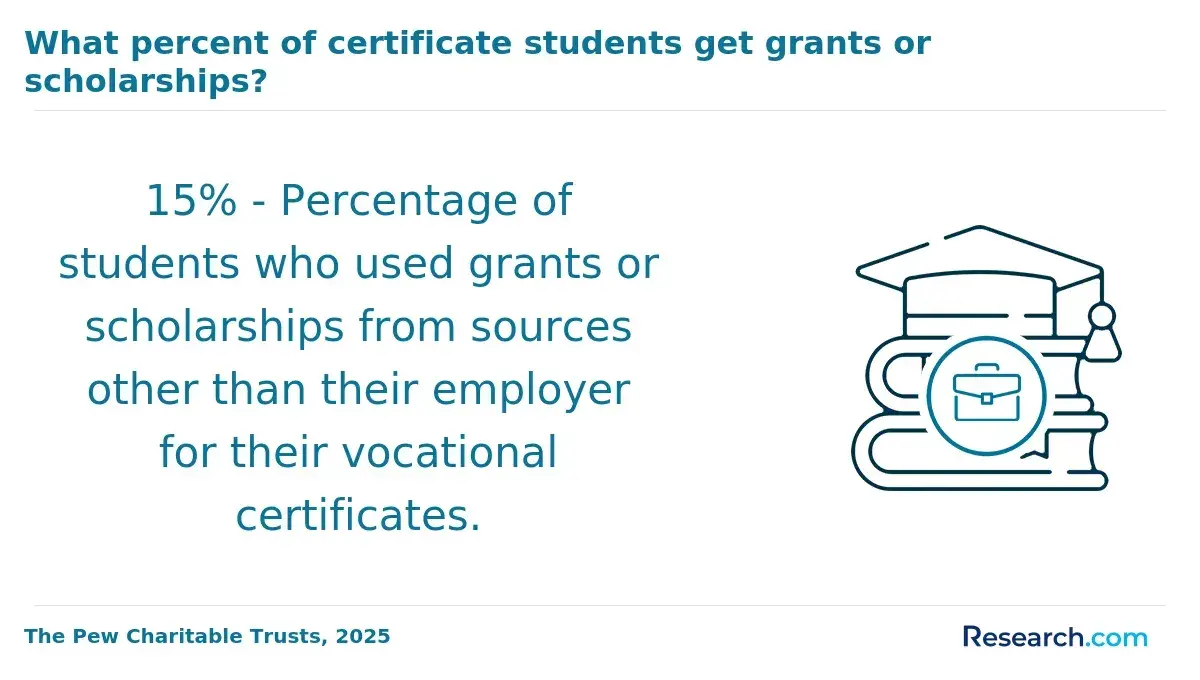
- Federal Aid: Programs such as Pell Grants and Direct Loans offer need-based funding, with grants requiring no repayment and loans featuring low interest rates. Eligibility generally depends on completing the FAFSA and meeting federal criteria.
- Employer Assistance: Many companies provide tuition reimbursement or financial support for employees pursuing education related to their job, helping to offset costs while encouraging professional development.
- Adult Learner Scholarships: Specialized scholarships target non-traditional students returning to education, often factoring in career aspirations and financial need to reduce reliance on loans.
- Grants: State and private grants can offer additional non-repayable funds based on residency, field of study, or income level, complementing other aid sources.
- Flexible Payment Plans: These arrangements allow students to break down tuition fees into manageable installments, accommodating ongoing work and living expenses.
When I spoke with a professional who earned her Food Industry Management degree while working full time, she emphasized the balancing act involved. "Juggling my shift schedule, family time, and classes was tough," she shared. She applied for employer tuition support but also relied heavily on a flexible payment plan, which made the financial commitment feel less daunting.
Navigating the FAFSA process was initially confusing, yet the federal grants she qualified for significantly reduced her financial stress. Reflecting on her journey, she expressed, "The combination of support options was what kept me going-I didn't have to choose between work and school, and that made all the difference."
What Support Services Help Working Adults Succeed in a Food Industry Management Program?
Working adults enrolled in food industry management programs face the complex task of balancing coursework with full-time jobs and personal life, which can create obstacles to steady progress and increase stress. Institutional support services play a vital role in helping these students navigate their academic journey while maintaining other responsibilities.
- Academic Advising: Tailored guidance assists students in selecting courses that fit their schedules and align with graduation timelines, ensuring steady progress despite work commitments.
- Flexible Scheduling: Offering evening, weekend, and online classes allows learners to fulfill program requirements without interfering with their professional or family obligations.
- Online Learning Support: Access to technical help and digital resources ensures students can stay connected with coursework and participate effectively in virtual classes and group projects.
- Career Services: Professional counseling and networking opportunities help students integrate education with career growth, supporting transitions or advancement within the food industry.
- Mental Health Resources: Support programs provide strategies for managing stress and time, which are essential for sustaining well-being amid busy personal and academic lives.
Are Food Industry Management Degrees for Working Adults Accredited?
Accreditation ensures that food industry management programs meet established standards of quality, which is crucial for working adults balancing jobs and studies. Accredited programs are thoroughly reviewed to validate their curricula, faculty expertise, and student services. Employers often value or require degrees from accredited schools when considering promotions or new hires.
Additionally, accredited programs typically qualify students for federal and state financial aid, a key factor for many adult learners. Notably, more than 40% of graduate students in the U.S. are adult learners, reflecting a growing need for flexible, credible education options. Accreditation also enhances the lasting value of a food industry management degree by making credit transfers between schools smoother and supporting eligibility for professional licensure or certifications.
This is particularly beneficial for adults seeking career growth without repeating courses or facing credential recognition issues. Moreover, degrees from accredited programs tend to open more doors for advancement within the food industry. For working adults, these advantages support continuous professional development aligned with their career goals.
Does a Food Industry Management Degree Increase Salary for Working Adults?
Salary growth is a key motivator for working professionals considering a food industry management degree, as it can substantially improve earning potential. Individuals with this degree typically see annual salaries ranging from $50,000 to $90,000, depending on their role, experience, and location.
- Industry Demand: The food industry's ongoing expansion drives a strong need for skilled managers, which often translates to competitive salaries. Professionals with a relevant degree are well-positioned to fill these in-demand roles.
- Role Advancement: A food industry management degree can qualify individuals for supervisory and strategic positions, opening pathways to higher-paying jobs. Career advancement opportunities tend to increase with formal education.
- Employer Policies: Some companies prioritize formal education when considering raises and promotions, making the degree a significant factor in salary increases. Supportive employer policies can accelerate income growth for degree holders.
- Experience Integration: Years of experience combined with a food industry management degree tend to enhance earning potential. Experienced professionals often command higher salaries due to their expertise and proven track records.
- Specialization Benefits: Specialized areas like supply chain management or quality assurance within this degree can lead to niche roles with higher salaries. Expertise in specific fields adds value and bargaining power.
Working adults aiming for career advancement with food industry management degree often seek flexible, accredited programs that align with their current employment. For those interested in further leadership development, exploring a doctorate in organizational leadership online can complement management skills and elevate career prospects.
What Jobs Can Working adults Get With a Food Industry Management Degree?
A Food Industry Management degree enables working adults to qualify for higher-level, specialized, or leadership-oriented roles beyond entry-level positions. It provides advanced knowledge in supply chain logistics, food safety regulations, quality assurance, and strategic leadership, which supports career advancement for experienced professionals.
Below are key roles that individuals with a Food Industry Management degree commonly pursue for career growth:
- Food Production Manager: Oversees daily manufacturing processes, ensuring product quality and managing staff. This role marks a transition into operational leadership, where strategic decision-making and efficiency improvement are essential.
- Quality Assurance Director: Leads comprehensive quality control programs, implements safety standards, and coordinates with regulatory bodies. The role demands specialized expertise that a food industry management degree cultivates to uphold compliance and quality.
- Supply Chain Manager: Manages procurement, logistics, and inventory operations. It involves complex organizational functions requiring knowledge of supply chain dynamics and risk management gained through formal education.
- Food Safety Consultant: Provides expert advice on compliance and risk mitigation strategies. This advisory position leverages in-depth understanding of food safety regulations, a core focus of the degree, to support industry standards.
- Operations Manager: Directs overall business operations, resource allocation, and interdepartmental coordination. The degree equips professionals with leadership skills necessary for upper-level management roles.
These positions reflect career advancement opportunities available to those pursuing food industry management jobs for working adults. The degree enhances both strategic insight and regulatory knowledge vital at senior levels.
Working professionals seeking flexible, accredited programs that support such career growth can explore options among online schools that accept FAFSA, which facilitate continuing education alongside full-time employment.
What Graduates Say About Their Food Industry Management Degrees for Working Adults
- Eddie: "Choosing an online food industry management degree while working full-time was a game-changer for me. The flexibility allowed me to balance work and study efficiently, and the average cost of around $20,000 made it a worthwhile investment without overwhelming my finances. Since graduating, I've moved into a senior management role, proving that education and experience together truly accelerate career growth. "
- Samantha: "Pursuing a part-time food industry management program was a thoughtful decision after seeing the significant financial and time commitment involved. With tuition averaging near $18,000, I carefully planned my budget and workload. Reflecting on my journey, completing the degree enhanced my strategic skills and opened doors to consulting opportunities I hadn't imagined before."
- John: "I enrolled in a food industry management degree program online to add credibility to my professional background while maintaining my day job. The cost, roughly $22,000, was a solid investment given the program's quality and networking benefits. Completing the degree has elevated my career, allowing me to lead larger projects and contribute more effectively to my company's growth initiatives. "
Other Things You Should Know About Food Industry Management Degrees
Transferring prior credits into food industry management degree programs for working adults in 2027 typically requires evaluation of past coursework by the prospective institution. Most programs look for accredited courses with equivalent content and a minimum grade, easing the student's progress towards their degree.
Online food industry management degrees are increasingly regarded as equally reputable as traditional on-campus programs, provided the institution is accredited by recognized agencies. Employers in the food industry value the flexibility and self-discipline required for online study. Many universities offer the same curriculum and faculty for both online and in-person versions of these degrees.
2027 food industry management degree programs often incorporate internships, project work, and case studies to integrate practical experience that aligns with real-world food sector challenges. These components are tailored to suit working adults, making them applicable and manageable alongside professional commitments.
References
- Food Manufacturing Management | University College Cork https://www.ucc.ie/en/ace-dfmm/
- Restaurant Management 101: An Essential Guide https://www.escoffier.edu/blog/hospitality-careers/restaurant-management-101-an-essential-guide/
- Food Safety & Quality https://lakeland.edu/degrees/food-safety-quality
- Food Service Management https://www.ccsf.edu/degrees-certificates/food-service-management
- Pardon Our Interruption https://www.coloradotech.edu/degrees/bachelors/management/food-service-management
- Scholarships https://mfs-apply.eitfood.eu/contents/content/2-scholarships
- Discover Institut Lyfe I The research centre at Institut Lyfe https://en.institutlyfe.com/institut-lyfe/research-science-innovation/
- Food Industry Management, B.S. https://catalog.niagara.edu/undergraduate/programs-az/business-administration/management/management-bs-food-industry-management/
- Food Business Leadership https://www.ciachef.edu/cia-online-food-business-leadership-bachelors-degree-program/
- IFST Accredited Degree Programmes https://www.ifst.org/organisations/accreditation-schemes/accreditation-degree-courses/accredited-degree-programmes


