2027 Best Health Studies Degrees for Working Adults

Co-Founder and Chief Data Scientist
Balancing a demanding job with the pursuit of further education in health studies can feel overwhelming for many working adults. Nearly 60% of health services management professionals report that flexible learning options significantly influence their ability to advance career-wise.
As the healthcare industry evolves rapidly, accessing accredited, adaptable degree programs becomes essential for staying competitive. This article explores the best health studies degrees designed specifically for working adults, highlighting programs that offer flexibility, affordability, and quality education aimed at facilitating career growth while managing professional and personal responsibilities.
Key Things to Know About Health Studies Degrees for Working Adults
- Health studies degrees often offer flexible scheduling, including evening and weekend classes, to accommodate working adults balancing employment and education.
- Many programs utilize online or hybrid formats, enhancing accessibility and allowing students to learn at their own pace without relocating.
- Employers value health studies graduates for their relevant skills, with accelerated programs and dedicated support services helping professionals enter or advance in the healthcare workforce efficiently.
What Are the Best Health Studies Degrees for Working Adults?
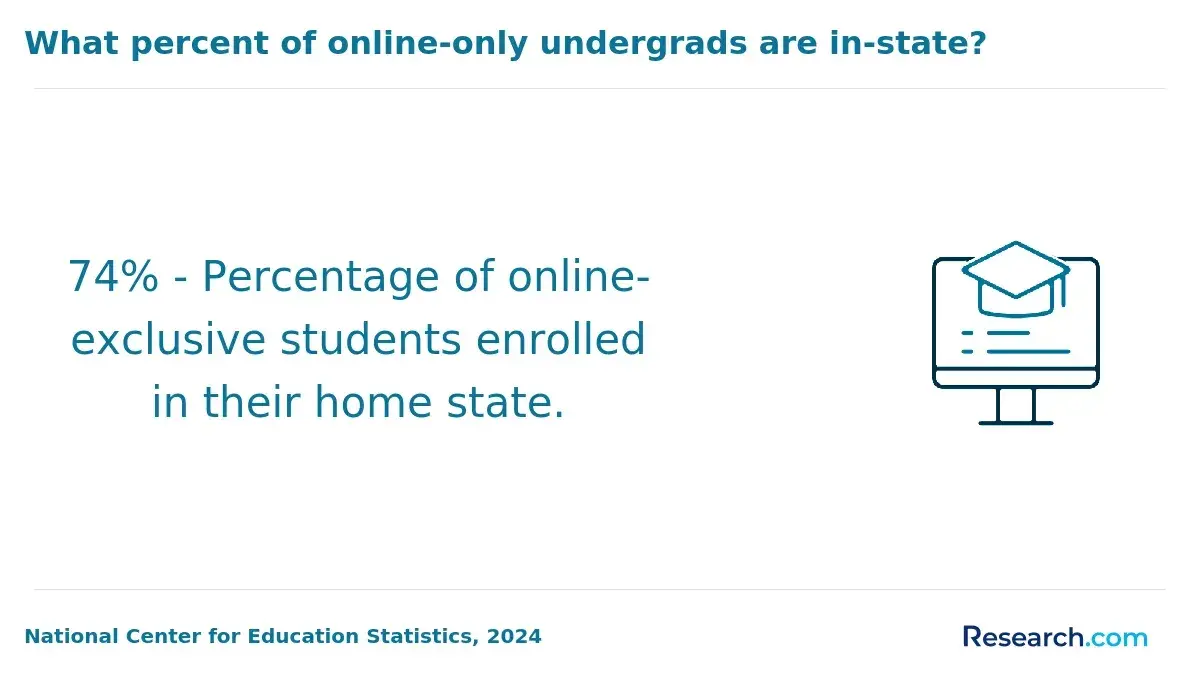
The definition of the best health studies degrees for working adults varies based on priorities like schedule flexibility, career alignment, and return on investment. One significant trend benefiting adult learners is the rise of online education. This growth in part-time and online enrollment makes it easier for professionals to pursue affordable health studies programs for adult learners while maintaining their careers.
Several health studies degree options stand out for employed students seeking flexible, accredited credentials:
- Bachelor of Science in Health Administration: Offers leadership and management coursework with practical applications, often available fully online, enabling working adults to balance study and career demands effectively.
- Bachelor of Science in Public Health: Focuses on community health and policy, commonly offered in part-time or online formats tailored to busy professionals who desire immediate career relevance.
- Bachelor of Science in Health Informatics: Integrates technology and healthcare, an area with strong employer demand and versatile study options well suited to digital natives and tech-interested adults.
- Bachelor of Science in Health Education and Promotion: Combines theory and real-world practice, with curricula designed for pacing around full-time jobs and supporting health advocacy roles.
- RN to BSN Programs: Specifically for working nurses looking to advance credentials, these programs are typically online with flexible schedules aligned to shift work.
For those considering further specialization, exploring a PharmD degree can be a valuable option in healthcare fields requiring advanced practice credentials.
What Are the Admission Requirements for Working Adults in Health Studies Degree Programs?
Admission requirements for working adults in health studies degree programs often differ from those of traditional students to accommodate professional responsibilities and diverse educational backgrounds. Nearly 40% of graduate students attend part-time, which highlights the increasing demand for flexible enrollment options tailored to adult learners.
Many programs recognize the unique needs of these students by adapting criteria to support career changers and those balancing work and study. Typical admission considerations for working adults include:
- Relevant Work Experience: Emphasis is placed on professional experience in healthcare or related fields rather than solely on recent academic records, allowing candidates to demonstrate practical skills gained on the job.
- GPA Expectations: Moderate GPA requirements are common, with some programs offering waivers or conditional acceptance if a candidate's work history strongly supports their potential for success.
- Standardized Test Waivers: Many health studies degree admissions criteria for professionals include waiving GRE or other exam requirements to reduce barriers for adult learners.
- Professional Recommendations: Letters from current employers or supervisors often replace academic references, reflecting a candidate's competencies and achievements in real-world settings.
- Flexibility for Part-Time or Online Learning: Admissions offices look for commitment to manageable course loads and the ability to balance work-study demands, increasing accessibility for working professionals.
For those seeking flexible pathways, exploring the easiest online DNP programs can provide insight into accommodating options within health-related degrees.
What Coursework Is Required in Health Studies Degree Programs for Working Adults?
Health studies degree coursework for working adults is carefully crafted to balance career relevance, practical skills, and flexible learning formats that accommodate full-time employment. Over 60% of students in health studies programs are adult learners aiming to advance their careers through adaptable program structures. This balance is essential for professionals seeking to apply what they learn directly to their roles.
Common core courses in health studies for working adults focus on areas that enhance practical knowledge and leadership capabilities. These are key components of a health studies degree curriculum for professionals.
- Health Policy and Ethics: Addresses healthcare regulations, ethical decision-making, and laws affecting public health. This course is crucial for professionals involved in healthcare management or advocacy roles.
- Community Health: Teaches strategies to promote wellness within diverse populations. Students learn to design and evaluate health programs that serve their communities effectively.
- Health Promotion and Education: Focuses on educating individuals and groups about healthy behaviors, emphasizing prevention and patient engagement tactics.
- Research Methods in Health Studies: Provides skills in data collection and analysis critical for evidence-based practice and informed decision-making in healthcare settings.
- Healthcare Management: Covers leadership, financial, and operational aspects of healthcare organizations, preparing students for supervisory or administrative positions.
Working adults interested in advancing their knowledge may explore specialized offerings such as an online healthcare administration degree to complement their foundational coursework.
How Long Does It Take to Complete a Health Studies Degree While Working?
The time required to complete a health studies degree while maintaining employment varies due to numerous personal and academic factors. On average, working adults spend about three to six years earning their bachelor's degree in this field, exceeding the conventional four-year timeframe typical for full-time students. This longer period often results from juggling work, family, and education commitments.
Several elements influence how quickly adult learners can finish their health studies programs:
- Program format: Online and hybrid formats provide greater adaptability, enabling students to fit coursework into their busy schedules more easily than traditional on-campus classes.
- Course load: Students studying part-time usually extend their degree timeline, while those taking full-time or accelerated courses progress faster but must commit more weekly hours.
- Prior credits: Transferable credits from previous academic work can significantly shorten the duration needed to graduate.
- Work schedule: Flexible and reduced working hours allow for more dedicated study time, helping students move through their programs more efficiently.
- Accelerated options: Some health studies programs include intensive sessions or summer classes, which support quicker completion for motivated learners.
When I spoke with a professional who earned a health studies degree online while working full-time, he emphasized the continual need for self-discipline and time management. "Balancing nightly work shifts with assignments wasn't easy," he recalled.
"I often sacrificed social time and weekends but appreciated how the online format allowed me to learn from home. It felt like running a marathon-steady, exhausting, but ultimately rewarding." His experience highlights the perseverance required in managing career and education simultaneously.
How Much Does a Health Studies Degree Cost for Working Adults?
Cost plays a significant role for working adults pursuing a health studies degree, as many balance school with full-time jobs. Nearly 30% of adult learners choose part-time enrollment to better manage tuition expenses alongside work commitments.
Several key elements affect the overall price of earning a health studies degree for employed students:
- Tuition per Credit: Tuition varies widely depending on the school and delivery method. Online courses typically cost less per credit than traditional on-campus options, helping reduce expenses.
- Program Length: Accelerated programs or those that accept transfer credits can shorten completion time, lowering total tuition and living costs.
- Additional Fees: Charges like technology fees, lab expenses, or application costs add to the overall financial outlay beyond tuition alone.
- Textbooks and Materials: Course materials are an ongoing expense, but digital textbooks and rentals offer more affordable alternatives to purchasing new books.
- Cost-Saving Strategies: Financial aid programs including employer tuition reimbursement, scholarships targeting adult learners, and federal grants help offset education costs.
What Financial Aid Options Are Available for Working Adults in Health Studies Degree Programs?
Balancing work, family, and education makes financial support essential for adults pursuing a health studies degree. Affordable funding options help ease the strain of covering tuition and related expenses while managing other commitments.
Key financial aid avenues available to working adults include:
- Federal Financial Aid: Programs such as Pell Grants and federal student loans provide income-based help with reasonable interest rates and repayment options tailored for adult learners.
- Employer Tuition Assistance: Many companies partially or fully reimburse tuition costs to encourage employee development, often requiring a link between coursework and job duties along with continued employment.
- Scholarships for Adult Learners: Dedicated scholarships target non-traditional students in health fields, often awarded based on merit or financial need to reduce out-of-pocket expenses significantly.
- Grants: State and private grants offer money that does not need to be repaid, usually granted based on need, program relevance, or demographic factors.
- Payment Plans and Tax Benefits: Flexible payment schedules make financing education more manageable, and tax credits like the Lifetime Learning Credit can lower tax burdens related to educational costs.
I spoke with a professional who earned her health studies degree while working full-time, and she described the financial balancing act as daunting but ultimately rewarding. "It was tough coordinating my job's tuition assistance deadlines with scholarship applications, and I often had to double-check paperwork to maximize every aid opportunity," she said.
She emphasized that persistence paid off, explaining how breaking payments into manageable installments relieved stress and helped her stay focused, while careful tracking of tax credits added an unexpected financial cushion. "Having a clear plan and tapping multiple aid sources made all the difference in completing my degree without sacrificing my family's stability," she reflected.
What Support Services Help Working Adults Succeed in a Health Studies Program?
Working adults in health studies programs often juggle demanding schedules that include full-time jobs and family duties, making it challenging to commit fully to their education. Support services provided by institutions are essential for helping these students balance responsibilities and maintain academic progress.
- Academic Advising: Personalized advising helps students design course plans that accommodate work and personal commitments, ensuring steady advancement toward degree completion without overwhelming time conflicts.
- Flexible Scheduling: Offering classes during evenings, weekends, or online provides the adaptability working adults need to attend courses without disrupting their employment or family life.
- Online Learning Support: Assistance with digital platforms and access to virtual resources enhance student engagement and comprehension, allowing learners to study efficiently on their own schedules.
- Career Services: Career counseling and job placement support align academic pursuits with professional goals, helping students leverage their education for meaningful career advancement.
- Mental Health Resources: Providing access to counseling and stress management tools helps students maintain their well-being, which is crucial for sustaining focus and motivation throughout their studies.
Are Health Studies Degrees for Working Adults Accredited?
Accreditation ensures that health studies programs for working adults meet rigorous academic standards set by recognized authorities. This validation guarantees the quality and relevance of the curriculum, which is essential for students balancing education with full-time work. Employers tend to favor candidates holding degrees from accredited schools, enhancing job prospects.
Additionally, only accredited programs qualify students for federal financial aid, a critical factor for many adult learners. Recent statistics show that over 60% of graduate adult learners enroll in fully accredited programs, underscoring their growing accessibility and importance.
Accreditation also bolsters the long-term value of health studies degrees by enabling credit transfer between schools, a key benefit for adults needing flexible study schedules. Many certification and licensing boards require degrees from accredited programs, helping graduates meet professional standards and increase eligibility for credentials.
This recognition supports career growth by ensuring the degree is respected within healthcare and related industries. Overall, accreditation adds credibility and trustworthiness to the qualifications earned by working adults.
Does a Health Studies Degree Increase Salary for Working Adults?
Salary growth is a key motivator for many working professionals considering a health studies degree, as it often opens doors to better job opportunities and higher earning potential. For adults with a health studies degree, annual salaries typically range from $45,000 to over $75,000, depending on the specific role and experience.
Key factors influencing salary increase with a health studies degree include:
- Industry demand: The healthcare sector is rapidly expanding, leading to strong demand for qualified professionals. This demand can push salaries higher as organizations compete to attract skilled workers.
- Role advancement: A health studies degree can qualify individuals for supervisory or specialized roles within healthcare, which generally offer increased compensation and responsibilities.
- Employer policies: Some employers may incentivize academic achievement by offering higher pay or bonuses to employees who hold relevant degrees, impacting overall salary growth.
- Years of experience: Salary potential often grows with accumulated work experience paired with academic credentials, making continued professional development important for career advancement with health studies degree holders.
- Specialization: Expertise in areas such as public health, health promotion, or healthcare management can further boost salary prospects by opening niche career paths.
Working adults looking for accredited, flexible programs that fit around full-time employment may explore options like an online nursing degree as a complementary or alternative pathway within the healthcare field to support both career advancement with health studies degree knowledge and salary increase ambitions.
What Jobs Can Working adults Get With a Health Studies Degree?
A health studies degree helps working adults qualify for higher-level, more specialized, or leadership-oriented roles beyond entry-level positions. This credential expands knowledge of health systems, policies, and management, supporting career advancement in healthcare and related sectors.
Working professionals seeking advanced positions with a health studies degree typically pursue roles such as:
- Health Services Manager: Oversees operations within healthcare facilities or specific departments, managing budgets and staff. This role marks a step into leadership and organizational responsibility that requires strategic decision-making skills fostered by a health studies program.
- Public Health Analyst: Focuses on collecting and interpreting data to inform health policies and improve community programs. This specialization involves research expertise and understanding of population health dynamics, vital areas covered in health studies degrees.
- Community Health Program Coordinator: Plans and implements initiatives aimed at improving public health outcomes, highlighting competencies in program development and community engagement derived from health studies coursework.
- Healthcare Compliance Officer: Ensures healthcare organizations adhere to laws, regulations, and ethical standards. The analytical and regulatory knowledge gained in health studies supports this critical compliance function.
- Health Educator or Wellness Coordinator: Designs and leads educational programs promoting healthier lifestyles, reflecting leadership in health promotion and preventive care shaped by health studies training.
These roles exemplify upward mobility and specialization commonly pursued by working adults exploring health studies degree careers for working adults. The degree equips professionals with skills critical for enhanced responsibility and impact in the healthcare field.
Professionals interested in flexible, accredited programs that accommodate full-time work can also explore cheap RN to BSN online programs that may complement their career advancement goals.
What Graduates Say About Their Health Studies Degrees for Working Adults
- Shawna: "Choosing to enroll in an online health studies degree while working full-time was a strategic move I made to balance my career and education. Given that the average cost for such a program hovers around $15,000 to $20,000, it felt like a worthy investment in my future. Completing the degree not only expanded my knowledge but also opened doors to new leadership roles in healthcare management, which has truly accelerated my professional growth."
- Sebastian: "Reflecting on my journey, starting a part-time health studies degree amid a busy work schedule was challenging but fulfilling. The financial aspect was a significant factor for me; thankfully, the reasonable tuition made it accessible without burdening my finances. This program enhanced my practical understanding and boosted my confidence, leading to a more fulfilling role in community health services."
- Grayson: "As a working professional, the decision to pursue an online health studies degree was driven by the desire to upskill without disrupting my job. Considering that working adults typically face costs in the range of $10,000 to $25,000, I found the investment justified by the tangible career advancements that followed. The credential has since distinguished me in clinical research roles, providing a solid foundation that supports my day-to-day responsibilities."
Other Things You Should Know About Health Studies Degrees
Health studies degree programs in 2027 offer flexible options to accommodate working adults' busy schedules. Many programs provide online coursework, part-time enrollment, and evening or weekend classes, allowing students to balance career, family, and academic responsibilities effectively.
Health studies programs often include practical components such as internships, fieldwork, or community health projects to provide real-world experience. For working adults, these may be designed with flexible hours or local placement options to accommodate employment. Such experiential learning is essential to develop applied skills in health promotion, policy, and administration.
When selecting a health studies degree in 2027, working adults should prioritize accreditation, online program flexibility, curriculum relevance, career support services, and financial aid options. These elements ensure the program aligns with their career goals and fits their busy lifestyle.
References
- Financial Aid for Adult Learners: Your Step-by-Step Guide | National University https://www.nu.edu/blog/financial-aid-for-adult-learners/
- Programs A-Z - Health Sciences Education - Mayo Clinic College of Medicine & Science https://college.mayo.edu/academics/health-sciences-education/programs-a-z/
- Faculty of Health Sciences https://al.edu.pl/en/faculties/faculty-of-health-sciences
- Monroe Community College https://www.monroecc.edu/etsdbs/mccatpub.nsf/hegis+codes/Health+Studies+(AS+DEGREE)
- 14 Types of Healthcare Degrees to Consider — Pacific College https://www.pacific-college.edu/blog/types-of-healthcare-degrees
- 11 Types of Healthcare Degrees You Can Earn in 2 Years or Less https://www.herzing.edu/types/healthcare-degrees
- Online Tuition-Free Bachelor's Degree in Health Science (BHS) https://www.uopeople.edu/programs/online-bachelors/health-science/
- Health Studies https://www.uregina.ca/academics/programs/khs/health-studies.html
- 8 Jobs You Can Get with a Health Science Degree https://www.coursera.org/articles/what-can-you-do-with-a-health-science-degree
- FAQs: Health and Social Care https://www.learndirect.com/blog/faqs-health-and-social-care