2027 Online Health Studies Degree Programs Costs: Tuition & Fees

Co-Founder and Chief Data Scientist
The cost of pursuing an online Health Studies degree can vary widely, significantly impacting a student's financial planning. Tuition rates, technology fees, and course materials all contribute to the overall expense. Understanding these costs upfront is essential for managing budgets and securing necessary funding.
Online programs often offer competitive tuition compared to traditional on-campus options, but fees and additional expenses can add up. In Health Studies, tuition typically ranges from moderate to high, reflecting specialized course content and faculty expertise.
This article will explore typical tuition ranges, break down associated costs, compare affordability, and highlight potential financial aid opportunities for students seeking online Health Studies degrees.
Key Points About Online Health Studies Degree Costs
- Average tuition for online Health Studies degrees ranges from $10,000 to $40,000 per year, depending on institution type and program length.
- Costs vary based on factors like accreditation, credit hour requirements, and technology fees unique to online learning.
- Higher expenses may be justified by enhanced career opportunities, flexible scheduling, and access to specialty healthcare training.
What Is the Average Cost of an Online Health Studies Degree?
The average cost for an online Health Studies bachelor's degree in the U.S. generally falls between $40,500 at public universities and over $63,000 at private institutions. These figures usually represent total program expenses based on around 120 credit hours rather than just yearly tuition.
Tuition rates vary depending on the school type and degree level. Public colleges often charge between $300 and $600 per credit hour, while private schools typically range from $500 to $600 per credit.
Some universities, like Missouri Southern State University, offer fixed rates around $360 per credit no matter the residency status. Additionally, tuition-free online programs, such as the University of the People, can reduce total costs to approximately $6,300 for the entire degree.
Graduate programs in Health Studies tend to have higher per-credit costs, though overall prices depend heavily on specialization and institution.
Compared to other healthcare-related online degrees, Health Studies is generally aligned with similar non-clinical health science programs in pricing. It remains notably more affordable than clinical fields such as nursing or physical therapy, which often involve more costly training components and clinical requirements.
What Is Typically Included in the Tuition for an Online Health Studies Degree?
Tuition for online Health Studies degree programs generally covers essential instructional and digital services. Most programs charge between $300 and $600 per credit hour, with tuition billed per credit or per term depending on the student's course load.
This cost typically includes key resources needed to complete the program effectively. Here are the common elements covered by tuition fees:
- Faculty Instruction: Access to qualified instructors who guide and support students throughout their courses.
- Course Delivery: Learning management systems that provide the structure and materials for online coursework.
- Academic Advising: Basic support services to help with course selection and degree planning.
- Technology Support: Assistance to resolve technical issues related to online learning.
- Digital Resources: Access to online libraries, databases, and educational tools necessary for research and study.
Additional fees, usually between $100 and $200 each term, cover the maintenance of the digital infrastructure and support services. Some schools, such as University of the People, adopt a tuition-free model but charge assessment fees of $160 per course instead.
Keep in mind, tuition does not include personal tech expenses like a reliable computer or internet access, which can cost $800 to $1,500. Course materials and textbooks often add $100 to $300 per course, though some programs provide more affordable digital options.
However, online students avoid the costs of room and board common in residential studies, offsetting some of the extra expenses.
What Factors Influence the Cost of Pursuing an Online Health Studies Degree?
The cost of pursuing an online Health Studies degree in the United States depends on multiple factors that affect tuition and overall expenses. Understanding these can help you plan your education budget more effectively.
- Type of School: Public universities generally offer lower tuition rates, with the average tuition for online Health Studies programs in the United States around $9,750 at public institutions versus $35,248 at private colleges.
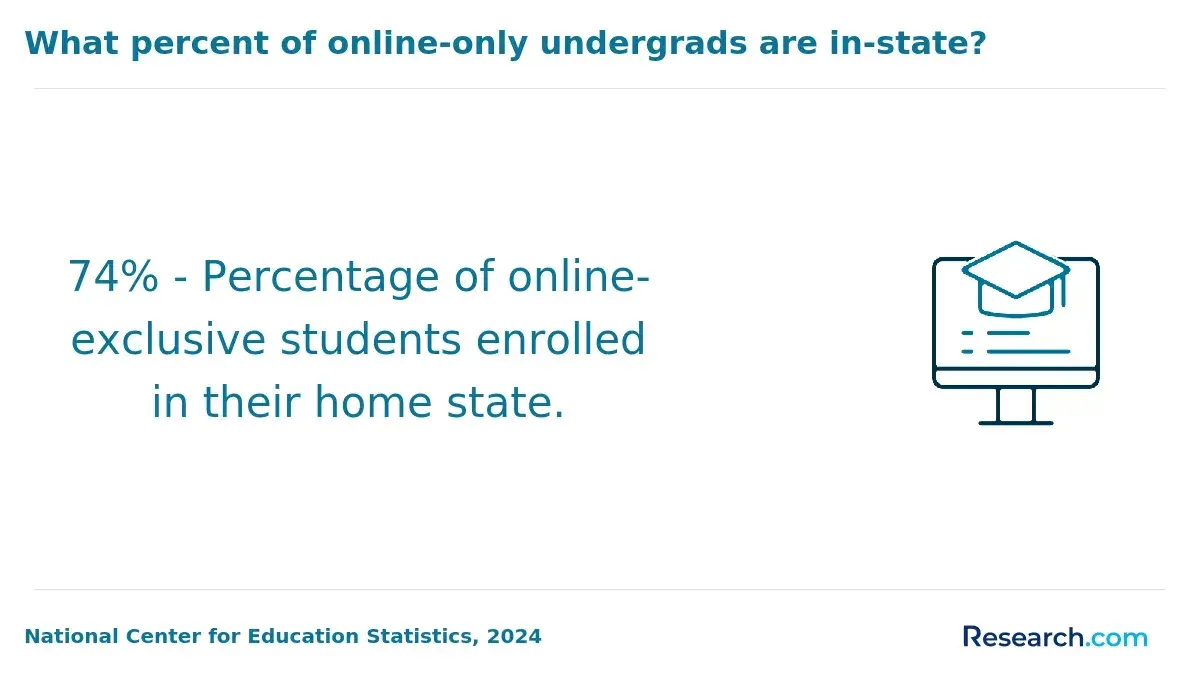
- Residency Status: Tuition often varies based on whether you qualify for in-state versus out-of-state tuition for online Health Studies degrees. Some universities charge out-of-state students higher rates, though many online programs provide in-state pricing to all enrollees.
- Credit-Hour Requirements and Program Length: Most bachelor's programs require approximately 120 credits. Accelerated or transfer-friendly programs can reduce both time and cost, especially if you bring prior college credits or professional experience.
- Additional Fees: Technology fees, online course fees, and assessment costs can add to the base tuition. Some schools bundle these into tuition, while others itemize them separately.
- Student Support and School Quality: Programs with robust support services such as career counseling and tutoring, or those with strong accreditation and reputation, might charge more but potentially add greater value to your degree in the job market.
For those considering shorter training options, exploring 6-month certificate programs that pay well online may be a valuable alternative to full degree commitments.
Are Online Health Studies Programs Cheaper Than Traditional Programs?
Online Health Studies degree programs often provide a more affordable option compared to traditional on-campus degrees, primarily because of reduced incidental costs.
Evaluating the cost comparison online vs traditional Health Studies degree programs, it becomes clear that online formats eliminate many expenses associated with living on or near campus.
The average tuition for online Health Studies programs in the US at public institutions ranges from $9,600 to $10,260 annually, while private institutions average about $35,248 per year.
Many online programs charge tuition per credit hour, often between $300 and $600, with affordable options like Missouri Southern State University charging $360 per credit for all students regardless of residency.
However, students attending on-campus programs typically face additional costs for room and board, transportation, and campus fees, which significantly increase the total expense.
While online students avoid many traditional living expenses, they may incur fees for technology, digital resources, and reliable internet access, generally ranging from $100 to $200 per term. Importantly, online programs sometimes allow access to in-state tuition rates even for out-of-state students, further enhancing affordability.
For students exploring the what is the easiest degree to get in terms of structure and cost, Health Studies programs offer a practical balance of cost savings and flexibility.
Are There In-State and Out-of-State Tuition for Online Health Studies Programs?
Tuition costs for online Health Studies degrees can vary significantly depending on whether a student qualifies as in-state or out-of-state. Many public universities apply different tuition rates based on residency, affecting the overall expense for online learners.
Typically, in-state students benefit from lower tuition since their families contribute to state funding, whereas out-of-state students often face charges that are two to three times higher. However, this is not always the case.
Some public institutions have implemented flat-rate tuition models for their fully online Health Studies programs, charging the same per-credit fee regardless of where the student lives. For instance, Missouri Southern State University charges $360 per credit for both in-state and out-of-state online Health Science students.
Additionally, regional tuition agreements can offer a compromise where nearby out-of-state students pay more than in-state rates but less than the full out-of-state tuition.
Meanwhile, private and tuition-free schools generally do not differentiate tuition by residency, billing all students the same amount. It's essential for prospective students to verify specific tuition policies for their chosen program, as these structures are evolving with the rise of online education.
Which Schools Offer the Most Affordable Health Studies Degree Programs?
For those seeking affordable options to advance their education, online Health Studies degree programs provide flexible, cost-effective opportunities. These programs are ideal for students and professionals aiming to balance work and study while minimizing expenses.
Below are some of the most affordable online Health Studies degree programs in the US that combine low tuition with quality curriculum and accessibility.
- Missouri Southern State University: Offers a Bachelor of Science in Health Science at $360 per credit for all students. Licensed allied health professionals benefit by applying clinical credits toward the degree, reducing time and costs.
- University of West Florida: Provides an online Bachelor's in Health Sciences for about $6,569 annually with multiple tracks such as public health and healthcare administration, supported by a flat-rate tuition system.
- California Coast University: Features a fully online Health Studies program costing $5,100 per year, with no additional online learning fees, making it one of the cheapest online Health Studies bachelor's programs in 2025.
- Middle Georgia State University: Offers a competitive option at $5,220 annually and includes reduced tuition rates for military members, veterans, and their families.
Students interested in exploring cost-effective pathways in higher education might also review affordable phd opportunities, which complement undergraduate pathways by presenting further savings and flexibility.
Which Schools Offer the Most Expensive Health Studies Degree Programs?
The most expensive online Health Studies degree programs in the US are often found at reputable research universities and private colleges that offer specialized resources and advanced curricula. These programs tend to have higher tuition due to quality faculty, accreditation, and comprehensive student support.
Below are examples of some of the highest tuition health studies bachelor programs USA, highlighting the significant investment required for these online degrees.
- The University of Texas at Arlington: Offers an online bachelor's degree in public health with annual tuition of approximately $29,660, making it one of the priciest options available.
- Arizona State University Online: Features a similar program with yearly tuition around $24,780, combining prestige and a robust curriculum designed to prepare students for public health careers.
- Simmons University: Provides an online Health Studies program with an annual cost near $15,000, reflecting its private college status and specialized offerings.
Factors driving these high prices include accredited program status, access to research tools, and distinguished faculty who enhance the educational experience.
For students considering financial planning, it's useful to compare these costs against more affordable options, which can be explored further through resources like affordable online bachelor degree programs.
How Long Does It Take to See a Return on an Online Health Studies Degree?
Investing in an online Health Studies degree involves weighing the costs against future earnings. Understanding the typical timeframe to regain these expenses helps prospective students make informed decisions about their education and career paths.
On average, graduates can expect to recover the cost of their online Health Studies degree within 11 to 14 years after starting their careers. The initial salary for bachelor's degree holders in health fields is around $66,600, while the total cost of obtaining the degree, including tuition and fees, is close to $180,000.
Variations in payback periods depend largely on the chosen health-related major and starting salary levels. For instance, those in general medical and health service roles often see a longer return period near 14 years due to slightly lower starting wages.
Several factors impact this timeline. Strong demand in health sectors, steady wage growth, and low unemployment rates often accelerate the financial return for graduates.
Personal choices such as incurring less student debt, working during school, or delaying graduate studies can also influence how swiftly one breaks even. Conversely, higher loan balances or pursuing advanced degrees might extend the time before achieving a positive return on investment.
Are Online Health Studies Students Eligible for Financial Aid?
Students pursuing online Health Studies degrees in the United States are generally eligible for a broad spectrum of financial aid programs, much like their counterparts in traditional on-campus settings.
Accessing federal financial aid for online Health Studies programs requires completing the Free Application for Federal Student Aid (FAFSA) and meeting specific eligibility requirements, including citizenship, satisfactory academic progress, and enrollment in an accredited degree program.
These federal aid options include grants, work-study opportunities, and federal student loans that can ease the burden of tuition costs.
Besides federal aid, many institutions offer scholarships and grants tailored to health studies majors, often based on merit or financial need. Understanding the eligibility requirements for online Health Studies student aid is essential to maximizing financial support.
Additional funding sources can come from state programs, employer assistance, or veterans' benefits, expanding the options available to students.
- State Grants and Scholarships: Provided to residents attending in-state institutions, these grants and scholarships can cover varying amounts of tuition costs depending on the state's funding and eligibility criteria.
- Employer Tuition Assistance: Common in the healthcare sector, employers may cover part or all of the tuition for employees enrolled in job-related Health Studies programs, offering valuable support to working students.
- Veterans' Benefits: Eligible military-affiliated students can receive benefits that contribute to tuition and related educational expenses, helping reduce overall costs.
The coverage from these aid programs varies, with federal grants offering several thousand dollars annually and loans potentially covering full tuition up to set limits. Scholarships and employer assistance may provide partial or full funding based on program rules and availability.
Pursuing financial aid is a critical step for those exploring the best highest paying jobs for introverts, especially when considering health-related careers.
Are Online Health Studies Programs Expected to Increase in the Coming Years?
Online Health Studies degrees offer flexible learning options tailored to busy students and professionals aiming to advance in healthcare fields. Understanding the tuition costs involved helps prospective students plan their education budgets effectively.
Currently, tuition for online Health Studies programs varies widely depending on the institution, program level, and student residency status. Public universities typically offer lower rates for in-state students, with tuition ranging from approximately $5,000 to $15,000 per year.
Private institutions tend to charge higher fees, often between $20,000 and $40,000 annually. Many programs also offer per-credit pricing, making total costs dependent on the number of credits required for graduation.
Looking ahead, tuition costs for these online degrees are expected to rise moderately due to increased demand and the growing costs of delivering quality online education. However, technological advancements and competition among schools could help stabilize prices in some cases.
Financial aid, scholarships, and employer tuition assistance remain important tools to help manage expenses for students pursuing Health Studies online.
What Students Say About The Cost of Pursuing Online Health Studies Programs
- Valentino: "Pursuing my online Health Studies degree was a game-changer for my career, especially considering the affordable tuition compared to traditional programs. I invested around $15,000 total, which feels like an incredible bargain given the knowledge and opportunities I've gained to advance in healthcare management. I'm truly excited about where this degree will take me next."
- Zev: "Reflecting on my journey, the cost of the online Health Studies program-approximately $12,000-was a significant consideration for me. However, the flexibility and depth of the curriculum made it a worthwhile investment, allowing me to balance work, family, and study. This degree has opened doors I didn't anticipate, proving that the return on investment goes beyond just finances."
- Grayson: "Enrolling in the online Health Studies degree was a calculated professional decision. With program costs hovering around $14,000, I assessed the potential for career advancement and increased salary prospects in public health sectors. The cost versus benefit analysis clearly leans in favor of completion, making this degree a sound investment in my future."
Other Things You Should Know About Health Studies Degree Program Costs
In 2027, online Health Studies degree programs often include additional fees such as technology fees, online course fees, and proctoring fees for exams. Students may also incur costs for textbooks, course materials, and access to specific software required for coursework.
Undergraduate and graduate online Health Studies programs differ in costs based on curriculum complexity, faculty expertise, and resource requirements. Graduate programs often have higher costs due to advanced coursework and specialized instruction. Additionally, accreditation and technology fees may vary, adding to the overall expenses.
References
- Online Health Science Degrees with Financial Aid https://www.edumed.org/online-schools/health-science-degrees/financial-aid/
- Tuition and Fees | Johns Hopkins Bloomberg School of Public Health https://publichealth.jhu.edu/offices-and-services/office-of-admissions-services/tuition-and-fees
- Analyses of the return on investment of public health interventions: a scoping review and recommendations for future studies https://gh.bmj.com/content/8/8/e012798
- Exploring the Cost of eLearning in Health Professions Education: Scoping Review https://pmc.ncbi.nlm.nih.gov/articles/PMC8081275/
- Online Health Sciences Degrees https://www.affordablecollegesonline.org/degrees/public-health-programs/health-sciences/
- Affordable Online Health Sciences Degree https://online.lsu.edu/online-degree-programs/undergraduate/general-studies-health-sciences/
- 2025 Most Affordable Online Public Health Degrees https://www.onlineu.com/most-affordable-colleges/public-health-degrees
- Bachelor of Science in Health Studies https://degree.astate.edu/online-programs/undergraduate/health-sciences/bachelor-of-science-health-studies/
- Top 50 Most Affordable Online MPH Programs https://www.umt.edu/public-community-health-sciences/news/201570-top50healthadmin.php
- Online Tuition-Free Bachelor's Degree in Health Science (BHS) https://www.uopeople.edu/programs/online-bachelors/health-science/