
2027 Best Human Resource Management Degrees for Working Adults

Co-Founder and Chief Data Scientist
Balancing a full-time job while pursuing a human resource management degree can overwhelm many working adults. Nationwide, 64% of adult learners report difficulty finding flexible programs that accommodate their schedules without sacrificing quality. This challenge often delays career advancement and salary growth in the competitive HR industry. With workforce demands evolving rapidly, professionals need accredited degrees offering online or evening options to stay relevant. This article explores the best human resource management degrees designed for working adults, analyzing flexibility, accreditation, and industry alignment to help readers choose programs that fit their busy lives and support long-term career success.
Key Things to Know About Human Resource Management Degrees for Working Adults
- Many programs offer online or hybrid formats, providing working adults flexibility to balance coursework with professional responsibilities effectively.
- Accelerated degree options enable faster completion, appealing to professionals aiming to quickly advance their careers in human resource management.
- Curricula often emphasize real-world employer relevance, integrating labor laws, talent management, and organizational behavior aligned with current HR industry demands.
What Are the Best Human Resource Management Degrees for Working Adults?
The best human resource management degrees for working adults depend on individual priorities such as schedule flexibility, career alignment, and return on investment. A notable trend is the rise in adult learner enrollment in part-time and online programs, reflecting demand for practical, career-relevant education that fits busy lifestyles. Many professionals seek programs that allow them to maintain full-time employment while advancing their qualifications.
Several degree options are particularly well suited for working professionals:
- Bachelor's or Master's in Human Resource Management (Online): These programs offer comprehensive knowledge with flexible formats, often featuring asynchronous coursework that accommodates varied schedules and immediate career application.
- Human Resource Development: Focuses on training and organizational growth, making it ideal for those looking to lead workplace learning initiatives while balancing job responsibilities.
- Human Capital Management: Emphasizes strategic planning and analytics, aligning with evolving HR roles and employer demand for data-driven decision makers.
- Labor Relations and Employment Law: Prepares students for compliance and negotiation roles through evening or weekend classes that fit working adults' timetables.
- Talent Acquisition and Recruitment: Concentrates on workforce planning and hiring strategies, using practical projects suited to part-time study and immediate employer relevance.
These programs generally integrate practical projects and flexible pacing, appealing to students seeking career advancement without interrupting full-time work. For professionals exploring related fields, examining artificial intelligence degree programs can also provide insight into emerging opportunities. Among the best online human resource management degrees for working adults, choosing an accredited program ensures the education supports long-term career growth and fits professional schedules, aligning with top accredited HR management programs for professionals.
What Are the Admission Requirements for Working Adults in Human Resource Management Degree Programs?
Admission requirements for working adults enrolling in human resource management degree programs often reflect the need for flexibility due to their full-time jobs and personal responsibilities. Nearly 40% of graduate students now opt for part-time enrollment, emphasizing the importance of adaptable standards for adult learners. These factors shape how admissions differ from those for traditional students.
Key considerations for human resource management degree admissions for professionals typically include the following:
- Prior Work Experience: Many programs prioritize relevant professional experience, sometimes accepting it in lieu of formal prerequisites as it demonstrates practical knowledge and readiness for advanced study.
- GPA Expectations: While minimum GPA standards remain common, some admissions offices apply holistic reviews to balance academic records with substantial work experience.
- Standardized Test Waivers: GRE or GMAT requirements are often waived for applicants presenting strong professional backgrounds or prior graduate coursework, reducing barriers for working adults.
- Professional Recommendations: Letters from current or former supervisors can highlight an applicant's skills and preparedness, offering valuable insight beyond transcripts.
- Flexible Scheduling: Admissions frequently emphasize part-time or online program formats to accommodate the demanding schedules of working professionals.
Working adults seeking flexible, accredited human resource management programs can find options that align with their career goals and time constraints. For those interested in affordable educational pathways elsewhere, exploring the cheapest online engineering degree offerings might also provide valuable insights into flexible academic structures.
What Coursework Is Required in Human Resource Management Degree Programs for Working Adults?
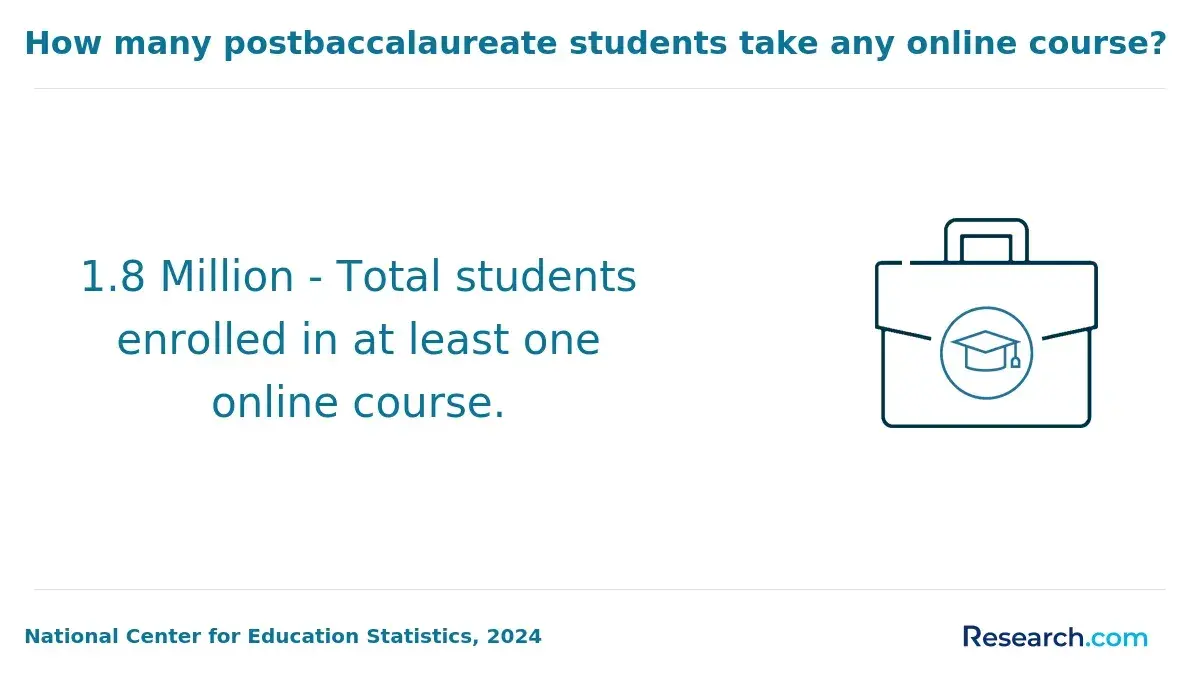
Human resource management degree programs for working adults are designed to balance career relevance, practical skills, and flexible learning formats that accommodate full-time employment. Over 60% of students in these programs juggle work and study, reflecting strong demand for adaptable education options that support career advancement. Many programs incorporate online or hybrid coursework to meet the needs of busy professionals pursuing Human resource management coursework for working adults.
Core subjects emphasize real-world application to help students immediately apply knowledge in their roles. Key areas typically include:
- Employment Law: This course explores legal frameworks related to hiring, labor relations, and workplace compliance. It equips students with an understanding of laws that help reduce organizational risks and navigate legal challenges effectively.
- Organizational Behavior: Focusing on leadership, employee motivation, and group dynamics, this class builds interpersonal skills essential for managing teams and improving workplace culture.
- Talent Acquisition and Retention: Students learn strategic recruitment and retention methods to maintain a competitive workforce, a vital skill for any HR professional.
- Compensation and Benefits: This area covers the design of equitable pay structures and benefits programs that align with both organizational goals and employee satisfaction.
- Training and Development: Emphasizing career growth and operational efficiency, this course teaches how to create effective learning programs to upskill employees.
For adult learners seeking flexible options, these coursework areas are often integrated into programs tailored for working adults. Those researching affordable options can also find insights on the cheapest online psychology degree as a reference for cost considerations in online learning pathways.
How Long Does It Take to Complete a Human Resource Management Degree While Working?
Completion times for a human resource management degree among working adults can differ significantly due to various factors related to balancing education and employment. On average, these students take about 4.5 years to finish their bachelor's degree, which is somewhat longer than the usual four-year period for full-time students.
Several key elements affect how quickly working adults can earn their degree:
- Program Format: Flexible online or hybrid formats allow students to manage their studies around full-time jobs, which can help shorten the duration needed to graduate.
- Course Load: Enrolling in fewer courses per semester is a common approach for working students, reducing stress but often lengthening the overall time to degree completion.
- Prior Credits: Transfer credits from earlier college work or professional certifications may fulfill some requirements, accelerating progress.
- Work Schedule: Job demands, especially in full-time or irregular roles, can restrict how many classes a student can take simultaneously, slowing academic advancement.
- Accelerated Options: Some programs offer intensive or condensed courses that motivated students can use to complete their degrees more quickly.
A professional who completed an online human resource management degree while working shared that juggling deadlines and family responsibilities was often "overwhelming but rewarding." He emphasized that time management became crucial, describing how setting strict study schedules and using weekends for coursework were vital to staying on track. "There were moments I doubted if balancing work, studies, and personal life was possible," he said, but the flexibility of the online program "helped me persist and finally graduate." This experience illustrates the dedication required to complete a degree while working full time.
How Much Does a Human Resource Management Degree Cost for Working Adults?
Cost plays a significant role for employed students balancing work and family while pursuing a human resource management degree. Part-time enrollment in these programs has risen by over 20% in the past ten years, highlighting the importance of affordable education options. Several elements influence the overall expense of earning this degree.
Key factors affecting the total cost include:
- Tuition per Credit: Rates vary widely, often ranging from $300 to $700 per credit hour. Since many adults attend part-time, the price per credit directly impacts how much they ultimately pay.
- Program Length: The number of required credits determines duration and total cost. Some accelerated or competency-based programs can shorten completion time, lowering expenses.
- Additional Fees: Charges for technology access, lab work, and textbooks can add several hundred dollars each term, increasing the overall financial burden.
- Learning Format: Online programs frequently offer reduced tuition and eliminate commuting costs, providing a budget-friendly option for working students.
- Financial Aid Options: Employer tuition assistance, scholarships, and grants designed for adult learners can significantly reduce out-of-pocket costs and make programs more accessible.
What Financial Aid Options Are Available for Working Adults in Human Resource Management Degree Programs?
Balancing a full-time job, studies, and personal life can make funding a human resource management degree especially difficult for working adults. Financial support helps ease the burden of tuition and related expenses, allowing students to stay focused and on track.
Here are several financial aid options often accessible to adult learners in human resource management programs:
- Federal financial aid: This typically includes grants and loans based on financial need, such as Pell Grants or subsidized federal loans. Applicants must complete the FAFSA form, and many of these funds offer favorable repayment terms or do not require repayment at all.
- Employer tuition assistance: Many companies provide reimbursement or tuition support to encourage professional development. These programs usually cover part or all of the education costs for employees pursuing relevant degrees.
- Scholarships for adult learners: Organizations focused on non-traditional students offer scholarships that consider work experience and career goals. These awards help reduce the financial strain on adults balancing education with other responsibilities.
- Grants: Various state and private grants are available to returning students or those aiming to advance within human resource management. These funds generally do not need to be paid back and can be tailored specifically for working adults.
- Tax benefits: Education tax credits and deductions, like the Lifetime Learning Credit, can lessen the financial impact when preparing annual taxes, providing indirect support for pursuing further education.
The author spoke with a professional who earned her human resource management degree while maintaining a demanding job. She recalled how managing tuition payments alongside monthly bills often felt overwhelming, but applying for employer tuition aid made a significant difference. "I was hesitant at first to ask my employer, but once I did, it opened doors I hadn't expected," she shared. Navigating FAFSA and researching scholarships took time, but she found each step rewarding. Reflecting on her journey, she emphasized that the combination of employer support and targeted scholarships allowed her to balance work, study, and life without sacrificing any of her commitments. This support system was crucial in sustaining her motivation through challenging periods.
What Support Services Help Working Adults Succeed in a Human Resource Management Program?
Balancing coursework, full-time employment, and personal responsibilities presents significant challenges for working adults enrolled in human resource management programs. Access to robust institutional support services is essential to help these students maintain focus and make steady academic progress.
- Flexible Scheduling: Offers courses and learning materials during evenings or weekends so students can adapt their studies around work and family demands. This flexibility reduces conflicts and supports consistent engagement.
- Academic Advising: Provides tailored guidance to help students select the right courses, plan degree completion, and overcome academic obstacles, ensuring an efficient pathway to graduation.
- Online Learning Support: Delivers technical help and resources to navigate virtual platforms smoothly, making remote learning more accessible and manageable for busy professionals.
- Career Services: Connects students with internships, networking events, and job placement resources, enabling them to apply classroom knowledge in practical settings and advance career goals.
- Mental Health Resources: Supplies counseling and stress management assistance, helping students maintain emotional well-being during demanding schedules and minimize burnout risks.
Are Human Resource Management Degrees for Working Adults Accredited?
Accreditation for human resource management programs ensures they meet established quality standards through evaluation by recognized agencies. This validation confirms that the curriculum, faculty, and resources maintain rigorous educational criteria, which is essential for working adults balancing employment with study.
Accredited degrees carry greater weight with employers and professional groups, signaling reliability and competence. Additionally, many accredited programs qualify students for federal financial aid, making continuing education more affordable. Currently, over 40% of graduate students in the U.S. are adults managing both work and school commitments, highlighting the demand for credible, flexible programs.
Holding an accredited human resource management degree offers enduring value by facilitating credit transfer if students pursue further education. It also plays a vital role in meeting eligibility requirements for professional certifications and licenses that boost career mobility. For working adults, this means their degree is widely accepted and respected across the labor market, supporting long-term career growth. Accreditation's assurance of program quality often leads to stronger recognition by employers, increasing opportunities for advancement within the field.
Does a Human Resource Management Degree Increase Salary for Working Adults?
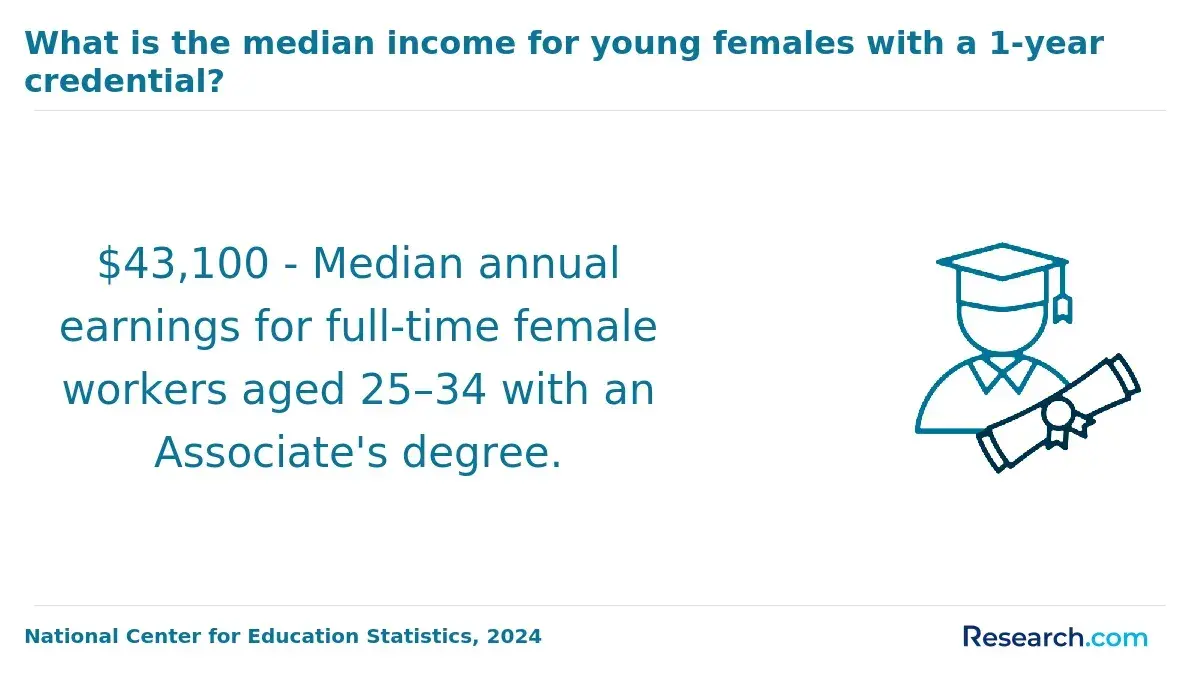
Salary growth is often a primary motivator for working adults pursuing a human resource management degree, as it can significantly enhance earning potential and career trajectory. Typically, salary ranges for adults with this degree fall between $50,000 and $90,000 annually, depending on the role and experience level.
Several important factors influence whether obtaining a human resource management degree translates into a meaningful salary increase for working adults:
- Industry Demand: Industries with strong HR needs generally offer more competitive salaries, rewarding professionals who hold specialized degrees. High-demand sectors may provide better compensation packages to attract skilled human resource managers.
- Role Advancement: A human resource management degree often qualifies candidates for supervisory or specialist positions, which typically come with higher pay. Career advancement into managerial roles is a common driver of salary growth.
- Employer Policies: Some organizations encourage continued education and may offer salary incentives or promotions to employees who earn this degree. The value placed on education directly impacts compensation increases for degree holders.
- Years of Experience: Combining a human resource management degree with substantial work experience usually results in greater salary gains. Experienced professionals can leverage their education to justify higher compensation.
- Specialization: Expertise in areas like compensation management, labor relations, or talent acquisition can create salary premiums. Specialized skills enhance a professional's value and marketability.
For those balancing full-time work, flexible and accredited degree programs are essential. Exploring options that accommodate working professionals can support both career advancement and income growth. Candidates interested in this path may also consider how earning a 4 year degree in human resource management compares to other fields in terms of salary prospects for working adults.
What Jobs Can Working adults Get With a Human Resource Management Degree?
A human resource management degree enables working adults to move beyond entry-level roles, preparing them for higher-level, specialized, and leadership positions. This advanced education provides expertise in strategic talent acquisition, employee relations, labor law, and organizational development. Such skills are essential for professionals aiming to influence company culture and improve operational efficiency.
Career advancement opportunities for working adults with a human resource management degree often include the following roles:
- HR Manager: As a key leadership position, this role involves overseeing recruitment, training, and employee relations while ensuring compliance with labor laws. The degree equips professionals with the strategic and managerial skills necessary for effective team and policy management.
- Talent Acquisition Specialist: This specialist design talent sourcing strategies to attract and retain top employees. A human resource management degree supports understanding of workforce planning, labor market trends, and data-driven recruitment approaches, enhancing candidate quality and fit.
- Compensation and Benefits Analyst: Focused on designing competitive and equitable pay structures, this role requires strong analytical skills. The degree strengthens expertise in employee compensation, benefits planning, and regulatory compliance, which are critical for sustaining workforce satisfaction.
- Training and Development Manager: This role involves developing programs that improve employee skills and overall performance. Knowledge of adult learning principles and organizational needs gained through the degree helps design effective training initiatives that align with company goals.
- Employee Relations Director: Responsible for managing workplace conflict and fostering a positive environment, this position demands advanced knowledge of employment law and communication strategies, both of which a human resource management degree provides.
Working professionals seeking flexible, accredited programs that allow balancing full-time employment with studies can explore top online degrees designed for career changers and adult learners. Such programs specifically target human resource management career opportunities for working adults and equip graduates with skills necessary for these advanced positions. To discover more about these options, consider exploring top online degrees that pay well and align with professional goals.
What Graduates Say About Their Human Resource Management Degrees for Working Adults
- Victor: "Deciding to pursue a human resource management degree online while working full-time was a game-changer for me. Balancing the program's cost, which averaged around $15,000, against the flexibility it offered made it a wise investment. After graduation, I quickly moved into a leadership role, demonstrating how impactful the degree was on advancing my career."
- Thissa: "Choosing a part-time human resource management program enabled me to continue my job without sacrificing education. The reasonable cost, typically between $12,000 and $18,000, was manageable given my work schedule. Completing the degree helped me gain confidence and practical skills that aligned perfectly with my career goals."
- Norman: "I approached the pursuit of an online human resource management degree with a professional mindset, knowing the financial outlay, often about $14,000, was significant but necessary. This program significantly enhanced my understanding of HR strategy and compliance, directly influencing my promotion. The balance of cost and career growth made it a deliberate and rewarding decision."
Other Things You Should Know About Human Resource Management Degrees
In 2027, leading online platforms for working adults seeking HR management degrees include Coursera, edX, and LinkedIn Learning. Major universities like Southern New Hampshire University and Purdue Global offer flexible online programs tailored for working adults, providing both foundational knowledge and practical skills relevant to modern HR practices.
Professional certifications such as the SHRM-CP (Society for Human Resource Management Certified Professional) and PHR (Professional in Human Resources) are commonly pursued alongside or after earning a human resource management degree. These certifications strengthen practical HR skills and enhance job market competitiveness, particularly for working adults aiming for career advancement.
Working adults often face challenges such as time management between work and study, financial constraints, and adjusting to online learning platforms when pursuing a human resource management degree. Finding programs that offer flexible schedules and support services can help mitigate these challenges for better success.
References
- Human Resources Management Courses | Study Human Resources Management Today https://collegeforadultlearning.edu.au/courses/human-resource-management/
- Human Resources Salary: Your 2025 Guide https://www.coursera.org/articles/human-resources-salary
- Online HR Degree https://www.snhu.edu/online-degrees/bachelors/bs-in-human-resource-management
- Bachelor of Arts in Human Resources Management - Accelerated https://www.desales.edu/programs/adult-studies/human-resource-management-accelerated
- Frequently Asked Questions About Human Resources Degrees and Careers - Human Resources Degrees https://www.humanresourcesmba.net/faq/
- Is a Bachelor’s in Human Resources Worth It? Educational Article Resource https://career.cuchicago.edu/is-a-bachelors-in-human-resources-worth-it-career-paths-impact-and-options-for-working-adults/
- Human Resource Management Program: Frequently Asked Questions and Answers https://www.succefy.com/en/blog/human-resource-management-program-frequently-asked-questions-and-answers
- Human Resources Scholarships https://www.collegescholarships.com/major-degree/human-resources-scholarships
- Top 10 Online Bachelor's In Human Resources Programs 2025 https://www.accreditedschoolsonline.org/business/human-resources/
- Everything You Need to Know About Working in Human Resources https://www.rasmussen.edu/degrees/business/blog/working-in-human-resources/


