
2027 Best Nursing Education Degrees for Working Adults

Co-Founder and Chief Data Scientist
Balancing full-time work while pursuing a nursing education degree poses significant challenges for many adults. Approximately 40% of nursing students in the U.S. are over 30, reflecting growing demand among working professionals seeking flexible learning options. These students often face scheduling conflicts and limited access to traditional programs.
This article explores nursing education degrees tailored for working adults, highlighting flexible formats, accreditation, and career advancement potential. It aims to guide readers in selecting programs that accommodate busy lives without compromising quality, ultimately supporting successful career transitions or upward mobility in healthcare.
Key Things to Know About Nursing Education Degrees for Working Adults
- Flexible scheduling and evening or weekend classes help working adults balance nursing education degrees with employment and family responsibilities.
- Many programs offer online or hybrid formats, increasing accessibility and allowing students to complete coursework remotely.
- Accelerated pacing and tailored support services improve completion rates, with some studies showing 70% of working adults finish nursing education degrees within three years.
What Are the Best Nursing Education Degrees for Working Adults?
The best nursing education degrees for working adults depend largely on factors such as schedule flexibility, alignment with career goals, and return on investment. A notable trend is the expansion of part-time enrollment and online nursing degrees designed specifically to accommodate adult learners balancing job demands and personal commitments.
This rise in flexible nursing degree programs for professionals makes it easier to pursue education without compromising work responsibilities.
Several degree options cater well to employed students. Consider these pathways:
- RN to BSN Programs: These bridge programs suit registered nurses aiming to earn a bachelor's degree while maintaining their jobs. Many offer fully online courses and practical content to enhance clinical and leadership skills, including options like RN to bsn no clinicals that reduce onsite requirements.
- Master's in Nursing Education: Tailored for nurses preparing to become educators, these programs emphasize adult learning theories and curriculum design with flexible online modules to fit various schedules.
- Nursing Leadership and Administration Degrees: Designed for those targeting managerial roles, these degrees combine healthcare systems knowledge and leadership training and are often available in hybrid or fully online formats.
- Specialized Clinical Master's Degrees: Focused options such as nurse practitioner or nurse educator pathways provide deep clinical specialization while allowing part-time schedules that complement work and clinical experience.
What Are the Admission Requirements for Working Adults in Nursing Education Degree Programs?
Admission requirements for working adults in nursing education degree programs often differ from those for traditional students due to the unique challenges adult learners face, such as balancing full-time employment with academic responsibilities. In fact, nearly 40% of graduate students enroll part-time, highlighting the growing demand for adaptable learning models.
This is especially relevant for those researching nursing education program entry criteria for employed students.
Common considerations for admission of working adults include:
- Relevant Work Experience: Many programs require or highly value prior nursing or healthcare experience to ensure that students have a practical foundation that complements academic studies.
- GPA Expectations: While minimum GPA standards are maintained, some programs offer waivers or conditional acceptance based on professional achievements and experience.
- Standardized Test Waivers: GRE or other standardized test requirements are frequently waived for working professionals to reduce barriers to enrollment.
- Professional Recommendations: Letters of recommendation typically emphasize both academic skills and workplace performance to provide a comprehensive assessment of the candidate.
- Flexible Enrollment Options: Many programs accommodate part-time or online study formats, making them accessible to employed learners with varying schedules.
Working adults seeking degree programs that offer flexibility and meet their admission needs might also explore options beyond nursing, such as medical billing and coding schools online with financial aid, which can provide additional career pathways.
What Coursework Is Required in Nursing Education Degree Programs for Working Adults?
Coursework in nursing education degree programs for working adults is carefully crafted to balance career relevance, practical skill development, and flexible learning formats. This approach recognizes that over 60% of nursing students in continuing education are working adults pursuing career advancement or specialization.
The curriculum integrates applied knowledge with schedules designed to fit full-time employment.
Core nursing education coursework for working adults typically covers essential areas that enhance both clinical expertise and leadership capabilities. Common courses include:
- Advanced Nursing Practice: Concentrates on clinical decision-making and specialized care skills, enabling professionals to broaden their clinical roles and expertise.
- Healthcare Leadership and Management: Equipped to develop abilities in staff coordination, policy comprehension, and administrative functions, this course prepares nurses for supervisory and managerial positions.
- Curriculum Development in Nursing: Focuses on strategies for designing and delivering effective nursing education, ideal for nurses transitioning into educator roles.
- Evidence-Based Practice: Emphasizes research methodologies and data application, empowering nurses to adopt best practices and enhance patient outcomes.
- Adult Learning Theories: Explores how adult learners differ, helping nurse educators tailor instructional methods effectively to diverse student needs.
Adult learners interested in flexible, accredited programs may find online medical programs particularly accommodating for balancing work and study commitments.
These essential classes in nursing degree programs ensure that adult students receive comprehensive training suited to contemporary healthcare environments while respecting their professional and personal schedules.
How Long Does It Take to Complete a Nursing Education Degree While Working?
Completion times for nursing education degrees vary widely among working adults due to the challenge of balancing job commitments with academic responsibilities. On average, part-time students typically finish their degrees within three to four years, reflecting this balance and the unique demands each learner faces.
Several key aspects affect how quickly working adults can complete their nursing education degree:
- Program format: Flexible online and hybrid programs enable students to tailor their schedules, either by accelerating their studies or extending them to better fit work and life obligations.
- Course load: Choosing fewer courses each term can extend the duration but helps manage stress, whereas taking heavier course loads may expedite completion yet increase pressure.
- Prior credits: Transfer or previously earned credits can reduce the required coursework, shortening the time spent in the program.
- Work schedule: Irregular or demanding jobs limit study time, often leading to a longer path to graduation.
- Accelerated options: Some programs offer faster tracks that compress the timeline but require strong time management and dedication.
A professional who completed an online nursing education degree while working shared his experience: "Balancing full-time work and coursework wasn't easy. There were weeks when deadlines felt overwhelming, and I had to study late into the night.
But having access to recorded lectures and flexible deadlines made managing both possible. The key was breaking down assignments into manageable steps rather than trying to do everything at once." This insight highlights how flexible program structures and personal perseverance play crucial roles in finishing while working full time.
How Much Does a Nursing Education Degree Cost for Working Adults?
For working adults, the affordability of a nursing education degree is a major determinant in their ability to enroll and succeed while balancing employment. Approximately 60% of adult learners in healthcare-related fields choose part-time study, a trend that influences overall expenses by spreading costs over a longer period.
Several important factors affect the total cost of earning a nursing education degree for those managing full-time jobs:
- Tuition per Credit: Many programs charge based on credit hours, so part-time students pay incrementally but may extend their studies, which can increase cumulative costs.
- Program Duration: Length varies widely from associate to bachelor's and master's degrees, directly impacting the total tuition investment.
- Additional Fees: Beyond tuition, students often face technology, lab, and clinical placement fees that elevate overall educational expenses.
- Study Format: Online options often reduce commuting and housing costs but might require purchasing specialized software or equipment, affecting budget considerations.
- Cost-Reduction Opportunities: Many working adults benefit from employer tuition assistance, scholarships, and grants, which significantly reduce out-of-pocket costs.
What Financial Aid Options Are Available for Working Adults in Nursing Education Degree Programs?
Balancing work, studies, and personal commitments can place a heavy financial burden on adults pursuing nursing education degrees. Access to financial aid not only alleviates money-related stress but also helps students concentrate on their academic and professional growth.
Below are some common financial aid options designed to support working adults in nursing education programs.
Key financial aids include:
- Federal financial aid: Via the FAFSA process, students can qualify for grants, subsidized low-interest loans, and work-study opportunities. Eligibility is typically based on income level, enrollment status, and satisfactory academic progress.
- Employer tuition assistance: Many employers encourage employee development by offering tuition reimbursement or financial aid. Candidates usually must remain employed and meet certain academic standards to maintain eligibility.
- Scholarships for adult learners: Numerous foundations and organizations provide scholarships tailored to adults returning to school or changing careers, often factoring in financial need, community service, or demographic qualifiers.
- Grants: Offered by state programs or private sources, grants provide funds that do not require repayment and are often awarded based on specific program goals or financial necessity.
- Payment plans and tax benefits: Flexible installment options help ease upfront costs, while tax credits such as the Lifetime Learning Credit can reduce overall educational expenses.
In speaking with a professional who completed her nursing education while working full-time, she described the balancing act as "overwhelming yet rewarding." She shared how navigating employer reimbursement took persistence, including meticulous documentation and regular communication with HR.
Despite initial challenges, having this financial support "lifted a huge weight," allowing her to focus on studies without constant financial worry. She emphasized the importance of researching multiple aid options early and staying organized, advising others to "be proactive and patient with the process."
Her experience reflects how diverse financial aid opportunities can make nursing education attainable for busy adults.
What Support Services Help Working Adults Succeed in a Nursing Education Program?
Balancing coursework with full-time employment and family duties presents significant challenges for working adults pursuing a nursing education degree. To help students remain on track and excel academically, many institutions offer targeted support services designed to accommodate these unique demands.
- Academic advising: Customized planning assists students in prioritizing classes and setting achievable milestones, enabling them to align their studies with professional and personal commitments.
- Flexible scheduling: Offering evening, weekend, and online courses provides the convenience needed to continue education without compromising work or family time.
- Online learning support: Technical help and tailored resources ensure students can navigate digital platforms effectively, maintaining steady engagement with course materials from any location.
- Tutoring and study groups: Supplemental academic assistance and peer collaboration deepen understanding, addressing learning gaps and fostering a supportive community.
- Mental health resources: Access to counseling and stress management services promotes emotional resilience, which is vital for sustaining academic focus and progressing toward degree completion.
Are Nursing Education Degrees for Working Adults Accredited?
Accreditation signifies that nursing education programs meet rigorous standards set by recognized agencies, ensuring high-quality instruction suitable for working adults. This validation assures that curricula are current and comprehensive, which prepares students effectively for roles in nursing education. Degrees from accredited programs are more likely to be recognized by employers, improving job opportunities for graduates.
Additionally, financial aid eligibility is often contingent on enrollment in accredited programs, a critical consideration for adult learners balancing education costs and work. Currently, over 40% of graduate nursing students in the U.S. are adult learners pursuing flexible online or hybrid formats, reflecting a growing demand for adaptable educational options.
Accreditation also reinforces the lasting value and trustworthiness of nursing education degrees for working professionals. It facilitates credit transfer between schools, an advantage for adults returning to academics after career breaks.
Furthermore, graduating from an accredited program is typically required to qualify for professional licensure or certification, essential steps for advancing in nursing education careers. By maintaining these standards, accreditation supports long-term career growth and ensures the degree remains a credible credential within the healthcare field.
Does a Nursing Education Degree Increase Salary for Working Adults?
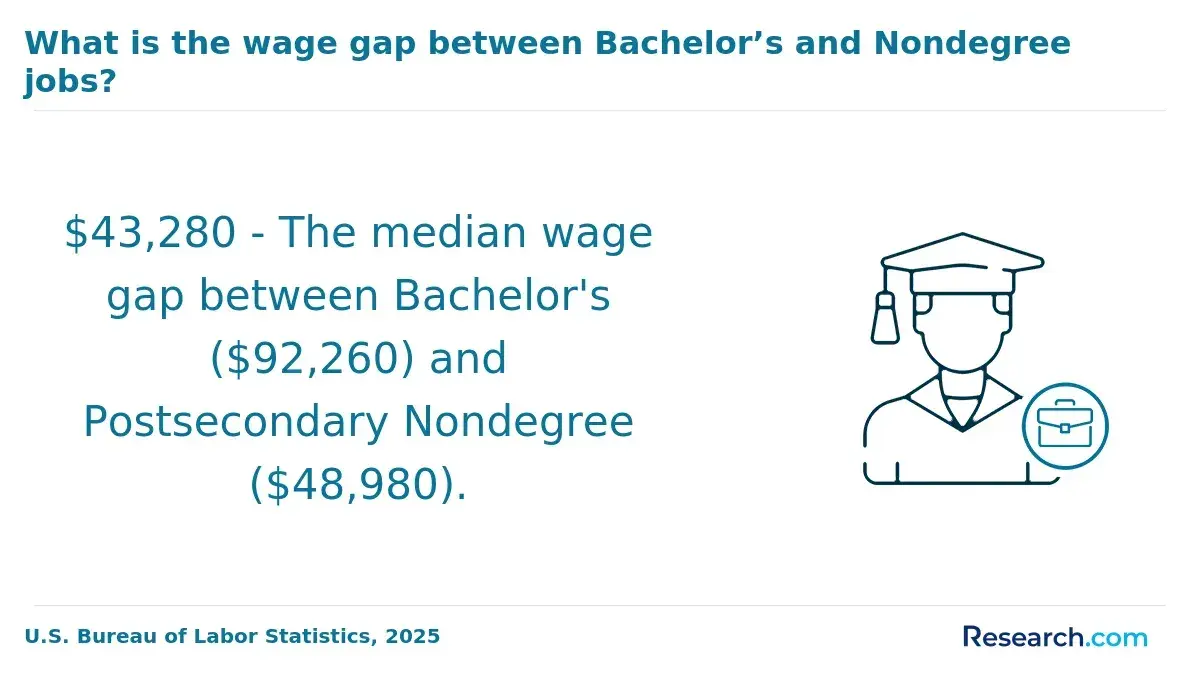
Salary growth is a key motivator for working professionals pursuing a nursing education degree, with annual salaries typically ranging from $65,000 to $90,000 depending on roles and responsibilities. This potential for increased earnings plays an important role in career growth with nursing education degree holders, helping to offset educational costs and enhance long-term financial security.
- Industry Demand: A significant shortage of nursing educators has driven competitive salaries in healthcare and academic settings. Working adults with this degree often benefit from high demand, which can translate to better compensation options compared to registered nurses without specialized credentials.
- Role Advancement: Positions such as nurse educator, clinical instructor, or nursing program coordinator generally offer higher pay. Advancing into these roles after earning a nursing education degree can lead to substantial salary increases and additional professional growth opportunities.
- Employer Policies: Organizations differ in how they reward advanced qualifications, with some providing salary increases or bonuses for employees holding nursing education degrees. Understanding these policies can help working adults maximize the financial benefits of their education.
- Experience and Specialization: Years of clinical and teaching experience combined with specialization in high-demand areas like gerontology or pediatric nursing education further enhance salary potential. This blend of expertise supports sustained career growth with nursing education degree holders.
For working adults balancing full-time jobs and further education, selecting flexible, accredited programs is essential. Those interested in affordable options may explore cheapest online nursing programs that accommodate professional schedules without compromising quality.
What Jobs Can Working adults Get With a Nursing Education Degree?
A nursing Education degree enables working adults to qualify for higher-level, more specialized, or leadership-oriented roles beyond entry-level nursing. This advanced credential supports career advancement by emphasizing teaching, administration, and clinical expertise essential for influencing healthcare education and delivery.
Common career advancement options for experienced professionals include the following roles:
- Clinical Nurse Educator: This position involves training nursing staff and ensuring adherence to best practices. It represents a shift from direct patient care to leadership and instructional responsibilities, leveraging expertise in both clinical work and education.
- Nurse Manager: Nurse managers oversee nursing departments by balancing administrative duties with maintaining patient care quality. This role demonstrates substantial career progression supported by leadership skills gained through nursing Education.
- Academic Nurse Instructor: Teaching nursing students at colleges or universities allows professionals to shape the next generation of nurses. This career path blends clinical knowledge with curriculum development and mentoring skills.
- Staff Development Coordinator: Focusing on continuing education, this role coordinates professional development and helps nursing staff enhance their skills and certifications, contributing to improved patient care.
- Nursing Program Director: Leading nursing programs or departments involves strategic planning and curriculum oversight. This top-tier leadership role benefits from the advanced training and administrative acumen provided by a nursing Education degree.
These advanced roles illustrate the diverse jobs available with a nursing Education degree for adult learners. They offer opportunities to move into leadership, education, and administration while balancing full-time employment.
For those considering further advancement, exploring the cheapest DNP program online can provide additional qualifications that complement a nursing Education degree and support long-term career growth.
What Graduates Say About Their Nursing Education Degrees for Working Adults
- Juliette: "Choosing an online nursing education degree program while balancing a full-time job was initially daunting, but it turned out to be the best decision I ever made. The program's cost was reasonable compared to traditional options, and investing in myself has opened doors to leadership roles I hadn't imagined before. I'm genuinely grateful for the flexibility and value this pathway provided me."
- Sophia: "Reflecting on my journey, enrolling part-time in a nursing education degree program was a strategic move to advance my career without sacrificing financial stability. The program fees, averaging around $20,000, felt manageable considering the knowledge and skills I gained. Completing the program has not only enhanced my clinical expertise but also empowered me to contribute more effectively to patient care and education."
- Diya: "As a working professional, pursuing nursing education part-time required discipline and commitment, yet the investment was undeniably worthwhile. The cost was competitive, especially given the quality of instruction and support I received. This degree has significantly elevated my professional standing and allowed me to mentor others in the nursing field with greater confidence."
Other Things You Should Know About Nursing Education Degrees
While online nursing programs offer flexibility, working adults may face challenges such as managing time effectively between job duties and coursework. Additionally, technical issues or lack of in-person interaction can hinder the learning experience for those not accustomed to virtual formats.
In 2027, top programs for working adults include Ohio University, Drexel University, and Chamberlain University. These institutions offer flexible online or blended formats, accommodating busy schedules while maintaining rigorous coursework and clinical requirements essential for skill development and career advancement.
Accreditation ensures that the nursing education program meets national standards for quality and rigor. For working adults, choosing an accredited program is crucial for eligibility for federal financial aid, licensure, and professional certification. It also influences employer recognition and transferability of credits.
References
- CCNE Accreditation https://www.aacnnursing.org/ccne-accreditation
- What Can You Do with an MSN in Nursing Education? — Pacific College https://www.pacific-college.edu/blog/msn-nurse-education
- Six Types of Nursing Degrees Explained https://www.pace.edu/types-of-nursing-degrees
- Ultimate Guide to Nursing Degrees: BSN, MSN, DNP & More https://shs.touro.edu/news/stories/ultimate-guide-to-nursing-degrees-bsn-msn-dnp--more.php
- Types of Nursing Degrees & Nursing Certifications https://www.gmercyu.edu/academics/learn/nursing-degree-certification-types
- School of Nursing https://www.ohsu.edu/school-of-nursing/nursing-education-online
- Working While in Nursing School: How to Become a Nurse While Working Full-Time & Finding Nursing Programs for Working Adults https://nightingale.edu/blog/working-while-in-nursing-school.html
- Your Questions About Online Nursing School, Answered https://www.allnursingschools.com/how-to-get-into-nursing-school/online-programs/
- Direct-Entry Master’s in Nursing (MSN) Programs https://nursinglicensemap.com/nursing-degrees/masters-in-nursing/direct-entry-programs/
- Nursing Scholarships https://nursing.jnj.com/scholarships


