
2027 Nursing Education Degree Programs for Career Changers

Co-Founder and Chief Data Scientist
Many working adults face the challenge of shifting careers into nursing education amid rising healthcare demands. For those entering nursing education, balancing full-time jobs and rigorous coursework can seem overwhelming. According to the National League for Nursing, 48% of enrolled nursing education students are adult learners pursuing second careers, underscoring the growing trend of career changers in this field. This article explores tailored nursing education degree programs that address these unique challenges, offering strategies and insights to help professionals transition smoothly and build effective nursing educator careers with confidence and efficiency.
Key Things to Know About Nursing Education Degree Programs for Career Changers
- Many nursing education degree programs offer flexible scheduling and hybrid formats, allowing working adults to balance coursework with professional and personal commitments effectively.
- Accelerated pacing is common, enabling career changers to complete programs faster, meeting the demand for skilled nurses projected to grow by 9% through 2030.
- Support services like academic advising, tutoring, and career counseling are increasingly integrated, helping working adults navigate challenges and transition smoothly into healthcare roles.
What Nursing Education Programs Accept Career Changers?
Nursing education programs that accept career changers are designed to meet the needs of adult learners balancing work and study, offering flexible prerequisites and practical curriculum tailored for efficient transitions. Nearly 40% of graduate nursing students are adult learners pursuing second careers, reflecting the demand for accessible options for nontraditional students.
Four common types of nursing education programs well suited for career changers include:
- Accelerated Bachelor of Science in Nursing (ABSN): These programs allow students with a non-nursing bachelor's degree to complete an intensive, shortened nursing curriculum. They leverage previous academic skills while emphasizing practical nursing competencies.
- Direct Entry Master of Science in Nursing (MSN): Designed for professionals holding degrees outside nursing, these combine foundational nursing courses with graduate-level study to build clinical expertise quickly.
- RN-to-BSN Completion: Ideal for licensed nurses with an associate degree or diploma, these programs provide flexible coursework to advance education and leadership skills.
- Entry-Level Doctor of Nursing Practice (DNP): Targeting career changers seeking the highest clinical nursing degree, these programs integrate evidence-based practice with leadership development.
Adult learners often explore related healthcare fields as well; for example, those interested in pharmacy can find affordable options through the online pharmacy school pathway, which aligns with the goal of career advancement in health services.
Many accelerated nursing education programs accepting nontraditional students recognize diverse backgrounds and support varied learning styles to facilitate successful career transitions.
What Nursing Education Specializations Are Best for Career Changers?
Selecting the right nursing education specialization is essential for career changers aiming for an efficient and confident transition. Employment for nurse educators is projected to increase by 21% through 2031, reflecting strong demand and promising career mobility. Below are four top specializations that align well with transferable skills and accessible training paths.
- Nurse Educator: Ideal for those with teaching or leadership experience, this specialization leverages communication and mentoring skills to prepare future nurses. It offers a clear path for career changers with backgrounds in education or management.
- Clinical Nurse Specialist: Suited for professionals from healthcare or related fields seeking advanced clinical expertise combined with education responsibilities. This track emphasizes specialized knowledge and patient care, appealing to those with clinical experience.
- Patient Educator: Perfect for individuals with counseling or social service experience, focusing on guiding patients through treatment plans. This role requires empathy and clear communication, skills often honed outside traditional nursing.
- Health Informatics Nurse Educator: Well matched for tech-savvy professionals, this specialization integrates data management with nursing education to enhance healthcare delivery. It presents an excellent option for career changers interested in both technology and health sciences.
For those expanding into healthcare fields, programs such as a medical coding school can complement nursing education pathways. Adults seeking the best nursing education tracks for nontraditional students will find these specializations align with diverse backgrounds and strengths.
What Are the Admission Requirements for Career Changers Applying to a Nursing Education Program?
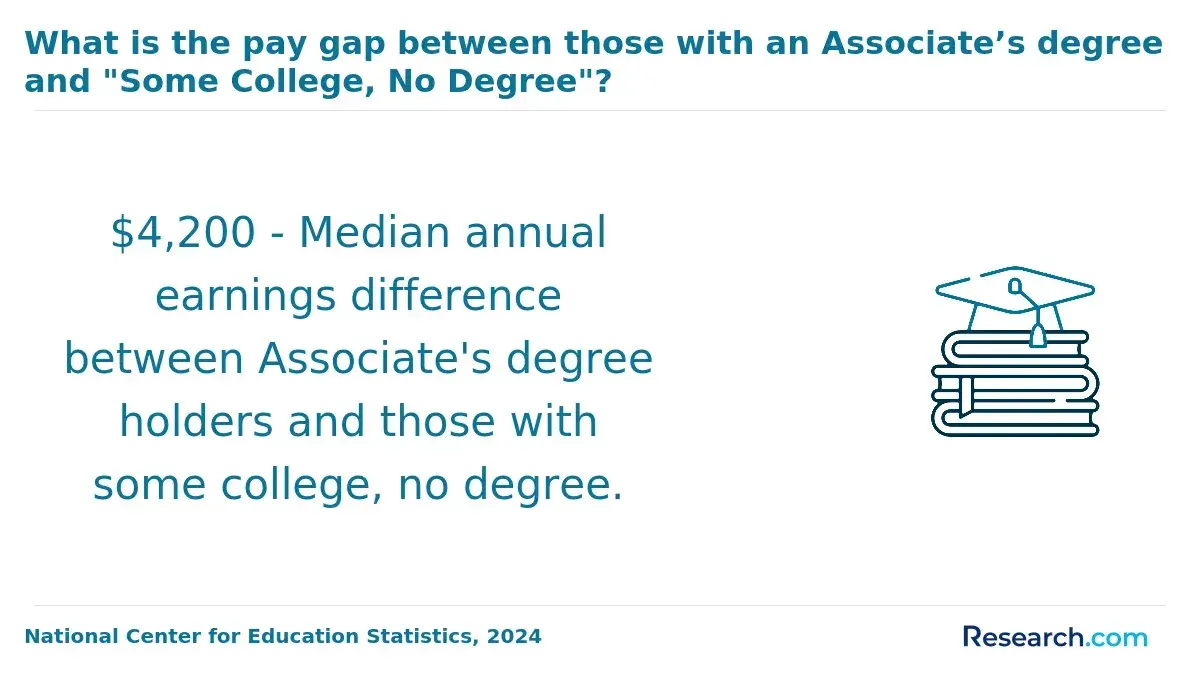
Career changers face unique challenges when applying to nursing education programs, where demonstrating academic readiness and balancing existing commitments is essential. Recent data from the National Center for Education Statistics shows adult learners make up nearly 40% of all postsecondary students, highlighting increasing demand for nursing education programs tailored to nontraditional students. Below are common admission criteria for career changers seeking to enter these programs.
- Minimum GPA: Most programs require a GPA between 2.5 and 3.0, ensuring candidates can handle rigorous coursework. Maintaining this academic standard is crucial for career changers juggling studies with work.
- Prerequisite Courses: Completion of foundational courses like anatomy, physiology, and microbiology is typically mandatory. These courses prepare students for advanced nursing education and clinical practice.
- Standardized Tests and Recommendations: Many programs ask for standardized test scores and letters of recommendation that highlight relevant experience and motivation, supporting a strong application.
- Transferable Experience: Some programs offer conditional admission or pathways recognizing skills from healthcare, management, or other careers, easing the transition into nursing education.
- Flexible Scheduling: Part-time, evening, or online medical programs options frequently accommodate working professionals' schedules, making nursing education accessible without disrupting employment.
- Alternative Qualifications: Competency-based assessments and credit for professional certifications may reduce the need for foundational coursework, accelerating program completion for experienced learners.
Career changers should explore program options carefully and communicate with admissions advisors to align prior experience with nursing education admission criteria for nontraditional students effectively. To explore flexible pathways beyond traditional formats, consider reviewing online medical programs designed to support adult learners transitioning into healthcare fields.
What Is the Coursework for a Nursing Education Degree for Career Changers?
For career changers, knowing the structure of nursing education coursework helps clarify expectations and eases the transition into a new field. These programs prioritize flexibility and real-world relevance, making them suitable for professionals balancing work and study. The main areas of study typically include:
- Foundations of Nursing and Education: Introduces core nursing principles alongside adult learning theories and instructional design, helping learners understand both nursing concepts and effective teaching techniques.
- Health Sciences and Clinical Practice: Covers essential biomedical subjects such as anatomy and pharmacology paired with clinical experiences to provide a solid scientific base and practical exposure.
- Curriculum Development and Instructional Strategies: Focuses on creating healthcare-specific educational programs, assessment methods, and integrating technology into teaching environments.
- Leadership and Educational Management: Addresses managing academic programs, fostering student growth, and applying evidence-based approaches within healthcare education settings.
A professional who pursued an online nursing education degree to shift careers shared his reflections: "Balancing coursework with a full-time job was challenging, especially adapting to clinical practice remotely." He noted the importance of targeted advising, saying, "The tailored support helped me stay focused and confident despite initial doubts about managing both demands." He also appreciated the curriculum's practical approach, explaining, "It felt like everything was designed with working adults in mind, which made the transition smoother than I expected."
What Nursing Education Program Formats Are Available for Career Changers?
Choosing the right nursing education program format is essential for career changers managing work and personal commitments. Nearly 41% of college students in the U.S.are adult learners, reflecting the growing demand for programs that accommodate busy schedules. Below are some of the most practical program types for professionals shifting into nursing.
- Online Degree Programs: These provide the greatest flexibility by enabling learners to complete coursework and view lectures remotely. This format is ideal for those balancing work and family since it eliminates the need for daily commuting.
- Hybrid Programs: Blending online study with scheduled in-person sessions, hybrid formats offer the benefits of flexible learning alongside crucial hands-on clinical training required in nursing.
- Evening and Weekend Classes: Designed to fit around typical work hours, these classes allow students to attend sessions during evenings or weekends, minimizing disruption to their professional responsibilities.
- Part-Time Enrollment: This option spreads courses over an extended period, reducing weekly workload while maintaining steady progress toward earning a degree, suiting those who prefer a less intensive pace.
What Skills Do Career Changers Gain in a Nursing Education Program?
Skill development is vital for career changers entering nursing education programs, especially since 87% of employers emphasize transferable skills like critical thinking and communication when hiring professionals shifting fields. These competencies not only improve immediate job performance but also enhance long-term success in an ever-changing healthcare environment. Key skills gained typically include:
- Clinical Competency: Provides hands-on experience and procedural knowledge essential for delivering safe and effective patient care, linking theory with practical application.
- Critical Thinking: Equips learners to evaluate complex situations swiftly and make sound decisions, a crucial ability in fast-paced medical settings.
- Effective Communication: Develops the ability to clearly convey information among patients, families, and healthcare teams, ensuring collaborative and accurate care delivery.
- Adaptability: Trains students to embrace evolving practices and continuous learning, keeping pace with advancements and changes within healthcare.
- Leadership and Advocacy: Fosters skills in guiding teams and advocating for patient rights, supporting professional growth beyond entry-level roles.
Reflecting on her journey, a career changer who completed a nursing education degree shared that initially managing the steep learning curve was daunting, especially balancing studies with family responsibilities. She found that mastering clinical skills and adapting to new communication styles took time but boosted her confidence immensely. "I often had to remind myself why I started and lean on the critical thinking approaches I was learning," she said. This approach helped her successfully transition from a non-clinical background into a role where she now confidently leads patient care initiatives. Her experience highlights how these skills don't just prepare learners for their first nursing job but lay the groundwork for a rewarding, sustainable career in healthcare.
How Much Does a Nursing Education Degree Cost for Career Changers?
Calculating the total cost of a nursing education degree is particularly important for career changers managing existing financial obligations. The average debt for U.S. graduate students stands around $66,000, which highlights the need for realistic budgeting before enrolling. Several key expenses make up the overall investment in a nursing education degree.
- Tuition: This is the largest expense, generally ranging from $15,000 to $50,000 for master's or doctoral programs. Costs vary by program format and length, with some offering accelerated pathways to reduce time and fees.
- Fees: Additional charges for technology, labs, and student services typically add $1,000 to $3,000. These fees support essential resources used throughout the program.
- Books and Supplies: Expect to spend about $1,000 annually on textbooks and necessary materials, which are critical for successful coursework and clinical understanding.
- Clinical Placement Costs: Practicum experiences may require extra expenses such as travel, vaccinations, or background checks, often totaling several hundred dollars based on institution requirements.
- Flexible Payment and Support Options: Many affordable nursing education programs for working professionals provide part-time, online, or evening classes to fit busy schedules. Employer tuition reimbursement and scholarships for adult learners can significantly offset costs, making the degree more accessible.
Career changers seeking to explore alternatives might also consider programs like the cheapest online healthcare administration degree as a potentially cost-effective option that supports workforce transitions in healthcare fields.
Effective financial planning involves understanding these components to balance education investments with current life responsibilities, ensuring a smooth transition into nursing education.
How Does a Nursing Education Curriculum Support Career Transitions?
Curriculum design plays a crucial role in helping career changers successfully enter the nursing profession by blending foundational knowledge with practical experience. This tailored approach respects prior expertise while building new competencies essential for clinical roles. How nursing education curriculum facilitates career transitions can be seen in several key areas:
- Applied Learning: Programs incorporate hands-on patient care simulations and practicums, enabling students to develop clinical competence through direct experience rather than theory alone.
- Transferable Skill Development: Emphasizes critical thinking, communication, and problem-solving skills that are valuable across many industries, helping career changers leverage their existing strengths in a healthcare context.
- Flexible Pacing: Offers adjustable learning formats such as part-time or blended options, accommodating busy adult learners balancing education with professional and personal responsibilities.
- Real-World Projects: Integrates healthcare scenarios and case studies to foster practical decision-making and teamwork, reinforcing concepts in contexts similar to actual nursing challenges.
- Foundational Coursework: Provides targeted courses to bridge knowledge gaps for students without previous healthcare backgrounds, ensuring a smoother transition into nursing roles.
These features support key skills developed in nursing education programs for career change by focusing on relevant, applied experience aligned with adult learning principles. For those considering this pathway, exploring affordable options can be critical; prospective students are encouraged to review resources such as cheapest dnp programs to find programs that fit both their goals and budgets.
What Careers Can Career Changers Pursue With a Nursing Education?
For those shifting careers, knowing the potential paths available with a nursing education helps in making confident, strategic decisions. The healthcare sector is expected to grow 13% from 2021 to 2031, significantly faster than the average for all occupations, indicating strong job prospects and flexibility. Here are some typical roles career changers can pursue:
- Registered Nurse (RN): Deliver direct patient care, develop treatment plans, and collaborate with multidisciplinary teams. Skills such as communication and clinical judgment make transitioning smoother for those with prior nursing education.
- Clinical Nurse Educator: Focus on instructing and guiding nursing staff and students, combining teaching abilities with clinical expertise. This role is ideal for career changers who enjoy mentoring and have practical experience.
- Case Manager: Manage coordination of comprehensive patient care and resource allocation, relying on strong organizational and interpersonal skills that many career changers possess from other fields.
- Healthcare Administrator: Oversee healthcare facility operations, staff management, and strategic planning. Those with backgrounds in management or business find their skills highly relevant here.
- Public Health Nurse: Engage in community health promotion and preventive care initiatives. This path suits professionals passionate about outreach, education, and improving public wellness.
What Is the Average Salary After Earning a Nursing Education Degree as a Career Changer?
Salary considerations play a crucial role for those shifting careers to pursue a nursing education degree, helping them gauge the financial sense of their investment. Data from the U.S. Bureau of Labor Statistics shows that reskilled healthcare educators generally earn median salaries between $75,000 and $100,000 annually. Below are key salary ranges and factors that influence compensation in this field.
- Entry-Level Nursing Educators: Typically, those new to nursing education earn between $60,000 and $75,000 per year, reflecting early career stages and initial credentialing.
- Experienced Professionals: After several years, salaries commonly grow to a range of $80,000-$95,000, as expertise and teaching skills mature.
- Advanced Certifications: Holding postgraduate degrees or specialized credentials can boost yearly earnings beyond $100,000, recognizing deeper knowledge and leadership roles.
- Clinical Teaching Roles: Compensation may differ from academic or administrative positions, often influenced by direct patient care responsibilities and clinical setting demand.
- Geographical Variation: Regions with a high demand for nursing educators frequently offer more competitive salary packages, while prior experience in other industries can sometimes enhance earning potential.
What Graduates Say About Their Nursing Education Degrees for Career Changers
- Ivankov: "Deciding to switch careers into nursing education was daunting at first, especially considering the average cost of attendance hovering around $40,000. However, investing in this degree opened doors I never imagined possible, allowing me to blend my passion for teaching with healthcare. Today, I'm grateful for this journey-it's been life-changing both personally and professionally."
- Ahmed: "After years in a completely different field, returning to school for a nursing education degree was a significant financial and emotional commitment, with many programs costing upwards of $35,000. Reflecting on it now, the experience honed my skills and deepened my understanding of patient care and instruction. This degree was a crucial stepping stone that helped me confidently embrace a rewarding new profession."
- Pera: "Choosing to pursue a nursing education degree was a strategic move to transition into a meaningful healthcare role, despite the substantial expense that averages around $38,000. The program's rigorous training gave me not just knowledge but also credibility in this competitive field. Completing it affirmed my decision and paved the way for a successful and fulfilling career change."
Other Things You Should Know About Nursing Education Degrees
Yes, career changers who complete a nursing education degree must typically obtain a nursing license before practicing or teaching in clinical settings. This usually involves passing the NCLEX-RN exam if they aim to become registered nurses. Additional state-specific requirements may apply for nurse educators working in clinical or academic environments.
Yes, many programs are structured to support students without prior healthcare experience. They often include foundational courses to build essential knowledge in biology, anatomy, and patient care. Career changers benefit from strong study habits and a commitment to mastering both theoretical and practical nursing concepts.
References
- Your Guide to Understanding the Different Types of Nursing Degrees https://www.herzing.edu/types/nursing-degrees
- Understanding the Different Levels of Nursing: Education, Roles, and Specializations | Xavier University : Xavier Online https://online.xavier.edu/understanding-the-different-levels-of-nursing-education-roles-and-specializations/
- Nursing Programs, Careers and Specializations | NursingEducation https://nursingeducation.org/
- Different Types of Nursing Education Programs Explained https://www.allnursingschools.com/articles/understanding-the-different-types-of-nursing-degrees/
- Strategies for Nursing Professional Growth https://www.siennanursingsociety.org/post/achieving-professional-growth-in-nursing-careers
- Nursing Education Pathways: A Comprehensive Guide https://www.thegypsynurse.com/education-pathways/
- Frequently Asked Questions https://www.aacnnursing.org/essentials/tool-kit/faqs
- learndirect - How to Change Your Career and Become a Nurse https://www.learndirect.com/blog/how-to-change-your-career-and-become-a-nurse
- Alternative jobs for nurses: 11 derivative nursing jobs in 2026 https://www.sermo.com/resources/nurse-alternative-careers/
- Mid-career switchers https://www.caretogobeyond.sg/nursing/apply/mid-career-switchers


