2027 Best Online Engineering Management Degrees for Jobs

Co-Founder and Chief Data Scientist
Choosing the best online engineering management degree often challenges students juggling career goals and education. Without clear accreditation, rigorous curriculum, and strong student support-programs risk falling short of delivering real career value. The average salary boost for graduates of top-ranked programs exceeds 20% compared to unaccredited alternatives, highlighting the importance of quality in return on investment. Balancing cost against practical experience requirements further complicates decision-making for working adults and veterans using education benefits.
This article explores the critical factors shaping high-value online engineering management degrees-accreditation, curriculum rigor, career outcomes, and support-offering a reliable framework to evaluate programs and make confident choices.
Key Things to Know About the Best Online Engineering Management Degrees for Jobs
- Accreditation ensures programs meet industry standards-ABET accreditation, for example, correlates with higher employer recognition and improved job placement rates after graduation.
- Curriculum rigor-top programs balance technical engineering principles with leadership and business management, producing graduates ready for complex project roles.
- Cost and return on investment matter greatly-online degrees often cost 30-50% less than on-campus, while graduates report salary increases averaging 20% within two years.
What Is a Engineering Management Degree, and What Can It Do for Your Career?
Engineering management merges engineering expertise with essential business and leadership skills to prepare professionals for overseeing complex technical teams and projects. Accredited bodies like the American Society for Engineering Management (ASEM) emphasize this discipline as the crucial link bridging engineering processes and organizational leadership. This field equips students to tackle challenges that pure engineering or business programs do not fully address.
- Foundational Knowledge: The curriculum covers project management, systems engineering, quality control, finance, and organizational behavior-enabling graduates to manage technical operations effectively.
- Theoretical and Applied Competencies: Unlike traditional engineering degrees focused mainly on design, engineering management emphasizes decision-making frameworks, risk analysis, and strategic planning tailored to technical environments.
- Degree Levels:
- Associate's: Entry-level skills suited for technician or junior management roles.
- Bachelor's: Comprehensive preparation for mid-level supervisory and project management positions.
- Master's: Advanced leadership training, often required for senior management or specialized roles.
- Doctoral: Research-driven focus ideal for academic or executive leadership careers.
- Career Mapping: Each academic credential corresponds to distinct professional expectations, ranging from operational management to strategic leadership.
- Online Degree Focus: This guide prioritizes online engineering management degree benefits for working professionals, veterans, and career changers, offering flexibility alongside accreditation and academic rigor.
For those interested in career advancement, understanding which programs deliver strong return on investment and practical experience is vital. This article aids readers in evaluating programs against key dimensions such as accreditation, curriculum quality, cost, and job outcomes-helping students make informed choices about the best online engineering management degree programs for career advancement. Additionally, students requiring completely flexible learning options may also explore fully online SLP master's programs as alternative examples of quality online degrees.
How Do Online Engineering Management Degree Programs Compare to Traditional Campus Programs?
Comparing online engineering management degree programs with traditional campus offerings reveals key factors grounded in authoritative data and academic studies. Online programs accredited by ABET or similar agencies typically match the curriculum depth and rigor of campus-based degrees, maintaining consistent academic standards and comprehensive coverage of technical and managerial competencies.
- Faculty Qualifications: Both online and campus programs employ faculty with doctoral degrees and relevant industry experience, ensuring deep subject matter expertise and research integration.
- Student-Faculty Interaction: Advances in technology-like synchronous video lectures and virtual office hours-have enhanced interaction in online programs, though campus offerings still provide more spontaneous face-to-face access.
- Peer Collaboration: Online programs leverage cohort models and collaborative tools to support group projects and case studies, although some students may prefer in-person dynamics.
- Clinical or Practicum Requirements: Applied experience remains central. Many online programs incorporate local internships or capstone projects, and some require on-campus residencies to provide hands-on exposure.
- Employer Perception: Surveys show employers increasingly value accredited online engineering management degrees as equivalent to campus degrees-especially when graduates demonstrate relevant skills.
- Structural Advantage for Learners: Online delivery benefits working adults, caregivers, remote employees, and those geographically distant from campuses by offering flexibility without sacrificing career outcomes-a crucial consideration when comparing career outcomes of online and campus engineering management degrees.
- Limitations and Institutional Responses: Remaining challenges include reduced informal networking and hands-on training, which top programs address through immersive technology, cohort interaction, and in-person residencies.
For students examining online engineering management degree versus traditional programs, understanding these dimensions helps identify high-value options. Additionally, those seeking affordable options may explore related fields such as masters in psychology online cheap to find cost-effective graduate pathways with strong outcomes.
What Are the Accreditation Standards That Define a Reputable Online Engineering Management Degree?
Accreditation plays a fundamental role in assessing the legitimacy of online engineering management degrees. It confirms that programs meet established educational quality benchmarks and are recognized by employers, licensing authorities, and academic institutions.
- Regional Accreditors: These organizations evaluate entire institutions within specific U.S. regions. Key examples include the Middle States Commission on Higher Education (MSCHE), the Higher Learning Commission (HLC), and the Southern Association of Colleges and Schools Commission on Colleges (SACSCOC). Regional accreditation ensures easier credit transfer and widespread acceptance.
- Programmatic Accreditors: For engineering management, the Accreditation Board for Engineering and Technology (ABET) stands out. ABET focuses on degree programs that align with industry requirements in engineering and technology. Having ABET accreditation significantly boosts a program's credibility with employers and graduate schools, although not all engineering management degrees carry this endorsement.
Choosing an unaccredited or poorly accredited program can cause significant obstacles-challenges often include inability to earn professional licenses, difficulties transferring credits, and limited recognition by prospective employers. Such setbacks reduce both career prospects and options for further study.
To confirm a program's accreditation, students should consult reliable sources such as the U.S. Department of Education's Accreditation Database and the Council for Higher Education Accreditation (CHEA) directory. These tools provide authoritative verification of legitimate accrediting bodies and approved programs.
Ultimately, accreditation is a baseline requirement that must not be overlooked-even if a program offers appealing prices or flexible scheduling. Prioritizing accredited degrees ensures educational value, transferability, and alignment with industry standards.
Reflecting on the question, "What Are the Accreditation Standards That Define a Reputable Online Engineering Management Degree?" a professional who completed an engineering management program shared his experience: "I remember feeling overwhelmed when initially searching for the right program-all the options seemed similar until I realized the importance of accreditation. One institution looked affordable but wasn't accredited, and that was a red flag. After verifying accreditations through official databases, I focused only on schools recognized by reputable agencies. This process took time but gave me confidence that my degree would hold weight with employers. Earning my degree under those trusted standards really opened doors professionally, and I avoided the stress of wondering if my credits or credentials would be questioned."
Which Types of Engineering Management Degrees Are Available Online-Bachelor's, Master's, or Doctoral?
Many accredited online engineering management degrees offer stackable credentials, letting students accumulate credits progressively-from certificates through bachelor's to master's-saving time and costs. According to recent IPEDS data, bachelor's and master's online completions are increasing steadily, with program durations closely aligned to traditional timelines. Completion rates vary but tend to be higher in programs providing strong student support, particularly for working adults juggling multiple responsibilities.
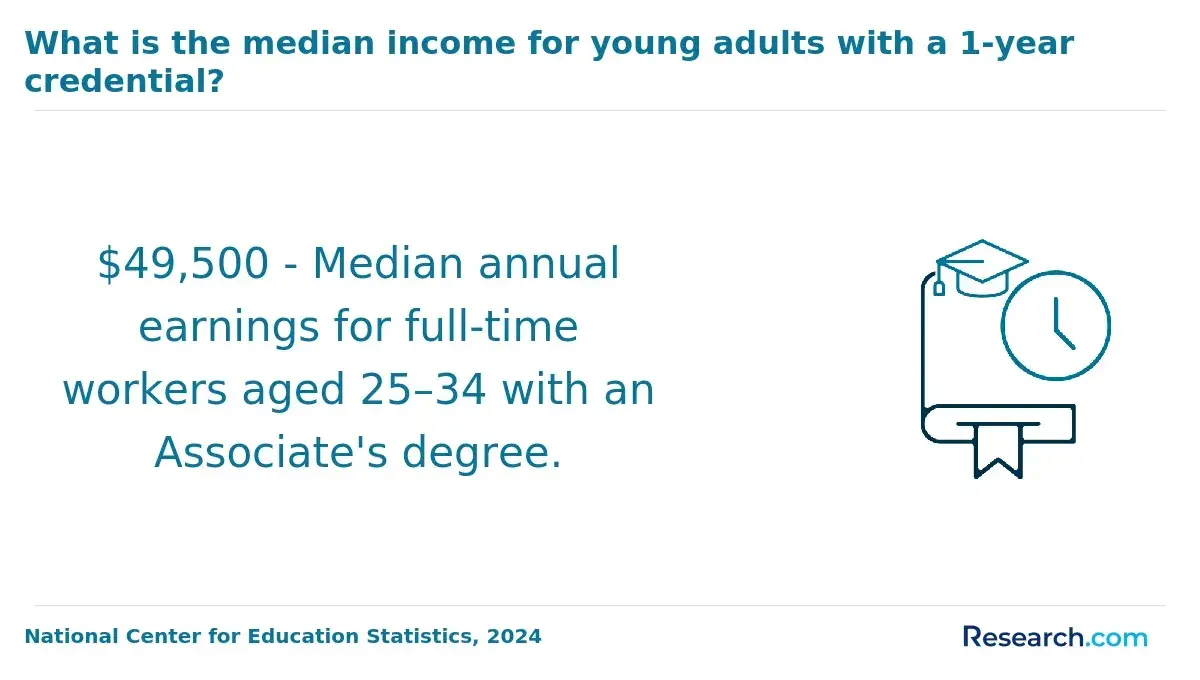
Associate's Degree: Geared toward recent high school graduates or those seeking foundational knowledge, this two-year credential covers core engineering and management principles. It prepares students for entry-level technician or assistant positions, requiring little to no prior experience. Many students use associate programs as a pathway to bachelor's degrees in engineering management.
Bachelor's Degree and Bachelor's Completion Programs: Typically spanning four years, bachelor's degrees in engineering management can be accelerated or completed online through transfer-friendly formats. Bachelor's completion options serve working adults with some college credits or related associate degrees. These programs develop skills in leadership, project management, and technical areas, qualifying graduates for mid-level roles. Admission standards usually include a high school diploma or prior college coursework.
Master's Degree: Targeted at professionals aiming for leadership roles, online master's programs generally require a bachelor's in engineering or a related STEM field. Coursework focuses on strategic decision-making, systems engineering, and financial management. Most master's degrees take 18 to 36 months and attract practicing engineers or managers-often leading to higher salaries and supervisory positions.
Doctoral Degree: Less commonly offered online, these programs emphasize research leadership and academic careers. Candidates need a master's or equivalent experience. Duration ranges from 3 to 6 years and includes a dissertation. Graduates often move into senior executive or faculty roles.
Post-Baccalaureate Certificates: Designed for professionals seeking specialized expertise without committing to a full degree, these certificates build on existing degrees and may count toward a master's. Completion usually takes under a year, offering quick skill enhancement and career advancement.
For those exploring diverse paths to advanced degrees, resources like online PsyD programs demonstrate the expanding scope of flexible online education.
What Is the Typical Cost of an Online Engineering Management Degree, and How Can You Finance It?
The cost of an online engineering management degree varies widely based on institution type and student residency status. Public universities generally offer the most affordable tuition rates for in-state students, typically falling between $8,000 and $20,000 for the full program. Those attending as out-of-state students can expect higher tuition, often ranging from $20,000 to $40,000. Private nonprofit colleges usually charge between $30,000 and $60,000, reflecting greater investment in resources and opportunities. For-profit institutions may present competitive upfront costs but sometimes at the expense of accreditation quality or career services.
Additional expenses can add to the total investment-technology fees, access to online platforms, and course materials might contribute several hundred to a few thousand dollars annually. Certain programs require short on-campus residencies or intensives, which can introduce travel and lodging costs that fluctuate by location and length of stay. To gain an accurate understanding of financial commitment, prospective students should assess total program costs rather than focusing solely on per-credit prices.
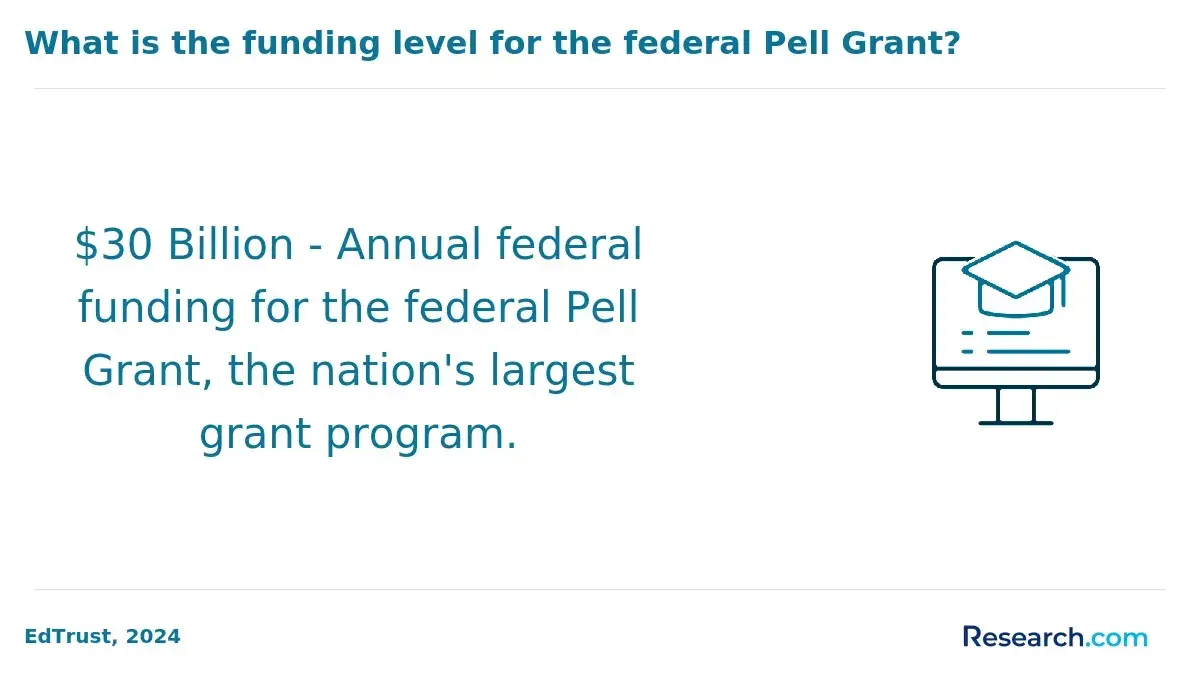
Federal aid programs significantly offset expenses for qualifying students. Pell Grants provide need-based funding without repayment obligations, while subsidized and unsubsidized federal loans offer manageable borrowing options with relatively low interest. Military veterans and eligible family members can apply GI Bill benefits to cover tuition, fees, and housing allowances, substantially reducing out-of-pocket costs.
- Scholarships: Targeted awards exist through professional organizations like the American Society for Engineering Management, supporting students pursuing this field.
- State Workforce Grants: Some states extend grants or tuition assistance aimed at advancing engineering-related careers tied to workforce development priorities.
- Institution-Based Awards: Many schools offer merit scholarships or need-based aid to lower net tuition costs.
- Net Price Calculator: Tools such as the College Scorecard's calculator help applicants estimate personalized net costs after financial aid, enabling more informed comparisons across programs.
A professional who established their career after earning an engineering management degree shared that navigating the financial aspects was initially daunting. They recalled spending significant time researching aid opportunities and comparing schools' net costs rather than sticker prices. "It wasn't just about tuition-I had to factor in technology fees and occasional travel for on-campus sessions," they explained. Despite these challenges, the investment felt worthwhile, especially with scholarships and the GI Bill easing financial pressure. Reflecting back, the thorough preparation and realistic budgeting made managing expenses more manageable and contributed to their confidence in choosing the right program for their goals.
How Long Does It Take to Complete an Online Engineering Management Degree Program?
Timeframes for completing online engineering management degrees differ widely by level, study load, and program design. Associate degrees usually take around two years full-time, while bachelor's degrees often require four years. Master's programs typically span 18 to 24 months, and doctoral studies range from three to six years depending on research and dissertation milestones.
- Degree Level: Associate degrees commonly last about two years, bachelor's roughly four years, master's between 1.5 and 2 years, and doctoral programs often extend three to six years.
- Enrollment Status: Full-time students finish more quickly, but most working adults study part-time, which can lengthen completion times.
- Transfer Credits: Many online programs accept previous college credits, allowing students to shorten their path-but transfer policies and credit limits vary widely.
- Program Format: Accelerated and competency-based options let students move at their own pace, speeding completion. Year-round enrollment helps avoid breaks between terms, further reducing duration.
- Prior Learning Assessment (PLA): Some institutions grant credit for relevant work or military experience, which can decrease coursework and total time needed.
- Program Length Restrictions: Minimum and maximum limits often exist-exceeding maximums may affect financial aid eligibility due to satisfactory academic progress (SAP) rules.
- Average Completion Data: Actual completion times typically surpass advertised durations, especially among part-time students balancing other responsibilities.
What Core Curriculum and Coursework Should a Quality Online Engineering Management Program Include?
Quality online Engineering Management programs deliver core curricula shaped by standards from recognized bodies like the American Society for Engineering Management (ASEM) and the Accreditation Board for Engineering and Technology (ABET). These programs integrate technical expertise with leadership and strategic skills essential to modern engineering roles.
- Technical Foundations: Courses cover systems engineering, project management, quality control, and technology integration-equipping graduates to address complex technical challenges in managerial positions.
- Management and Leadership: Subjects such as organizational behavior, financial management, supply chain logistics, and human resources develop critical soft skills and decision-making required for effective leadership.
- Capstone or Integrative Experience: Rigorous programs incorporate a final project or capstone course where students apply interdisciplinary knowledge to real-world or simulated engineering management challenges.
- Competency and Learning Outcomes: Graduates demonstrate measurable skills in risk assessment, process optimization, and effective communication across both technical and non-technical teams-abilities highly valued by employers.
- Curriculum Currency: Top programs maintain relevance through regular review cycles-typically every three to five years-and active engagement with industry advisory boards, ensuring up-to-date content including Agile and Lean methodologies and compliance with evolving regulations.
- Transparency and Due Diligence: Prospective students should request detailed course sequences, syllabi, and alignment documents rather than rely solely on promotional materials to fully assess curriculum quality and rigor.
According to the U.S. Bureau of Labor Statistics, engineering management careers are projected to grow by 9% through 2031-highlighting the importance of selecting programs that offer comprehensive, career-aligned curricula with measurable outcomes.
Which Online Engineering Management Programs Offer the Best Return on Investment for Working Adults?
Choosing high ROI online engineering management degrees for working professionals involves balancing cost against post-graduation salary and employment success - factors crucial to determining long-term financial value. Public universities stand out by offering competitive tuition rates, especially when in-state tuition reciprocity applies, which lowers barriers for many students and reduces reliance on loans. These institutions often maintain strong employer networks that support graduates in securing well-paying jobs promptly after finishing their programs.
- Institutional Cost: Tuition and fees are the primary upfront expenses affecting ROI. Leveraging in-state tuition reciprocity agreements makes these programs particularly accessible and affordable for working adults.
- Employment Outcomes: Programs reporting employment rates above 85% within six months of graduation demonstrate effective connections with industry and high demand for graduates.
- Post-Graduation Earnings: Graduates frequently achieve median salaries exceeding $90,000 annually - reflecting employer appreciation for combined leadership and technical skills gained through these degrees.
- Financial Assistance: Options like employer tuition reimbursement and scholarships significantly decrease out-of-pocket costs, directly enhancing program affordability and shortening student loan repayment timelines.
- Loan Default Rates: Low default rates-often below national averages-indicate both responsible borrowing and sound career outcomes supported by the program's structure.
- Program-Specific Research: Beyond general rankings, analyzing median earnings at six and ten years post-enrollment offers a clearer picture of each program's true ROI and aligns educational choices with intended career paths.
For those seeking which online engineering management programs offer the best return on investment for working adults, it is essential to evaluate accreditation standards, curriculum rigor, and student support alongside cost and outcomes data. Veterans, career changers, and advancing professionals should also consider practical experience components that ensure readiness for leadership roles.
For a broader perspective on affordable, high-value degrees, consider exploring online MBA programs under 30k that share similar ROI principles in balancing cost with career advancement potential.
What Admissions Requirements Do the Top Online Engineering Management Programs Typically Require?
Admissions requirements for top online engineering management programs vary widely based on the institution's selectivity and program level. Generally, competitive programs at research universities seek applicants with strong academic records and relevant professional experience. Common elements applicants will encounter in the online engineering management program admissions criteria include:
- Minimum GPA: Most master's programs expect a cumulative undergraduate GPA around 3.0 on a 4.0 scale. Some may accept candidates with lower GPAs if they demonstrate substantial professional experience or other strengths.
- Standardized Tests: GRE requirements have become flexible, with many programs adopting test-optional policies-especially after recent testing disruptions. However, submitting strong scores can still boost applications in competitive cycles.
- Letters of Recommendation: Typically two to three letters are required, ideally from academic instructors, supervisors, or professional mentors who can attest to the candidate's engineering, leadership, and project management capabilities.
- Personal Statement or Statement of Purpose: This essay allows candidates to articulate career goals, motivation for studying engineering management, and relevant experience.
- Professional Experience: Many master's programs expect one to three years of work experience in engineering, technology, or related fields, though some programs admit students with less experience if the overall application is strong.
- Prerequisite Coursework: Applicants without engineering or technical backgrounds may need to complete prerequisite courses in mathematics, statistics, or foundational engineering principles, sometimes through bridge programs or concurrently with the graduate curriculum.
Admissions rigor varies greatly-from open-enrollment community colleges offering associate degrees requiring only a high school diploma, to selective universities offering master's degrees demanding stronger academic and professional profiles. Prospective students should honestly assess their credentials against typical requirements for online engineering management degrees to target programs aligned with their goals.
Applicants are strongly advised to contact admissions advisors directly to confirm current policies, as GPA minimums, test requirements, and prerequisite expectations can change each academic cycle, affecting eligibility and strategy.
For those comparing programs across diverse fields, considering cost and career outcomes alongside admissions standards is vital. Similar to how a library degree evaluation benchmarks affordability and value, evaluating engineering management programs against multiple criteria will help ensure a sound return on investment for working adults and aspiring professionals alike.
What Career Paths and Job Titles Are Available to Online Engineering Management Degree Graduates?
An online engineering management degree leads to varied career opportunities across industries such as manufacturing, technology, construction, aerospace, and energy. Graduates develop skills that merge engineering expertise with business acumen, enabling them to direct projects, enhance processes, and guide technical teams effectively.
- Entry-Level Roles: Typically, bachelor's degree holders start as project engineers, process engineers, or quality control engineers, applying technical knowledge to support development, improve manufacturing efficiency, and optimize systems under senior supervision.
- Management Positions: With experience, professionals move into engineering manager, project manager, or operations manager roles, focusing on resource management, budgeting, scheduling, and team leadership to drive project success.
- Specialist Careers: Graduates may pursue roles like supply chain analyst, reliability engineer, or safety engineer, requiring specialized skills aimed at enhancing system reliability, safety compliance, and risk mitigation.
- Advanced Leadership: Executive roles-such as engineering director, program manager, or chief technical officer-generally demand graduate degrees or certifications. These leaders shape strategic direction, oversee multiple teams or projects, and foster innovation.
- Career Pivot Opportunities: An engineering management degree also enables professionals from related backgrounds-mechanical engineering, industrial engineering, or business-to transition into engineering management with supplemental certifications like Six Sigma or PMP boosting leadership readiness.
- Career Progression: Over five to ten years, graduates often advance from technical positions to supervisory and managerial roles. Lateral moves into systems engineering, product development, or consulting help broaden expertise and career versatility.
- Employment Sectors: Job opportunities span manufacturing plants, engineering consulting firms, government agencies, tech startups, and energy industries-each providing distinct challenges and leadership experiences.
What Is the Salary Outlook for Professionals with an Online Engineering Management Degree?
Salary outcomes for online engineering management degree holders depend on multiple factors-including educational attainment, work experience, sector, location, and area of expertise. Median salaries often surpass those of purely technical roles, reflecting the premium placed on leadership combined with engineering knowledge.
- Degree Level: Higher education correlates with increased pay. Master's graduates typically earn 10-20% more than bachelor's holders, while doctorate or specialized credentials bring even greater salary advantages thanks to advanced skills and research capabilities.
- Experience: Entry-level managers with 1-3 years experience generally earn between $85,000 and $100,000 annually. Those mid-career-5 to 10 years in management-often see earnings from $110,000 to $140,000. Seasoned professionals beyond 10 years can exceed $150,000, especially in high-cost urban areas.
- Industry Sector: Compensation varies widely by industry. Fields like technology, aerospace, and energy typically pay 15-30% above the national median. Conversely, manufacturing and public utilities may offer lower salaries but tend to provide greater job stability.
- Geographic Market: Location heavily influences pay rates. Major engineering hubs-such as San Francisco, Boston, and Seattle-offer higher incomes reflecting their higher living costs. Rural areas usually have lower salary levels but can offer advantages like reduced expenses and less competition.
- Specialization: Focus areas such as systems engineering, software development, and renewable energy often command extra salary benefits due to market demand and niche expertise.
- Certifications and Credentials: Credentials like Project Management Professional (PMP), Certified Engineering Manager (CEM), and Six Sigma Black Belt provide documented salary premiums of 10-25%. Online degree graduates can pursue these flexible credentialing paths to significantly boost earnings over time.
- Salary Projections: Demand for engineering management roles is expected to rise alongside technological advances and infrastructural growth, forecasting steady salary increases. However, it's essential to reference current BLS and industry salary surveys regularly to track accurate, up-to-date compensation trends.
What Graduates Say About the Best Online Engineering Management Degrees for Jobs
- Laura: "Choosing an online engineering management degree that met rigorous accreditation standards gave me confidence in the program's credibility and industry recognition. The curriculum pushed me beyond theoretical knowledge-integrating real-world problems really prepared me for the complexities of today's engineering challenges. For anyone looking to invest in their future, understanding how accreditation influences job prospects is essential."
- Forest: "Reflecting on my experience, the curriculum rigor was both challenging and rewarding-it ensured I developed a deep analytical mindset that's crucial for leadership roles. What stood out most was the program's strong student support infrastructure; having accessible mentors and advisors made balancing studies and work much smoother. The degree certainly paid off in career outcomes, opening doors I hadn't anticipated before enrolling."
- Elton: "Cost and return on investment were my primary concerns when selecting an online engineering management program. I found that programs demanding practical experience requirements-like hands-on projects and internships-offered a significant edge in landing impactful roles post-graduation. It wasn't just about earning a degree but gaining skills employers truly value in the engineering sector."
Other Things You Should Know About Engineering Management Degrees
The best online engineering management programs focus on developing leadership abilities, project management expertise, and technical knowledge in engineering principles. Graduates typically gain skills in budgeting, risk assessment, quality control, and team coordination. Programs also emphasize communication and decision-making to prepare students for managerial roles within technical environments.
Online engineering management programs often partner with industries to offer remote internships and virtual practicums that provide hands-on experience. In 2027, many programs also incorporate project-based learning and collaborations with industry experts to simulate real-world challenges.
Employers increasingly recognize online engineering management degrees from accredited institutions as equal in value to traditional degrees. The quality of curriculum and the reputation of the institution matter more than the delivery format. Employers value graduates who demonstrate both technical competence and leadership skills, regardless of whether the education was completed online or on campus.
Top online engineering management programs offer career services, academic advising, and virtual tutoring tailored to distance learners. Networking options may include online forums, virtual meetups, and access to alumni communities and industry events. These support structures help students build professional relationships-a critical factor for job placement and career advancement in engineering management.
References
- Why Pursue an Online Engineering Management Degree? https://engineeringmanagement.org/online-engineering-management-degree/
- what - Tłumaczenie po polsku - Słownik angielsko-polski Diki https://www.diki.pl/slownik-angielskiego
- Best Online Master’s Programs in Engineering Management https://www.onlinemastersdegrees.org/best-programs/engineering/engineering-management/
- Criteria for Accrediting Engineering Programs, 2025 - 2026 - ABET https://www.abet.org/accreditation/accreditation-criteria/criteria-for-accrediting-engineering-programs-2025-2026/
- Masters in Engineering Management Requirements: Everything You Need to Know https://authory.com/ErinCates/a/Masters-in-Engineering-Management-Requirements-Everything-You-Need-to-Know-a042e88d7bca1448f933a87eb4d386d43
- Online Master's in Engineering Management - Admission Requirements | Tseng College (CSUN) https://tsengcollege.csun.edu/programs/engineering-management/admission-requirements
- WHAT - Translation in Polish - bab.la https://en.bab.la/dictionary/english-polish/what
- How is Engineering Management Different from Management in General? https://online.uottawa.ca/blog/engineering-management-vs-management-how-engineering-management-different-management-general
- WhatsApp Web https://web.whatsapp.com/
- What w języku angielskim https://www.ang.pl/blog/slowo-what-w-angielskim