
2027 Best Online Health Sciences Degree Master's Programs for Career Changers

Co-Founder and Chief Data Scientist
Many professionals with backgrounds in unrelated fields face challenges when seeking to enter the health sciences sector, especially without traditional clinical experience. The flexibility of online master's programs attracts career changers balancing work and family commitments. However, navigating which programs offer valid accreditation and practical career support can be daunting. Approximately 38% of online health sciences master's students are career changers, reflecting a growing trend toward mid-career transitions in this field.
This article explores the best online health sciences degree master's programs designed for such career changers, highlighting options that combine flexibility, accreditation, and strong employment outcomes to ease this pivotal transition.
Key Benefits of Online Health Sciences Degree Master's Programs for Career Changers
- Online health sciences master's programs offer flexible schedules, allowing working professionals to balance career shifts with personal commitments.
- Accelerated curricula help career changers quickly gain essential skills, with many programs completing within 18 to 24 months.
- Students connect with diverse peers and industry leaders worldwide, expanding professional networks critical for job placement.
What Are the Best Online Health Sciences Master's Programs for Career Changers?
Targeting a specific type or focused specialization in an online master's program is a strategic approach for career changers aiming to enter the health sciences field, particularly in high-growth niches. Data from the U.S. Bureau of Labor Statistics shows healthcare occupations are projected to grow 16% from 2021 to 2031, demonstrating the advantage of selecting a specialized path. Below are some of the best online health sciences master's programs for career changers that align with transferable skills from unrelated backgrounds.
- Health Informatics: Ideal for those with IT or data management experience, this specialization integrates healthcare and technology to enhance patient care systems and data accuracy.
- Healthcare Administration: Suited for individuals with management, communication, or finance skills, this track teaches efficient operation of healthcare organizations.
- Public Health: Great for those interested in community health and policy, offering versatile skills applicable to diverse social science or education backgrounds.
- Clinical Research: Tailored for candidates with scientific or analytical abilities, focusing on managing trials and medical studies.
- Nutritional Science: Fits those from biology or wellness sectors, emphasizing dietetics and health promotion strategies.
Career changers can also explore medical assistant certification programs for accelerated entry into health sciences. Choosing from these top accredited online health sciences degrees helps professionals switching careers build relevant expertise while leveraging their previous experience.
What Are the Admission Requirements for Online Health Sciences Master's Programs for Non-Majors?
Many online health sciences master's programs today prioritize professional potential and transferable skills over a specific undergraduate major. In fact, nearly 40% of master's candidates in health-related graduate programs come from diverse academic backgrounds, offering reassurance to career changers exploring this path.
- Bachelor's Degree: Applicants need an accredited bachelor's degree, but it does not have to be in health or science fields. This opens the door for non-traditional students entering online health sciences master's degrees from varied disciplines.
- Relevant Experience: A competitive resume showcasing work, volunteer experience, or leadership roles highlights transferable skills valuable to health sciences. Admissions committees view this as a strong foundation for success in the field.
- Personal Statement: A clear and purposeful personal statement articulates career goals and commitment to health sciences, which is critical for career changers to demonstrate their motivation and readiness.
- Prerequisite Coursework: Foundational science prerequisites are often fulfilled via bridge or leveling courses before or during the program. This flexible approach supports admission criteria for career changers in health sciences master's programs who come from non-science majors.
- Letters of Recommendation: Letters typically emphasize communication, analytical abilities, and adaptability rather than prior health experience, aligning with the diverse skill set valued in the industry.
This framework enables professionals from education, business, or social sciences to pivot efficiently into health sciences by leveraging their unique perspectives. For those interested in advancing further, exploring msn to dnp programs can offer a clear roadmap for continued growth in nursing and allied health fields.
How Is the Curriculum Structured for Career Changers in Online Health Sciences Master's Programs?
Modern online health sciences master's programs employ a carefully layered curriculum designed to equip individuals from unrelated fields with both essential groundwork and advanced professional skills. This approach has proven effective, with recent studies showing programs using scaffolded learning see approximately 25% higher job placement rates among career changers.
- Foundational Bridge Modules: These initial courses introduce key topics such as healthcare systems, medical terminology, and basic public health concepts. They provide non-specialists with the fundamental knowledge necessary to build confidence and prepare for more specialized study.
- Core Industry Competencies: This stage focuses on critical skill areas like health informatics, policy evaluation, and ethical frameworks, helping students translate their previous professional experience into relevant health sciences expertise.
- Applied Capstone Projects: Practical assignments or real-world problem-solving experiences enable students to demonstrate mastery by addressing actual health challenges, enhancing their readiness for employment in the field.
A professional who pursued an online health sciences master's degree shared how the transition, while daunting, was made manageable through the curriculum's structure. He recalled, "Coming from a completely different industry, the foundational courses helped me grasp unfamiliar concepts without feeling overwhelmed." He emphasized that the real-world projects were particularly valuable, saying, "Applying what I learned to case studies boosted my confidence and gave me tangible skills employers look for." This experience highlights how the curriculum effectively bridges gaps, fostering both understanding and practical ability for career changers entering health sciences.
Is an Online Health Sciences Master's as Respected as an On-Campus Degree?
Employer perception of online health sciences master's degrees has significantly shifted, reaching a tipping point in recent years. A 2023 survey by the National Association of Colleges and Employers found that 74% of employers now consider online degrees just as credible as those obtained on campus. This growing acceptance is largely due to the enhanced professional recognition of digital health sciences degrees offered by respected universities.
For individuals changing careers, the reputation of the institution and its accreditation hold more importance than whether the program is online or in-person.
Pursuing a health sciences degree online can enhance a resume, especially for those transitioning into the field. Successfully balancing a demanding curriculum with full-time employment or other responsibilities highlights strong time-management abilities and technological skills. Most leading universities award diplomas for online programs identical to those given to on-campus students, eliminating any perceived distinction or disadvantage.
Those interested in understanding the cost of rn to bsn pathways will find similar rigor and value in online master's offerings.
How Long Does It Take to Complete an Online Health Sciences Master's Degree for Career Changers?
Online health sciences master's degree programs offer a variety of pacing options designed to fit the diverse schedules of career changers. According to a recent report from the Online Learning Consortium, 70% of graduate students in online programs believe digital learning helps them finish their degrees faster than through traditional formats.
- Accelerated Full-Time: These programs typically take between 12 and 18 months to complete. They cater to highly motivated students willing to take on heavier course loads and enroll in continuous sessions throughout the year to speed up graduation.
- Standard Full-Time: Most full-time students complete their degrees within 18 to 24 months. This timeline balances a manageable pace with steady progress, allowing students to absorb material deeply without overloading themselves.
- Part-Time Study: Designed for those juggling work, family, or other commitments, part-time options stretch to two or three years. This extended timeline offers flexibility, enabling students to maintain professional and personal responsibilities alongside their studies.
A health sciences professional who transitioned careers shared her experience after completing an online master's program: "Balancing my full-time job with coursework was challenging, especially during peak work periods," she explained. "Yet, the ability to pace myself and fit studies around my demanding schedule made it possible. The live sessions and access to recordings were invaluable when unexpected work crises arose." She appreciated how the program's flexibility "allowed me to stay committed without feeling overwhelmed," highlighting how adaptable pacing was crucial to her success.
How Much Does an Online Health Sciences Master's Degree Cost for Career Changers?
Online master's degrees often cost less than traditional on-campus programs because they eliminate expenses like housing, meal plans, and transportation, while allowing students to maintain employment during their studies. The overall price for an online master's in health sciences typically falls between $15,000 and $45,000. Key factors that influence this cost include:
- Institution Type: Public universities usually offer lower tuition rates compared to private schools, which can significantly impact the total expense of the degree.
- Program Length and Credits: Programs with more credit hours or longer durations generally increase the overall price, whereas accelerated formats might reduce costs by shortening time to completion.
- Additional Fees: Technology, exam, and course-specific fees can add up, so it's important to review all potential charges beyond basic tuition.
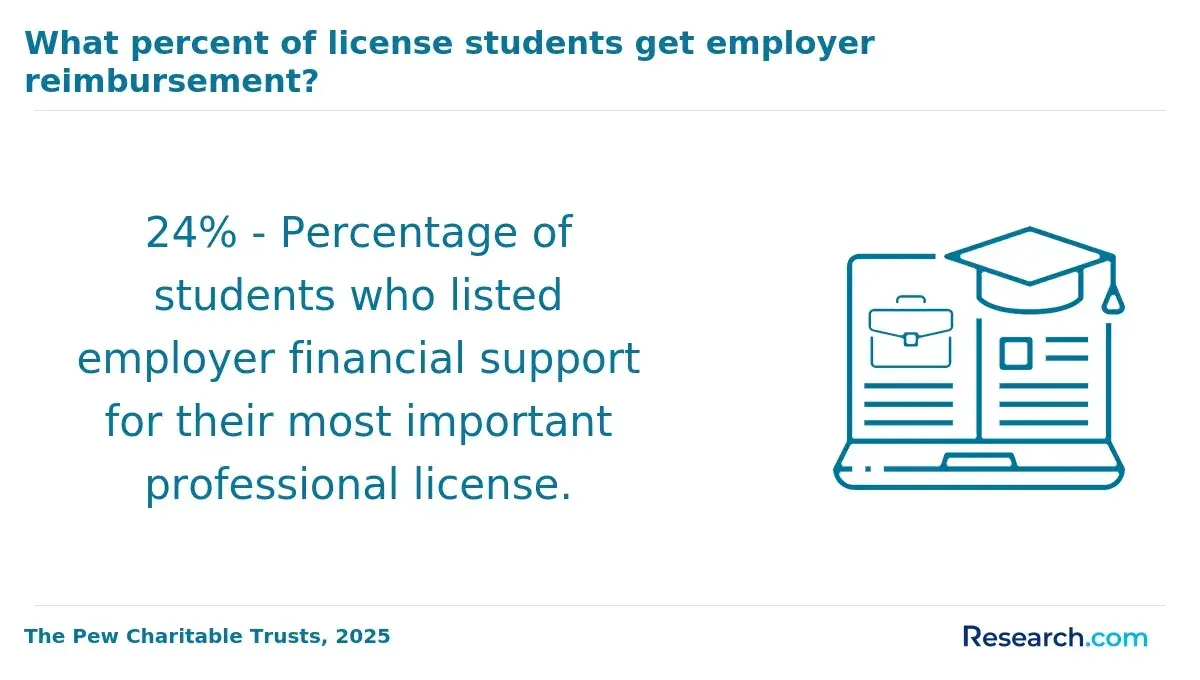
- Financial Aid Options: Scholarships, employer tuition reimbursement, and grants can substantially lower out-of-pocket costs, making it essential to explore available aid.
- Enrollment Flexibility: Part-time enrollment allows working professionals to balance work and study but may extend the program length and affect total tuition payments.
Selecting an accredited program ensures that this financial investment supports career advancement and delivers market value. Prospective students should carefully weigh all these elements to budget effectively and choose a program that fits both their educational and financial needs.
What Skills Do Career Changers Gain in an Online Health Sciences Master's Program?
Online health sciences master's programs for career changers are strategically designed to transform students' existing professional backgrounds into a specialized toolkit essential for success in healthcare. Employment in health-related fields is projected to grow by 13% between 2021 and 2031, according to the U.S. Bureau of Labor Statistics, highlighting the strong demand for graduates with health sciences credentials.
- Clinical Knowledge: Gaining a comprehensive understanding of healthcare delivery, medical terminology, and evidence-based practices enables graduates to navigate patient care and complex health systems confidently.
- Health Informatics: Mastery of digital health technologies and data management prepares students to handle electronic health records and contribute to data-driven healthcare improvements.
- Research and Analytical Skills: Programs develop students' abilities to interpret scientific literature accurately and apply data analysis for informed decision-making in clinical and organizational settings.
- Leadership and Communication: Students acquire management skills and learn to articulate complex health information clearly, fostering collaboration across diverse healthcare teams.
- Regulatory and Ethical Awareness: Knowledge of healthcare laws, regulations, and ethical standards ensures compliance and promotes patient-centered care aligned with contemporary industry requirements.
These core competencies equip career changers to take on effective roles in clinical, administrative, and research domains within the dynamic health sciences environment, providing flexibility and opportunity for professional growth.
What Industries Hire Health Sciences Master's Graduates with No Prior Experience?
A master's degree in health sciences provides specialized academic expertise and modern technical training that enables career changers to bypass traditional entry-level barriers in various industries. The U.S. Bureau of Labor Statistics projects healthcare occupations to grow 13% from 2021 to 2031, reflecting strong job market demand for graduates, including those without prior experience.
- Healthcare Administration: Employers look for professionals who understand clinical settings and can manage operational functions such as budgeting and compliance. These roles often welcome graduates with a master's in health sciences who bring fresh perspectives despite lacking direct prior experience.
- Pharmaceutical and Biotechnology Industries: This sector values graduates who can contribute to regulatory affairs, clinical research, and medical communications by leveraging their knowledge of health systems and research methodologies.
- Public Health and Policy: Government and non-profit organizations employ health sciences master's graduates to analyze public health data, design educational initiatives, and develop community health programs that address diverse populations.
- Health Informatics: As the integration of healthcare and information technology becomes vital, employers seek experts in data management and electronic health records who possess strong analytical and technical skills gained through advanced degrees.
- Insurance and Health Services Consulting: Consulting firms rely on graduates with expertise in healthcare delivery evaluation, risk assessment, and policy planning to improve client outcomes with evidence-based approaches.
For those exploring flexible and accredited pathways to enter the health sciences field, programs such as the fast track lpn offer accelerated learning opportunities. These options suit working professionals aiming to pivot into industries hiring health sciences master's graduates without experience while balancing other responsibilities.
Can a Health Sciences Master's Increase Earning Potential After a Career Switch?
A master's degree in health sciences serves as a powerful catalyst for salary growth by qualifying career switchers for mid-to-senior level roles that would otherwise be inaccessible. Recent projections show that health sciences master's degree holders often command significantly higher salaries, making this an attractive option for professionals seeking an online college free application path into the field.
- Immediate Post-Graduation Salary Bump: Professionals transitioning into health sciences roles can expect salary increases between 15% and 25% compared to their previous industries. This online health sciences master's salary boost reflects the high demand for specialized skills in this sector.
- Long-Term Career Trajectory: Earning a master's degree accelerates progress to executive and leadership roles, often enabling graduates to reach senior salary levels 3 to 5 years earlier than those without advanced credentials. The career change benefits with health sciences degree holders translate into sustained income growth over time.
- Regional and Remote Premiums: The flexibility of online programs allows graduates to compete for well-paying remote positions that frequently exceed regional salary averages. This geographic independence broadens earning opportunities regardless of the graduate's physical location.
These financial advantages demonstrate how a health sciences master's is not only an educational investment but a strategic career move that provides tangible income growth for those switching careers.
What Should Career Changers Look for in a Health Sciences Master's Program?
For individuals shifting careers, selecting an online health sciences master's program requires more than earning a degree; it should bridge their existing knowledge with the technical skills demanded by the industry. According to 2023 data from the National Center for Education Statistics, more than 40% of graduate students pursue degrees outside their original field, emphasizing the need for adaptable learning paths.
- Accreditation: Choose programs with recognized national or regional accreditation to ensure the degree holds value, supports eligibility for certifications, and meets industry standards.
- Foundational Coursework: Look for offerings that include bridging modules or foundational classes in anatomy, physiology, and healthcare systems to help those without a health sciences background build essential knowledge efficiently.
- Flexible Learning Format: Programs that provide asynchronous classes and part-time options allow working professionals to balance studies with existing commitments, facilitating career transitions without sacrificing income.
- Hands-On Experience: Opportunities such as internships, clinical placements, or applied projects are critical for gaining practical skills and enhancing employability in health sciences roles.
- Career Services: Access to dedicated advising, networking, and job placement support helps navigate the unique challenges of entering the health sciences labor market from other sectors.
What Graduates Say About Online Health Sciences Degree Master's Programs for Career Changers
- Frances: "Choosing an online health sciences master's degree was a game-changer for me because I needed the flexibility to balance work and family while acquiring new skills. The affordability of the program made it accessible without the burden of excessive debt, which was a major factor in my decision. Since graduating, I've transitioned smoothly into a healthcare management role, and I feel confident knowing my education directly supports my career goals."
- Greyson: "I pursued an online health sciences master's degree to shift from a completely different field into healthcare, and the program exceeded my expectations. The cost was reasonable compared to traditional schools, and I appreciated the quality education paired with convenience. Reflecting on my journey, this degree opened doors to new opportunities that I never thought possible in my previous career path."
- Cooper: "As a professional aiming for a career change, the decision to enroll in an online health sciences master's program was strategic and cost-effective. The curriculum was comprehensive, allowing me to gain relevant expertise without relocating or interrupting my steady income. This degree provided the professional credibility I needed, ultimately helping me secure a position that aligns with my passion for healthcare advancement."
Other Things You Should Know About Health Sciences Degrees
In 2027, online health sciences master's programs offer various financial aid options for career changers, including federal student loans, scholarships, grants, and work-study programs. It's crucial to check with individual institutions to understand eligibility criteria and application deadlines.
Yes, several online master's programs offer pathways aligned with professional certifications such as Certified Health Education Specialist (CHES) or Project Management Professional (PMP). These options enhance employability by combining the degree with recognized credentials that validate specialized skills relevant to health sciences careers. Some programs even integrate preparatory courses for these certifications.
Online health sciences master's programs are designed for flexibility, making them suitable for individuals managing work and family commitments. Many programs offer asynchronous coursework, allowing students to access lectures and complete assignments on their own schedules. This approach supports career changers who need to balance multiple responsibilities without compromising their education.
References
- Career Benefits of a Master's in Health Informatics https://www.usfhealthonline.com/resources/health-informatics/online-health-informatics-training-benefits/
- 2025's Top Online Master’s in Health Science Programs https://www.onlinemastersdegrees.org/best-programs/health-science/
- Master of Biomedical Science https://online.une.edu/master-of-biomedical-science/
- Are Online Master’s Degrees Respected? https://www.snhu.edu/about-us/newsroom/education/are-online-masters-degrees-respected
- Medical Science https://www.unthealth.edu/college-of-biomedical-and-translational-sciences/degree-programs/ms-medical-science/ms-in-medical-science.html
- Master of Health Sciences https://www.atsu.edu/college-of-graduate-health-studies/academics/master-of-health-sciences-degree
- Career Opportunities After an Online Masters in Healthcare Informatics https://snatika.com/single-blog/career-opportunities-after-an-online-masters-in-healthcare-informatics
- Online master’s in healthcare | Advance your career https://www.edx.org/masters/healthcare
- Online MS in Health Sciences | Health & Wellness | TUW https://www.tuw.edu/academics/health/master-health-sciences-health-wellness-concentration/
- Graduate program - Australian Digital Health Agency https://www.digitalhealth.gov.au/about-us/careers/graduate-program


