
2027 Are Online Health Sciences Master's Degrees Respected by Employers? Hiring Trends & Career Outcomes

Co-Founder and Chief Data Scientist
Many prospective students question whether an online health sciences master's degree holds the same weight with employers as a traditional on-campus credential. Imagine a recent graduate applying for a competitive healthcare administration role only to face skepticism about the program's rigor and accreditation. A 2023 survey found that 67% of healthcare employers still favor candidates from regionally accredited institutions regardless of online or campus format. This article examines how accreditation, institutional reputation, program quality, and real-world outcomes influence employer perceptions of online health sciences degrees, aiming to equip readers with the insights needed to navigate hiring trends and maximize career potential.
Key Benefits of Knowing Whether Online Health Sciences Master's Degrees Are Respected by Employers
- Employer perception of online health sciences master's graduates has shifted positively, with 72% of hiring managers in healthcare valuing accredited online degrees equally to traditional ones.
- Graduates of reputable online programs often demonstrate strong workplace performance and leadership, enhancing their chances for promotions and higher salaries compared to peers.
- Skills-based hiring trends prioritize relevant competencies, enabling online degree holders access to varied career prospects in healthcare administration, research, and policy development.
How Have Employer Perceptions of Online Health Sciences Master's Degrees Changed Over the Past Decade?
In the early 2010s, employer skepticism about online degrees was widespread, especially regarding programs issued by for-profit institutions. Surveys from that period reflected concerns over academic rigor and reputation, which created doubts about the quality of online health sciences credentials. This stigma was particularly strong in fields requiring hands-on experience, contributing to a reluctance to accept these degrees in hiring decisions. Such historical attitudes illustrate how employer perceptions toward online health sciences degrees have evolved significantly over time.
The COVID-19 pandemic accelerated the normalization of remote learning and remote work, prompting educational institutions and employers alike to adapt quickly. This shift influenced hiring managers to reconsider their views on online credentials, acknowledging the increasing value of flexibility and digital skills for today's workforce. This change is a key factor in trends in hiring graduates with online health sciences master's credentials, reflecting broader acceptance across industries.
- Early Skepticism: Initial employer doubts centered on concerns about for-profit colleges and the academic rigor of online health sciences programs, limiting early acceptance.
- Pandemic Acceleration: The rapid expansion of remote learning and work during COVID-19 forced a reassessment of online credentials across sectors, including health sciences.
- Improved Employer Acceptance: Champlain College's 2023 survey shows 84% of employers now have greater trust in online education than before the pandemic, marking a clear turn in attitudes.
- Accreditation Importance: Accreditation and the prestige of the issuing institution are now key filters employers rely on when evaluating online health sciences degrees.
- Skills-Based Hiring Trends: Emphasis on demonstrated competencies allows online health sciences graduates to compete effectively, reducing reliance on traditional degree formats in hiring.
Recent data supports this transformation. A 2023 survey by Champlain College found that 84% of employers are now more accepting of online education than before the pandemic. These findings confirm a measurable shift toward legitimacy and recognition for online health sciences master's degrees.
Today, accreditation and institutional prestige serve as the primary measures employers use to assess the quality of these programs, helping distinguish credible credentials from less rigorous options. Prospective students seeking accelerated pathways may also explore specialized options like the fastest BSN to DNP program, which reflects ongoing innovation in online health sciences education.
What Do Hiring Managers Actually Think About Online Health Sciences Graduate Credentials?
Employer perceptions of online health sciences master's degrees in the US vary significantly by sector, company size, and location. According to surveys by the National Association of Colleges and Employers (NACE) and the Society for Human Resource Management (SHRM), traditional healthcare institutions and large hospital systems remain somewhat skeptical of online credentials, given their historic prioritization of in-person clinical training. In contrast, private sector companies, nonprofits, and digital health startups often treat online degrees from regionally accredited, reputable institutions as equally valid credentials.
Geographic differences further shape hiring attitudes. Recruiters in metropolitan areas with many established local education options tend to scrutinize online programs more closely. Conversely, employers in rural or underserved regions recognize online education's value for increasing access and flexibility.
- Sector Variability: Traditional hospitals scrutinize online degrees more closely, while startups and nonprofits focus on real-world outcomes regardless of delivery format.
- Institutional Reputation: Accredited, well-known universities' online health sciences degrees command far more respect than those from lesser-known or unaccredited programs.
- Geographic Differences: Employers in urban centers with many local programs demand more rigor, whereas rural employers generally accept online education more readily.
- Skills Over Format: Recruiters prioritize applied competencies and relevant experience over whether a degree was earned online or in person.
- Growing Employer Acceptance: Surveys reveal a clear trend toward increasing acceptance of online graduate credentials in health sciences as program quality improves.
Across all areas, human resources professionals consistently emphasize that skills and practical experience carry more weight than whether a degree was earned online or on campus. As one HR manager at a major healthcare provider remarked, "We look beyond format to the competencies candidates demonstrate." This reflects the broader shift toward skills-based hiring in health sciences fields.
Prospective students seeking affordable options may also consider related fields such as medical billing and coding online courses, which attract similar employer attitudes regarding credential legitimacy and practical skills.
Does Accreditation Determine Whether an Online Health Sciences Master's Degree Is Respected?
When evaluating the legitimacy of an online health sciences master's degree, accreditation is a fundamental factor employers and licensing bodies prioritize. There are two main types: regional accreditation, which covers the entire institution, and programmatic accreditation, which assesses specific programs within health sciences or related fields. Employers often see programmatic accreditation as a stronger indicator of coursework relevance and program quality.
Verification of accreditation can be efficiently done through reliable resources. The U.S. Department of Education's Database of Accredited Postsecondary Institutions and Programs (DAPIP) lists regionally accredited schools, while the Council for Higher Education Accreditation (CHEA) provides directories of recognized agencies including those for specialized programmatic accreditation.
- Regional vs. Programmatic: Regional accreditation ensures overall institutional quality, while programmatic accreditation focuses on health sciences programs, often carrying greater weight in employment evaluations.
- Verification Tools: Use DAPIP and CHEA directories to verify if both the institution and its health sciences program hold proper accreditation.
- Specialized Accreditation Bodies: Organizations like CAAHEP and CEPH certify program quality based on rigorous standards relevant to health sciences.
- Risks of Unaccredited Programs: Degrees without accreditation can hinder certification, licensure, and employment opportunities.
- Employer Priorities: A vast majority of hiring managers emphasize accredited credentials during candidate assessments, underscoring their importance.
Programmatic accreditation bodies, such as the Commission on Accreditation of Allied Health Education Programs (CAAHEP) and the Council on Education for Public Health (CEPH), evaluate factors like faculty credentials and clinical training opportunities, signaling readiness for professional roles.
Candidates should be cautious of unaccredited programs because such credentials are rarely accepted by employers or certification boards, which can restrict licensure and job prospects. Recent surveys reveal that over 90% of employers consider accreditation essential when reviewing health-related qualifications, reflecting its critical role in hiring decisions.
How Does Institutional Reputation Affect the Value of an Online Health Sciences Master's Degree in the Job Market?
Institutional reputation strongly influences employer perception of an online health sciences master's degree, as a "brand premium" often transfers to credentials earned digitally. Prestigious universities such as Johns Hopkins, the University of North Carolina at Chapel Hill, and the University of Southern California provide flagship online health sciences programs that uphold the same faculty expertise, curriculum rigor, and academic standards as their campus-based counterparts.
This alignment reassures employers about graduate preparedness, reflecting in hiring pipelines and salary offers according to surveys from the National Association of Colleges and Employers (NACE). Such data confirms that school name recognition continues to shape employer attitudes in health-related fields.
While brand prestige matters, choosing programs based purely on reputation can be misleading. Well-accredited mid-tier schools with meaningful employer and industry partnerships, experiential learning, and strong career placement rates may offer better outcomes than brand-name institutions lacking these elements.
This is critical when evaluating online health sciences master's degree employer perception and the value of accredited online health sciences graduate programs.
- Brand Premium Effect: Degrees from well-known universities generally command higher employer respect, even in online formats, due to perceived rigor and faculty trustworthiness.
- Equivalent Online Programs: Top-tier institutions replicate their campus curricula and faculty online to maintain consistent academic standards and professional credibility.
- Employer Perception Data: NACE surveys underscore that university recognition heavily influences recruiting decisions and salary offers in competitive healthcare sectors.
- Accreditation vs. Prestige: Strongly accredited programs with employer ties and proven job placements may outperform prestigious but less-connected schools.
- Comprehensive Evaluation: Candidates should assess all program aspects, including experiential components and alumni outcomes, for a balanced view of online health sciences degrees.
Prospective students should prioritize holistic program factors including faculty quality, curriculum, alumni success, and industry connections alongside institutional renown. For those exploring affordable pathways, especially in nursing, reviewing the cheapest online BSN programs can provide cost-effective options without sacrificing quality.
What Salary Outcomes Can Online Health Sciences Master's Graduates Realistically Expect?
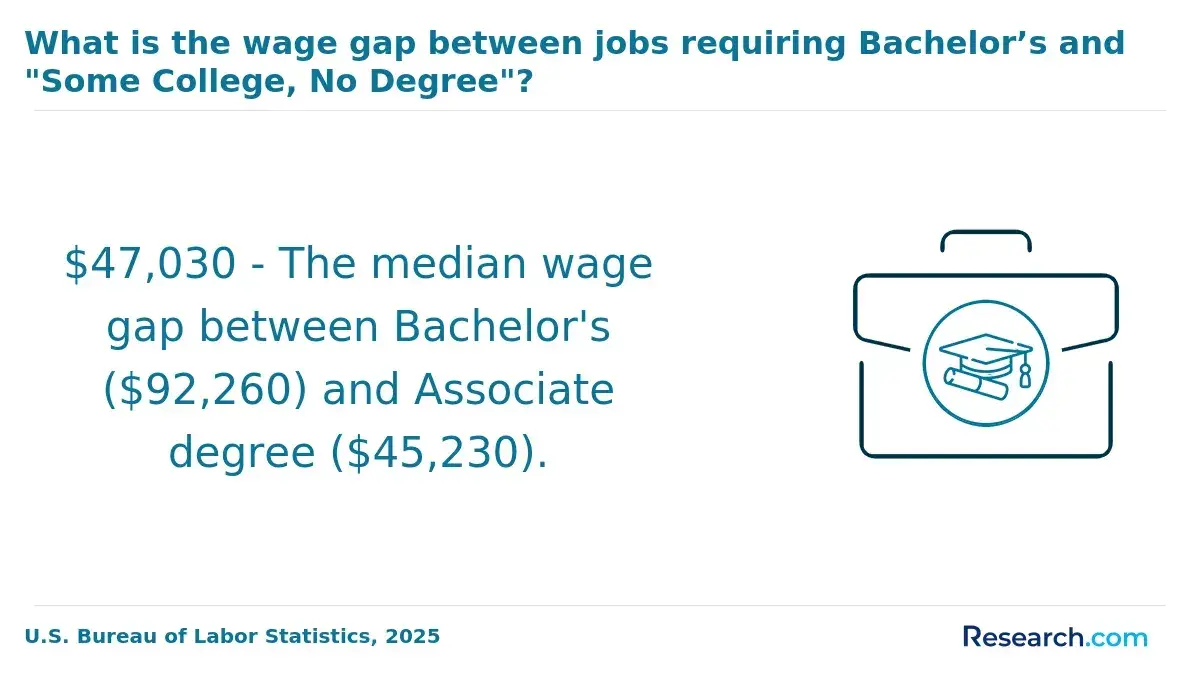
The 2024 "Education Pays" report by the U.S. Bureau of Labor Statistics (BLS) highlights that individuals holding a master's degree earn notably higher median weekly wages and face lower unemployment rates than those with only a bachelor's degree. Within health sciences specifically, BLS Occupational Outlook Handbook data show a median annual salary increase between 15% and 30% when advancing from a bachelor's to a master's level, impacting roles like clinical managers, public health specialists, and health educators.
Regarding online versus campus-based degrees, extensive research, including studies from NYU SPS, finds minimal difference in salary outcomes when controlling for institutional quality and field of study. This suggests employers prioritize accredited program rigor and skills over delivery mode. Such findings have lessened the earlier stigma associated with online degrees.
- Significant Salary Boost: Master's degree holders in health sciences earn considerably more than bachelor's-level peers, supporting long-term financial stability and career growth.
- Lower Unemployment Rates: Graduate degrees correlate with enhanced job security, as confirmed by the 2024 BLS report.
- Parity of Delivery Modes: The negligible salary gap between online and in-person graduates underscores the importance of program quality and accreditation.
- Effective ROI: Strategic program selection paired with potential salary increases allows graduates to recover costs within a few years.
- Rising Online Enrollment: Increasing numbers of health sciences graduate students choose online pathways, indicating shifting employer perceptions.
Calculating return on investment (ROI) is crucial. For instance, a two-year program costing roughly $30,000 combined with an expected annual salary boost of $10,000 can result in recouping tuition expenses within about three years. Online programs often reduce opportunity costs due to flexible scheduling, enhancing this payback timeline.
By 2025, more than half of graduate students in health-related disciplines are projected to pursue some form of online education, reflecting growing acceptance and market demand for digitally obtained credentials.
Which Health Sciences Industries and Employers Are Most Receptive to Online Master's Degree Holders?
Employers in the health sciences sector vary in their acceptance of online master's degrees, with healthcare organizations leading in receptiveness. Hospitals and large health systems value accredited online programs, especially when combined with relevant clinical experience, responding to workforce demands and sector growth. These employers recognize online degrees as valid routes to advanced skills development.
Technology firms focused on health informatics, medical devices, and digital health show growing openness to online credentials. Their emphasis on practical expertise, including data analysis and project management, aligns well with the outcomes of online study, prioritizing proven skills over traditional degree formats.
Nonprofit and government agencies demonstrate moderate acceptance, often weighing competencies and experience alongside academic background. While some public sector roles continue to prefer traditional degrees, many agencies are shifting toward skills-based hiring to adapt to evolving workforce expectations.
Consulting companies that specialize in healthcare strategy increasingly consider candidates from online programs. Larger firms in particular tend to assess applicants holistically, focusing on analytical skills and industry knowledge rather than the degree's delivery method.
- Healthcare Sector Leadership: Hospitals and health systems prioritize accredited online master's graduates due to expanding workforce needs and recognition of clinical experience combined with formal education.
- Tech Industry Growth: Health technology companies increasingly value skills and project outcomes, making online credentials especially relevant for roles focused on informatics and data analysis.
- Skills-Based Hiring Impact: With 70% of employers adopting skills-focused recruitment, online graduates face less discrimination based on degree format, gaining wider acceptance.
- Consulting and Public Sector Trends: Consulting firms and government agencies are gradually shifting toward evaluating competencies, although some traditional preferences for degree formats persist.
- Data-Driven Employer Claims: Reliable employer acceptance information must come from official data or public statements to guide prospective students accurately.
The National Association of Colleges and Employers (NACE) reported that 70% of employers use skills-based hiring practices, which benefits online graduates by reducing biases linked to how degrees were earned. Many Fortune 500 healthcare and tech companies have eliminated strict degree-format requirements, favoring certifications and demonstrable expertise. Smaller businesses often emphasize agility and proficiency over traditional credentials.
Any statements regarding employer acceptance should be supported by publicly verifiable data to ensure accuracy and help prospective students make informed decisions based on reliable evidence.
How Do Online Health Sciences Master's Programs Compare to On-Campus Programs in Terms of Curriculum and Academic Rigor?
Many online health sciences master's programs, especially those offered by established universities, maintain strict curriculum equivalency with their on-campus counterparts. They utilize the same syllabi, faculty, and assessments, ensuring that all students acquire the same knowledge and skills regardless of delivery mode. This consistency is crucial in fostering employer trust and upholding academic rigor across formats.
Accreditation plays a vital role in assuring quality. Both regional and programmatic accreditations require institutions to meet minimum academic standards, no matter if courses are delivered online or face-to-face. Employers recognize degrees from accredited online programs as credible and rigorous, helping these credentials maintain their value in the job market.
One challenge for online health sciences education is replicating peer interaction and collaborative learning critical to the field. Many programs overcome this by incorporating synchronous classes, virtual cohorts, and project-based learning, which foster communication, teamwork, and professional networking similar to on-campus experiences.
- Curriculum Equivalency: Online health sciences programs often share syllabi, faculty, and assessments with on-campus versions to guarantee academic consistency.
- Accreditation Standards: Regional and programmatic accreditations enforce quality benchmarks that apply equally online and in-person, assuring employer confidence.
- Peer Collaboration: Virtual cohorts, synchronous sessions, and group projects help replicate vital interactive learning despite remote delivery.
- Hands-on Training: Clinical placements and lab requirements are fulfilled through partnerships with local healthcare sites or brief in-person residencies.
- Employer Confidence: More than 70% of academic leaders acknowledge that online education outcomes equal or surpass traditional formats, indicating increased acceptance.
Some specializations require hands-on labs or clinical placements that cannot be fully completed online. Leading programs address this by partnering with local healthcare facilities or mandating short-term in-person residencies, ensuring students meet essential practical training requirements.
Reflecting growing confidence in online education, a 2023 report by the Online Learning Consortium found that over 70% of academic leaders agree online learning outcomes meet or exceed those of traditional classroom settings.
What Role Does the Online Learning Format Play in Developing Job-Ready Skills for Health Sciences Careers?
The evolution of online health sciences master's degree programs reflects a shift from skepticism to recognition of their role in building job-ready skills. Employer demand increasingly favors candidates with practical competencies such as project management, digital literacy, and time management-skills online learners develop through self-directed study, digital collaboration tools, and asynchronous communication. The National Association of Colleges and Employers (NACE) highlights these qualities within its career readiness competency framework, which many online programs intentionally incorporate to mirror real-world healthcare settings.
Curriculum design in online health sciences programs encourages students to manage their own schedules, collaborate on virtual platforms, and solve problems digitally, aligning with employer expectations and labor market trends. Graduate outcome data and employer feedback show online alumni frequently enter the workforce possessing equal or sometimes superior practical skills compared to on-campus peers.
- Self-Directed Learning: Online health sciences students develop autonomy by independently managing coursework and deadlines, enhancing time management and self-motivation-key skills employers seek.
- Digital Collaboration: Use of video conferencing and digital project management tools fosters teamwork and communication suited to modern healthcare environments.
- Career Readiness Framework: Aligning with NACE competencies, programs embed assignments that cultivate both soft skills and technical knowledge for diverse health sciences roles.
- Employer Perceptions: Research and employer feedback show growing confidence in online graduates' abilities, especially when programs hold accredited status.
- Proactive Networking: Online students benefit by actively seeking mentorship and engaging virtually to complement their skill set and leverage career opportunities.
However, online students often must take more initiative to access networking opportunities, in-person mentorship, and campus recruiting events, which remain essential for professional growth. Prospective students exploring affordable options may also consult cheap MHA programs that maintain rigorous standards and accreditation to ensure career effectiveness.
What Do Graduate Employment Outcomes and Alumni Data Reveal About Online Health Sciences Master's Degrees?
Graduate employment outcomes and alumni career success data provide crucial insights into the value of online health sciences master's degrees in the current job market. Prospective students should request official placement rates, median salaries, and employer partner listings directly from programs before enrolling. These firsthand program-level outcomes help assess whether graduates achieve competitive career prospects versus traditional counterparts, especially within fields emphasizing practical skills.
Nationally recognized frameworks such as the NCES IPEDS graduation rate data and the National Association of Colleges and Employers (NACE) graduate outcomes benchmarks serve as essential external reference points. Programs reporting employment rates and salary figures above these sector averages typically reflect stronger employer demand. Comparing program data to these benchmarks allows students to evaluate if specific online health sciences master's degrees align with industry standards.
However, self-reported outcomes data published by many online programs have limitations; they often lack independent verification and may be overly optimistic. Programs that use third-party audits or participate in validated NACE surveys provide more reliable indicators of graduate success. Such verification enhances confidence that reported outcomes are accurate and comparable across institutions, supporting better-informed enrollment decisions.
Employer perceptions of online health sciences master's degrees have evolved from early skepticism to growing acceptance, especially for degrees from accredited and reputable institutions. Hiring managers increasingly focus on demonstrated skills and relevant experience, reflecting a shift toward practical competencies that many online curricula emphasize. Alumni outcomes and industry hiring trends underscore this transition.
- Official Placement Rates: Verify graduate employment percentages directly from the program to ensure transparency and relevance to current labor market demands.
- Median Salary Data: Compare salary outcomes against NACE benchmarks to understand compensation competitiveness for online health sciences graduates.
- Third-Party Verification: Prefer programs that utilize external audits or participate in nationally validated surveys for more trustworthy employment outcomes.
- Alumni Career Success: Analyze patterns in alumni progression to gauge the program's impact beyond initial employment, reflecting hiring trends in health sciences.
- Program Comparison Frameworks: Utilize NCES IPEDS data and NACE benchmarks to contextualize program-specific outcomes within broader national averages.
In the broader landscape, online master's degrees also intersect with accelerated college programs, which appeal to working professionals seeking timely advancement. Careful evaluation of program-specific outcome data alongside accreditation and external benchmarks forms a data-driven foundation for assessing the long-term value of investing in an online health sciences master's degree.
What Are the Biggest Misconceptions Employers Have About Online Health Sciences Master's Degrees?
Persistent misconceptions about online health sciences master's degrees continue to fade as employer perceptions evolve significantly. A key myth claims online programs denote lower academic standards, yet surveys such as the one by Excelsior College and Zogby Analytics find that 83% of executives now regard online degrees as equally credible compared to traditional formats.
Concerns about accreditation are largely unfounded since reputable online programs undergo rigorous accreditation like their campus-based counterparts, maintaining strong educational quality.
- Lower Academic Ability: The outdated notion that online degrees lack intellectual rigor has diminished as research shows widespread executive acceptance of online credentials' equivalence to in-person degrees.
- Unaccredited Programs: Online health sciences degrees from established institutions meet the same accreditation standards as traditional programs, ensuring their legitimacy and employer recognition.
- Easier Coursework: Contrary to the belief that online degrees offer a shortcut, accredited programs require comparable workload, including practical and clinical elements, demanding equal time and effort.
- Lack of Commitment: Employers increasingly value the self-discipline and time-management skills demonstrated by online learners, especially in hybrid and post-pandemic job environments.
- Changing Workplace Norms: The rise of remote work, reputable universities expanding online offerings, and competency-based hiring practices have collectively narrowed the credibility gap for online health sciences degrees.
What Is the Long-Term Career Outlook for Professionals Who Hold an Online Health Sciences Master's Degree?
Several key occupations tied to health sciences that require or benefit from a master's degree show promising projections through 2032-2034, according to U.S. Bureau of Labor Statistics data. Health services managers, for instance, are expected to see employment growth near 14%, with median salaries around $101,340 annually. Other roles like medical and health services managers and public health advisors also reflect solid growth and competitive pay in the mid to high five figures.
BLS research highlights that earning a master's degree typically leads to a notable wage increase. Workers in related fields experience an average annual salary rise of about $24,588, jumping from roughly $69,459 before completing their degree to $94,047 afterward. This underscores the strong financial incentive for pursuing advanced education in health sciences.
Throughout a professional's career, the distinction between an online versus traditional master's degree diminishes as employers concentrate more on skills, experience, and proven accomplishments. The mode of education becomes less relevant to hiring and promotion decisions.
- Robust Employment Growth: Health sciences-related careers needing a master's degree are forecasted to expand steadily, supporting durable job markets.
- Significant Salary Gains: Advanced degrees lead to an average boost of over $24,500 annually, representing meaningful financial returns.
- Degree Format Irrelevance: Employer focus shifts to demonstrated results rather than whether the degree was earned online or in-person once experience is established.
- Widespread Online Enrollment: More than 2.5 million graduate students studied exclusively online in 2023-24, signaling mainstream employer trust.
Online graduate programs continue gaining widespread acceptance. The National Center for Education Statistics reports over 2.5 million graduate students enrolled exclusively online in 2023-24, reflecting an entrenched position for online learning within the professional and academic communities.
What Graduates Say About Employer Reception to Their Online Health Sciences Master's Degree
- Benny: "When I decided to pursue an online health sciences master's degree, I was initially unsure how my employer would perceive it. To my surprise, they were very supportive and valued the flexibility and rigor of an accredited online program. This has definitely boosted my confidence in leveraging my degree to advance within my department."
- Greyson: "Reflecting on my career transition, earning an online health sciences master's degree was transformative. My employer's positive reception of the degree underscored the importance of attending an accredited program, which reassured me that my investment was well-placed. The knowledge and credentials have opened new doors professionally that I hadn't anticipated."
- Cooper: "From a professional standpoint, pursuing an online health sciences master's degree has been a strategic move backed by my employer's enthusiastic acceptance. The program's accreditation was a key factor that gave my company confidence in my qualifications. This experience not only strengthened my expertise but also significantly enhanced my career trajectory."
Other Things You Should Know About Health Sciences Degrees
In 2027, employers increasingly respect online health sciences master's degrees due to their ability to accommodate emerging skills and technologies. With a focus on practical skills and up-to-date knowledge, these programs are meeting market needs and aligning with evolving hiring practices.
Skills-based hiring emphasizes specific competencies over the credential alone, benefiting graduates of rigorous online health sciences master's programs who demonstrate practical skills. Employers increasingly value proven expertise in areas like data analysis, patient care coordination, and health informatics. This trend supports the credibility of online degrees that include hands-on learning or realistic simulations.
Graduates should emphasize their program's accreditation and any hands-on training completed within the online format. Highlighting relevant skills gained and certifications earned alongside the degree helps demonstrate preparedness. Additionally, networking with alumni and industry professionals can reinforce the degree's value to potential employers.
References
- Everything You Need to Know About the Master of Health Science (MHS) Degree https://nurse.org/healthcare/master-health-science-degree/
- Top 5 Biggest Myths About Online Degrees – Debunked with Real Statistics | Copperbelt University Zambia -ECAMPUS https://cbu.ecampus.edu.zm/top-5-biggest-myths-about-online-degrees-debunked-with-real-statistics/
- Top 10 Most In-Demand Master's Degrees https://www.accreditedschoolsonline.org/online-degrees/masters/in-demand/
- Debunking 8 Common Myths About Online Degrees - University of the Potomac https://potomac.edu/debunking-common-myths-about-online-degrees/
- Advantages of Online Graduate Programs for Healthcare - BluePipes Blog https://blog.bluepipes.com/advantages-online-graduate-programs-healthcare/
- Graduate Employment Outcomes of Health Service Management Work Integrated Learning Placements | Asia Pacific Journal of Health Management https://journal.achsm.org.au/index.php/achsm/article/view/1639
- MPH Online Programs: Job Prospects for Graduates in Africa https://tau.edu.zm/blog/job-prospects-for-graduates-of-mph-programs/
- Myths about online learning https://online.liverpool.ac.uk/myths-about-online-learning/
- Career Benefits of a Master's in Health Informatics https://www.usfhealthonline.com/resources/health-informatics/online-health-informatics-training-benefits/
- What Do Employers Think About Your Online Degree? | OnlineMBA.com https://www.onlinemba.com/resources/employers-thoughts-on-online-degrees/


