2027 Best Online Women's Health Nurse Practitioner Degree Master's Programs for Working Professionals

Co-Founder and Chief Data Scientist
Working professionals seeking to advance in women's health nurse practitioner careers face significant challenges balancing education with employment. Studies show that demand for women's health nurse practitioners is projected to grow 35% by 2030, yet many programs lack flexibility for those working full time. Additionally, only 60% of programs offer fully online options, limiting accessibility. This gap often delays career progression and affects workforce supply in critical care areas. This article examines top online women's health nurse practitioner master's programs designed for working professionals. It explores accreditation, admission, curriculum, cost, and flexibility, providing essential insights to help readers select programs aligned with their career goals and lifestyles.
Key Things to Know About the Best Online Women's Health Nurse Practitioner Degree Master's Programs for Working Professionals
- Programs typically require a bachelor's degree in nursing with active RN licensure and relevant clinical experience, ensuring candidates are prepared for advanced practice roles.
- Application procedures often include transcripts, recommendations, essays, and interviews, emphasizing academic readiness and professional motivation.
- Compare programs by cost, flexible scheduling, accreditation, faculty expertise, career placement rates, and student support to align with personal and professional objectives.
What Are the Best Online Women's Health Nurse Practitioner Master's Programs Available for Working Professionals Today?
For working professionals seeking to advance their careers, choosing one of the best online women's health nurse practitioner master's programs can provide the necessary credentials and flexibility to balance work and study. The demand for women's health nurse practitioners is projected to grow by 40% through 2031, reflecting increasing healthcare needs and expanding opportunities. Below is a list of top accredited online women's health nurse practitioner degree programs that stand out for their delivery models, faculty expertise, and strong student outcomes.
- Vanderbilt University Women's Health Nurse Practitioner: Offers a hybrid online format with a mix of asynchronous coursework and on-campus intensives. The nationally ranked School of Nursing boasts high certification pass rates and successful job placements across diverse clinical settings.
- University of Cincinnati Women's Health Nurse Practitioner: Fully online with synchronous and asynchronous sessions, this program focuses on evidence-based practice and research, supported by faculty with strong credentials and extensive clinical placement resources.
- George Washington University Women's Health Nurse Practitioner: Employs interactive online modules with optional on-site intensives in Washington, D.C. Students benefit from a robust alumni network and broad access to healthcare facilities during clinical rotations.
- University of South Alabama Women's Health Nurse Practitioner: Provides flexible full-time and part-time online tracks tailored to working nurses, known for affordable tuition and comprehensive student support including career advising and financial aid assistance.
- Walsh University Women's Health Nurse Practitioner: Fully online and ACEN-accredited, emphasizing practical skills for women's health across the lifespan, with support via evening and weekend virtual seminars and clinical placement help.
These programs were selected based on their accreditation, flexible online delivery suited for working adults, faculty expertise, clinical support, and positive student outcomes like certification pass rates and employment success. Their structures accommodate busy professionals pursuing career advancement in women's health nursing. Additionally, exploring financial aid options can be important, and some students may find additional pathways by comparing with other healthcare programs such as an online pharmd to supplement their long-term goals.
What Accreditation Standards Should an Online Women's Health Nurse Practitioner Master's Program Meet?
Accreditation ensures that online women's health nurse practitioner master's programs meet essential quality standards, affecting credential recognition, employer acceptance, and eligibility for federal financial aid. With a projected 13% job growth through 2032 in this field, selecting an accredited program is crucial. Below are key considerations when evaluating accreditation:
- Regional vs. Programmatic Accreditation: Regional accreditation, from bodies such as the Southern Association of Colleges and Schools Commission on Colleges (SACSCOC) or the Higher Learning Commission (HLC), verifies overall institutional quality. Programmatic accreditation, like that from the Commission on Collegiate Nursing Education (CCNE) or Accreditation Commission for Education in Nursing (ACEN), focuses on nursing program rigor and clinical relevance.
- Credential Recognition: Licensure boards typically require graduation from accredited programs. This impacts certification eligibility and employer trust in graduates' competencies.
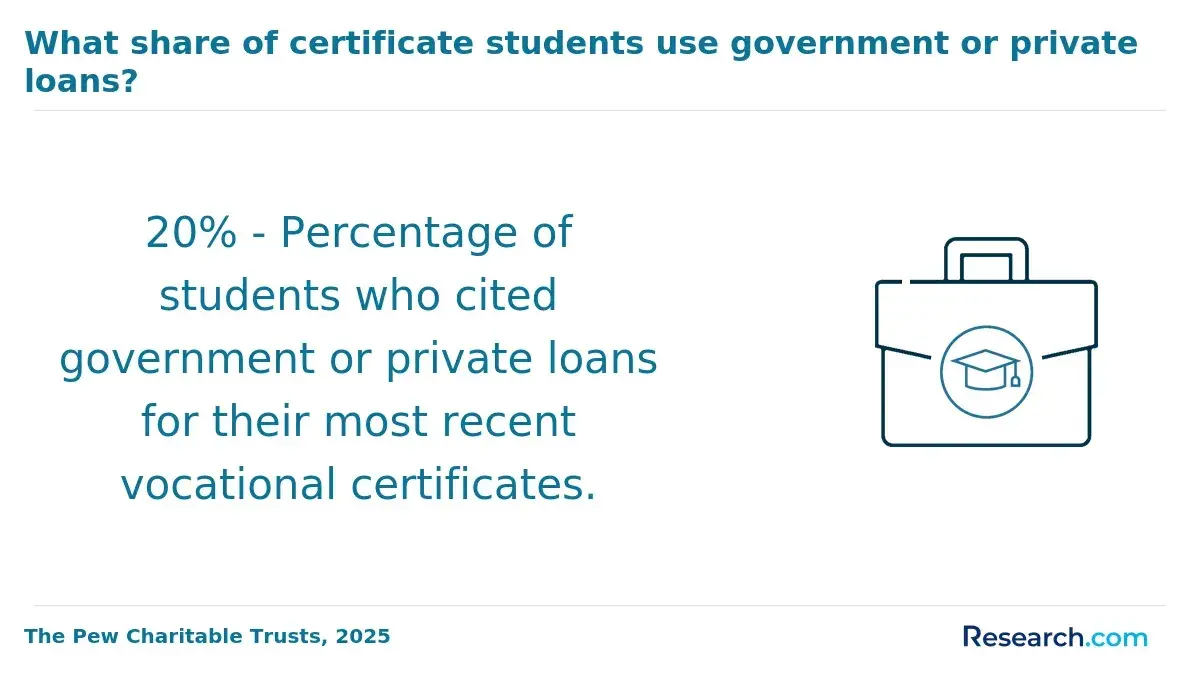
- Federal Financial Aid Eligibility: Only programs accredited by recognized agencies qualify for federal aid, making cost more manageable for working professionals.
- Verification Resources: Prospective students should confirm accreditation via the U.S. Department of Education's database and the Council for Higher Education Accreditation (CHEA) website to ensure program legitimacy.
- Warning Signs of Unaccredited Programs: Beware of unusually fast degrees, lack of detailed curriculum or faculty information, and vague campus presence-common traits of diploma mills.
For those considering advancement in healthcare, foundational credentials like a bachelors in healthcare administration may support further specialization. Accreditation standards vary nationally and regionally for online Women's Health Nurse Practitioner graduate degrees, so thorough research ensures alignment with professional goals.
What Is the Minimum GPA Requirement for an Online Women's Health Nurse Practitioner Master's Program?
Working professionals considering online women's health nurse practitioner master's programs benefit from knowing typical GPA requirements to plan competitive applications. Acceptance rates in this field generally range from 30% to 50%, reflecting growing emphasis on holistic review. The following points summarize key admission strategies and benchmarks.
- Typical GPA Standards: Most programs expect a minimum GPA near 3.0 on a 4.0 scale, balancing academic rigor with accessibility.
- Conditional and Provisional Admission: Some schools offer pathways for applicants with lower GPAs, emphasizing other strengths like experience or recommendations.
- Holistic Evaluation: Admissions committees often weigh nursing experience, compelling personal statements, and strong letters of recommendation alongside GPA.
- Strengthening Applications: Candidates with below-average GPAs can enhance their profile by completing additional coursework post-baccalaureate or earning relevant certifications in women's health or advanced practice nursing.
- Selective vs. Accessible Programs: Highly selective schools tend to require GPAs of 3.25 or above, while more accessible options may accept GPAs as low as 2.75 when supported by other qualifications.
A graduate of an online women's health nurse practitioner master's degree program shared how navigating GPA challenges shaped their journey. Though initially worried about meeting minimum GPA thresholds, they found encouragement when the admissions team valued their clinical background and recommendation letters. Taking supplementary coursework before applying not only boosted their confidence but also their academic record. Reflecting on the experience, they emphasized the importance of persistence and preparation in aligning career advancement with rigorous program standards.
What Prerequisites and Prior Educational Background Are Required for an Online Women's Health Nurse Practitioner Master's Program?
Professionals pursuing an online women's health nurse practitioner master's program must carefully review educational prerequisites to ensure a smooth admission process and successful progression. These prerequisite requirements form a vital foundation for advanced study and clinical expertise. Below is a checklist that outlines common admission criteria to help candidates assess their qualifications based on educational background and experience.
- Undergraduate Degree in Nursing: A Bachelor of Science in Nursing (BSN) from an accredited institution is typically required. This degree ensures applicants have the fundamental clinical and theoretical knowledge needed for graduate-level coursework.
- Foundational Coursework Completion: Essential courses usually include anatomy, physiology, microbiology, pharmacology, and pathophysiology. These subjects underpin the specialized content covered in women's health nurse practitioner programs and prepare students for advanced practice.
- Bridge or Leveling Courses: Some programs provide leveling options for students holding degrees in related health fields or lacking certain prerequisite courses. These courses help fill educational gaps prior to entering the core curriculum.
- Professional Nursing Experience: Many programs prefer candidates with one to two years of clinical nursing experience. This practical background can sometimes supplement or substitute academic prerequisites, particularly in programs emphasizing professional competency.
- Licensure and Certification: Maintaining an active registered nurse (RN) license is mandatory. Certain programs may also require certification in basic life support (BLS) or advanced cardiovascular life support (ACLS).
When researching programs, working professionals should consider how these prerequisites align with their credentials and career goals, especially when exploring nurse practitioner programs online. This evaluation is a critical step in selecting the right path within online women's health nurse practitioner master's admission requirements and understanding the educational prerequisites for women's health nurse practitioner programs.
What Does the Curriculum of an Online Women's Health Nurse Practitioner Master's Program Look Like for Working Professionals?
Exploring the curriculum is essential for working professionals aiming to advance in women's health nurse practitioner master's programs. Knowing how courses are structured and delivered helps candidates balance education with ongoing career demands. Below are key curricular factors to consider:
- Core Coursework: Programs typically include advanced pathophysiology, pharmacology, health assessment, and women's reproductive and gynecological health, forming a comprehensive clinical foundation.
- Elective Specializations: Many programs offer tailored tracks such as prenatal care, menopause management, or adolescent health, enabling students to focus on their professional interests.
- Practicum and Internship: Clinical experiences usually occur at local approved sites, accommodating work schedules while providing hands-on patient care exposure essential to credentialing.
- Capstone or Thesis: Students engage in in-depth projects or research to develop critical reasoning and evidence-based practice skills related to women's health.
- Flexible Delivery Formats: Coursework is often modularized into 8-week sessions, weekend intensives, or fully asynchronous classes, ensuring accessibility for those with demanding jobs.
- Competency-Based vs. Credit-Hour Models: Competency-based education suits self-directed learners with existing clinical experience by emphasizing skill mastery over seat time. Credit-hour programs may better support those requiring comprehensive foundational training and steady progression.
- Reviewing Curriculum Fit: Prospective students should examine sample syllabi and consult academic advisors to confirm that course content aligns with their career goals and clinical practice needs.
When I spoke with a recent graduate who completed an online women's health nurse practitioner master's program, she highlighted how the flexible scheduling was a game changer. Balancing a full-time nursing role with studies felt overwhelming initially, but the 8-week modules allowed her to focus deeply on one subject at a time.
She appreciated having clinical placements nearby, which minimized travel time and let her apply new skills immediately. The asynchronous lectures gave her control over when to study, easing stress during busy periods. According to her, the program's design helped maintain momentum without sacrificing work or family commitments, making the journey much more manageable than she had expected.
How Long Does It Take to Complete an Online Women's Health Nurse Practitioner Master's Degree?
Online women's health nurse practitioner master's programs vary considerably in length, depending on enrollment type and program format. Full-time students generally complete their degrees within 12 to 18 months, while part-time learners often require 2 to 3 years to finish. Accelerated tracks, though less common, enable completion in under a year by compressing coursework into intensive study periods. Several factors can shorten the overall time to graduation, including credit transfer policies, prior learning assessments, and dual-enrollment options that allow working professionals to count relevant previous coursework toward their degree.
Factors that frequently extend program duration include challenges balancing work and personal life, financial difficulties that interrupt studies, and evolving program requirements that introduce additional coursework or clinical hours. According to the American Association of Nurse Practitioners, enrollment in these programs has steadily increased over recent years, emphasizing the need to carefully plan the education journey. Below are key considerations to keep in mind when estimating a realistic completion timeline while maintaining employment:
- Enrollment Status Matters: Full-time enrollment accelerates completion but demands significant time commitment, which can strain work-life balance. Part-time enrollment offers flexibility but typically extends program length.
- Credit Transfer and Prior Learning: Utilizing credits from previous coursework or assessments can reduce credit load and shorten time-to-degree, benefiting experienced nurses seeking advancement.
- Program Format Flexibility: Asynchronous courses and flexible scheduling help working professionals progress steadily without sacrificing job responsibilities.
- Work-Life Balance Challenges: Managing professional duties alongside academic demands often leads to prolonged timelines; setting realistic goals and seeking support services can help mitigate delays.
- Financial Considerations: Interruptions due to funding issues can halt progress; maintaining consistent financial aid eligibility and budgeting accordingly supports timely completion.
Breakdown of Private Fully Online Nonprofit Schools

How Much Does an Online Women's Health Nurse Practitioner Master's Program Cost and What Are the Total Expenses for Working Professionals?
The tuition costs for an online Women's Health Nurse Practitioner master's program typically range from $500 to $1,200 per credit hour. Programs generally require between 40 and 50 credit hours, leading to an estimated total tuition cost of $20,000 to $60,000. Many online programs now offer flat-rate tuition that applies uniformly to all students regardless of residency, minimizing the differences between in-state and out-of-state tuition fees.
Additional expenses can significantly affect the total cost of online Women's Health Nurse Practitioner graduate programs for working professionals. Below are important factors to consider:
- Tuition Per Credit and Total Costs: Most programs calculate tuition on a per-credit basis, with 40 to 50 credits needed for completion. This results in total tuition expenses varying widely depending on the school's rate and credit requirements.
- Technology and Online Course Fees: Semester fees for technology access or online learning platforms can add $100 to $500 per term. These ancillary charges should be factored into the overall budget.
- Residency and Clinical Intensives: Some programs require brief on-site residencies or clinical intensives. This entails extra travel and accommodation costs, which should be anticipated when comparing program expenses.
- Thesis and Project Submission Fees: Fees may be applied for submitting final theses or capstone projects, adding to the overall costs beyond tuition.
- Indirect Costs: Textbooks can easily exceed $1,000 throughout the program. Other overlooked expenses include software subscriptions, licensing exam fees, and memberships in professional organizations, all of which contribute to the total financial commitment.
- Financial Aid and Cost Estimation Tools: To obtain a clearer picture of actual expenses, working professionals are encouraged to use resources such as the College Scorecard and schools' Net Price Calculators. These tools help estimate net costs based on personal financial aid eligibility and reduce surprises during enrollment.
Reflecting a growing demand in this specialty, the National Association of Nurse Practitioners reports a steady 5% annual increase in applications to Women's Health Nurse Practitioner programs. Prospective students interested in exploring nursing options might also consider nursing programs that don't require teas as an alternative path to advance their careers.
What Financial Aid, Scholarships, and Employer Tuition Benefits Are Available for Online Women's Health Nurse Practitioner Master's Programs?
For working professionals aiming to enroll in an online Women's Health Nurse Practitioner master's program, understanding financial aid options is essential to managing costs without disrupting employment. Various funding sources exist to support graduate education, each with distinct application processes and eligibility requirements. The key opportunities include:
- Federal Student Loans: Graduate students can apply for Direct Unsubsidized Loans and Graduate PLUS Loans through the FAFSA, which must be completed each academic year. Accurate income and enrollment information are necessary, and indicating graduate status affects loan availability and limits.
- Targeted Scholarships and Fellowships: Numerous awards focus on advanced nursing roles for women, often accessible via Fastweb, Scholarships.com, or professional nursing organizations. Eligibility typically considers academic performance, clinical background, or association memberships, with grants ranging from several hundred to thousands of dollars; early applications are advisable given varied deadlines.
- Employer Tuition Reimbursement: Professionals working in healthcare can negotiate with human resources to secure partial or full tuition coverage, especially if the degree supports current job functions. Aligning coursework schedules with employer policies and maintaining thorough expense documentation helps ensure reimbursement success.
- Graduate Assistantships and Fellowships: Though more prevalent in traditional settings, some online programs offer assistantships or fellowships that include stipends or tuition waivers in exchange for research or teaching support, providing additional financial relief for enrolled students.
How Do Online Women's Health Nurse Practitioner Master's Programs Support Working Professionals Through Flexible Scheduling and Delivery Formats?
Balancing a demanding career with graduate studies demands programs that offer flexible scheduling and adaptable learning formats. For working professionals pursuing a master's degree as Women's Health Nurse Practitioners, the ability to integrate coursework into busy lives without sacrificing academic standards is crucial. The following features highlight how these programs accommodate diverse schedules and learning preferences.
- Flexible Scheduling Options: Many programs feature synchronous classes held during evenings or weekends, allowing professionals with typical work hours to participate live. Asynchronous formats complement these by offering recorded lectures and assignments that students can complete anytime, ensuring learning fits around other commitments.
- Hybrid and Cohort Structures: Hybrid models blend online coursework with occasional in-person sessions, providing the benefits of both virtual and face-to-face learning. Cohort-based pathways offer a structured timeline and promote community support, which can enhance motivation and academic accountability.
- Mobile-Optimized Learning Platforms: User-friendly, mobile-compatible learning management systems empower students to study on the move and easily access course materials. These platforms often include built-in tools for navigating content, designed to accommodate a range of technical skills.
- Specialized Support Services: Dedicated advisors, academic coaches, and peer mentor networks tailored for non-traditional learners can significantly improve retention and success rates by addressing the unique challenges faced by working adults.
- LMS Trial Opportunities: Prospective students are encouraged to preview program interfaces through open houses or demonstration sessions. This hands-on experience helps verify whether the learning platform aligns with their preferences and technological comfort before committing.
What Technology, Tools, and Technical Requirements Are Needed for an Online Women's Health Nurse Practitioner Master's Program?
Working professionals pursuing online Women's Health Nurse Practitioner master's degrees must ensure their technology setup supports smooth participation in rigorous coursework. Meeting technical requirements ahead of enrollment helps prevent disruptions and supports success in virtual learning environments.
- Hardware Requirements: A reliable computer with Windows 10 or later, or macOS 10.14 or later, is essential. At least 8GB of RAM and a modern processor support handling coursework, virtual simulations, and assignment submissions efficiently.
- Software and Platforms: Programs typically rely on learning management systems like Blackboard or Canvas, plus specialized simulation software tailored to women's health nurse practitioner assessments and patient care. Some schools provide access, but students may need to purchase or subscribe separately.
- Internet Speed: A stable broadband connection with minimum speeds of 10 Mbps download and 5 Mbps upload is necessary for live lectures, video discussions, and clinical demonstrations.
- Accessibility and ADA Compliance: Many programs incorporate assistive technologies such as screen readers and closed captioning to meet the needs of students with disabilities. Early consultation with support services is recommended for accommodations.
- Technology Readiness Self-Assessment: Prospective students should evaluate their existing setup against program requirements to identify upgrades for a seamless learning experience.
For working professionals researching technical requirements and other critical factors, exploring colleges with accelerated programs can provide additional insights on quality and flexibility for online women's health nurse practitioner master's degrees. Understanding technical demands is a key step to advancing without interrupting current employment.
What Career Outcomes and Salary Expectations Follow an Online Women's Health Nurse Practitioner Master's Degree for Working Professionals?
Career outcomes are a critical consideration for working professionals pursuing an online Women's Health Nurse Practitioner master's degree. Evaluating data on employment, salary, and job advancement helps clarify the potential return on investment for this advanced credential.
- Salary Advantages: According to the U.S. Bureau of Labor Statistics, nurse practitioners, including those specializing in women's health, earn median annual wages notably higher than registered nurses. This increase reflects the advanced clinical expertise and responsibilities inherent to the role.
- Upward Mobility: Professional organizations emphasize that obtaining a Women's Health Nurse Practitioner master's degree can open pathways to specialized clinical duties and leadership positions such as clinical director or healthcare administrator, thereby supporting career growth.
- Career Advancement Within Nursing: For those aiming to enhance their current nursing career, the degree often results in elevated job titles and stronger leverage for salary negotiations, reinforcing professional recognition and compensation.
- Transitioning Into Women's Health: Professionals shifting from other nursing areas into women's health generally experience substantial benefits, gaining access to new clinical roles and expanding their professional networks, which can accelerate career progression.
- Data Verification: Prospective students should request detailed outcome statistics from program admissions, including graduate employment rates, median starting salaries, and leading employers. This information provides insight into a program's effectiveness and alignment with career objectives.
What Graduates Say About Getting Accepted in Online Women's Health Nurse Practitioner Degree Master's Programs for Working Professionals
- Raphael: "Applying for admission to a women's health nurse practitioner master's program designed specifically for working professionals was a game-changer for me. The flexibility allowed me to balance my job and studies without compromising on the quality of education. Navigating this path was easier once I could rely on official academic catalogs to understand course requirements clearly, which helped me plan my schedule efficiently."
- Pauline: "With so many accredited institutions offering online women's health nurse practitioner master's programs, I initially felt overwhelmed. However, focusing on programs designed for working professionals helped me narrow down options that fit my lifestyle and career goals. Using federal education resources to verify program compliance and accreditation gave me confidence in my choice, ultimately ensuring a worthwhile investment in my education."
- Cathy: "My experience was shaped by a highly professional approach to selecting an online women's health nurse practitioner master's program. Consulting accrediting agencies and official academic catalogs was crucial in understanding the rigorous standards these programs uphold. This research instilled a strong sense of preparedness, allowing me to navigate the degree requirements smoothly and emerge well-qualified for my role."
Other Things You Should Know About Women's Health Nurse Practitioner Degrees
In 2027, online women's health nurse practitioner master's programs offer a range of student support services. These include virtual academic advising, 24/7 technical support, access to online libraries, career counseling, and networking opportunities with alumni and peers to ensure a comprehensive learning experience.
Online women's health nurse practitioner programs in 2027 offer clinical practicum opportunities that are arranged in collaboration with local healthcare facilities, enabling students to gain hands-on experience in their community while balancing work commitments. Program directors often help tailor these practicum experiences to fit professional goals.
Well-established online programs generally match on-campus options in curriculum rigor, accreditation, and clinical training requirements. Employers increasingly recognize online degrees from accredited institutions as equivalent to traditional formats, especially when graduates demonstrate strong clinical competencies. However, prospective students should verify a program's accreditation and clinical practicum opportunities to ensure the degree's credibility in the workplace.
References
- Nursing Financial Aid https://nursinglicensemap.com/resources/nursing-financial-aid/
- Women's Health Nurse Practitioner: Career & Salary Overview https://npdegrees.org/careers/womens-health-nurse-practitioner/
- Women’s Health Nurse Practitioner WHNP Salary and Careers https://teach.com/online-ed/healthcare-degrees/online-womens-health-nurse-practitioner-programs/salary-and-career-outlook/
- How Long Does It Take to Get Masters in Nursing (MSN) | Maryville Nursing https://nursing.maryville.edu/blog/how-long-does-it-take-masters-in-nursing
- Women's Health Nurse Practitioner Program (MS) https://www.downstate.edu/education-training/college-of-nursing/admissions/womens-health-np/index.html
- Online Women's Health Nurse Practitioner Curriculum | MSN | Carlow https://online.carlow.edu/programs/msn-womens-health-nurse-practitioner/courses/
- Online NP Programs with Aid: Find Top Schools with Funding https://www.edumed.org/online-schools/nurse-practitioner-programs/financial-aid/
- Top Online WHNP Programs 2026: Comprehensive Rankings https://www.npschools.com/rankings/all-online-whnp-programs
- Women's Health Nurse Practitioner Concentration MSN (Online) https://www.gcsu.edu/health/nursing/womens-health-nurse-practitioner
- Top Women’s Health Nurse Practitioner Programs 2025 https://nurse.org/education/womens-health-np-programs/