
2027 Is Fashion Design a Hard Major? What Students Should Know

Co-Founder and Chief Data Scientist
The academic demands of a fashion design major often surprise prospective students, who may underestimate its complexity. Studies show that approximately 35% of students in U.S. fashion design programs find the workload more intense than expected, reflecting the blend of creativity and technical skill required. Misconceptions can overshadow the reality of managing both artistic and practical challenges throughout the curriculum.
This article explores the key aspects that determine the difficulty of a fashion design major, including course rigor, workload expectations, and essential skills like sewing, pattern making, and digital design. It will also examine how individual backgrounds and aptitudes influence the experience, helping students gauge whether this major suits their strengths and career goals.
Key Benefits of Fashion Design as a Major
- Fashion design nurtures creativity and technical skills, benefiting career changers seeking hands-on experience in a dynamic industry.
- It offers flexible learning paths, supporting full-time workers returning to school with practical assignments and time management training.
- Traditional undergraduates gain specialized knowledge that enhances critical thinking and builds confidence in managing rigorous projects and deadlines.
Where Does Fashion Design Rank Among the Hardest College Majors?
Fashion design is often not listed among the very hardest college majors in national rankings, which tend to highlight fields like engineering, architecture, and physical sciences as the most demanding. However, it is recognized for its challenging combination of creative, technical, and practical elements.
Students face heavy workloads involving extensive studio time, hands-on projects, and portfolio development, with some reports showing commitments of over 30 hours weekly outside of class time. The major requires mastering diverse skills such as garment construction, patternmaking, digital design, and market research, along with significant fieldwork and meeting strict project deadlines.
Perceptions of how hard fashion design is can vary widely depending on the institution and student background. Elite programs at schools like Parsons or FIT tend to be especially rigorous and competitive. Compared to engineering or pre-med, fashion design generally involves less theoretical complexity but demands more creative and practical effort.
It is often rated similarly to other visual arts majors and considered more strenuous than many lecture-based liberal arts degrees. Ultimately, a student's aptitude for managing multiple project deadlines, technical skills, and fast-paced environments plays a key role in how difficult they find the major.
What Factors Make Fashion Design a Hard Major?
Fashion design is a major that demands a unique blend of academic discipline and creative skill, making it challenging for many students. The rigorous academic workload in fashion design programs combines technical mastery with continuous innovation and adaptation.
What factors contribute most to the difficulty of this major include:
- Demanding Technical Skills: Students must excel in both traditional techniques like tailoring and pattern drafting as well as digital skills across 2D and 3D design platforms. This dual expertise requires agility and sustained practice.
- Intensive Studio and Project-Based Workload: Extensive hours are devoted to studio work, collection development, and experimental design projects alongside written research and communication, reflecting the volume and depth of work expected.
- High Expectations for Creativity and Collaboration: Fashion design thrives on innovation, requiring students to engage in interdisciplinary collaboration with areas such as bio-design and textiles, broadening their skills and perspectives.
- Rigorous Performance Standards: Programs often enforce minimum grade requirements, like maintaining a 2.0 GPA or higher, emphasizing consistent academic performance amid heavy workloads.
Success in this demanding field hinges on a wide range of skills needed to succeed in fashion design, including analytical thinking, spatial reasoning, and adaptability to evolving technologies and business models.
For those exploring their options, it is helpful to compare fashion design with other fields through resources listing the best college majors to understand its relative academic challenges.
Who Is a Good Fit for a Fashion Design Major?
Identifying the right student profile is crucial for success in a fashion design major due to the program's demanding blend of creativity, technical skill, and collaboration. Knowing which character traits for fashion design students align with its challenges helps candidates thrive academically and professionally.
- Creative Thinkers: Students who naturally generate original ideas and enjoy experimenting with materials, colors, and forms excel in fashion design coursework. Their innate creativity fits well with the intensive project-based learning and innovative problem-solving tasks essential to this field.
- Resilient Problem Solvers: Fashion design students regularly encounter tight deadlines and critiques, so resilience and adaptability help them learn from setbacks and improve. Those with strong problem-solving abilities can navigate technical challenges and evolving design briefs more effectively.
- Multitaskers with Time-Management Skills: Managing multiple projects simultaneously is common, and students skilled at prioritizing work thrive under the program's intensive workload. This ability ensures steady progress across individual and collaborative assignments.
- Technically Skilled Individuals: Backgrounds in sewing, fabric knowledge, or basic CAD aid students in developing portfolios and mastering coursework. These practical skills are foundational, allowing for deeper exploration of design techniques.
- Collaborative Communicators: Being open to diverse perspectives and effective at teamwork is vital in an interdisciplinary environment. These students leverage communication skills to contribute meaningfully to group projects and harness innovation.
Understanding what skills do successful fashion designers need supports prospective students in assessing their fit. Those uncertain about entry requirements may explore options through open admissions colleges for flexible pathways into the discipline.
How Can You Make a Fashion Design Major Easier?
Fashion design can be an intense major due to its combination of creative and technical demands, often overwhelming students without clear guidance. However, adopting smart strategies can help manage workload and improve academic performance effectively.
- Master Core Skills Early: Building proficiency in sketching, sewing, and pattern-making during the initial year eases the challenge of later, more complex projects.
- Blend Learning Environments: Taking theory-based courses like fashion history or business law online frees up time, allowing more focus on hands-on studio work with textiles and fabrics.
- Utilize Industry Materials: Regularly consulting fashion magazines, creating mood boards, and using library archives keeps design ideas fresh and aligned with current market trends.
- Develop CAD Expertise: Gaining fluency in computer-aided design tools speeds up work and minimizes repeated corrections, making the design process smoother.
- Connect with Faculty Mentors: Leveraging instructors' industry experience provides invaluable insights and practical advice, boosting both skill and confidence.
A graduate I spoke with reflected on her journey in fashion design, saying she initially felt overwhelmed balancing technical skills and creative work. She shared how dedicating weekends to mastering sewing and attending extra CAD workshops made a noticeable difference. Instead of isolating herself, she built relationships with peers and professors, which "opened doors to new techniques" and eased stress.
"It wasn't just about talent," she emphasized, "but knowing when to ask for guidance and using every resource available." Her approach transformed the workload from daunting to manageable, illustrating how intentional strategies can pave the way for success in this demanding field.
Are Admissions to Fashion Design Programs Competitive?
Admissions to fashion design programs are moderately competitive, mainly due to high application numbers compared to limited seats. For example, the Fashion Institute of Technology accepts about 58-60% of applicants, reflecting a balance between selectivity and accessibility.
Programs seek candidates who show genuine creativity and passion, rather than focusing solely on standardized academic measures. This makes the process more about artistic potential and portfolio strength than just grades or test scores.
Selectivity varies by institution and program emphasis, with renowned schools or art-focused tracks typically more competitive than others. Most fashion design programs are test-optional or test-blind, putting greater weight on portfolios, recommendation letters, and career intent statements.
While there's no rigid GPA cutoff, successful applicants generally demonstrate strong creative skills and relevant experience. Demand also fluctuates by program type, influencing admission stringency and shaping holistic review practices.
When I spoke with a professional who graduated with a fashion design major, he described the application process as both intimidating and rewarding. He recalled spending weeks refining his portfolio to showcase diverse techniques and unique ideas.
"I wasn't just doing good drawings," he shared. "I was telling a story through my work and showing who I was as a designer." He emphasized how important it was to communicate his vision clearly and how the selective admissions pushed him to elevate his skills early on.

Is an Online Fashion Design Major Harder Than an On-Campus Program?
Online fashion design majors present challenges that can be equally demanding as on-campus programs but differ significantly in nature. The difficulty largely depends on factors related to structure, resources, and how students engage with coursework and peers.
Below is a comparison of key aspects affecting the experience and difficulty of online versus on-campus fashion design programs:
- Academic Expectations: Both formats maintain rigorous standards, though online courses often assign additional projects to make up for less hands-on studio time.
- Workload and Pacing: Online programs tend to have more independent assignments requiring strong self-discipline, while on-campus students follow set schedules with instructor guidance.
- Interaction and Support: On-campus students benefit from immediate feedback and stronger peer connections, whereas online students may face challenges in networking and receiving prompt responses.
- Learning Environment: On-campus majors have direct access to studios, fabric libraries, and equipment essential for hands-on skills. Online students must creatively find ways to practice techniques like sewing and draping independently.
- Unique Challenges: Online learners often manage self-directed study without face-to-face critique, requiring superior organizational skills. In contrast, on-campus students rely on built-in motivation from classroom dynamics and group critiques.
The choice between online and on-campus formats should consider individual preferences and abilities to adapt to these distinct challenges. Prospective students looking for accessible options might explore programs offering a cheapest associate's degree pathway, which can be an affordable start for those interested in a fashion design major difficulty level that fits their learning style.
Are Accelerated Fashion Design Programs Harder Than Traditional Formats?
Accelerated fashion design programs are generally more challenging than traditional formats due to condensed timelines that require faster pacing and increased workload intensity. This leads to a demanding student experience where mastering core competencies must happen in a shorter window.
Comparing accelerated fashion design programs vs traditional approaches reveals key differences affecting workload, retention, and flexibility.
- Course Pacing and Content Density: Accelerated programs often operate on seven-week intensive cycles, nearly doubling the pace of content delivery compared to traditional semester systems lasting 15-16 weeks.
- Workload Management: Full-time students find accelerated schedules intense but manageable, while working professionals balancing jobs with study face greater strain due to less flexible pacing.
- Academic Expectations and Skill Demands: Students must quickly master design, illustration, construction, and marketing skills within shorter timeframes, increasing weekly coursework volume.
- Learning Retention and Stress Levels: Accelerated programs can enhance retention through constant practice but reduce time for reflection, often elevating stress due to compressed deadlines, though some courses offer self-paced options.
- Flexibility and Daily Scheduling: Traditional programs allow spreading assignments over longer periods, providing breathing room, whereas accelerated formats have less structural flexibility, demanding more disciplined time management.
Considering whether is an accelerated fashion degree more difficult, it largely depends on the student's ability to adapt to faster pacing and heavier workloads.
For those interested in completing qualifications swiftly and willing to handle intensified study, accelerated formats offer a viable path. Prospective students seeking alternatives may explore fast degrees that pay well as part of their educational planning.
Can You Manage a Part-Time Job While Majoring in Fashion Design?
Balancing a part-time job while majoring in fashion design is challenging but achievable, depending largely on the student's course load, weekly time commitment, and personal discipline.
Fashion design programs often demand 15 to 20 hours weekly outside of class for hands-on projects and portfolio work, making workload intensity a key factor. Flexible scheduling and strong study habits also play vital roles in managing both responsibilities effectively.
Students who juggle part-time work with fashion design studies commonly adjust their credit hours during demanding semesters and seek flexible employment, such as retail or freelance design jobs. The discipline's hands-on requirements-including extensive lab hours, technical tasks, and periodic project peaks-can complicate maintaining consistent work hours.
Many rely on academic support resources, including tutoring and study groups, to keep pace with coursework. While some thrive by tailoring their schedules carefully, others may find the workload's unpredictable nature harder to balance alongside regular employment.
What Jobs Do Fashion Design Majors Get, and Are They as Hard as the Degree Itself?
Career paths for fashion design majors vary in difficulty, responsibility, and required skills. While some jobs closely match the rigor of the major, others may feel less demanding or challenging in different ways.
- Fashion Designer: Responsible for conceptualizing and creating original clothing, accessories, or footwear, this role demands high creativity, technical ability, and meeting tight deadlines. The pressure to innovate and stay ahead of fast-changing trends makes it as demanding as the degree itself.
- Fashion Buyer: Buyers handle purchasing decisions for retail or wholesale companies, managing budgets, analyzing trends, and maintaining vendor relationships. Though less creative, this role carries a high level of responsibility and stress related to business decisions rather than design.
- Textile Designer: Creating patterns and prints using digital and traditional methods requires specialized skills and a strong eye for detail. This technical role typically involves less public pressure and can feel less intense, though it remains challenging in its own specialized way.
- Brand Manager: Tasked with shaping and maintaining brand image through marketing strategies and leadership, this position demands market awareness and communication skills. Stress here stems more from business and management responsibilities than creative workload.
- Entrepreneur (Clothing Line Owner): Combining creative design with business management, marketing, and operations, entrepreneurship in fashion often involves greater workload and risk. For many graduates, this path can be more demanding than the degree itself due to the need to juggle multiple complex roles.
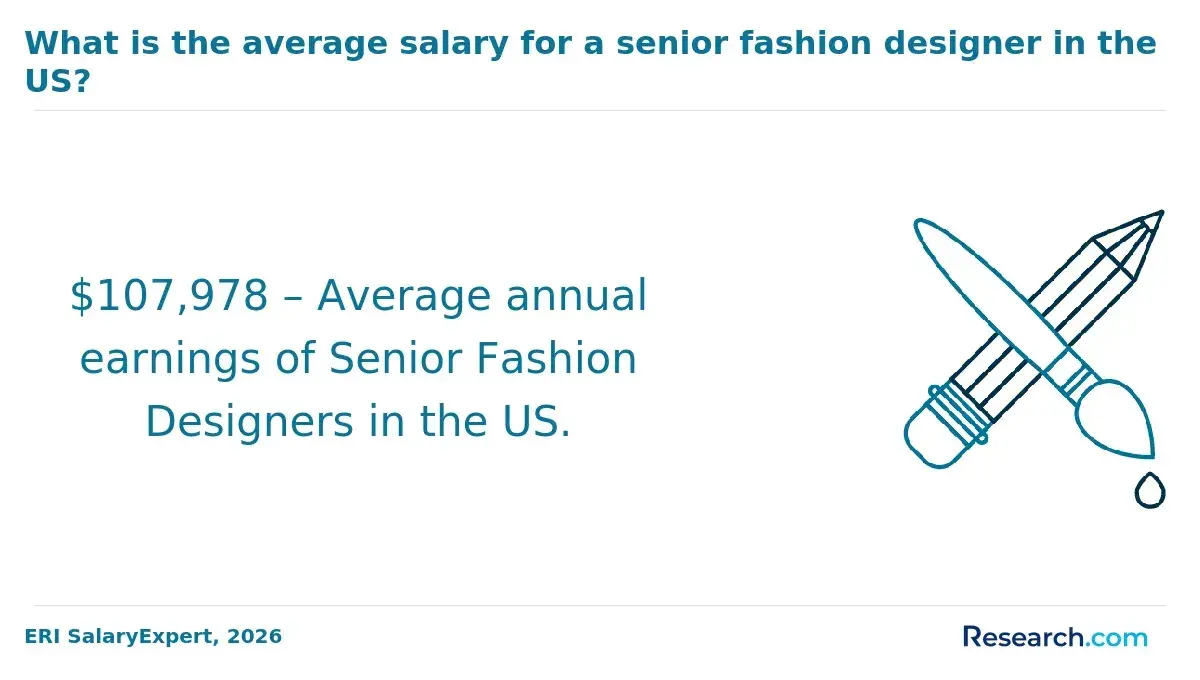
Fashion degree jobs in the USA often provide competitive salaries, with fashion designers earning a national average of $70,557 and brand managers or entrepreneurs potentially earning more depending on their success. Those exploring fashion design career paths and salaries should consider that the academic major is known for its high project demands and constant need to innovate.
Students looking for affordable ways to pursue this field may find helpful information through the cheapest bachelor degree options, enabling access to quality education without excessive cost.
Do Fashion Design Graduates Earn Higher Salaries Because the Major Is Harder?
There is no direct link between the difficulty of a fashion design major and higher graduate salaries. While the program requires creativity, technical skills, and extensive projects, earnings depend more on market demand and specific job roles than on academic challenge.
Developing strong skills through the curriculum can improve job prospects, but it does not automatically lead to better pay just because the major is considered tough. Employers value practical experience and industry relevance over the academic rigor alone. Thus, the complexity of the course is one factor among many influencing salary potential.
Several factors shape the earnings of fashion design graduates. Industry demand varies widely. For instance, professionals in media or public relations may earn between $93,770 and $157,570, noticeably above those in manufacturing.
Roles such as technical designers or fashion marketing managers have different average salaries, with marketing management around $83,488 per year. Location also matters, as cities like San Jose and Berkeley report average salaries near $88,000 to $89,000.
Additionally, a strong portfolio and relevant internships tend to boost income, with the Bureau of Labor Statistics highlighting a range from about $37,090 in the bottom 10% to $160,850 in the top 10%, underscoring experience and networking over curriculum difficulty as key salary drivers.
What Graduates Say About Fashion Design as Their Major
- Lily: "Pursuing fashion design was definitely challenging, but the hands-on experience and constant creativity made it incredibly rewarding. While the average cost of attendance was steep, around $35,000 per year, I feel it was an investment in my growth and future career in the fashion industry. The skills I gained have opened so many doors, and I couldn't be more enthusiastic about choosing this major."
- Shane: "Studying fashion design challenged me in unexpected ways, especially balancing the workload with the financial costs, which can be quite high for materials and tuition. Reflecting back, the struggle was worth it because it taught me discipline and innovation that have deeply influenced my personal style and career path. It's a tough major, but it shapes you into a versatile professional."
- Tami: "Fashion design is often seen as a difficult major, and from a professional standpoint, it truly is demanding due to the intensive work and financial investment, often exceeding $30,000 per year. However, the payoff in terms of career readiness and industry insight has been invaluable to me. I respect the rigor and recommend it for those serious about entering the fashion field."
Other Things You Should Know About Fashion Design Degrees
Fashion design programs in 2027 place a strong emphasis on practical projects over theoretical exams. This approach reflects industry demands, fostering creativity and hands-on experience. Students frequently engage in design projects, portfolio development, and collaborations, enabling them to apply theoretical knowledge in practical contexts.
A strong artistic background can be beneficial but is not always required before entering a fashion design program. Many programs teach fundamental art and design principles from the ground up. However, creativity and a good sense of aesthetics are crucial for success in this major since students must generate original ideas and visualize fashion trends.
The workload in fashion design majors is primarily project-based, emphasizing hands-on creation, presentations, and portfolio development. While some written exams exist, students spend more time completing design projects, critiquing work, and participating in studio sessions. This practical approach simulates real-world fashion industry conditions.
In 2027, essential skills for fashion design majors include proficiency in digital design software, creative problem-solving, and trend analysis. Knowledge of sustainable practices is increasingly important, as is the ability to work collaboratively on projects that often integrate technology and responsible sourcing.
References
- Online Bachelor of Arts in Fashion – Apparel Technical Design https://asuonline.asu.edu/online-degree-programs/undergraduate/fashion-apparel-technical-design/
- Online Fashion Design Degree Online Bachelor of Fine Arts https://www.rmcad.edu/academics/program/online/fashion-design/
- How to Work Part-Time in the Fashion Industry https://successfulfashiondesigner.com/work-part-time-fashion-industry/
- How to Prepare for Fashion Design School | All Art Schools https://www.allartschools.com/fashion-design/fashion-design-school-preparation/
- Tips You May Need To Know To Pursue A Career As A Fashion Designer. https://www.thefashionstudenthub.com/blog/some-top-tips-you-will-need-to-know-if-you-wish-to-pursue-a-career-as-a-fashion-designer


