
2027 Best States for Administration Degree Graduates: Salary, Demand, and Career Opportunity

Co-Founder and Chief Data Scientist
Graduates with an administration degree often face uncertainty when deciding where to begin or advance their careers. Salary disparities, uneven job availability, and variations in career growth prospects across states complicate this decision. For example, states with the highest concentration of administrative roles offer a 15% higher average wage compared to the national median, reflecting not just pay but also demand intensity.
This article explores the best states for administration degree graduates by analyzing salary data, employment growth forecasts, cost-of-living adjustments, and quality-of-life factors-providing a comprehensive guide for informed career planning and strategic relocation decisions.
Key Things to Know About the Best States for Administration Degree Graduates
- California and Texas offer the highest median salaries for administration degree graduates-exceeding $75,000 annually-adjusted for cost of living and state tax impact.
- Florida and North Carolina show rapid employment growth exceeding 10% annually in administration roles, driven by expanding healthcare and corporate sectors.
- Washington and Massachusetts provide robust networking ecosystems and remote work flexibility, enhancing long-term career advancement in administration fields across diverse industries.
Which States Offer the Highest-Paying Jobs for Administration Degree Graduates?
Graduates with administration degrees aiming for top-paying opportunities will find certain U.S. states consistently offer higher mean and median annual wages, according to the latest Bureau of Labor Statistics (BLS) Occupational Employment and Wage Statistics. These states reflect strong economies where industry sectors like corporate headquarters, government, finance, and technology drive demand for skilled administrative professionals.
- District of Columbia: With a dense concentration of federal agencies, government contractors, and nonprofits, this area leads in administration salaries. Its high wages are partly offset by a demanding cost of living but benefit from the unique career ecosystem centered on policy and governance.
- California: Metropolitan hubs such as San Francisco and Los Angeles anchor California's wage premiums, heavily influenced by the tech sector and entertainment industry. While administration salaries are attractive, candidates must consider the elevated housing costs typical of the region.
- New York: New York State, especially New York City, combines its stature as a global finance and media center with strong salary figures for administration roles. Still, living expenses in the city remain a key factor in evaluating overall compensation value.
- Massachusetts: Boston's highly developed education, healthcare, and tech industries contribute to competitive wages in administration, offering reasonably strong purchasing power when balanced against regional living costs.
- Washington: The Seattle area's growing tech and aerospace sectors support solid salaries for administration professionals. Importantly, Washington's absence of personal income tax improves net earnings despite a rising cost-of-living.
- Texas: Texas stands out for combining relatively high wages with a lower cost of living and favorable tax policies, especially in Austin and Dallas, which boosts genuine purchasing power for administrative careers.
- Virginia: Benefiting from proximity to federal agencies and tech firms in Northern Virginia, administration salaries here tend to be robust, offering a moderate cost-of-living advantage compared with nearby Washington, D.C.
While these top-paying administration careers by state highlight where salaries are strongest, it is essential to interpret this data alongside local living costs, tax landscape, and employment market conditions-topics explored in subsequent sections. For those exploring pathways in Administration degrees combined with technology, considering the best online AI degree programs may also enhance future career versatility and advancement opportunities.
Where Is Demand for Administration Graduates Growing the Fastest in the United States?
The demand for administration graduates is rising unevenly across the United States, reflecting a complex interplay of regional economic factors, demographic shifts, and industry trends. Drawing upon the Bureau of Labor Statistics Occupational Employment Projections data and state labor market reports, several states emerge as the fastest growing states for administration jobs, showcasing structurally expanding opportunities rather than short-term hiring spikes.
- Texas: Texas leads with sustained demand growth fueled by population expansion and a thriving business environment. Key metro areas such as Dallas and Houston benefit from infrastructure investments and corporate relocations. The state's diverse economy and favorable tax policies reinforce a long-term demand for administration graduates.
- Florida: Driven by retirees and working-age migrants, Florida's administration job market expands alongside healthcare, hospitality, and real estate sectors. While some demand fluctuates with tourism seasonality, ongoing population growth ensures a relatively stable outlook for administration employment.
- Colorado: Colorado's growing technology and green industries, centered around Denver and Boulder, create unique administration roles tied to innovation and sustainability. This diversification signals a structurally increasing labor market rather than a temporary upswing.
- North Carolina: Investments in research universities and biotech corridors in Raleigh and Durham underpin rising demand for administration professionals in knowledge-driven sectors. The state's policies attract skilled workers, supporting a consistent expansion in administration roles.
- Washington: Washington's administration employment benefits from robust tech and aerospace industries near Seattle. High wages and a corporate ecosystem committed to remote work options further solidify this state's position with structurally growing demand.
For graduates prioritizing regions with the highest demand for administration graduates, these states exemplify how demographic growth, industry composition, and proactive policies create promising career landscapes. Exploring pathways to cheap online degrees can also help aspiring professionals capitalize on these expanding markets while managing educational costs effectively.
How Do Cost-of-Living Differences Affect the Real Value of a Administration Salary Across States?
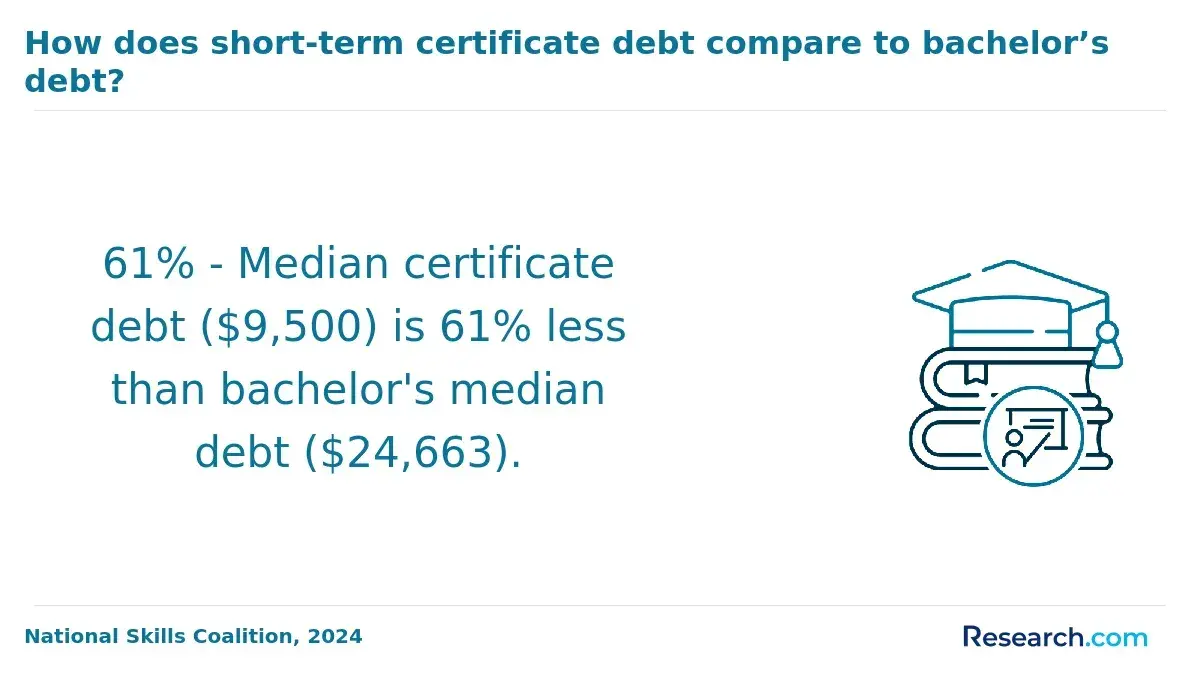
Adjusting administration salary figures using tools like the Council for Community and Economic Research (C2ER) Cost of Living Index or the MIT Living Wage Calculator reveals important differences in where income truly has greater buying power. Higher nominal salaries in expensive states may not translate into increased financial comfort when local living costs are factored in.
- High Nominal Salary, Reduced Real Value: States such as California often offer elevated administration salaries, but steep housing prices, transportation expenses, and a state income tax nearing 9.3% considerably reduce take-home pay. A $70,000 income there can effectively equate to less when adjusted for these costs.
- Moderate Salary, Enhanced Affordability: In contrast, Texas provides more modest administration salaries, yet its lower housing costs and absence of state income tax stretch earnings further. A $55,000 salary in Texas might afford a higher standard of living than a larger paycheck from California.
- Comparative Insights:
- California: Elevated living expenses, particularly in housing and state taxes, undermine real earnings despite higher wages.
- Texas: More affordable housing and no state income tax bolster disposable income, often surpassing that of higher-paying states with greater costs.
- Salary Evaluation Considerations: Key factors for assessing compensation include housing affordability, commuting costs, and state tax obligations-components that substantially influence where administration graduates thrive financially.
Which States Have the Most Job Openings for Administration Graduates Right Now?
Data from sources like Lightcast and Indeed show several states leading in the volume of administration job openings, reflecting dynamic opportunities for degree graduates. These states generally offer a range of roles, from entry-level to senior positions, which supports long-term career growth rather than just high turnover.
- California: With the nation's largest economy, California posts the most administration-related vacancies covering a broad spectrum-administrative assistants to executive administrators. Its technology and entertainment industries create specialized roles, though some sectors experience high turnover rates.
- Texas: Texas features steady demand for administration professionals across energy, healthcare, and corporate sectors, with an emphasis on mid-career roles indicative of advancement opportunities. Seasonal hiring increases are common in educational administration aligned with academic calendars.
- Florida: Florida's market heavily favors entry-level administration jobs, especially in tourism and healthcare, reflecting a steady inflow of seasonal workers and new graduates. Mid- and senior-level positions are less prevalent, signaling competitive growth prospects.
- New York: The state showcases a balanced mix of administration openings across finance, legal, and nonprofit sectors, offering career progression; however, the high cost of living may limit net benefits for some candidates.
- Illinois: Illinois presents a relatively even distribution between government and corporate administration roles. Demand can be volatile due to economic shifts, so timing a job search carefully is advised.
High job posting volumes often highlight demand but can also indicate rapid staff turnover rather than stable roles. States offering diverse role levels tend to provide stronger career paths. Prospective applicants should note seasonal hiring trends, particularly in industries with cyclical demands. For those interested in expanding expertise, an accelerated cyber security degree online may complement administration skills and enhance job prospects.
What Industries Drive Administration Employment in the Top-Ranked States?
Understanding which industries contribute most significantly to administrative employment can offer valuable insights into the economic landscape of leading states. By examining the primary sectors that generate administrative jobs, we can better comprehend regional economic strengths and employment trends. This analysis sheds light on how various industries shape the employment landscape in the top-ranked states.
- Healthcare: This sector frequently leads employment opportunities for administration graduates, especially in states with expansive hospital networks and growing elder populations. Demand for healthcare administration roles supports steady job availability and consistent wage increases, fueled by the essential services and expanding healthcare management fields.
- Financial Services: States with strong financial centers generate high demand for administration skills in banking, insurance, and investment companies. While this sector often offers higher salaries, it can subject professionals to more pronounced economic fluctuations and market cycles.
- Government and Public Administration: Significant public sector employment characterizes many top states, providing graduates with reliable job stability and defined promotional tracks. Although salary growth may be slower than in the private sector, generous benefits and job security often balance this out.
- Information Technology and Corporate Management: Regions with vibrant tech industries create diverse administration roles involving project management and strategic initiative support. This blend tends to increase earning potential and facilitates seamless advancement into leadership positions.
- Education and Nonprofit: These areas usually offer lower salaries compared to corporate environments but provide stable career entry points and less volatility. States investing in public services and community programs often sustain these sectors, offering meaningful work with community impact.
How Do State-Level Licensing and Certification Requirements Affect Administration Career Opportunities?
Licensing and certification standards for administration professionals differ widely among leading states, influencing job entry timelines and career progression. States with stricter credentialing typically require candidates to obtain recognized certifications, complete supervised work experience, pass exams, and engage in continuing education-steps that may delay initial employment but ultimately enhance professional reputation and stability.
- California: Requires most administration professionals to hold a Certified Administrative Professional (CAP) or comparable credential, alongside mandatory continuing education every three years, encouraging skill upgrades despite lengthier licensing.
- Texas: Does not mandate state licensure for administration roles but values voluntary certifications like CAP or Project Management Professional (PMP), which increase promotion prospects and employer preference.
- New York: Imposes a state-specific license for administration workers in regulated sectors such as healthcare, necessitating passage of a state exam and completion of at least two years of supervised experience.
- Florida: Offers a simplified certification pathway requiring approved coursework and a state exam, facilitating quicker job access but with limited credential reciprocity to other states.
- Illinois: Supports easier license transfer through reciprocity agreements with neighboring states and requires completion of state-approved training and ongoing continuing education.
Professionals who meet or surpass these licensing benchmarks often unlock access to higher-paying positions and leadership roles within their states. Data from the Bureau of Labor Statistics indicates that states enforcing comprehensive certification frameworks report a median wage approximately 12% higher for administration-related occupations compared to those with minimal requirements.
Applicants should always consult state regulatory agencies directly to confirm current licensure mandates and certification procedures before relocating. Staying informed on evolving standards ensures smoother credential transitions and optimizes career growth and earning potential in the chosen jurisdiction.
Which States Offer the Best Work-Life Balance and Quality of Life for Administration Professionals?
States that rank highly for administration careers balance competitive salaries with vital quality-of-life factors such as short commute times, robust healthcare access, and vibrant cultural amenities. Data from WalletHub and the American Communities Survey reveal how these elements combine to influence professional and personal well-being in administration roles.
- Washington: Noted for its reasonable average commute and strong paid leave policies, Washington supports administration workers with time to recharge. Healthcare availability exceeds the national average, leading to reduced burnout rates among administrative professionals.
- Colorado: Offers plentiful outdoor and cultural activities, enhancing quality of life. Flexible work arrangements and relatively short average workweek hours contribute to high workplace satisfaction in administration positions.
- Minnesota: Features affordable living costs and top-tier healthcare access. Paid parental leave policies surpass many other states, boosting job fulfillment, especially for administration employees with families.
- Massachusetts: Despite higher living expenses, the state excels in work-life balance through strong labor protections and generous leave allowances. Surveys indicate administration workers there experience lower burnout and greater engagement.
- Oregon: Combines state-mandated paid sick leave with appealing cultural offerings. Weekly work hours align with national averages, facilitating sustainable job commitment without excessive overtime.
New graduates, mid-career professionals, and veterans eyeing administration careers should weigh more than just salary-considering commute pressures, leave benefits, healthcare, and community amenities will better indicate where a fulfilling and sustainable professional life can be built.
How Do Urban Versus Rural Job Markets Differ for Administration Degree Graduates Within the Same State?
Within the same state, urban and rural job markets show marked differences for administration degree graduates, shaping where opportunity truly lies. Metropolitan areas tend to offer higher salary levels, fueled by a broad and diverse employer base including sectors like healthcare, finance, and technology.
For instance, cities such as Houston, Dallas, Miami, and Tampa in Texas and Florida display significantly higher average wages for administration roles compared to their rural counterparts. Yet, those seeking career paths outside major cities should note viable options exist in states like Ohio and North Carolina, where smaller businesses, healthcare clinics, and local governments provide meaningful administration job availability.
- Job Availability: Urban centers benefit from concentrations of corporate headquarters and government offices, leading to wider administration job openings. Still, rural regions with focused local economies can mirror this demand in specific niches despite lower overall volume.
- Salary Disparities: Although urban administration salaries often carry premiums, cost-of-living differences and state tax policies frequently reduce the real income gap. Indiana and Missouri exemplify states where affordable housing and lower taxes help rural graduates maintain a quality lifestyle despite nominally lower pay.
- Career Growth Potential: Larger metro areas usually provide robust advancement opportunities in specialized roles like project management or executive assistance. Meanwhile, smaller growing cities in states such as Colorado and Georgia also offer upward mobility in emerging industries and regional development initiatives.
- Impact of Remote and Hybrid Work: Increasing telecommuting reshapes the urban-versus-rural disparity for administration graduates. Specializations in data management and compliance allow many to compete for well-paying roles without relocating-partly closing the geographic employment gap.
- Local Ecosystem Research: Graduates should explore employer clusters beyond statewide averages when evaluating urban versus rural job opportunities for administration degree graduates in their state. This also includes understanding local incentives, networking opportunities, and industry hubs that may align better with personal and professional goals.
Those interested in complementary skills might consider adding a bookkeeping course to enhance administrative credentials and broaden job prospects.
What Role Do Public and Private Sector Employers Play in Shaping Administration Career Prospects by State?
The balance between public and private sector employers significantly shapes administration career opportunities by state, affecting job stability, salary growth, and advancement potential. Analysis of BLS Quarterly Census of Employment and Wages data reveals clear employer composition trends influencing these outcomes.
- Public Sector Stability: States with large government agencies, public universities, and military installations often provide administration graduates with enhanced job security. These roles typically offer defined-benefit pensions, comprehensive health coverage, and structured promotion pathways rewarding experience and tenure.
- Private Sector Opportunity: Vibrant private industries-such as finance, technology, and healthcare-dominate in some states, where administration positions feature higher average salaries and faster career progression. However, these come with increased volatility including turnover and less predictable retirement benefits.
- Employer Composition: Examples include Virginia and Maryland, where the public sector workforce predominates, resulting in steadier but moderate wage growth. By contrast, California and Texas showcase a heavier private-sector presence, offering higher wages but with less predictability in career trajectory.
- Career Preferences Assessment: Graduates should evaluate their tolerance for risk versus need for stability. Those emphasizing retirement security and clear advancement pathways may favor public-sector-dominant states. Individuals seeking rapid salary growth and dynamic work environments might prefer private-sector states.
- Labor Market Dynamics: States with a mixed employer base offer balanced opportunities-combining steady benefits with access to high-growth industries-allowing flexible career paths for diverse professional goals.
For administration graduates weighing relocation or re-entry into the field, understanding these state-specific differences in the balance of public and private sector administration career opportunities by state is crucial. This assessment also relates closely to cost-of-living and state tax policies that influence net compensation and long-term quality of life.
Those seeking to complement their administration credentials with relevant educational advancement opportunities may explore the environmental engineering bachelor's degree online for a complementary skill set offering expanded career flexibility in some sectors.
How Does Each State's Investment in Education and Research Affect Long-Term Administration Career Growth?
Education and research investments play a crucial role in shaping the future of public administration careers. By examining how different states allocate resources to these areas, we can better understand their impact on long-term career development in the field of administration.
- California: The state boasts a vast network of renowned research universities, including Stanford and UC Berkeley, fostering close industry-academic collaborations. These partnerships generate numerous mentorship and internship opportunities essential for early administration career development. Additionally, state-funded innovation hubs support skills enhancement and facilitate meaningful professional connections.
- Massachusetts: Known for Harvard and MIT, Massachusetts heavily funds research intersecting with business and policy Administration. Workforce programs emphasize adaptable management skills applicable across public and private sectors. Its proximity to influential think tanks and consulting firms broadens career prospects and access to leadership insights.
- Texas: Texas prioritizes workforce development via community colleges and universities that focus on versatile Administration skills relevant to diverse industries. The state's encouragement of public-private research partnerships drives innovation in organizational management. Favorable business policies and expanding urban centers offer promising career and compensation growth.
- North Carolina: The Research Triangle Park area creates a dynamic collaboration zone among universities, government, and industry. Investments in leadership training elevate administrative expertise needed for changing markets. The strong linkage between education and business fosters expansive professional networks and fresh career paths.
A state's educational and research infrastructure serves as a continual career amplifier-not merely a backdrop. For administration graduates, leveraging these ecosystems provides enduring opportunities through ongoing learning, innovation exposure, and robust networking within evolving labor markets.
Which States Are Best for Administration Graduates Seeking Remote or Hybrid Work Opportunities?
Several states stand out for offering robust remote and hybrid administration roles, supported by employer openness to flexible work and varied industry strengths. These regions provide fertile ground for graduates and professionals seeking location-independent careers, based on recent data from job platforms and workforce studies.
- California: A hub for technology, entertainment, and finance, California embraces hybrid and remote work models. Its diverse economy allows administration professionals to secure competitive wages while benefiting from employer flexibility that often permits living outside major urban centers.
- Washington: Dominated by major tech corporations, Washington's remote-friendly culture pairs well with its absence of state income tax, enhancing net earnings for administration workers in telecommuting roles.
- Colorado: With a vibrant startup environment and progressive labor policies, Colorado encourages hybrid work. Its moderate living costs coupled with flexible employer practices make it ideal for those prioritizing work-life balance without sacrificing opportunity.
- Texas: Growing sectors such as finance, healthcare, and energy increasingly provide remote admin positions. Texas attracts talent with business-friendly regulations and no state income tax, supporting higher take-home pay for remote professionals.
- Florida: The state's expanding remote work adoption in healthcare, tourism, and service industries combines with a zero state income tax and appealing climate, enhancing its draw for location-independent administration roles.
Remote work allows professionals to reside in more affordable areas while earning salaries indexed to higher-cost urban markets. Job seekers should carefully assess postings for explicit location flexibility and utilize employer reputation assessments through reviews and surveys.
To negotiate fairly for remote positions, candidates must understand cost-of-living adjustments and emphasize skills that maximize efficiency across different settings. Prioritizing employers with transparent compensation policies can ensure equitable pay regardless of location.
What Graduates Say About the Best States for Administration Degree Graduates
- Robert: "Graduating with a bachelor's degree in administration opened doors I hadn't anticipated. From my research and experience, California stands out with its high salary benchmarks, making it a lucrative place for graduates like me. The demand in industries such as tech and finance ensures that career growth is not only possible but accelerated-something I truly value as I advance in my career."
- Case: "Reflecting on my journey since completing an administration degree, I've come to appreciate how versatile the field is, especially in Texas. The state's steady demand for skilled professionals, combined with a favorable cost of living, creates an environment where career opportunities consistently expand. Moreover, the outcomes I've observed around me-like promotions and leadership roles-highlight its strong potential for upward mobility."
- Sebastian: "In my opinion, New York offers unmatched career opportunities for administration graduates. While the salary range is competitive, it's really the sheer volume of organizations and industries hiring that makes it the best state in my view. The dynamic market fosters a professional environment that challenges and prepares you for significant career advancement, a perspective I've gained firsthand."
Other Things You Should Know About Administration Degrees
In 2027, states like California, New York, and Texas offer the best salary potential for administration degree graduates due to a combination of high demand, large corporations, and robust economic activities that drive competitive salaries in the field.
Many states host active chapters of national and regional administration professional associations, such as the American Management Association and the International City/County Management Association. These organizations provide networking events, training, and job boards specific to local markets. States with larger metropolitan areas typically offer a wider array of networking opportunities that can accelerate career growth for administration graduates.
States with diverse and growing economies-such as California, New York, and Illinois-tend to provide the most upward mobility in administration careers. These states feature numerous industries and larger organizations, creating more leadership roles and internal advancement opportunities. Additionally, states with strong public sector employment offer clear career paths in government administration and policy management.
References
- What Role Does Education Access Play in Long-Term Economic Stability? https://slatez.org/education-access-economic-stability/
- Polish Graduate tracking system - articles https://ela.nauka.gov.pl/en/labor-market/small_towns_not-so-small_careers
- States Ranked By Job Market Growth - Coastal Moving Services https://coastalmovingservices.com/city-state-guides/states-ranked-by-job-market-growth/
- Public VS Private Sector Careers: Which One is Right for You? - MANCOSA https://www.mancosa.co.za/blog/public-vs-private-sector-careers-which-one-is-right-for-you/
- Board of Governors of the Federal Reserve System https://www.federalreserve.gov/econres/notes/feds-notes/changes-in-the-us-economy-and-rural-urban-employment-disparities-20240119.html
- Top 10 Biggest Industries by Employment in the United States in 2026 | IBISWorld https://www.ibisworld.com/united-states/industry-trends/biggest-industries-by-employment/
- How Do Cost of Living Differences Affect Real Earnings? – C2ER Cost of Living Index https://www.coli.org/how-do-cost-of-living-differences-affect-real-earnings/
- The Best U.S. States for Hybrid Workers https://remotepeople.com/best-us-states-for-hybrid-workers/
- Urban-rural differences | Hirons https://hirons.com/insights/urban-rural-differences/
- Top 5 States With the Most Job Openings in the U.S. in 2026 - EB-3 Visa Green Card Jobs https://eb3.work/top-5-states-with-the-most-job-openings-in-2025-revealed/


