2027 Can a Forensic Accounting Degree Lead to Remote Jobs?

Co-Founder and Chief Data Scientist
Choosing a forensic accounting degree now increasingly means asking a practical career question: can this training lead to remote or hybrid investigative work, or does the field still require regular on-site presence? The answer is mixed. Many forensic accounting tasks are digital—reviewing ledgers, testing transactions, tracing funds, preparing exhibits, and writing reports—so they can often be completed from a secure remote environment. Other duties, including court appearances, sensitive interviews, law enforcement coordination, and some client work, may still require in-person availability.
Forensic accounting programs typically build skills in fraud examination, auditing, litigation support, financial analysis, and evidence documentation. Many also expose students to tools such as IDEA, ACL Analytics, spreadsheet modeling, database review, and case management platforms. These skills align well with distributed work when employers have strong data security controls and clear remote procedures.
The Bureau of Labor Statistics reports that over 30% of financial examiners engage in telecommuting. Financial examiners are not identical to forensic accountants, but the statistic reflects a broader shift in finance, compliance, and investigative work toward secure digital collaboration. This guide explains where remote forensic accounting work is most realistic, which roles are common at entry and senior levels, how salaries may differ, what challenges to expect, and how students can improve their odds of being hired for remote roles.
Key Points About Forensic Accounting Degrees That Lead to Remote Jobs
- Remote roles like fraud analyst or forensic consultant demand certifications such as CFE and hands-on case experience, reflecting employer preference for verified skills over general coursework in Forensic Accounting.
- Employment growth in forensic accounting is steady, but remote opportunities often involve hybrid models, indicating firms' cautious adoption of full telework due to collaboration needs in complex investigations.
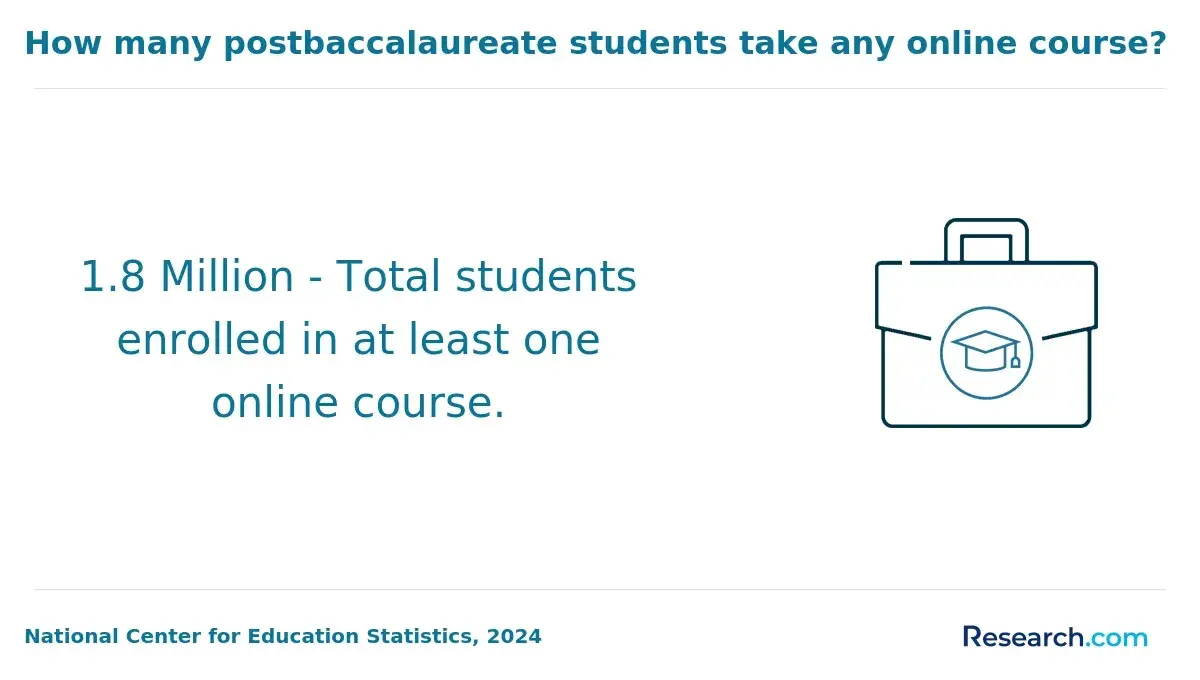
- Online program enrollment rises annually, with a 2024 federal report noting a surge in adult learners balancing cost and timing; this trend stresses the need for pragmatic schedules supporting career transitions without prolonged gaps.
Is it possible for Forensic Accounting graduates to work remotely?
Yes, forensic accounting graduates can work remotely, but fully remote roles are not equally available across the field. Remote work is most realistic when the job centers on digital records, structured data review, fraud pattern analysis, compliance documentation, and written reporting. It is less likely when the position involves frequent court testimony, field investigations, in-person interviews, or direct work with law enforcement agencies.
In practice, many forensic accounting jobs are hybrid rather than fully remote. A graduate may analyze transactions, prepare schedules, draft findings, and meet with teams online, then travel for a client meeting, deposition preparation, courtroom appearance, or secure review of sensitive records. Employers also differ in how much remote access they allow because forensic accounting often involves confidential financial evidence.
Remote-friendly forensic accounting tasks
- Transaction testing: Reviewing payments, invoices, journal entries, payroll records, and vendor data for inconsistencies.
- Data analysis: Using audit analytics tools, spreadsheets, and databases to identify fraud indicators or unusual financial patterns.
- Report drafting: Preparing investigation summaries, damage calculations, exhibits, and working papers.
- Compliance review: Evaluating whether processes align with policies, regulations, or internal controls.
- Virtual collaboration: Meeting with attorneys, auditors, clients, and risk teams through secure platforms.
Work that may still require in-person availability
- Testifying in court or supporting litigation teams during proceedings.
- Conducting sensitive interviews where credibility, documentation, or legal strategy requires physical presence.
- Reviewing records that cannot leave a secured office, agency, or client site.
- Coordinating with law enforcement or regulators under strict evidence-handling protocols.
The best remote candidates are not simply strong accountants. They also know how to protect confidential information, communicate clearly without constant supervision, document every step of an analysis, and work comfortably with secure systems.
What are the typical entry-level remote positions for new Forensic Accounting graduates?
Entry-level remote forensic accounting jobs are usually analyst, audit, compliance, or fraud-support roles. New graduates are rarely assigned the most sensitive investigations independently, but they can perform substantial remote work when tasks involve digital records, reconciliations, case documentation, and supervised analysis.
Students who want maximum flexibility should compare accounting programs carefully. A flexible online accounting degree can be a practical starting point when it includes auditing, fraud examination, data analytics, and strong preparation for accounting or fraud credentials.
- Forensic Accounting Analyst: Reviews financial records, tests transactions, builds schedules, and flags unusual activity for senior investigators. This is one of the most realistic remote entry points because much of the work is document- and data-based.
- Fraud Investigator: Assists with evidence collection, account review, claims analysis, and fraud pattern identification. Some work can be remote, but interviews, site visits, or sensitive evidence handling may require a hybrid schedule.
- Compliance Specialist: Reviews policies, internal controls, regulatory documents, and audit findings. Remote work is common when the employer uses digital workflow systems and secure document repositories.
- Audit Associate with a Forensic Focus: Supports audits where fraud risk, misstatement, or internal control weakness is a concern. The role may include remote testing, documentation, and client communication, though busy periods or client expectations can require on-site work.
- Data Analyst for Financial Investigations: Uses financial datasets to identify suspicious trends, duplicate payments, round-dollar anomalies, access-control issues, or transaction outliers. These roles are especially remote-compatible when the employer has mature analytics and cybersecurity systems.
What employers usually expect from new remote hires
- Strong spreadsheet skills and comfort with audit analytics or database tools.
- Clear writing, because remote teams rely heavily on written findings and documented reasoning.
- Basic understanding of evidence integrity, confidentiality, and access control.
- Ability to ask precise questions without waiting for constant supervision.
- Professional judgment about what should be escalated to managers, legal teams, or compliance leaders.
New graduates should expect competition for fully remote openings. Hybrid roles are often more accessible because employers can train junior staff, review sensitive work, and involve them in client-facing activities when needed. If you compare remote education models across fields, Research.com resources such as its guide to BCBA programs can show how different professions structure online learning, but forensic accounting students should prioritize accounting rigor, fraud coursework, analytics practice, and credential alignment.
Are there senior-level remote positions for Forensic Accounting professionals?
Yes, experienced forensic accounting professionals can find senior-level remote or hybrid roles, but these positions usually require several years of relevant experience, strong judgment, and often a credential such as CPA, CFE, CFF, CISA, or another specialized qualification. Recent graduates should not expect to move directly into senior remote leadership roles.
Senior remote roles are more feasible because experienced professionals can manage investigations, review evidence, advise clients, and supervise teams with less day-to-day oversight. Even then, many positions remain hybrid because senior staff may need to appear in court, meet with attorneys, brief executives, or handle high-risk evidence.
- Forensic Accounting Manager: Oversees investigations, reviews analyst work, manages timelines, and communicates findings to clients or internal stakeholders. Remote work is possible when the team uses secure case management and document review systems.
- Senior Fraud Investigator: Leads complex fraud inquiries, evaluates evidence, coordinates with legal or compliance teams, and may support referrals to regulators or law enforcement. Much of the analysis can be remote, but sensitive interviews or agency coordination may require in-person work.
- Financial Crimes Consultant: Advises clients on fraud risk, controls, anti-money laundering issues, claims, or financial misconduct. Consulting firms often support hybrid or remote delivery, especially for document review, data analytics, and report preparation.
- Director of Forensic Services: Sets investigation strategy, manages teams, develops quality-control procedures, and supports business development or client relationships. Remote work depends heavily on the firm’s client model and the director’s need to attend hearings or executive meetings.
- Litigation Support Specialist: Prepares financial analyses, damages calculations, exhibits, and expert-support materials for disputes. Remote work can be substantial, although trial preparation and courtroom schedules may create on-site demands.
Why senior remote roles are selective
Employers are cautious because senior forensic accounting work affects legal strategy, financial exposure, regulatory risk, and sometimes criminal or civil proceedings. Remote candidates must prove they can maintain confidentiality, manage complex assignments independently, supervise distributed staff, and explain findings clearly to non-accountants.
Professionals evaluating broader online graduate or leadership training may find it useful to compare how remote programs are structured in other regulated fields, including CACREP-accredited online counseling programs. For forensic accounting advancement, however, the most relevant factors remain accounting licensure, fraud credentials, expert-report experience, and demonstrated investigative judgment.
Which industries hire the most remote workers with Forensic Accounting degrees?
The strongest remote opportunities for forensic accounting graduates are usually in industries where financial records are already digitized, investigations are data-heavy, and secure collaboration tools are widely used. The level of remote flexibility varies by confidentiality requirements, regulatory exposure, and client expectations.
- Financial Services: Banks, investment firms, lenders, and payment companies hire forensic accounting talent for fraud monitoring, suspicious activity review, internal investigations, compliance testing, and risk assessment. Remote work is possible when access to customer and transaction data is tightly controlled.
- Consulting Firms: Advisory, forensic, disputes, and litigation-support firms often use project-based teams. Analysts and managers may collaborate remotely on data review, expert-support work, loss calculations, and investigation reports, though client meetings and hearings can require travel.
- Insurance: Insurers use forensic accountants to review claims, quantify losses, investigate suspected fraud, and evaluate financial documentation. Many roles can be hybrid because claim files and supporting records are digital, but complex or high-value cases may involve on-site work.
- Government Agencies: Regulatory bodies, inspectors general, tax authorities, and law enforcement-related offices employ financial investigators and forensic accounting specialists. Remote options may exist for document review or analysis, but security rules often make hybrid arrangements more common than fully remote work.
- Technology: Fintech, cybersecurity, e-commerce, and digital payment companies need professionals who understand both accounting and digital fraud. These employers may be more open to remote work because their teams are already built around analytics platforms, cloud systems, and distributed operations.
How to choose a target industry
If your priority is fully remote work, technology companies, consulting firms, and some financial services employers may offer the best fit. If your priority is public-interest investigations, regulatory work, or law enforcement collaboration, government roles may be more mission-aligned but less flexible. Insurance can be a strong middle ground for candidates who like claims analysis, documentation, and fraud review.
How do salaries differ for remote vs on-site roles in Forensic Accounting?
Salary differences between remote and on-site forensic accounting roles depend more on employer policy, specialization, credentials, location, and case complexity than on remote status alone. Some employers use geographic pay bands and may offer lower compensation to remote workers in lower-cost markets. Others pay according to skill scarcity, especially in areas such as digital forensics, financial fraud investigation, litigation support, and data-heavy compliance work.
On-site roles can sometimes pay more when they are located in major financial centers, require frequent client interaction, involve courtroom support, or demand regular access to secure facilities. Remote roles can still be highly competitive when the employer needs specialized expertise and is willing to hire across markets.
Factors that influence remote forensic accounting pay
- Credentials: CPA, CFE, CFF, CISA, and related qualifications can affect compensation, especially for roles involving expert analysis, investigations, or controls.
- Experience level: Entry-level remote roles may be more limited and closely supervised, while senior specialists can command stronger pay if they bring proven case experience.
- Industry: Consulting, financial services, technology, insurance, and government employers may use different pay models.
- Location policy: Some employers adjust pay based on where the employee lives; others use national or role-based salary bands.
- On-site requirements: Roles requiring travel, court appearances, client meetings, or secure evidence handling may compensate differently from fully remote analyst positions.
Candidates should compare total compensation, not just base salary. Remote roles may reduce commuting and relocation costs, but they may also come with fewer travel premiums, different promotion timelines, or location-based pay adjustments. Professionals considering leadership-oriented education may also compare adjacent options such as online PhD programs in organizational leadership, especially if they aim to move into management, operations, or organizational risk roles.
What are the common challenges of working remotely with a Forensic Accounting degree?
Remote forensic accounting can be efficient, but it creates real risks around security, communication, quality control, and career visibility. The work often involves sensitive records, legal implications, and high-stakes conclusions, so remote professionals need disciplined habits and strong systems.
- Data security risks: Forensic accountants may handle bank records, payroll files, tax documents, contracts, claims records, or internal communications. Remote work requires encrypted connections, secure devices, approved storage systems, careful access management, and strict compliance with employer policies.
- Slower collaboration: Fraud investigations often depend on quick clarification from attorneys, auditors, clients, or compliance teams. Remote communication can delay answers if responsibilities and escalation channels are not clear.
- Higher quality-control demands: Small errors in formulas, assumptions, date ranges, transaction coding, or report language can affect an investigation. Remote professionals need checklists, version control, peer review, and clear documentation of methods.
- Limited informal learning: Junior staff may miss the quick coaching that happens in offices. Without intentional mentorship, they may take longer to learn how experienced investigators frame issues, question evidence, and prepare client-ready findings.
- Visibility and promotion concerns: Remote employees may be less visible to decision-makers. They need to document contributions, communicate progress, and seek feedback more deliberately.
- Boundary management: Remote investigation work can stretch across time zones, legal deadlines, and urgent requests. Without boundaries, flexibility can turn into constant availability.
One forensic accounting professional who graduated from an online program described the security burden clearly: "You always double-check VPNs and encryption, but even then, there's this lingering worry about data safety." He also said virtual meetings sometimes made it harder to resolve discrepancies quickly because the conversation lacked the immediate back-and-forth of an office setting.
He added that remote work forced him to create personal quality checks before submitting analyses. On career visibility, he noted, "Sometimes you feel like your work is less noticed simply because you're not physically around. I've learned to be more vocal about my progress during reviews to counter that." His experience reflects a common reality: remote forensic accounting can work well, but only when professionals treat communication, security, and documentation as core job skills.
Are there certifications that can improve remote hiring outcomes for Forensic Accounting graduates?
Yes. Certifications can improve remote hiring outcomes because they give employers independent evidence of competence, ethics, technical knowledge, and professional commitment. This matters in remote hiring, where managers may have fewer in-person signals and must trust candidates with sensitive financial information.
- Certified Fraud Examiner (CFE): Focuses on fraud prevention, detection, investigation, and deterrence. It is one of the most relevant credentials for forensic accounting candidates seeking fraud investigation or financial misconduct roles. Candidates usually must meet experience requirements and pass a rigorous exam.
- Certified Forensic Accountant (Cr.FA): Emphasizes forensic accounting methods and legal principles. It can support roles involving financial investigations, dispute analysis, and litigation support. Applicants must demonstrate relevant education and professional experience.
- Certified Public Accountant (CPA) with Forensic Specialization: A CPA license signals a strong accounting foundation. When paired with forensic coursework or investigative experience, it can be especially useful for audit, compliance, litigation, and regulatory roles. Licensing requirements vary by state with additional forensic training.
- Certified in Financial Forensics (CFF): Designed for CPAs with forensic experience and focused on financial forensics and dispute resolution. It is valuable for professionals who support legal matters, damages calculations, expert analysis, and complex financial investigations.
- Certified Information Systems Auditor (CISA): Useful for candidates interested in IT controls, cyber audit, digital evidence, and technology-driven fraud risk. It is particularly relevant as forensic accounting overlaps more with cybersecurity and systems-based investigations.
How to choose the right certification
Choose a credential based on the role you want, not simply the credential that sounds most impressive. For fraud investigation, CFE is often a direct fit. For litigation and expert-support work, CPA plus CFF may be more relevant. For technology, systems, and cyber-related financial investigations, CISA can strengthen your profile. For broad accounting credibility, CPA remains a major advantage where licensure is expected or preferred.
Recent data also shows that CFE and CFF credentials often yield favorable placement and higher starting salaries in remote forensic accounting positions. Candidates comparing short, skills-focused credentials can also review Research.com’s guide to short certificate programs that pay well, while remembering that forensic accounting employers typically value credentials most when they match real investigative responsibilities.
How can Forensic Accounting degree students increase the chances of landing remote roles?
Forensic accounting students can improve their chances of landing remote roles by proving three things: they can analyze financial evidence accurately, protect confidential information, and communicate findings clearly without constant supervision. A degree helps, but remote employers often look for practical proof of readiness.
- Build a focused technical portfolio: Include sanitized case studies, sample fraud memos, transaction-testing workpapers, dashboard screenshots, spreadsheet models, or written findings from class projects and internships. Never include confidential employer or client information.
- Strengthen data tools: Practice advanced spreadsheet functions, audit analytics, database queries, visualization tools, and software such as IDEA or ACL Analytics when available. Remote forensic work is easier to justify when you can show technical independence.
- Learn secure work habits: Understand VPN use, multi-factor authentication, document permissions, secure file transfer, clean-desk practices, and evidence-handling expectations. Security awareness can separate you from other entry-level candidates.
- Apply to hybrid roles as well as remote roles: Hybrid openings may be more available to new graduates and can lead to more flexible arrangements after trust is established.
- Use remote-friendly job platforms selectively: Sites such as We Work Remotely and FlexJobs can be useful, but students should also search accounting firms, insurers, financial institutions, government contractors, and consulting firms directly.
- Prepare for remote assessments: Employers may ask candidates to complete a timed data review, identify anomalies, write a short findings memo, or explain an analysis in a video interview. Practice making your reasoning concise and defensible.
- Network with intent: Join accounting, fraud examination, audit, and forensic accounting communities on LinkedIn and professional association platforms. Ask specific questions about tools, hiring expectations, and junior analyst responsibilities.
- Improve your online profile: A clear LinkedIn profile, concise skills section, credential progress, and evidence of relevant projects can help remote employers assess you before an interview.
Students should avoid a common mistake: applying only for jobs with “forensic accountant” in the title. Remote-friendly roles may appear under fraud analyst, financial crimes analyst, compliance analyst, audit associate, claims fraud analyst, investigations analyst, or litigation support analyst. Research.com resources in other fields, such as its guide to accredited online speech pathology programs, can be useful for comparing how professional pathways connect education to job outcomes, but forensic accounting students should keep their search centered on accounting, auditing, fraud, compliance, and financial investigation roles.
How do remote Forensic Accounting roles impact long-term career trajectory and promotions?
Remote forensic accounting can support a strong long-term career, but advancement may require more intentional visibility than an on-site role. In an office, managers may observe work habits, informal leadership, and client readiness through daily interaction. In a remote setting, promotions are more likely to depend on documented results, quality of analysis, responsiveness, and the ability to lead projects through digital channels.
Remote professionals should track measurable contributions: completed analyses, deadlines met, reports drafted, findings that changed the direction of a case, quality-control improvements, client feedback, and training provided to junior staff. These records make performance reviews stronger and reduce the risk of being overlooked because of proximity bias.
Promotion habits that matter in remote forensic accounting
- Send concise progress updates: Managers should know what you completed, what remains open, and where decisions are needed.
- Document your methods: Clear workpapers and audit trails make your work easier to review and defend.
- Ask for feedback early: Remote employees should not wait until formal reviews to learn whether their work meets expectations.
- Volunteer for cross-functional work: Projects involving legal, compliance, audit, cybersecurity, or operations teams can increase visibility.
- Develop presentation skills: Advancement often requires explaining technical findings to non-accountants through video calls, memos, and executive summaries.
- Stay current with tools: Remote professionals who master analytics, audit software, secure collaboration tools, and data visualization are easier to trust with higher-level work.
The main career risk is not remote work itself. The risk is becoming technically productive but professionally invisible. Remote forensic accountants who communicate clearly, build relationships deliberately, and show leadership through results can progress into senior analyst, manager, consultant, litigation support, or financial crimes roles.
Is a remote career in Forensic Accounting sustainable for the next decade?
A remote or hybrid forensic accounting career is likely to remain sustainable over the next decade, especially for professionals whose work centers on digital records, financial data analysis, fraud detection, compliance review, and report preparation. The field is well suited to secure remote workflows because evidence is increasingly electronic and teams already rely on digital platforms for case management, document review, and collaboration.
However, sustainability does not mean every role will become fully remote. Forensic accounting will continue to involve situations where physical presence matters, including court proceedings, depositions, sensitive interviews, regulatory meetings, client briefings, and secure evidence review. The most realistic long-term model for many professionals is flexible hybrid work rather than permanent location independence.
What will support remote sustainability
- Stronger cybersecurity systems and employer confidence in remote access controls.
- More use of cloud-based records, analytics platforms, and AI-driven fraud detection tools.
- Greater comfort with virtual collaboration among legal, audit, compliance, and finance teams.
- Broader acceptance of remote expert support, remote analysis, and distributed investigation teams.
What could limit remote growth
- Evidence-security concerns and confidentiality rules.
- Court, regulator, or client expectations for in-person participation.
- Employer preference for training junior staff on-site.
- Economic pressure that changes technology budgets or remote-work policies.
Maintaining a sustainable remote career will require continuous upskilling in analytics tools, cybersecurity practices, regulatory expectations, and written communication. Professionals who can blend technical analysis with disciplined documentation and reliable virtual collaboration will be better positioned than those who view remote work only as a location benefit.
One forensic accounting professional who completed an online bachelor's degree described the trade-off this way: "managing time zones and coordinating with legal teams remotely often required extra effort beyond typical office hours." He also noted that "building trust without face-to-face interactions meant leveraging video calls and detailed documentation more than I anticipated." His conclusion was practical: "Remote work is sustainable if you accept it's not just about working anywhere but mastering collaboration across digital platforms."
What Graduates Say About Forensic Accounting Degrees That Lead to Remote Jobs
- : "After completing my degree in forensic accounting, I found that emphasizing my internship projects and a solid portfolio was more valuable than chasing additional certifications. Landing a fully remote role was possible because my employers prioritized proven analytical skills and the ability to work independently. Remote work has given me the flexibility to manage complex case files from different jurisdictions, though staying disciplined without direct supervision is definitely a learning curve. — Baker"
- : "My transition into a remote forensic accounting position came with realistic expectations about the industry's hiring priorities. Even with my degree, I noticed many employers preferred candidates with specialized certifications or several years of audit experience. Remote roles often meant faster entry into the workforce, but I've encountered slower salary growth and fewer advancement opportunities compared to on-site positions requiring licensure. Nonetheless, the flexibility has allowed me to balance ongoing education and project deadlines effectively. — Matthias"
- : "Graduating in forensic accounting opened the door to remote roles that might not have been accessible otherwise due to geographic constraints. Early on, I realized competing for high-level positions demanded certifications beyond the degree, so I focused on gaining diverse experience and building strong digital communication skills. Working remotely in a related financial investigative role has been rewarding but also requires proactive networking since informal office interactions aren't an option to organically grow connections or mentorships. — Wesley"
Other Things You Should Know About Forensic Accounting Degrees
Practical experience through internships or case-based learning is critical for remote forensic accounting roles since employers prioritize demonstrated ability to handle real-world investigations independently. Programs lacking robust experiential opportunities often leave graduates underprepared for the autonomy required in remote settings. Prioritizing degrees with integrated, supervised projects can significantly smooth the transition to effective remote work by building skills in virtual collaboration, digital tools, and self-directed problem-solving.
Yes. Remote forensic accounting increasingly relies on advanced software for data analysis, fraud detection, and secure communication. Programs emphasizing hands-on training in relevant technologies like data analytics platforms and forensic accounting software produce candidates more attractive to remote employers. While foundational knowledge remains essential, graduates who can confidently navigate digital investigation tools have a clear advantage in landing and succeeding in remote roles, so students should prioritize curricula with strong tech components.
Programs that simulate real-world case deadlines and require consistent deliverable submission better prepare students for managing the often self-paced and deadline-driven nature of remote forensic accounting work. Conversely, degrees focused mainly on theoretical knowledge without scheduled milestones may leave students less adept at pacing their workload independently. Choosing programs with structured timing mirrors employer expectations for remote workers to balance thoroughness and timeliness without direct supervision.
References
- Forensic Accounting Degree Requirements (plus Salary Info) https://www.allcriminaljusticeschools.com/specialties/forensic-accountant/
- How to Become a Forensic Accountant | Accounting.com https://www.accounting.com/careers/forensic-accountant/how-to-become/
- CRFAC® – Certified Forensic Accountant® Credentialing Program - American Board of Forensic Accounting https://abfa.us/certifications-designations/crfac-certified-forensic-accountant-credentialing-program/
- The Future of Forensic Accounting and Fraud Investigation https://www.turningnumbers.com/blog/the-future-of-forensic-accounting-and-fraud-investigation
- Forensic Accounting hiring outlook: where demand is strongest, and why https://www.leonid-group.com/insights/forensic-accounting-hiring-outlook-where-demand-is-strongest-and-why/
- Forensic Accountant Salary, Job Description & Career Outlook https://www.forensicscolleges.com/careers/forensic-accountant
- Is Forensic Accounting a Good Career? How to Join This Lucrative Field https://learn.neumann.edu/neuperspectives/is-forensic-accounting-a-good-career-how-to-join-this-lucrative-field
- Forensic Accounting: Types, Careers & Future Trends https://www.mileseducation.com/blog/accounting/power-and-applications-of-forensic-accounting
- Forensic Accounting Careers - MDD https://www.mdd.com/work-for-mdd/
- The Great Resignation Meets Forensic Accounting: How Technology is Solving the Talent Crisis https://www.valid8financial.com/resource/tech-solving-talent-crisis-forensic-accounting