
2027 How to Compare Forensic Accounting Degree Programs Effectively

Co-Founder and Chief Data Scientist
Choosing a forensic accounting degree is a career decision, not just an academic one. The right program should prepare you to investigate fraud, analyze financial evidence, understand legal procedures, and communicate findings clearly to employers, attorneys, regulators, or law enforcement teams. With a projected 16% growth in forensic accounting jobs over the next decade, students need to compare programs carefully rather than relying on name recognition alone.
This guide explains how to evaluate forensic accounting degree programs by accreditation, specialization, curriculum, scheduling format, admissions requirements, tuition, licensure fit, career placement, and salary outcomes. It is designed for first-time college students, accounting professionals, career changers, and working adults who need a practical way to identify programs that match their goals, budget, and schedule.
Key Benefits of Comparing Forensic Accounting Degree Programs Effectively
- Check for program accreditation by recognized bodies like the AACSB to ensure the degree's credibility and alignment with industry standards.
- Compare curricula for specialization options that match your career goals, such as fraud examination or financial litigation support.
- Evaluate cost against potential ROI; forensic accounting roles offer median salaries above $70,000, making investment in quality education vital.
What Types of Accreditation Should a Forensic Accounting Degree Program Have?
A forensic accounting degree program should come from an institution with recognized institutional accreditation, and the strongest options may also hold business or accounting-specific accreditation. Accreditation matters because it affects credit transfer, federal financial aid eligibility, employer confidence, and whether your coursework is likely to count toward certification or licensure requirements. Approximately 80% of employers prefer candidates from accredited institutions, so this is one of the first items to verify.
- Regional Accreditation: This applies to the college or university as a whole. It is especially important if you may transfer credits, apply for graduate school, use federal financial aid, or pursue professional credentials later. A forensic accounting program from a non-accredited school can create problems even if the course titles look relevant.
- Programmatic Accreditation: Business and accounting programs may be reviewed by organizations such as AACSB or ACBSP. This type of accreditation can indicate stronger faculty standards, better curriculum oversight, and closer alignment with accounting industry expectations. It is not always mandatory, but it can strengthen the value of the degree.
When comparing schools, confirm accreditation through the institution’s official accreditation page and the accreditor’s own directory. Do not rely only on marketing language such as “recognized,” “approved,” or “career-focused.” Students comparing forensic accounting tracks with broader online accounting programs should also check whether the program includes enough accounting credits for their long-term goals.
Accreditation should also match your intended path. A student planning to sit for the CPA exam may need different coursework than a student pursuing fraud examination roles in corporate compliance. Likewise, avoid using unrelated program lists, such as an SLP online masters program resource, as a substitute for checking accounting-specific accreditation details.
What Specializations Are Offered in Forensic Accounting Degree Programs?
Forensic accounting programs often share a common accounting foundation, but their specializations can lead to different career paths. The Bureau of Labor Statistics projects a 10% growth in demand for forensic accountants between 2022 and 2032, making it important to choose a concentration that builds marketable investigative and analytical skills.
- Fraud Examination: This specialization focuses on detecting, investigating, and preventing financial fraud. Look for coursework in fraud schemes, interview techniques, internal controls, financial statement manipulation, and evidence documentation. It is a strong fit for students interested in corporate fraud prevention, government investigations, or law enforcement support.
- Litigation Support: This path prepares students to assist attorneys and organizations in disputes involving financial records. Relevant courses may cover expert witness preparation, damages calculations, legal procedure, and report writing. It is useful for students who want to work with law firms, consulting firms, or dispute advisory practices.
- Valuation and Risk Assessment: This concentration emphasizes business valuation, financial modeling, risk analysis, and decision support. It can be valuable in mergers, acquisitions, bankruptcy matters, shareholder disputes, and insurance claims.
Before choosing a specialization, compare it with job descriptions in your target region or industry. If employers commonly ask for data analytics, audit experience, or litigation support skills, the program should show those topics clearly in required courses rather than only in electives. Students still deciding between forensic accounting and broader business pathways may also review online business degree programs to understand how specialized the forensic route is by comparison.
How Can You Compare Courses Across Forensic Accounting Degree Programs?
To compare courses across forensic accounting degree programs, look beyond course titles and examine what students actually learn, how skills are assessed, and whether the sequence builds from accounting fundamentals to investigative application. Research shows that programs with comprehensive coursework see completion rates up to 15% higher than those with less depth, so curriculum design can affect both learning quality and persistence.
- Start with the required core: A strong program should include accounting principles, auditing, taxation or financial reporting, fraud examination, forensic accounting methods, and business law or legal environment coursework. If forensic topics appear only as one elective, the program may be a general accounting degree with limited specialization.
- Read course descriptions carefully: Prioritize programs that teach fraud schemes, investigative documentation, internal controls, financial data analysis, legal evidence standards, and professional ethics. These topics are more useful than vague descriptions that only mention “advanced accounting issues.”
- Check for applied assignments: Case studies, mock investigations, expert reports, data analysis projects, and audit simulations are more career-relevant than exams alone. Forensic accounting is practical work, so the curriculum should require students to interpret records and communicate findings.
- Review faculty qualifications: Instructors with accounting, audit, fraud examination, litigation support, or investigative experience can connect theory to real cases. Faculty biographies can also reveal whether the program has current industry relationships.
- Assess technology integration: Modern forensic accounting often involves spreadsheets, databases, visualization tools, and analytics platforms. Programs that include technology-based assignments may better prepare students for evidence review and anomaly detection.
- Compare prerequisites and sequencing: A well-designed program introduces accounting and audit concepts before advanced forensic work. If advanced investigation courses have no prerequisites, ask whether the program has enough academic depth.
A helpful method is to build a side-by-side checklist of required courses, electives, credit hours, projects, and tools used. Do not compare forensic accounting curricula against unrelated graduate pathways, such as a library master's degree, because different fields measure rigor and career preparation in different ways.
What Scheduling Options Are Available in Forensic Accounting Degree Programs?
Forensic accounting degree programs are offered in several scheduling formats, and the best option depends on how much structure, flexibility, and weekly study time you can realistically manage. Working adults should pay close attention to delivery format because a program that looks affordable or prestigious may be difficult to complete if the schedule does not fit.
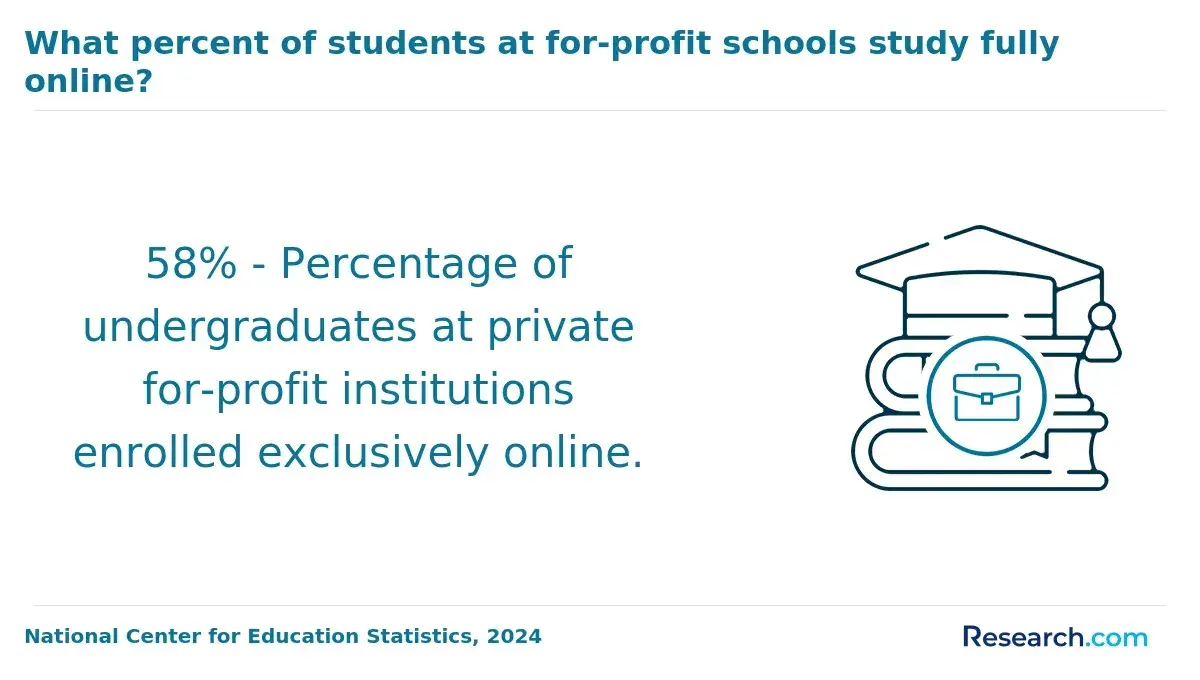
- Online and Hybrid Learning: Fully online programs reduce commuting and relocation barriers. Hybrid programs combine online coursework with occasional campus meetings, which may help students who want some face-to-face interaction without attending campus every week.
- Full-Time and Part-Time Enrollment: Full-time enrollment can shorten time to completion but requires a larger weekly commitment. Part-time study is often more manageable for students working full time, raising children, or handling other obligations, but it may extend the total length of the program.
- Evening and Weekend Classes: These schedules are useful for students with daytime jobs. However, students should confirm whether all required courses are available in those time slots, not just selected electives.
- Asynchronous vs. Synchronous Delivery: Asynchronous courses allow students to view lectures and complete work within weekly deadlines. Synchronous courses require live attendance at set times, which can improve discussion and accountability but may be harder for students with unpredictable schedules.
Before enrolling, ask for a sample course schedule, expected weekly workload, exam format, and internship expectations. A flexible program should still provide regular faculty access, clear deadlines, advising support, and opportunities to complete applied forensic accounting work.
What Are the Pros and Cons of Online vs Campus-Based Forensic Accounting Degrees?
Online and campus-based forensic accounting degrees can both be credible if they are properly accredited and academically rigorous. The better choice depends on your learning style, schedule, location, and need for in-person networking. According to the National Center for Education Statistics in 2023, 38% of postsecondary students took at least one online course, so online learning is now common, but it still requires discipline and careful program vetting.
Online Programs
- Pro: Greater scheduling flexibility. Online programs can be a strong fit for working adults, military students, caregivers, or students who cannot relocate.
- Pro: Broader school access. Students can compare programs outside their local area and may avoid commuting or housing expenses.
- Con: More self-management required. Students must track deadlines, participate consistently, and seek help early without the routine of in-person attendance.
- Con: Networking may require extra effort. Online students should look for virtual career fairs, live office hours, student groups, alumni events, and internship support.
Campus-Based Programs
- Pro: More immediate interaction. In-person classes can make it easier to ask questions, build relationships, and participate in discussions or simulations.
- Pro: Stronger campus-based networking. Students may have easier access to faculty, recruiters, accounting clubs, guest speakers, and local employer events.
- Con: Less flexibility. Fixed class times, commuting, and campus attendance can be difficult for students balancing work and family responsibilities.
- Con: Location can limit options. Students may have to choose from nearby schools unless they are willing to relocate.
One graduate who earned his forensic accounting degree entirely online described the trade-off clearly: “I weighed the convenience of studying from home against the fear of missing out on personal connections.” Because he was working full time, the flexibility mattered, but he also had to create structure for himself. He joined virtual study groups and contacted instructors regularly, explaining, “It took more initiative to connect, but it was rewarding when I did.”
The main takeaway is that format alone does not determine quality. Compare accreditation, curriculum, faculty access, internship support, and career services before deciding whether online or campus-based study is the better fit.
How Do GPA Requirements Vary Among Forensic Accounting Degree Programs?
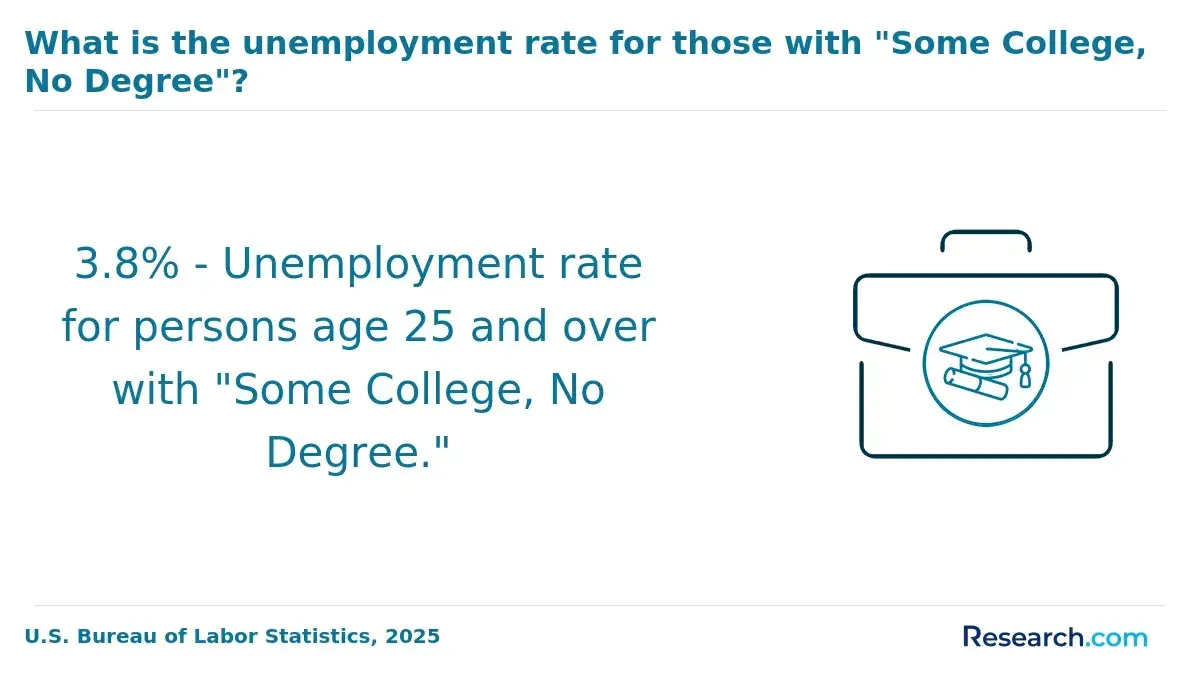
GPA requirements vary by institution, degree level, selectivity, and whether the program uses a strict or holistic admissions process. Some forensic accounting programs use GPA as a firm screening tool, while others consider work experience, prerequisite grades, certifications, recommendations, and personal statements.
- Minimum GPA Thresholds: Some programs set firm minimums, often between 2.5 and 3.5 on a 4.0 scale. Applicants below the stated threshold may not be reviewed unless the school offers an exception process.
- Flexible Evaluations: Other programs review GPA in context. A student with a lower cumulative GPA but strong grades in accounting, auditing, statistics, or business law may still be competitive.
- Holistic Admissions: Many schools also consider letters of recommendation, resumes, personal statements, professional experience, and relevant certifications. This can help applicants show readiness beyond grades alone.
- Conditional Entry Options: Some programs offer provisional or conditional admission for applicants near the GPA requirement. These students may need to earn specific grades in early coursework before receiving full admission.
- Prerequisite Weighting: Programs may place extra emphasis on prerequisite accounting or business courses. A strong performance in relevant coursework can matter more than unrelated lower grades from earlier study.
Applicants should not assume that a lower GPA automatically rules them out. Contact admissions staff, ask how GPA is calculated, and find out whether recent coursework, professional experience, or prerequisite completion can strengthen the application.
How Can You Compare Tuition Across Forensic Accounting Degree Programs?
To compare tuition accurately, calculate the total cost to finish the degree, not just the advertised per-credit rate. In 2023, the average annual tuition and fees at public institutions reached $10,940, but forensic accounting program costs can vary based on residency status, delivery format, fees, transfer credits, books, software, and financial aid.
- Total Program Cost: Add tuition, required fees, books, technology costs, software, graduation fees, and any residency or campus requirements. A lower tuition rate can become less affordable if fees are high.
- Cost Per Credit: Many programs charge by credit hour. Multiply the per-credit rate by the total credits required for the degree, and confirm whether online students pay different rates than campus students.
- Additional Fees: Forensic accounting programs may require accounting software, data tools, proctoring services, lab fees, or course materials. These costs should be included in your budget.
- Financial Aid Opportunities: Scholarships, grants, loans, and federal aid can change the actual amount you pay. Compare net cost after aid, not only sticker price.
- Employer Tuition Benefits: Working students should ask whether their employer offers tuition reimbursement, professional development funding, or paid study time.
- Long-Term Value: A more expensive program may be worth considering if it offers stronger career services, internship access, CPA-aligned coursework, employer partnerships, or alumni support. However, students should avoid taking on unnecessary debt for features they will not use.
One graduate described the process as more complex than comparing a single price: “I remember feeling overwhelmed by all the numbers-tuition, fees, scholarships-and unsure which schools offered the best return.” She ultimately compared full program cost, aid options, and career support before choosing. Her conclusion was practical: “It wasn't just about the sticker price but about the overall value and how it fit my life.”
Does a Forensic Accounting Degree Meet Licensure Requirements?
A forensic accounting degree may help meet licensure or certification requirements, but it does not automatically guarantee eligibility. Requirements depend on the credential, the state, the number of accounting credits completed, and whether the program’s coursework matches specific rules. Nearly 30% of U.S. jobs require professional certification, so students should verify requirements before enrolling.
- Curriculum Alignment: Students interested in CPA licensure should confirm that the program includes the required accounting and business coursework, not only forensic electives. Forensic accounting specialization is valuable, but it may not replace core accounting requirements.
- Accreditation Standards: Licensing boards and certification bodies often expect coursework from accredited institutions. Programs recognized by agencies approved by the U.S. Department of Education are more likely to be accepted.
- State-Specific Requirements: CPA and other licensing rules vary by state. Students should check the rules in the state where they plan to practice, especially if enrolling in an online program based elsewhere.
- Supervised Experience: Some credentials require work experience, supervision, or documented professional practice. Internships and employer partnerships can help, but students should confirm what counts toward the requirement.
- Exam Eligibility: The degree should include the coursework and credit hours needed for relevant exams. The CPA pathway often requires 150 semester hours and core subject completion, so a bachelor’s degree alone may not be enough in some cases.
Before committing, ask the program for written information about how its curriculum maps to CPA exam eligibility, state board requirements, or forensic accounting certifications. Then verify that information with the appropriate licensing board or credentialing organization.
Which Forensic Accounting Programs Have the Best Career Placement Rates?
The forensic accounting programs with the strongest career placement results are usually those that publish transparent employment data, maintain employer relationships, support internships, and offer practical career preparation. Graduates from top forensic accounting programs with successful graduate employment outcomes report employment rates exceeding 85% within six months of graduation, but students should examine how each school defines and verifies that figure.
- Employer Partnerships: Programs connected to accounting firms, consulting firms, government agencies, insurers, banks, and law firms may provide stronger internship and hiring pathways. Ask which employers recruit from the program and how often.
- Internship Pipelines: Internships can be especially important in forensic accounting because employers value evidence handling, audit exposure, data analysis, and professional communication. A program that helps students secure relevant placements may offer a stronger transition into full-time work.
- Alumni Outcomes: Look for published job titles, employer examples, placement rates, and graduate school outcomes. Strong alumni networks can also help students identify openings in specialized areas such as fraud examination or litigation support.
- Program Support Services: Career counseling, resume reviews, mock interviews, certification guidance, networking events, and employer panels can improve job readiness. These services are most valuable when they are tailored to accounting and financial investigation roles.
Ask whether placement rates include only full-time jobs related to the field, whether graduate school counts as placement, and how many graduates responded to the survey. Students focused on entering the workforce quickly may also compare timelines with an accelerated bachelor's degree online, but speed should not come at the expense of accreditation or relevant coursework.
How Do Salaries Compare Across Forensic Accounting Degree Program Graduates?
Salary outcomes for forensic accounting graduates vary by role, experience, location, industry, credentials, and employer type. The average earnings of forensic accounting degree holders show a median annual wage around $72,000, but individual results can be higher or lower depending on the graduate’s background and job market.
- Entry-Level Forensic Accountants: Entry-level professionals typically earn between $55,000 and $70,000 annually. New graduates may begin in audit, compliance, risk, fraud investigation support, or accounting analyst roles before moving into more specialized forensic positions.
- Mid-Career Professionals: Salaries for mid-career forensic accountants usually range from $70,000 to $95,000. Pay often increases with stronger investigation experience, data analytics skills, CPA eligibility, or fraud examination credentials.
- Senior/Managerial Roles: Experienced forensic accountants in senior or managerial positions can earn $95,000 to over $120,000. These roles may involve leading investigations, managing client relationships, supporting litigation, or advising executives.
- Location Impact: Urban centers like New York City, Washington D.C., and San Francisco typically offer salaries 15% to 25% above the national average. Students should compare salary potential with cost of living, commuting, and local employer demand.
- Industry Variation: Financial services, government agencies, and legal firms usually provide higher compensation compared to smaller firms or nonprofit organizations. Consulting and litigation support roles may also vary widely based on workload and client demand.
When estimating return on investment, compare expected salary with total program cost, debt, time to completion, and opportunity cost. Students seeking lower upfront costs can review online colleges with financial aid, but they should still confirm accreditation, forensic accounting coursework, and career support before enrolling.
What Graduates Say About Comparing Forensic Accounting Degree Programs Effectively
- : "“Before I committed to a forensic accounting degree program, I was torn between pursuing general accounting or a niche field. The cost was a dealbreaker for many schools, but this program's reasonable average tuition made it accessible. Completing it totally transformed my career, giving me the specialized skills to confidently handle complex fraud investigations.” —Tasya"
- : "“Choosing a forensic accounting degree was a thoughtful decision driven by both interest and practicality. I had researched other options, but the program's cost-effectiveness was a major factor since I wanted to avoid excessive debt. Reflecting now, the credential has been invaluable in advancing my professional role and credibility in financial forensics.” —Morgan"
- : "“When considering my educational path, I weighed multiple finance-related degrees but found the forensic accounting program stood out for its unique focus and moderate expenses compared to others averaging much higher costs. Earning this degree opened doors to specialized positions that demand my expertise daily, significantly elevating my career trajectory.” —Shiela"
Other Things You Should Know About Forensic Accounting Degrees
Faculty qualifications significantly impact the effectiveness of forensic accounting programs by ensuring high-quality education. In 2027, look for programs where instructors possess both academic credentials and real-world experience, ideally with certifications like CPA or CFE, to provide practical insights alongside theoretical knowledge.
Internships are crucial for gaining hands-on experience and applying forensic accounting principles in real-world settings. Programs with strong internship partnerships can help students build professional networks and improve their employability after graduation. It's important to compare the availability and quality of these experiential learning options.
Ethics play a central role in forensic accounting due to the investigative nature of the work. Degree programs typically include ethics courses that address legal compliance, integrity, confidentiality, and professional responsibility. Evaluating how a program integrates ethics into its curriculum can indicate the emphasis it places on preparing students for ethical challenges in the field.
References
- How to Become a Forensic Accountant https://www.allbusinessschools.com/specialties/how-to-become-a-forensic-accountant/
- Best Online Forensic Accounting Degrees - Online Schools Report https://www.onlineschoolsreport.com/best-online-bachelors-in-forensic-accounting-degrees/
- Forensic Accountant Salary, Job Description & Career Outlook https://www.forensicscolleges.com/careers/forensic-accountant
- Best Forensic Accounting Degrees Online | Accounting.com https://www.accounting.com/degrees/forensic-accounting/bachelors/best-online-programs/
- Job Outlook for Forensic Accountants https://www.stevenson.edu/online/about-us/news/job-outlook-for-forensic-accountants/
- 2025 Most Affordable Online Forensic Accounting Degrees https://www.onlineu.com/most-affordable-colleges/forensic-accounting-degrees
- Master of Science inForensic Accounting https://www.albany.edu/business/programs/ms-forensic-accounting
- Which Colleges Offer an Online Forensic Accounting Master's? https://www.gograd.org/online-masters-programs/best-forensic-accounting-degrees/
- Most Affordable Master's In Forensic Accounting Online | GradSchoolHub https://www.gradschoolhub.com/affordable/online/masters/forensic-accounting/
- Forensic Accountant https://www.acfe.com/career/career-paths/career-path-accounting/career-path-detail-forensic-accountant


