2027 Can a Geographic Information Systems Degree Lead to Remote Jobs?

Co-Founder and Chief Data Scientist
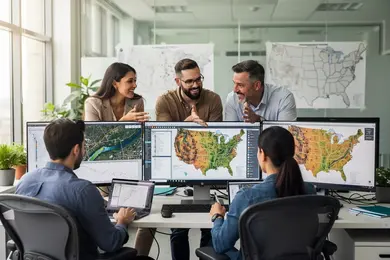
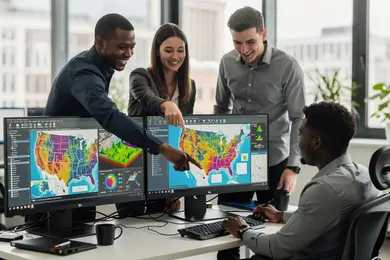
Remote work for Geographic Information Systems graduates is increasingly shaped by advanced digital workflows and specialized software such as ArcGIS, QGIS, and remote sensing platforms. GIS degree programs emphasize hands-on experience within virtual labs and simulation environments, ensuring graduates navigate real-world geospatial analysis and project delivery effectively from distributed settings.
The U.S. Bureau of Labor Statistics reports a 15% growth in remote-compatible GIS positions, reflecting employer adaptation to virtual collaboration without compromising data security or spatial accuracy. This shift influences how students approach licensing, certification, and portfolio development. This article examines the compatibility of GIS degrees with remote job roles, helping readers assess alignment with their career objectives.
Key Points About Geographic Information Systems Degrees That Lead to Remote Jobs
- Remote GIS analyst roles often require proficiency in specialized software and certifications, emphasizing applied skills over theory, which may extend time and cost commitments for students balancing practical experience with coursework.
- Employers increasingly prioritize candidates with remote collaboration experience and data visualization expertise, indicating that graduates should seek internships in distributed teams to enhance job market competitiveness.
- The rise in online GIS program enrollment, driven by adult learners, reflects broader workforce mobility but also highlights potential challenges in networking and mentorship, affecting long-term career growth trajectories.
Is it possible for Geographic Information Systems graduates to work remotely?
Remote and hybrid work options for geographic information systems graduates are increasingly viable, though they largely depend on the specific role and employer requirements. Positions centered on data analysis, GIS programming, and spatial database management are more adaptable to remote formats since their tasks rely on digital tools and datasets accessible off-site.
Employers in these areas often prioritize candidates with strong communication skills and familiarity with virtual collaboration platforms. Conversely, jobs that demand frequent fieldwork, such as GIS technicians conducting environmental surveys, generally require on-site presence and are less likely to accommodate full remote schedules.
Hybrid arrangements are common in sectors like government and environmental consulting, where professionals alternate between remote work and necessary field visits. Entry-level graduates may face limited remote opportunities initially, but can progress to more flexible roles as they build experience and demonstrate the ability to work independently.
What are the typical entry-level remote positions for new Geographic Information Systems graduates?
Entry-level remote positions for new Geographic Information Systems graduates are generally available, especially in roles that focus on digital data handling rather than fieldwork. Candidates pursuing remote GIS analyst jobs for recent graduates will find that many positions emphasize technical software skills and data management, making them adaptable to remote or hybrid work settings.
Below are five common entry-level roles suited to remote opportunities in this field.
- GIS Technician: These professionals primarily collect, input, and update spatial datasets. Their responsibilities include data cleansing and map preparation, tasks that can be efficiently handled remotely given access to the necessary GIS software and organizational databases.
- GIS Analyst (Junior): Junior analysts support data interpretation and basic spatial queries to aid decision-making. Their work relies on cloud-based collaboration tools and GIS platforms, enabling this role to be performed remotely with limited onsite requirements.
- Cartographic Technician: Focused on map visualization and design, these technicians use specialized software to create detailed, accurate maps. The creative and technical nature of their work can be completed remotely without the need for in-person field activities.
- Geospatial Data Specialist: Managing and validating spatial data quality is central to this position. Using cloud storage and data-sharing applications allows these specialists to effectively collaborate on datasets remotely, reducing the necessity for on-site presence.
- GIS Support Specialist: This role involves providing technical assistance and troubleshooting for GIS software users. Support specialists leverage remote communication tools and system access to maintain and resolve issues, making the position well-suited to remote work environments.
These entry-level geographic information systems remote opportunities typically exclude extensive fieldwork or specialized hardware, which often limits their necessity for physical presence. Employers across utilities, environmental sectors, and urban planning agencies offer such roles with flexibility to accommodate remote work.
However, graduates should weigh the reduced in-person mentorship and hands-on training inherent in these roles against the benefit of gaining practical GIS software proficiency and experience in distributed team settings. Students interested in remote GIS roles will also want to consider pathways offered by various online programs, including some among the cheapest online colleges, which can support foundational skills aligned with remote job expectations.
Are there senior-level remote positions for Geographic Information Systems professionals?
Senior-level remote positions for Geographic Information Systems professionals do exist but are less common for new graduates, as these roles generally require extensive experience and demonstrated leadership capabilities. For those further along in their careers, several senior GIS jobs offer flexible remote or hybrid work options.
Below are five specific roles where remote arrangements are increasingly viable.
- GIS Project Manager: This role involves overseeing project schedules, managing team collaboration, and maintaining data integrity. Remote work is supported by cloud-based project platforms and virtual communication tools, making physical presence less critical except for occasional stakeholder engagement.
- Senior GIS Analyst: Responsible for complex spatial data modeling and interpretation, this position benefits from software platforms accessible remotely. Many senior GIS analysts can perform their duties offsite, relying on secure data access and remote desktop environments.
- GIS Solutions Architect: Tasked with designing GIS systems and integration strategies, this position blends technical design work with coordination across IT and GIS teams. Though some in-person collaboration may be required, the role largely supports remote work given its focus on system architecture and virtual planning.
- Geospatial Data Scientist: Applying machine learning and advanced analytics to spatial datasets, this role is well-suited to remote execution. Cloud computing and remote server access enable data scientists to perform intensive computations away from traditional office settings.
- GIS Consultant: Providing strategic advice on GIS deployment and policy issues, consultants often work remotely to serve clients across multiple locations. This flexibility depends on strong communication skills and secure remote data exchange.
Many high-paying senior positions for Geographic Information Systems professionals emphasize autonomy and digital collaboration, aligning well with remote work cultures. However, these roles may still necessitate periodic onsite visits to ensure alignment with organizational goals or to oversee field operations.
Remote work viability also hinges on employer infrastructure capable of handling large spatial datasets securely. Professionals considering a remote trajectory at this level should evaluate the tradeoffs between flexible workflows and the need for consistent cross-disciplinary coordination. Supplementing GIS expertise with leadership skills or an 1-year executive MBA online can sometimes improve remote management opportunities and strategic influence within organizations.
Which industries hire the most remote workers with Geographic Information Systems degrees?
Remote positions for graduates with Geographic Information Systems degrees exist across several distinct industries, each with its own hiring practices and role requirements. The following sectors frequently offer remote or hybrid opportunities relevant to GIS professionals:
- Technology: Companies focused on software development, especially those creating mapping applications and spatial analytics tools, often hire remote GIS specialists. These roles typically emphasize digital workflows and require strong expertise in geospatial data manipulation and analysis.
- Environmental consulting: Firms in this sector balance field tasks with extensive analysis of satellite imagery and spatial datasets. Many GIS roles here support remote work by leveraging cloud-based GIS platforms to perform modeling and environmental assessments without constant site visits.
- Government: Various agencies employ GIS graduates for urban planning, transportation, and public health data projects. While some positions require on-site presence, a growing number provide flexible or hybrid schedules as agencies invest in modernizing their geospatial infrastructure.
- Telecommunications: This industry utilizes GIS to optimize network planning and infrastructure coverage. Remote roles commonly focus on spatial data analysis supporting network expansion and maintenance, which can often be done off-site.
- Energy and utilities: Companies use GIS for site selection, asset management, and environmental impact assessment. Increasingly, these employers adopt remote collaboration and cloud GIS services, allowing parts of their technical teams to operate remotely.
While the availability of remote GIS work varies depending on job function and employer, roles centered on data analysis, spatial modeling, and software-driven tasks tend to offer the most remote flexibility. Candidates should evaluate employer expectations and the balance between fieldwork and desk-based tasks to identify positions compatible with remote arrangements.
How do salaries differ for remote vs on-site roles in Geographic Information Systems?
Salary differences between remote and on-site roles in geographic information systems often reflect geographic pay adjustments tied to the cost of living and employer preferences. On-site positions generally offer higher base pay, motivated by the need for close team collaboration and technical task requirements. Many employers apply pay tiering based on location, resulting in lower salary offers for remote workers living in lower-cost areas.
Remote geographic information systems salary trends in the United States indicate that remote GIS analysts typically earn about 5-15% less than their on-site counterparts. Employers balance this by adjusting pay according to location, but they maintain competitive salaries for niche remote experts in advanced spatial analysis or data science. For graduates, understanding these patterns is critical when assessing remote job opportunities.
Students seeking flexible study options may also explore related fields that offer remote pathways, such as online cyber security degrees, which reflect similar dynamics in remote hiring and compensation. Navigating these salary structures requires careful evaluation of how employers' geographic pay practices affect long-term career earnings in GIS.
What are the common challenges of working remotely with a Geographic Information Systems degree?
Remote work within geographic information systems presents nuanced operational challenges tied to the technical and collaborative demands of the field. The following five core difficulties illustrate why GIS professionals must navigate complex tradeoffs when relying on virtual workflows.
- Data Security Vulnerabilities: Handling sensitive spatial datasets remotely increases exposure to breaches unless stringent cybersecurity measures are enforced. GIS specialists need to consistently utilize encrypted networks and carefully manage cloud platform permissions to maintain data integrity.
- Delayed Communication Among Stakeholders: Coordination among analysts, field teams, and decision-makers often suffers in asynchronous settings. The slower exchange of critical spatial information can disrupt project timelines and lead to errors during intricate data integration tasks.
- Reduced Operational Visibility: Remote GIS workers risk diminished recognition due to physical absence, impacting performance assessments and limiting advancement opportunities within organizations that value onsite presence.
- Complex Software and Hardware Requirements: GIS applications often demand high processing power and specialized tools that might be difficult to standardize across home setups, hindering productivity and increasing reliance on IT support remotely.
- Inconsistent Access to Field Data: Reliance on virtual data collection can lag behind real-time field conditions, complicating accurate mapping and analysis. Integrating live datasets requires robust remote protocols that are sometimes unavailable or unreliable.
When asked to reflect on his remote GIS work experience after completing an online bachelor's program, a professional shared how juggling cybersecurity protocols and varied software setups proved frustrating at times. He noted, "Coordinating feedback across time zones slowed down my deliverables more than I anticipated."
He also mentioned feeling less visible during team assessments, saying, "Without face-to-face interaction, I had to proactively demonstrate my contributions to avoid being overlooked." Despite these obstacles, he emphasized learning "how critical disciplined communication and data management are for remote GIS roles," highlighting the steep adjustment curve beyond purely technical skills.
Are there certifications that can improve remote hiring outcomes for Geographic Information Systems graduates?
Certifications play a critical role in enhancing remote hiring outcomes for geographic information systems graduates, as employers consistently seek verified skills that translate well without face-to-face evaluation. Below are five recognized certifications that often improve the prospects of securing remote jobs in geographic information systems roles.
- GIS Professional (GISP) Certification: Offered by the GIS Certification Institute, this certification validates a candidate's experience, education, and professional contributions. It signals to employers a balanced expertise in theory and practice, which is especially valued in remote positions requiring independent competency.
- Esri Technical Certification: Focused on popular software tools like ArcGIS Desktop at Associate and Professional levels, these vendor-specific certifications attest to practical proficiency and are widely respected. They help candidates stand out by proving operational knowledge of industry-standard GIS platforms.
- Certified GIS/Land Survey Mapping Technologist (GIS/LSTM): Administered by NICET, this credential emphasizes technical skills in mapping and surveying, with requirements including documented work experience and knowledge assessments. It's beneficial for remote roles reliant on precise spatial data management.
- Certified GIS Developer Credential: Designed for professionals with programming and customization skills, this certification demonstrates expertise in GIS software development, which is increasingly important for remote jobs involving automation and tailored solutions.
- Open Geospatial Consortium (OGC) Compliance and Training Certificates: These endorse familiarity with global interoperability standards, helping candidates meet the needs of organizations focused on data sharing and integration across platforms, a key asset for remote collaboration environments.
While certifications are often essential, they complement rather than replace ongoing skills development in scripting languages like Python and experience with cloud-based geographic information systems platforms. Remote hiring decisions weigh both formal credentials and demonstrated adaptability to technology and teamwork tools.
For those evaluating related educational paths, comparing credential benefits alongside practical experience can clarify how best to boost remote job prospects in geographic information systems. For alternative or additional pathways, exploring flexible programs such as an MFT degree highlights the value of targeted online credentials tailored to workforce demands.
How can Geographic Information Systems degree students increase the chances of landing remote roles?
Students with a geographic information systems degree looking to secure remote jobs must focus on demonstrating practical self-sufficiency and project management capabilities. Increasingly, employers prioritize candidates who can independently handle spatial data analysis and visualization through comprehensive, real-world work samples.
Below are several actionable strategies relevant to improving remote job prospects with a geographic information systems degree.
- Build an End-to-End GIS Portfolio: A portfolio showcasing diverse projects, ranging from initial data collection, cleaning to final map visualization, provides concrete proof of independent workflow management. This helps employers verify technical competence without relying solely on interviews.
- Engage with Remote-Focused Job Boards and Communities: Using platforms dedicated to remote GIS roles and participating in specialized Slack or LinkedIn groups exposes candidates to niche opportunities often unadvertised elsewhere, expanding professional networks effectively.
- Practice Asynchronous Technical Assignments: Remote recruitment often involves tasks like dataset cleaning or interactive mapping under time constraints to assess candidates remotely. Familiarity with these exercises sharpens relevant skills and demonstrates readiness for distributed workflows.
- Master Collaboration and Communication Tools: Proficiency in version control, documentation, and communication platforms is crucial for remote teamwork, where clarity and asynchronous coordination directly impact project success.
- Develop Cross-Disciplinary Skills: Familiarity with programming languages like Python or SQL and open-source GIS software enhances adaptability, making candidates more competitive for roles requiring both spatial analysis and technical versatility.
For those balancing different interests or career pivots, programs like the child mental health master's program illustrate how specialized fields can also intersect with GIS applications in public health and social services, broadening remote job prospects in emerging sectors.
How do remote Geographic Information Systems roles impact long-term career trajectory and promotions?
Remote geographic information systems roles disrupt conventional career paths by limiting spontaneous, in-person interactions that often drive promotion decisions in traditional settings. Without easy access to informal networking or hallway conversations, remote GIS professionals must intentionally demonstrate leadership through clear, measurable deliverables and proactive communication.
Supervisors and decision-makers increasingly assess remote employees by their ability to advance projects independently, communicate progress accurately through digital updates, and engage effectively in virtual collaboration tools. Advancing in a remote GIS environment requires deliberate efforts to maintain visibility, such as regularly providing detailed progress reports, actively participating in virtual team meetings, and requesting structured feedback aligned with organizational goals.
Furthermore, strong technical proficiency in GIS software must be complemented by skills in remote collaboration platforms to ensure cross-functional teamwork remains smooth despite physical distance. Workers who master these remote-specific dynamics are more likely to sustain upward mobility. Balancing technical capability with virtual leadership and clear communication practices becomes essential for long-term career growth in remote geographic information systems positions.
Is a remote career in Geographic Information Systems sustainable for the next decade?
The long-term viability of remote work in geographic information systems hinges on several evolving factors, including ongoing digital transformation and employer acceptance of hybrid models. Advances in cloud computing, artificial intelligence, and interactive geospatial visualization tools enable many GIS tasks to be performed remotely, such as data analysis, mapping, and spatial modeling.
However, some essential responsibilities, especially those involving field data collection or stakeholder meetings, often require physical presence. Economic pressures and corporate strategies are increasingly shifting toward flexible work arrangements, but GIS professionals must still demonstrate proficiency with collaboration platforms and remote workflows to meet employer expectations. Organizations value adaptability and the ability to integrate emerging technologies that enhance efficiency and virtual teamwork.
As remote GIS roles expand, those who fail to develop strong communication skills and technical versatility may find it challenging to remain competitive over time. Maintaining a sustainable remote career in geographic information systems will depend heavily on ongoing upskilling, technological agility, and building professional networks that bridge virtual and in-person engagement.
When asked about the sustainability of a remote GIS career, a GIS professional who completed an online bachelor's program described the experience as "a balancing act between technical know-how and proactive communication." He recalled that transitioning to fully remote projects required learning multiple software tools to manage data sharing and virtual meetings effectively.
Despite occasional frustrations with limited field access, he found that "being self-directed and staying connected with colleagues was crucial to avoid feeling isolated." He also noted that while remote work offered flexibility, building trust with supervisors sometimes demanded the extra effort of periodic in-person collaboration, underscoring that a hybrid approach is often most realistic for lasting success.
What Graduates Say About Geographic Information Systems Degrees That Lead to Remote Jobs
- Otis: "After completing my degree in geographic information systems, I quickly realized that building a strong portfolio during my studies was essential to landing a remote role. Many employers in this field are more interested in demonstrable skills from internships and project experience than formal licensure, which made my transition smoother. Working remotely has allowed me to collaborate with teams across different time zones, but I've noticed that salary growth can plateau without additional certifications or specialization."
- Ronan: "Graduating in geographic information systems opened doors to remote work opportunities that weren't available when I first started exploring the field. While the flexibility of remote roles is a huge benefit, the competition is intense, especially for positions involving advanced spatial analysis or data science. I found that continuously updating my technical skill set and gaining practical experience through contract work were critical to remaining competitive and advancing in my career."
- Brooks: "My journey with a degree in geographic information systems led me to a remote position within urban planning, but it wasn't without challenges. Employers often prefer candidates who have completed internships or have real-world GIS application experience, rather than just academic qualifications. I had to pivot from my initial focus to specialize in remote sensing to secure a role, which taught me the importance of adaptability in a rapidly evolving industry."
Other Things You Should Know About Geographic Information Systems Degrees
Remote GIS roles often demand a nuanced blend of technical proficiency and specialized industry knowledge, but not all programs balance these effectively. Students should prioritize programs that integrate applied coursework in sectors like urban planning, environmental science, or public health alongside core GIS skills. This dual emphasis improves adaptability to diverse remote projects, where understanding the context can be more valuable than purely technical expertise applied in isolation.
While asynchronous GIS programs offer flexibility, they can restrict the real-time collaboration experience that employers expect, especially for remote roles relying on team-based problem-solving. Candidates from self-paced formats may face challenges demonstrating communication and coordination skills crucial for distributed workflows. Prospective students should weigh the time flexibility against potential gaps in interactive learning environments that can enhance networking and soft skills valuable for remote employment.
A broad GIS degree can open doors across multiple industries but may dilute depth in specific applications appreciated in focused remote roles, such as precision agriculture or transportation analysis. Specialized certificates, while narrower, signal targeted expertise that can expedite hiring in competitive remote markets. Students aiming for remote work should assess whether their preferred employers value breadth for varied projects or depth for niche roles and choose their educational path accordingly.
References
- GIS Jobs - Search jobs in GIS https://www.mygisjobs.com/
- GIS Certification Guide - GISDegree.org https://www.gisdegree.org/certification/
- Remote vs Hybrid vs Onsite Job Statistics in the US https://zoetalentsolutions.com/remote-vs-hybrid-vs-onsite-job-statistics-in-the-us/
- Onsite vs Remote vs Hybrid Jobs: Salary, Pros & Cons | Blog https://www.ttecjobs.com/en/onsite-vs-remote-vs-hybrid-jobs-salary-differences-pros-and-cons
- Best Careers in Geographic Information Systems https://potomac.edu/best-careers-in-geographic-information-systems/
- Telecommuting Gis Jobs https://www.virtualvocations.com/q-telecommuting-gis-jobs.html
- GIS Jobs https://www.gis-jobs.co.uk/
- What Can You Do with a GIS Degree? - GIS Geography https://gisgeography.com/gis-degree/
- Is a GIS Career Good Today for Future Prospects - Orion Terrametrics Spatial Inisghts https://orionterrametrics.co.ke/blog/is-a-gis-career-good-today-unpacking-the-2025-job-market-future-outlook/
- Remote GIS Jobs https://www.workingnomads.com/remote-gis-jobs