2027 Online Information Technology Management Master's Curriculum Breakdown: Core Courses & Specializations

Co-Founder and Chief Data Scientist
Shifts in digital business models and cybersecurity demands have intensified the need for IT management professionals who balance broad operational knowledge with targeted expertise. Online Information Technology Management master's programs require strategic curriculum choices that directly affect employability and long-term adaptability. Selecting specializations aligned with certifications can open niche roles but risks overspecialization amid fast-evolving technology. Core course sequencing influences workload feasibility for working professionals and impacts how theory translates to practice. Employers increasingly value candidates demonstrating both technical mastery and agile decision-making, making curricular decisions critical for positioning in competitive labor markets. This article evaluates these dynamics within program structures and specialization options.
Key Things to Know About Online Information Technology Management Master's Curriculum
- Core courses often balance technical depth and managerial breadth, forcing a tradeoff between mastering emerging IT tools and developing leadership skills, affecting graduates' readiness for hybrid roles.
- Employer surveys from 2024 show 62% prioritize specialization relevance over general IT knowledge, highlighting how targeted courses significantly influence hiring decisions and career trajectory.
- Extended online program durations can escalate costs and delay workforce reentry, pressing candidates to weigh accelerated tracks against comprehensive curricula when selecting specializations.
What Core Courses Are Included in an Online Information Technology Management Master's Program?
Core coursework in online information technology management master's programs reflects deliberate sequencing intended to build essential managerial and technical competencies before advancing to specialized or elective studies. This structure demands significant workload management, as foundational courses often integrate practical frameworks and industry standards that align with employer expectations for mid- and senior-level IT leadership roles. Prospective students should recognize these essential core courses in online information technology management programs as a decisive factor shaping their ability to navigate real-world IT-business complexities.
- IT Strategy and Governance: This course grounds students in aligning technology initiatives with business goals through frameworks like COBIT and ITIL. Its emphasis on governance mechanisms prepares graduates to oversee IT compliance and resource optimization, establishing the foundation for advanced specialization in areas such as digital transformation or enterprise architecture.
- Systems Analysis and Design: Focusing on methodologies to gather requirements, model processes, and direct system implementation, this course hones analytical skills crucial for managing development lifecycles. It equips students to bridge technical and business domains, a competency many employers regard as critical in effective IT management.
- Project Management for IT: Covering tools, risk assessment, and agile methodologies, this course addresses the realities of delivering IT projects on time and within budgets. According to the Project Management Institute's 2024 report, professionals with project management expertise experience a 23% higher chance of advancement in technical roles, underscoring its strategic value in these programs.
- Cybersecurity Fundamentals: As cyber threats grow in complexity, this core course integrates network security, threat analysis, and regulatory compliance to prepare students to defend organizational assets. Its place in the curriculum reflects the growing employer demand for IT leaders conversant with both risk mitigation and policy enforcement.
- Data Management and Analytics: Introducing database design and analytics tools, this course focuses on transforming data into actionable insights. With data governance increasingly influencing competitive positioning, understanding this discipline is vital for IT managers promoting data-driven decision making within their organizations.
- Financial Management for IT Professionals: This course covers budgeting, cost analysis, and financial controls tailored to IT investments. Its inclusion signals the program's expectation that graduates will critically evaluate technology expenditures and balance innovation priorities against fiscal responsibility.
Recognizing how these courses interlock offers insight into the typical curriculum structure for information technology management master's degrees, where foundational knowledge must support both technical mastery and strategic leadership. For learners balancing work and study, this integrated course design implies careful pacing to absorb complex interdisciplinary content effectively. Those seeking accelerated progression or specific specializations might explore options like accelerated EDD programs, which similarly navigate the balance of depth and speed in graduate education.
What Specializations Are Available in Online Information Technology Management Master's Programs?
Choosing a specialization within online information technology management master's programs is a strategic decision that shapes skill acquisition, employability, and professional trajectory. Specialization not only focuses academic effort but also modulates workload complexity and market relevance, directly influencing competitiveness in evolving IT fields.
- Cybersecurity Management: This specialization is centered on defending organizational assets against sophisticated cyber threats. It cultivates expertise in risk assessment, incident response, and compliance frameworks. Given projections from a 2024 industry report indicating a 15% growth in cybersecurity roles over the next decade, this path aligns with rising employer demand but requires keeping pace with rapid technological changes.
- Data Analytics and Business Intelligence: Focused on transforming data into actionable insights, this track develops proficiency in big data tools, predictive modeling, and strategic decision-making. Graduates are positioned to guide IT strategies through data-driven frameworks, a critical capability as organizations prioritize analytics to sustain competitive advantage.
- IT Project Management: Emphasizing coordination skills and oversight of complex technology initiatives, this specialization prepares learners to manage budgets, timelines, and stakeholder relations. It appeals to those aiming for leadership roles bridging technical teams and business objectives, though it demands strong organizational and communication abilities.
- Emerging Technologies: Concentrations in cloud computing, artificial intelligence, or digital transformation are often integrated rather than standalone options. These require adaptability and continuous learning but can differentiate candidates in niche roles amid accelerating tech adoption.
Practical experience components accompanying these specializations vary, impacting readiness for real-world challenges. Students must evaluate if hands-on opportunities such as internships or capstone projects align with their career goals, as employers increasingly prioritize applied skills alongside theoretical knowledge.
Can Students Choose Electives Outside Their Specialization?
Within many online information technology management master's programs, elective selection is often governed by structured limitations that reflect both curricular coherence and administrative control. Students may encounter credit caps on cross-specialization electives, typically ranging between three to six credits, alongside prerequisite chains that mandate completion of foundational courses before venturing into electives outside their primary track. Advisor approvals frequently serve as checkpoints to ensure that elective choices align strategically with a student's career objectives and do not disrupt timely degree completion. Limited seat availability in popular or highly technical electives further constrains options, underscoring the importance of early planning and program transparency in navigating these institutional frameworks.
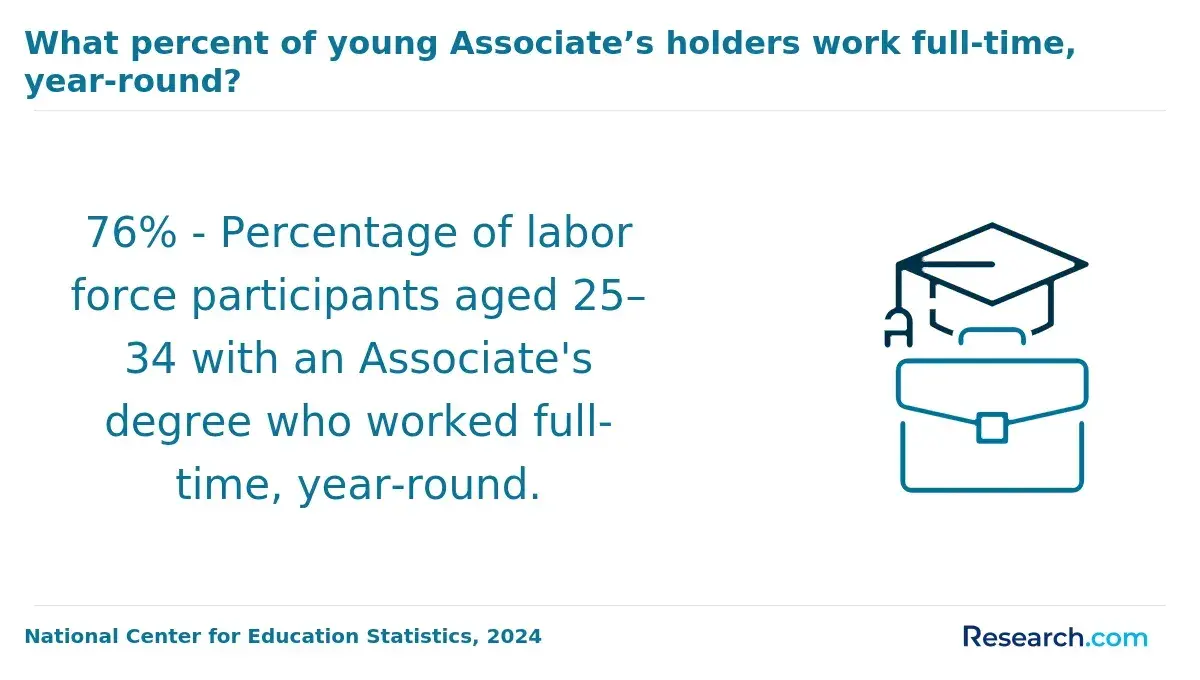
Allowing some electives beyond a specialization offers tangible advantages, such as fostering interdisciplinary skills critical for adapting to evolving technology landscapes and improving marketability. However, this flexibility carries tradeoffs; excessive divergence into unrelated fields can dilute perceived expertise, potentially complicating employer evaluations of a candidate's mastery in their declared focus. Moreover, selecting electives that extend program duration or require additional prerequisites poses practical challenges for working professionals balancing education with employment. According to a 2024 National Center for Education Statistics report, 58% of accredited online information technology management programs permit some degree of cross-specialization electives, highlighting that the balance between depth and breadth remains a widely negotiated aspect of curriculum design with real consequences for career readiness.
A recent graduate recalled navigating this elective process with cautious strategy during the admissions cycle. Initially uncertain about enrolling before receiving full clarity on available elective options, they delayed finalizing course selections, mindful that choosing a non-core class too early might necessitate additional prerequisite courses and extend their timeline unexpectedly. The rolling admissions timeline compounded this hesitation, as elective seats were allocated gradually, making early advisor consultations imperative. Ultimately, this graduate credits their careful pacing and iterative communication with program advisors for avoiding delays and maintaining focus during a period rich with competing professional demands.
How Are Online Information Technology Management Master's Courses Delivered?
Online information technology management master's courses primarily use a mix of asynchronous and synchronous methods to balance flexibility with engagement. Asynchronous elements-pre-recorded lectures, readings, and self-paced assignments-allow students to manage study around work and personal obligations. Synchronous sessions, often live discussions, webinars, or collaborative group projects, provide direct interaction with faculty and peers, which supports immediate feedback and reinforces learning. A 2024 EDUCAUSE report notes that about 72% of graduate technology courses integrate both approaches, reflecting a hybridized model that encourages both independent and real-time learning.
For working professionals, these flexible formats for information technology management master's courses shape time management expectations and participation consistency. Without regular in-person accountability, students must be disciplined to keep pace, especially when asynchronous weeks allow uneven study rhythms. Conversely, synchronous commitments can clash with variable work schedules, requiring proactive balancing. This delivery design impacts progression, as those unable to engage in live sessions may miss critical networking and collaborative problem-solving experiences central to developing leadership and applied skills.
The tradeoff between flexibility and interaction influences skill development and completion outcomes in these programs. While asynchronous pacing supports portfolio-building projects essential to employer demands, limited spontaneous peer engagement can hinder relationship-building important for long-term career advancement. The overall structure encourages learners to adapt self-directed habits, where success hinges on effectively integrating coursework with existing professional responsibilities, a challenge not all students navigate equally. Those evaluating this pathway should weigh the practical demands of the delivery model against their capacity for sustained motivation and interaction within a primarily remote environment.
Many employers recognize the value of experiential learning embedded in these course designs, and students exploring specialization or career shifts may also compare this format to alternatives, such as a game design degree online, which may offer different structural dynamics influencing engagement and outcomes.
Which Core Classes Are Considered the Most Challenging?
Core courses that consistently challenge students in online information technology management master's programs typically demand simultaneous mastery of technical depth, strategic reasoning, and leadership skills. Classes in IT project management, data analytics, and enterprise architecture stand out due to the layered cognitive load they impose; for example, managing cross-disciplinary teams while applying complex methodologies, or interpreting vast datasets with advanced programming and visualization tools. Their difficulty springs not only from specialized concepts but also from the necessity to integrate theory with hands-on application under tight deadlines. A 2024 report from the National Center for Education Statistics highlights that around 68% of online IT master's students find analytics and data management coursework notably strenuous, reflecting the steep technical hurdle and quantitative rigor involved.
Performance in these demanding core courses directly influences students' ability to progress into key specializations such as cybersecurity or IT governance, where nuanced understanding of infrastructure and business alignment is critical. Struggling in data analytics, for instance, can delay a learner's readiness for roles emphasizing business intelligence or predictive modeling, creating a bottleneck in career trajectory planning. One student may find the need to juggle the dual demands of mastering programming languages and meeting project deadlines particularly daunting, illustrating how workload intensity and prerequisite skill gaps affect completion timelines and confidence. These challenges underscore the operational reality that succeeding in foundational courses often determines both immediate academic standing and long-term employability in specialized IT management domains.
A student applying through rolling admissions recounted initial hesitation after receiving a conditional acceptance contingent on completing prerequisite coursework. Balancing full-time employment and preparation for intensive core classes, the student delayed formal enrollment, weighing the risk of falling behind if starting mid-semester. As admission deadlines approached, they decided to accelerate prerequisite skill refreshers in programming and data interpretation to meet entry requirements without losing momentum. This decision amid uncertainty reflected a common dilemma for professionals entering online information technology management programs: managing timing and readiness to navigate the program's most rigorous foundational courses effectively.
Do Online Information Technology Management Master's Programs Require Internships or Practicums?
Internship and practicum requirements in online information technology management master's programs vary widely, often reflecting the program's target student profile and pedagogical focus. Many programs serving working professionals make such experiential learning components optional or substitute them with project-based capstones embedded in core or specialization courses. According to data from the National Center for Education Statistics (2024), around 35% of accredited online master's degrees in technology-related fields mandate formal internships or practicums, but most prioritize applied coursework designed to simulate real-world challenges. This design flexibility strives to balance practical skill acquisition with the diverse schedules and prior experience levels of students, particularly for those pursuing specialization tracks without traditional fieldwork exposure, aligning with common online information technology management master's internship requirements.
The decision to require internships or practicums carries tangible implications for student workload, time-to-degree, and employment outcomes. Compulsory internships can enhance networking opportunities and expose learners to environments like cybersecurity or cloud infrastructure but may also introduce scheduling conflicts for professionals juggling full-time roles. Programs without mandatory experiential placements often appeal to mid-career individuals who already possess practical expertise and need flexible progression paths.
Nevertheless, employer expectations for demonstrated applied experience remain high, meaning project-based coursework is increasingly regarded as a viable alternative to traditional internships. Prospective students evaluating online information technology management master's programs should weigh how practicum options integrate with their personal circumstances and career objectives, considering that rigid requirements could extend completion timelines or impose additional costs. Those interested in flexible pathways might also compare offerings alongside related academic options, such as office administration courses, to assess alignment with broader professional skills.
Which Courses Are Required for Professional Certification Exams?
Online master's programs in information technology management typically design their curriculum to align core and specialized courses with the competencies required for professional certification exams, ensuring students meet both eligibility and content mastery standards. Coursework often emphasizes domains reflected in certifications like PMP, CISSP, and ITIL, incorporating project management methodologies, cybersecurity principles, risk management, and IT governance into mandatory classes. By mapping course objectives directly to industry-recognized frameworks, programs create a structured pathway that supports both theoretical grounding and practical skills necessary for passing these credentialing exams.
Program design choices significantly affect a candidate's readiness and timeline for certification. Omitting key courses or relegating them to electives can delay qualification or necessitate supplemental study outside the degree program, impacting career trajectories in roles where certifications are prerequisites. For instance, a student pursuing CISSP certification who lacks coursework in compliance or incident response may find themselves unprepared for critical exam components, prolonging their preparation period. Data from a 2024 CompTIA report confirms that nearly seven in ten mid-career IT professionals attribute their certification success in part to graduate-level coursework, highlighting the value-and potential pitfalls-of curriculum alignment with professional exam standards.
Do Specialization Requirements Extend Graduation Timelines?
Specialization requirements within online Information Technology Management master's programs are often integrated as additional credit hours layered on top of core curricula, typically spanning 30 to 36 credits. These specializations are structured through prerequisite chains, strict sequencing rules, and designated course electives that restrict substitution flexibility. Depending on how programs schedule these courses-whether offered annually, biannually, or in condensed formats-the added 6 to 12 credits of specialization work can either fit within the standard timeframe or extend the overall duration. According to a 2024 report from the National Center for Education Statistics, students pursuing specializations commonly take 15% longer to graduate than those completing only the core curriculum, reflecting the curricular design's real impact on pacing options and academic planning.
In practice, these structural features create tangible tradeoffs. For instance, a specialization in cybersecurity may require foundational courses that must be completed before advanced topics, limiting a student's ability to accelerate progress or reorder courses based on employment demands. If key specialization courses are offered only in specific terms, this creates scheduling bottlenecks, forcing students to extend enrollment beyond their initial graduation plans. A working professional balancing full-time employment might face increased workload intensity during semesters with specialization milestones or end up delaying workforce reentry by a semester or more to fulfill mandatory internship or capstone components. Such realities underscore the importance of evaluating how a chosen specialization's sequencing and credit requirements intersect with personal and professional priorities, as these factors materially influence time-to-degree and postgraduation career timing within Information Technology Management programs.
How Do Information Technology Management Specializations Affect Career Opportunities?
Specializations within online information technology management master's programs act as distinct signals to recruiters and hiring managers, delineating a graduate's depth of technical expertise and applied experience. Employers often interpret the focus of coursework, project portfolios, and certifications linked to a specialization as indicators of a candidate's readiness for specific roles, which affects how resumes pass initial screenings. For instance, a concentration in cybersecurity conveys alignment with a sector experiencing a 35% job growth projection through 2029, demonstrating targeted skills in threat assessment and risk mitigation that recruiters prioritize in that niche. This dynamic underlines how the impact of information technology management career specialization benefits extends beyond abstract credentials to concrete hiring pipelines aligned with labor market demands.
The tradeoff for this increased specificity is a narrowed pool of eligible positions, which can restrict flexibility for candidates whose career interests or industry conditions evolve over time. For example, a graduate specialized in IT governance may excel in regulatory or compliance roles but face challenges moving laterally into data analytics without supplemental skills or certifications. Conversely, those who maintain a broader core competency foundation often qualify for a wider array of entry-level jobs but may have less leverage competing for specialized, higher-paying positions. These realities emphasize that the impact of IT management concentrations on job prospects hinges on balancing specialization depth with adaptability, particularly for professionals navigating transitions or exploring evolving sectors such as healthcare IT or cloud services. Prospective students must therefore assess how their chosen focus supports both immediate and longer-term employability within an increasingly complex technology workforce.
Specialization decisions should also be viewed within the context of available resources and workforce demographics, including mature learners balancing education with existing career commitments, as highlighted in analyses of online degrees for seniors.
How Should Students Compare Online Information Technology Management Master's Curriculum?
Comparing online information technology management master's curriculums involves assessing structured tradeoffs rather than simple preferences. Variations in core course focus, specialization options, and experiential requirements impact not only job readiness but also workload balance and alignment with industry certifications, ultimately influencing time-to-completion and career trajectories.
Core Curriculum Relevance: Examine how well the core courses address contemporary IT management challenges, including strategy, cybersecurity, and data analytics. Programs that integrate these topics with applied projects better prepare students for workplace demands.
Specialization Depth and Flexibility: Assess the availability of focused tracks such as cloud computing or AI integration versus more generalized offerings. Research from NCES in 2024 shows flexible specialization pathways correlate with a 15% higher graduate employment rate, underscoring their value.
Elective Options and Customization: Review whether electives enable targeted skill development or are restricted to fixed sequences. Greater elective flexibility allows alignment with specific career goals or emerging industry trends.
Delivery Format and Pacing: Consider asynchronous versus synchronous formats and options for full- or part-time progression. For working professionals, programs that balance manageable workloads with practical assignments enhance completion feasibility without sacrificing depth.
Experiential Learning Integration: Identify requirements for internships, practicums, or capstone projects. Employer surveys from 2024 emphasize that 68% of hiring managers prioritize demonstrated project management and problem-solving experience over theoretical knowledge alone.
Certification Alignment: Some curricula incorporate preparation for certifications relevant to IT management roles, affecting employability. Verify if the program facilitates recognized credentials that match targeted industries.
Sequencing and Progression: Analyze how courses build upon each other to scaffold skill development logically. Curriculums with clear progression reduce redundancy and support steady competency gains.
Students aiming to understand how to compare online information technology management master's programs should also explore adjunct resources and program evaluations such as easiest online MPA programs for insights into curriculum structures that accommodate working professionals.
What Graduates Say About Online Information Technology Management Master's Curriculum
- Levi: "After completing the core courses in information technology management, I quickly realized that employers in my region valued hands-on experience and portfolios more than certifications alone. While the curriculum was rigorous, I supplemented it with internships to better position myself. This pragmatic approach helped me secure a mid-level IT project role where I continue to build both skills and professional networks."
- Ahmed: "The specialization in information technology management opened doors for remote opportunities, which I hadn't expected. However, I found that salary growth was somewhat limited without pursuing further licensure specific to cybersecurity. Still, the flexibility allowed me to pivot between roles and industries smoothly, which was invaluable given the shifting tech landscape."
- Christopher: "I approached my information technology management studies with the goal of moving into leadership, but found the hiring market competitive for upper-level roles. Many employers favored candidates with diverse certifications or extended work experience in addition to the master's degree. My recommendation to new graduates is to strategically plan for credential-building or targeted internships alongside coursework to better meet these workplace realities."
Other Things You Should Know About Information Technology Management Degrees
In 2027, a typical Online Information Technology Management Master's program includes core courses like IT Strategy, Project Management, and Cybersecurity Fundamentals. Specializations may include Data Analytics, Cloud Computing, or Network Management, providing students with expertise tailored to their career goals.
Core courses that emphasize emerging technologies, agile project management, and strategic IT leadership tend to enhance employability in fast-changing environments. Curricula anchored mainly in legacy systems or outdated frameworks risk leaving graduates less agile and slower to adapt. Employers increasingly seek candidates who can integrate new tools and manage cross-functional teams, so students should scrutinize whether core classes incorporate up-to-date methodologies and industry trends rather than rely on static content.
Specializations aligned with recognized certifications can significantly boost credibility and hiring prospects, especially in competitive markets. However, such tracks may impose rigid course sequences and additional costs, reducing flexibility to pursue interdisciplinary interests. Students aiming for long-term adaptability may prioritize broader specialization choices over certification-heavy paths, while those targeting immediate employment benefits might accept the tradeoff of a narrower, credential-focused curriculum.
Programs that front-load core courses offer a foundational base sooner but may cluster difficult subjects early, creating high short-term pressure. Online programs with flexible sequencing allow students to balance workload by interspersing intensive topics with lighter electives or specialization courses. Working professionals should assess whether the curriculum's pacing fits their time availability and whether mandatory courses are timed to accommodate or strain their current work and personal commitments.
References
- Master in Management https://www.kozminski.edu.pl/en/programs/graduate-programs-master/master-management
- Master of Technology Management (MTM) Online Degree — European Center for Accreditation https://www.ecaonline.eu/landingmastersmtm
- What Can You Do With a Master’s Degree in IT Management? | CSU Global https://csuglobal.edu/blog/what-can-you-do-masters-it-management
- Technology Management (MS) https://www.etamu.edu/programs/technology-management-ms/
- MS in Computer Science | USA | Low Initial Fee | Paid Practicum https://compro.miu.edu/home/
- 2025's Best Online Master’s Programs in Information Technology https://www.onlinemastersdegrees.org/best-programs/information-technology/
- How to select the right Masters / MS program and specialization? - MBA Crystal Ball https://www.mbacrystalball.com/blog/2016/12/19/how-to-select-masters-degree-ms-specialization/
- University of Information Technology and Management | study.gov.pl https://study.gov.pl/university/university-information-technology-and-management
- Information Technology Management Online Master's Degree https://www.brandeis.edu/online/academics/masters-degrees/information-technology-management/index.html
- What Can You do With A Master’s in Information Technology? | UMGC https://www.umgc.edu/blog/what-can-you-do-masters-information-technology