
2027 How Long Does It Take to Earn an Online Information Technology Management Degree?

Co-Founder and Chief Data Scientist
The surge in demand for flexible learning options has made online degrees increasingly popular, especially in fields like information technology management. According to the U.S. Bureau of Labor Statistics, employment in computer and information technology occupations is projected to grow 15% through 2031, highlighting the value of relevant credentials. Understanding how long does it take to earn an online information technology management degree is essential for prospective students balancing career and life commitments.
This article explores the average completion times, key factors influencing program length, and guidance on selecting the ideal pace to match individual goals and schedules. It aims to equip readers with knowledge to make informed, confident decisions about advancing their education.
Key Benefits of Online Information Technology Management Degree
- Most online information technology management bachelor's degrees can be completed in about four years, but accelerated programs allow finishing in as little as two years by taking extra courses each term.
- Part-time options are common, enabling students to balance work and study, though this typically extends the timeline to five or six years depending on course load.
- Flexible scheduling and asynchronous classes offer the ability to study any time, helping students progress at their own pace and often reducing the overall time to completion.
What is the Average Completion Time for Online Information Technology Management Programs?
Online information technology management programs typically take between two and four years to complete, depending on the degree level and study format. To provide clarity on the average time to complete online information technology management degree programs, here is a breakdown by degree level.
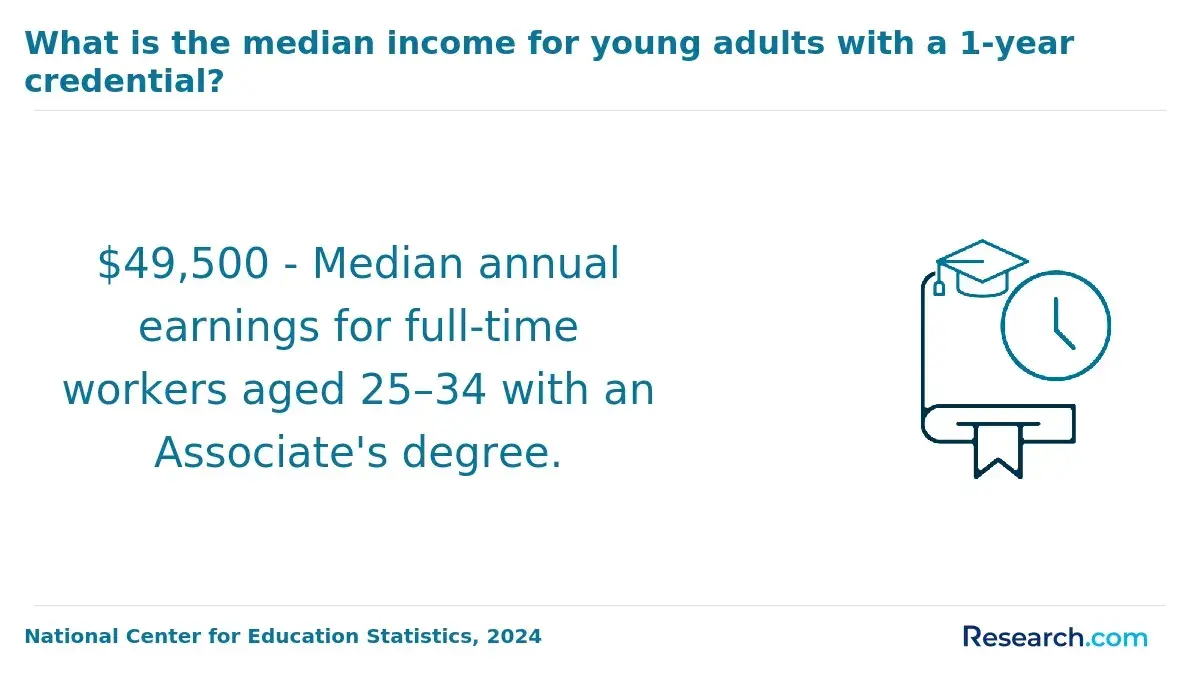
- Associate degree: Most online associate degrees in information technology management take about two years for full-time students. These programs are often designed with flexibility in mind, allowing part-time or self-paced study options that may extend the duration to accommodate working professionals.
- Bachelor's degree: A full-time online bachelor's degree usually requires approximately four years to finish. However, many accelerated tracks and credit transfer options enable students to complete the program sooner, sometimes in as little as 2-3 years. For instance, data suggest that some online bachelor's students finish in around 2.3 years thanks to self-paced models and transferred credits.
- Master's degree: Online master's programs typically take one to two years for full-time enrollment. Part-time or hybrid study options often extend completion time to up to three years based on the student's schedule and workload. Those interested in faster completion might also explore 1 year masters programs that cover IT management and related fields.
Factors such as transfer credits, prior work experience, and the flexibility of study formats influence how long does an online IT management program take. Many students tailor their pace to balance career and personal commitments, making these programs adaptable to various needs.
What Factors Can Affect How Long It Takes to Earn an Online Information Technology Management Degree?
Several key factors influence how long it takes to earn an online information technology management degree, shaping the overall timeline and student experience. Understanding these elements can help prospective learners plan effectively and set realistic goals for their academic journey. Below are important factors that impact the length of online IT management programs:
- Enrollment Status (Full-Time vs. Part-Time): Students attending full-time generally complete their degree in about four years, while part-time students may extend their studies to six years or more due to balancing other responsibilities. Online program flexibility allows schedule adjustments, but fewer courses per term typically lengthen completion time.
- Program Structure and Learning Pace: Many online IT management programs feature self-paced or competency-based models, enabling faster progress for motivated learners. For example, some students finish in under two years by mastering material at their own speed, significantly shortening time-to-degree.
- Transfer Credits and Prior Experience: How transfer credits affect online information technology degree duration is crucial, as prior college work or professional certification can reduce required coursework, accelerating graduation. However, each institution's credit acceptance varies, making it important to review policies carefully before enrollment.
- Accelerated Program Options: Accelerated degrees may be completed in as little as 18 months if students take heavier course loads or enroll year-round, offering faster entry into the workforce but requiring strong commitment.
- Institutional Requirements and Course Availability: Graduation timelines can be influenced by credit hour requirements and how often courses are offered; programs with multiple start dates and year-round classes increase flexibility.
- Personal and Professional Commitments: Balancing work, family, and study affects completion speed, as those with more available time typically progress faster while competing responsibilities may prolong the timeline.
For students exploring their options, comparing program formats and schedules is essential, especially when seeking the easiest masters program that fits their lifestyle and goals.
What Are the Different Types of Online Information Technology Management Programs Available?
Online information technology management programs offer various specializations tailored to meet the diverse needs and career goals of students and professionals in the tech industry. To help you understand the different options available, here is a summary of the major types of online information technology management degree programs and their focus areas:
- IT Management Degrees: These programs provide a strong foundation in managing information systems, covering both technical and business aspects of IT. Typical courses include systems development, network administration, and project management, making them ideal for those aiming for leadership roles within IT departments.
- Health Informatics Programs: Focused on managing health information systems, these specializations include system analysis and design, patient privacy, and statistical analyses. They are well-suited for students interested in the growing field of healthcare technology.
- Cybersecurity Risk Management Programs: Combining cybersecurity education with business and legal aspects, these programs prepare students to identify, assess, and mitigate cyber threats. They are designed for individuals targeting leadership roles in cybersecurity and risk management.
- Business Informatics and IT Management Programs: These integrate technical IT knowledge with business management skills, allowing students to navigate both fields effectively. They are perfect for those interested in the intersection of technology and business administration.
- Emerging Technologies Programs: Concentrating on cutting-edge fields such as generative AI, these programs equip business leaders with the expertise to excel amid technological advancements. This specialization suits professionals seeking to advance in AI and related areas.
How Many Credit Hours Are Required for an Online Information Technology Management Degree?
Completing an online information technology management degree typically requires a specific range of credit hours depending on the degree level, reflecting the depth and scope of study needed to build relevant expertise. Understanding these credit requirements can help you plan your education path effectively. Below is an overview of average credit hour requirements for various online information technology management degree programs.
- Associate degree: Most online associate degrees demand between 60 and 65 credit hours. Full-time students usually finish in about two years, while part-time study may extend this timeline. Some programs accept transfer credits from previous coursework or professional certifications, which can reduce the total hours needed.
- Bachelor's degree: Online bachelor's programs generally require 120 to 121 semester credit hours. Typical full-time completion is four years, but accelerated or competency-based programs might allow completion in as little as 19 months. Transfer credits and prior learning assessments often help shorten duration.
- Master's degree: Online master's degrees usually entail 30 to 36 credit hours beyond the bachelor's degree. Full-time students often finish within 12 to 24 months, though part-time options extend this period. Accelerated options and relevant work experience credit are sometimes available.
- Doctoral degree: Doctoral programs typically require 48 to 60 credit hours beyond the master's degree. These programs blend coursework and dissertation credits, with completion times ranging from three to seven years depending on study load and program format.
A graduate of an online information technology management degree shared that maintaining motivation while juggling work and family responsibilities was one of the biggest challenges. They found that pacing themselves through the credit hour requirements helped manage stress, especially during intensive modules that demanded deeper focus. Transfer credits from their prior certifications eased their workload significantly, allowing more time to engage with complex topics that sparked their professional passion. Reflecting on the process, they appreciated how the flexibility of online learning made it possible to meet credit requirements while still growing in their career and maintaining a work-life balance.
What Courses Are Included in a Standard Online Information Technology Management Curriculum?
Online information technology management programs typically include a mixture of foundational IT concepts, business principles, leadership development, and project management skills to prepare students for technology-driven managerial roles. Below is a list highlighting examples of core and specialized courses commonly found in these curricula, illustrating the comprehensive skillsets students acquire.
These courses cover a broad spectrum of knowledge needed for successful careers in IT management.
- Information Technology Systems Analysis: Focuses on analyzing business problems and defining technical requirements. Students learn the systems analysis life cycle, risk management, and teamwork skills critical for IT analyst and project management positions.
- IT Operations Management: Covers development of standard operating procedures, performance metrics, and resource allocation within IT departments. This prepares students to oversee daily IT functions, including network analysis and staffing, essential for operations or support management roles.
- Information Technology Project Management: Teaches project planning, cost estimation, budgeting, quality control, and procurement related to IT projects. Students develop practical skills to lead initiatives and ensure successful delivery, supporting advancement to project manager roles.
- Database Management Systems: Explores design, implementation, and administration of databases. The course emphasizes data integrity, security, and availability, preparing students for database administrator or data manager careers.
- Cybersecurity Foundations: Introduces core concepts of protecting information systems through threat analysis, security technologies, and policy. This knowledge is vital for roles in information security management.
- Networking and Cloud Computing: Examines network architecture and cloud technologies and their impact on business. Students gain expertise to manage and secure IT infrastructures, supporting careers as network administrators or cloud specialists.
- Programming Fundamentals: Offers a foundation in programming languages and software development concepts. Proficiency in programming enhances problem-solving, automation, and technical leadership in IT projects.
- Principles of Management and Leadership: Covers organizational behavior, leadership strategies, and team dynamics. These skills are crucial for IT managers leading cross-functional teams and aligning technology with business goals.
- Data Analytics: Focuses on quantitative methods and IT tools to analyze and interpret large datasets. Students develop skills for business intelligence, analytics, and strategic decision-making roles.
- Capstone or Integrative Project: Usually a final-year course requiring students to apply their learning to real-world IT management problems or an internship. It provides practical experience and readiness for immediate career entry.
How Often Do Online Information Technology Management Programs Start During the Year?
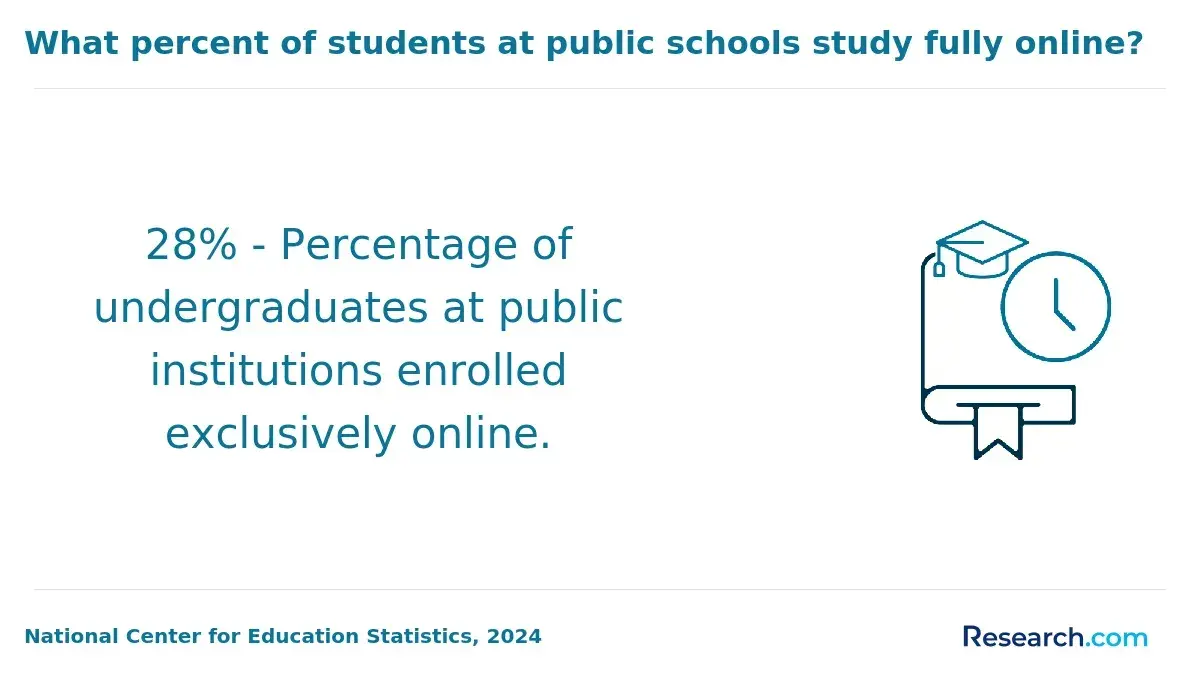
Online information technology management programs offer multiple start dates throughout the year, giving students significant flexibility to begin their studies at times that fit their personal and professional lives. This flexible scheduling is especially helpful for working adults and those balancing other commitments because it shortens wait times to start classes and helps accelerate degree completion. The most common enrollment schedules can be summarized as follows:
- Monthly Start Dates: Some universities provide new cohort starts on the first of every month, allowing students to begin their studies at 12 different points annually. This continuous enrollment model suits self-motivated learners who want to start quickly and progress at their own pace.
- Quarterly or Bi-Monthly Sessions: Other institutions organize their programs around 8-week sessions that start every two months, resulting in six start opportunities each year. This schedule offers a balance between frequent enrollment and a structured academic calendar.
- Traditional Academic Calendar: Some programs follow a conventional semester-based model with start dates in the fall, spring, and occasionally summer terms. This option benefits students who prefer a familiar rhythm or need to coordinate with financial aid and other institutional processes.
- Rolling Admissions: Many programs accept applications and enroll students as space becomes available throughout the year. This approach increases entry flexibility, making it ideal for adult learners and working professionals seeking nontraditional enrollment timing.
How Much Faster Can You Complete an Accelerated Online Information Technology Management Degree?
Accelerated online information technology management programs significantly reduce the time required to earn a degree compared to traditional four-year formats by offering increased flexibility, condensed courses, and credit for prior learning. These programs enable many students to complete their degrees in as little as 19 to 30 months. The most common ways these programs shorten the path to graduation include:
- Shorter Course Terms: Courses are offered in condensed formats, often five- or eight-week terms instead of the traditional 16-week semester. This approach allows students to take and complete more classes each year, speeding overall progress.
- Year-Round Enrollment: Numerous start dates throughout the year enable students to begin or continue their studies without the downtime of waiting for a new semester, facilitating continuous completion of coursework.
- Competency-Based Learning: Some programs let students advance immediately after demonstrating mastery of subjects rather than spending set amounts of time in class. This model benefits those with prior experience by dramatically reducing time to finish.
- Generous Transfer Credits: Many accelerated programs accept extensive transfer credits-sometimes up to 81 credits-allowing students to bypass previously mastered coursework and reduce degree time.
- Intensive Course Loads: Students often take heavier credit loads, including during summer sessions, which helps them fulfill graduation requirements in fewer terms.
A graduate of an accelerated online information technology management degree shared their experience, highlighting how balancing a full-time job and family responsibilities while managing frequent five-week courses was challenging but rewarding. They noted that the fast-paced nature required disciplined time management and proactive communication with instructors. This structure kept them deeply engaged without feeling overwhelmed due to the focused, concise coursework. Seeing measurable progress each term, coupled with proactive support from academic advisors, helped sustain their motivation. Reflecting on the journey, they described it as intensive yet empowering, providing a strong sense of accomplishment by completing the degree ahead of expectations through sustained effort and flexibility.
Does Finishing an Online Information Technology Management Degree Faster Save You Money?
Completing an online information technology management program in less time can significantly reduce your overall education costs by minimizing tuition and associated expenses. The following points highlight the main ways accelerated completion leads to cost savings by graduating early in online IT management and better financial outcomes:
- Lower Tuition Costs: Some universities use a flat-rate tuition model per term rather than charging by the credit. For example, WGU charges $3,830 per six-month term, so students who finish faster can pay for fewer terms, leading to substantial tuition reduction for accelerated online information technology degree programs.
- Reduced Living Expenses: Accelerating your degree means you spend less time paying for housing, utilities, and other living costs related to being a student. Even fully online students benefit by decreasing the overall period they incur technology fees or require subscriptions.
- Earlier Entry Into the Workforce: Graduating sooner allows you to begin earning a full-time salary in information technology management earlier, which can increase lifetime earnings. For instance, WGU graduates report an average salary increase of $9,650, so finishing early can yield substantial additional income.
- Less Time Off Work: Working professionals may need to take fewer days off or reduce fewer work hours when completing their degree quickly. This helps maintain current income levels and reduces the financial strain of balancing school and work.
- Fewer Fees and Incidental Costs: Many online programs charge fees each term for technology or assessments. Accelerated students pay these fees for fewer terms, which decreases the total incidental expenses over the course of the degree.
Choosing to finish your degree faster aligns well with reducing tuition and indirect expenses, making it a financially smart strategy for ambitious students pursuing a major that makes the most money.
How Soon Can Graduates Start Working After Earning Their Online Information Technology Management Degree?
Graduates typically can start working soon after earning their online information technology management degree, with many finding employment within a few months of graduation. The average time to employment after online IT management degree varies based on factors such as the specific IT management area, regional job demand, and whether the graduate has prior experience in the field.
Employment growth for computer and information systems managers is expected to be strong, which supports positive job prospects for online information technology management graduates. Those who have completed internships or gained relevant work experience often secure roles more quickly than newcomers. Overall, market demand and the versatility of the degree help reduce the time between graduation and starting a career.
Online information technology management programs frequently offer flexible schedules that encourage students to work, intern, or build professional networks while studying. Many students pursue their degrees part-time while already employed in IT, allowing them to apply new skills immediately and enhance job prospects. Asynchronous coursework facilitates gaining practical experience without delaying academic progress. Building industry connections through virtual events and group projects helps graduates transition smoothly into full-time roles.
For students looking for programs, options like accredited online colleges free to apply for provide accessible ways to advance their careers during their studies.
How Much Do Online Information Technology Management Graduates Earn on Average?
The average salary for online information technology management degree graduates in the US typically ranges from around $40,000 for entry-level roles up to $180,000 or more for senior leadership positions. Earnings vary widely based on career path, experience, and specialization.
Here is a breakdown illustrating the information technology management degree job salary outlook for different career stages and fields:
- Entry-Level Roles: New graduates often start in support or analyst jobs, earning between $40,000 and $83,000 annually. Pay varies by region and employer, with potential for advancement through certifications and performance.
- Mid-Career Professionals: With 4-9 years of experience, IT managers or project leaders can expect salaries from about $89,800 up to $101,200. Specialized skills and team size managed can further increase compensation.
- Specialized Positions: Roles like cloud architect or machine learning engineer command salaries ranging from $150,000 to $200,000, especially with certifications such as AWS Solutions Architect or CISSP, and are in high demand in major tech hubs.
- Leadership Roles: Senior managers, directors, and CIOs often earn between $125,000 and $180,000 or more, with median wages for information systems managers reported at $171,200 in 2024. Advanced degrees and extensive management experience significantly impact earnings.
- Industry and Location Variations: Salaries differ by geographic region and sector; for example, roles in California and New York can exceed $210,000 annually, while finance and healthcare sectors tend to offer higher pay due to complex IT needs.
Graduates aiming to shorten degree completion time can start earning earlier, offsetting education costs while entering a job market influenced by trends seen in the top paying trades.
Here's What Graduates of Online Information Technology Management Programs Have to Say About Their Degree
- Aaliyah: "Completing my online information technology management degree opened doors I never imagined possible. The flexibility allowed me to balance work and studies, which was crucial as a full-time parent. Through real-world projects and expert faculty guidance, I gained the confidence to transition into a leadership role at my company. I'm proud to now mentor others seeking growth in tech management and help shape innovative business strategies."
- Carlos: "Pursuing my degree online gave me a unique chance to develop time management skills alongside technical expertise. The coursework was challenging but rewarding, pushing me to think critically about IT systems and their strategic impact. Thanks to this program, I secured a stable role as an IT project manager and feel equipped to drive digital transformation efforts within my organization. I'm motivated by the potential to make technology work better for everyone."
- Jasmine: "The experience of earning an online information technology management degree was transformative not only professionally but also personally. Facing the challenge of remote learning taught me resilience and adaptability, qualities that have boosted my career progress in cybersecurity leadership. Beyond career growth, I now contribute to my community by organizing tech workshops for underserved youth, hoping to inspire the next generation of IT leaders. It's fulfilling to see how this degree amplifies my impact."
Other Things You Should Know About Online Information Technology Management Degree Programs
Many online Information Technology Management programs in 2027 include internships or practical experiences to ensure students acquire hands-on skills. These components can be remote or at local businesses, providing invaluable industry insights and networking opportunities to enhance employability.
Many programs offer flexible scheduling that supports full-time employment, including asynchronous courses and part-time options. However, balancing work and study requires strong time management due to the program's intensive nature within a one-year timeframe.
In 2027, a one-year online Information Technology Management degree can enhance career prospects by equipping students with key skills like IT project management and strategic planning. Employers value these skills, especially in tech-driven industries, though candidates should highlight practical experiences to further improve employability.
References
- What Employers Really Think about Your Online Degree https://bachelors-completion.northeastern.edu/knowledge-hub/are-online-degrees-respected/
- What is a Technology Management Master’s Degree? https://www.ndnu.edu/what-is-technology-management-degree/
- How to Start a Successful Career in Information Technology (IT) | CSU Global https://csuglobal.edu/blog/how-launch-career-information-technology
- MS in Information Technology Management at Kelley | Executive Education | Indiana Kelley https://kelley.iu.edu/programs/executive-education-degrees-certificates/online-masters-degrees/it-management/index.html
- Accelerated Online Information Technology, BS with Applications Development Emphasis | Lindenwood https://online.lindenwood.edu/programs/accelerated-online-bachelors-information-technology/
- IT Management Master’s Degree Online - Wayne State College Nebraska https://www.wsc.edu/information-technology-masters-degree
- Information Technology Management - Online Degree Programs https://www.uwosh.edu/online/online-collaborative-degrees/information-technology-management/
- Information Technology Management Degree Online | Rasmussen University https://www.rasmussen.edu/degrees/technology/it-management/
- BS in Information Technology Management https://www.jefferson.edu/academics/colleges-schools-institutes/kanbar-college-of-design-engineering-commerce/school-of-business/academic-programs/information-technology-management.html


