
2027 Online Addiction Psychology Degree Programs Costs: Tuition & Fees

Co-Founder and Chief Data Scientist
Pursuing an online degree in Addiction Psychology involves significant costs that many students must carefully evaluate. Tuition and fees are the largest expenses, often accompanied by additional charges such as textbooks, technology fees, and exam costs. These financial commitments can impact decisions on budgeting, loans, and employment while studying.
Understanding typical tuition ranges and detailed cost breakdowns is essential for informed financial planning. This article will explore affordability factors, compare different program costs, and outline potential financial aid options available to prospective students in this specialized field.
Key Points About Online Addiction Psychology Degree Costs
- Tuition for online addiction psychology degrees typically ranges from $10,000 to $30,000, depending on institution type, credit hours, and program length.
- Costs vary with factors such as public vs. private schools, residency status, and availability of financial aid or scholarships.
- The investment often yields strong career prospects in counseling and clinical fields, justifying expenses through potential salary increases and job stability.
What Is the Average Cost of an Online Addiction Psychology Degree?
Online addiction psychology degree programs typically have tuition costs ranging from $8,000 to $15,000 annually for bachelor's degrees. These figures can shift depending on the school and program structure, with some institutions offering per-credit pricing that impacts the total expense.
Costs vary significantly based on the level of study and whether the school is public or private. Bachelor's programs at public universities may charge around $365 per credit, totaling roughly $11,000 to $12,000 for the full degree.
Master's degrees usually fall between $7,500 and $20,000 total, though private schools or specialized programs might demand higher fees. Doctoral programs, including PhD and PsyD options, generally range from $12,000 to more than $45,000 for the entire course of study.
When compared to other psychology or counseling degrees, addiction psychology programs are often priced competitively, especially at undergraduate and graduate levels.
Public institutions tend to offer more affordable tuition rates than private schools, making addiction psychology degrees a relatively accessible choice for many students aiming for careers in behavioral health fields.
What Is Typically Included in the Tuition for an Online Addiction Psychology Degree?
Tuition for online addiction psychology degrees typically covers the core academic components necessary for completing the program. Most students receive access to all required coursework through virtual platforms, alongside various support services designed to enhance their learning experience.
Programs often include key resources and opportunities that support academic and professional growth. These can range from technology infrastructure to hands-on training elements.
- Access to online courses: All required classes are available through learning management systems with video lectures and interactive tools.
- Academic support services: Tutoring, advising, and career planning assistance help students stay on track and prepare for their future careers.
- University technology infrastructure: Platforms for online classrooms, video conferencing, and 24/7 technical support are provided.
- Digital instructional materials: These often include lecture recordings, research databases, and sometimes electronic textbooks.
- Mentorship and faculty interaction: Opportunities for individualized support through virtual office hours and faculty guidance.
- Practicum and internship options: Supervised hands-on learning experiences, critical for addiction counseling training.
- Student engagement activities: Participation in virtual organizations, advocacy events, and professional development seminars may be part of the program.
Certain expenses are generally excluded from tuition fees. These often include physical textbooks, fees for off-campus internships or background checks, licensure exam and graduation costs, technology fees not included in tuition, and personal devices like laptops and internet service.
Prospective students should carefully examine detailed tuition breakdowns to prepare for any additional expenses beyond the tuition itself.
What Factors Influence the Cost of Pursuing an Online Addiction Psychology Degree?
Understanding the tuition fees and additional expenses is crucial for anyone considering an online addiction psychology degree. Several key factors influence the overall cost, helping prospective students budget effectively and compare programs.
- Institution Type and Accreditation: Tuition rates vary widely between public and private universities, with private institutions often charging more. Accreditation by recognized bodies like the Higher Learning Commission or WASC ensures program quality and can justify higher tuition fees.
- Residency Status and Geographic Location: Some programs charge different tuition rates for in-state versus out-of-state students, impacting the online addiction counseling degree cost by state. Although many online programs have removed geographic pricing differences, residency status remains a key consideration.
- Program Structure and Duration: The total credits required and program format affect costs. For example, schools charging per credit, such as $365 per credit at some universities, let students calculate expenses precisely. Hybrid programs might include extra fees for on-campus residencies or labs.
- Support Services and Faculty Resources: Programs with extensive mentorship, internships, and smaller class sizes may charge higher tuition to support these quality features. Faculty credentials and available student support also impact pricing.
- Comprehensive Tuition Fees for Substance Abuse Counseling Programs Online: The full cost often includes more than tuition, covering technology fees, materials, or practicum expenses, which prospective students should evaluate before enrolling.
Those interested in exploring the best certification paths for a rewarding career can find valuable information on top paying certifications, which complements decisions about online addiction counseling programs.
Are Online Addiction Psychology Programs Cheaper Than Traditional Programs?
The cost comparison online vs traditional addiction psychology degree programs is a key factor for many students deciding between learning formats. Online programs generally offer more affordable tuition and added flexibility compared to traditional on-campus degrees.
For example, the University of South Dakota's online BS in addiction counseling charges $365 per credit for all students, regardless of residency. In contrast, the average tuition for online programs tends to be significantly lower than the typical public university's traditional in-state undergraduate tuition, which ranges from $7,000 to $10,000 annually, with out-of-state fees often exceeding $18,000.
These savings stem largely from reduced infrastructure and commuting costs inherent to online learning.
Online programs usually eliminate expenses such as campus housing, meal plans, and parking fees, enabling many students to work while studying and thus potentially reduce overall debt.
Some programs, however, may require occasional in-person residencies or internships that incur travel or accommodation costs. For those researching affordable options, consulting lists of the best open enrollment colleges can be particularly helpful.
Are There In-state and Out-of-state Tuition for Online Addiction Psychology Programs?
Tuition costs for online addiction psychology degree programs often follow a consistent pattern, but variations based on residency status can occur. Many public universities offering fully online options charge the same tuition regardless of whether a student lives in-state or out-of-state.
For instance, the University of South Dakota has a flat per-credit rate of $365 for all online students, simplifying cost expectations. This approach is common among public institutions aiming to expand access to online education.
However, some public universities still maintain higher tuition fees for out-of-state learners, especially if the program includes hybrid elements or is not entirely online. Conversely, private schools usually apply a single tuition rate without considering residency.
Certain regional agreements, such as the Midwest Student Exchange Program, provide discounted rates for students from nearby states, but these opportunities are limited for online programs.
Prospective students should always verify individual university policies before enrolling to understand potential tuition differences related to residency.
Which Schools Offer the Most Affordable Addiction Psychology Degree Programs?
Affordability is a key concern for students seeking online degrees in addiction psychology. Many programs offer varying tuition structures that help prospective students manage costs while gaining necessary credentials.
Below are several accredited programs known for their accessible pricing and strong training components in addiction counseling and psychology.
- University of South Dakota: This institution offers a flat rate of $365 per credit for both in-state and out-of-state students pursuing a bachelor's degree in addiction counseling and prevention. The program includes internships and mentorships and boasts a 100% pass rate on national licensing exams for two consecutive years.
- California State University-Fullerton: Priced at $7,073 annually for in-state students, with a net price of $6,283 after financial aid, this program supports a 69% graduation rate and graduates who earn about $80,000 yearly.
- University of Cincinnati: Charging $496 per credit, this bachelor's in substance abuse counseling meets Ohio state licensure requirements. It requires two internships totaling 220 hours of supervised practice, critical for professional certification.
There are also fully online options such as Alvernia University, which charges $650 per credit and provides digital support alongside four field practicum experiences to enhance practical skills.
For prospective students exploring options beyond undergraduate degrees, doctoral programs online no dissertation present alternative pathways to advanced qualifications in addiction psychology.
Which Schools Offer the Most Expensive Addiction Psychology Degree Programs?
Online addiction psychology degree programs vary widely in cost, with the most expensive options typically found at the doctoral level. These programs offer advanced training but can come with substantial tuition fees, particularly in the competitive US market.
Understanding which programs command the highest fees helps prospective students evaluate their investment in education. Below are three examples of institutions offering some of the most expensive online addiction psychology programs:
- Palo Alto University: Their online hybrid PhD in Psychology includes quarterly in-person intensives and is estimated to cost between $92,000 and $115,000. It is known for its rigorous research curriculum and strong reputation in preparing graduates for clinical and academic careers.
- The Chicago School of Professional Psychology: This school's online PhD program in Addiction Psychology is among the highest priced, with estimated tuition ranging from $88,000 to $124,000. Its specialized faculty and extensive research resources justify this premium, making it a leader in highest tuition addiction psychology degrees USA.
- Fielding Graduate University: Offering a distributed learning PhD program, the cost ranges from $75,000 to $105,000. The program features personalized learning paths, intensive mentorship, and periodic in-person sessions, factors contributing to its elevated tuition.
The cost drivers behind these programs include institutional prestige, accredited specialized faculty, substantial research infrastructure, and comprehensive student support services. Hybrid formats requiring residencies or labs also contribute to higher overall fees.
For those seeking a shorter time frame for completion, consider exploring the shortest online doctoral programs, which may offer different pricing dynamics.
How Long Does It Take to See a Return on an Online Addiction Psychology Degree?
Investing in an online addiction psychology degree can lead to solid career prospects, but understanding the financial return is key. Evaluating how long it takes to recover tuition costs helps prospective students make informed decisions.
Graduates with a bachelor's in addiction counseling typically earn starting salaries near $50,000 annually, with some positions in high-demand areas reaching $80,000 or more. The average tuition for a full online bachelor's program is about $22,500.
Given these figures, many students could expect to recoup their educational expenses within five years, especially if they manage student loans carefully and secure median-pay employment.
The timeframe to see a full return on investment depends on factors like location, education level, and job market demand. Higher degrees often mean increased earnings but also greater initial costs.
Financial aid, employer assistance, and whether graduates pursue further schooling also impact how quickly tuition is recovered. With the field's projected growth of 23% through 2026, job stability supports many graduates in paying off their education within five to ten years, assuming prudent financial planning and personal circumstances.
Are Online Addiction Psychology Students Eligible for Financial Aid?
Online addiction psychology students are generally eligible for a variety of financial aid options, including federal, state, and institutional aid programs as well as scholarships and employer tuition assistance.
To qualify for federal financial aid for online addiction psychology students, students must attend an accredited institution and submit the Free Application for Federal Student Aid (FAFSA) annually. Most accredited programs, like those at Purdue Global and the University of South Dakota, participate in these federal aid programs.
Financial aid availability varies based on eligibility criteria, but students can often access substantial funding to help cover tuition and related expenses. Scholarships for online addiction psychology degree programs are commonly available and may be merit-based, need-based, or specific to the discipline or student background.
For working professionals, employer tuition assistance can also offer valuable support depending on employer policies.
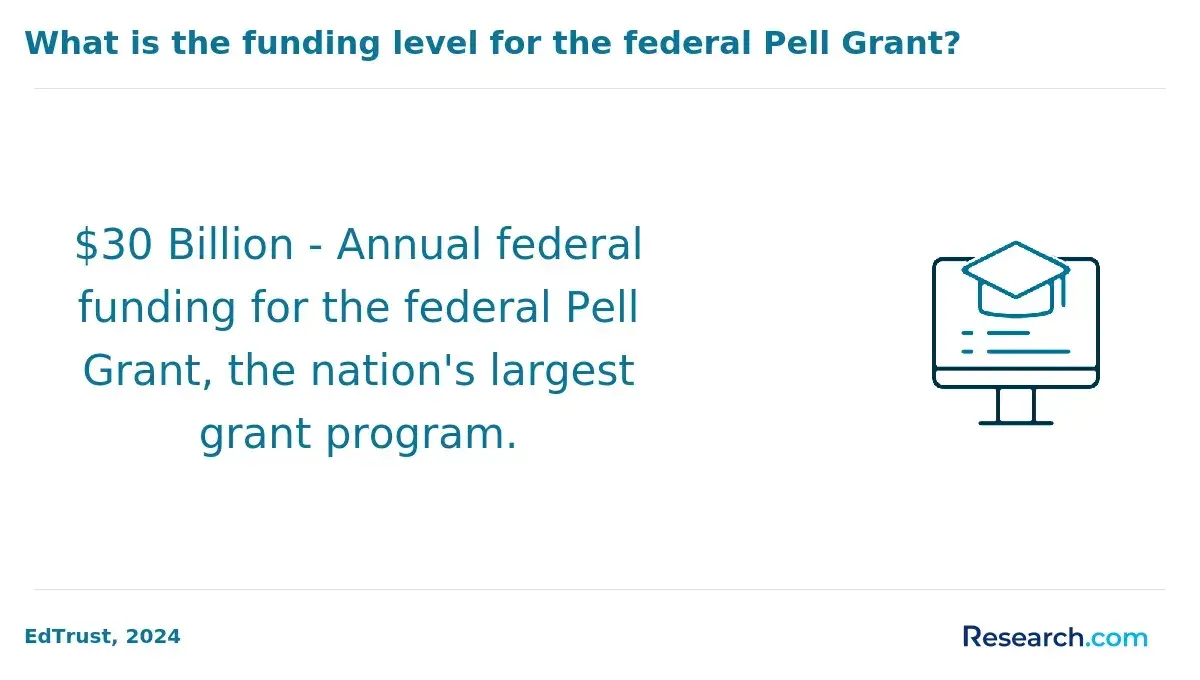
- Federal Pell Grants: These grants target undergraduates with significant financial need and can cover up to $7,395 per year for eligible students, providing critical support without requiring repayment.
- Institutional Scholarships and Grants: Many universities offer these awards for both online and on-campus students, including merit-based or discipline-specific scholarships, sometimes with discounts for military service members or other special groups.
- State Grants and Private Scholarships: State-funded grants and private scholarships often focus on students pursuing psychology and addiction counseling majors, while employer tuition assistance provides further financial aid opportunities for professionals in the field.
Additionally, students exploring funding options may consider programs that offer tuition guarantees or transfer credits to reduce overall costs. Understanding these options is important for managing education expenses.
For those evaluating career prospects alongside education costs, resources like good trade school jobs can offer insights into employment paths that complement an addiction psychology degree.
Are Online Addiction Psychology Programs Expected to Increase in the Coming Years?
Yes, online addiction psychology programs are expected to grow steadily in the coming years as demand for professionals who specialize in substance use and behavioral disorders continues to rise.
The growing recognition of addiction as a public health issue has led more universities to create flexible, accessible pathways for students pursuing training in counseling, psychology, and behavioral health.
Many institutions are expanding their online addiction psychology programs to include virtual practicums, telehealth training, and evidence-based coursework aligned with licensure requirements. These online options make it easier for working adults and career changers to gain the specialized education needed to enter or advance in the field.
As more treatment centers, schools, and healthcare systems integrate addiction services, the need for qualified professionals will continue to grow. Online learning offers a convenient and effective route to meet this demand, ensuring that addiction psychology remains one of the most rapidly expanding areas in behavioral health education.
What Students Say About The Cost of Pursuing Online Addiction Psychology Programs
- George: "Pursuing my online Addiction Psychology degree was one of the best decisions I've made, especially considering the reasonable cost compared to traditional programs. The investment has already opened doors for career advancement in counseling, and I feel confident that the return will far outweigh the tuition fees. It's empowering to know that affordable education can drive such meaningful change."
- Douglas: "As someone balancing work and family, the cost of an online Addiction Psychology program was a major factor in my choice. While the tuition wasn't minimal, it felt like a worthwhile investment once I considered how the degree expanded my professional qualifications and increased my earning potential. Reflecting on the journey, the cost-to-benefit ratio has been favorable and worth every dollar spent."
- Ezra: "The financial commitment of earning an online Addiction Psychology degree initially made me cautious, but the overall affordability compared to on-campus programs helped ease that concern. Now, having completed the degree, I see it as a smart investment that has enhanced my understanding and opened new career pathways in the mental health field. Managing the costs strategically was key to maximizing my educational experience."
Other Things You Should Know About Addiction Psychology Degree Program Costs
In 2027, tuition for online Addiction Psychology degree programs generally ranges from $15,000 to $30,000 per year, depending on the institution. Fees may include technology and course material fees, adding approximately $1,000 to $3,000 annually. Prospective students should consult specific schools for exact figures.
Yes, there are extra costs beyond tuition for online Addiction Psychology programs. These may include technology fees, books, and materials. Some programs might also have costs for internships or lab work. It's wise to budget for these additional expenses when planning for education costs.
References
- 5 Psychology Degrees You Can Earn Online - Best Degree Programs https://www.bestdegreeprograms.org/lists/5-psychology-degrees-you-can-earn-online/
- Best Online Bachelor's In Addiction & Recovery 2025 https://www.psychology.org/degrees/addictions-and-recovery/bachelors/
- Guide To Online Addiction Counseling Degrees https://www.accreditedschoolsonline.org/counseling/bachelors/addiction-counseling/
- Financial Aid For Online Colleges https://www.affordablecollegesonline.org/financial-aid/financial-aid-for-online-colleges/
- Financial Aid for Psychology Students https://www.onlinepsychologydegrees.com/financial-aid/
- Behavioral Health Coding Training Course - AAPC https://www.aapc.com/training-and-events/continuing-education/behavioral-health-coding-training
- Most Affordable Online Substance Abuse Counseling Degrees - Counseling Degrees Online https://www.counselingdegreesonline.org/most-affordable-online-substance-abuse-counseling-degrees
- Online Substance Abuse Degree Concentration https://www.snhu.edu/online-degrees/bachelors/ba-in-human-services/substance-abuse
- How to Get Your Medical Coding and Billing Certification https://www.ultimatemedical.edu/blog/how-to-get-medical-coding-and-billing-certification/
- Mental Health Billing Course | American Medical Billing Association https://www.americanmedicalbillingassociation.com/mental-health-billing-course/


