2027 Are Online Chemistry Degrees Respected by Employers?

Co-Founder and Chief Data Scientist
The rising popularity of online chemistry degrees reflects broader growth in remote higher education, with recent studies showing over 40% of employers view online credentials as comparable to traditional ones.
Understanding how employers perceive these degrees is crucial for prospective students considering this pathway. This article aims to clarify current employer attitudes toward online chemistry programs and identify key factors shaping their credibility in the job market.
By examining these perspectives, readers can make informed decisions about pursuing an online chemistry degree and its impact on career opportunities in scientific fields.
Key Benefits of Online Chemistry Degrees Respected by Employers
- Employers increasingly regard online chemistry degrees from accredited institutions as equivalent to traditional degrees, with surveys showing over 70% of hiring managers in STEM fields expressing confidence in online graduates' qualifications.
- Graduates develop strong analytical and laboratory skills through virtual simulations and hybrid components, equipping them with practical expertise that meets industry standards.
- Holding an online chemistry degree often improves career prospects, with data revealing that 60% of graduates report promotions or salary increases within two years of completing their program.
Which Accrediting Bodies Make an Online Chemistry Degree Legitimate?
Accreditation is essential for ensuring the quality and employer recognition of online chemistry degrees. It assures prospective students and employers that the program meets established academic standards, has qualified faculty, and provides adequate resources.
This credibility is crucial for the transferability of credits and future career opportunities in fields like pharmaceuticals, research, and education. The main types of online chemistry degree accreditation bodies include:
- Institutional Accreditation: This evaluates the entire university or college, confirming it has sufficient resources, qualified faculty, and student protections. Institutional accreditation helps verify that your online chemistry degree comes from a legitimate, recognized institution.
- Programmatic Accreditation: Programmatic accreditation focuses specifically on chemistry programs. The American Chemical Society Accreditation is a prime example, where the ACS Approval Program ensures the curriculum meets discipline-specific standards and promotes academic excellence.
- Regional Accreditation: In the U.S., regional bodies assess institutional quality within certain geographic areas. Regional accreditation is widely respected and ensures that an online chemistry degree has national portability, enhancing employer recognition and the ability to transfer credits between schools.
- National Accreditation: While less common for chemistry programs, national accreditation applies to some online schools and can affect credit transferability and recognition. It is generally considered less prestigious than regional accreditation but still verifies that basic educational standards are met.
Choosing a program accredited by reputable agencies is important to maximize career and educational outcomes.
For those interested in fast-tracked options, certain 6 month online course with high salary opportunities also recognize properly accredited chemistry credentials, emphasizing the value of selecting programs vetted by established online chemistry degree accreditation bodies.
Does University Reputation Affect Employer Views of Online Chemistry Degrees?
University reputation plays a significant role in shaping employer perception of online chemistry degrees from top universities. Employers often rely on the prestige and recognition of the institution to gauge the quality and rigor of the academic program.
A degree from a well-established university tends to carry more weight, giving graduates an advantage when competing for positions in the chemistry field.
Factors such as institutional prestige, accreditation status, and industry partnerships further influence how these degrees are viewed. Accredited online chemistry degrees and employer reputation are closely linked because accreditation ensures that the curriculum meets professional standards.
Additionally, universities that have strong connections with the chemistry and pharmaceutical industries through internships, research collaborations, or advisory boards enhance their graduates' credibility and readiness for the workforce. Employer trust grows when these external validations are present, signaling that the program delivers relevant, up-to-date training.
While reputation can open doors, it is important to acknowledge that practical skills and experience remain essential for employment. Most employers look beyond the name on the diploma to assess candidates' laboratory capabilities, problem-solving skills, and real-world experience.
Over 70% of organizations have hired applicants with online degrees, and 96% of graduates report positive employment outcomes, showing that skills ultimately carry strong influence in hiring decisions.
Prospective students should consider both the value of university reputation and their personal development. For those exploring advanced degrees, understanding factors like which phd is easiest to get can also play a part in planning a successful educational path.
Do Employers Treat Online and On-Campus Chemistry Degrees Equally?
Employer perceptions of online chemistry degrees have improved markedly over the past decade. A majority of employers now regard online and traditional on-campus chemistry degrees as nearly equivalent, especially when the online program is accredited and offered by a reputable institution with a physical campus presence.
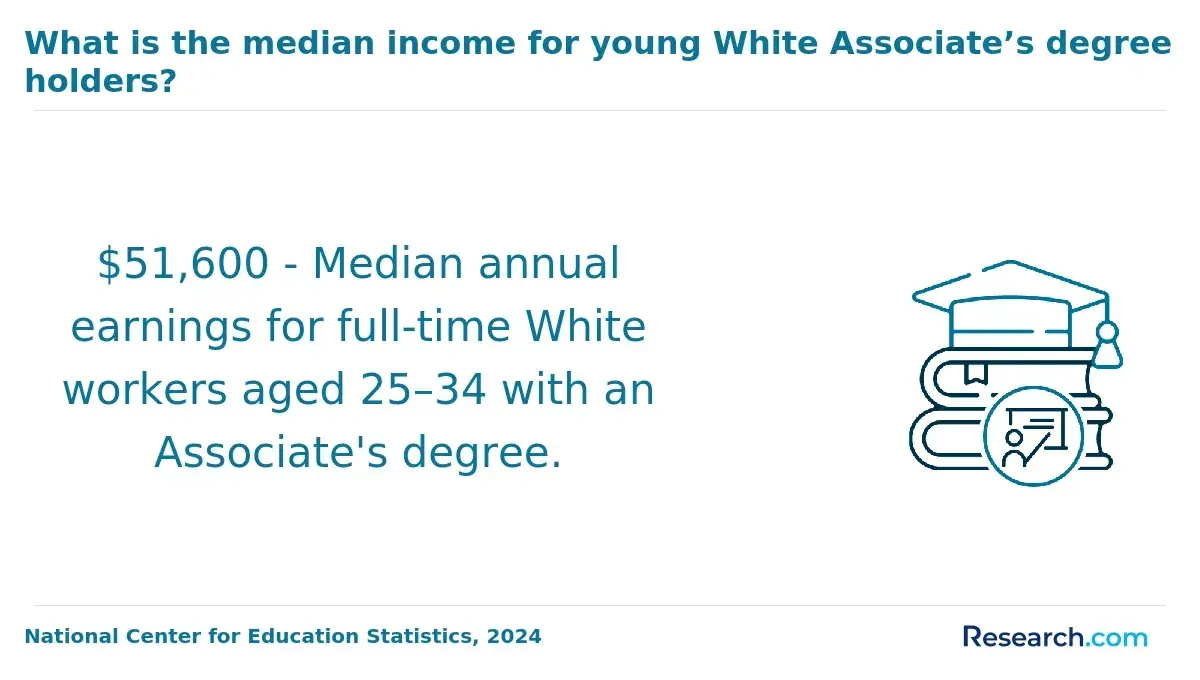
Recent survey data reveals that 87.4% of employers who monitor degree modality have hired graduates with online degrees and provide them with the same starting salaries as those from in-person programs.
Despite this positive trend, some distinctions remain, as only about 28% of U.S. employers strongly or somewhat agree that online and on-campus degrees hold equal value.
When evaluating candidates, hiring managers emphasize factors such as accreditation, university reputation, and practical laboratory experience over the degree format itself. Accreditation remains central, with 83% of HR professionals viewing accredited online degrees as comparable to traditional ones.
Likewise, 92% of employers rate degrees from institutions offering both online and brick-and-mortar programs more favorably than those from fully online-only schools. In chemistry, hands-on experience is crucial, so graduates with practical lab components in their online education typically receive equal consideration.
To maximize employability, online chemistry graduates should select accredited programs from well-established universities, actively pursue internships or research opportunities, and be ready to clearly demonstrate the rigor and applied aspects of their online training during interviews.
Do Employers Trust Online Chemistry Degrees from AI-Powered Virtual Classrooms?
AI technologies such as adaptive learning systems, virtual simulations, and AI-powered tutors significantly enhance the quality and credibility of online chemistry education. Adaptive learning systems offer personalized feedback and tailor course content to individual student needs, promoting deeper understanding and retention.
Virtual lab simulations allow students to safely perform complex chemistry experiments remotely, ensuring they gain practical skills even without access to physical labs. Additionally, automated grading and integrity checks uphold rigorous academic standards by minimizing human error and potential cheating.
These AI-driven tools not only streamline repetitive tasks for instructors, enabling them to focus more on teaching and research, but also provide unique data sets for lab reports, thereby increasing the authenticity and robustness of student work.
The integration of these advanced AI tools has positively influenced employer perception of online chemistry degrees. Many companies-especially in the pharmaceutical, materials, and environmental sectors-now recognize the value of graduates trained through AI-powered virtual classrooms, appreciating their technical proficiency and applied experience.
Despite this growing acceptance, some employers remain cautious, emphasizing degrees from accredited institutions and looking for evidence of hands-on experience.
However, the use of automated integrity measures and AI-enhanced training is helping to address concerns about academic rigor and skill validation.
Over time, as more graduates demonstrate their capabilities in real-world roles such as research, drug development, and quality control, employer skepticism is declining. This shift suggests a promising trajectory for the credibility of online chemistry degrees supported by AI technologies.
What Skills Do Employers Value from Online Chemistry Graduates?
Graduates of online chemistry programs bring a distinctive blend of rigorous technical expertise and transferable soft skills that make them highly competitive in today's job market. Their education equips them with advanced laboratory techniques and data analysis for chemistry jobs alongside essential interpersonal and organizational abilities.
Below are the most in-demand skills employers seek from online chemistry degree graduates, each actively developed through remote learning environments and vital for career success.
- Analytical and Problem-Solving Skills: Online chemistry programs prioritize independent inquiry, critical thinking, and data interpretation through virtual labs and challenging assignments. These analytical and problem-solving skills valued by employers enable graduates to excel in scientific research and data-driven industries.
- Attention to Detail: Digital lab simulations and remote coursework demand precision, fostering a meticulous approach to experiments and data analysis. This skill is essential for roles in laboratory settings, regulatory compliance, and quality assurance.
- Communication: Regular participation in online discussions, technical writing, and presentations enhances both written and verbal communication. Such skills are critical for teamwork, technical sales, and managing projects effectively.
- Time Management and Organization: Balancing coursework with personal obligations in an online format hones self-discipline and organizational capabilities. Employers recognize these competencies as key in fast-paced research labs and industrial environments.
- Technical Proficiency: Graduates gain fluency with digital tools, software for data analysis, and virtual lab platforms, providing an edge in applying laboratory techniques and data analysis for chemistry jobs in modern workplaces.
- Teamwork and Collaboration: Group projects and peer feedback within remote settings cultivate the ability to collaborate across disciplines, preparing graduates for diverse scientific teams.
- Adaptability and Lifelong Learning: The evolving nature of online education encourages flexibility and continuous skill development, traits that align with the dynamic demands of evolving scientific fields.
These developed skills help graduates pursue varied roles in research, pharmaceuticals, environmental science, and business.
For prospective students evaluating career outcomes, consulting resources on high paying masters degrees may provide valuable insights on how an online chemistry education aligns with lucrative opportunities.
Do Professional Certifications Help Validate Online Chemistry Degrees?
Earning professional certifications can significantly enhance the credibility of an online chemistry degree by providing recognized, external validation of industry-specific competencies.
These credentials act as benchmarks that demonstrate a graduate's dedication to meeting professional standards and staying current with advancements in the field.
With this in mind, professional certifications strengthen the value of online chemistry degrees in the eyes of employers in several key ways:
- Industry-Recognized Credentials: Certifications such as the American Society for Clinical Pathology Board of Certification (ASCP BOC) Scientist in Chemistry confirm that graduates have the practical laboratory skills and knowledge required in clinical and research settings.
- Demonstrated Specialized Skills: Earning targeted credentials like Graduate Certificates in Environmental Chemistry or Industrial Chemistry Technology signals expertise in high-demand niches such as green chemistry or chemical manufacturing.
- Support for Career Advancement: Many professional certificates are stackable toward further academic qualifications, enabling continuous growth. These programs often accommodate working professionals seeking promotion into roles with greater responsibility, including management or dual-credit teaching positions.
- Enhanced Employer Trust: Certificates offer a fast, affordable way for graduates to prove updated skills and ongoing learning commitment, helping to bridge gaps in perception between online and traditional education by reassuring employers of rigorous standards met by online learners.
- Expanded Career Opportunities: Certification prepares graduates for diverse roles across research, teaching, pharmaceuticals, engineering, and industry sectors by aligning their practical skills with employer expectations and increasing marketability.
To gain insight into how professional certifications can impact validation of online chemistry degrees, I spoke with a professional who completed an online Chemistry program and pursued certification afterward.
He described feeling initially uncertain whether his online degree alone would convince employers of his readiness for technical roles.
However, obtaining a nationally recognized certification changed that perception significantly. The process was challenging, requiring dedicated study and balancing work commitments, but it offered structured preparation that deepened his expertise.
"Earning that certification not only proved my skills but also boosted my confidence in interviews," he shared. He emphasized how the certification helped overcome doubts employers sometimes hold about online degrees by providing tangible evidence of his qualification and commitment.
Ultimately, it opened doors to job opportunities and career advancement he might not have accessed otherwise, underscoring the real-world benefits of combining an online chemistry education with professional credentials.
Do Online Chemistry Graduates Earn the Same Salaries as On-Campus Graduates?
Recent national data show that online chemistry graduates generally earn salaries comparable to their on-campus counterparts, with no significant disparity observed in either starting or mid-career pay.
Industry-wide trends indicate that factors such as program quality and accreditation matter more than the format of study when it comes to earnings potential.
The following key factors influence whether online chemistry graduates can expect salary parity with traditional degree holders:
- Accreditation and Program Reputation: Employers prioritize degrees from well-regarded institutions with strong regional accreditation. Graduates from respected online programs with rigorous curricula are often viewed as equally qualified, which supports comparable salary outcomes.
- Employer Perception: The acceptance of online degrees has grown substantially and now many employers weigh skills and experience over whether the degree was completed online or on-campus. This shift is especially prominent in chemistry fields where practical ability is critical.
- Hands-On Experience and Internships: Because chemistry is a laboratory science, graduates who supplement online coursework with in-person labs, internships, or research projects tend to have better job prospects and salary potential, ensuring skill acquisition aligns with industry demands.
- Networking and Career Services: While on-campus programs may offer richer face-to-face networking opportunities, online students who engage in virtual career fairs and professional groups can achieve similar access to valuable connections and career resources.
- Skill Acquisition and Job Market Demand: The technical skills gained through chemistry bachelor's degree programs-whether earned online or on-campus-are highly sought after, with national salary averages typically ranging from $50,000 to $85,000 annually.
For those interested, investigating accredited non-profit online colleges is a good starting point toward finding credible degree programs.
How Do Online Chemistry Degrees Impact Career Growth and Promotions?
Earning an online chemistry degree can significantly influence long-term career advancement and promotion opportunities across various industries, including scientific research, manufacturing, and education.
With the growing respect for remote learning, an online chemistry credential offers flexible and accessible pathways for professionals aiming to enhance their qualifications and access higher-level roles.
This section highlights the main ways online chemistry degrees support professional growth and upward mobility.
- Expanded Career Versatility: Graduates gain preparation for diverse roles such as pharmaceutical research, environmental science, and education. This adaptability allows professionals to transition between sectors and capitalize on emerging scientific fields, boosting career flexibility and mobility.
- Access to Advancement Opportunities: Earning an advanced degree online provides deeper knowledge, making graduates competitive for promotions to supervisory or specialized positions like chemical engineer or materials scientist, which often come with greater responsibilities and higher salaries.
- Work-Life Balance and Continued Employment: Asynchronous coursework enables students to continue working while earning their degree, avoiding career interruptions. Maintaining employment during studies supports steady income and positions learners for promotion without sacrificing current job security.
- Development of Transferable Skills: Online chemistry programs emphasize analytical thinking, laboratory techniques, and problem-solving skills. These competencies are valuable not only in traditional science roles but also in fields like consulting and finance, expanding professional opportunities.
- Professional Networking and Industry Connections: Virtual internships and collaborative projects connect students with faculty, peers, and industry experts worldwide. These relationships provide insights into promotion pathways and open doors to leadership roles.
- Positive Employer Perception: Increasingly, employers recognize the rigor and relevance of online chemistry degrees. Graduates benefit from enhanced hiring prospects and long-term promotion potential due to the credibility of their training.
When I spoke with a professional who pursued an online chemistry program, she recalled balancing a full-time job while managing family responsibilities as one of her greatest challenges. She shared that the program's flexible schedule was crucial, allowing her to study late at night without compromising work performance.
Over two years, she applied advanced analytical techniques learned online to her role in pharmaceuticals, which directly led to her promotion to lead a quality control team. Reflecting on her journey, she noted, "Completing the degree online didn't just elevate my scientific skills; it transformed how my employer viewed my potential."
Her experience illustrates how online chemistry degrees can foster real, measurable career growth by equipping students with both practical expertise and the confidence to take on leadership roles.
What Companies Actively Hire Graduates from Online Chemistry Programs?
Employers across a variety of industries are increasingly open to hiring candidates with online chemistry degrees, recognizing the quality and rigor these programs offer. The growing acceptance reflects a shift in workforce dynamics, where virtual education credentials stand alongside traditional degrees.
Below are examples of industries that actively hire graduates from online chemistry programs, demonstrating where remote chemistry job opportunities frequently arise:
- Education and Tutoring Services: Online learning platforms and K-12 education providers seek chemistry graduates for remote teaching and tutoring roles. These companies appreciate subject matter expertise combined with digital teaching skills, often hiring online degree holders as tutors, test prep specialists, or adjunct instructors.
- Pharmaceutical and Biotechnology Firms: Chemistry graduates are in demand in drug development, biotech, and pharma companies for roles in laboratory research, data analysis, and quality assurance. Employers value candidates' analytical abilities and experience with digital lab tools, which align well with hybrid and remote work models.
- Technology and Software Companies: The intersection of chemistry and technology creates opportunities in computational chemistry, data science, and software engineering. These firms rely on chemistry graduates to handle complex data analysis and develop scientific algorithms, particularly in AI and machine learning.
- Patent and Intellectual Property Agencies: Firms focused on scientific patents and intellectual property recruit chemistry graduates as patent agents or technical consultants. The ability to interpret and apply chemical knowledge in legal contexts makes online chemistry degree holders valuable.
- Food and Consumer Product Manufacturers: Employers in food, cosmetics, and consumer products hire chemistry graduates for testing, compliance, and process optimization roles. Online chemistry degrees are regarded as equivalent to traditional ones for these positions that require ensuring product safety and regulatory adherence.
For students exploring accredited trade schools online, these sectors offer promising pathways where online chemistry degrees are recognized and respected.
What Future Trends Will Shape Online Chemistry Degrees' Credibility?
As technology advances, accreditation standards evolve, and employer attitudes shift, the perception of online chemistry degrees in the job market continues to improve. These changes collectively support greater acceptance of such degrees based on their rigor and relevance.
The following key trends are expected to further strengthen the legitimacy and recognition of online chemistry programs in the coming years.
- AI-Driven Learning Validation: Artificial intelligence will play a pivotal role in assessing student skills beyond traditional exams. Through customized feedback and real-time problem-solving analysis, AI can verify that graduates have mastered both theoretical knowledge and practical lab abilities, boosting employer confidence.
- Global Accreditation Collaboration: Accrediting bodies worldwide are aligning standards to ensure online chemistry degrees meet consistent quality benchmarks regardless of location. This international cooperation enhances the portability and credibility of these degrees across borders.
- Increased Employer Partnerships: Online programs are partnering with companies in pharmaceuticals, materials science, and environmental sectors to co-develop curricula and offer internships. These collaborations keep education aligned with industry needs and demonstrate graduates' job readiness.
- Skill-Based Hiring: Employers are focusing more on candidates' applicable skills and real-world performance than on where the degree was earned. Online chemistry programs emphasizing virtual labs and research projects are well positioned to meet this demand.
- Expansion of Hybrid and Flexible Models: Hybrid programs combining online coursework with local or virtual lab experiences make chemistry education accessible without compromising hands-on training. This approach addresses lab requirements and narrows gaps with traditional degrees.
- Enhanced Student Support and Career Services: Investments in tutoring, digital resources, and career coaching help online chemistry students succeed academically and transition smoothly into the workforce, reinforcing degree value.
Here's What Graduates of Respected Online Chemistry Programs Have to Say About Their Degree
- Janice: "Completing my online chemistry degree was a game changer for my career. The flexibility of the program allowed me to balance work and study, and as a result, I quickly secured a research assistant position at a pharmaceutical company right after graduation. The degree opened doors to roles that traditionally required on-campus education, and I've since been promoted to lead projects involving drug formulation and safety testing. This path has not only advanced my professional growth but also fueled my passion for developing life-saving medications. I'm grateful for the opportunities that online learning provided in such a competitive field."
- Meredith: "My experience earning a chemistry degree online gave me the confidence and knowledge to transition into a teaching career in underserved communities. The program's interactive labs and community forums connected me with peers and mentors who inspired me to focus on educational equity. After graduation, I started teaching high school chemistry and have since developed outreach programs that encourage young students of color to pursue STEM careers. This degree empowered me to make a real difference in my community while advancing my professional credentials as an educator."
- Amit: "As a working parent, pursuing a chemistry degree online was both challenging and rewarding. The program's convenient structure allowed me to learn at my own pace and apply cutting-edge analytical techniques in my job at an environmental testing firm. With my degree, I gained credibility that led to a promotion as a senior lab technician, where I now mentor junior staff. This advancement has enhanced my career stability and enabled me to contribute to impactful projects that improve public health in our region. The flexibility and quality of the online program were crucial in my professional development."
Other Things You Should Know About Respectable Online Chemistry Degree Programs
In 2027, employers consider factors like accreditation, course content quality, and institution reputation to assess the respectability of online chemistry degrees. Programs with strong industry connections and comprehensive lab work opportunities are viewed more favorably, easing concerns over practical skill acquisition.
In many cases, employers consider online chemistry degrees equivalent to traditional degrees if the program meets standard accreditation criteria.
However, some employers may prefer candidates with hands-on laboratory experience, which can be a limitation in fully online formats. Hybrid programs that include in-person labs are often viewed more favorably.
In 2027, employers increasingly recognize the credibility of online chemistry programs, especially when accredited by reputable institutions. Concerns persist mainly over practical lab experience, but many employers value the flexibility and dedication required to complete online degrees.
References
- Employers See Online Degrees as Comparable to In-person Degrees https://www.naceweb.org/talent-acquisition/candidate-selection/employers-see-online-degrees-as-comparable-to-in-person-degrees
- Bachelor in Chemistry – Accredited Online Degree Program https://www.aiu.edu/program/bachelor-in-chemistry/
- Employability skills | RSC Education https://edu.rsc.org/future-in-chemistry/career-options/employability-skills
- Experiences and benefits of a career development course for undergraduate chemistry students - Analytical and Bioanalytical Chemistry https://link.springer.com/article/10.1007/s00216-017-0480-x
- Professional Certificate programs | edX https://www.edx.org/certificates/professional-certificate
- Are Online Degrees Respected? What Employers Really Think in 2024 https://www.geteducated.com/careers/318-should-i-tell-employers-i-earned-my-degree-online/
- Online Chemistry Education: Tools, Uses, and Future Trends - Edubrain https://edubrain.ai/blog/the-essentials-and-advantages-of-online-general-chemistry/
- Can AI Be Used to Personalize Employee Learning and Development? - Exemplar Global https://exemplarglobal.org/can-ai-be-used-to-personalize-employee-learning-and-development/
- Graduate careers advice: you and your chemistry degree https://gradireland.com/careers-advice/science-and-research/graduate-careers-advice-you-and-your-chemistry-degree
- What online graduate degrees in chemistry are missing: group meeting http://chemjobber.blogspot.com/2012/04/what-online-graduate-degrees-in.html