2026 Can a Marine Science Degree Lead to Remote Jobs?

Co-Founder and Chief Data Scientist
The rise of remote roles in environmental and scientific research opens new pathways for Marine Science graduates. Degree programs increasingly integrate tools like ArcGIS, R statistical software, and remote sensing platforms, equipping students with valuable digital proficiencies for distributed work.
While hands-on training in field sampling and lab techniques remains crucial, many curricula now blend virtual simulations and cloud-based data analysis to bridge physical and remote competencies.
According to a 2024 NOAA workforce report, over 30% of marine science professionals engage in hybrid or fully remote roles, reflecting a sector shift toward flexible project collaboration and long-distance monitoring. This article explores how Marine Science degrees prepare graduates for remote careers and helps readers assess if these opportunities align with their career goals.
Key Points About Marine Science Degrees That Lead to Remote Jobs
- Data analysis and remote environmental consulting roles often require proficiency in GIS and coding; this tradeoff favors candidates investing in specialized technical coursework beyond core marine science to access broader remote opportunities.
- Employers increasingly value certifications in data management and remote sensing, reflecting workforce demand trends reported by the U.S. Bureau of Labor Statistics, which highlights steady growth in environmental remote work requiring hybrid skill sets.
- Online marine science degree programs grew 12% in enrollment in 2024, according to the National Center for Education Statistics; this trend improves access but also intensifies competition for remote roles demanding proven practical experience.
Is it possible for Marine Science graduates to work remotely?
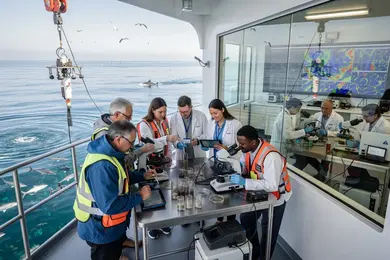
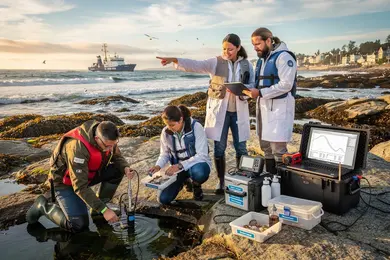
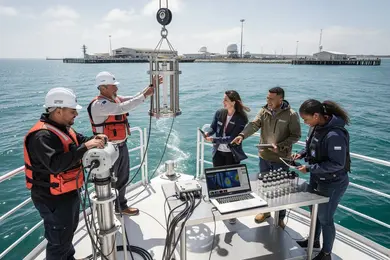
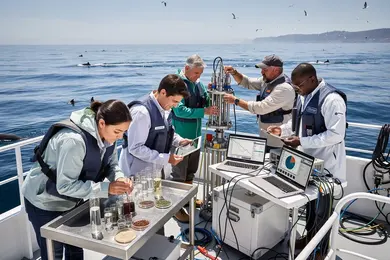
Remote work in marine science remains limited due to the field's reliance on hands-on tasks like sampling, diving, and vessel operations, which typically require physical presence. However, roles focusing on data analysis, modeling, scientific writing, and policy advising allow for effective remote engagement.
These positions often demand strong computational and communication skills, reflecting a shift where technical proficiency can expand access beyond traditional fieldwork.
Typical remote or hybrid roles available to marine science graduates include research data analysts managing environmental datasets, GIS specialists working with spatial information, and science communicators producing digital content. Environmental policy advisors may also operate virtually, collaborating with stakeholders without consistent field duties.
Hybrid roles that mix remote work with occasional site visits tend to appear in government agencies or NGOs but remain exceptions rather than the norm, especially at entry-level stages where physical lab or equipment skills are essential.
Graduates aiming for remote opportunities must realistically assess industry expectations and tailor skill sets accordingly. Prioritizing quantitative and technical training better positions candidates for remote-compatible tasks.
While full remote roles are not widespread across marine science, a strategic focus on complementary skills can open pathways in applied research, software development, and policy sectors where distance collaboration is increasingly feasible.
Table of contents
What are the typical entry-level remote positions for new Marine Science graduates?
Entry-level remote positions for new marine science graduates do exist, though they are somewhat limited by the traditionally hands-on nature of the field. These roles typically focus on data management, technical communication, and coordination tasks that can be effectively handled off-site.
Below are five typical remote entry-level marine science jobs that align with these operational realities.
- Marine Data Analyst: This role involves processing and interpreting oceanographic data collected via remote sensors and satellites. Employers favor remote setups because data is centrally stored and accessible online, allowing analysts to clean datasets, perform statistical assessments, and generate reports without needing physical lab access.
- Environmental Compliance Assistant: These assistants support companies in meeting marine-related regulations by reviewing documents and assisting with permit preparation. Remote work is practical since the job primarily entails digital documentation review and regulatory communication.
- Scientific Technical Writer: Specialist writers produce and revise scientific reports, grant applications, and communications regarding marine ecosystems. Strong subject knowledge and writing skills are essential, and the role is commonly remote given the lack of field or lab duties.
- GIS Technician in Marine Studies: GIS technicians analyze spatial data related to marine habitats, creating maps to monitor environmental changes. Cloud-based GIS platforms enable these technicians to operate remotely while supporting research teams through collaborative technology.
- Remote Research Coordinator: Coordinators handle project scheduling, protocol oversight, and communication among marine research stakeholders. The organizational focus of this role makes it well-suited for remote work, especially in multi-institutional projects requiring frequent virtual interaction.
While fieldwork remains integral to many marine science careers, the growing digitization of environmental data has expanded opportunities for remote roles, particularly in entry-level jobs combining analysis, writing, and administration.
These typical remote roles for marine science graduates offer pathways to gain relevant experience without consistent on-site presence.
For individuals considering flexible options, reviewing workforce trends alongside targeted programs can clarify the balance between remote work potential and skill requirements, similar to considerations seen in an accelerated MA program in other fields.

Are there senior-level remote positions for Marine Science professionals?
Senior-level remote positions for marine science professionals are relatively rare for recent graduates, as most advanced roles require substantial field involvement or on-site collaboration. However, high-level remote careers in marine science do exist, especially for those who have accumulated specialized skills in data analysis, policy formulation, or leadership.
Below are five senior roles where remote or hybrid arrangements are increasingly feasible:
- Marine Policy Analyst: Focused on developing policies related to marine conservation and resource use, these analysts often work for government agencies or nonprofits. The job revolves around interpreting data and communicating with stakeholders, making remote setups viable.
- Senior Marine Data Scientist: This role entails processing and modeling large oceanographic datasets using advanced statistical and software tools. Because of its data-centric nature, much of the work can be conducted remotely with flexible scheduling.
- Lead Oceanographer: Though occasional fieldwork is involved, lead oceanographers primarily analyze ocean data and direct research initiatives. Their responsibilities support remote work, particularly in project coordination and data interpretation.
- Marine Environmental Consultant: These consultants advise firms on environmental compliance and impact assessments, frequently preparing reports and conducting evaluations remotely. Site visits may be necessary but are generally infrequent.
- Research Director in Marine Science: Managing multiple projects and teams, this senior role is heavily weighted toward administrative duties, grant writing, and virtual collaboration, thus lending itself to hybrid work models.
Remote work in senior marine science roles depends on technology such as cloud data repositories and virtual communication platforms.
Still, professionals pursuing these opportunities should be prepared for a hybrid work style encompassing both digital tasks and necessary field interactions. For students weighing career paths, understanding the balance between remote flexibility and hands-on demands is critical.
Those interested in more interdisciplinary or policy-related routes might benefit from combining marine science expertise with skills from other fields like health care administration, an area with increasing demand available through online programs such as a health care administration degree.
Which industries hire the most remote workers with Marine Science degrees?
Remote positions for marine science graduates exist across several industries, though the nature of these roles varies depending on sector demands and employer practices. Below is a brief overview of the key industries that commonly offer remote opportunities to professionals with marine science backgrounds.
- Environmental consulting: This industry often allows remote work focused on data analysis, environmental impact assessments, and report preparation. Such roles generally support on-site teams by handling computational or documentation tasks from different locations.
- Academic and research institutions: Although hands-on experimental work typically requires presence, roles centered on data modeling, ecological simulations, and grant proposal writing frequently provide remote or hybrid flexibility.
- Government agencies: Marine resource management and policy divisions increasingly incorporate hybrid models for positions involving regulatory review, remote sensing interpretation, and policy analysis, reflecting a cautious but growing acceptance of remote work.
- Nonprofit marine conservation organizations: These groups recruit remotely for tasks like outreach, educational program development, fundraising, and strategic planning, allowing marine science graduates to leverage their expertise in communication and advocacy from virtually anywhere.
- Marine-related technology companies: Firms specializing in marine data systems, ocean sensor software, or GIS applications employ remote workers for data management, software testing, and customer support functions that align well with marine science skill sets.
How do salaries differ for remote vs on-site roles in Marine Science?
Salary distinctions between remote and on-site marine science roles often reflect employer practices tied to regional cost-of-living variations. Most employers adjust pay based on geographic location, so remote marine science positions generally offer slightly lower average salaries than on-site roles located in high-cost coastal or research hub areas.
This pay scaling reflects broader trends in workforce cost management rather than differences in job responsibilities or expertise. However, the average pay for remote versus on-site marine science roles can narrow significantly for positions demanding specialized skills, such as oceanographic modeling or deep-sea ecology.
Employers competing for niche expertise may offer near-parity in compensation to remote workers to secure scarce talent, reducing traditional geographic pay disparities. Graduates evaluating remote opportunities should consider these salary frameworks alongside the tradeoffs between flexibility and earning potential.
For those researching marine science education pathways with remote work in mind, investigating programs that align with current workforce dynamics is crucial. Resources listing online colleges with free applications can assist prospective students in identifying accessible educational options that support entering an evolving job market.

What are the common challenges of working remotely with a Marine Science degree?
Remote work in marine science involves particular constraints that often complicate the professional experience. Challenges range from practical access issues to less tangible impacts on collaboration and career dynamics.
The following points summarize common obstacles faced by remote marine science practitioners and possible approaches to navigating them.
- Restricted Equipment and Facility Access: Marine science depends heavily on specialized instruments and labs that are rarely available outside institutional settings. Professionals working remotely must often coordinate trips or partnerships to access these resources, which can slow research progress and limit hands-on opportunities.
- Heightened Cybersecurity Risks: Handling sensitive environmental data remotely increases vulnerability to breaches unless robust protective measures are implemented. Many remote setups lack the comprehensive security protocols of centralized facilities, requiring marine scientists to adopt additional encryption and secure communication practices.
- Diminished Collaboration Efficiency: Remote teams frequently encounter slower decision-making and an increased chance of errors due to less fluid information exchange. The interdisciplinary nature of marine science intensifies this problem, necessitating deliberate use of advanced digital collaboration tools and regular synchronous check-ins.
- Visibility and Mentorship Challenges: Being physically distant from field sites and labs can reduce informal interactions and slow relationship-building with supervisors and peers. This proximity bias may affect evaluation outcomes and access to leadership roles, making proactive networking and self-promotion essential for remote practitioners.
- Operational Delays from Logistics: Coordinating field sampling or experimental setups remotely introduces scheduling complexity, often dependent on third-party support or limited vessel availability. Efficient planning and flexible timelines become critical to mitigate these unavoidable delays.
A marine science professional who completed an online bachelor's degree shared that the biggest hurdle after graduation was synchronizing with field teams located hundreds of miles away.
He noted, "I often had to wait weeks to access instrument data, which meant my analyses lagged behind the rest of the group." He also mentioned the constant need to "build trust without face-to-face interactions," requiring more frequent virtual meetings than his on-site colleagues experienced.
Despite these challenges, he found that taking initiative to learn remote data management software and maintaining a rigorous communication schedule helped bridge some gaps, though the lack of spontaneous lab interaction remained a significant obstacle to full integration into projects.
Are there certifications that can improve remote hiring outcomes for Marine Science graduates?
Certifications that enhance remote hiring outcomes for marine science graduates often focus on demonstrating both technical expertise and the capacity to operate independently in remote environments. These credentials address key employer expectations for roles involving data interpretation, spatial analysis, project oversight, and compliance with environmental standards.
Below are examples of certifications relevant for candidates aiming to improve their prospects in remote marine science positions.
- Certified Fisheries Professional (CFP): This certification validates specialized knowledge in fisheries science and resource management. It equips candidates with skills in sustainable practices vital for remote fieldwork or offshore projects. Typically, applicants must have relevant experience in fishery-related roles and pass a comprehensive exam.
- Remote Sensing Specialist Certification: Focused on satellite and aerial data analysis, this credential is critical for marine scientists working remotely with environmental monitoring technologies. Certification usually requires coursework or documented professional experience in remote sensing techniques and data interpretation.
- Geographic Information Systems Professional (GISP): Recognized for spatial data expertise, GISP certification benefits graduates targeting remote roles that involve mapping and geospatial analysis. Candidates are assessed based on education, professional experience, and contributions to the GIS community.
- Project Management Professional (PMP): PMP certification supports marine scientists moving into coordination or oversight roles that demand robust project management skills in distributed teams. Eligibility includes a mix of education, project leadership experience, and passing a rigorous certification exam.
- OSHA Environmental Safety Certificate: This certification emphasizes workplace safety and regulatory compliance, essential for remote assignments where adherence to environmental and safety standards is crucial. Training programs and assessments typically cover federal OSHA standards applicable to environmental sectors.
Graduates who align their marine science remote work certifications with targeted roles gain a strategic advantage. Prioritizing credentials that validate both technical and remote-working abilities reflects employer preferences for professionals ready to handle the unique challenges of offsite environmental work.
For those seeking interdisciplinary options, exploring further education in healthcare management can diversify career pathways. Programs such as a doctorate of healthcare administration show increasing relevance across fields where environmental and public health concerns intersect with marine science research and oversight.
How can Marine Science degree students increase the chances of landing remote roles?
Marine science degree students who want to succeed in remote roles must adapt their skills and job search methods to the distinct requirements of virtual work environments.
Below are five strategies to increase the chances of securing remote marine science jobs by aligning capabilities and approaches with employer expectations.
- Develop a detailed digital portfolio: Showcase relevant projects that highlight skills in data analysis, environmental modeling, or remote sensing. Including links to repositories like GitHub demonstrating coding proficiency provides tangible evidence of capabilities valued in remote marine science roles.
- Engage with targeted remote job platforms: Actively use industry-specific remote-first job boards and specialized online communities, which often feature employers seeking candidates comfortable with asynchronous communication and independent problem-solving.
- Excel in asynchronous assessments: Prepare for remote recruitment tasks that assess technical skills and time management without live interaction, such as analyzing satellite data or drafting environmental reports under deadline pressure. Success in these tasks signals remote work readiness to employers.
- Understand virtual hiring processes: Familiarize yourself with typical evaluation methods like video interviews focused on remote work habits, written tests, and timed challenges. This insight allows applicants to tailor their presentations to demonstrate autonomy and virtual collaboration strengths.
- Highlight remote work competencies in applications: Emphasize prior experience or capacity for self-discipline, reliable communication, and managing projects independently. These traits are often decisive factors for employers hiring remotely in marine science fields.
When considering advanced education options to enhance remote job prospects, exploring pathways such as ADN to NP programs can provide insights into aligning academic growth with workforce demands.
How do remote Marine Science roles impact long-term career trajectory and promotions?
Remote marine science roles shift traditional career progression by emphasizing measurable results over formal promotion timelines. Without physical presence, workers must depend on asynchronous tools like Slack and project management platforms to demonstrate consistent performance and leadership.
This mode alters how supervisors assess productivity, placing greater weight on clear, documented contributions and communication skills across virtual teams.
Advancement often hinges on a candidate's ability to maintain visibility through frequent updates, virtual presentations, and proactive involvement in cross-functional projects. Informal networking opportunities common in office environments are replaced by deliberate relationship-building via online channels, demanding higher self-discipline and digital fluency.
Navigating these remote dynamics requires refining self-management and aligning work with broader organizational objectives despite geographic distance.
For marine science professionals, success in remote roles depends on cultivating a portfolio that evidences impact and sustaining mentorship connections within distributed networks. This approach compensates for the lack of spontaneous interactions that typically facilitate recognition and influence.
Ultimately, remote careers in this field call for strategies that intentionally translate leadership and collaboration into virtual formats to avoid stagnation or invisibility in promotion pathways.
Is a remote career in Marine Science sustainable for the next decade?
Remote work in marine science faces inherent limitations due to the field's entrenched need for in-person activities such as sample collection and field monitoring. Despite growing improvements in telecommunication infrastructure, the core operational demands restrict fully remote roles.
Nevertheless, technological advances like autonomous underwater vehicles, drones, and AI-enhanced data processing have expanded opportunities for hybrid arrangements, blending remote analytical work with necessary field visits.
Employers show increasing preference for marine science professionals adept at integrating data science, geospatial analysis, and advanced remote sensing into their workflows. These capabilities enable meaningful contributions from a distance but do not eliminate the expectation of periodic on-site engagement.
Economic and corporate shifts emphasize flexibility, so graduates must navigate evolving job designs that combine technological fluency with hands-on experience to remain attractive candidates.
Staying competitive in marine science's remote segment demands ongoing upskilling in emerging tools, adaptability to hybrid roles, and active networking to access the limited but growing pool of flexible opportunities.
The marine science professional I spoke with shared, "After completing my online degree, I quickly realized that most employers still expect some fieldwork experience. Applying remotely felt frustrating at times, especially when job postings mentioned physical presence without clearly stating it up front. I had to proactively seek roles that valued my data skills but also be ready to travel for project needs."
"It's a constant balance between mastering technical tools and maintaining real-world connections. For me, staying connected with remote teams through cloud labs and collaborating virtually helped, yet nothing replaces the hands-on learning and occasional site visits. I view my career path as sustainable only if I keep evolving my skill set and remain flexible."
What Graduates Say About Marine Science Degrees That Lead to Remote Jobs
- Candace: "Having a degree in marine science was essential to landing my remote role analyzing coastal ecosystem data. I found that employers placed a strong emphasis on real-world experience, so internships and project portfolios were far more critical than licensure alone. Working remotely lets me focus deeply on data patterns and collaborate asynchronously with an interdisciplinary team, but it also requires a high level of self-discipline and clear communication skills."
- Mia: "Right after graduating with a marine science degree, I transitioned directly into a remote research coordinator position. The job market is competitive, so I supplemented my education with specialized certifications and leveraged virtual internships to build a robust resume. Remote work has been rewarding in terms of flexibility and faster workforce entry, but I have noticed there can be limitations in salary growth and leadership opportunities without traditional field experience or licensure."
- John: "My marine science degree opened the door to a remote role in oceanographic consulting, though it wasn't a straightforward path. The practical hiring realities meant competing against candidates with field-based credentials, so I pivoted toward developing digital modeling skills and focused on certifications that highlight that expertise. Operating remotely from my home office allows me to manage projects globally, though it requires constant adaptation to virtual team dynamics and a proactive approach to career advancement."
Other Things You Should Know About Marine Science Degrees
The specificity and structure of a marine science program significantly influence remote job readiness. Programs emphasizing data analysis, GIS, and computational modeling better prepare students for roles that can be done remotely, whereas those focused heavily on fieldwork provide fewer direct remote opportunities. Prospective students should prioritize programs with strong technology and research components to increase flexibility in future employment options.
Yes, internships and practical experiences that emphasize digital skills, virtual collaboration, and independent project management provide clearer pathways to remote work. Field-intensive internships often do not translate into remote jobs and could delay developing remote-friendly skill sets. Prioritizing internships with agencies or organizations that use remote sensing, online data platforms, or telecommunication tools can better align practical experience with remote job demands.
Deep specialization might limit remote opportunities because many remote roles require adaptable skills across disciplines, such as environmental data interpretation or cross-sector collaboration. Broad expertise including programming, statistics, and communication often leads to more remote job options but may reduce competitiveness for highly technical in-person research roles. Balancing depth with transferable skills is crucial depending on whether the priority is a remote career or niche scientific expertise.
While technical proficiency is essential, networking plays a critical role in accessing remote positions that are frequently not widely advertised. Remote marine science jobs often arise through professional connections or specialized communities where trust in candidates' independent work styles is key. Students should allocate time to both honing relevant technical skills and cultivating professional relationships through online forums, conferences, and alumni networks to maximize remote employment prospects.
References
- More than a Hobby: Marine Science Career Development through the Lens of Social Cognitive Career Theory | Current: The Journal of Marine Education https://current-journal.com/articles/10.5334/cjme.83
- 10 careers you can have with a Marine Science degree - SAMS UHI Student Blog https://blog.sams.ac.uk/10-careers-you-can-have-with-a-marine-science-degree/
- Marine Biology: A Career of Impact | GVI https://www.gvi.co.uk/blog/smb-marine-biology-a-career-of-impact/
- Entry Level Marine Science Jobs (with Salaries) - SEEK https://au.seek.com/entry-level-marine-science-jobs
- Career Resources, Marine Conservation Institute https://marine-conservation.org/career-resources/
- Graduate Certificate in Marine Science https://www.unisc.edu.au/study/courses-and-programs/postgraduate-degrees/graduate-certificate-in-marine-science
- Do Remote Jobs Pay Less Than Onsite Jobs? https://www.virtualvocations.com/blog/remote-job-search-tips/do-remote-jobs-pay-less-than-onsite-jobs/