2027 Can a School Counseling Degree Lead to Remote Jobs?

Co-Founder and Chief Data Scientist
The remote work landscape for School Counseling graduates is evolving, shaped by practical training that integrates telehealth platforms like TheraPlatform and digital case management tools ubiquitous in modern practice. School Counseling degrees emphasize competencies in data-driven student assessments and confidentiality protocols critical for virtual counseling sessions, meeting both state licensure requirements and federal HIPAA standards.
According to the U. S. Bureau of Labor Statistics 2024 report, over 18% of counseling professionals now engage in remote or hybrid roles, highlighting a sector shift toward flexible, technology-mediated client interactions. This trend affects how candidates weigh program structure, especially regarding practicum availability and digital skill acquisition.
This article examines the viability of remote jobs for School Counseling graduates and offers critical insights to help evaluate such opportunities in line with professional objectives.
Key Points About School Counseling Degrees That Lead to Remote Jobs
- Remote roles like academic advising, mental health coaching, and educational consulting demand specialized certifications beyond general school counseling, requiring targeted coursework which can delay entry yet improve market relevance.
- Employers increasingly seek digital fluency and teletherapy experience, reflecting a workforce shift that favors counseling graduates who document practical remote service delivery skills alongside standard licensure.
- Growth in accredited online counseling master's programs expands timing flexibility, but students must weigh extended program duration and cost against immediate remote job eligibility and long-term advancement prospects.
Is it possible for School Counseling graduates to work remotely?
School counseling graduates rarely find fully remote positions within traditional K-12 settings, as the role fundamentally requires direct, in-person interaction with students, families, and educators. The necessity for face-to-face engagement limits remote employment opportunities.
Nonetheless, a subset of positions exists that leverage digital communication, primarily in virtual schools, education nonprofits, or telehealth programs focused on mental health, where remote work is more feasible.
Hybrid roles that combine remote administrative duties with on-site counseling are becoming slightly more common, particularly within school districts adopting flexible scheduling. These roles often involve planning, data management, or consultation tasks completed remotely, while preserving essential student interactions in person.
Graduates aiming for these niches benefit from skills in telecounseling platforms and compliance with telehealth regulations, though the profession's core responsibilities typically mandate at least some on-site presence.
What are the typical entry-level remote positions for new School Counseling graduates?
New graduates with a school counseling degree can access several remote entry-level positions designed to capitalize on their core skills in student guidance and communication. While traditional roles often emphasize in-person interaction, remote entry-level school counseling jobs are growing, especially in virtual education and telehealth settings.
The following are typical remote roles suitable for new school counseling graduates:
- Remote Academic Advisor: Advising students on course choices, degree plans, and academic obstacles primarily through digital platforms, this position allows professionals to execute key counseling tasks without being onsite, relying heavily on virtual meetings and remote communication tools.
- Virtual Student Support Specialist: Focused on assisting students facing social or academic challenges remotely, this role involves providing ongoing guidance via video calls and online resource sharing, typically for online schools or districts embracing digital engagement.
- Online Career Counselor: Entry-level counselors in this role help students navigate career planning, prepare resumes, and conduct interview coaching virtually. The remote setup facilitates access across diverse geographic locations without requiring physical presence.
- Behavioral Health Assistant (Remote): Supporting licensed counselors, these assistants handle initial client assessments and monitor progress using telehealth technologies. This remote role plays a critical part in intake and follow-up processes while eliminating the need for onsite duties.
- School Counseling Program Coordinator (Hybrid): Often combining part-time remote work with occasional onsite tasks, coordinators manage digital resources, scheduling, and communication between families and schools, balancing administrative responsibilities within a hybrid framework.
Remote positions rely heavily on proficiency with digital communication and student information systems, which limits physical interaction and may reduce the immediacy of emotional support. These roles demand self-discipline and adaptability to multiple software platforms, reflecting practical tradeoffs in terms of connectivity and hands-on engagement.
Overall, typical remote roles for new school counseling graduates open pathways in virtual schools, nonprofit organizations, and telehealth programs but require developing strong technology skills alongside counseling expertise.
For individuals interested in related advanced education pathways, programs like the PharmD degree demonstrate how online formats can expand professional opportunities, underscoring the importance of digital readiness in evolving career landscapes.
Are there senior-level remote positions for School Counseling professionals?
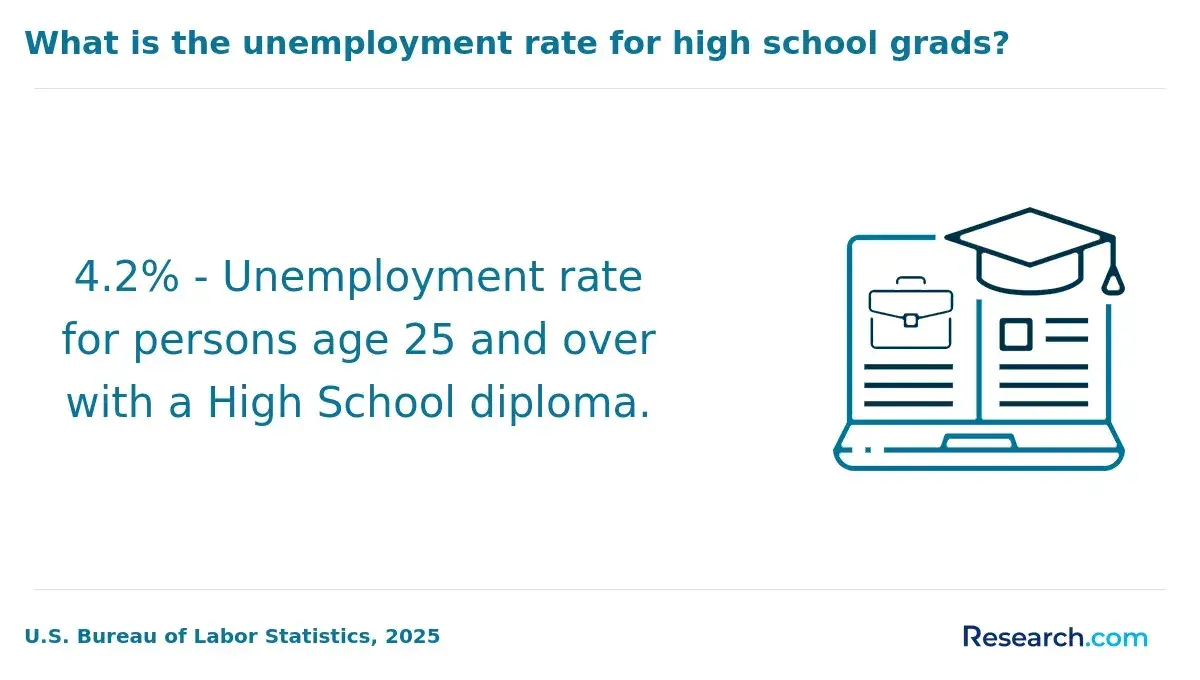
Senior-level remote roles for school counseling graduates are limited and more niche than typical on-site positions. These jobs tend to focus on leadership, strategy, and advisory functions rather than day-to-day student interaction, making them suitable for remote or hybrid setups.
Below are five examples of senior positions that graduates interested in remote leadership roles in school counseling careers can consider.
- Director of School Counseling Programs: Oversees counseling initiatives across multiple schools or districts, coordinating program development, training, and policy management. This leadership role can often be fulfilled remotely via virtual meetings and digital collaboration tools.
- Educational Consultant for Counseling Services: Advises educational institutions on compliance, best practices, and program improvements. The role is conducive to remote work because it relies on research, report preparation, and virtual client consultations.
- School Mental Health Coordinator: Develops and manages mental health programs across school districts. Remote work is typical here due to the emphasis on planning, virtual coordination with mental health practitioners, and administrative tasks.
- Online School Counselor Supervisor or Trainer: Provides professional support and training to counselors working in virtual or hybrid environments. Its remote nature stems from conducting supervision and development sessions through video conferencing platforms.
- Researcher or Policy Analyst in School Counseling: Engages in evaluating counseling programs and advising on policy formation, primarily working with data and reports that can be managed remotely.
These positions demand advanced skills and comfort with independent digital work. While direct student contact decreases in senior-level remote jobs, leadership and systemic advocacy take precedence. Graduates should weigh the tradeoffs between limited face-to-face engagement and the flexibility that remote roles offer.
Those exploring these pathways may also want to assess programs for practical preparation, such as through internships or digital communication training. For insights into comparable healthcare education trends, consider reviewing nursing schools without TEAS.
Which industries hire the most remote workers with School Counseling degrees?
Graduates holding a school counseling degree can access remote work opportunities across diverse sectors, each with distinct operational demands and remote feasibility. Below are key industries actively employing remote school counseling professionals and the types of roles they typically offer.
- Education technology: These platforms often require counselors who can provide virtual support to students, helping navigate academic decisions and socio-emotional issues online. The nature of remote schooling aligns well with counseling roles that do not rely on physical presence.
- Nonprofit organizations: Many nonprofits focused on youth and mental health use remote school counseling professionals to broaden service reach. These roles frequently involve hybrid arrangements aimed at underserved or geographically dispersed communities.
- Telehealth services: Growing demand for remote mental health care has expanded counselor roles specializing in school-age populations. These positions leverage telecommunication technologies, often working within larger distributed clinical teams.
- Government agencies: Although often more traditional in work settings, some local and state agencies now offer remote or partially remote counseling jobs linked to educational programs and youth services, reflecting broader telework trends.
- Private practice and consulting: For counselors pursuing entrepreneurial paths, remote private practice permits flexible caseload management, mixing therapy, consulting, and family support. This option requires balancing clinical competencies with independent business skills.
Remote opportunities vary widely in their requirements, often necessitating digital proficiency and additional credentials.
Candidates should carefully consider the operational realities of remote counseling, such as maintaining client confidentiality and building rapport virtually, alongside the benefits of location flexibility and expanded employment options.
How do salaries differ for remote vs on-site roles in School Counseling?
Salary differences for remote school counseling roles compared to on-site positions are shaped largely by employer compensation strategies tied to geographic cost of living. Remote roles generally offer lower salaries as pay scales are adjusted to reflect the often lower expenses in employees' locations.
On the other hand, on-site positions tend to align more directly with local economic conditions, resulting in comparatively higher average earnings in urban or high-cost regions.
Many employers use tiered pay models in school counseling to balance budget considerations with competitive wages. However, positions requiring specialized clinical skills or serving distinct student populations may command location-independent pay due to greater talent scarcity.
These roles illustrate scenarios where remote school counseling salaries may remain closer to in-person levels, offsetting typical reductions tied to geographic differences. Such earnings nuances highlight critical factors for graduates evaluating average earnings for remote versus in-person school counseling jobs within their career planning.
For those exploring educational pathways relevant to healthcare or allied support roles, understanding compensation realities complements decisions about training options such as what is the fastest way to become an LPN. This reflects how workforce demands and program outcomes intersect across varied professional fields.
What are the common challenges of working remotely with a School Counseling degree?
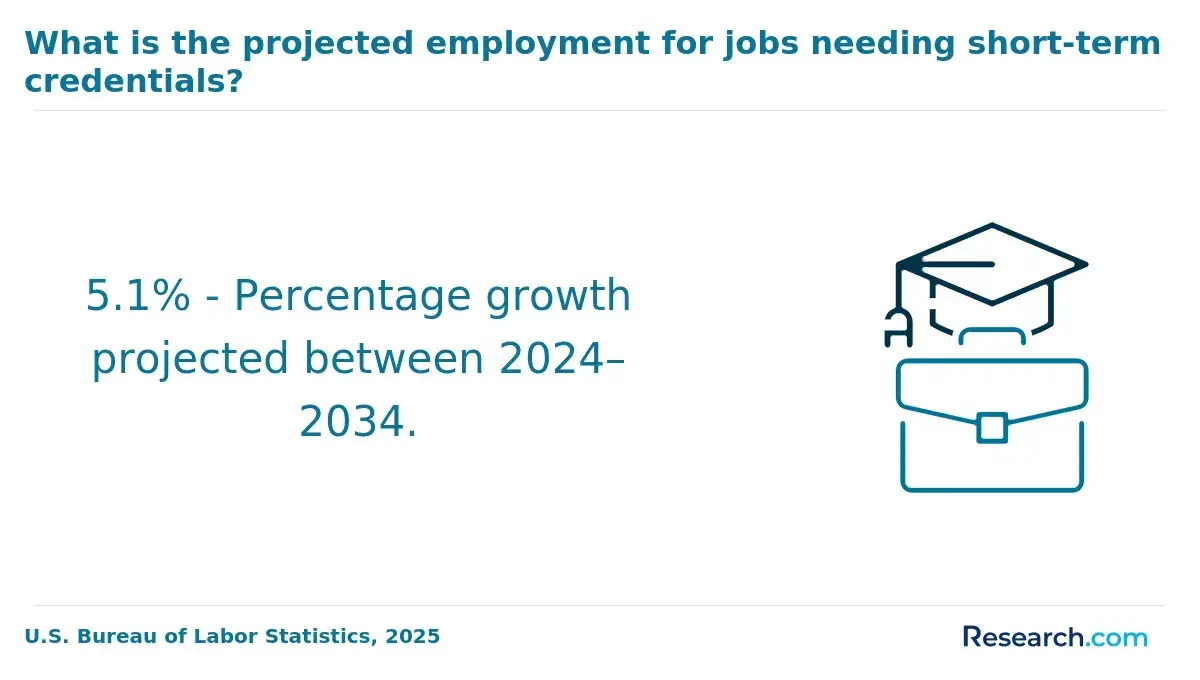
Remote work for those with a school counseling degree introduces several distinct challenges that influence daily operations and professional growth. The following points outline key obstacles faced by remote school counselors and why addressing these is essential for effective practice.
- Data Security and Confidentiality Risks: Remote counselors must navigate complex privacy regulations like FERPA while using secure platforms. Any lapse in cybersecurity can expose sensitive student information, requiring vigilant data management and technology solutions that prioritize compliance.
- Limited Informal Collaboration: The absence of spontaneous interactions with colleagues and administrators hampers quick problem-solving and idea exchange. Remote counselors need to proactively schedule check-ins and use collaborative tools to maintain effective teamwork.
- Visibility and Proximity Bias: Supervisors tend to favor on-site staff for evaluations and opportunity assignments, which can marginalize remote counselors despite comparable performance. Overcoming this requires deliberate communication of accomplishments and seeking visibility through digital channels.
- Technology Dependence and Reliability Issues: Frequent technical disruptions or inadequate digital infrastructure can interrupt counseling sessions and administrative duties, emphasizing the need for reliable hardware, software, and IT support.
- Professional Isolation and Emotional Distance: Working remotely can cause feelings of detachment from the school community and reduce informal emotional support networks. Active participation in virtual meetings and peer groups is critical to counteracting isolation.
When discussing these challenges with a school counseling professional who completed an online bachelor's program, he shared how initially the lack of face-to-face contact made it hard to build trust with students and colleagues. He explained, "I had to learn quickly how to create genuine connections through video calls and messaging, which felt less natural at first."
He also noted that staying visible to supervisors took extra effort. "I found myself regularly updating my team on progress through emails and shared documents to ensure they recognized my contributions."
The need to troubleshoot frequent tech interruptions added stress, requiring preparation and flexibility. His experience highlights that remote counseling demands intentional strategies beyond traditional skill sets to maintain effectiveness and presence.
Are there certifications that can improve remote hiring outcomes for School Counseling graduates?
Certifications can significantly enhance remote hiring outcomes for school counseling graduates by signaling specialized expertise and adaptability to virtual environments. The following credentials reflect employer expectations and practical licensure requirements in remote school counseling roles.
- National Certified School Counselor (NCSC): Awarded by the National Board for Certified Counselors, this credential validates knowledge of school counseling ethics and practices. It is highly regarded for both in-person and remote roles, requiring a master's degree plus supervised experience and passing a rigorous exam.
- Licensed Professional Counselor (LPC): State board licensure often sought for remote mental health counseling that supports students. Applicants must meet state-specific educational, supervised practice, and examination criteria, providing a licensure framework transferable across many virtual counseling settings.
- Certified Career Counselor (CCC): Geared toward those focusing on career guidance and employment counseling in academic environments, including online platforms. This certification requires a master's-level education, relevant counseling experience, and passing a credentialing exam.
- Child and Adolescent Mental Health Specialist (CAMHS): Provides targeted training for addressing complex emotional and behavioral issues remotely. This credential usually involves additional coursework and demonstrated clinical experience in child and adolescent mental health.
- Trauma-Informed Care Certificate: Focuses on skills for recognizing and managing trauma-related student needs, increasingly important in remote settings. Candidates often complete specialized training from recognized behavioral health organizations emphasizing ethical and effective virtual service delivery.
Graduates seeking to boost remote job prospects can strategically pursue these certifications, which many employers view as critical indicators of readiness and proficiency.
Combining such credentials with an online nutritionist degree or other relevant qualifications further diversifies professional options in remote education and counseling settings.
How can School Counseling degree students increase the chances of landing remote roles?
Increasing the likelihood of securing remote jobs with a school counseling degree requires targeted efforts to align skill sets and networking approaches with the unique demands of telehealth and independent case management.
Below are key strategies school counseling graduates can adopt to enhance their prospects for remote counseling positions.
- Curate a digital portfolio: Compile detailed case studies that highlight virtual counseling approaches, ethical decision-making, and documented student outcomes. This tangible evidence of remote intervention competence is valued by hiring managers assessing candidates' practical adaptability.
- Engage with remote-focused job platforms: Regularly search specialized job boards prioritizing remote roles, such as those catering to educators and counselors. These niches increase exposure to available remote openings frequently overlooked on general job sites.
- Participate in professional online communities: Join Slack groups and LinkedIn networks specializing in remote school counseling or education. These platforms offer informal job leads, peer support, and insights into evolving employer expectations.
- Build a visible online professional presence: Share expertise through blogs, webinars, or presentations on remote counseling best practices. Demonstrating thought leadership can differentiate candidates in a competitive applicant pool and affirm familiarity with remote service delivery.
- Develop proficiency in virtual screening methods: Prepare for asynchronous interviews involving recorded counseling demos or scenario-based tasks. Hiring managers increasingly use these methods to evaluate both counseling skills and technological ease, making readiness a distinct advantage.
By integrating these targeted approaches, students can more effectively navigate the nuances of remote employment opportunities in school counseling. These tactics address evolving employer preferences and practical realities relevant for those seeking remote counseling roles.
For additional insights on healthcare-related graduate programs, students might also explore options for online masters healthcare management, which sometimes intersect with counseling fields adaptable to remote settings.
How do remote School Counseling roles impact long-term career trajectory and promotions?
Remote school counseling roles reshape career progression by emphasizing measurable outcomes and documented leadership rather than informal, in-person visibility. Without the advantage of spontaneous interactions that occur on-site, professionals must rely on clear written communication and efficient time management to navigate asynchronous workflows and virtual collaboration tools.
This shift demands deliberate self-presentation and consistent engagement in digital environments to maintain influence and foster relationships with supervisors and stakeholders critical for advancement.
Promotions in remote settings often hinge on performance metrics tracked through client feedback, regular reports, and remote supervision records. Counselors aiming to move into leadership positions need to demonstrate initiative by actively contributing to online projects and pursuing virtual professional development opportunities.
These actions offset the drawbacks of physical distance from decision-makers and peers that can otherwise limit recognition.
Building trust and credibility remotely requires strategic networking within virtual communities and a proactive approach to communication. Those who adapt to these operational differences can leverage the remote model's flexibility while mitigating challenges inherent to reduced face-to-face interaction.
Ultimately, successful long-term career growth in remote school counseling depends on mastering digital communication channels and showcasing leadership through documented achievements rather than personal presence.
Is a remote career in School Counseling sustainable for the next decade?
Remote roles in school counseling are increasingly normalized, yet their sustainability depends on a blend of technological, regulatory, and economic factors. Employers are gradually embracing hybrid or fully remote positions as telecommunication tools and secure digital platforms improve client interaction and data management.
However, the essential nature of school counseling, built on trust, direct interpersonal engagement, and confidentiality, creates inherent challenges to fully replacing in-person contact. Funding streams and compliance requirements vary across districts and states, often limiting uniform remote implementation.
Technological innovation, including AI-assisted student assessment and virtual monitoring, can reduce logistical hurdles but may not entirely address equity issues for students lacking reliable access or stable home environments.
Those hired for remote counseling roles must demonstrate proficiency with digital tools and adaptability to rapidly shifting workflows. Career longevity in this domain will likely favor professionals who can balance virtual modalities with empathetic communication skills and maintain networks within educational ecosystems.
The professional I interviewed, who completed an online school counseling degree, described navigating early remote work as "a learning curve filled with scheduling conflicts and the struggle to create rapport through screens."
He emphasized that while technology enabled consistency, "sometimes it felt like the lack of face-to-face presence made it harder to truly understand student emotions." He advised current graduates to "invest in both technical fluency and relationship-building strategies to stay effective and relevant over time."
What Graduates Say About School Counseling Degrees That Lead to Remote Jobs
- Brianna: "After completing my degree in school counseling, I discovered that securing a remote role required more than just licensure; building a solid portfolio through internships was crucial. The remote environment challenges traditional face-to-face rapport-building, but it also offered flexibility I hadn't anticipated, allowing me to balance diverse caseloads across multiple districts efficiently."
- Edward: "My degree in school counseling was instrumental in landing a remote position at a nonprofit focused on adolescent mental health. While I initially expected licensure to be the primary hiring factor, I found employers placed significant emphasis on specialized certifications and practical experience instead. Working remotely has its trade-offs, while I enjoy the autonomy and faster entry into the workforce, the potential for salary growth and advancement seems somewhat limited without an in-person presence."
- Amber: "Transitioning to a remote role straight out of my school counseling program wasn't straightforward; competition was fierce, and many employers prioritized hands-on experience over academic credentials alone. However, leveraging my graduate internship and demonstrating a clear understanding of telehealth tools proved key in my hiring. Remote work has been a learning curve, requiring me to develop new strategies for engagement and crisis intervention that differ from traditional settings."
Other Things You Should Know About School Counseling Degrees
Accelerated programs may appeal to those seeking quicker job market entry but often compress course content and limit the time available for reflective practice or fieldwork. This can result in less comprehensive skill development critical for remote roles, which require strong autonomous decision-making and digital communication abilities. A traditional track, while longer, typically offers more immersive experiences, enabling graduates to better meet employer preferences for seasoned candidates in virtual environments. Prioritizing depth over speed is generally advisable for remote work suitability.
Many employers now expect school counselors in remote roles to demonstrate high familiarity with digital platforms, telehealth regulations, and data management tools. Programs explicitly integrating technology training as core components better align with these demands. Selecting programs that embed applied tech skills and compliance knowledge into their curricula provides graduates with a competitive edge and lowers onboarding time. Conversely, programs lacking this focus may leave students underprepared for workplace realities.
Accreditation directly impacts licensure eligibility, which remains a pivotal hiring criterion, even for remote roles. Candidates from programs with recognized accreditation generally have smoother pathways to state certification, increasing their employability and access to broader job markets. When targeting remote counseling roles, prospective students should prioritize programs with strong licensure alignment to avoid post-degree delays. In practical terms, this often outweighs selecting programs based solely on online delivery or perceived convenience.
References
- Top School Counselor Certification Programs by the American College of Teachers and Trainers - American College of Teachers and Trainers https://americancollegeofteachers.com/blog/school-counselor-courses/
- The School Counselor and Career Development - American School Counselor Association (ASCA) https://www.schoolcounselor.org/Standards-Positions/Position-Statements/ASCA-Position-Statements/The-School-Counselor-and-Career-Development
- Navigating Remote Learning Challenges | Onlinebusinessschool https://www.onlinebusinessschool.com/navigating-the-challenges-of-remote-work-while-pursuing-affordable-online-degrees/
- School Counseling Certification | Piedmont University https://www.piedmont.edu/program/school-counseling-certificate/
- What Are the Challenges of Remote Learning? • Counselling Tutor https://counsellingtutor.com/what-are-the-challenges-of-remote-learning/
- Counseling Certifications: A Comprehensive List https://agentsofchangeprep.com/blog/counseling-certifications-a-comprehensive-list/
- School Counselor Jobs - Soliant Health https://www.soliant.com/school-healthcare-jobs/school-counselor-jobs/
- Remote School Counselor Jobs (2026) https://remote.jobease.ca/remote-jobs/job/school-counselor/