2027 Highest-Paying Human Services Master's Specializations Ranked

Co-Founder and Chief Data Scientist
The salary variations observed across master's specializations in human services are shaped less by program prestige and more by distinct labor market dynamics. Specializations with higher credentialing thresholds and technical complexity generally correspond to elevated compensation but also involve longer pathways to practice. Sector-specific demand fluctuations and workforce shortages influence role concentration and salary, especially in areas with critical service gaps. Additionally, structural compensation models reflect organizational priorities such as leadership potential and client impact intensity. Understanding these interrelated factors provides a nuanced basis for comparing specialization options beyond simple pay differentials, aligning educational investment with realistic career trajectories and evolving professional standards.
Key Benefits of the Highest-Paying Human Services Master's Specializations
- Specializations emphasizing clinical practice often demand extensive supervised hours, increasing program length and cost; this tradeoff affects candidates balancing immediate income needs against long-term career advancement.
- Employers increasingly prioritize master's graduates with data analysis and policy evaluation skills, reflecting a shift towards evidence-based human services that shapes job market competitiveness.
- Programs integrating interdisciplinary coursework enable quicker adaptation to evolving workforce demands, but may require navigating complex prerequisites, impacting access and completion timelines.
What Are the Top-Paying Careers for Human Services Master's Graduates?
Compensation disparities within human services careers often reflect the interplay of labor market demand, regulatory complexity, and the strategic deployment of specialized skills rather than mere possession of a master's degree. Roles commanding higher salaries typically involve advanced clinical expertise, leadership responsibilities, or navigating intricate funding and compliance frameworks amid evolving social and technological landscapes.
- Clinical Social Worker or Licensed Therapist ($60,000-$100,000+): These roles consistently appear among the top-paying human services master's careers due to their required clinical licensure, extensive supervision, and the ability to manage highly sensitive mental health or substance abuse cases. Employers value professionals who can bill insurance efficiently while ensuring compliance with state and federal regulations, which elevates their compensation compared to non-licensed positions.
- Healthcare Administrator ($85,000-$110,000+): Administrators in healthcare settings overseeing human services programs negotiate complex operational challenges involving patient care quality, regulatory adherence, and fiscal management. The salary premium reflects the executive-level accountability for balancing clinical staff needs with budget constraints and external reporting requirements in hospitals or rehabilitation facilities.
- Program Director for Vulnerable Populations ($65,000-$90,000): Specializing in program development for groups such as elders or veterans often demands proactive grant writing, robust financial oversight, and effective stakeholder engagement. These roles pay more due to their direct impact on sustaining funding streams and expanding service reach amid competitive nonprofit and government environments.
- Human Services Data Analyst ($70,000-$95,000+): Increasing reliance on data-driven decision-making places a premium on analysts who translate social science expertise into actionable insights. The combination of statistical literacy and understanding of community needs positions these professionals as key players in evidence-based policy development, justifying higher wages.
- Policy Advocate or Consultant ($65,000-$90,000+): Experts who influence legislation and regulatory policy command better compensation as agencies prioritize candidates with deep sector knowledge and the ability to navigate political and bureaucratic complexities. Salary differentials here often correlate with successful track records at securing systemic reforms or funding.
- Licensed Marriage and Family Therapist ($60,000-$90,000+): This credentialed specialization commands a salary edge due to licensure requirements, clinical complexity, and demand for licensed practitioners in private or agency settings. The intensive post-master's training and regulatory demands limit supply, boosting compensation.
- Substance Abuse Program Manager ($65,000-$85,000): Managing substance use disorder programs involves high-stakes compliance with health regulations and insurance reimbursement protocols. These positions often require clinical background plus administrative skill, combining scarcity of qualified leaders with operational risk to push pay upward.
- Nonprofit Executive Director ($70,000-$100,000+): Leading human services nonprofits demands multifaceted expertise, from fundraising to program implementation and board relations. Salaries reflect the high level of responsibility and influence over organizational sustainability, particularly in larger organizations or those reliant on government contracts.
- Grant Writer Specializing in Human Services ($55,000-$75,000+): While not always requiring a master's degree, effective grant writers with advanced knowledge in human services are scarce and crucial for securing multi-year funding. Their compensation can increase substantially with proven success in aligning proposals with complex federal and foundation priorities.
- Community Health Program Coordinator ($55,000-$80,000): Coordinators who integrate social services with public health initiatives command competitive salaries due to the need for cross-sector collaboration, cultural competency, and regulatory navigation across multiple agencies.
Which Industries Pay the Highest Salaries for Human Services Master's Graduates?
Salary variation for graduates holding master's degrees in human services is less a function of the credential alone and more a structural outcome shaped by economic scale, regulatory pressure, and demand for specialized expertise within specific industries. Human services professionals' value fluctuates significantly depending on how crucial their skills are to managing operational risk, ensuring compliance, and addressing complex client needs in high-stakes or well-funded environments.
- Healthcare (Median $65,000-$85,000): Healthcare settings, including hospitals and outpatient centers, lead in compensation due to the sector's high revenue base and strict regulatory oversight. Human services roles here require advanced knowledge of clinical care coordination, mental health services, and navigating complex compliance frameworks, explained by U.S. Bureau of Labor Statistics 2024 data showing salaries approximately 15-20% above national averages. The critical nature of patient outcomes and multidisciplinary care integration also intensifies competition for talent.
- Federal Government and Public Administration ($60,000-$80,000): Public sector roles tied to policy development, social welfare, and corrections benefit from stable funding and structured pay scales. Glassdoor aggregates indicate wages here compare favorably with private nonprofit counterparts, reflecting public agencies' capacity to attract talent through benefits and career longevity despite often bureaucratic constraints. The salary level balances technical demand with budgetary oversight and political variability.
- Corporate Social Responsibility and Consulting ($70,000-$90,000+): Although less frequent, positions in large corporations focused on employee assistance programs, diversity and inclusion, and social responsibility can command premium salaries. PayScale's 2024 studies identify these roles as offering higher ceilings and bonus potential, driven by companies' strategic investments in workforce well-being and regulatory compliance. Such roles require blending human services expertise with business acumen, often necessitating additional skill sets.
- Mental Health and Substance Abuse Nonprofits ($50,000-$65,000): Nonprofit organizations concentrated on mental health and rehabilitation provide meaningful but often lower compensation balanced by mission impact. Variations occur based on urban location and cost of living, with agencies in high-demand areas sometimes offering boosted pay to mitigate workforce scarcity. Budget limitations and donor-dependent financing keep salary growth constrained despite increasing service demands.
- State and Local Social Services ($55,000-$70,000): These agencies implement community programs and crisis interventions, requiring comprehensive knowledge of local regulatory environments and client needs. Though stable, pay is tempered by public funding limits and geographic concentration, as noted in labor market analyses highlighting mid-tier wages amid moderate competition for qualified workers.
- Education and School-Based Services ($50,000-$65,000): Human services graduates supporting students through counseling, family outreach, and special education operate in environments with steady but capped public funding. Salaries here reflect moderate technical complexity and a strong emphasis on direct client interaction, with Lightcast data pointing to modest growth potential aligned with education budget fluctuations.
- Criminal Justice and Corrections ($55,000-$75,000): Positions addressing offender rehabilitation, diversion programs, and victim support carry higher salaries due to safety risks, regulatory burden, and demand for specialized behavioral expertise. Government agencies and nonprofits in this sector compete on pay and benefits to attract professionals equipped to handle volatile scenarios and high accountability roles.
- Child and Family Services ($50,000-$67,000): These services focus on protective interventions and support in sensitive environments, requiring acute regulatory knowledge and crisis management skills. Salary ranges stay moderate owing to reliance on public and grant funding, with some regional variation based on demand and cost-of-living differentials.
- Veterans and Military Support Services ($52,000-$70,000): Serving veteran populations entails understanding complex health, social, and legal frameworks, pushing salaries above average for human services roles. Federal funding and specialized program requirements create a niche talent market, with McKinsey workforce reports emphasizing retention challenges and corresponding compensation needs.
- Community Health and Prevention Programs ($48,000-$62,000): These local initiatives focus on disease prevention and health education, often constrained by grant-based funding and modest organizational budgets. Although opportunities exist, salaries reflect tradeoffs between fulfilling public health missions and limited financial resources, as supported by recent labor market salary surveys.
Which Human Services Specializations Have the Strongest Job Outlook?
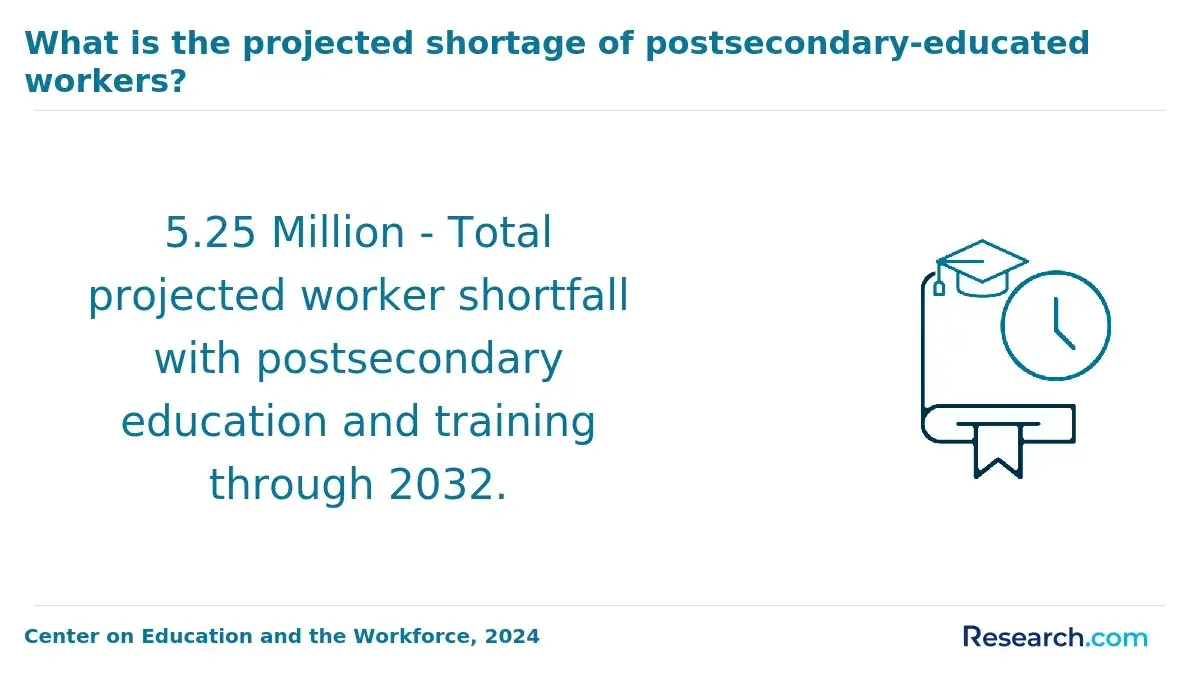
Job outlooks in human services specializations reflect future labor demand shaped by evolving societal challenges, policy shifts, and the interplay of technology with care delivery. The strength of a specialization's prospects hinges less on present employment volume and more on adaptability to emerging system needs, such as regulatory changes, digital integration, and demographic trends.
- Clinical Social Work and Counseling: Projected by the U.S. Bureau of Labor Statistics to grow 11% through 2032, this specialization benefits from expanding mental health awareness and insurance reforms that broaden access to care. The resilience against automation is high due to the need for complex interpersonal skills and empathy. However, state-specific licensure requirements create geographic and procedural barriers, requiring candidates to navigate uneven regulatory landscapes.
- Substance Abuse and Addiction Counseling: Driven by the persistent opioid crisis and increased government funding for recovery programs, demand here is expected to exceed 10% growth over the coming decade. Employers seek practitioners skilled in evidence-based treatments, which positions graduates favorably in both public health agencies and private treatment centers. Rapidly evolving treatment protocols and policy shifts require ongoing professional development to maintain efficacy and compliance.
- Gerontology-Focused Human Services: The surging elderly population sustains stable demand for specialists in elder care coordination and aging policy. This specialization aligns with long-term demographic trends, making it less volatile to economic cycles. Yet, the sector faces challenges in integrating technology solutions for remote monitoring and support, demanding workers with hybrid care and tech facilitation skills.
- Disability Services Administration: Regulatory complexity and funding variability shape this field's steady demand, particularly within governmental and nonprofit segments. Professionals adept at navigating compliance, grant management, and program development remain indispensable despite limited growth velocity. The role's administrative nature shields it somewhat from automation but may offer lower salary growth compared to clinical paths.
A professional who pursued a master's with a focus on clinical social work reflected on the practical challenges beyond enrollment statistics. She recounted how initial enthusiasm waned as she encountered the intricacies of state licensure hurdles that delayed her ability to practice in her preferred location. Balancing supervision hours while managing demanding client caseloads proved taxing, and she noted the constant need to update clinical skills amid evolving mental health frameworks. Despite these obstacles, she recognized that the specialization's consistent demand provided a clear employment pathway, yet cautioned others to weigh licensure constraints heavily when selecting their focus area.
Which Human Services Master's Specializations Have the Best Long-Term Salary Growth?
Long-term salary growth in human services master's specializations is shaped more by evolving industry demand, leadership opportunities, and scarcity of advanced expertise than by entry-level salaries. Some fields start with modest compensation but compound significantly as regulatory requirements tighten, experience accumulates, and professionals ascend into higher-impact roles increasingly crucial to social infrastructure.
- Clinical Mental Health Counseling: Increasing societal focus on mental health drives expanding demand for licensed clinicians, whose salaries grow notably as they progress into supervisory or administrative roles. Data from the U.S. Bureau of Labor Statistics highlights leadership conversion rates in this sector, with licensure acting as a key barrier creating scarcity at senior levels, thus enabling wage acceleration over time.
- Healthcare Administration: This specialization links clinical knowledge with organizational leadership, positioning graduates for executive roles within hospitals and nonprofit agencies. PayScale analysis reveals growth compounded by rising responsibilities and the sector's expanding complexity, enhanced by policy shifts and increased healthcare funding.
- Gerontology: Demographic changes driving aging populations create sustained demand for specialists managing eldercare policies and programs. The combination of clinical and administrative expertise fosters resilience to automation, while scarcity of senior-level managers in aging services supports steady compensation increases, according to recent labor market analyses.
- Substance Abuse Counseling and Social Work Management: Professionals with interdisciplinary skills and leadership capacities in these fields benefit from broad organizational applicability and rising demand linked to public health priorities. Glassdoor Economic Research notes these roles often transition into high-impact administrative positions, accelerating earning potential with experience.
Factors such as required certifications, organizational leadership pipelines, and geographic demand differentials further influence these long-term trajectories. Prospective students should weigh these dynamics alongside short-term outcomes, including understanding workforce variability akin to shifts observed in the job outlook for medical billing and coding, to align specialization choice with career goals and realistic salary growth expectations in human services master's programs.
What Skills Lead to the Highest Salaries in Human Services Careers?
Salary variation in human services careers hinges less on holding a master's degree alone and more on cultivating specialized competencies that directly affect organizational outcomes and leadership roles. Data consistently show that professionals mastering certain skill sets secure faster promotions, command leadership positions, and gain entry to higher-paying niches within the field.
- Clinical Assessment and Intervention: Expertise in accurately diagnosing and treating complex mental health or substance use disorders unlocks access to licensed clinical roles, which tend to pay above median levels due to the required technical rigor and regulatory oversight, as validated by Bureau of Labor Statistics and PayScale research.
- Grant Writing and Fundraising: Skills facilitating resource acquisition through effective proposal writing and donor engagement are prized in agencies dependent on external funding, translating into senior administrative roles with higher salaries, supported by industry reports highlighting revenue-linked compensation growth.
- Program Development and Management: Leading multi-faceted service delivery initiatives with demonstrable impact empowers professionals to ascend into director-level positions, with compensation increases justified by accountability for outcomes and operational complexity, aligning with McKinsey workforce findings on program leadership value.
- Data Analysis and Outcome Measurement: Proficiency in analytics to evaluate client progress and program effectiveness responds to employer demands for evidence-based practice, creating leverage for salary premiums through strategic influence and performance metrics integration noted in recent Glassdoor Economic Research.
- Intercultural Competency and Crisis Intervention: Advanced capability in managing diverse populations and acute crises commands higher pay because it addresses critical risk management and compliance needs, reinforcing organizational resilience and specialized certification value highlighted in Lightcast labor reports.
A human services professional recounted hesitating during the rolling admissions cycle for a clinical specialization focused on intervention skills. Despite holding other credentials, delays in deciding whether to commit to additional certification meant passing on earlier application rounds. This uncertainty resulted in a lost opportunity for earlier placement in a higher-paying clinical role. Only after recognizing the direct salary impact of specific skill acquisition did the individual expedite enrollment, underscoring that timing, strategic preparation, and clear prioritization of high-value competencies influence both entry and earning trajectories in the field.
Which Certifications Increase Salary Potential After Graduation?
Certifications in human services function as strategic labor market signals that often accelerate salary growth by unlocking specialized roles, enhancing credibility in competitive hiring pipelines, and shortening time-to-promotion in technical or leadership tracks. Rather than optional credentials, these certifications validate expertise sought after by employers navigating increasingly regulated and outcome-driven sectors.
- Licensed Clinical Social Worker (LCSW): This credential is the most significant salary enhancer for graduates specialized in clinical or mental health areas. According to 2024 data from the U.S. Bureau of Labor Statistics and PayScale, LCSW holders earn 15-30% more than their non-licensed peers. The requirement of extensive supervised clinical hours and a rigorous exam ensures only proficient professionals qualify, which grants access to advanced clinical roles with leadership potential or private practice income streams. This specialization aligns with employer demand for regulated mental health services where higher compensation reflects legal liability and skill complexity.
- Certified Social Work Case Manager (C-SWCM): Focused on care coordination and resource management, this certification signals a tested ability to deliver efficient services in healthcare and social service programs. Glassdoor Economic Research highlights that C-SWCM holders tend to receive higher base salaries and steadier contract opportunities than uncertified social workers. While regional and agency-specific pay variations exist, this credential often reduces hiring friction and supports salary gains through demonstrated employer-valued competencies.
- Certified Rehabilitation Counselor (CRC): Targeting those in vocational rehabilitation and disability support, the CRC marks specialized counseling skills for individuals with physical or emotional disabilities. Lightcast labor market projections indicate that CRC holders experience above-average wage growth versus generalist case managers due to increasing workforce inclusion initiatives and demographic shifts. Candidates should weigh the time and costs involved in certification against the tangible premium earned in this specialized niche.
Graduates weighing certifications that boost salary in human services should also consider sector-specific demand, long-term career path alignment, and financial or time investment. Those seeking to complement their master's might explore relevant training options such as a medical assistant course online to diversify skills in evolving interdisciplinary settings.
How Do Online and Campus Specialization Salaries Compare?
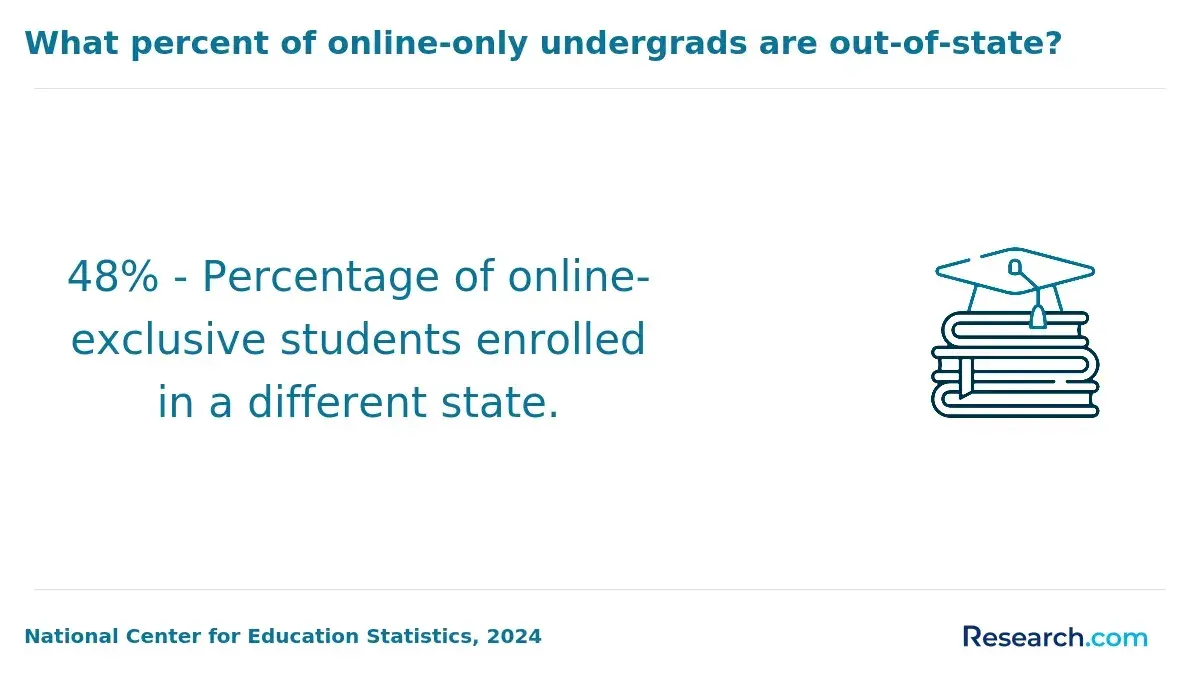
Differences in salary outcomes between online and campus-based human services master's specializations often stem less from the delivery mode and more from how programs integrate experiential learning and professional engagement. Employers increasingly accept accredited online degrees as legitimate, especially when they include applied internships or fieldwork; however, campus programs typically provide more structured access to in-person internships, community partnerships, and mentorship networks, factors that can enhance early career salary trajectories. The quality and relevance of practical learning opportunities, coupled with cohort interaction and program reputation, influence graduate earning potential more profoundly than whether the program is online or on campus. According to a 2024 report by the Georgetown University Center on Education and the Workforce, online social science graduates earn roughly 95% of what their campus counterparts make within five years post-graduation, indicating a narrowing gap but still a notable difference influenced by these structural factors.
For working professionals enrolled in online human services programs, salary progression may be slower initially due to part-time study schedules and reduced immediacy of networking opportunities compared to full-time campus students. Those attending campus programs often access established internship pipelines and face-to-face mentorship, accelerating job placement and salary gains early in their careers. Conversely, online students frequently balance employment with education, which can yield practical skills and on-the-job experience that complement academic learning, potentially offsetting delayed salary growth in the medium term. This dynamic underscores the tradeoff between immediate network-driven advantages of campus study and the flexible, experience-integrated pathway favored by many adult learners.
Employer perspectives on online credentials vary by specialization and sector, with fields like clinical social work or organizational leadership showing increasing neutrality toward delivery format when practical competencies are evident. Some online programs with robust industry partnerships and hands-on, project-based curricula rival or surpass certain campus offerings in workforce integration, leveling salary prospects. Ultimately, compensation patterns hinge on labor market signaling through applied skill development and professional networking rather than on program format alone, emphasizing that prospective human services master's students should prioritize program design and experiential components aligned with their target career paths.
Which Specializations Are Best for Career Advancement Among Working Professionals?
Career advancement in human services is shaped largely by specialization choice, where alignment with leadership pipelines, managerial readiness, and sector demand determines promotion trajectories and compensation growth. Certain master's specializations distinctly enhance upward mobility for working professionals by positioning them for roles with greater organizational impact and decision-making authority.
- Clinical Mental Health Counseling: This specialization offers a clear path to elevated clinical and leadership positions, such as licensed counselor or clinical director roles, which generally command higher salaries. Employment projections from the U.S. Bureau of Labor Statistics show above-average growth driven by rising mental health awareness, reinforcing demand for professionals who meet licensure requirements. However, credentialing length and cost delay peak earnings, making this track a strategic but longer-term investment in advancement.
- Healthcare Administration: Combining human services expertise with management skills opens doors to mid- and upper-level leadership in hospitals, clinics, and insurance organizations. Lightcast workforce data highlights increased employer demand for healthcare managers familiar with integrated care models, reflecting a trend toward interdisciplinary leadership. This specialization supports rapid advancement by facilitating moves into diverse management roles beyond traditional social service settings.
- Social Work Management: Focused on policy interpretation, grant oversight, and supervisory functions, this specialization enables quicker transitions into leadership within nonprofit and government agencies. Glassdoor Economic Research underscores the value of leadership competencies gained here for salary negotiation, although variability in employer pay scales may temper income gains compared to clinically focused or administrative tracks.
Are the Highest-Paying Human Services Specializations Also the Most Stressful?
Higher salary levels within human services master's specializations often reflect roles with expanded responsibility, complex decision-making requirements, and exposure to regulatory and ethical accountability. These factors inherently increase job pressure, as professionals are tasked with managing high-stakes client outcomes, compliance standards, and operational challenges. For example, clinical social workers handling severe trauma or healthcare administrators navigating staffing and financial performance issues report elevated burnout rates, a dynamic reinforced by data from the U.S. Bureau of Labor Statistics and workforce studies in 2024 showing that roles with top income potential frequently entail significant emotional and cognitive strain. This link between highest-paying human services master's specializations stress levels is more than correlation-it is rooted in labor market structures where compensation compensates for intensified workload demands and risk management responsibilities.
Stress intensity within these specializations can vary widely depending on organizational context, job design, and available support systems. Positions with substantial team collaboration or automation of routine tasks may moderate pressure, whereas frontline roles with high client interaction or crisis intervention often amplify it. Leadership and policy analysis roles may incur strategic stress distinct from clinical emotional labor, demonstrating that salary does not universally predict burnout but interacts with job nature and career stage. Current and prospective professionals should evaluate stress and salary comparison in human services careers alongside personal resilience, workplace culture, and long-term sustainability. Those interested in narrower, specialized paths might also consider roles like a forensic autopsy technician, which present unique stress profiles and compensation factors relative to direct clinical or administrative tracks.
How Can Students Align Specialization Choices With Long-Term Career Goals?
Choosing a specialization in a human services master's program should be treated as a deliberate long-term career strategy rather than merely an academic step. Specialization decisions strongly influence career trajectories, salary growth, and leadership prospects depending on their alignment with industry demand and personal career direction. Careful planning ensures that specialization choices support sustainable professional development and meaningful employability.
- Evaluate Labor Market Demand Trends: Analyze demand patterns using sources like the U.S. Bureau of Labor Statistics and labor market intelligence platforms such as Lightcast. This approach helps identify which specializations, like healthcare administration or mental health counseling, offer solid growth and salary prospects aligned with evolving workforce needs.
- Assess Skill Transferability Across Industries: Prioritize specializations that build versatile skills such as leadership, data analysis, or policy advocacy. These capabilities open doors beyond traditional human services roles, extending opportunities into government agencies, nonprofits, or private sectors.
- Map Specialization-to-Role Pathways: Understand the direct career roles tied to each specialization. For instance, substance abuse counseling might facilitate immediate placement in community agencies but could limit long-term salary escalation compared to administration tracks.
- Balance Short-Term Access With Long-Term Growth: Weigh immediate employability against future career mobility. Clinical roles often demand licensure and entail heavy emotional labor, while administrative tracks can offer steadier hours and upward movement but require analytical skills.
- Consider Lifestyle and Workload Implications: Recognize how specialization choice affects work-life balance. Roles with licensure or clinical duties might impact emotional well-being, whereas program evaluation paths may suit those favoring predictable schedules and professional stability.
Integrating these strategies aligns specialization selection with nuanced professional goals and emerging labor markets, reflecting best practices for matching human services master's tracks with long-term professional goals. For students exploring related clinical fields, reviewing the best online psychiatric mental health nurse practitioner programs can offer additional insights into specialization outcomes.
What Graduates Say About the Highest-Paying Human Services Master's Specializations
- Yitzchok: "After finishing my online master's specialization in human services, I realized that many employers value practical experience and certifications more than just licensure, especially for entry-level roles. I focused on building a portfolio through internships during the program, which helped me land a remote position faster than I expected. Still, I noticed salary growth tends to plateau without pursuing further clinical licensing down the line."
- Boston: "I found the flexibility of my human services master's specialization ideal for balancing work and study, allowing me to pivot careers smoothly. However, entering fields like counseling or social work without an LPC license posed challenges, as agencies prioritized candidates with formal licensure. That said, specializing in community program management opened doors where experience and project success took precedence over licenses."
- Adriel: "The reality is that competition for human services roles can be intense, and some employers emphasize certifications and relevant experience over academic credentials alone. My online program emphasized applied skills, which helped me secure a role in nonprofit administration quickly. Reflecting back, combining the degree with a focused internship made navigating the hiring process smoother than relying on my master's degree by itself."
Other Things You Should Know About Human Services Degrees
Specialization flexibility significantly affects your ability to tailor skills to specific employer demands. Programs that allow you to pivot between concentrations or integrate electives from related fields often enhance adaptability in a competitive job market. Prioritizing flexible programs is advisable if you anticipate changes in your career focus or want to increase your appeal to a broader range of employers.
Shorter programs can enable faster entry into the workforce but may sacrifice depth in specialized knowledge critical to high-paying roles. Conversely, longer, more intensive programs often demand greater upfront time and financial investment but position graduates for leadership or niche roles with higher salaries. Carefully weigh your current life circumstances and financial capacity against the likelihood that extended training will substantially boost your earning power over time.
In 2027, curriculum choices in high-salary human services master's specializations are primarily influenced by evolving societal needs, advances in technology pertinent to human services practices, and academic research. Employers' expectations also play a crucial role by emphasizing skills that address real-world challenges, such as crisis management and digital proficiency.
While program delivery format (online, hybrid, in-person) can affect work-study balance, specialization relevance to current or desired roles is more critical for salary gains. Working professionals should prioritize specializations that directly enhance their credibility and capability in target sectors over convenience factors alone. However, where multiple equally relevant specializations exist, choosing flexible delivery can reduce opportunity costs and improve program completion rates.
References
- Learn How To Earn A Master's In Human Services Online https://www.learnhowtobecome.org/best-online-masters-in-human-services-degree-programs/
- Potential Careers With a Master of Science in Human Services https://www.tuw.edu/health/master-of-science-in-human-services-potential-careers/
- 2025 Most Popular Online Master's in Human Services https://www.onlineu.com/degrees/masters-human-services
- What Can You Do With a Human Services Degree? https://www.snhu.edu/about-us/newsroom/social-sciences/what-can-you-do-with-a-human-services-degree
- What Are My Career Options After a Course in Human Services? https://columbia.ca/career-options-after-a-course-in-human-services/
- Humanity in Action: Understanding Human Services Degrees https://www.ucumberlands.edu/blog/humanity-in-action-understanding-human-services-degrees
- Types of Social Workers: Exploring the Many Fields in Which They Serve https://www.umassglobal.edu/blog-news/types-of-social-workers
- Top 15 Highest‑Paying Pharmacy Jobs in the UK 2025 (Including Salaries) https://apexlearning.org.uk/highest-paying-social-work-jobs-uk-2026/
- 5 High-Paying Jobs You Can Get with an MSW https://onlinedegrees.keuka.edu/blog/highest-paying-msw-jobs
- What Can I Do with a Degree in Human Services? https://www.herzing.edu/degree/human-services