
2027 Is a 2-Year Human Services Degree Worth It: Accelerated Bachelor's ROI & Time Trade-Offs

Co-Founder and Chief Data Scientist
Choosing to pursue a 2-year human services degree often raises concerns about time investment and financial return. Recent data shows accelerated bachelor's programs in human services can reduce time-to-degree by 30%, appealing to those eager to enter the workforce quickly.
This article examines the return on investment and time trade-offs of accelerated human services degrees. It aims to provide clear insights into career outcomes, earning potential, and program efficiency, guiding readers to make an informed choice aligned with their professional and financial goals.
Key Benefits of a 2-Year Human Services Degree
- Accelerated 2-year human services degrees offer faster entry into the workforce, reducing opportunity costs compared to traditional 4-year programs by approximately 50% in time.
- Graduates often see a positive ROI within 3 years due to lower tuition and earlier income, with median salaries around $35,000 to $45,000 depending on region.
- Such degrees provide foundational skills for diverse roles, enabling career advancement or further education without extended initial time commitments, improving long-term career flexibility.
How Do 2-Year Human Services Programs Work?
Two-year human services programs offer a streamlined pathway for students aiming to enter this growing field quickly. These accelerated degrees are ideal for those balancing work or other commitments while pursuing credentials, providing a clearer understanding of program structure is essential.
The following highlights core aspects that define the 2-year human services degree program structure and how they impact student progression.
- Accelerated pacing: Coursework is completed more quickly than traditional formats, enabling students to finish their degrees in less time, often saving about a year.
- Year-round enrollment: Programs frequently allow continuous admission throughout the year, giving students flexibility to start at multiple points and maintain steady progress.
- Condensed course terms: Semesters typically last 8 to 12 weeks instead of the usual 15, helping to sustain momentum but requiring intense focus.
- Credit load expectations: Students must manage a heavier credit load each term, demanding strong time-management skills to succeed.
- Instructional format: A blend of online, hybrid, and in-person classes is common, accommodating working adults and nontraditional learners.
- Assessment methods: Evaluations include written assignments, projects, and exams designed to measure both theoretical knowledge and practical skills.
- Curriculum progression: Students move through foundational topics such as counseling and ethics before advancing to specialized subjects like case management and community outreach, often completing internships or practicums for hands-on experience.
Those considering acceleration should also explore related options such as rn to bsn programs without clinicals, which offer flexible pathways in healthcare education.
Overall, understanding the accelerated human services degree coursework and workload helps prospective students align their educational goals with career demands in a field expected to grow significantly over the next decade.
What Are the Admission Requirements for a 2-Year Human Services Degree?
Knowing the typical 2-year human services degree admission criteria can help prospective students make informed decisions about their educational path, especially when considering accelerated bachelor's options. This understanding helps align time commitment and career outcomes while ensuring applicants meet program expectations.
Below is a detailed overview of common admissions requirements for these programs.
- Prior Education: A high school diploma or equivalent is generally required as the basic qualification for enrollment. This foundational criterion ensures readiness for college-level coursework.
- GPA Expectations: Most programs look for a minimum GPA around 2.0 to 2.5 on a 4.0 scale, though flexibility may exist for nontraditional or adult learners, supporting broader access.
- Standardized Test Requirements: Typically, SAT or ACT scores are not mandatory, particularly for community colleges or accelerated programs designed for quicker workforce entry.
- Prerequisite Coursework: Applicants might need to complete foundational classes in English, math, or social sciences. These courses prepare students with essential skills needed for advanced studies in human services.
- Work or Volunteer Experience: Some programs value prior experience in human services or related fields. This can demonstrate practical understanding and commitment to the profession.
- Additional Assessment: Submission of a personal statement or participation in an interview may be required to evaluate an applicant's motivation and interpersonal skills, which are critical in human services careers.
For students exploring requirements for accelerated human services programs, it's important to note that such options can significantly reduce time to degree and enhance return on investment.
Employment in this field is expected to grow faster than average, making timely admission and completion beneficial. Those interested may also consider related fields with expedited paths, such as the medical assistant degree online 6 weeks, which offers a rapid entry into healthcare support roles.
What Does a Typical Week Look Like in a 2-Year Human Services Program?
Grasping the weekly demands and structure of a 2-year accelerated human services program is crucial for prospective students to evaluate whether the pace and commitment align with their personal and professional goals.
This awareness helps set realistic expectations and prepares students for the intensity of the curriculum. Below is a breakdown of common weekly elements that characterize this fast-tracked educational path.
- Class sessions: Students typically engage in multiple classes weekly, including lectures, discussions, and interactive workshops that cover core human services concepts like social work foundations and case management.
- Assignments and assessments: Coursework involves frequent assignments such as reflective essays and scenario-based projects, alongside assessments designed to gauge both theoretical understanding and practical application.
- Group work: Collaboration plays a vital role, with team projects and peer discussions helping to build communication skills and replicate professional settings.
- Independent study: Significant time is allocated to self-directed learning, reviewing course materials, preparing for exams, and completing assignments, requiring discipline and focus.
- Instructor interaction: Support is available through office hours, online forums, and scheduled meetings, offering timely feedback and guidance critical to managing the accelerated workload.
- Time management: The intensive nature of the program demands strong organizational skills as students navigate a condensed timeline filled with rigorous academic tasks.
When asked about his experience, a professional who completed this 2-year accelerated human services degree shared that juggling the accelerated schedule was often overwhelming.
He described the constant balancing act as "a test of endurance and adaptability," where every week felt "packed with deadlines and group meetings."
He recalled moments of fatigue but emphasized how maintaining a strict calendar and clear priorities was essential. "The rapid pace forced me to grow quickly, not only academically but in managing stress and time," he reflected.
Are 2-Year Human Services Programs Available Online?
Choosing an online format for a two-year human services degree significantly impacts flexibility, accessibility, and time management for students juggling work and personal commitments. Online delivery allows learners to tailor their study schedule, making accelerated programs more achievable.
The following points explore various aspects of these online options.
- Fully online vs. hybrid formats: Programs may be entirely virtual or combine online coursework with occasional in-person sessions. Hybrid models often include synchronous live classes or limited campus visits, accommodating diverse learning preferences.
- Asynchronous and synchronous learning: Many courses offer asynchronous modules that let students complete lessons on their own time, while synchronous sessions create opportunities for real-time interaction and collaboration.
- Technology needs: Students require dependable internet access, a compatible computer, and standard productivity tools to navigate online platforms effectively. Meeting these tech standards is essential for smooth participation.
- Student support services: Robust virtual resources-such as online tutoring, academic advising, and career counseling-help maintain engagement and assist students in overcoming challenges linked to limited face-to-face contact.
- Pacing and engagement: The online format demands self-discipline but grants learners control over progress speed. Interactive elements like discussion boards and group projects foster connection and active learning despite physical distance.
How Much Does a 2-year Human Services Degree Cost?
Assessing the total cost of an accelerated human services degree is essential for determining its return on investment, particularly within a condensed two-year timeframe.
Total expenses encompass more than just tuition, requiring students to consider fees, textbooks, and technology, which all affect the financial commitment.
Understanding these components helps align educational choices with career and financial goals.
- Tuition structure: Accelerated programs often charge per credit hour or offer a flat rate for shorter, intensive terms. This contrasts with traditional timelines, potentially leading to higher per-term payments but fewer total terms, which influences overall costs.
- Fees: Additional fees may include administrative costs, lab access, or practicum requirements, especially relevant in human services fields that incorporate hands-on components. These supplemental expenses should be factored into any cost comparison.
- Textbooks and learning materials: Accelerated courses may require frequent updates to textbooks and digital resources, resulting in higher material costs compared to longer programs. These materials are vital for keeping pace with the curriculum.
- Technology and lab costs: With many accelerated programs relying on online platforms or specialized software, technology fees can add to expenses. Laboratory or practicum elements may also bring related costs, depending on program requirements.
- Impact of accelerated pacing: One advantage of accelerated degrees is reduced time spent in school, which can lower living expenses and opportunity costs. Despite similar per-credit fees, the shortened duration often translates into a more affordable path overall.
For those seeking affordable human services degree programs, evaluating these factors is critical. Exploring options such as a healthcare administration degree online might also provide insight into managing costs effectively while pursuing relevant career pathways.
Can You Get Financial Aid for 2-Year Human Services Programs?
For students considering accelerated human services programs, securing financial aid is a critical factor that can influence both feasibility and success. Understanding which funding opportunities are available helps prospective learners plan effectively for an expedited academic journey.
The following outlines key financial aid options and their implications for accelerated degree seekers.
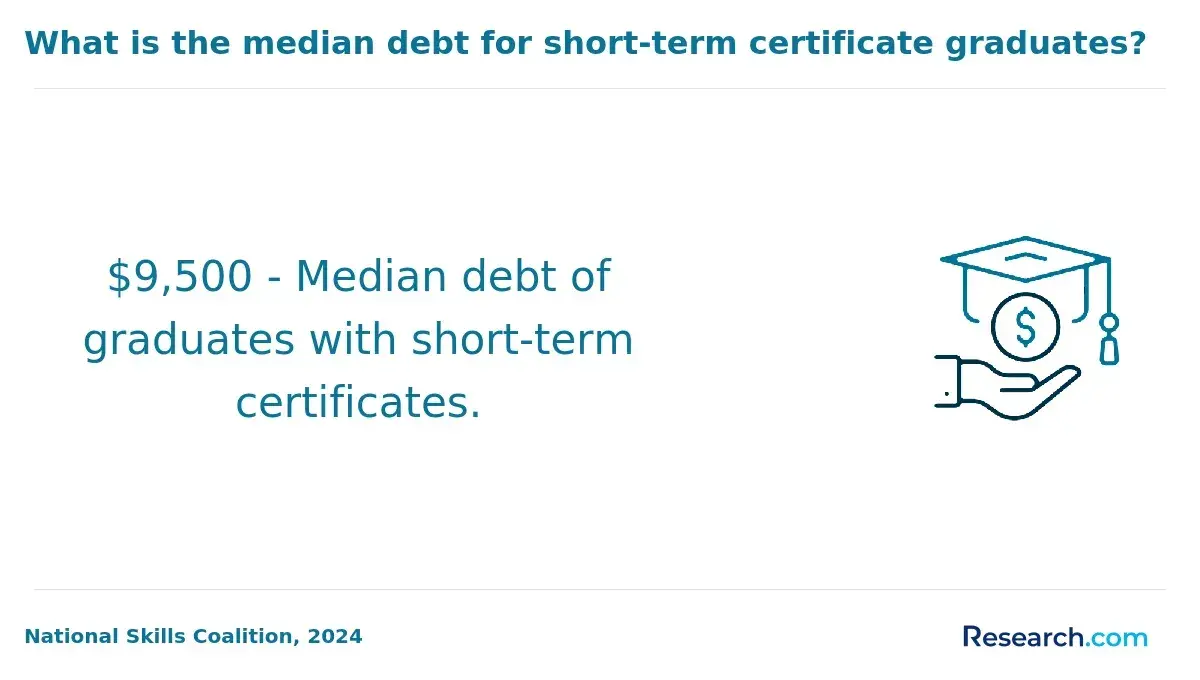
- Federal Student Aid Eligibility: Students enrolled in accredited two-year human services programs typically qualify for Pell Grants and Direct Loans by submitting the FAFSA.
- Scholarships and Grants: Many nonprofit groups and professional bodies offer merit- or need-based awards specifically for human services students. These can serve as vital supplements to federal aid, offsetting tuition costs and reducing out-of-pocket expenses.
- Employer Tuition Assistance: For working adults, employer-sponsored tuition programs can provide financial relief while balancing employment and study demands.
- School Payment Plans: Some institutions offer structured payment plans that divide tuition into monthly installments. This approach can ease immediate financial pressure by spreading costs over the course's duration.
- Impact of Accelerated Programs on Aid: While shorter completion times might affect qualification periods or disbursement patterns, students maintaining continuous enrollment generally remain eligible for federal and institutional aid.
When asked about her experience navigating financial aid, a professional who earned an accelerated bachelor's degree in human services shared, "Managing finances alongside a full-time job was daunting at first. The biggest challenge was understanding how my loan disbursements would come since the program's pace was faster."
She recalled that securing a combination of federal aid and employer support was crucial to completing her degree in just two years.
"Having that financial structure meant I could focus on my studies without constant worry about payments. It was definitely stressful at times, but knowing the aid options existed made the accelerated path not just possible, but rewarding."
Breakdown of All Fully Online Title IV Institutions

What Jobs Can You Get With a 2-Year Human Services Degree?
Evaluating the potential career outcomes is essential when considering the value of an accelerated human services bachelor's degree. Understanding the types of jobs available can help students align their educational investment with their professional goals.
Below is an overview of common roles and pathways for graduates of 2-year human services degrees.
- Case Manager Assistants: These entry-level positions involve supporting case managers by coordinating services and maintaining client records. Graduates in these roles work closely with vulnerable populations to ensure effective delivery of social services.
- Social Service Aides: Social service aides assist with client outreach and provide logistical support to social workers and counselors. This role often includes administrative duties and direct interaction with clients facing various social challenges.
- Substance Abuse Counselors' Aides: Supporting substance abuse programs, these aides help in client intake, monitoring, and education efforts. They contribute to treatment plans under supervision, helping individuals overcome addiction.
- Mental Health Technicians: Working in healthcare or community settings, mental health technicians provide basic care and support for clients with mental illness. This role requires compassionate interaction and observation skills.
- Workforce Readiness and Skill Application: The accelerated format emphasizes rapid acquisition of foundational counseling, crisis intervention, and resource coordination skills. Internships and field placements integrated into the curriculum provide valuable, real-world experience that improves employability.
Graduates can pursue careers with a 2 year human services degree in various sectors including nonprofit organizations, healthcare facilities, government agencies, and community outreach programs.
These roles often serve populations dealing with homelessness, substance use, and mental health challenges, reflecting the profession's community-focused emphasis.
For those weighing educational options, accelerated programs offer a quicker path to entry level human services jobs and early career development. This can be especially attractive for students balancing work or family while advancing their qualifications.
Prospective students may also wish to explore the cheapest online healthcare administration degree options as complementary pathways to increase career flexibility.
How Do Salaries Compare for 2-year Human Services Degree vs. Traditional Bachelor's Degrees?
Salary outcomes remain a crucial factor in evaluating the return on investment (ROI) for accelerated versus traditional degree paths in human services.
Prospective students often weigh the financial benefits against the time and cost of education, especially when deciding between a 2-year human services degree and a bachelor's degree.
Comparing typical earnings can help clarify which path may align better with individual career and financial goals.
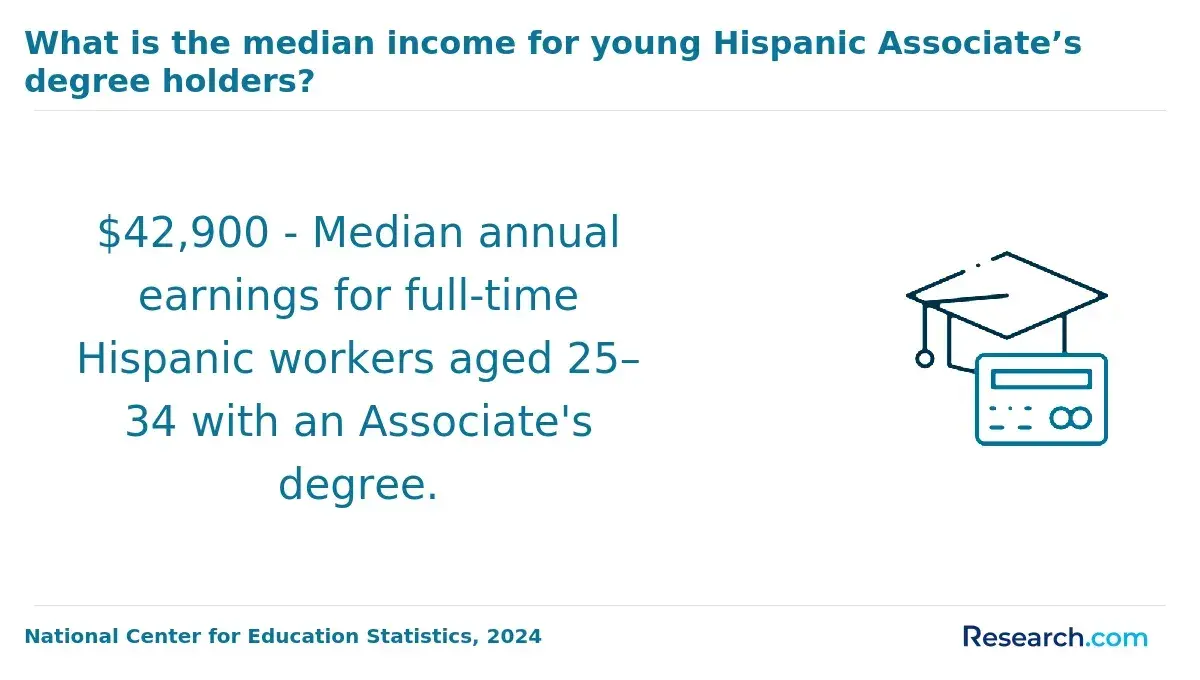
- Early-career earnings: Graduates with a 2-year human services degree typically earn between $30,000 and $40,000 annually, while those with a traditional bachelor's degree in related fields start closer to $45,000 to $55,000.
- Long-term earning potential: Over time, those holding bachelor's degrees generally achieve higher median salaries, often reaching $60,000 or more. A 2-year degree may limit career progression and maximum salary, although some individuals benefit from earlier workforce entry.
- Employer perception and advancement: Many employers view bachelor's degree holders as more qualified for supervisory or specialized roles, impacting opportunities for advancement. Human services bachelor's degree vs associate earnings comparisons highlight this gap.
- Career timeline and experience: Accelerated or 2-year programs save 1.5 to 2 years of study time, allowing graduates to gain work experience sooner. This earlier start can partially offset lower starting salaries through additional years of earnings and practical skills development.
Students considering these options should also explore pathways like the cheapest rn to bsn online programs, which can provide flexible routes to advance education and income potential in related human services fields.
Which Factors Most Affect ROI for Accelerated Human Services Degrees?
Return on investment (ROI) is a vital metric for students assessing accelerated human services degree programs, as it reflects the balance between educational costs and the financial and career benefits earned afterward.
Evaluating ROI helps learners determine whether the compressed timeframe and associated expenses will deliver meaningful advantages.
Several factors collectively shape the overall value of these accelerated degrees.
- Time-to-completion reduces the traditional four-year span to as little as two years, allowing graduates to enter the workforce sooner. This faster timeline can lower overall education expenses and quicken income generation.
- Tuition and total cost may be higher per credit in accelerated options, but fewer required credits or semesters often result in lower aggregate costs. Students should consider fees and eligibility for financial aid when calculating total expenditures.
- Opportunity cost savings arise because the shorter duration limits the time students are out of the workforce, minimizing lost earnings compared to longer programs.
- Employment outcomes are crucial, with growth in social and human service assistant roles projected well above the average. Acquiring relevant skills in demand enhances prospects for job placement and career advancement.
- Salary growth potential tends to be greater for those holding bachelor's degrees compared to associate degrees, supporting the financial returns of further education within human services fields.
- Transferability of skills gained through applied learning areas like counseling and case management increases adaptability across diverse sectors, helping graduates maintain career flexibility amid changing market needs.
How Do You Decide If a 2-year Human Services Degree Is Right for You?
Choosing whether a two-year human services degree suits you requires careful assessment of your learning preferences, available time, and career goals. These programs often move quickly and expect a significant time commitment, so consider if you can maintain consistent study hours alongside other responsibilities.
Reflect on how well you handle a fast-paced academic setting and whether you need immediate employment or can invest more time for a longer-term degree. Your professional priorities and urgency for entering the workforce also play crucial roles in deciding if this path aligns with your needs.
Financially, two-year human services degrees usually cost less and demand less time than four-year options, potentially offering quicker returns on investment.
Evaluate tuition against possible earnings by consulting labor statistics and employer requirements within your desired field to ensure the credential meets industry standards.
Career advancement sometimes needs higher degrees, so consider this when planning long-term. Additionally, investigate how the program's flexibility fits your lifestyle, whether for balancing work, family, or future educational goals to make an informed decision.
What Graduates Say About Their 2-Year Human Services Degree
- Pedro: "I chose the 2-year accelerated bachelor's degree program in human services because it allowed me to quickly enter the workforce without sacrificing quality education. Balancing work and study was challenging, but the program's flexible schedule made it manageable, and the average cost was surprisingly affordable. This degree has already opened doors for me in community outreach, and I feel confident in my ability to make a meaningful impact. "
- Marvin: "Reflecting on my journey, the intensive pace of the 2-year human services program pushed me to develop exceptional time management skills. I appreciated that the average cost of attendance was lower than many traditional routes, which alleviated financial stress. Professionally, this degree has enhanced my credibility and prepared me well for leadership roles in social services. "
- Bennett: "The decision to pursue a 2-year bachelor's degree in human services was driven by my need for a focused, cost-effective education option; with an average cost that fit my budget, it was a practical choice. Though the accelerated schedule was demanding, it taught me discipline and resilience. Now, as a certified case manager, I can confidently say this degree was instrumental in advancing my career and helping those I serve. "
Other Things You Should Know About Human Services Degrees
Employers in 2027 generally perceive accelerated bachelor's degrees in Human Services as credible, valuing the skills and knowledge gained through these programs. However, the reputation of the institution offering the degree and accreditation status can significantly influence employer perception.
An accelerated bachelor's degree in human services can significantly reduce the time needed to obtain a higher-level credential, enabling quicker eligibility for supervisory, clinical, or specialized roles that require a bachelor's degree or higher.
The shorter completion timeline can improve return on investment by allowing graduates to enter higher-paying positions sooner than their traditional counterparts. Employers often value this credential for its blend of knowledge and experience.
References
- 11 Types of Healthcare Degrees You Can Earn in 2 Years or Less https://www.herzing.edu/types/healthcare-degrees
- Human Services Degree: What Is It? What Can I Do with It? https://online.springarbor.edu/news/what-can-you-do-with-human-services-degree
- Investing in CTE: What the Data Tells Us About Workforce Returns – Accelerate MS https://acceleratems.org/news/investing-in-cte-what-the-data-tells-us-about-workforce-returns/
- Bachelor of Arts in Health and Human Services https://www.uagc.edu/online-degrees/bachelors/health-human-services-v2
- How We Calculated the Return on Investment of Associate Degrees and Certificates - Freopp https://freopp.org/whitepapers/how-we-calculated-the-return-on-investment-of-associate-degrees-and-certificates/
- Bachelor of Human Services Online https://www.grace.edu/programs/human-services/
- Is a Human Services Degree Right for You? https://www.ucumberlands.edu/blog/is-a-human-services-degree-right-for-you
- Human Services, BA (Online) https://calbaptist.edu/academics/programs/online-bachelor-of-arts-human-services/
- Two year accelerated degrees https://www.staffs.ac.uk/courses/undergraduate/study-options/two-year-accelerated-degrees
- Online Associate in Human Services: Compare 2yr Programs https://www.edumed.org/online-schools/human-services-degrees/associates/


