2027 What Prerequisites Do You Need for a Human Services Degree? Entry Requirements, Credits & Eligibility Rules

Co-Founder and Chief Data Scientist
Many students feel uncertain about the varying prerequisite requirements for a human services degree program, leading to confusion during application. Studies show that nearly 40% of applicants to human services programs lack some form of prerequisite coursework, affecting their admission chances.
This article outlines common entry requirements, credit expectations, and eligibility rules to help students better prepare for a human services degree. Understanding these prerequisites early allows applicants to plan their academic path efficiently and improve their likelihood of acceptance into accredited programs across the U. S.
Key Things to Know About the Prerequisites for a Human Services Degree
- Applicants typically need a high school diploma or equivalent with foundational courses in psychology, sociology, and communication to build relevant knowledge for human services studies.
- A minimum GPA of 2.5 to 3.0 is often required, reflecting academic readiness and the ability to handle coursework rigor in human services programs.
- Programs usually require 60-90 credits for completion, including practicum experiences and skills in counseling, case management, and cultural competency.
Do Human Services Programs Require Specific High School Prerequisites?
Human services degree programs typically do not require highly specialized high school prerequisites, but expectations vary by institution and program type.
Most colleges recommend completing foundational courses that develop key skills necessary for success in these programs, aligning with common high school course requirements for human services programs in 2027.
Students who prepare with core academic subjects often have better readiness for the academic demands of human services coursework.
According to the National Center for Education Statistics (NCES), retention rates improve among students who have completed at least three years of English and two years of social studies before entering social science-related degrees.
While specific mandates differ, these subjects generally form the basis for eligibility and workload preparedness.
- English: Developing strong written and verbal communication skills is essential for interacting effectively with clients and colleagues in human services roles. English courses promote critical thinking and clarity in expression, which are foundational to success in early coursework.
- Mathematics: Courses emphasizing statistics or basic algebra enhance analytical abilities and support the interpretation of research findings, which are increasingly important as evidence-based practice becomes central in human services.
- Social Studies (including Psychology and Sociology): These subjects provide insight into human behavior, social dynamics, and ethical considerations critical to professional responsibilities within human services.
- Science: While less emphasized, science courses foster analytical thinking and a methodical approach that benefit understanding of health-related and neurological factors that may arise in human services contexts.
For those exploring educational pathways, reviewing the best accelerated programs can be helpful to identify options that align with individual preparation and goals in human services degree programs.
What College-Level Prerequisites Are Required Before Starting a Human Services Degree?
College-level prerequisites are essential for students planning to pursue a human services degree to ensure they have the foundational knowledge necessary for academic success and smooth progression through the program.
Below are the most common college prerequisites for 2027 human services degree candidates:
- Introductory Human Services or Social Sciences: These courses provide a broad overview of the field's scope, equipping students with fundamental concepts and practices that inform later specialized studies.
- Statistics: This course develops critical skills in data analysis and research methods, which are vital for evidence-based decision-making in human services professions.
- Writing or English Composition: Effective communication is crucial for interacting with clients and preparing reports or grant proposals; these courses build those essential skills.
- Lab Science or Biology (Optional): Some programs include this prerequisite to deepen understanding of human behavior and biological influences, especially in health-related human services areas.
The human services degree entry requirements in 2027 reflect these foundational courses to promote academic preparedness and professional readiness. Enrollment trends indicate growing demand in social-science-related degrees, supporting the importance of these prerequisites.
Prospective students interested in pursuing further education might also explore easiest phds to understand additional opportunities aligned with their career goals.
How Many Credits Can You Transfer Into a Human Services Degree?
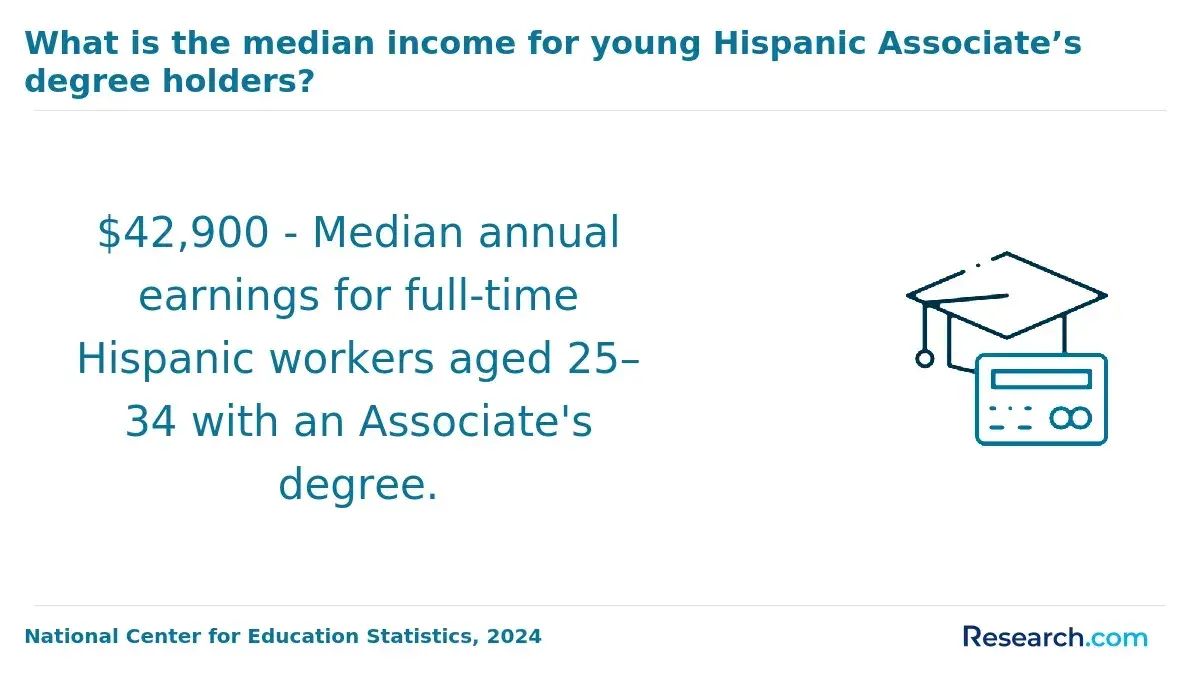
Typically, students can transfer between 30% and 75% of the total credits required for a human services degree, though this varies widely depending on the institution, the program's structure, and accreditation rules.
Many accredited schools allow up to 60 credit hours to be transferred, provided students meet specific residency requirements that mandate completing a certain portion of credits at the awarding institution.
Key factors affecting transfer eligibility include the level and relevance of prior coursework, with credits from associate or bachelor's degrees closely related to human services being favored.
Additionally, institutions often require a minimum grade-usually a "C" or better-for accepted courses, and prefer credits obtained from regionally accredited colleges.
Transfer credits generally need to align closely with the program's core curriculum or approved electives; unrelated courses or technical certificates are less likely to apply.
Other common limits include the age of credits, with some schools refusing courses older than 7 to 10 years, and caps that ensure residency requirements are met, often demanding that 25% to 50% of credits be earned directly through the institution.
One human services student shared that transferring credits was "a careful and sometimes frustrating process," emphasizing the importance of early communication with advisors. She explained, "I found out some credits didn't count because they were too old or didn't match the curriculum closely enough.
Still, once everything was sorted, it really streamlined my path and saved time and money." Her experience highlights the value of understanding these policies before enrolling.
Do You Need SAT or ACT Scores to Get Into a Human Services Degree Program?
Most human services degree programs no longer require SAT or ACT scores for admission, reflecting a growing trend toward test-optional or test-free policies nationwide. This change aims to dismantle barriers to higher education access and promote a more inclusive admissions process.
However, some competitive programs, public university systems, or applicants seeking merit-based scholarships may still need to submit standardized test results. Such requirements remain in place to help schools manage limited enrollment spots and assess candidates under traditional criteria.
In place of these tests, many institutions focus on other measures to evaluate applicants' qualifications more holistically. Common criteria include cumulative high school GPA, completion of relevant prerequisite courses in social sciences, and personal essays that highlight motivation and communication skills.
Letters of recommendation and portfolios showcasing community service or volunteer experience are also frequently considered. These alternatives help admission committees emphasize practical achievements and academic consistency over standardized test performance alone.
What Essential Skills Do You Need Before Enrolling in a Human Services Degree Program?
Before beginning a human services degree, students need several core skills to succeed both academically and practically. These abilities are essential because coursework demands strong understanding of social issues and effective communication with diverse populations.
Key skills include:
- Foundational Academics: Proficiency in reading comprehension, writing, and critical thinking is essential for analyzing social problems and preparing detailed case reports.
- Technical Competence: Familiarity with software like Microsoft Office and client management tools helps in managing documentation and performing data analysis efficiently.
- Analytical & Problem-Solving Skills: Being able to evaluate client needs and design appropriate support strategies is crucial in human services work.
- Communication Skills: Both oral and written communication are vital for interacting with clients and colleagues from varied backgrounds.
- Field-Specific Readiness: Empathy, cultural sensitivity, and ethical awareness prepare students to work respectfully with vulnerable groups.
When I spoke with a human services graduate about preparation, he recalled feeling overwhelmed by balancing technical learning with emotional readiness. "It wasn't just about mastering the software or writing papers," he said.
"Building empathy and understanding people's stories took time. Before enrolling, I focused on volunteering and self-reflection to develop those skills. That made the academic challenges more manageable and gave real meaning to the coursework."
His experience shows how personal growth alongside skill development is key before starting a human services degree.
Do You Need Professional Experience to Enter a Human Services Degree Program?
Whether professional experience is required to enter a human services degree program depends largely on the institution, program level, and area of focus. Many undergraduate programs accept students without prior work experience, often emphasizing academic qualifications instead.
Conversely, graduate programs and specialized fields like social work or counseling frequently expect or highly recommend relevant experience. Typical background can include six months to several years in roles such as community outreach, case aide positions, or volunteering with social service organizations.
While such experience is beneficial and can improve application strength, it is not always mandatory.
Human services programs often value practical experience because it signals readiness for advanced study and a real-world grasp of the field. Admissions committees may view professional experience as evidence of commitment and an ability to connect theory with practice.
Still, many entry-level programs remain open to applicants without previous experience, particularly if they demonstrate strong academic performance. Experiential learning remains a cornerstone of the discipline, and more competitive programs may prioritize candidates with a hands-on background to uphold professional standards.
What Tech Prerequisites Must You Meet Before Starting an Online Human Services Degree?
Online human services programs require specific technology standards to ensure students can fully engage with coursework, participate in discussions, and access learning materials without disruption.
Meeting these prerequisites supports smooth communication and collaboration, which are essential for effective training in this field. Students exploring online Human Services degree technology requirements in 2027 should prepare accordingly to avoid technical setbacks.
- Hardware Requirements: A computer or laptop with at least an Intel i5 processor or equivalent, 8GB of RAM, and a minimum of 256GB storage is recommended. These specifications allow software and virtual platforms to run efficiently for case studies, research projects, and interactive assignments common in human services education.
- Reliable Internet Connection: A high-speed internet connection with at least 10 Mbps download speed is essential. This ensures seamless streaming of video lectures and smooth participation in group calls and online discussions without lag, critical for timely communication with instructors and peers.
- Required Software and Platforms: Access to widely used learning tools such as Zoom, Microsoft Teams, or Blackboard is necessary. These platforms facilitate virtual classes, online discussions, and assignment submissions, all vital for course completion and skill development.
- Digital Literacy Skills: Basic proficiency in navigating online portals, submitting assignments electronically, and using office software like word processors and spreadsheets is expected. These skills help students manage coursework effectively and communicate clearly, reflecting the technical skills needed for Human Services degree admission.
Reliable technology supports the collaborative learning environment required for human services education, where students often work with vulnerable populations.
Staying up to date with technology not only aids academic success but can also provide an advantage in related career paths such as those highlighted among college majors that pay well.
What Prerequisites Do International Students Need for Human Services Programs?
International students applying to human services programs face additional prerequisites compared to domestic applicants due to visa regulations and educational credential assessments.
Below is a summary of the most common prerequisites for international students entering human services programs in 2026.
- English Language Proficiency: Most programs require proof of English proficiency through standardized tests such as TOEFL or IELTS because strong communication skills are essential for effective client interaction in the field.
- Credential Evaluation: International transcripts and degrees must be evaluated by recognized agencies to verify equivalence to U.S. educational standards, ensuring that students have adequate academic preparation for the program.
- Visa Documentation: Applicants must provide valid visa documentation, such as an F-1 student visa, and demonstrate compliance with relevant immigration laws to enroll legally in a U.S.-based program.
- Prerequisite Coursework: Some programs require completion of foundational courses in psychology, sociology, or social work. International students may need to complete these courses if they have not been covered by their prior education.
- Personal Statement or Interview: Programs often require a personal essay or an interview as part of the application to assess the student's motivation for a career in human services and their cultural adaptability.
Meeting these prerequisites is essential because human services programs emphasize interpersonal skills and cultural competence, which are critical for working with diverse populations.
This carefully regulated admission process also relates to transfer credits and eligibility rules, which are vital considerations within states such as Alabama when planning educational paths in this field.
For students looking to save money while beginning their academic journey, here's a list of the best inexpensive online colleges for your reference.
How Do Program-Specific Prerequisites Differ from General University Requirements?
General University Admission Requirements
- GPA Thresholds: Most universities require a minimum GPA, typically between 2.5 and 3.0, to ensure academic readiness for degree programs.
- English Language Proficiency: Applicants whose first language is not English must provide standardized test scores, such as TOEFL or IELTS, to demonstrate communication skills.
- General Education Coursework: Completion of basic general education classes is often mandatory before full admission, laying a foundation across subjects like math and humanities.
Program-Specific Prerequisites for human services degrees
- Required Coursework: Many human services programs expect prior classes in psychology, sociology, or statistics to build essential knowledge relevant to the field.
- Professional or Volunteer Experience: Demonstrating hands-on experience through paid or volunteer roles in social service settings is increasingly common and helps verify practical skills.
- Portfolio or Recommendations: Some programs request a portfolio submission or letters of recommendation confirming relevant community involvement or social work exposure.
These program-specific prerequisites for human services degrees in 2027 often extend academic timelines. Students without prior experience in social service environments may need extra semesters to complete preparatory coursework or accrue supervised fieldwork hours.
Conversely, meeting only the general university admission requirements for human services can offer immediate entry but may leave gaps in essential competencies.
According to the National Organization for Human Services, approximately 30% of accredited programs in 2023 required prior community work or social case management experience, underscoring the trend toward more specialized eligibility standards.
Applicants planning their educational paths should also consider the diverse jobs you can get with a vocational degree related to human services and social work, which often value both academic credentials and practical experience.
Do You Need to Pay for Prerequisite Courses Before Applying to a Human Services Program?
Students generally must pay tuition and fees for prerequisite courses before applying to a human services program. These courses can be completed at the same college offering the program, local community colleges, or through accredited online platforms.
Tuition rates vary significantly: community colleges often charge lower fees, averaging about $150 per credit hour nationwide, while four-year institutions typically have higher costs.
Online options range from free audit courses to paid classes that grant credits. It's essential to confirm credit transferability to the human services program to avoid redundant expenses.
Many students use financial strategies to reduce prerequisite course costs. Federal Pell Grants and state tuition assistance programs may cover eligible courses, helping lower out-of-pocket expenses. Scholarships geared toward adult learners or human services fields can also provide financial relief.
Additionally, transferring credits from community colleges to accredited programs is a common way to save money and time. Careful planning of course selection helps minimize unnecessary payments and speeds up eligibility for program admission.
What Graduates Say About the Prerequisites for Their Human Services Degree
- Channing: "Getting accepted into the human services degree program required me to complete some key prerequisite courses, but it was well worth the effort. The overall cost was manageable compared to other programs, and financial aid helped ease the burden. Since graduating, my degree has opened doors to meaningful roles in community outreach that I'm truly passionate about. "
- Philbert: "The cost of pursuing my human services degree was a concern initially, but being able to fulfill all the prerequisite requirements beforehand made the admission process smoother. Reflecting on my career growth, I can confidently say this degree laid a vital foundation for my success in social work. It's been a worthwhile investment in both time and money. "
- Bennett: "After carefully meeting the prerequisite coursework, I enrolled in the human services program and found the tuition fees reasonable for the quality of education received. Professionally, this degree has profoundly impacted my ability to design effective support programs and advocate for clients. I appreciate how practical and career-focused this education turned out to be. "
Other Things You Should Know About Human Services Degrees
In 2027, most Human Services degree programs require a high school diploma or equivalent. Some may recommend coursework in social sciences for better preparation, but it's not mandatory. Individual programs might have specific entry requirements, so it's best to check with the institution.
Online courses can be accepted as prerequisites for a Human Services degree in 2027, provided they are accredited. Prospective students should verify with specific programs, as acceptance could vary by institution. Accredited providers are typically listed by national education bodies.
Some human services programs may require criminal background checks, especially if the curriculum includes fieldwork or internships involving vulnerable populations. This requirement varies by institution and state regulations but is increasingly common to ensure client safety.
Orientation or preparatory seminars are not typically required as prerequisites for a Human Services degree in 2027. However, some programs might offer these seminars as part of their onboarding process to help students become acquainted with academic expectations and professional standards in the field.
References
- What do you learn in a bachelor's in human services? | edX https://www.edx.org/resources/what-do-you-learn-in-a-bachelors-in-human-services
- Human Services Degree Online | Bachelor in Human Services https://www.montreat.edu/online/human-services/
- Human Services Foundation https://www.fanshawec.ca/programs/hsf1-human-services-foundation/next
- Bachelor's in Human Services https://www.monroeu.edu/academics/undergraduate-programs/school-criminal-justice/bachelors-human-services
- Human Services Technology https://www.gtcc.edu/academics/academic-programs/programs/human-services-social-sciences/human-services-technology.php
- General Undergraduate Admission Requirements https://calendar.ualberta.ca/content.php
- Bachelor of Community and Human Services https://www.ecu.edu.au/degrees/courses/bachelor-of-community-and-human-services
- Human Services, Pre-Social Work Specialization, AAS https://catalog.brightpoint.edu/preview_program.php
- Human Services Degree Online https://www.snhu.edu/online-degrees/bachelors/ba-in-human-services
- Human Services Bachelor's Degree | Rasmussen University https://www.rasmussen.edu/degrees/human-services/bachelors/