2027 Can a User Experience Degree Lead to Remote Jobs?

Co-Founder and Chief Data Scientist
Remote work in User Experience (UX) has rapidly expanded, reflecting the sector's adaptability to distributed collaboration and digital project management. UX degrees increasingly emphasize hands-on training with industry tools such as Figma, Sketch, and Adobe XD, alongside simulated client projects that mirror Agile and Design Thinking workflows commonly used in remote teams.
According to the recent U.S. Bureau of Labor Statistics report, over 40% of UX professionals now engage in at least partial remote work, signaling a steady shift toward flexible employment models. This article explores how UX degrees equip graduates for remote roles and guides readers in assessing whether such positions align with their professional ambitions and practical expectations.
Key Points About User Experience Degrees That Lead to Remote Jobs
- Remote roles like UX researcher or interaction designer show strong employment growth but often demand specialized certifications or portfolios, leading to a tradeoff between time invested and immediate job access.
- Employers increasingly seek candidates with both UX theory and hands-on remote collaboration experience, emphasizing practical workflows that influence hiring and team integration processes.
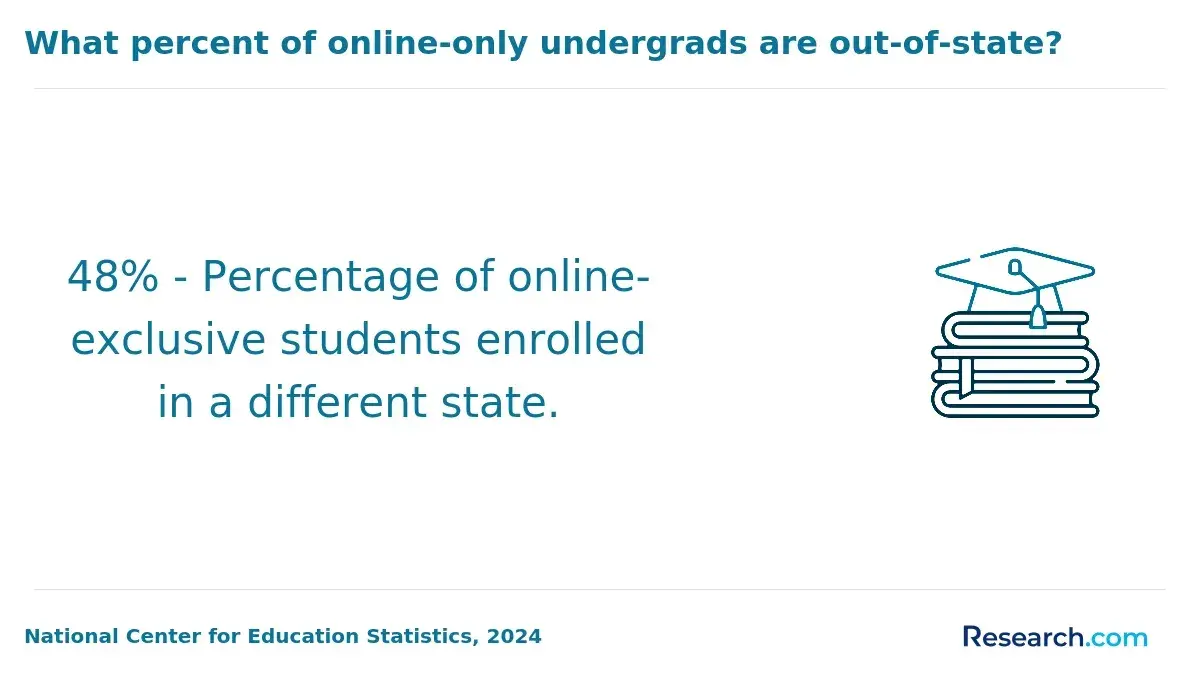
- The rise in flexible online UX programs reported by the National Center for Education Statistics expands access, yet prospective students must weigh program length and cost against accelerated entry into high-demand remote jobs.
Is it possible for User Experience graduates to work remotely?
Remote work options in user experience roles have grown but remain uneven across the field. While many positions, such as user experience designer, user researcher, or interaction designer, can accommodate remote or hybrid arrangements, some roles still require physical presence for activities like in-person user testing or team collaboration. This balance depends heavily on company policies, project workflows, and the need for direct stakeholder engagement.
Employers increasingly expect remote-ready professionals to exhibit strong communication skills, self-management, and fluency with digital collaboration platforms. User experience graduates aiming for remote roles should prioritize developing these competencies alongside technical skills during their education. Although many programs do not explicitly focus on remote work preparedness, possessing these traits significantly influences employability in distributed teams.
What are the typical entry-level remote positions for new User Experience graduates?
Entry-level remote positions are genuinely accessible for new user experience graduates, reflecting the digital competencies these roles demand and employers' increasing openness to flexible work arrangements. The following are five common positions that regularly accommodate remote or hybrid settings for those starting their careers in this field.
- UX Designer Junior: This role involves developing wireframes, prototypes, and user flows commonly through digital design platforms that support individual work. While remote work is feasible, junior designers usually engage in routine virtual meetings to align with teams and project requirements.
- UX Research Assistant: Entry-level researchers support user testing and data gathering, frequently using virtual interview and survey tools. Because much of the data collection and analysis can be managed online, this position is well suited to a remote setup.
- Interaction Designer: Focused on crafting interactive components and enhancing usability, interaction designers work primarily with digital products. The role leverages online prototyping and feedback tools, enabling effective collaboration without physical office presence.
- User Interface Designer: UI designers concentrate on the visual elements of user experience using software designed for cloud-based collaboration and version control. Their deliverables integrate smoothly into remote workflows, requiring consistent communication but minimal onsite time.
- Content Strategist Assistant: This position centers on planning and structuring content to improve user experience and relies heavily on shared documents and communication platforms. Because tasks are mainly digital and collaborative, remote or hybrid arrangements are standard in this role.
These entry-level remote user experience jobs largely thrive due to their dependence on digital tools rather than face-to-face interaction. Success in these positions demands disciplined time management and the ability to communicate effectively across asynchronous and synchronous work schedules. Graduates should anticipate a balance of independent work and scheduled virtual check-ins to maintain team cohesion.
For those evaluating their educational options to prepare for such remote roles, it's critical to focus on programs that emphasize collaboration technologies, practical digital skills, and real-world application. Exploring options that support flexible delivery, similar to the cheapest EdD programs online, can provide insights into how digital learning environments mirror the remote work structures common in user experience careers.
Are there senior-level remote positions for User Experience professionals?
Senior-level remote roles for user experience professionals do exist but are generally more accessible to those with substantial experience and proven leadership skills rather than recent graduates. These positions often require managing complex projects or teams, making remote work feasible due to their reliance on digital collaboration.
Below are five common senior roles that frequently offer remote or hybrid arrangements:
- Senior UX Designer: Leading design initiatives and mentoring junior team members, senior UX designers focus on refining interfaces through iterative research and feedback. Their responsibilities center on digital tools, facilitating remote collaboration with stakeholders and developers across locations.
- UX Research Lead: Tasked with shaping research agendas and interpreting user data, these professionals coordinate globally distributed research efforts. Remote workflows support their need to synthesize findings and advise design and product teams without being physically present.
- Product UX Manager: This role bridges user experience expertise with product strategy, overseeing user-centric development cycles. The heavy emphasis on cross-team communication and documentation lends itself well to hybrid or fully remote setups.
- Interaction Design Director: Focusing on interaction standards and design innovation, directors engage frequently with senior stakeholders to align vision and execution. Advanced virtual collaboration tools enable them to operate effectively from remote environments.
- Accessibility UX Specialist: Specialists in accessibility conduct audits, develop compliance guidelines, and champion inclusive design principles. Their work is documentation-heavy and research-driven, making remote engagement practical and efficient.
Senior-level remote user experience designer jobs often appeal because they leverage digital collaboration platforms and do not require physical presence. However, thriving in these roles depends on strong communication skills and the ability to coordinate diverse teams across time zones.
For students considering educational paths, understanding the operational realities of remote leadership roles in user experience can inform skill development and career planning, emphasizing management, research, and cross-functional coordination. Exploring programs like those offering the most affordable online school counseling degrees may also provide complementary skills valuable in managing team dynamics and stakeholder relationships within remote user experience roles.
Which industries hire the most remote workers with User Experience degrees?
Remote job opportunities for user experience graduates span multiple industries, each with distinct demands and operational models. Below are five key sectors actively recruiting remote UX talent, illustrating where skills in digital design and usability are most utilized outside traditional office environments.
- Technology: This sector continues to dominate remote UX hiring, driven by software companies developing cross-platform digital products. Roles often involve remote collaboration on UX research, prototyping, and iterative design, leveraging agile workflows to maintain team cohesion across locations.
- Financial services: Particularly in fintech, these firms require UX professionals who can improve mobile and web-based financial tools. The remote roles here frequently blend hybrid work to address compliance and security requirements while supporting innovative user interfaces for banking and investment applications.
- Healthcare: The rise of telehealth services and patient portal platforms has spurred demand for UX experts who can navigate regulatory complexities remotely. Hybrid models are common due to the need for secure environments and sensitive data handling, requiring UX teams to balance remote flexibility with occasional onsite work.
- Education technology: Online learning platforms create a consistent need for UX professionals to design accessible, interactive course interfaces. Remote work is prevalent given the dispersed nature of users and educators, with flexibility considered essential to accommodate global audiences and asynchronous collaboration.
- E-commerce and retail: As digital commerce evolves, these industries prioritize seamless shopper experiences through distributed UX teams. Remote roles focus on customer journey optimization and iterative testing, enabling companies to adapt quickly to shifting market preferences and user feedback without centralized office dependencies.
While these sectors offer significant remote UX employment, candidates should recognize the tradeoffs including limited in-person mentorship and reliance on strong digital communication skills. Understanding each industry's remote operational style can help graduates match their work preferences with realistic job environments and potential growth pathways.
How do salaries differ for remote vs on-site roles in User Experience?
Salary comparisons between remote and on-site roles for user experience graduates reveal distinct employer approaches. Many firms implement geographic pay adjustments, often resulting in lower salaries for remote workers relative to those on-site in expensive metropolitan markets. This reflects employers' efforts to match compensation with local cost-of-living differences rather than the specific responsibilities of user experience roles.
However, the average user experience wages remote versus on-site show exceptions in specialized positions. Roles requiring niche skills or advanced expertise, such as UX researchers or designers in emerging tech sectors, frequently command competitive salaries regardless of location. Employers seeking difficult-to-source talent may maintain or reduce fewer location-based salary cuts, emphasizing skill scarcity over geography in pay structures.
Understanding these salary dynamics is critical for user experience graduates evaluating remote job prospects. While remote roles may offer more flexible geographic options, compensation packages typically reflect regional market norms more than uniform national standards. For those interested in exploring advanced qualifications along this path, an EdD program can further enhance credentials aligned with evolving workforce demands.
What are the common challenges of working remotely with a User Experience degree?
Remote work in user experience roles continues to reveal practical challenges that extend beyond typical telecommuting issues. The intricacies of collaboration, communication, and team dynamics demand specific attention from user experience professionals adapting their workflows.
Below are common operational difficulties encountered while working remotely in this field:
- Collaboration delays due to asynchronous communication: User experience work relies heavily on iterative feedback and fast exchanges among cross-disciplinary teams. Remote settings often prolong response times, which can stall design cycles and complicate aligning on user needs. Coordinating overlapping schedules or adopting real-time collaboration tools helps mitigate these slowdowns.
- Diminished creative spontaneity during virtual meetings: The fluid idea generation that happens naturally in face-to-face brainstorming is often limited online. Virtual environments constrain quick interjections and nuanced reactions, impacting the diversity and flow of ideas. Integrating structured sessions with open-ended time or informal digital spaces can partially restore spontaneity.
- Heightened security risks with remote data access: Managing sensitive user data across dispersed locations raises concerns about version control and potential breaches. User experience roles must balance ease of access with strict security protocols, requiring investment in secure platforms and employee training to prevent exposure.
- Proximity bias influencing performance perceptions: Remote employees frequently face reduced visibility compared to on-site peers, affecting evaluations and project assignment equity. Overcoming this requires proactive communication and demonstrating impact through documented results to ensure recognition.
- Challenges sustaining consistent workflows across dispersed teams: Ensuring steady progress can be difficult when team members have varied environments, tools, and time zones. Creating clear processes and shared accountability frameworks is critical to maintaining momentum.
When discussing these dynamics with a user experience professional who completed an online bachelor's program, he emphasized the tension between autonomy and isolation. "You have to be very intentional about staying connected," he explained. Despite using multiple collaboration tools, the lack of casual check-ins led to feeling "out of sync" with design decisions.
He noted that managing versions of files securely demanded extra vigilance and sometimes disrupted his workflow. Performance evaluations felt "more transactional," and he needed to actively document contributions to counteract the invisibility remote work sometimes creates. His perspective underscores that effective remote user experience work demands deliberate strategies to navigate these nuanced operational challenges.
Are there certifications that can improve remote hiring outcomes for User Experience graduates?
Certifications can notably enhance remote hiring prospects for user experience graduates by validating practical skills that many employers prioritize alongside academic credentials. The following certifications are commonly recognized as impactful for securing remote roles and often require demonstrable project work or portfolio elements.
- Certified Usability Analyst (CUA): Offered by Human Factors International, this certification emphasizes usability testing and evaluation skills crucial for remote UX roles. Applicants typically complete coursework and pass an exam, aligning with industry standards that favor measurable competencies.
- UX Certification (UXC) from Nielsen Norman Group: Known for rigorous training and comprehensive curriculum, this credential signals proficiency in user research, design, and prototyping. The certification's reputation helps graduates stand out in distributed team environments looking for proven versatility.
- Interaction Design Foundation (IDF) certifications: These provide flexible, affordable coursework focused on theoretical and applied aspects of UX design. Completion often includes portfolio-ready assignments, which are vital for demonstrating remote work adaptability to employers.
- Google UX Design Professional Certificate: Designed as a practical, project-centered program, this certificate equips learners with end-to-end UX skills valued across global remote teams. It requires working on real-world scenarios, enhancing employability through demonstrable output.
- British Computer Society (BCS) UX credentials: With an emphasis on professional standards and usability, BCS certifications include portfolio components and knowledge assessments that align with remote workflow tools and collaboration demands.
Selecting certifications that include portfolio development and focus on collaboration tools used in remote settings tends to yield better outcomes. Many employers now seek applicants who combine user-centered design expertise with clear evidence of effective communication and online workflow proficiency. Candidates should also consider the time and financial investment required relative to career goals.
For graduates weighing options, practical certifications that integrate portfolio-building elements and remote teamwork skills strengthen remote hiring prospects for user experience graduates. Those interested in accelerated advancement might also explore the shortest MBA pathways that complement design expertise with business acumen targeted at distributed teams.
How can User Experience degree students increase the chances of landing remote roles?
Increasing the chances of landing remote roles for students holding a user experience degree requires targeted preparation that aligns with remote work demands. The following strategies emphasize practical approaches to stand out in virtual recruitment processes.
- Build a portfolio with comprehensive case studies: Creating detailed projects that showcase problem-solving, design thinking, and adaptability without relying on in-person contexts helps employers evaluate your skills objectively. Including project briefs and links to design files or code repositories illustrates technical proficiency and self-direction valued in remote settings.
- Focus on remote-first job platforms: Leveraging job boards like WeWorkRemotely, Remote OK, and AngelList connects candidates with companies actively hiring remote user experience professionals. This increases visibility in a competitive marketplace by targeting channels known for remote opportunities.
- Engage in professional communities: Participating in Slack groups or Discord servers dedicated to UX or remote work allows ongoing networking and direct access to hiring managers. These platforms often share openings and offer insights into employer expectations for remote candidates.
- Prepare for asynchronous assessments: Many remote recruiters use independent tasks to evaluate candidates' ability to communicate clearly and complete work autonomously. Practicing these helps demonstrate competence in managing responsibilities without immediate supervision.
- Develop virtual interview skills: Familiarity with digital collaboration tools and succinctly articulating design decisions in online interviews enhances your ability to convey value remotely. A clear presentation of your thought process is critical to overcome the lack of face-to-face interaction.
This approach reflects some of the best strategies for user experience students to secure remote positions by addressing the operational realities and expectations involved. For those considering broader educational options that might complement UX skills, reviewing fields like the human services degree can provide additional perspectives on workforce adaptability.
How do remote User Experience roles impact long-term career trajectory and promotions?
Remote user experience positions shape career progressions differently than traditional onsite roles because physical presence no longer serves as a visibility tool. Without casual hallway conversations or spontaneous meetings, professionals must rely on clearly documented outcomes and consistent communication through digital platforms. Advancement often depends on delivering measurable results and maintaining transparent updates using project management tools and video briefings.
Evaluation metrics shift focus from presence to impact, involving user feedback, completion of critical design milestones, and effectiveness in virtual collaboration environments such as Slack or Microsoft Teams. Remote leadership requires proactive communication, timely status reporting, and problem-solving initiative rather than simply managing by visibility.
To navigate remote career growth effectively, user experience practitioners should maintain comprehensive records of contributions, participate actively in virtual meetings, and seek frequent mentorship through scheduled one-on-one sessions. Developing remote facilitation and collaboration skills is also essential for demonstrating leadership across dispersed teams.
Embracing these adapted workflows creates opportunities for promotion but demands deliberate efforts to establish influence and drive results in a setting where informal recognition is limited, and visibility must be strategically earned.
Is a remote career in User Experience sustainable for the next decade?
Remote careers in user experience remain viable as organizations expand digital initiatives and embrace flexible work models in knowledge-intensive roles. This shift is supported by cloud-based collaboration tools and advanced remote testing platforms that enable seamless design workflows outside traditional offices. However, many employers still emphasize the need for strong communication skills and visible contributions to projects executed remotely.
Emerging technologies like artificial intelligence and machine learning are reshaping how user experience professionals analyze data and tailor designs, potentially increasing demand for those proficient in these tools. Yet, rapid changes in software and workflow norms require continuous learning to stay relevant. Economic fluctuations and shifting corporate cultures might periodically impact remote hiring, but the overall trend favors hybrid or fully remote roles.
A user experience professional who completed an online bachelor's program shared that transitioning into remote work demanded intentional adjustments beyond technical skills. He described frequently initiating check-ins to build trust with scattered teams and crafting detailed portfolios highlighting remote project roles to compensate for less face-to-face interaction.
He noted that while occasional in-person meetups helped, the bulk of collaboration depended on mastering virtual communication tools and managing time zones. For him, the sustainability of a remote UX career hinges on proactive engagement and consistent skill upgrades rather than relying solely on credentials or prior experience.
What Graduates Say About User Experience Degrees That Lead to Remote Jobs
- Paxton: "After completing my degree in user experience, I quickly realized that employers in this field weigh portfolios and hands-on internship experience much more heavily than formal licensure. Landing my remote role involved demonstrating practical skills through several freelance projects alongside my coursework. Working remotely has allowed me to engage with diverse teams globally, though it also means constantly adapting to different workflows and communication styles."
- Ameer: "My user experience degree gave me the foundational knowledge to pivot from graphic design into a remote role focused on UX research. The shift wasn't simple; I had to build a robust portfolio and obtain certifications to compete with candidates who already had several years of industry experience. The flexibility of remote work has been invaluable in balancing continuous learning and project deadlines, but I've noticed salary growth can stagnate without broader organizational roles or additional qualifications."
- Nathan: "Graduating with a user experience degree opened doors to remote opportunities faster than I expected, largely because many employers prioritize practical skills and adaptability over formal licensing. However, securing those roles was competitive, requiring me to highlight my internships and real-world problem-solving experiences in interviews. Working remotely has sharpened my self-management skills, though it also means missing out on some of the spontaneous collaboration that office environments naturally foster."
Other Things You Should Know About User Experience Degrees
Programs with a strong focus on collaborative projects, real-world client engagement, and digital tools usage tend to better prepare students for remote roles. Those who rely heavily on in-person critiques or fixed schedules may leave graduates less comfortable with asynchronous communication and self-directed pacing, which are critical in remote contexts. Prioritizing programs that incorporate remote teamwork simulations and digital portfolio development offers graduates a practical edge when employers expect immediate proficiency in virtual collaboration.
Specialized UX degrees often provide greater technical and research skills but may have narrower industry recognition, which can limit initial job options if remote employers seek broader design capabilities. Conversely, broader design programs might offer more adaptable skill sets but less focus on user-centered methodologies critical for UX roles. For students prioritizing remote employment, choosing a program that balances specialized UX competencies with transferable digital design skills typically yields better flexibility in landing diverse remote positions.
User experience degree programs equip graduates with skills critical for remote jobs, enhancing employability. In 2027, structured programs promoting adaptability and digital proficiency will be crucial for remote UX roles, supporting improved work-life balance by fostering efficient virtual communication and project management skills.
Remote UX roles often require continuous skill refinement due to rapidly changing tools and methodologies, making static degree knowledge insufficient over time. Graduates who proactively engage in regular upskilling through workshops and community participation tend to maintain competitive standing and experience steadier career growth. Prioritizing degrees that instill a mindset of lifelong learning and provide access to evolving digital resources better positions individuals for sustained success in remote UX careers.
References
- The UX Designer Career Path: From Portfolio to Promotion https://designlab.com/blog/ux-designer-career-path
- Remote Entry Level UX Designer Jobs | Working Nomads https://www.workingnomads.com/remote-entry-level-ux-designer-jobs
- Remote Design + UI + UX Jobs https://remoteok.com/remote-design+ui+ux-jobs
- Entry-Level UX & Product Design Jobs – Open Doors https://opendoorscareers.com/jobs
- Remote vs. Onsite Developer Hiring: Which Is More Cost-Effective for Mid‑Sized Businesses? https://distantjob.com/blog/hire-affordable-developers/
- 5 Problems and Solutions for Remote Work in Design - RP UXCollab https://www.revivalpixel.com/blog/5-problems-and-solutions-for-remote-work-in-design/
- Work From Home UI/UX Jobs: 64 UI/UX Remote Jobs (2025) https://internshala.com/jobs/ui-ux-jobs/work-from-home/
- Remote Jobs vs Onsite Pay Comparison Guide 2025 Pro https://aciano.net/blog/remote-onsite-pay/
- Build a Successful User Experience Designer Career in 2025 https://www.lastingdynamics.com/blog/user-experience-designer-career-2025/
- Remote Design Jobs | Work From Home Roles 2025 https://uiuxjobsboard.com/design-jobs/remote