2027 Can an Adult Gerontology Primary Care Nurse Practitioner Degree Lead to Remote Jobs?

Co-Founder and Chief Data Scientist
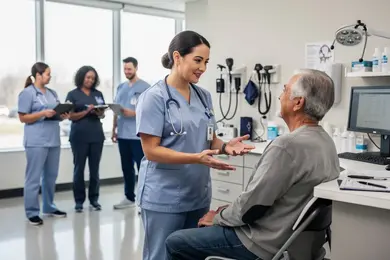
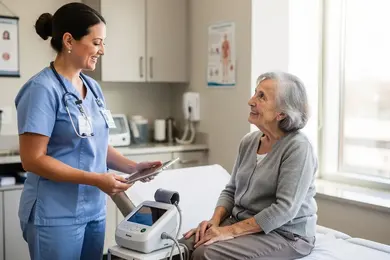
The remote work landscape for Adult Gerontology Primary Care Nurse Practitioners (AGPCNPs) is evolving amid growing demands for virtual healthcare delivery. AGPCNP programs increasingly incorporate training in electronic health records (EHR) systems like Epic and Cerner, alongside digital simulation labs that cultivate telehealth competencies essential for remote practice.
Despite stringent clinical hour requirements mandating in-person patient interaction for licensure, the rise in telemedicine use has expanded opportunities for remote patient management. According to the U.S. Bureau of Labor Statistics' 2024 report, nearly 25% of nurse practitioners engage in some form of telehealth, signaling a stable shift toward distributed care models.
This article examines the alignment between AGPCNP qualifications and remote job prospects, assisting readers in assessing how these roles match their professional objectives.
Key Points About Adult Gerontology Primary Care Nurse Practitioner Degrees That Lead to Remote Jobs
- Emerging telehealth roles for adult gerontology primary care nurse practitioners require specialized certifications in virtual care, reflecting employers' emphasis on digital clinical proficiency beyond standard curricula.
- Employment growth in remote patient management is fueled by aging populations, but candidates face competition from diverse healthcare professionals, prompting a need for demonstrable adult care expertise and telemedicine experience.
- Online program flexibility, noted in recent National Center for Education Statistics data, enables faster credential attainment, yet students must balance reduced hands-on practice opportunities, impacting readiness for all telehealth demands.
Is it possible for Adult Gerontology Primary Care Nurse Practitioner graduates to work remotely?
Remote work options for adult gerontology primary care nurse practitioner graduates are increasing but remain relatively uncommon compared to conventional clinical roles. Most remote opportunities take the form of hybrid positions, blending virtual responsibilities like telehealth consultations, case management, and patient education with required on-site clinical duties.
Fully remote roles are rare due to the essential need for physical assessments and direct patient interaction intrinsic to adult and gerontology care.
Employers such as outpatient clinics, telemedicine providers, and insurance companies are adopting virtual platforms to varying degrees, which creates some openings for this specialization in remote or hybrid formats.
Success in these roles demands proficiency with telehealth technologies and effective communication tailored to remote care delivery. Graduates should weigh these technical and operational demands along with the limited availability of fully remote jobs when planning their job search strategies.
What are the typical entry-level remote positions for new Adult Gerontology Primary Care Nurse Practitioner graduates?
Entry-level remote positions for new adult gerontology primary care nurse practitioner graduates are available, though less prevalent than traditional clinical roles. Growth in telehealth and digital health systems has created several roles aligning with the skill set and licensure of these practitioners.
Below are some typical remote job titles suited for recent graduates in this field:
- Telehealth Nurse Practitioner: This position primarily involves virtual patient evaluations and ongoing care via telecommunication platforms. Tasks include managing chronic illnesses, prescribing treatments, and educating patients, with work often performed entirely remotely.
- Remote Care Coordinator: Focused on overseeing patient care plans and facilitating transitions between healthcare settings, this role relies heavily on remote communication methods such as phone calls and secure electronic messaging, making it well-suited for remote work.
- Clinical Nurse Consultant for Health Technology Companies: These consultants offer clinical expertise to developers of virtual care technology, guiding nurse-led models and workflows. The role frequently allows for fully remote collaboration with product teams and clients across different locations.
- Medical Call Center Nurse Practitioner: Engaged in triage and initial assessments over the phone, these practitioners provide clinical advice and guidance for patients contacting health services. The position's reliance on telecommunication supports remote or hybrid arrangements.
- Chronic Disease Management Nurse Practitioner: Employed by remote monitoring services, these practitioners review patient data remotely and adjust treatment plans accordingly. Follow-up consultations and education are conducted via telehealth platforms, supporting a virtual work environment.
Successfully entering remote nursing roles for new adult gerontology primary care nurse practitioners depends on adapting clinical skills to digital tools and demonstrating proficiency with electronic health record systems. Employers often prioritize candidates capable of autonomous work with strong communication skills.
For nurses exploring continuing education options that can support flexible care roles, hybrid or remote learning pathways such as an RN to BSN online program can complement clinical training by offering adaptable scheduling to balance work and study commitments.
Are there senior-level remote positions for Adult Gerontology Primary Care Nurse Practitioner professionals?
Senior-level remote positions for adult gerontology primary care nurse practitioner graduates are limited but do exist, primarily in roles that integrate clinical expertise with leadership, education, or system-level oversight rather than direct patient care. These specialized jobs usually emphasize strategic responsibilities that accommodate telecommuting.
Below are five examples of senior remote or hybrid roles suited to this specialization:
- Telehealth Clinical Director: Responsible for managing telehealth service delivery and ensuring care quality in virtual settings. This role includes supervising telehealth operations, training staff, and collaborating with technology teams, making remote work viable and often preferred.
- Advanced Practice Provider Consultant: Offers expert consultation to healthcare organizations on clinical policies, practice standards, and scope of work. The advisory nature of this position frequently allows for remote engagement through virtual meetings and documentation.
- Clinical Educator for Telemedicine Programs: Develops and implements remote training curricula for healthcare professionals focusing on gerontological care. Given the dispersed learner base across healthcare networks, education delivery is largely virtual.
- Quality Improvement Manager in Geriatrics: Spearheads initiatives to enhance care protocols and outcomes for older adult populations. This role involves extensive data analysis and protocol development that can be conducted through remote coordination with clinical teams.
- Healthcare Informatics Specialist: Integrates gerontology patient data into electronic health records and optimizes digital workflows to support care delivery. Typically remote-friendly due to reliance on informatics systems and software analytics.
These roles reflect a growing segment of remote senior care nurse practitioner positions in the United States where the focus shifts from hands-on patient treatment to strategic, analytical, and educational functions. Candidates should recognize that strong tech proficiency and interdisciplinary communication are prerequisites.
For those assessing educational pathways, it is worth considering program elements aligned with telehealth, data analytics, or healthcare leadership to better position themselves for these remote senior care nurse practitioner roles.
For additional perspective on nursing program requirements affecting progression to advanced roles, review whether the answers to "Do all nursing schools require the TEAS?" affects your pathway options.
Which industries hire the most remote workers with Adult Gerontology Primary Care Nurse Practitioner degrees?
Remote work options for adult gerontology primary care nurse practitioners exist across various industries, though availability and role nature differ widely. The following sectors represent the largest employers of remote professionals holding this credential:
- Telehealth and Telemedicine Providers: These organizations primarily hire nurse practitioners to deliver virtual patient care, including chronic condition management, tele-assessments, and follow-ups without onsite requirements. Their reliance on digital platforms creates one of the most accessible remote job markets within nursing.
- Health Insurance: Remote roles focus on claims review, care coordination, and utilization management that leverage clinical expertise without direct patient contact. Nurse practitioners in this sector contribute to decision-making processes that influence treatment authorization and policy enforcement.
- Pharmaceutical and Biotechnology Firms: These industries recruit for positions involving remote clinical trial oversight, patient education related to drug protocols, and medical liaison duties supporting research teams. Roles tend to emphasize data monitoring and interdepartmental communication rather than hands-on clinical care.
- Government and Public Health Agencies: Some agencies employ nurse practitioners remotely to assist in community health initiatives, chronic disease prevention programs, and health policy development. These positions balance program implementation with analytical and advisory responsibilities.
- Education and Training: Universities and online education entities engage nurse practitioners for virtual teaching, curriculum design, and student mentorship. These roles demand both subject-matter knowledge and proficiency in digital instruction but lack traditional clinical workload.
Although telehealth remains the most straightforward pathway to fully remote patient care, many sectors blend remote and onsite demands due to clinical requirements like physical assessments. This hybrid dynamic shapes both hiring practices and career trajectories, making it critical for practitioners to evaluate which industries align with their flexibility needs and professional strengths.
How do salaries differ for remote vs on-site roles in Adult Gerontology Primary Care Nurse Practitioner?
Salary differences between remote and on-site roles for adult gerontology primary care nurse practitioner graduates reflect broader employer strategies that factor in location-based cost variances. On-site positions typically offer higher base pay, driven primarily by the requirement to maintain physical presence and accommodate local cost of living.
Remote roles, however, often come with geographically tiered compensation, where salaries are adjusted downward if the employee lives in a lower-cost region. This approach allows healthcare organizations to manage labor costs more efficiently while expanding their candidate pools.
Despite average pay reductions for remote adult gerontology primary care nurse practitioner positions, specialized roles within this field can blur the lines between on-site vs. remote salary disparities. High-demand niches with limited talent pools are frequently compensated competitively regardless of work setting.
Those evaluating adult gerontology primary care nurse practitioner job opportunities should also consider how workplace flexibility is balanced with compensation policies. For detailed insights on flexible learning options that can support such career paths, explore the best self paced online college programs available.
What are the common challenges of working remotely with a Adult Gerontology Primary Care Nurse Practitioner degree?
Remote roles for adult gerontology primary care nurse practitioners introduce operational and professional hurdles that differ notably from onsite practice. The unique responsibilities of this role, combined with virtual workflows, require strategic adaptations. Below are key challenges that often arise when delivering care and collaborating remotely:
- Communication delays and coordination issues: Remote settings can slow down vital information exchange, risking clinical errors and misaligned team efforts. Nurse practitioners must leverage reliable digital tools and establish clear communication protocols to maintain care quality.
- Strict data security and privacy compliance: Protecting patient confidentiality remotely demands rigorous adherence to laws like HIPAA, often requiring encrypted communication channels and secure networks. Practitioners must remain vigilant to avoid breaches that carry severe legal and professional consequences.
- Reduced visibility in clinical decision-making: Being offsite can lead to diminished inclusion in team discussions and administrative decisions, impacting performance assessments and career opportunities. Proactively showcasing contributions and engaging in virtual meetings can mitigate this bias.
- Dependence on robust technology infrastructure: Reliable devices and secure internet connections are foundational. Technological failures can interrupt patient care and complicate documentation, so nurse practitioners need contingency plans and tech proficiency.
- Challenges in building patient rapport remotely: Establishing trust through telehealth platforms is more complex than in-person encounters, requiring advanced communication skills and consistent presence to ensure effective therapeutic relationships.
When I asked a graduate adult gerontology primary care nurse practitioner who completed an online bachelor's program about their remote work experience, they recounted how adapting to multiple telehealth systems initially felt overwhelming.
"It wasn't just learning new software but managing every detail myself—from documentation accuracy to verifying patient identity," they explained. They also noted feeling isolated from informal team interactions that happen naturally onsite, which sometimes made it harder to seek advice quickly.
Despite these challenges, they emphasized the importance of setting structured schedules and leveraging frequent virtual check-ins to stay connected and maintain high care standards.
Are there certifications that can improve remote hiring outcomes for Adult Gerontology Primary Care Nurse Practitioner graduates?
Securing certifications can be a decisive factor in improving remote hiring outcomes for adult gerontology primary care nurse practitioner graduates. These credentials verify advanced clinical capabilities and align candidates with employer expectations for remote roles. The following certifications hold particular relevance:
- ANCC Adult-Gerontology Primary Care Nurse Practitioner Certification: This credential from the American Nurses Credentialing Center validates specialized clinical expertise in adult-gerontology primary care. It is widely recognized by employers seeking nurse practitioners who meet rigorous national standards, typically requiring graduation from an accredited nurse practitioner program and passing a comprehensive exam.
- AANP Adult-Gerontology Primary Care Nurse Practitioner Certification: Offered by the American Association of Nurse Practitioners, this certification confirms competence in primary care for adult and geriatric populations. It enhances employability across multiple states, often requiring an active RN license and completion of an accredited NP program.
- Basic Life Support (BLS) and Advanced Cardiovascular Life Support (ACLS): These fundamental certifications demonstrate readiness for urgent clinical interventions crucial in primary care settings and telehealth environments. Employers usually require valid certification from recognized providers as a baseline credential.
- Board Certification in Geriatric Nursing (RN-BC): Provided by the ANCC, this auxiliary certification highlights expertise in geriatric nursing care that supplements primary care qualifications. It requires clinical practice experience and passing a specialty-focused examination.
- Telehealth Certification Programs: Accreditation from organizations like the National Consortium of Telehealth Resource Centers signals proficiency in delivering virtual care. This certification adapts clinical skills for remote practice, increasingly favored in hiring decisions for adult gerontology primary care nurse practitioner roles.
Employers, especially those hiring for remote adult gerontology primary care nurse practitioner positions, emphasize certifications that reflect adherence to clinical standards and capability to navigate cross-jurisdictional credentialing. While foundational life support credentials matter, board certifications such as the AGPCNP hold more weight for remote employment.
Many programs offering these credentials integrate practical training aligned with remote care demands, which may influence how graduates position themselves for telehealth-focused opportunities. For students and graduates assessing their path, understanding the relative impact of each certification on remote employability is essential.
Additionally, individuals pursuing a master of science in dietetics often encounter parallel credentialing landscapes that shape cross-disciplinary remote job prospects.
How can Adult Gerontology Primary Care Nurse Practitioner degree students increase the chances of landing remote roles?
Adult gerontology primary care nurse practitioner degree students aiming to enhance their prospects for remote healthcare roles must adopt targeted approaches that align with employer expectations and the unique demands of virtual care. The following strategies outline practical steps to increase the chances of landing remote positions:
- Demonstrate telehealth proficiency: Being adept with telemedicine platforms and electronic health records is fundamental, as many remote roles demand seamless digital interaction and virtual patient management within adult gerontology care settings.
- Network within remote healthcare communities: Engaging in specialized LinkedIn groups, Slack communities, and niche job boards focused on telehealth can connect candidates with recruiters and peers sharing valuable opportunities and sector-specific insights.
- Develop detailed remote case studies: Showcasing clinical decision-making through case studies that emphasize management of complex adult gerontology patients remotely adds credibility and proves independent problem-solving skills relevant to asynchronous care models.
- Prepare for asynchronous evaluations: Remote recruiters often use trial tasks like charting exercises or clinical scenario write-ups; familiarity with these assessments helps demonstrate clinical judgment and communication suited to virtual hiring processes.
- Highlight digital collaboration and communication: Fluency with remote teamwork tools and concise virtual communication increases employability by addressing common operational challenges in decentralized care environments.
Strategies like these significantly influence how students can increase remote job opportunities for adult gerontology primary care nurse practitioner degree candidates, who must navigate a workforce increasingly integrating remote care into routine practice.
For those exploring accelerated pathways to entry, investigating online accelerated nursing programs may also broaden their understanding of remote job dynamics.
How do remote Adult Gerontology Primary Care Nurse Practitioner roles impact long-term career trajectory and promotions?
Remote adult gerontology primary care nurse practitioner roles shift the dynamics of career progression by removing traditional face-to-face interactions that often drive visibility in on-site positions.
Instead of relying on in-person networking, remote practitioners must demonstrate leadership through consistent, clear communication across asynchronous platforms and virtual meetings.
Employers tend to assess performance based on objective metrics such as patient outcomes, thorough documentation, responsiveness, and collaboration in digital settings rather than physical presence.
This environment requires practitioners to be proactive in showcasing their contributions and maintaining cross-functional relationships without casual, spontaneous office interactions.
Regular engagement in virtual team discussions and seeking structured feedback become critical strategies for sustaining professional growth. Additionally, documenting achievements in shared digital spaces helps substantiate value when direct observation is limited.
While remote roles can curtail informal mentorship, they demand increased self-direction, adaptability, and comfort with telehealth technologies. Practitioners who invest in continuous learning related to remote care demonstrate readiness for evolving organizational needs.
Understanding these operational differences is essential, as remote care careers often reward measurable impact and digital fluency over traditional indicators of leadership, influencing long-term advancement trajectories within healthcare systems.
Is a remote career in Adult Gerontology Primary Care Nurse Practitioner sustainable for the next decade?
Remote roles for adult gerontology primary care nurse practitioners depend heavily on continuing telehealth advancements and healthcare delivery reforms. Many healthcare organizations are increasingly open to remote care models, especially for chronic disease monitoring and consultations within aging populations.
However, the expansion of such positions is directly tied to reliable telehealth platforms, interoperability in electronic health records, and policy frameworks that support remote practice.
Despite technological improvements, the necessity for physical examinations and in-person procedures continues to constrain the extent of full-time remote opportunities.
Technologies like virtual patient assessments, AI-driven diagnostic support, and remote monitoring devices may broaden remote service capabilities, but practitioners must navigate fluctuating regulations and evolving employer expectations.
The sustainability of remote careers in this field will also hinge on adaptability to new tools and comfort with digital workflows, as organizations prioritize staff who demonstrate technical proficiency alongside clinical expertise.
Consistently upskilling in telemedicine technologies and maintaining professional networks are essential strategies for nurse practitioners seeking to sustain a competitive advantage in a shifting healthcare landscape.
When asked about the sustainability of a remote career, an adult gerontology primary care nurse practitioner professional shared insights drawn from experience. He described the transition to remote work as challenging, particularly mastering telehealth software and coordinating with in-person clinical teams.
"It's not just about learning the tech," he said, "but also managing patient trust without face-to-face contact." He emphasized that regulatory variations add uncertainty, requiring ongoing vigilance and flexibility. His perspective highlights that while remote options exist, they demand continuous learning and active engagement beyond standard clinical skills to remain viable long term.
What Graduates Say About Adult Gerontology Primary Care Nurse Practitioner Degrees That Lead to Remote Jobs
- Raul: "After completing my adult gerontology primary care nurse practitioner degree, I realized that securing a remote role required more than just licensure-it was about demonstrating hands-on experience and a well-rounded portfolio from internships. Employers I interviewed with valued my practical skills and telehealth familiarity, which helped me transition into a role managing chronic care patients remotely. Although remote work offers flexibility, I found that networking within virtual professional circles was essential to navigating the competitive hiring landscape."
- Elisha: "My degree in adult gerontology primary care nurse practitioner opened doors to remote positions faster than I anticipated, mainly because clinics were expanding telehealth services and sought skilled practitioners who could adapt quickly. Working remotely requires a level of self-discipline and tech-savviness I developed through clinical rotations focused on digital patient management. However, I've noticed salary growth tends to plateau compared to in-person roles, and advancing into leadership positions has been more challenging without additional certifications."
- Michael: "Transitioning into a remote role after completing my program in adult gerontology primary care nurse practitioner was partly driven by geographic limitations and my desire for work-life balance. I quickly learned that employers often prioritized real-world experience and telemedicine competencies over formal licensure alone, especially during hiring. The remote work environment in this specialty demands strong communication skills and initiative, and while it's rewarding, some colleagues have had to pivot careers after encountering barriers due to licensure restrictions or limited remote advancement opportunities."
Other Things You Should Know About Adult Gerontology Primary Care Nurse Practitioner Degrees
The presence or absence of telehealth training within a program significantly influences preparedness for remote roles. Programs that incorporate telehealth simulations, virtual patient interactions, or coursework on remote diagnostics equip graduates with practical skills aligning with employer expectations for virtual care delivery. Conversely, degrees focusing primarily on traditional clinical settings may leave graduates underprepared for the unique challenges of remote practice, potentially requiring additional self-directed learning or certifications post-graduation.
Yes, prioritizing clinical practicums in settings with a telehealth or digital care focus enhances marketability to employers hiring remotely. Clinical hours completed in traditional hospital units provide strong foundational skills but may not translate directly into competencies valued in remote environments, such as virtual patient engagement or remote monitoring technologies. Students aiming for remote careers should seek placements that include exposure to technology-driven patient management for a smoother transition into remote nursing roles.
Employers weigh communication skills heavily, especially for remote roles where assessment and patient rapport rely on virtual interactions. Prospective graduates need more than clinical knowledge-they must demonstrate proficiency in clear, concise, and empathetic digital communication. Programs offering coursework or assessment in these skills better prepare students for employer standards, making those candidates more competitive for remote positions where effective verbal and written communication directly impacts patient outcomes and workflow efficiency.
References
- How to Become a Community Health Nurse https://www.allnursingschools.com/specialties/adult-gerontology-nurse-practitioner/
- How to Become an Adult Gerontology Nurse Practitioner https://credenzahealth.com/career-advice/how-to-become-an-adult-gerontology-nurse-practitioner
- Are You Considering a Career as an Adult-Gerontology Primary Care Nurse Practitioner? https://www.aanp.org/news-feed/are-you-considering-a-career-as-an-adult-gerontology-primary-care-nurse-practitioner
- Exploring Career Opportunities with an Adult-Gerontology Primary Care Nurse Practitioner Degree https://www.keuka.edu/aoe/blog/exploring-career-opportunities-adult-gerontology-primary-care-nurse-practitioner-degree
- Adult Gerontology Primary Care Nurse Practitioner - Inpatient Geriatric Primary Care Co-Management in Philadelphia, Pennsylvania, United States https://careers.pennmedicine.org/en/jobs/17625371-adult-gerontology-primary-care-nurse-practitioner-inpatient-geriatric-primary-care-co-management
- Online RN to MSN specializing in Adult-Gerontology NP| South University https://www.southuniversity.edu/online/degrees-programs/nursing/adult-gerontology-nurse-practitioner-rn-to-msn
- Adult-Gerontology Primary Care Nurse Practitioner https://nursinglicensemap.com/advanced-practice-nursing/nurse-practitioner/adult-anp/
- Understanding Adult Gerontology Nurse Practitioner Salary and Benefits https://www.nphub.com/blog/adult-gerontology-np-salary