2027 Can an Industrial Organizational Psychology Degree Lead to Remote Jobs?

Co-Founder and Chief Data Scientist
The shift toward remote work has influenced how Industrial Organizational Psychology graduates engage with employers and projects. According to a National Science Foundation report, over 35% of Industrial Organizational Psychology practitioners participate in remote or hybrid work arrangements, reflecting a growing acceptance of virtual collaboration in this field.
Such trends highlight evolving employer expectations, particularly the need for demonstrated competency in cloud-based platforms and virtual consultation methods. This article explores how Industrial Organizational Psychology degrees align with remote job prospects and aids readers in assessing whether such roles fit their professional ambitions.
Key Points About Industrial Organizational Psychology Degrees That Lead to Remote Jobs
- Industrial organizational psychology graduates commonly enter remote roles in talent analytics, HR consulting, and organizational development; these roles require advanced data skills, reflecting a workforce demand for hybrid expertise beyond basic psychology.
- Employer expectations increasingly favor candidates with certifications in data analysis or project management, which enhances credibility but may extend educational timelines and associated costs for remote job readiness.
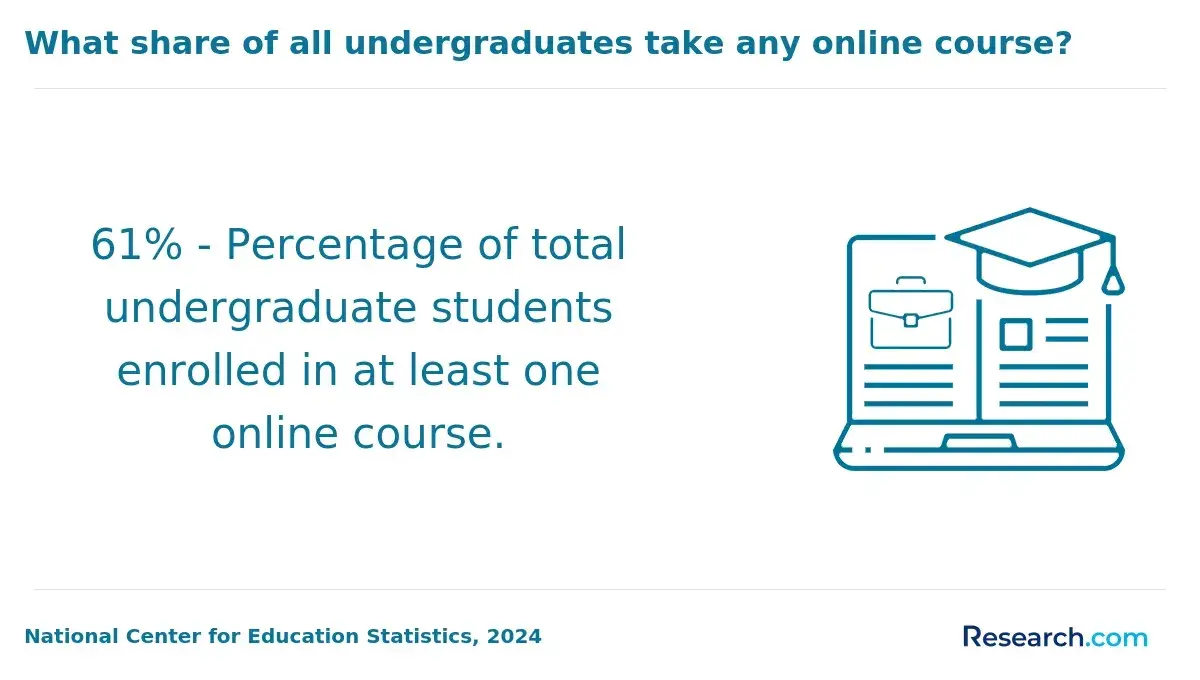
- Growth in online learning enrollment for adult learners, noted by the National Center for Education Statistics, highlights expanded access to flexible Industrial Organizational Psychology programs, enabling professionals to upskill while maintaining full-time remote employment.
Is it possible for Industrial Organizational Psychology graduates to work remotely?
Industrial organizational psychology graduates can access remote work opportunities, but these are often role-dependent and influenced by employer expectations. Positions that center on data interpretation, assessment tasks, and program development lend themselves well to remote settings. However, roles requiring direct observation, face-to-face interviews, or group facilitation tend to demand on-site presence, limiting the scope of fully remote work.
Common remote or hybrid roles available include human resources analyst, organizational development consultant, talent management specialist, employee training coordinator, and workforce analytics professional. These positions frequently require strong autonomy, effective communication, and adaptability to occasional in-person collaboration.
While fully remote jobs are less widespread compared to hybrid arrangements, organizations with mature digital systems are expanding these flexible models, giving graduates options but also requiring careful evaluation of tradeoffs between remote convenience and experiential depth.
What are the typical entry-level remote positions for new Industrial Organizational Psychology graduates?
New graduates with a degree in industrial organizational psychology often find multiple entry-level remote or hybrid positions suitable for their skill set. These roles typically demand proficiency in data analysis, communication, and research, all of which align well with remote work formats.
Below are common entry-level remote jobs for industrial organizational psychology graduates.
- HR Analyst: Focused on interpreting workforce data and creating reports, HR analysts help guide organizational decisions. Since the tasks mainly involve data management and virtual collaboration, this role frequently offers remote flexibility.
- Talent Acquisition Coordinator: Responsible for managing candidate communications, interview schedules, and initial screenings, this position often supports recruiting processes through digital platforms, making remote or hybrid work viable despite occasional in-person activities.
- Training Coordinator: These professionals design and administer training programs, increasingly relying on virtual learning tools. Managing schedules and evaluating feedback remotely has become standard practice for the role.
- Research Assistant: Supporting organizational behavior studies or workplace research, they conduct data collection, surveys, and literature reviews. The largely independent, analytic nature of this work allows for remote arrangements.
- Employee Engagement Specialist: Charged with assessing and enhancing workplace morale, these specialists use surveys and online communication tools extensively, facilitating remote or hybrid work conditions.
These positions represent typical entry-level remote jobs for industrial organizational psychology graduates and reflect a growing remote career opportunities in industrial organizational psychology for new graduates. Opportunities often require balancing virtual teamwork with data-driven responsibilities, a tradeoff that influences employer preferences and operational realities.
For those considering advanced education pathways that support remote work readiness or long-term specialization, reviewing options such as online PhD programs can provide strategic benefits aligned with evolving job market demands.
Are there senior-level remote positions for Industrial Organizational Psychology professionals?
Senior-level remote positions for industrial organizational psychology professionals are available but tend to favor individuals with established experience rather than recent graduates. These roles typically center on functions that leverage strategic decision-making, complex data analysis, and organizational leadership, all of which can be managed through virtual platforms.
Below are five senior job titles commonly offering remote or hybrid flexibility within this field:
- Organizational Development Director: This role emphasizes shaping company culture, improving leadership effectiveness, and managing change initiatives. It relies heavily on virtual collaboration and stakeholder engagement across dispersed teams, making remote work a practical option.
- Talent Management Consultant: Senior consultants in this position assess leadership pipelines, drive employee engagement strategies, and oversee succession planning. Their work often involves remote workshops and data interpretation, accommodating hybrid or fully remote settings.
- Chief People Officer (CPO): As a high-level executive responsible for human capital strategy, CPOs can fulfill many duties remotely, such as policy formulation and organizational diagnostics, though some onsite presence may be necessary for key interactions.
- Employee Experience Strategist: Focusing on workforce satisfaction and problem diagnosis, this role gathers data and reports primarily through digital means, with occasional on-site visits reserved for critical interventions.
- Workforce Analytics Lead: Involving advanced analytics to forecast talent needs and optimize performance, this position demands technical expertise that aligns well with independent, remote work.
Remote leadership roles in industrial organizational psychology rely on robust digital communication tools and project management systems to coordinate efforts without constant physical proximity. While these senior remote jobs offer flexibility, many still require periodic travel or face-to-face engagement to maintain relationships and drive initiatives effectively.
For those aiming to increase remote employability, combining technical skills with strategic organizational insight is essential. Professionals often evaluate educational pathways carefully, considering factors like access to a credible affordable online bachelor's degree as part of a long-term career plan to balance foundational knowledge with the evolving demands of remote senior roles.
Which industries hire the most remote workers with Industrial Organizational Psychology degrees?
Remote opportunities exist across various industries for graduates with industrial organizational psychology degrees, reflecting the adaptability of this expertise to distributed work environments. Key sectors consistently hiring for such roles include the following:
- Technology: These companies emphasize data-driven approaches to workforce management and employee engagement, creating demand for industrial organizational psychology professionals to enhance productivity and virtual collaboration in remote teams.
- Healthcare: The expansion of telehealth services has led to increased hiring of experts who can address employee well-being and organizational culture within hybrid or fully remote settings, often supporting staff performance across dispersed locations.
- Consulting: Firms specializing in talent management and organizational development use remote collaboration tools to advise clients worldwide, requiring industrial organizational psychology graduates to facilitate change initiatives without geographic constraints.
- Financial Services: Hybrid work models in this sector frequently incorporate industrial organizational psychology insights in HR analytics and leadership development, focusing on recruitment strategies and retention through remote or partially remote roles.
- Education and Training: Online learning platforms and training organizations depend on industrial organizational psychology for designing and evaluating virtual programs, emphasizing remote delivery and organizational interventions tailored to digital learning environments.
These fields generally adopt hybrid or fully remote work structures that align well with the knowledge-intensive nature of the profession. Success in remote roles requires not only a solid grounding in psychological principles but also proficiency with digital collaboration platforms and the ability to adapt interventions to virtual team dynamics. Employers prioritize candidates who can translate behavioral science into practical strategies that address the challenges unique to distributed workforces.
How do salaries differ for remote vs on-site roles in Industrial Organizational Psychology?
Salary comparisons for industrial organizational psychology remote job salary comparison reveal that remote roles generally command slightly lower base pay than their on-site counterparts. This disparity largely stems from compensation models that adjust wages based on an employee's geographic location, with many employers offering reduced salaries to remote workers in lower-cost regions.
However, some firms with distributed teams maintain salary levels for remote positions that closely mirror or exceed those of on-site jobs, especially for specialized roles facing talent shortages. When evaluating remote versus on-site pay rates in industrial organizational psychology, on-site roles often start at higher salary points, reflecting location-based market rates and demand.
Remote positions typically range from $75,000 to $110,000 annually, while on-site salaries can begin near $80,000 and rise to $120,000 or more. This pay structure reflects employer strategies to balance talent acquisition with geographic cost differences and the specific skill sets required for subfields like leadership development or talent analytics. Students should weigh these realistic pay scales when considering remote job opportunities.
For those exploring advanced educational paths to enhance employability in industrial organizational psychology, options like the cheapest online EdD programs provide accessible routes but should be assessed carefully in light of compensation trends. Matching educational choices with practical salary expectations is critical in navigating the evolving landscape of remote versus on-site roles within this discipline.
What are the common challenges of working remotely with an Industrial Organizational Psychology degree?
Remote work in industrial organizational psychology involves unique operational barriers that shape day-to-day effectiveness and career progression. These challenges stem from the nature of the field's dependence on nuanced interpersonal dynamics, rapid feedback, and data sensitivity.
Below are five critical hurdles frequently encountered by professionals working from a distance.
- Communication Bottlenecks: Remote setups reduce spontaneous interactions that enable quick resolution of complex behavioral and organizational issues. To address this, proactive scheduling of real-time consultations and meticulous documentation of communications become essential.
- Collaboration Delays: The absence of immediate clarification often slows down highly specialized teamwork, increasing error risk. Leveraging advanced collaborative technologies and scheduling regular touchpoints can help maintain workflow continuity.
- Visibility and Recognition Gaps: Proximity bias favors those onsite, diminishing visibility of remote professionals' contributions despite equal or greater output. Remote practitioners must engage in deliberate self-advocacy and utilize performance tracking tools to counteract this bias.
- Data Security Challenges: Handling confidential employee or organizational data remotely heightens exposure risks. Strict adherence to security protocols and the use of compliant platforms are critical for maintaining data integrity and privacy compliance.
- Limited Informal Support Networks: Reduced access to informal mentorship and peer feedback can stall skill development and problem-solving. Intentional cultivation of virtual mentorship relationships and participation in professional communities help bridge this gap.
An industrial organizational psychology professional who completed an online bachelor's program shared impressions on remote work challenges. He noted, "The lack of casual office conversations means I often have to schedule mini meetings just to clarify small points, which can be exhausting and time-consuming."
He described feeling overlooked during performance reviews, explaining, "Even when projects go well, the people in the office get more immediate recognition, and I have to find extra ways to highlight my contributions." On security, he emphasized the constant vigilance required when handling sensitive data from home.
He said, "You can't afford a slip-up even once, so I'm always double-checking my setups." Despite these obstacles, he found that building robust online mentor relationships helped ease the isolation and enhanced his skill growth over time.
Are there certifications that can improve remote hiring outcomes for Industrial Organizational Psychology graduates?
Certifications can significantly improve remote hiring outcomes for industrial organizational psychology graduates by verifying skills that virtual employers prioritize. Below are five key credentials that align with the competencies sought in remote industrial organizational psychology roles and help candidates stand out in competitive job markets.
- Society for Industrial and Organizational Psychology (SIOP) Certified Professional: This credential focuses on applied psychology principles relevant to workplace behavior. Achieving SIOP certification signals mastery of evidence-based organizational interventions important for remote consultancy and requires a graduate degree plus supervised experience.
- Human Capital Strategist (HCS) by the Human Capital Institute: The HCS certification emphasizes strategic workforce planning and human capital analytics. Remote employers value it for data-driven decision-making capabilities. Candidates typically must complete coursework and pass an exam demonstrating practical HR strategy application.
- Certified Professional in Talent Development (CPTD): CPTD concentrates on talent management and organizational performance improvement, key skills for remote roles involving learning and development. Application involves professional experience in talent development and passing a comprehensive exam.
- SHRM Certified Professional (SHRM-CP): Centered on HR and organizational development foundations, the SHRM-CP supports roles requiring broad HR knowledge applicable in virtual settings. Eligibility usually includes educational background and professional experience requirements followed by certification testing.
- Association for Talent Development (ATD) Certifications: These certifications focus on workplace learning and performance enhancement, crucial for remote instructional design and training functions. Candidates need relevant experience and successful completion of assessments tailored to adult learning and performance strategies.
Aligning certification choices with specific remote industrial organizational psychology job expectations improves positioning in virtual recruitment environments. For those exploring related educational pathways, resources like top online MBA schools may also complement career development given the increasing integration of business acumen in the field.
How can Industrial Organizational Psychology degree students increase the chances of landing remote roles?
Boosting the likelihood of securing remote roles with an industrial organizational psychology degree requires targeted actions that align with employers' expectations for distributed work. Below are key strategies that help students and graduates increase remote job opportunities for industrial organizational psychology graduates.
- Demonstrate independent project management: Employers prioritize candidates who can handle tasks autonomously without constant supervision. Showcasing experiences where you led projects or made critical decisions independently signals readiness for remote workflows that demand self-direction and accountability.
- Highlight asynchronous communication skills: Remote industrial organizational psychology positions often require collaborating across various time zones and schedules. Illustrating proficiency in written reporting, recorded updates, or digital platforms that support asynchronous interaction helps demonstrate effective teamwork without real-time meetings.
- Develop a portfolio with remote-relevant case studies: Creating detailed examples of interventions, data analyses, and outcomes done remotely or in virtual settings offers practical evidence of your ability to deliver results outside traditional office environments. This concrete documentation stands out more than generic resumes.
- Engage with specialized remote job boards and communities: Leveraging platforms like We Work Remotely and AngelList and joining professional Slack groups focused on organizational development increases access to employers actively recruiting for remote industrial organizational psychology roles. Networking in these venues can lead to direct recruiter contacts and peer support.
- Prepare for asynchronous screening methods: Recruiters often use recorded video responses and scenario-based tasks to evaluate problem-solving skills without live interviews. Practicing clear, concise, and well-structured recorded answers can differentiate your application during this increasingly common hiring step.
These practical approaches align with the realities of hiring processes and remote work dynamics. Pursuing these strategies thoughtfully improves prospects significantly compared to generic applications. For students balancing multiple considerations, comparing benefit-cost ratios of remote-oriented upskilling with more traditional environments remains essential, as not all roles fully embrace remote flexibility.
While industrial organizational psychology students focus on remote job opportunities, understanding relevant online education pathways, such as environmental engineering degrees online, underscores the growing domain of remote learning and skill acquisition platforms relevant across disciplines.
How do remote Industrial Organizational Psychology roles impact long-term career trajectory and promotions?
Remote roles in industrial organizational psychology shape career trajectories differently, shifting reliance from informal office presence to concrete performance metrics. In distributed settings, promotion decisions typically rest on documented achievements, measurable contributions, and demonstrated leadership rather than spontaneous workplace interactions. This structure creates a more transparent but sometimes less dynamic career path compared to on-site environments.
Professionals must adapt by consistently delivering results aligned with organizational goals while proactively maintaining visibility through digital means. Tools like project management platforms, video briefings, and scheduled virtual meetings become essential to signal engagement and leadership potential. These media replace incidental conversations with intentional communication strategies, requiring more disciplined self-presentation and follow-up.
Advancing remotely also demands cultivating virtual leadership skills, such as effectively managing remote teams and facilitating collaboration across dispersed groups. Building relationships virtually is critical; deliberate networking efforts mitigate the loss of casual connections that often support career progression. Documenting accomplishments and seeking frequent feedback compensate for the lack of physical proximity to decision-makers, helping sustain upward mobility.
While remote work may slow organic networking opportunities, it tends to reward those who excel in transparent output and digital collaboration. Understanding these nuances is essential for industrial organizational psychologists seeking to navigate promotions and leadership roles remotely without the traditional advantages of in-person visibility.
Is a remote career in Industrial Organizational Psychology sustainable for the next decade?
Remote roles in industrial organizational psychology remain viable due to advances in data analytics, virtual collaboration, and AI-driven assessment tools. These technologies reduce dependency on physical presence by enabling practitioners to conduct organizational diagnostics and interpret employee data from a distance.
However, the sustainability of a remote career hinges on balancing these technological competencies with interpersonal skills, especially when addressing leadership development or complex change management that benefits from direct interaction. Corporate investment in remote work infrastructure and digital transformation suggests ongoing demand for professionals adept at workforce analytics and virtual interventions.
Still, economic fluctuations and evolving organizational cultures may require occasional in-person engagement to build trust and capture subtle organizational dynamics. The most sustainable remote careers in this field will be those where specialists continuously enhance their technical skillsets while maintaining strong communication and networking capabilities to adapt to shifting employer expectations.
When asked about the future of remote industrial organizational psychology roles, a professional who graduated from an online program shared that the transition from academic theory to remote practice was a steep learning curve. He explained, "Navigating virtual tools while trying to establish rapport remotely was initially challenging."
He emphasized the importance of deliberate effort to connect with clients beyond scheduled meetings to overcome the limitations of digital communication. Although remote work offers flexibility, he noted that sustained success depends on ongoing learning and cultivating professional relationships that often require more than just screen time.
What Graduates Say About Industrial Organizational Psychology Degrees That Lead to Remote Jobs
- Tobias: "My degree in industrial organizational psychology was crucial in securing a remote role focused on employee engagement analytics. I found that employers in this space highly favored candidates with strong portfolios and internships over those who simply had licensure credentials. Working remotely has allowed me to collaborate with diverse teams globally, but it's clear that career advancement often hinges on continuously adding certifications or specialized experience beyond the degree."
- Rex: "After graduating, I landed a remote position within a talent management consultancy thanks to my industrial organizational psychology background and practical experience gained through internships. The flexibility of remote work suited my lifestyle, but I quickly realized that without licensure, some leadership roles remained out of reach. Navigating the job market involved competing heavily on demonstrable skills and project outcomes rather than academic accolades alone."
- Arthur: "My industrial organizational psychology degree opened the door for a remote role in organizational development with a tech startup. While working remotely demands strong self-management, it has also accelerated my integration into the workforce. However, I found salary growth capped without pursuing licensure, prompting me to consider further certification to advance professionally. Real-world hiring situations emphasize practical contributions and adaptability above formal titles."
Other Things You Should Know About Industrial Organizational Psychology Degrees
Remote industrial organizational psychology jobs often demand high levels of asynchronous communication and flexible availability across different time zones. This can blur work-life boundaries, increasing workload unpredictability despite the physical distance from a typical office. Understanding these expectations upfront is critical; candidates must be prepared to negotiate boundaries or choose roles that align better with their personal capacity for such demands to avoid burnout.
Remote work can generate a paradox of increased autonomy paired with less direct supervision, which may cause uneven workload distribution or task overlap. Without structured oversight, professionals risk either being overwhelmed or underutilized depending on team coordination. Effective time management and self-directed prioritization skills are essential for remote success, so students should cultivate these abilities during their education and early career stages.
Yes, accreditation ensures program quality and recognition by employers, which remains important even for remote roles. Equally vital is faculty experience with remote work methodologies or applied research in telecommuting contexts, as this can influence the teaching of relevant competencies. Choosing programs with faculty actively engaged in remote industrial organizational psychology work provides better insights and mentoring aligned with evolving job market demands.
References
- 13 Popular I/O Psychology Jobs to Explore | The Chicago School https://www.thechicagoschool.edu/insight/business/industrial-organizational-psychology-careers/
- 11 Careers for I-O Ph.D. Grads - Organizational Psychology Degrees https://www.organizationalpsychologydegrees.com/lists/careers-for-i-o-ph-d-grads/
- Industrial/Organizational (I/O) Psychology: What It Is and Why It’s Important | Elmhurst University Elmhurst University Blog https://www.elmhurst.edu/blog/industrial-organizational-i-o-psychology-what-it-is-and-why-its-important/
- Making a Difference as an I/O Psychologist | TUW https://www.tuw.edu/psychology/making-a-difference-as-an-industrial-organizational-psychologist/