2027 Can You Complete Family Nurse Practitioner Clinicals Locally?

Co-Founder and Chief Data Scientist
Many working adults pursuing a family nurse practitioner degree juggle clinical placement logistics alongside demanding jobs and family obligations. Securing clinical hours at a nearby healthcare facility can reduce commuting stress and scheduling conflicts. However, programs require students to complete supervised clinicals in diverse environments to ensure well-rounded experience.
According to the American Association of Nurse Practitioners, over 50% of nurse practitioner students report challenges finding convenient local clinical sites. Understanding how clinical placements are arranged and the role of program partnerships helps clarify whether local placement is feasible. This article explores the realities of completing family nurse practitioner clinicals locally and what factors affect placement options.
Key Things to Know About Completing Family Nurse Practitioner Clinicals Locally
- Family nurse practitioner programs often assist students in finding local clinical placements through partnerships with nearby healthcare facilities, facilitating smoother application and approval processes.
- Completing clinicals near home offers flexibility, reduces travel expenses, and helps balance personal commitments with rigorous program demands.
- Students must verify state licensing requirements, ensure clinical site availability, and confirm program approval to avoid delays or disqualification in meeting clinical hour mandates.
Can you complete family nurse practitioner clinicals near your home or hometown?
Family nurse practitioner clinicals may often be completed near a student's home or hometown, depending on factors like program structure and associated school partnerships. Access to local clinical opportunities can improve convenience, scheduling flexibility, and overall accessibility for students. According to surveys, over 70% of nursing students prefer local family nurse practitioner clinical placement options to better integrate experiential learning with their personal lives.
Several considerations influence whether students can fulfill family nurse practitioner clinicals close to home:
- School Affiliation Networks: Many family nurse practitioner programs collaborate with specific healthcare facilities that determine where clinical hours can be completed. When a student's local clinics or hospitals are part of these networks, it is easier to arrange clinicals nearby.
- Geographic Location: Urban and suburban areas tend to have a higher density of healthcare providers, offering a wider range of local placement options. In contrast, students in rural or underserved areas may face limited availability, making hometown clinical placements more challenging.
- State and Regional Requirements: Certain states have defined criteria for clinical hours and qualified supervision that programs must adhere to. These rules can restrict potential sites, sometimes requiring students to travel outside their immediate region to satisfy regulatory standards.
- Facility Approval and Compliance: Healthcare organizations must approve students and their programs before allowing clinical training. Lengthy approval processes or unfamiliarity with local facilities can reduce opportunities for hometown placements.
- Coordination of Placement Logistics: Assigning students to clinical sites involves matching them with qualified preceptors and scheduling within program timelines. Effective administrative coordination is crucial to secure local family nurse practitioner clinicals availability in hometown areas.
Prospective students exploring clinical placement options might also consider related programs, such as the cheapest online pharmacy school, which highlight accessible experiential learning in healthcare education.
How do family nurse practitioner clinical placements work?
Clinical placements in family nurse practitioner programs are typically arranged through partnerships between nursing schools and approved healthcare sites. These hands-on clinical experiences are essential for students to translate classroom knowledge into real-world care, increasing workforce readiness; a 2023 study found that 85% of advanced practice nurses felt better prepared due to clinical training. Placement structures, site availability, and scheduling logistics often determine where and how students complete their clinical hours.
Key elements of family nurse practitioner clinical placements include:
- School Partnership Networks: Schools collaborate with a variety of healthcare facilities such as hospitals, clinics, and community centers to provide clinical sites. These networks sometimes include local family nurse practitioner clinical site arrangements to minimize travel and facilitate convenient access.
- Placement Coordination: Programs either assign students to approved sites or offer a list of pre-approved locations. Coordination considers accreditation standards and state regulations to ensure sites meet quality and compliance requirements.
- Supervision and Scheduling: Students are supervised by licensed healthcare providers, including experienced family nurse practitioners or physicians. Clinical hours and competencies are meticulously documented to satisfy program and regulatory standards, while scheduling depends on site availability and student proximity.
- Approved Training Environments: All clinical sites must comply with accrediting bodies such as the AACN or CCNE and state nursing boards, ensuring appropriate learning environments for patient care and skill development.
- Geographic Considerations: Many programs offer family nurse practitioner clinical placements near home through local affiliations, although availability varies by institution. Students should evaluate these options early to align their clinical experiences with personal circumstances.
Prospective students interested in advancing their careers with affordable online nursing programs may also explore the cheapest RN-BSN online program for foundational preparation prior to clinical training.

What state authorization and licensing rules affect local clinicals?
State authorization policies, regional education regulations, and professional licensing standards play a significant role in determining if students in family nurse practitioner programs can complete clinical hours near their homes.
Variations in state requirements influence eligibility for placement, approval procedures, and access to approved clinical sites. Approximately 25% of nursing students face challenges related to interstate regulations that impact their clinical training options.
Several key factors typically shape whether local clinical placements are possible:
- State Authorization Agreements: Nursing programs must hold authorization from states where clinical training takes place, not just where the school is based. Without these agreements, students may be unable to obtain clinical hours in certain nearby states despite geographic proximity.
- Licensing Board Approval: Professional licensing boards dictate standards for clinical training, specifying acceptable facility types and supervision requirements. Stricter board rules can limit available local training sites or require additional oversight.
- Interstate Placement Restrictions: Many states restrict or prohibit out-of-state clinical hours unless special permissions are granted. These limitations often force students to seek placements within their home state or consider relocation.
- School Compliance and Affiliation: Educational institutions must secure formal agreements with healthcare facilities to designate approved clinical sites. Lack of such contracts can restrict students' options for local supervised experiences.
- Documentation and Oversight Standards: Clinical sites must meet accreditation and regulatory criteria, including qualified preceptors and compliance with educational standards. This oversight affects the pool of available local clinical locations.
A family nurse practitioner degree graduate shared that navigating local clinical placement was "a process filled with uncertainty and persistence." He recalled feeling frustrated when several nearby facilities were off-limits due to missing authorization agreements or strict state policies. "It wasn't just about finding a site but ensuring the program and the facility had all the paperwork and approvals aligned," he explained.
This experience taught him patience and the importance of communication, as he frequently coordinated between the school, licensing boards, and clinical sites. Ultimately, these challenges developed his problem-solving skills and adaptability, which he considers vital soft skills gained during clinical training.
Can online family nurse practitioner programs arrange local clinical placements?
Online family nurse practitioner programs often assist students in completing clinical requirements close to home through established partnerships or approved healthcare sites in various regions. This local placement option can enhance accessibility and scheduling flexibility, benefiting those in online or hybrid formats. Recent data shows that around 70% of online healthcare programs offer distance-based clinical experiences adapted to students' locations.
Several factors influence how these programs arrange local clinical placements:
- Partnership Networks: Programs with extensive affiliations across multiple healthcare facilities can facilitate clinical placements nearby, easing approval and scheduling processes.
- State and Regional Restrictions: Licensing and authorization rules require students to complete clinical hours in states where the program is approved, which may limit site options for those living elsewhere.
- Facility Approval Standards: Eligible clinical sites must meet accreditation requirements and provide qualified preceptors to supervise students, narrowing placement choices.
- Affiliation Agreements: Legal contracts between schools and clinical sites ensure compliance with educational and liability standards but can delay or restrict placements, especially in underserved areas.
- Student Support and Coordination: Some programs guide students in selecting potential local sites, subject to formal review, while others take a more centralized approach to placement coordination.
For those interested in flexible online learning options that also prioritize hands-on experiences, exploring self-paced bachelor's degree online programs may offer additional pathways to balance education and clinical training efficiently.
What types of facilities can you use for family nurse practitioner clinicals?
Many family nurse practitioner programs offer students the option to complete clinical rotations near their homes, which helps balance education with personal responsibilities. However, nearly 70% of these programs report difficulties securing enough clinical placements, highlighting the need for flexible and diverse local clinical options.
Students commonly complete their clinical hours in various healthcare settings that provide practical experience and supervised learning opportunities. These include:
- Hospitals: These settings expose students to acute care with a variety of patient cases and emphasize teamwork among healthcare professionals. They are valuable for developing skills in patient assessments and collaborating on treatment plans under supervision.
- Outpatient Clinics: Providing care focused on prevention and managing chronic conditions, these clinics allow students to engage in longer-term patient relationships and learn about health maintenance alongside experienced providers.
- Rehabilitation Centers: Focused on helping patients recover from injuries or disabilities, these facilities teach students about interdisciplinary approaches through exposure to physical and occupational therapy practices.
- Long-Term Care Facilities: Serving elderly or chronically ill populations, these environments offer insight into managing complex, ongoing healthcare needs and coordination with caregivers over time.
- Community Health Organizations: These sites serve diverse and underserved populations, offering hands-on opportunities in health promotion, screenings, and delivering culturally sensitive care.
When asked about her clinical experiences, a professional with a family nurse practitioner degree shared that finding placements close to home was a balancing act of persistence and flexibility. She recalled feeling both anxious and motivated while navigating limited local options and emphasized how valuable the variety of clinical environments was for building confidence.
"Each setting taught me something unique-whether it was managing acute issues in the hospital or understanding community needs in a local health center," she explained. Her experience underscores how diverse clinical sites enrich education despite ongoing challenges in placement availability.
How flexible are family nurse practitioner clinical schedules and locations?
Family nurse practitioner programs increasingly offer clinical placements that adapt to students' diverse schedules and geographical locations. With nearly 70% of nursing students preferring local clinical sites to reduce travel time, programs are adopting more flexible scheduling and placement options to better support students juggling work, family, and coursework commitments.
Several key features illustrate how these clinical schedules and sites accommodate student needs:
- Local Placement: Programs strive to arrange clinical hours at healthcare facilities close to students' homes, minimizing commute times and allowing learners to remain connected to their communities while gaining practical experience.
- Flexible Scheduling: Many clinical sites provide evening and weekend shifts, giving students opportunities to complete required hours outside traditional hours. This flexibility helps those managing employment or family responsibilities alongside their education.
- Partnership Networks: Schools often collaborate with multiple healthcare providers in various settings-such as hospitals, community clinics, and private practices-broadening options for clinical site selection within a student's region.
- Hybrid Program Support: For programs combining online coursework with in-person clinicals, structured scheduling helps synchronize academic and clinical timelines, making it easier for students to balance both components effectively.
- Travel Requirements: Although the focus is on local placements, some students may need to travel occasionally to affiliated or rural clinical sites where local options are limited. Programs typically notify students early to assist with planning.
How do preceptors and clinical site approvals work?
Family nurse practitioner programs typically coordinate with healthcare facilities and qualified preceptors to arrange clinical placements near students' residences. About 60% of partnerships in healthcare training emphasize expanding community-based placement options to meet growing demand and address preceptor shortages. This ensures students complete their supervised clinical hours in settings that meet educational and accreditation standards.
Several important factors guide how programs select and approve preceptors and clinical sites for family nurse practitioner clinical experiences:
- Preceptor Qualifications: Preceptors must be licensed nurse practitioners or physicians with relevant clinical expertise and prior teaching experience. Programs verify credentials and precepting history to uphold rigorous educational quality.
- Affiliation Agreements: Formal agreements between educational institutions and clinical sites outline responsibilities, legal liability, and compliance requirements. These contracts must be established before students begin placements to protect all parties.
- Site Evaluation: Clinical sites are assessed for patient volume, case diversity, and available resources. This evaluation ensures the site can offer meaningful and varied clinical learning experiences aligned with program goals.
- Supervision Standards: Preceptors provide direct, continuous supervision, deliver constructive feedback, and evaluate student performance. This oversight is critical for fostering clinical competence and professionalism.
- Approval Timelines: The approval process for sites and preceptors can take several weeks, necessitating early, proactive coordination. Timely planning helps secure appropriate placements and maintain student progression schedules.
- Student Coordination: Students often facilitate communication among programs, preceptors, and sites to manage schedules and documentation. This collaboration supports smooth placement operations and adherence to accreditation standards.
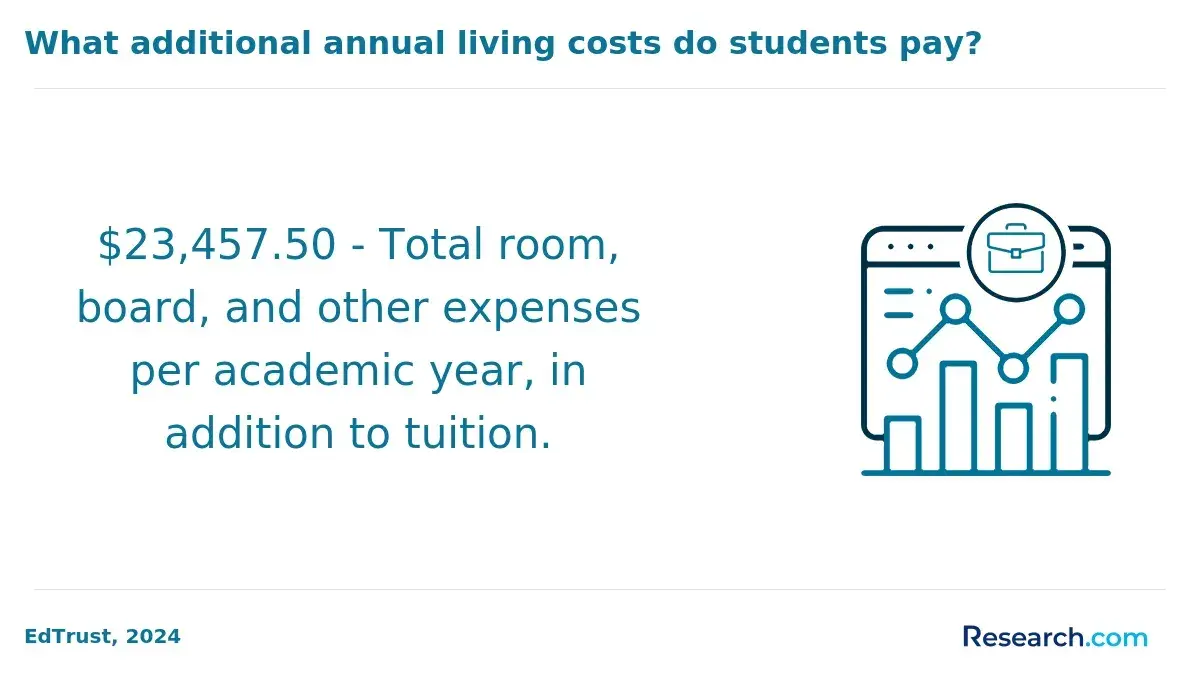
What costs should you expect when completing family nurse practitioner clinicals locally?
Students pursuing family nurse practitioner clinical placement costs near me often face a variety of expenses beyond just tuition fees. According to the American Association of Colleges of Nursing, healthcare students can incur additional clinical costs ranging from several hundred to over a thousand dollars, which can impact their overall budget. Factoring in these expenses early helps students to better manage their finances during clinical training.
When considering local expenses for family nurse practitioner clinical rotations, several common costs should be expected, including:
- Transportation and Fuel: Traveling regularly to healthcare facilities for clinical hours requires budgeting for fuel or public transit. Depending on clinical location and frequency, these transportation costs typically range from $100 to $300 monthly.
- Parking Fees: Many urban hospitals and clinics charge daily parking fees, often between $5 and $15. Over the course of a month, this can add $50 to $150 to student expenses.
- Uniforms and Supplies: Required clinical attire such as scrubs, lab coats, and medical tools like stethoscopes can cost between $100 and $300. These items are essential for meeting site requirements.
- Immunizations and Background Checks: Proof of immunizations and passing criminal background screenings are mandatory for clinical placement. Students should expect costs ranging from $50 to $200 for these clearances.
- Site Onboarding Fees: Some clinical sites impose fees for onboarding processes including drug testing and health screenings, generally ranging from $50 to $150 depending on facility policies.
Prospective students should also explore options for related educational opportunities such as nutrition programs, especially those offering a nutrition school online curriculum, which can complement clinical training along the healthcare pathway.
What challenges can students face with local clinical placements?
Some students pursuing family nurse practitioner clinicals near their home or hometown may find placement opportunities, but local clinical placements often come with logistical, administrative, and geographic challenges. Limited placement capacity and coordination requirements frequently impact accessibility and scheduling, with nearly 60% of nursing students reporting difficulty securing clinical sites due to limited availability. Understanding these factors is essential when assessing the availability of approved clinical sites near hometown areas.
Several common obstacles can affect clinical placement locally:
- Limited Placement Capacity: Many healthcare facilities offer a small number of clinical slots, leading to high competition among students. This bottleneck can restrict options despite students' proximity to the site.
- Geographic Restrictions: Rural or underserved regions may have fewer qualified preceptors and fewer clinical sites approved by programs, making local placement less feasible for some students.
- Approval and Coordination: Schools often require formal approval of clinical sites and preceptors, which adds administrative steps. Communication delays and onboarding processes can complicate timely placement and integration.
- Scheduling Conflicts: Commuting distances or clinical hours may overlap with academic responsibilities or personal commitments, requiring careful balance and flexibility.
- Qualified Supervisor Availability: The presence of experienced preceptors who meet program criteria is critical. Regional shortages of approved supervisors can limit local experiential learning opportunities.
Those interested in advancing their expertise through clinical experiences near home might explore options through a FNP post master's certificate program, which may offer guidance on navigating these challenges.
Can local family nurse practitioner clinicals help you get a job after graduation?
Completing family nurse practitioner clinicals locally can offer critical advantages by helping students gain hands-on experience in familiar healthcare environments and fostering connections with professionals in their region. Research indicates that about 70% of healthcare employers prefer hiring candidates with clinical experience at their local facilities, enhancing graduates' prospects of securing employment nearby. These local placements expose students to community-specific health challenges while allowing them to develop practical skills tailored to the area's patient population.
Several factors explain how local clinical experience can improve job opportunities after graduation:
- Professional Networking: Engaging with local healthcare providers and administrators during clinicals helps build valuable relationships that might lead to job referrals or early hiring opportunities.
- System Familiarity: Experiencing local facility protocols and culture enables graduates to adapt more quickly to professional roles, reducing the need for extended orientation periods.
- Employer Recognition: Supervisors who observe student performance firsthand are more likely to recommend or hire familiar candidates upon program completion.
- Local Demand Insight: Exposure to area-specific health issues aligns students with ongoing staffing needs, making them appealing prospects for nearby healthcare employers.
- Team Communication: Working within local care teams enhances interpersonal and collaborative skills, which are highly valued in clinical settings.
- Practical Readiness: Regularly managing patient cases common to the community builds confidence and competence relevant to local practice environments.
What Students Say About Completing Family Nurse Practitioner Clinicals Locally
- Orlando: "Completing my family nurse practitioner clinical hours locally has been a real game-changer. The process required me to submit detailed paperwork and secure approval from both my school and the healthcare facilities nearby, but being able to train in familiar environments made the experience much more meaningful. It's reassuring to know I can build connections close to home while gaining hands-on skills that truly prepare me for a future in healthcare."
- Zion: "Coordinating local clinical placements took more effort than I initially expected, as availability at nearby clinics was limited and required early communication and persistent follow-up. Some facilities had strict policies about student hours, making scheduling a challenge. However, navigating these obstacles helped me develop stronger organizational skills and a deeper understanding of the clinical landscape in my community."
- Wyatt: "Working through my family nurse practitioner clinicals near where I live has offered invaluable career benefits, from easier access to mentorship to experiencing real patient interactions that build confidence. While relocating was an option, staying local allowed me to maintain my daily routine and responsibilities. This balance made me feel more prepared and focused on transitioning into my professional role."
Other Things You Should Know About Family Nurse Practitioner Degrees
Yes, students must often provide proof of health screenings, immunizations, liability insurance, and background checks before starting local clinicals. Each clinical site may have unique documentation requirements, so it is important to communicate with the site coordinator early to ensure all paperwork is submitted properly.
The quality and diversity of clinical experiences can differ widely depending on the local setting. Urban facilities may offer exposure to a broader patient population and complex cases, while rural sites might provide more general practice opportunities. Students should seek sites that offer comprehensive experiences aligned with family nurse practitioner competencies.
Completing clinical hours locally can make it easier to manage personal and family responsibilities due to reduced commute times. However, clinical schedules are typically fixed by the facility and may require evening or weekend shifts. Students should plan accordingly and communicate any scheduling constraints with their program advisors.
In 2027, preceptor requirements can impact completing Family Nurse Practitioner clinicals locally. Programs often require preceptors to be licensed and have specific credentials, such as a minimum number of years of practice. This can limit local placement options, affecting where students can complete their clinicals.
References
- Flexible Work Schedule: Why It Matters in Healthcare https://clinishift.com/flexible-work-schedule/
- Family Nurse Practitioner Clinical Rotations: What You Need to Know - PRECEPTOR TREE - Find NP Preceptors. FNP Preceptors. NP Preceptor Finder. https://preceptortree.com/family-nurse-practitioner-clinical-rotations-what-you-need-to-know/
- How Much Does a Clinical Trial Cost? https://www.sofpromed.com/how-much-does-a-clinical-trial-cost
- Dealing with challenges – T Levels and industry placement support for employers https://employers.tlevels.gov.uk/hc/en-gb/articles/6253480731282-Dealing-with-challenges
- Nurse Practitioner Clinicals: What No One Tells You (Complete Guide) https://www.nphub.com/blog/np-clinicals-guide
- 14 Localization problems and how to avoid them - POEditor Blog https://poeditor.com/blog/localization-problems/
- Clinical Preceptor and Site Information https://www.westernu.edu/veterinary/academic-program/veterinary-preceptor-site-info/
- AMOpportunities | Providing Quality U.S. Clinical Experiences https://www.amopportunities.org/
- The Benefits of Choosing Local Locum Tenens Work | MPLT Healthcare https://www.mplthealthcare.com/benefits-local-locum-tenens-work/
- Clinical Site Preceptor Approval Policy | School of Medicine https://med.unr.edu/about/policies/physician-assistant-student-policies/clinical-site-preceptor-approval-policy