2027 Career Paths with a Nurse Educator Master's Degree Explained

Co-Founder and Chief Data Scientist
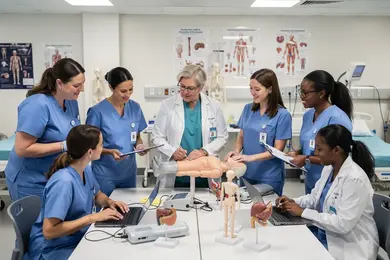
The career landscape for professionals with a nurse educator master's degree reflects a growing emphasis on advanced competencies, including leadership, data-driven decision-making, and mastery of health education technologies like simulation software and learning management systems. Employers increasingly seek candidates who can navigate evolving regulatory frameworks and apply evidence-based instructional design in interdisciplinary teams. Nurse educator programs equip graduates for leadership roles beyond traditional academia, such as clinical training management, curriculum development, and certification coordination across healthcare settings. Enrollment trends from the National Center for Education Statistics show a 15% rise in part-time graduate nursing students since 2022, indicating growing demand for flexible program formats that accommodate working professionals.
This article explores diverse career paths enabled by a nurse educator master's degree and assists readers in aligning those opportunities with their long-term goals.
Key Things to Know About Career Paths With a Nurse Educator Master's Degree
- Specialized nurse educator training expands leadership roles in clinical and academic settings, but balancing teaching duties with clinical expertise demands strong time management and ongoing professional development.
- Employers increasingly seek nurse educators with mastery in curriculum design and interprofessional collaboration, reflecting sector shifts toward evidence-based, technology-driven training models.
- A 2024 NCES report highlights accelerated online program enrollment among adult learners, signaling greater access yet requiring careful evaluation of program rigor and support for career mobility.
What Can You Do With a Nurse Educator Master's Degree?
The value of a nurse educator master's degree hinges on its ability to position graduates within specialized roles that exceed basic clinical teaching. Navigating the interplay between academic responsibilities, clinical expertise, and administrative demands is critical for leveraging this credential effectively. The degree opens pathways that differ substantially in operational context and long-term potential, making deliberate career choices essential for aligning professional goals with industry realities.
- Academic Faculty Roles: Graduates often enter faculty positions where they design curricula and lead theoretical and clinical instruction. These roles demand balancing teaching load with scholarship and institutional service, and they offer a relatively stable career pathway amid persistent faculty shortages, which elevates job security and competitive pay in nursing education.
- Clinical Educator Positions: Within hospitals or community health settings, nurse educators serve as clinical trainers and professional development facilitators. This track emphasizes applied education on evidence-based practices and quality standards, blending clinical acumen with educational skills but often requires working within shifting healthcare regulations and institutional protocols.
- Leadership and Administration: Program coordination, curriculum development, and workforce training management are roles that leverage instructional design and interprofessional collaboration skills. These positions introduce responsibilities beyond teaching, such as budgeting or staff oversight, offering growth potential but demanding adaptability to organizational priorities and change management.
- Specialization and Research: Some nurse educators focus on integrating research with teaching, producing scholarship that informs practice and pedagogy. This hybrid pathway often necessitates grant writing and publication efforts, which can strain work-life balance but enhance professional credentials and influence within nursing education.
- Compensation Implications: Financially, nurse educators with a master's degree typically command above-average salaries compared to bedside nursing roles. However, salary varies widely by employer type and geography, so professionals must weigh potential earnings against sector-specific demand and job availability within their target regions.
Professionals interested in expanding beyond initial nurse educator roles may explore options such as MSN to DNP online programs, which can further diversify career trajectories in nursing education and leadership.
What Are the Highest-Paying Careers With a Nurse Educator Master's Degree?
Compensation in nurse educator careers is closely tied to specialization, leadership responsibilities, and the ability to integrate clinical expertise with educational strategy. Prospective graduates must weigh the tradeoff between roles focused on direct clinical teaching versus those demanding administrative oversight or curriculum development, as these choices significantly affect salary outcomes and job demands.
Clinical Nurse Educator: Positions within hospital systems or healthcare organizations that emphasize staff training and patient care quality often offer strong salaries due to frontline impact and technical specialization. These roles balance clinical skill application with education, typically earning median wages near $83,000 but can exceed this for those in high-demand or large urban settings.
Academic Nurse Educator: Faculty members at universities or colleges, especially research-intensive institutions, command higher salaries reflecting the combination of teaching, research, and administrative duties. With salary variations heavily influenced by institution type and location, these roles often provide opportunities for long-term advancement but may reduce clinical practice time.
Clinical Education Coordinator: These leadership positions in healthcare organizations oversee education programs, manage budgets, and design training initiatives. The added responsibility for program outcomes and quality improvement correlates with salaries typically ranging from $95,000 to $110,000, including bonuses, according to a 2024 AACN workforce report.
Program Director or Dean: Nurse educators transitioning into senior administrative or academic leadership roles frequently receive compensation reflecting their strategic influence over educational quality and organizational policy. These roles surpass typical educator salaries but come with significant managerial duties and less direct patient or student interaction.
Understanding how specific career paths leverage nursing expertise helps clarify realistic salary expectations and highlights the necessity for strategic career planning, balancing professional interests with financial and workload considerations in the evolving healthcare education landscape.
Which Industries Hire Graduates With a Nurse Educator Master's Degree?
The industries hiring nurse educator master's graduates leverage their combined clinical expertise and instructional skills in distinct, operationally critical roles. Healthcare providers - hospitals and outpatient clinics - depend on these educators to elevate clinical staff competencies through tailored training programs that align with updated care protocols and accreditation requirements. By contrast, academic institutions employ nurse educators to craft curricula and guide future nurses, where pedagogical proficiency and scholarly activity influence career trajectory more strongly than in clinical settings.
Government and public health bodies use nurse educators to design and implement community-focused health initiatives, demanding flexibility to translate complex clinical and policy knowledge into accessible education for diverse populations. Each sector's differing emphasis on certification, practical experience, or teaching methodology creates significant tradeoffs; for instance, advanced certification might be essential for academic positions but less so for consulting roles, which prioritize adaptability and business acumen.
Private healthcare firms and device manufacturers uniquely position nurse educators as conduits between technological innovation and clinical application, requiring specialized product knowledge and communication skills to ensure regulatory compliance and market success. Consulting agencies, meanwhile, exploit nurse educators' expertise to deliver customized compliance and training solutions across a variety of healthcare settings, offering a more entrepreneurial but less stable career path.
Compensation and advancement can vary widely: institutional roles often provide clearer promotion ladders and benefits but less flexibility compared to consulting or corporate positions, which may offer higher pay but demand continuous skill updating amid industry shifts. Prospective graduates must weigh preferences for workplace structure, geographic mobility, and specialization, as these factors influence long-term employability and job satisfaction in a field where evolving healthcare delivery models continuously reshape workforce needs.
A nurse educator graduate shared how her decision to pursue a position within a medical device company followed initial hesitation about leaving traditional clinical education. She found the role challenging due to the steep learning curve in product technology and regulatory nuances but rewarding because it merged her teaching skills with emerging clinical innovations. She observed that employers in this sector often valued adaptability and technical communication over formal academic credentials, which shaped her subsequent pursuit of targeted certifications. This experience underscored how navigating different industry demands requires both strategic career planning and openness to unconventional professional pathways.
What Is the Job Outlook for Careers Requiring a Nurse Educator Master's Degree?
Employment prospects for careers requiring a nurse educator master's degree reflect nuanced labor market dynamics shaped by healthcare expansion and a persistent nurse shortage. Employers prioritize candidates who can combine clinical expertise with evolving educational methods, especially as online and hybrid programs gain traction, expanding teaching environments beyond traditional campuses.
The demand varies by geography and institution type; tenure-track roles often require doctoral credentials, while community colleges and healthcare systems may place greater value on practical experience. With nursing instructor roles growing approximately 12% from 2022 to 2032 according to BLS data, the nurse educator career growth and demand trends indicate a positive but competitive market influenced by retirement rates among current educators and budget limitations within academic institutions.
For prospective students, these conditions imply that credentials alone won't guarantee placement or salary leverage, which typically ranges between $75,000 and $90,000 annually depending on location and setting. Advancement opportunities often depend on specialization, ongoing skill development, and adaptability to technological and regulatory changes. Understanding the balance between academic qualifications and clinical background is crucial, especially given the trend toward evidence-based nursing instruction and accreditation pressures.
Those seeking quicker pathways into education roles may consider exploring fast track college programs as a means to position themselves competitively in this evolving field.
What Entry-Level and Advanced Jobs Can You Get With a Nurse Educator Master's Degree?
A master's degree in nurse educator primarily opens doors to academic entry-level positions like clinical instructors or adjunct faculty, where responsibilities emphasize curriculum delivery and supervising practical training. Candidates often start in these roles with salaries generally between $60,000 and $75,000, though exact figures depend heavily on location and institution size. Notably, these roles usually require balancing clinical expertise with instructional skills and often serve as stepping stones rather than long-term positions. Graduates lacking extensive prior experience or specialized certifications may find limited immediate access to advanced roles, necessitating a period spent gaining credibility through teaching support or staff development roles in healthcare settings.
Advanced nurse educator roles, including full-time faculty, program directors, and lead clinical educators, entail deeper involvement in curriculum design, research oversight, and leadership within educational or healthcare institutions. These positions often carry salaries exceeding $95,000 but demand both proven leadership capabilities and, in some cases, doctoral credentials, reflecting employer preferences for advanced qualifications in tenure-track or senior administrative roles.
Consequently, career progression can require strategic specialization and accumulation of practical experience, with variability across sectors such as academia, hospital administration, and consultancy. The projected 12% growth in nurse educator employment through 2032 (U.S. Bureau of Labor Statistics, 2024) underscores the field's expanding demand but also highlights rising expectations for credentials and expertise as the role evolves beyond straightforward teaching duties.
Can a Nurse Educator Master's Degree Help You Change Careers?
A nurse educator master's degree can serve as a viable pathway for career transition, but its effectiveness largely depends on the individual's clinical background and the targeted role. Professionals moving from direct patient care to educational positions benefit from this degree's focus on specialized teaching competencies and curriculum development. Employers often expect candidates to combine clinical experience with advanced pedagogical skills, which creates a barrier for those lacking hands-on nursing backgrounds. For example, nurses aiming to shift into academic coordinator or training roles may find that the degree enhances credibility yet requires supplementary practical experience or licensure for full industry acceptance.
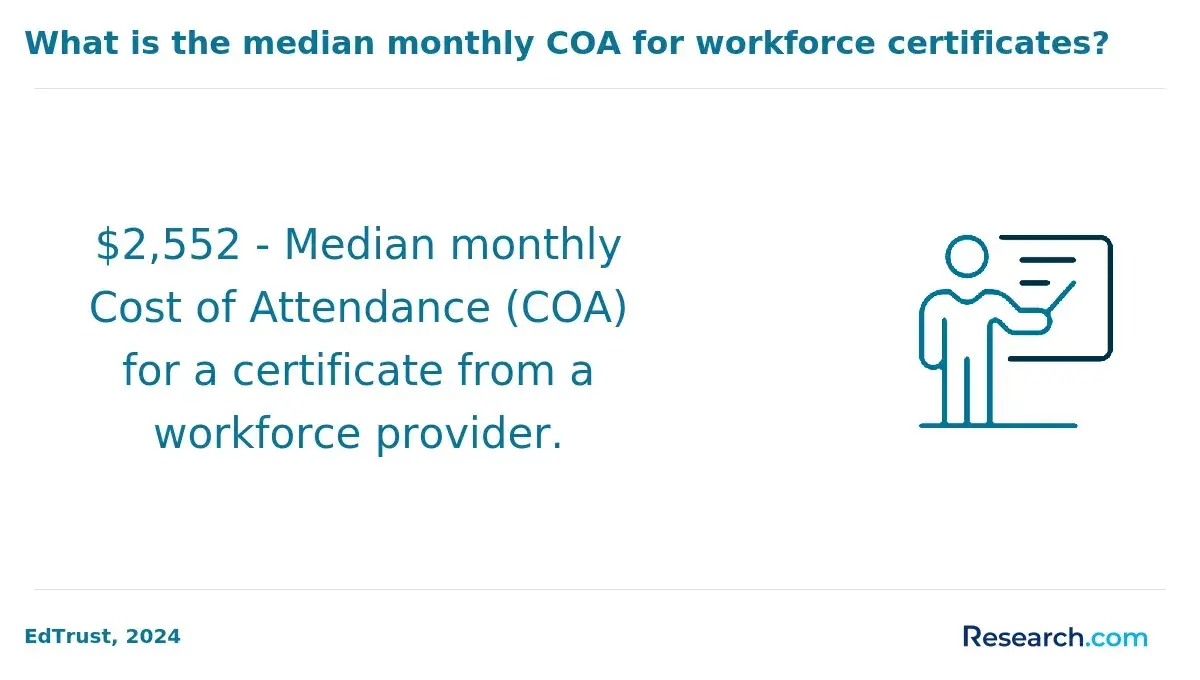
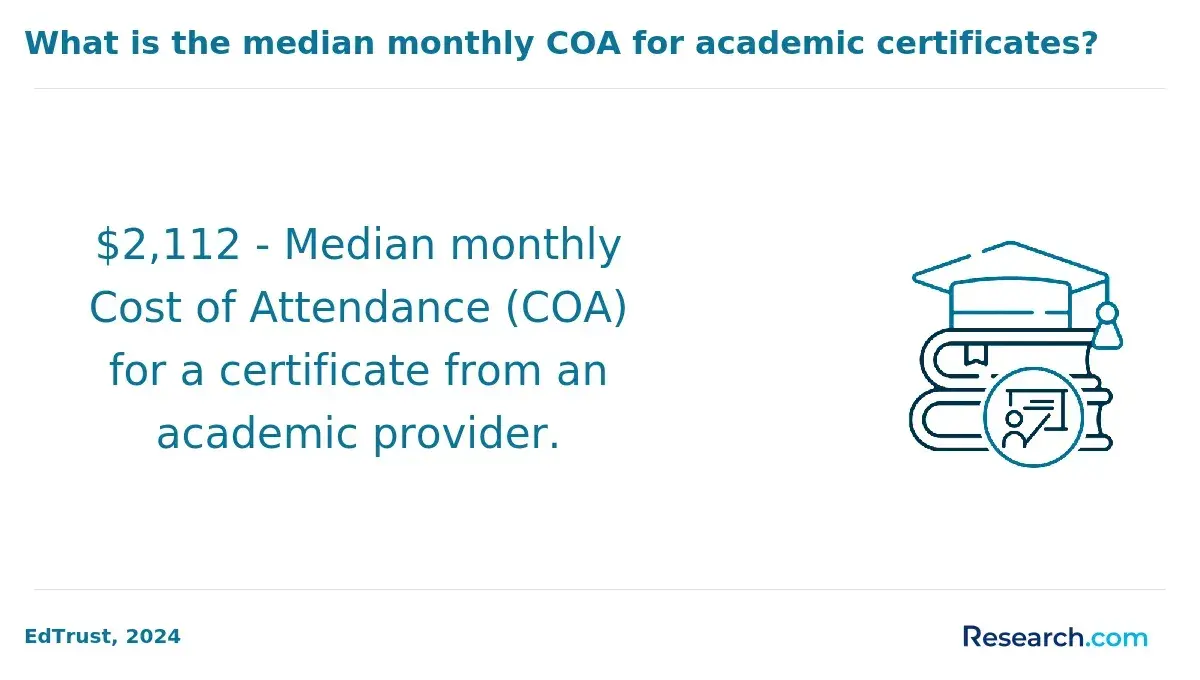
The financial investment in such programs, with tuition for rolling admissions nurse educator programs typically ranging from $8,000 to $25,000, represents a considerable commitment, especially when weighed against potential entry-level repositioning and salary resets during the transition.
Career outcomes after changing careers following a nurse educator graduate program vary significantly with prior experience, transferable skills, and sector demand. The degree facilitates access to industry-specific roles, particularly those involving program design and leadership within healthcare education systems. Networking and practicum placements embedded in these programs offer essential real-world exposure, which employers value alongside formal credentials. However, shifting into highly regulated or administrative leadership roles often requires additional management training beyond the degree itself. Students should also consider long-term mobility and credential competition, as many institutions maintain high standards for teaching positions.
For those exploring broader healthcare management pathways, combining this degree with further qualifications such as online MBA programs healthcare management may expand leadership prospects.
What Leadership and Management Roles Can You Pursue With a Nurse Educator Master's Degree?
Leadership roles available to graduates with a nurse educator master's degree vary widely by sector, demanding a blend of strategic, operational, and clinical skills. In academia, advancement typically involves oversight of curriculum development, faculty evaluation, and accreditation processes, requiring nuanced organizational management beyond instructing students. Within healthcare settings, leadership titles such as clinical nurse leader or director of nursing education emphasize operational accountability, including budget management, policy enforcement, and multidisciplinary team coordination.
These roles require adeptness in regulatory compliance and an ability to navigate high-pressure clinical environments. Importantly, career progression is not uniform: some organizations expect nurse educators to maintain technical expertise alongside leadership duties, while others prioritize broader administrative competencies.
Practical workforce outcomes hinge on industry demands and institutional structures. For example, hospitals may require nurse educator leaders to demonstrate proficiency in complex data-driven quality improvement and staff supervision, affecting eligibility for promotion and compensation increases. Conversely, academic institutions place higher value on educational design and accreditation leadership, which alters the skill set and performance metrics for advancement.
Many employers also associate leadership roles with expanded stakeholder management responsibilities, including influencing institutional policy and collaborating across departments. Recognizing these differentiated pathways early helps graduates balance specialization with broader managerial ambitions, acknowledging that rising accountability often coincides with diminished direct clinical or teaching involvement.
One graduate described navigating a prolonged admissions cycle, uncertain about when to apply amid rolling deadlines. She hesitated, weighing whether to prioritize immediate employment or further education, but ultimately secured a spot after submitting late in the process. This experience illuminated the importance of strategic timing and preparation, especially when program leadership roles demand advanced qualifications aligned with evolving workplace needs.
What Skills Do Employers Expect From Graduates With a Nurse Educator Master's Degree?
Graduates with a nurse educator master's degree are expected to deliver a precise combination of technical, analytical, and leadership capabilities that extend beyond clinical expertise to measurable organizational impact. Employers look for proficiency with electronic health records, simulation technologies, and curriculum design platforms, enabling these educators to lead evidence-based instructional programs effectively. For example, managing diverse cohorts while integrating evolving healthcare technologies demands operational leadership, a skill essential for roles involving scheduling, compliance, and cross-disciplinary coordination. This multifaceted skill set directly influences salary potential, with nurse educators employed in institutions offering a median salary range between $75,000 and $95,000, reflecting the premium placed on adaptability and technical fluency in clinical teaching environments (Bureau of Labor Statistics, 2024 data).
The workforce implications of these expectations vary across settings: academic institutions prioritize research acumen and curriculum innovation, requiring graduates to adeptly interpret clinical data and student metrics to refine pedagogical strategies. In contrast, healthcare facilities emphasize operational efficiency and hands-on clinical instruction, where interpersonal skills such as mentorship and conflict resolution significantly affect program success and institutional reputation. Not all employers value the same competencies equally, so graduates must calibrate their skills to industry demands, balancing strategic planning and team leadership against the need to facilitate accreditation compliance and learner engagement. This alignment is crucial; those unable to integrate technological tools or lead complex workflows often face stalled career progression and diminished involvement in high-impact educational projects.
Are Remote and Flexible Careers Available With a Nurse Educator Master's Degree?
Remote and flexible careers for those with a nurse educator master's degree are attainable but depend significantly on the role's functional demands and employer context. Positions centered on curriculum development, online teaching, research, or policy consultation generally offer greater flexibility, including hybrid or fully remote work arrangements. In contrast, roles requiring direct clinical instruction, hands-on skills labs, or staff training often mandate on-site presence due to the necessity of physical supervision and compliance with healthcare regulations.
For example, nurse educators employed in healthcare organizations typically face less remote opportunity because of patient confidentiality and accreditation standards, whereas academic nurse educators in colleges may lecture digitally but still attend campus for labs or committees. A growing share of nursing graduate programs reporting widespread adoption of learning management systems supports these hybrid trends, responding to demand from professionals seeking remote nurse educator jobs with flexible schedules.
Industry sector, career stage, and operational requirements shape these employment patterns. Entry-level nurse educators usually start with on-site clinical teaching, building foundational skills before advancing to more flexible roles. Mid-career professionals might secure hybrid positions blending administrative and educational duties, but this often requires balancing digital collaboration, mentoring, and occasional in-person engagement. Independent consultants or contract-based educators can sometimes work fully remotely yet must navigate client acquisition and relationship management challenges virtually. These tradeoffs influence work-life integration and geographic mobility, with some data indicating that enrollment in relevant graduate programs peaks in late summer, aligning with employer hiring cycles that favor candidates ready for fall academic terms.
Flexibility comes with potential compensation differences and productivity pressures that candidates must weigh when pursuing these specialized careers within nursing education. Those considering these paths may also explore related fields such as exercise science by reviewing options for an online exercise science degree as a complementary credential.
What Certifications or Licenses Complement a Nurse Educator Master's Degree?
Licensing and certifications substantially influence the practical value of a nurse educator master's degree by shaping eligibility and differentiation within competitive hiring markets. The Registered Nurse (RN) license is mandatory in most clinical and academic roles involving patient care, providing a legal baseline of competency that institutional policies and state regulators enforce rigorously.
Beyond licensure, certifications like the Certified Nurse Educator (CNE) credential, while technically optional, are often indispensable in academia, where many employers require or strongly prefer them for faculty hiring and promotion. For instance, early-career educators aiming for tenure-track positions frequently pursue the CNE credential soon after graduating to meet employer demands and enhance credibility-without it, they risk restricted job opportunities and slower salary growth. Such certifications also reflect proficiency in curriculum development and instructional evaluation crucial for academic environments emphasizing pedagogical expertise over clinical skills.
Different sectors impose varied credentialing priorities, revealing strategic tradeoffs for nurse educator career paths. Hospital-based programs may prioritize clinical specialty certifications combined with licensure to ensure compliance with evolving healthcare standards and practical training quality. Conversely, academic institutions expect formal educational credentials enhanced by nurse educator master's degree certification requirements to validate teaching specialization.
Choosing whether to pursue advanced or niche certificates, such as simulation instruction or leadership credentials, affects access to senior roles but also entails ongoing maintenance workload and costs. Geographic and institutional factors further impact these expectations, as some states or employers demand more rigorous credentialing to safeguard patient safety and educational outcomes. Graduates should weigh these professional specialization demands carefully, as delaying certification often results in limited advancement, narrower salary bands, and diminished job security.
For additional insights on credentialing options influencing allied healthcare careers, exploring the best fastest online medical billing and coding certificate programs can provide complementary perspectives.
What Graduates Say About Career Opportunities With a Nurse Educator Master's Degree
- Tristan: "Balancing a full-time job and family commitments meant I had to choose a program that offered flexible online coursework for my nurse educator master's. I specifically prioritized programs with strong internship placements since I knew hands-on teaching experience would be crucial for hiring managers. While the workload was intense, completing the internship helped me build a portfolio that ultimately landed me a part-time teaching role at a community college."
- Jessica: "With limited funds but a clear goal of moving into academic education, I weighed part-time versus accelerated nurse educator programs and chose the latter to reduce total costs and time out of the workforce. It was a challenge to manage, especially with the demanding curriculum, but finishing quicker allowed me to apply for clinical educator positions sooner. I soon realized, though, that many employers heavily value certifications and real-world teaching experience alongside my degree, so I'm currently pursuing additional credentials."
- Christine: "I came from a clinical background and wanted to transition into teaching, but the salary growth limitations without licensure held me back from fully committing to nurse educator roles immediately after graduating. The decision to focus on programs that emphasized pedagogical skills over licensure was intentional to enter the workforce faster and maintain flexibility. Despite some initial difficulties competing for tenure-track roles, the remote instructional positions I secured allowed me to accumulate experience and strengthen my teaching portfolio for future advancement."
Other Things You Should Know About Nurse Educator Degrees
Online and part-time master's programs offer flexibility, which is important for working nurses, but they can differ in networking and mentorship opportunities compared to traditional on-campus programs. The strength of professional connections developed during the program often affects access to academic or institutional job openings. If advancing quickly into tenure-track faculty or leadership roles is a priority, students should value programs with strong clinical partnerships and active alumni networks over convenience alone.
Academic institutions tend to prioritize educational pedagogy, curriculum innovation, and sometimes research output, making teaching effectiveness and scholarly activity critical. Clinical settings hiring nurse educators often emphasize up-to-date practical expertise alongside the ability to deliver effective staff or student training. Candidates with a master's focused heavily on theoretical knowledge may find themselves less competitive in clinical educator roles unless they maintain robust clinical experience. Understanding these differing demands helps in choosing a degree program that supports the specific work environment a student targets.
The workload for nurse educators can be substantial, often combining lecture preparation, student advising, assessment, and sometimes research or administrative duties. Those entering academic roles should prepare for significant time investment outside of classroom hours, which may affect work-life balance. Prospective students juggling family or clinical shifts should weigh whether part-time study or hybrid programs can better accommodate these demands, or if the increased workload post-graduation fits their long-term career and personal plans.
References
- Arizona State University. (n.d.). Master of science in nursing (MSN) – nursing education. https://asuonline.asu.edu/online-degree-programs/graduate/nursing-education-msn/
- Baker College. (2025). 23 career opportunities with a master’s in nursing education. https://www.baker.edu/about/get-to-know-us/blog/nurse-educator-jobs-with-a-masters-in-nursing-education/
- ExploreHealthCareers.org. (n.d.). Nurse educator career profile. https://explorehealthcareers.org/careers/nursing/nurse-educator/
- NurseEducator.com. (2025). Exploring diverse paths: Careers in nurse education. https://www.nurseeducator.com/articles/careers-in-nurse-education/
- NurseEducator.com. (2026). Where do nurse educators work? Employer types, pay, and work environments explained. https://www.nurseeducator.com/articles/where-do-nurse-educators-work/
- RegisteredNursing.org. (2026). Nurse educator vs. nursing education: Understanding the key differences. https://www.registerednursing.org/articles/nurse-educator-vs-nursing-education/
- University of Phoenix. (n.d.). Nurse educator career guide. https://www.phoenix.edu/career-guides/nursing/nurse-educator.html
- Walden University. (n.d.). What does a nurse educator do? https://www.waldenu.edu/online-masters-programs/master-of-science-in-nursing/msn-nursing-education/resource/what-does-a-nurse-educator-do