2027 Cheapest Accelerated Artificial Intelligence Degree Programs Online

Co-Founder and Chief Data Scientist
An accelerated online artificial intelligence degree is a high-stakes choice: the right program can help you move into AI-related roles faster, while the wrong one can leave you with excess debt, credits that do not transfer, or a credential employers question. Adults considering these programs often need more than a list of schools. They need to know how cost, pacing, accreditation, transfer credit, and financial aid work together.
This guide is for working adults, career changers, military-affiliated learners, and students with prior college credit who want a faster and more affordable route into artificial intelligence. With average annual tuition for these programs often exceeding $15,000 and AI professionals earning median salaries near $120,000 annually in tech hubs, program selection can strongly affect return on investment.
Below, you will find practical guidance on the most affordable accelerated online AI degree options, what they typically cost, how to verify legitimacy, which formats are fastest, and how to use transfer credit, prior learning, and financial aid to reduce both time and expense.
Key Things to Know About the Cheapest Accelerated Artificial Intelligence Degree Programs Online
- Accelerated online artificial intelligence programs cut time and tuition via flexible schedules, transfer credits, and fast-track formats-reducing costs without compromising learning quality or credentials.
- Compare accreditation status, total program expenses, financial aid availability, and hidden fees thoroughly to evaluate true affordability beyond just low tuition rates.
- Verify transfer policies, pacing demands, residency requirements, and career or licensure outcomes before enrolling to ensure alignment with personal goals and realistic program completion.
What Are the Cheapest Accelerated Artificial Intelligence Degree Programs Online?
The cheapest accelerated online artificial intelligence degree programs are usually found at accredited public universities, competency-based institutions, transfer-friendly degree-completion schools, and workforce-focused online programs. The lowest-cost option depends less on the advertised tuition rate and more on how many credits you can transfer, how quickly you can complete courses, and whether the school charges by credit, term, or subscription period.
Students completing accelerated degrees often finish up to 30% faster than traditional schedules, which can lower total tuition, fees, and opportunity costs. However, a faster program is only a good value if it is accredited, academically rigorous, and aligned with the AI skills employers expect.
Common low-cost accelerated AI degree pathways
- Public university online programs: State universities often provide the strongest affordability for residents, especially when students qualify for in-state tuition. They may also have established computer science, data science, or engineering departments that support AI coursework.
- Competency-based education: These programs let students move ahead after demonstrating mastery instead of waiting for a traditional semester to end. They can be especially cost-effective for learners who already know programming, statistics, data analysis, or cloud computing.
- Transfer-friendly degree-completion programs: Schools with generous transfer policies can be inexpensive for students who already completed general education or lower-division technical courses at a community college.
- Accelerated bachelor's-to-master's tracks: Combined pathways may reduce duplicated coursework and shorten the route to graduate-level AI preparation. They are best for students who already know they need advanced credentials for research, leadership, or specialized technical roles.
- Workforce-focused adult education programs: Some online programs are designed around applied skills, stackable credentials, and flexible schedules. These can work well for employed adults who want career-relevant AI training without pausing work.
When comparing an online degree in ai, look beyond the lowest listed tuition. Ask how many credits the school will accept, whether courses run year-round, whether the program includes hands-on AI projects, and whether the credential comes from an accredited institution.
Students comparing affordable fast-track degrees in other flexible fields may also review related options such as BCBA masters programs, which can show how online programs use transfer credit, professional preparation, and flexible scheduling to serve working adults.
How Much Does an Accelerated Online Artificial Intelligence Degree Cost?
The cost of an accelerated online artificial intelligence degree varies by school type, residency status, credit requirements, transfer policy, and tuition model. Many accelerated programs reduce overall expenses by enabling completion in roughly two years, but students should calculate the full price rather than relying on per-credit tuition alone.
Public universities commonly offer lower rates, especially for in-state students. These institutions may charge between $200 and $600 per credit hour. Competency-based schools may use flat-rate tuition by term, which can be cheaper for students who complete courses quickly but more expensive for those who need extra time.
Cost factors to compare before enrolling
| Cost factor | Why it matters | What to ask the school |
| Tuition model | Per-credit tuition, flat-rate terms, and subscription-style pricing can produce very different total costs. | Is tuition charged per credit, per term, or another way? |
| Transfer credits | Many colleges recognize up to 75% of transfer credits, which can substantially reduce required coursework. | How many credits can transfer into the major, not just electives? |
| Accelerated terms | Summer, winter, and shortened sessions can reduce calendar time but may increase weekly workload. | Can students enroll year-round without extra fees? |
| Online fees | Technology, assessment, course material, and graduation fees can raise the final bill. | What is the total program cost after all required fees? |
| Prior learning credit | Credit for certifications, exams, military training, or professional experience can lower both time and tuition. | Which certifications or assessments are eligible for credit? |
Western Governors University exemplifies a flat-rate, competency-based approach. This kind of model can benefit motivated students who already have relevant technical knowledge, but it requires steady progress. If you slow down, the cost advantage can shrink.
Students should also compare related online fields to understand how flexible programs price tuition and support adult learners. For example, an online family counseling degree may use different clinical, practicum, or residency requirements, but the same cost questions about accreditation, fees, aid, and transfer credit still apply.
Are Cheap Accelerated Artificial Intelligence Degree Programs Accredited and Legitimate?
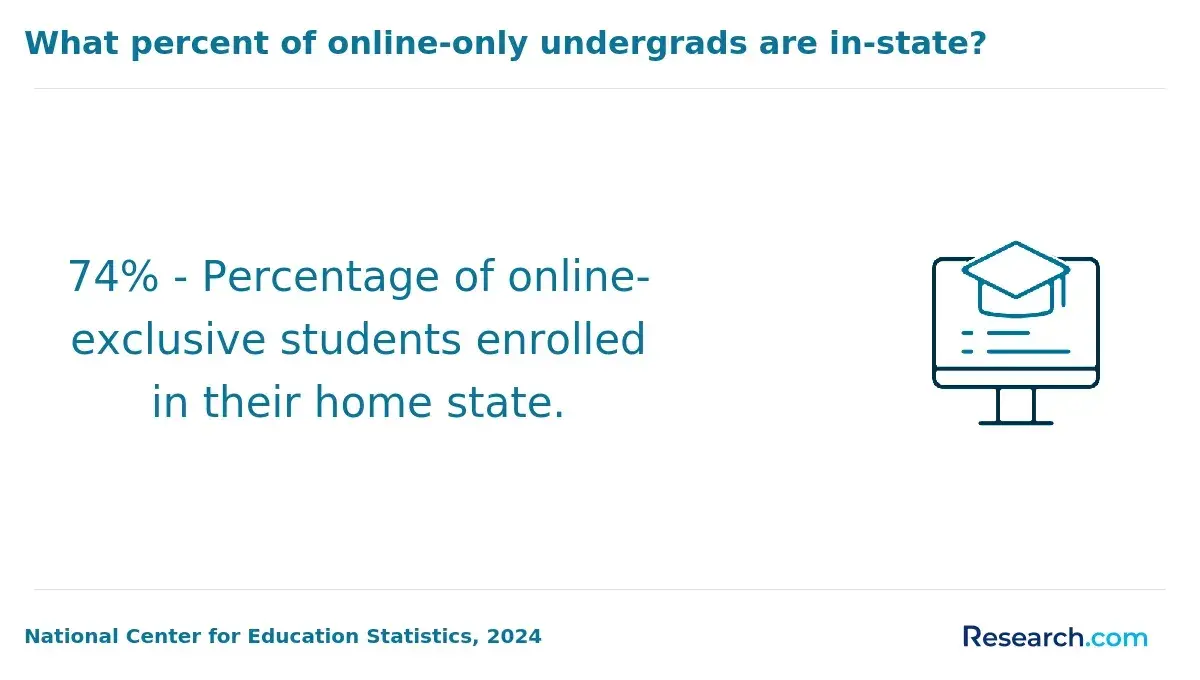
Cheap accelerated AI degree programs can be legitimate, but only if the institution is properly accredited, legally authorized to offer online education, and transparent about outcomes, costs, and academic requirements. Affordability and speed should never replace verification. With online enrollment growing more than 15% annually, students need to distinguish recognized degrees from weak programs and diploma mills.
How to verify legitimacy
- Check institutional accreditation: Regional accreditation is a major marker of academic credibility because it applies to the institution as a whole. It can affect federal aid eligibility, credit transfer, graduate school admission, and employer recognition.
- Confirm state authorization: Online programs must be authorized to enroll students in the states where they operate. This protects students and helps ensure the school follows applicable higher education rules.
- Review the curriculum: A credible AI degree should include substantial work in programming, algorithms, statistics, machine learning, data management, ethics, and applied projects. A short program with vague AI buzzwords is a warning sign.
- Compare nonprofit and for-profit providers carefully: Nonprofit institutions often have clearer academic governance and public accountability. Some for-profit schools may offer convenience and speed, but students should examine accreditation, completion rates, debt outcomes, and employer acceptance before enrolling.
- Ask employers or industry contacts: Employer recognition depends on the school’s reputation, the technical depth of the program, and the student’s portfolio. Accreditation helps, but applied skills and demonstrable projects also matter.
A graduate of an accelerated artificial intelligence degree described the experience this way: “The rigorous coursework was intense but well-structured, and the school's regional accreditation gave me confidence when applying for jobs.” The graduate also noted that balancing work and study was demanding, but the school’s legitimacy helped reduce skepticism during interviews.
The practical takeaway is simple: a low-cost accelerated degree can be respected, but only when it comes from an accredited institution and provides real technical preparation. Do not enroll until you verify accreditation directly through the school and the recognized accreditor.
What Are the Fastest Online Artificial Intelligence Degree Programs?
The fastest online artificial intelligence degree programs are typically competency-based, transfer-heavy, year-round, or built around short academic terms. These formats are attractive to working adults and career changers who want to finish quickly without leaving the workforce. About 40% of undergraduates are now over age 25, which helps explain why many schools design online programs for nontraditional learners.
Speed, however, is not the same as ease. AI coursework can be mathematically and technically demanding. Students who choose the fastest path should be ready for intensive weekly study, frequent projects, and limited breaks.
Formats that shorten time to completion
- Competency-based education: Students may finish in 12-18 months if they already have strong technical skills and can complete assessments quickly. This model works best for self-directed learners.
- Transfer-credit friendly programs: Students with previous college coursework, professional certifications, or an associate degree may be able to complete remaining requirements in 1.5 to 2 years.
- Year-round 8-week courses: Short sessions allow students to earn credits continuously instead of waiting for traditional fall and spring semesters. Many learners finish in 18-24 months when they maintain a steady course load.
- Prior learning assessments: Some schools award credit for documented work experience, military training, exams, or certifications. This can shorten the path for professionals with relevant backgrounds.
The best fast program is one that matches your background. A software developer may move quickly through programming-heavy courses, while a student new to coding may need a more structured pace. Before choosing the shortest timeline, ask for a realistic degree plan that shows course sequence, prerequisites, transfer credits, and expected weekly workload.
Students who need a lower-cost academic foundation before pursuing AI may also compare options such as easiest associate degrees, especially if they plan to complete general education or introductory technology coursework first.
Which Online Artificial Intelligence Degree Programs Are Best for Working Adults?
The best online artificial intelligence degree programs for working adults combine flexibility, predictable pacing, strong advising, transparent costs, and credible academic quality. Online degree enrollment for adults has grown by over 30% in recent years, and many learners now need programs that fit around full-time work, caregiving, military service, or career transitions.
Features that matter most for employed students
- Asynchronous coursework: Students can watch lectures, complete assignments, and participate in discussions at times that fit their schedules. This is often the most practical format for shift workers, parents, and professionals with travel demands.
- Competency-based progression: Working adults with prior experience can move quickly through familiar material. This can reduce frustration and help students focus on new AI concepts.
- Generous transfer policies: Schools that accept community college credits, prior bachelor’s coursework, military training, and certifications can help adults avoid repeating classes.
- Part-time and full-time options: A program should let students slow down when work or family demands increase and accelerate when time allows. Flexibility is more useful than a rigid “fast” schedule.
- Career-focused support: AI students benefit from portfolio guidance, resume support, interview preparation, internship access, and project-based coursework tied to real-world tools.
One graduate described why flexibility mattered: “Balancing full-time work and family was overwhelming at first. The asynchronous model gave me the freedom to study when I could focus best, often late at night. Competency-based assessments let me leverage my prior skills, speeding up the process without sacrificing learning.”
Working adults should be cautious about overloading their schedules. A program that looks fast on paper may become unsustainable if it requires multiple advanced technical courses at once. The best choice is often the program that allows steady progress without forcing students to choose between academic success and work obligations.
What Flexible Scheduling Options Are Available in Accelerated Artificial Intelligence Programs?
Accelerated AI programs use several scheduling models to help students move faster while managing work and personal responsibilities. Flexible scheduling is especially important for nontraditional students, whose enrollment increased by over 30% in recent years.
Each scheduling option has trade-offs. Maximum flexibility requires strong time management. Live courses provide structure but reduce schedule freedom. Short terms speed progress but increase weekly intensity.
Common scheduling models
- Asynchronous learning: Students access lectures, assignments, and course materials on their own schedule. This is the most flexible option, but it requires consistent weekly discipline.
- Synchronous evening or weekend classes: Live sessions outside normal business hours provide direct interaction with instructors and peers. This format works well for students who need structure and accountability.
- Competency-based progression: Students advance after proving mastery rather than waiting for fixed semester dates. Motivated learners with prior knowledge may complete requirements faster.
- Rolling start dates: Multiple enrollment windows throughout the year allow students to begin without waiting for a traditional semester.
- Condensed course terms: Short formats such as 8-week sessions help students accumulate credits quickly, but the workload can be demanding because assignments, labs, and exams are compressed.
Before enrolling, ask the program for a sample weekly schedule. AI courses often include coding assignments, labs, group projects, readings, and exams. A flexible format is only helpful if the workload is realistic for your available study time.
Which Accelerated Artificial Intelligence Degree Programs Accept the Most Transfer Credits?
The accelerated AI programs that accept the most transfer credits are usually degree-completion programs, public universities with articulation agreements, competency-based schools, and military-friendly institutions. Transfer credit is one of the most powerful ways to reduce both time and cost. Learners who utilize prior-learning assessments can cut their degree time by up to 50%.
Transfer-friendly program types
- Community college articulation pathways: These agreements help students transfer general education, math, programming, and introductory computer science credits into a four-year program with fewer surprises.
- Prior-learning assessment programs: Schools may award credit through CLEP, DSST, certification review, portfolio evaluation, or documented professional learning.
- Competency-based institutions: These programs emphasize demonstrated knowledge and may be more flexible for students with prior technical experience.
- Military-friendly universities: These schools may evaluate military training, technical coursework, and service-related learning for academic credit.
Students should not assume that all transfer credits apply equally. Some credits may count only as electives, while others may satisfy major requirements or prerequisites. The most valuable transfer policy is one that applies credits directly toward graduation requirements in the AI degree plan.
Questions to ask before transferring
- What is the maximum number of transfer credits allowed?
- How many credits must be completed at the institution?
- Will prior credits apply to the AI major, general education, electives, or prerequisites?
- Are there grade minimums or time limits on older technical courses?
- Can certifications, exams, military training, or work experience be evaluated for credit?
Can Prior Learning or Work Experience Reduce the Time and Cost of a Artificial Intelligence Degree?
Yes. Prior learning and work experience can reduce the time and cost of an artificial intelligence degree when the school has clear policies for transfer credit, competency assessment, military transcript evaluation, or portfolio review. Nearly 80% of adult learners report that transfer credits and prior-learning assessments significantly speed up degree completion.
This is especially useful for students who have worked in software development, data analysis, IT, cybersecurity, mathematics, engineering, business analytics, or related technical roles. However, credit is not automatic. Schools usually require documentation, official transcripts, certification records, exam scores, or faculty review.
Ways prior learning may count
- Transfer credit: Colleges may accept coursework from regionally accredited institutions, especially general education, mathematics, statistics, programming, and computer science courses.
- Competency-based credit: Students may demonstrate mastery through assessments instead of completing a full course in material they already know.
- Prior-learning assessments: Portfolio reviews may convert professional training, certifications, or documented experience into elective or prerequisite credits.
- Military transcript evaluations: Military-affiliated students may receive credit for formal training and technical skills validated by organizations such as the American Council on Education.
Students should request a written transfer evaluation before committing to a program. A school may advertise generous credit policies but apply only a small number of credits to the AI major. The best programs provide a degree audit that shows exactly what remains, how long it should take, and what the total cost will be.
Similar credit-flexibility principles can appear in other online degree-completion areas, including business office administration programs, where adult learners may also use prior coursework or workplace learning to shorten their path.
What Financial Aid Options Are Available for Online Artificial Intelligence Students?
Financial aid can make an accelerated online AI degree more affordable, but students must understand how aid works with shortened terms, year-round enrollment, and competency-based tuition. Nearly 60% of adult learners utilize some form of financial assistance, including employer tuition reimbursement and federal grants, to reduce their debt burden.
Financial aid options to consider
- Federal grants and loans: Pell Grants and Direct Subsidized Loans may help eligible students reduce upfront tuition costs. Enrollment status and academic pacing can affect disbursement, so students should speak with the financial aid office before choosing an accelerated schedule.
- Institutional scholarships: Some accredited accelerated online AI programs offer scholarships for online learners, transfer students, adult students, or students in technology fields.
- Employer tuition assistance: Working professionals should ask whether their employer offers tuition reimbursement, direct billing, or professional development funding. This can be especially valuable when the AI degree aligns with current job responsibilities.
- Military education benefits: Eligible veterans and active-duty service members may use GI Bill® and Tuition Assistance programs. Flexible online AI programs can fit well with military schedules, but students should confirm benefit eligibility and school participation.
Financial aid should be evaluated alongside transfer credit and program length. A slightly higher tuition rate may still produce a lower total cost if the school accepts more credits or lets you finish faster. Conversely, a low advertised price may become expensive if fees are high, credits do not transfer, or course availability delays graduation.
Students exploring career changes can also use resources such as what can you get with an environmental science degree to compare how education decisions, financial aid, and career outcomes interact across fields.
What Should Students Look for When Choosing an Affordable Accelerated Artificial Intelligence Program?
Students should choose an affordable accelerated AI program by comparing accreditation, total cost, transfer credit, curriculum quality, scheduling flexibility, and student support. Over 60% of online students utilize transfer credits to shorten degree timelines and control costs, so the best value often comes from the program that accepts the most applicable credit while still providing credible AI preparation.
Decision checklist
- Accreditation status: Confirm that the institution is accredited and that accreditation supports federal aid, transfer credit, graduate study, and employer recognition.
- Total tuition and fees: Calculate the complete price, including technology fees, course materials, assessments, graduation fees, and any extra charges for accelerated terms.
- Transfer-credit policies: Ask how many credits can transfer and where they apply in the degree plan. Credits that count only as electives may not shorten the program as much as expected.
- Curriculum depth: Look for coursework in programming, machine learning, data structures, algorithms, statistics, databases, ethical AI, and applied projects.
- Flexible accelerated scheduling: Asynchronous courses, 8-week terms, rolling starts, and competency-based pacing can help adults finish faster, but the workload must be manageable.
- Student support services: Online advising, tutoring, technical support, library access, career services, and portfolio guidance can affect completion and job readiness.
- Career alignment: Review whether the program prepares students for the AI roles they want, such as machine learning support, data analytics, AI product work, automation, or further graduate study.
Avoid choosing a program based only on speed. The cheapest accelerated option is not always the best value if it lacks employer recognition, project-based learning, or enough academic support. Ask for a written degree plan, a transfer evaluation, and a full cost estimate before enrolling.
What Do Students Say About Cheap Accelerated Online Artificial Intelligence Degree Programs?
- : "Finding a program with a flexible schedule was crucial for me as a full-time employee. The accelerated artificial intelligence degrees I explored allowed me to balance work and study without sacrificing either. Plus, I appreciated how many of these programs offered solid financial aid options specifically for online students, making the investment manageable. — Armando"
- : "Switching careers was daunting, but choosing an affordable, accelerated artificial intelligence program made all the difference. I spent a lot of time comparing costs and found options that not only fit my budget but also sped up the learning curve. The availability of financial aid was a real bonus, easing the pressure of tuition fees while I focused on mastering new skills. — Damien"
- : "As a nontraditional student returning to education, I valued programs that offered both accelerated pacing and affordability. The flexible class schedules helped me juggle family commitments while earning my artificial intelligence degree efficiently. Understanding which programs had financial aid for online students also played a key role in my decision-making process. — Aiden"
Other Things You Should Know About Artificial Intelligence Degrees
Most accelerated AI degree programs in 2027 require foundational knowledge in mathematics and basic programming. Students are often expected to have completed courses in calculus, linear algebra, and introductory computer science; however, specific prerequisites can vary by institution.
Many programs integrate virtual labs, simulation tools, and coding assignments to provide practical experience despite the online format. Additionally, some schools offer remote access to AI development platforms or encourage collaboration on real-world projects through team-based online activities.
Graduates usually gain access to career counseling tailored to AI roles, job placement assistance, and networking opportunities with industry professionals. Many programs maintain partnerships with tech companies and host virtual career fairs to connect students with potential employers in the AI sector.
References
- Artificial Intelligence (AI) in private and public sectors. Comparative analysis: Poland and the Czech Republic - CSM - Centrum Stosunków Międzynarodowych https://csm.org.pl/en/artificial-intelligence-ai-in-private-and-public-sectors-comparative-analysis-poland-and-the-czech-republic-2/
- The Potential Impact of AI on the Public-Sector Workforce https://institute.global/insights/economic-prosperity/the-potential-impact-of-ai-on-the-public-sector-workforce
- Cheapest Online Masters in Artificial Intelligence: Top Programs https://aiixx.ai/blog/cheapest-online-masters-in-artificial-intelligence-top-programs
- AI Program Rankings on AIDegreePrograms.org https://aidegreeprograms.org/rankings/
- Most Affordable Online Master's in AI for 2025 https://www.mastersinai.org/degrees/affordable-online-masters-in-ai/
- 42 Artificial Intelligence (Ai) Scholarships available https://www.hotcoursesabroad.com/study/international-scholarships/all/qn/artificial-intelligence-ai/cid/qid/cb.31/scholarship5.html
- Artificial intelligence traiNing scheDuler foR accElerAted clusterS - E4 Computer Engineering https://www.e4company.com/en/andreas-artificial-intelligence-training-scheduler-for-accelerated-resource-clusters/
- Master’s in AI Online: Today’s Best Programs https://www.onlinemastersdegrees.org/best-programs/computer-science/artificial-intelligence-ai/
- Financial Aid for DeepLearning.AI's course https://community.deeplearning.ai/t/financial-aid-for-deeplearning-ais-course/789918
- Public Sector vs. Private Sector AI: What’s Different https://www.govaisummit.com/blog/public-sector-vs.-private-sector-ai-whats-different