2027 Cheapest Accredited Online Surgical Tech Degree Programs: Tuition, Fees, and Financial Aid

Co-Founder and Chief Data Scientist
Choosing an affordable accredited online surgical tech degree is harder than comparing tuition rates. Students must account for mandatory fees, clinical expenses, supplies, certification costs, and financial aid. The stakes are real: the U. S. Bureau of Labor Statistics reports a median annual wage of $62,830 for surgical technologists, while education costs keep rising. This guide is for students comparing online or hybrid associate-degree pathways. You will learn how to identify lower-cost accredited programs, verify aid eligibility, estimate net price, and avoid choosing a cheap-looking option that becomes expensive later.
Key Things You Should Know
- The lowest advertised tuition for online or hybrid surgical tech programs is usually found at public community colleges such as San Juan College, Southeast Community College, and Ivy Tech Community College, but the cheapest option depends on residency, clinical-site requirements, and program fees.
- Students should compare total program cost, including mandatory technology fees, lab kits, scrubs, immunizations, background checks, drug screens, certification exam fees, and travel to clinical sites.
- FAFSA-eligible students may reduce net price with federal aid, including a maximum Federal Pell Grant of $7,395 for the award year, but only if the institution and program meet federal aid rules.
What Are the Cheapest Accredited Online Surgical Tech Degree Programs?
The cheapest accredited online surgical tech degree programs are usually not fully online in the same way as business or psychology programs. Surgical technology requires hands-on sterile technique, instrumentation, operating-room procedures, and supervised clinical practice, so most "online" options are better described as hybrid programs: lectures may be online, while labs and clinical rotations are completed in person.
The table below compares lower-cost accredited or accreditation-aligned surgical technology associate-degree options that commonly appear in affordability searches. Always confirm current tuition, fees, delivery format, and accreditation directly with the school before applying, because clinical placement rules and tuition schedules can change.
| Program | Credential and format | Accreditation point to verify | Affordability profile | Best-fit student |
| San Juan College | Associate of Applied Science with online coursework and required clinical experience | Confirm current CAAHEP status and surgical technology program listing | Often among the lowest-cost options for local or in-state students because of community college tuition | Students who can secure approved clinical experiences while using online didactic coursework |
| Southeast Community College | Associate degree pathway with online or hybrid coursework and in-person clinical components | Confirm current CAAHEP status and campus/program availability | Public community college pricing can be comparatively low, especially when nonresident premiums are modest | Students who want a structured public-college program with a practical clinical pathway |
| Ivy Tech Community College | Associate of Applied Science with online general education options and in-person technical/clinical courses | Confirm CAAHEP status for the specific campus offering surgical technology | Statewide public tuition can be affordable for Indiana residents, but campus-specific fees and clinical costs matter | Indiana residents seeking a lower-cost associate pathway with local campus support |
| Washburn University | Surgical technology pathway with distance-learning elements and required clinical placement | Confirm whether the specific credential is a degree, certificate, or degree-completion route and verify programmatic accreditation | May cost more than community college options, but can be valuable for students with an approved clinical site | Students who need distance coursework and already have access to an appropriate clinical environment |
For many students, the best bargain is not simply the lowest per-credit tuition. It is the accredited program that lets them complete required labs and clinicals without relocating, paying excessive travel costs, or losing financial aid eligibility.
If you are comparing surgical technology with other short online credentials, it may also help to review the fastest degree to get online so you can weigh time-to-completion against hands-on clinical requirements.
How Were the Cheapest Online Surgical Tech Degree Programs Ranked?
The most useful ranking of affordable surgical tech programs starts with total cost, not marketing language. A program that advertises low tuition can become more expensive if it charges high online fees, requires out-of-state clinical travel, limits transfer credits, or lacks federal financial aid eligibility.
For this guide, affordability should be evaluated using the following cost-first method. These steps help students compare programs consistently, even when schools publish prices in different formats.
- Confirm institutional accreditation from a recognized accreditor so credits and federal aid eligibility can be evaluated properly.
- Verify programmatic accreditation, usually through CAAHEP or ABHES, because surgical technology employers and certification pathways may depend on it.
- Calculate tuition for the full credential by multiplying the required credits by the applicable in-state, out-of-state, online, or flat-rate tuition.
- Add mandatory institutional fees, online course fees, lab fees, student service fees, and program-specific surgical technology fees.
- Estimate out-of-pocket clinical costs, including travel, parking, immunizations, background checks, drug screening, CPR certification, uniforms, and equipment.
- Subtract grants, scholarships, employer tuition benefits, and other gift aid to estimate net price before borrowing.
- Compare value indicators such as certification exam preparation, clinical placement support, completion expectations, and local employer recognition.
This ranking approach favors accredited public colleges with transparent tuition and manageable clinical placement costs. It does not assume that a private or higher-priced program is a poor value; in some cases, stronger clinical coordination or better schedule flexibility can justify a higher net price.
How Can You Verify the Accreditation of an Online Surgical Tech Degree Program?
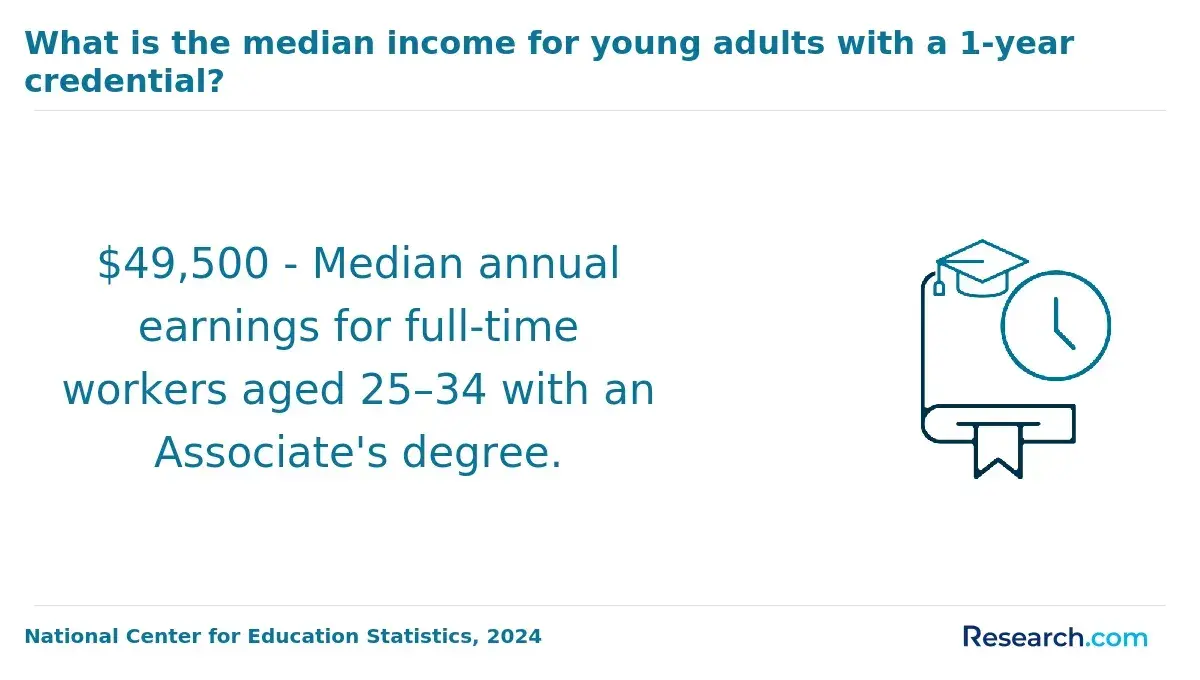
Accreditation is the first affordability checkpoint because an unrecognized program can cost less upfront but create problems with certification, employment, transfer credit, and financial aid. Surgical tech students should check both institutional accreditation and programmatic accreditation.
The table below explains the difference between accreditation types and why each one affects cost and outcomes.
| Accreditation type | What it means | Why it matters for cost | What to verify |
| Institutional accreditation | The college or school is reviewed as an institution by a recognized accreditor | Federal financial aid generally depends on institutional eligibility, not just program advertising | School name, accreditor name, and federal Title IV participation |
| Programmatic accreditation | The surgical technology program is reviewed against field-specific standards | May affect eligibility for certification exams, employer acceptance, and transfer into related healthcare pathways | CAAHEP or ABHES listing for the exact program, campus, and credential |
| State authorization and clinical approval | The school is permitted to enroll students in a state and place them in clinical settings | Students may face added travel costs or delayed completion if clinical placement is not approved locally | Whether your state is eligible and whether clinical sites are available near you |
Use this accreditation checklist before paying an application fee or enrollment deposit. It can help you avoid programs that look inexpensive but may not support your career goal.
- Search the institution in the U.S. Department of Education's recognized accreditation resources or ask the school for its accreditor and federal school code.
- Search the surgical technology program in CAAHEP or ABHES databases and match the exact campus, delivery format, and credential.
- Ask whether graduates are eligible to sit for the certification exam preferred by employers in your area.
- Confirm whether your state allows enrollment and whether clinical placement can be completed where you live.
- Request written confirmation of total tuition, fees, clinical requirements, and financial aid eligibility before enrolling.
A major red flag is a school that says it is "accredited" but will not identify whether that means institutional accreditation, programmatic surgical technology accreditation, or both. Those are not interchangeable.
How Much Does an Accredited Online Surgical Tech Degree Really Cost?
An accredited online surgical tech associate degree commonly requires about two academic years of study, but the real cost depends on the number of credits, residency status, online fees, program supplies, and clinical expenses. Tuition is the price of instruction. Mandatory fees are required charges added by the school. Total program cost includes tuition, fees, supplies, clinical costs, and certification expenses. Net price is what remains after grants and scholarships are applied.
The table below shows the main cost categories students should collect from each school. This is the simplest way to compare a low-tuition program with one that has higher tuition but fewer add-on expenses.
| Cost category | What it includes | Why it can change affordability |
| Tuition | Per-credit, semester, or flat-rate instructional charges | Residency rules can make the same program much cheaper for local students than for nonresidents |
| Mandatory school fees | Technology, online course, registration, student service, facility, and assessment fees | High per-credit fees can erase the savings from low advertised tuition |
| Program fees and supplies | Lab kits, sterile processing supplies, scrubs, shoes, instruments, and simulation materials | Surgical tech programs often require specialized items that general online degrees do not |
| Clinical compliance | Background checks, drug screens, immunizations, CPR certification, health insurance documentation, and physical exams | These are often required before clinical placement and may not be included in tuition |
| Travel and schedule costs | Transportation, parking, childcare, reduced work hours, or temporary lodging for labs and clinicals | A distant "online" program can become expensive if required in-person attendance is not local |
| Certification and graduation costs | Exam fees, graduation fees, transcript fees, and licensure-related documents if applicable | These costs arrive near the end of the program, when students may already have limited aid remaining |
A practical formula is: required credits multiplied by tuition, plus mandatory fees, plus program and clinical costs, minus grants and scholarships. That final number is closer to your real out-of-pocket cost than tuition alone.
Which Tuition Models Make Online Surgical Tech Degree Programs More Affordable?
Tuition models matter because they determine whether a student saves money by studying full time, part time, in district, or online. Surgical tech students should be especially careful because clinical schedules may limit how many credits they can take at once.
The table below compares common tuition structures and explains when each one can lower the cost of an online or hybrid surgical tech degree.
| Tuition model | How it works | When it may be cheaper | Affordability risk |
| Per-credit tuition | Students pay for each credit attempted | Part-time students and transfer students can avoid paying for credits they do not need | Repeating a course or adding prerequisites increases cost directly |
| In-district or in-state tuition | Public colleges charge lower rates to eligible local or state residents | Students living in the college's service area may receive the lowest published rate | Nonresident or online students may pay a higher rate |
| Flat-rate semester tuition | Students pay one rate within a credit range | Full-time students who can handle heavier loads may reduce cost per credit | Clinical hours can make overload schedules unrealistic |
| Online tuition rate | All online students pay the same rate regardless of residency | Nonresident students may avoid high out-of-state tuition | Online course fees can still add cost |
| Competency-based or subscription tuition | Students pay by term and progress by demonstrating mastery | Experienced students in some fields can move faster | This model is uncommon for entry-level surgical technology because clinical competencies require supervised practice |
Students comparing healthcare programs with other flexible online degrees should not assume that every accelerated model fits surgical technology. For example, an accelerated bachelor's degree psychology may be easier to deliver fully online, while surgical tech programs must protect patient safety through labs and clinical rotations.
What Fees and Hidden Costs Should Online Surgical Tech Degree Students Expect?
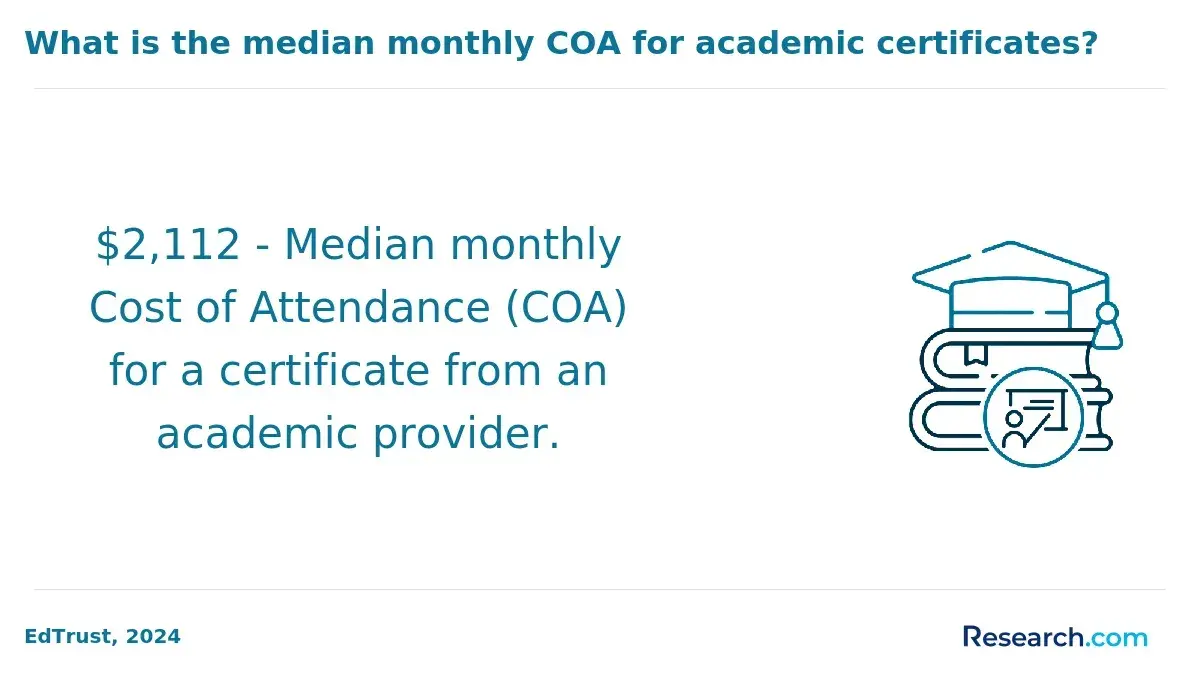
Hidden costs are common in surgical technology because the program is tied to clinical readiness, safety rules, and hospital compliance. A school may publish tuition clearly but list program-specific costs separately in a handbook, orientation packet, or clinical placement agreement.
Before enrolling, ask the school to provide an itemized cost sheet. The following expenses are especially important because they can affect when you are allowed to enter clinical training.
- Uniforms, scrub caps, approved shoes, protective eyewear, and other dress-code items required for labs or clinical sites.
- Lab kits, sterile supplies, instrument practice materials, simulation fees, or disposable clinical materials.
- Background check, fingerprinting, drug screening, immunization documentation, tuberculosis testing, and physical exam costs.
- CPR or Basic Life Support certification, health insurance documentation, and clinical onboarding platform fees.
- Transportation, parking, childcare, meals, and lost work time for required labs, simulations, exams, and clinical shifts.
- Certification exam preparation, exam registration, graduation fees, transcript fees, and replacement badge or equipment fees.
A common mistake is comparing one school's tuition-only estimate with another school's full program cost estimate. If one college includes supplies and exam fees while another excludes them, the cheaper-looking school may not actually have the lower net price.
How Does FAFSA and Federal Financial Aid Work for Online Surgical Tech Degree Programs?
FAFSA is the application used to determine eligibility for federal student aid, including grants, work-study, and federal loans. Online and hybrid students can qualify if they attend an eligible institution and enroll in an eligible program, but accreditation alone does not automatically guarantee aid.
The Federal Pell Grant remains one of the most important affordability tools for eligible undergraduate students, with a maximum award of $7,395 for the award year. For surgical tech students, that can significantly reduce borrowing if the program is Pell-eligible and the student meets enrollment and income requirements.
Use the following steps to check financial aid eligibility before committing to a program.
- Confirm that the school has a federal school code and participates in Title IV federal student aid programs.
- Ask whether the specific surgical technology credential is eligible for federal aid, because not every certificate, noncredit, or short-term pathway qualifies.
- Complete the FAFSA as early as possible and list every school you are seriously considering.
- Compare financial aid offers by gift aid first, then work-study, then federal loans, and treat private loans as a last-resort option.
- Ask whether aid covers summer terms, clinical semesters, repeated courses, and required program supplies.
The FAFSA process changed under federal simplification rules, and students may see different aid calculations than older siblings or past applicants. If you later plan to continue into another healthcare, management, or graduate pathway, the same aid comparison habits can also help when reviewing affordable master's degrees online.
Which Scholarships, Grants, and Tuition Benefits Can Help Pay for an Online Surgical Tech Degree?
Scholarships and grants reduce net price because they generally do not need to be repaid when students meet the award conditions. Scholarships are often based on merit, field of study, identity, employer connection, or local community criteria. Grants are often based on financial need, state residency, workforce priorities, or institutional aid policies.
The table below summarizes funding sources surgical tech students should check before borrowing. The strongest approach is to combine multiple small awards with federal or state aid.
| Funding source | Where to look | What to ask before relying on it |
| Federal grants | FAFSA-based aid through the college financial aid office | Is the program eligible, and how much aid applies to each term? |
| State grants | State higher education agencies and public colleges | Does the award require in-state residency or attendance at a public institution? |
| Institutional scholarships | College scholarship portal, foundation office, or health sciences department | Is the scholarship renewable, and does it require full-time enrollment? |
| Healthcare workforce grants | Hospitals, workforce boards, community foundations, and local health systems | Does the award require employment in a specific region after graduation? |
| Employer tuition benefits | Current employer, hospital network, union benefit, or tuition reimbursement plan | Is reimbursement paid upfront or only after successful course completion? |
| Professional association awards | Surgical technology and allied health organizations | Does the student need membership, certification candidacy, or programmatic accreditation? |
Do not stop after searching national scholarships. Local hospital auxiliaries, community foundations, and workforce-development boards often receive fewer applications and may be more relevant to surgical tech students preparing for local operating-room roles.
Can Transfer Credits, Prior Learning, and Competency-Based Study Lower the Cost of an Online Surgical Tech Degree?
Transfer credits can lower the cost of an online surgical tech degree, but only if the school accepts the courses toward the actual degree plan. General education credits are more likely to transfer than surgical technology courses because technical courses must align with lab, safety, and clinical competency standards.
Ask for an official transfer evaluation before you enroll. The following strategies can reduce cost without delaying graduation.
- Send transcripts from every prior college, including community college, dual-enrollment, military, and workforce training records.
- Prioritize transfer of English, math, anatomy and physiology, psychology, communication, and other general education requirements.
- Ask whether the program accepts CLEP, DSST, Advanced Placement, military credit, or prior learning assessment for nonclinical courses.
- Check residency requirements, because many colleges require a minimum number of credits to be completed at the awarding institution.
- Confirm whether transferred science courses must be recent, since anatomy, physiology, and microbiology credits may expire under program policy.
- Avoid taking extra prerequisite courses until the surgical tech program confirms exactly which ones apply.
Competency-based study can be powerful in some online fields, but entry-level surgical technology usually cannot be completed through self-paced online assessment alone.
Students comparing long-term education plans may notice that fields such as psychology offer different acceleration options, including an accelerated master's program psychology, because those programs do not require operating-room clinical competencies in the same way.
How Should Students Compare the Net Price, Quality, and Return on Investment of Online Surgical Tech Degree Programs?
The best-value online surgical tech degree is the program that offers the strongest combination of accreditation, manageable total cost, financial aid eligibility, clinical access, certification preparation, and realistic completion timeline. A low net price is important, but poor clinical coordination or weak employer recognition can reduce the value of the credential.
The table below turns common comparison mistakes into better decision rules. Use it when you narrow your list to two or three programs.
| Common mistake | Why it is risky | Better comparison method |
| Choosing the lowest tuition rate | Fees, supplies, and clinical travel may make the program more expensive | Compare total program cost and net price after aid |
| Assuming "online" means no campus or clinical attendance | Surgical tech programs require in-person competencies | Map every required lab, simulation, exam, and clinical site before enrolling |
| Ignoring programmatic accreditation | Employer expectations and certification eligibility may be affected | Verify the exact surgical technology program through CAAHEP or ABHES |
| Counting on scholarships without reading renewal rules | One-time awards may not cover later clinical terms | Separate renewable aid from one-term aid in your cost estimate |
| Borrowing before comparing net price | Loans can make a cheap program expensive after interest | Apply gift aid first, then calculate remaining out-of-pocket cost |
| Overlooking outcomes | A lower-cost program may still be a weak fit if completion or clinical support is limited | Ask about completion expectations, certification preparation, clinical placement, and local employer relationships |
Return on investment should be personal and local. The BLS median wage gives useful national context, but wages vary by state, hospital system, experience, shift, and certification. Students who plan to move into leadership later may also compare allied health experience with management-oriented graduate options, such as the best organizational development master's programs online, when thinking beyond the first credential.
Other Things You Should Know About Surgical Tech
Usually no. Most accredited surgical tech programs include online coursework but require in-person labs and supervised clinical rotations. Be cautious with any program that claims the entire credential can be completed online without hands-on clinical training.
Often, yes, because certificates usually require fewer credits. However, an associate degree may provide more general education, transfer potential, and long-term flexibility. Compare total cost, certification eligibility, and employer preferences before choosing.
Many employers prefer or require certification, such as the Certified Surgical Technologist credential. Eligibility can depend on the program's accreditation and completion requirements, so confirm exam eligibility before enrolling.
Ask for written confirmation of accreditation, total program cost, FAFSA eligibility, clinical placement rules, required travel, transfer-credit decisions, certification exam eligibility, and refund deadlines. These answers can prevent expensive surprises after enrollment.
References
- Financial Aid for Surgical Technology Programs https://certifiedsurgicaltechnologist.com/education-for-surgical-technologists/financial-aid-surgical-technology-programs/
- Surgical Tech Certification: Overview and FAQ https://credenzahealth.com/career-advice/surgical-tech-certification-overview-and-faq
- Surgical Technology https://www.cpcc.edu/programs/surgical-technology
- Types of Financial Aid https://www.hhloans.com/types-of-financial-aid/
- Highest-Paying Applied Technology Degree Hands On Jobs: Surgical Technologist https://www.redlandscc.edu/news/okahoma-top-hands-on-jobs-surgical-technologist.php
- Surgical Technologist Training Program https://medcerts.com/programs/healthcare/surgical-technologist
- Cost to Become a Surgical Tech (Programs & Certification) https://www.stepful.com/post/cost-to-become-a-surgical-tech
- Surgical Technology | Ozarks Tech (OTC) https://ozarkstech.edu/programs/health-services/surgical-technology/
- Academic Scholarships | Foundation for Surgical Technology http://ffst.org/scholarships/academic-scholarships/
- Surgical Technology https://www.fortis.edu/programs/medical-technologist/surgical-technology.html