2027 Cheapest Online Art Studies Bachelor's Degrees That Pay Well: Tuition, Duration, and Earnings

Co-Founder and Chief Data Scientist
Many prospective students face the dilemma of finding affordable online art studies bachelor's degrees that also lead to rewarding careers. High tuition often limits access, while program quality raises concerns about employability. Recent data shows that 62% of graduates from accredited online art studies programs secure jobs with salaries above the national median within two years of graduation.
This article investigates the most cost-effective online options, focusing on programs that balance tuition affordability, reasonable duration, and strong earnings potential. It aims to guide students seeking a smart, practical investment for career advancement in the competitive art studies field.
Key Benefits of the Cheapest Online Art Studies Bachelor's Degree That Pays Well
- Affordable online art studies bachelor's degrees often cost less than traditional programs, reducing overall tuition expenses and minimizing the risk of substantial student debt.
- Flexible scheduling allows working professionals to balance studies and employment, enabling accelerated skill acquisition without sacrificing income or career progression.
- Graduates benefit from strong return on investment, with average annual earnings ranging from $45,000 to $65,000, supported by global networking and accredited program recognition.
What Are the Most Affordable Accredited Online Art Studies Bachelor's Degree Programs Available Today?
Accreditation plays a crucial role when selecting the most affordable accredited online art studies bachelor's degree programs in the US, as it ensures that the institution meets rigorous academic standards, enables credit transferability, and qualifies students for federal financial aid. Regional accreditation, recognized by the U.S. Department of Education, is particularly significant for art studies programs, supporting both academic quality and strong career outcomes.
Here are five affordable options for these degrees, with tuition figures sourced from official university data and education databases like NCES College Navigator and Peterson's:
- Fort Hays State University: This online Bachelor of Arts in Visual Studies charges approximately $218 per credit hour for online students, totaling about $26,160 for the full 120-credit degree. It holds regional accreditation from the Higher Learning Commission and offers generous transfer credit policies that enhance affordability.
- University of Florida: Offering a Bachelor of Arts in Art Education online, this program costs around $129.67 per credit hour for out-of-state online learners. It is accredited by the Southern Association of Colleges and Schools Commission on Colleges (SACSCOC), focusing on artistic and educational skill development.
- Eastern New Mexico University: With tuition near $169 per credit hour for residents, this Bachelor of Fine Arts program features flexible pacing suited for working adults and is accredited by the Higher Learning Commission.
- University of North Texas: Charging about $306 per credit hour for non-residents, this online Bachelor of Arts in Art Education balances art history, studio practice, and education courses, preparing students for versatile careers while maintaining accreditation.
- Valdosta State University: This SACSCOC-accredited Bachelor of Fine Arts online program costs approximately $218 per credit hour and integrates foundational art studies with digital media innovations.
The most affordable art studies programs distinguish themselves through lower per-credit tuition, flexible transfer policies, and accelerated paths to degree completion. Mid-range programs generally offer more specialized coursework and greater student support but come with higher tuition costs. Prospective students seeking top low-cost online art studies degrees with financial aid options can evaluate these factors to make informed choices that align with career goals and budget. For those interested in related fields, exploring available affordable online msw programs can also offer valuable insights.
How Does Tuition Cost for Online Art Studies Bachelor's Programs Compare Across Public and Private Universities?
Tuition costs for online art studies bachelor's degree programs often differ markedly between public and private nonprofit universities, influenced by institutional priorities and funding sources. These differences emerge clearly in a cheapest online art studies bachelor's degree tuition comparison.
- Per-Credit Rate Differences: Public universities typically offer lower per-credit tuition for in-state students, usually between $200 and $400 per credit. Private nonprofit institutions charge higher rates, often from $400 to $800 per credit, reflecting a lack of state subsidies and smaller enrollment numbers.
- Total Program Costs: While private schools may have steeper per-credit fees, some provide accelerated formats or inclusive fees for materials that can narrow the cost gap. Conversely, public universities may apply out-of-state tuition premiums, which sometimes push total expenses above those of private counterparts.
- State Subsidies Impact: Government support for public universities reduces in-state tuition significantly, creating a notable financial advantage for resident students and driving lower tuition rates.
- Enrollment Size and Scale: Larger public universities benefit from economies of scale, distributing fixed costs across many students; private universities with smaller online cohorts have higher per-student expenses, partially explaining their higher tuition.
- Program Delivery Format: Online programs featuring synchronous sessions, personalized mentorship, or extensive support tend to be costlier to offer. Private nonprofit schools may justify increased fees through specialized art studies concentrations or enhanced student services.
- Financial Aid Availability: Private nonprofit universities frequently provide substantial institutional grants that can lower net tuition for eligible students. Public institutions primarily depend on federal and state aid programs, whose benefits vary by eligibility.
- Transfer Credit Flexibility: Public universities often maintain stricter transfer credit policies, potentially extending time and cost to degree completion. Some private programs emphasize transfer-friendly approaches, indirectly reducing total tuition paid by transfer students.
To explore options for accelerated degree completion, prospective students may consider reviewing accelerated psychology degree programs, as many principles around tuition and program structure apply similarly to accelerated online art studies bachelor's degrees.
2026 Update: Online Studio Requirements and Portfolio-Building Costs
For the 2026 refresh, we reviewed practical program details that can affect the true value of an affordable online art studies bachelor’s degree, especially costs and requirements beyond listed tuition.
- Required software, design platforms, or creative subscriptions not included in tuition
- Hardware expectations, such as a capable laptop, drawing tablet, camera, scanner, or storage drive
- Studio supply needs for courses in drawing, painting, digital media, photography, or mixed media
- Portfolio development support, including faculty critique, capstone review, and digital portfolio guidance
- Access to virtual labs, media libraries, exhibition opportunities, or online critique sessions
- Whether final projects require shipping, printing, framing, or in-person presentation expenses
Checking these details helps students compare programs more accurately and choose an online art studies degree that fits both their budget and career goals.
What Is the Typical Duration of an Online Art Studies Bachelor's Degree, and How Can Students Graduate Faster?
Most online art studies bachelor's degrees require a total of 120 credit hours, typically spread across four years of full-time study with two semesters annually. This schedule fits many learners balancing education alongside other responsibilities but can extend both time and expenses before entering the workforce.
- Standard Duration: The usual curriculum involves eight semesters over four years, offering steady progress for those managing outside commitments but potentially increasing overall education costs and time to completion.
- Accelerated Terms: Institutions often provide compressed sessions lasting eight weeks instead of traditional 16-week semesters, enabling students to complete more courses per year and shorten their degree timeline without compromising quality.
- Year-Round Enrollment: By enrolling in summer and winter classes, learners can maintain continuous study, reducing average completion times to about 2.5 to 3 years, as seen at universities like Southern New Hampshire University.
- Competency-Based Learning: Some schools, such as Western Governors University, offer competency-based pathways that allow students to advance by proving mastery of material instead of relying solely on time spent in class, benefiting self-motivated learners eager to accelerate.
Accelerating program completion not only lowers tuition payments but also lessens the income lost from delayed employment. Prospective students should carefully evaluate these flexible options in light of their financial and career goals to optimize their educational investment.
When discussing typical timelines and faster graduation possibilities, a professional who enrolled in an online art studies bachelor's program shared his experience. He described initial challenges juggling coursework with a full-time job and family commitments, which made the traditional pacing overwhelming at times. However, after switching to an accelerated eight-week term format, he found the intensive pace demanding but rewarding, noting, "It felt like drinking from a firehose, but I was able to focus deeply on each course and finish the degree sooner than I thought possible." This flexibility gave him confidence and momentum to successfully pivot his career, underscoring how accelerated formats can make a significant difference for driven students seeking to transform their professional lives efficiently.
Which Online Art Studies Bachelor's Programs Offer the Best Earning Potential After Graduation?
Choosing the right specialization within an online art studies bachelor's program can greatly influence earning potential after graduation, as revealed by the Bureau of Labor Statistics Occupational Outlook Handbook. Graduates focusing on digital design and animation typically secure median salaries exceeding $80,000, thanks to demand in entertainment and advertising sectors. This makes these concentrations attractive for students prioritizing long-term returns over just upfront costs.
Top accredited online art studies degrees with high graduate salaries in America often include tracks in art education, where median pay averages around $60,000. These roles provide stable employment in K-12 systems with room for career advancement in both public and private institutions. Understanding how transfer credits and financial aid ease tuition burdens is equally vital to maximizing value.
Graphic design specializations, common in many online schools, typically yield median earnings between $50,000 and $60,000, influenced by location and experience. Professionals in digital marketing or corporate communications often see steady income growth. Graduates should assess program accreditation and transparent graduate outcomes to identify quality education that aligns with career goals.
- Digital Design and Animation: Median wages often surpass $80,000, highlighting lucrative career paths in multimedia arts and animation fields.
- Art Education: Careers in this area offer median salaries near $60,000 with consistent job stability in educational settings.
- Graphic Design Concentrations: Earnings typically range from $50,000 to $60,000, supported by opportunities in marketing and corporate sectors.
- Program Accreditation: Choosing programs recognized for strong graduate outcomes ensures better alignment of cost, quality, and earning potential.
Prospective students seeking affordable options should explore online schools with proven graduate success to balance tuition costs and future income effectively.
What Financial Aid and Scholarship Opportunities Are Available for Online Art Studies Bachelor's Students?
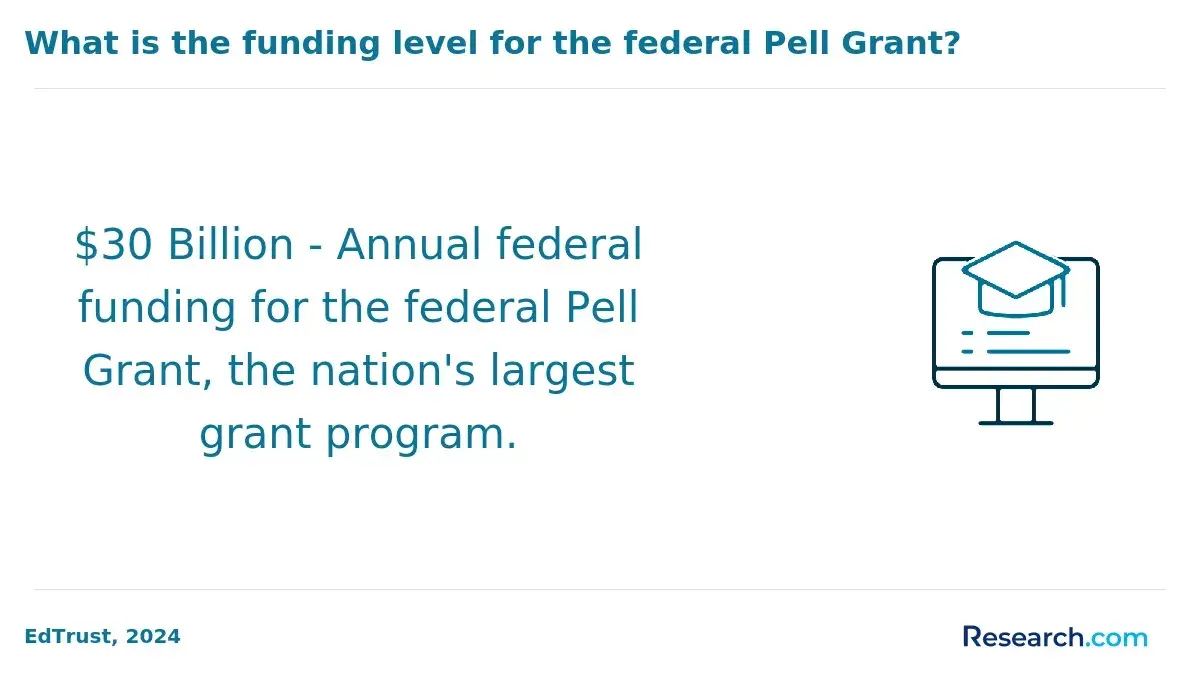
Completing the Free Application for Federal Student Aid (FAFSA) is the essential first step for accessing federal Pell Grants and subsidized loans, which offer need-based support with manageable repayment terms. According to recent data from the College Board, over 85% of undergraduates receive some type of financial aid, highlighting the widespread availability of assistance.
Many institutions also provide merit-based scholarships targeted specifically at online art studies students, which can significantly offset tuition expenses. Additionally, specialized scholarships from arts organizations, such as the College Art Association and various local arts councils, reward both artistic talent and community involvement.
State grants serve as another vital funding source for residents pursuing approved online programs, complementing federal aid without requiring repayment. Prioritizing these scholarships and grants is critical to minimize borrowing and manage costs effectively. It's noteworthy that online enrollments in higher education have surged nearly 25% in five years, prompting more aid programs to adapt their offerings for remote learners in creative fields.
- Federal Aid Access: FAFSA completion opens eligibility for Pell Grants and subsidized loans, forming the core aid package for many online art studies students.
- Institutional Scholarships: Colleges frequently offer merit-based awards designed to lower costs for virtual learners enrolled in art curricula.
- Art-Specific Awards: Professional bodies like the College Art Association provide scholarships supporting artistic excellence and academic achievements.
- State-Based Grants: These non-repayable grants assist qualified residents attending state-recognized online programs in their home states.
- Loan Minimization: Exhausting free grant and scholarship opportunities helps reduce reliance on federal or private loans and limits debt accumulation.
Reflecting on her experience, a professional who earned an online art studies bachelor's degree shared how navigating financial aid initially felt overwhelming, especially balancing scholarship deadlines and FAFSA updates. She emphasized the importance of early FAFSA submission and thorough research into awards specific to art students. "Finding a scholarship that recognized my portfolio and community art involvement was a game changer," she recalled. This support allowed her to focus more on her studies and less on financial stress, illustrating how targeted aid can empower students to succeed in online art programs.
How Many Transfer Credits Can Online Art Studies Bachelor's Programs Accept, and From Which Institutions?
Transfer credit policies for online art studies bachelor's degrees differ considerably across universities, directly impacting tuition expenses and program duration. Institutions like Southern New Hampshire University and Thomas Edison State University offer some of the most accommodating transfer limits, accepting up to 90 credits. This flexibility benefits students who have completed extensive prior coursework by significantly shortening their path to graduation. Beyond traditional credits, many programs also recognize CLEP exam results and military training, allowing learners to leverage diverse educational experiences toward their degree.
Credits from regionally accredited schools or from institutions with established articulation agreements stand the best chance of transfer approval. Evaluating your previous coursework against a school's official transfer guidelines before applying helps avoid wasted time and unexpected costs. According to a 2023 study by the National Center for Education Statistics, approximately 44% of undergraduates transferred schools at least once, underscoring the evolving need for flexible credit policies in online education.
- Policy Variability: Transfer credit acceptance rates vary broadly by institution, making it essential to review each school's specific requirements to optimize savings and time.
- Generous Credit Caps: Some universities permit up to 90 transfer credits, enabling students to complete degrees faster by applying previous college credits extensively.
- Alternative Credit Sources: CLEP exams and military training credits are frequently accepted, offering additional pathways to reduce coursework and tuition.
- Accreditation Is Crucial: Credits generally must come from regionally accredited institutions to qualify, so verifying accreditation status beforehand is vital.
- Credit Audits Save Money: Utilizing transfer evaluation tools and articulation agreements before enrollment maximizes credit acceptance and cuts overall costs.
Graduation Rates for Affordable Online Art Bachelor's Programs

What Accreditation Should an Online Art Studies Bachelor's Program Have to Ensure Quality and Employer Recognition?
Accreditation plays a crucial role when evaluating online art studies bachelor's degrees, as it directly impacts academic quality and employer recognition. Regional accreditation is the most respected and widely accepted form by employers and graduate schools in the arts. The primary regional accrediting agencies include the Higher Learning Commission (HLC), Southern Association of Colleges and Schools Commission on Colleges (SACSCOC), and New England Commission of Higher Education (NECHE). Programs with regional accreditation generally meet high standards for faculty, curriculum, and student services.
Many art studies programs also hold programmatic accreditation from specialized organizations such as the National Association of Schools of Art and Design (NASAD), which focuses specifically on evaluating art curricula. This specialized accreditation can further enhance a program's reputation and ensure its alignment with industry expectations.
Nationally accredited institutions often have less rigorous standards and tend to be less recognized by employers or graduate programs. Attending a non-accredited or nationally-accredited-only program may limit credit transfer options and cause employers to question the credibility of the degree. Prospective students should always verify a school's accreditation status using the U.S. Department of Education's accreditation database before enrolling.
Recent research indicates that nearly 70% of students prioritize enrolling in accredited online programs, reflecting increased awareness of accreditation's significance in higher education.
- Regional Accreditation: Considered the gold standard, it ensures comprehensive quality and is broadly accepted by employers and graduate schools in art studies.
- Specialized Accreditation: Bodies like NASAD provide programmatic accreditation, demonstrating specialized academic rigor in art and design fields.
- Transferability Risks: Credits from nationally accredited or non-accredited institutions often are not transferable, restricting academic mobility.
- Employer Perception: Degrees from non-accredited or nationally accredited-only schools may be viewed as less credible, potentially impacting employment prospects.
- Verification Tool: The U.S. Department of Education's database is the key resource to confirm accreditation status prior to enrollment.
What Are the Admission Requirements for the Cheapest Online Art Studies Bachelor's Programs?
Admission requirements for the cheapest online art studies bachelor's degree programs generally include a high school diploma or GED as a basic credential. Minimum GPA standards often fall between 2.0 and 2.5, though some schools follow open-admission or rolling-admission policies that ease access for non-traditional students and those returning to education after a break. Increasingly, standardized test scores such as the SAT or ACT are optional or waived, which aligns with trends favoring flexibility in admissions for affordable online art studies programs.
Selective programs may ask for prerequisite courses in fundamental art subjects or general education and often require a portfolio submission to assess creativity and skills. In contrast, open-admission programs reduce these barriers, providing easier enrollment but potentially less academic support and different employer perceptions regarding the rigor of the degree. This trade-off is important for prospective students to consider when evaluating affordable online art studies programs.
For applicants who don't initially meet minimum requirements, several strategies can strengthen an application. These include enrolling in community college courses relevant to art studies, creating a strong personal statement, or highlighting professional art experience. Connecting with admissions advisors can also provide valuable guidance to improve admission chances.
- High School Diploma or GED: Most affordable online art studies bachelor's degree programs require a high school diploma or GED, ensuring foundational academic qualifications.
- GPA Requirements: Typically, minimum GPAs range from 2.0 to 2.5; however, open-admission schools may allow enrollment with lower or no GPA requirements.
- Standardized Tests: Many programs waive SAT or ACT scores, especially amid recent testing disruptions, making testing optional for applicants.
- Open vs. Selective Admissions: Open-admission programs offer accessibility with fewer requirements, while selective programs demand portfolios and prerequisites but often provide greater academic resources.
- Application Strengthening Tips: Taking additional courses, showcasing professional art experience, and writing compelling personal statements can improve admission prospects.
Those exploring affordable online art studies bachelor's degree admission criteria should also consider how program flexibility aligns with career goals and outcomes. For related advanced educational opportunities, prospective students might explore masters in cryptocurrency programs, which are increasingly integrated with digital arts and emerging technology fields.
What Concentrations or Specializations Are Available Within Affordable Online Art Studies Bachelor's Degree Programs?
Affordable online art studies bachelor's degree programs offer diverse concentrations tailored to blend personal interest with strong labor market outcomes. Each track prepares students for unique career pathways supported by U.S. Bureau of Labor Statistics (BLS) data on job demand and earning potential.
- Graphic Design: This concentration focuses on digital media and visual communication skills. Graduates typically work as graphic designers or multimedia artists, earning a median annual wage of about $53,380. Job growth is projected at 3% through 2031, and while licensure is generally unnecessary, proficiency in design software is critical.
- Art Education: Designed for those aiming to teach art, this track often requires additional state certification or licensure beyond the bachelor's degree. Median salaries range from $52,000 to $64,000 depending on the educational level, with consistent demand in public and private schools.
- Studio Art: This specialization builds expertise in painting, sculpture, and fine arts. Careers include gallery work, museum roles, or freelance artistry. Earnings vary widely, with a median around $49,000, heavily influenced by portfolio quality and networking success.
- Museum Studies or Art History: Focused on curatorial and archival professions, this track leads to roles in cultural institutions. Median salaries near $59,000 reflect steady sector growth, though some positions may require advanced degrees or certifications.
- Digital Arts and Animation: Targeting the entertainment and tech industries, this concentration emphasizes animation and interactive media. With median wages over $78,000, it offers high earning potential alongside robust job demand and does not usually require licensure.
Students choosing affordable online art studies concentrations benefit from programs that often allow transfer credits and financial aid opportunities, increasing accessibility. Prospective graduates can research these options and compare tuition through resources listing the cheapest online colleges.
Can Students Earn College Credit Through CLEP, DSST, or Prior Learning Assessments in Online Art Studies Bachelor's Programs?
CLEP, DSST, and Prior Learning Assessment (PLA) programs enable students to convert their existing knowledge and skills into college credits, significantly reducing the time and expense required to earn an art studies bachelor's degree. Many affordable online programs, such as those at Thomas Edison State University, Excelsior College, and Charter Oak State College, offer flexible PLA policies, allowing students to apply between 30 and 45 credits through portfolio reviews, military training evaluations, and workplace learning assessments.
The American Council on Education (ACE) supports this process by recommending credit equivalencies for a wide range of exams and training, enhancing credit transferability across accredited institutions. To benefit fully, students should gather comprehensive documentation-like transcripts, detailed portfolios, and job descriptions-and submit these materials early during admissions for credit evaluation.
- Credit Conversion: CLEP, DSST, and PLA let students transform prior learning into transferable credits, accelerating degree progress and lowering education costs.
- ACE Endorsements: The American Council on Education recommends credit for various exams and military or workplace training, ensuring broader acceptance by colleges.
- Generous Credit Limits: Leading affordable art studies programs often permit up to 45 credits from prior learning, which may cover nearly half the degree requirements.
- Evidence Submission: Successful PLA applications require detailed portfolios and verifiable learning records, which must be carefully documented and submitted promptly.
- Program Highlights: Schools like Thomas Edison State University and Charter Oak State College stand out for their accommodating PLA policies and strong student support.
What Is the Return on Investment (ROI) of Earning a Cheap Online Art Studies Bachelor's Degree?
Return on investment (ROI) in higher education evaluates the financial gains of earning a degree compared to its total cost. For online art studies bachelor's degrees, ROI is measured by subtracting tuition and fees from projected lifetime earnings in art-related careers, typically analyzed over 10 and 20 years. Data from the Georgetown University Center on Education and the Workforce and Payscale reveal that many affordable online art programs deliver ROI as strong as or better than the average for all bachelor's degrees.
These programs often balance lower educational expenses with competitive salaries in fields like design and visual arts, making them appealing for students seeking substantial long-term value. Choosing shorter programs can enhance ROI by reducing time out of the workforce and minimizing living costs. Graduates entering specialized or high-demand areas generally experience higher salary growth, further boosting financial returns.
- ROI Definition: ROI calculates net income after tuition costs across a typical 10- or 20-year career, highlighting long-term financial benefits of a degree.
- Cost Versus Earnings: Total expenses include tuition and fees, while projected salary data from sources like Payscale guide expected returns in art-related jobs.
- Benchmark Insights: Georgetown's research shows affordable online art degrees can match or surpass the average ROI of all bachelor's programs.
- Program Length Impact: Accelerated degrees reduce living expenses and lost income, increasing ROI by allowing faster workforce entry.
- Career Salary Variation: ROI differs by specialization, with fields such as digital design typically offering higher earning potential.
What Graduates Say About Earning the Cheapest Online Art Studies Bachelor's Degree That Pays Well
- Chelsea: "I chose the online art studies bachelor's degree program mainly for its flexibility, allowing me to balance work and study without compromising my income. The affordable tuition fees made it an accessible option compared to traditional programs. Since graduating, I've seen a noticeable boost in my creative portfolio and job prospects within the design industry."
- Jeff: "Reflecting on my experience, the program's comprehensive curriculum and supportive faculty made all the difference in developing my skills. The convenience of online delivery saved me relocation costs and commuting hours, which was crucial for my situation. Completing this degree has opened doors to exciting freelance opportunities I hadn't anticipated before."
- Owen: "From a professional standpoint, pursuing an online art studies bachelor's degree was a strategic investment in my career growth. The cost-effectiveness combined with the high quality of instruction convinced me to enroll. Now, I feel more confident pitching my artistic projects to clients and collaborating on larger-scale productions."
Other Things You Should Know About Art Studies Degrees
In 2027, many online art studies bachelor's programs offer robust career services, including personalized advising, virtual career fairs, and access to industry networks. Schools like Arizona State University provide dedicated career advisors who help students align their artistic passions with viable career paths.
In 2027, the cost per credit hour for online art studies programs is typically lower than the national average for similar degrees. While the national average hovers around $350 per credit hour, many online art studies programs offer rates as low as $200 to $280, providing significant savings for students.
Yes, several accredited universities offer fully online art studies bachelor's degrees with a flat tuition rate regardless of residency. These programs remove financial barriers related to out-of-state tuition increases, making them more accessible for nationwide students. Prospective students should verify tuition policies on official school websites as rates and exemptions vary by institution.
References
- 3497+ Bachelors Scholarships in Art & Art Studies globally 2026-27 [Updated] https://www.wemakescholars.com/bachelors-scholarships-in-art-art-studies-to-study-abroad
- Info for Transfer Students https://www.ualberta.ca/en/art-design/admissions/undergraduate-application/info-for-transfer-students.html
- Transfer Credit Policy https://theartofeducation.edu/documents/transfer-credit-policy/
- 2025 Most Affordable Online Colleges for Art Degrees https://www.onlineu.com/most-affordable-colleges/art-design-degrees
- Cost of Online Education vs. Traditional Education [2025]: Comparison https://educationdata.org/cost-of-online-education-vs-traditional-education
- Is an Art Degree Worth the Investment? https://www.segmation.com/blog/art-degree-worth-investment
- How Colleges Award Credits For Work Experience https://www.affordablecollegesonline.org/college-resource-center/college-credit-for-work-experience/
- Art BA https://www.umb.edu/academics/program-finder/art-ba/
- Credit for Prior Learning - Evangel University https://www.evangel.edu/colnews/prior-learning-assessment/
- The Value of an Art Degree https://www.murraystate.edu/academics/CollegesDepartments/CollegeOfHumanitiesAndFineArts/ArtAndDesign/value_of_an_art_degree.aspx