
2027 Best ADN Nursing Programs in California: Online & Campus

Co-Founder and Chief Data Scientist
California's healthcare sector anticipates a 15% growth in registered nurse employment over the next decade, making an associate degree in nursing (ADN) a strategic investment. Pursuing an ADN, whether through online or on-campus programs, offers a cost-effective pathway into nursing, equipping candidates with essential clinical skills and eligibility for licensure as registered nurses. This degree provides a solid foundation for immediate employment while allowing for further educational advancement if desired.
This article, developed by experts in career planning, aims to clarify what an ADN program in California entails. It offers guidance on what to expect, what criteria to consider, and how to make informed decisions when selecting suitable ADN options within the state.
Key Benefits of ADN Programs in California
- California offers diverse ADN programs combining online flexibility with rigorous on-campus clinical training, accommodating over 30,000 annual nursing students statewide.
- Graduates benefit from high licensure pass rates, with California ADN programs averaging above 85% NCLEX-RN success, enhancing employment prospects.
- Cost-effective tuition options and strong industry partnerships provide students with accessible education and direct pathways to healthcare employers in major California metropolitan areas.
- What is an Associate Degree in Nursing (ADN) in California?
- What are the admission requirements for ADN programs in California?
- How do ADN programs in California prepare students for the NCLEX-RN?
- How long are ADN nursing programs in California?
- How do online ADN programs in California compare to traditional ones?
- How do I know if an ADN program in California is accredited?
- How much does an ADN program cost in California?
- What financial aid options are available for ADN students in California?
- What can I do with an ADN in California after graduation?
- How much do ADN nurses earn in California?
What is an Associate Degree in Nursing (ADN) in California?
An Associate Degree in Nursing (ADN) in California serves as a foundational pathway into the nursing profession, designed to prepare students for Registered Nurse (RN) licensure through a combination of academic coursework and supervised clinical training. These ADN nursing requirements in California ensure that programs blend classroom instruction with hands-on experience, effectively equipping students with essential nursing skills indispensable for patient care. The structure accommodates different learning preferences with several program formats available.
The main types of ADN programs in California, based on learning modality, include:
- On-Campus ADN Programs: Traditional face-to-face instruction with scheduled lectures, labs, and in-person clinical rotations take place in campus facilities and affiliated healthcare sites. These programs offer direct faculty interaction and extensive hands-on skills practice, which are central to developing clinical competencies.
- Hybrid ADN Programs: These programs combine online coursework for theoretical lectures with mandatory on-campus labs and clinical experiences. Designed for flexibility, hybrid programs still require regular attendance for practical sessions to maintain the quality of clinical training.
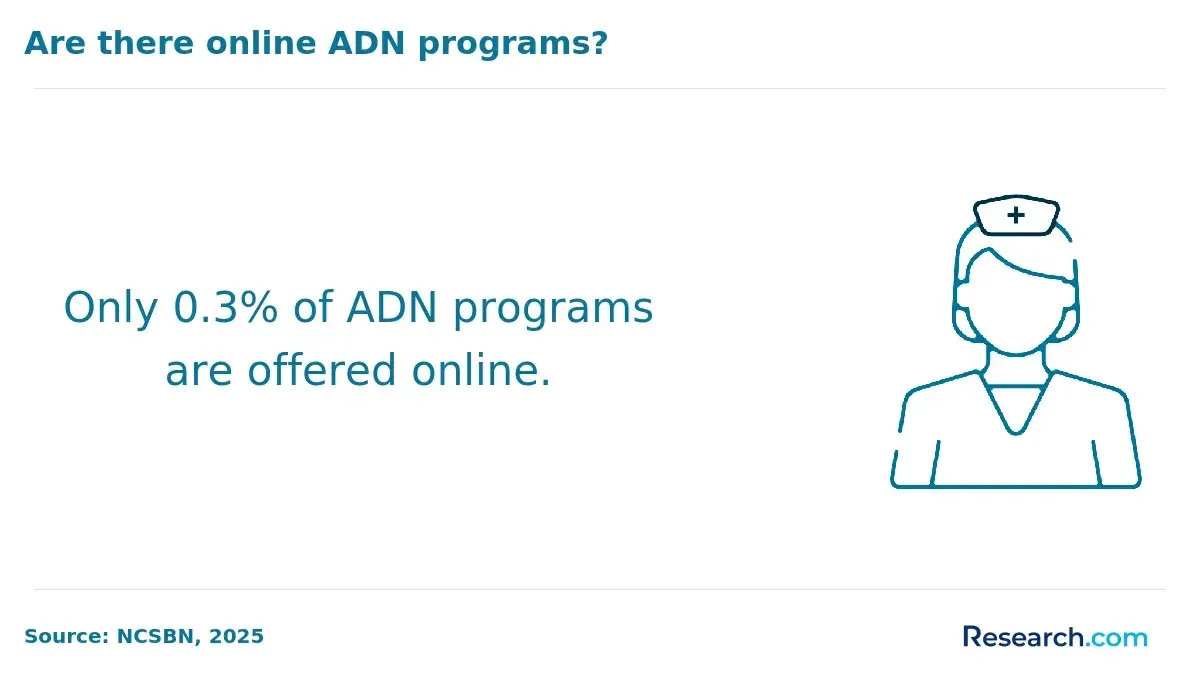
- Online ADN Programs: Fully online ADN programs are uncommon in California due to stringent state regulations and the necessity of supervised clinical hours. Some schools provide theoretical courses online, but students must complete required in-person clinical training at approved healthcare sites. Such programs offer scheduling flexibility while meeting the California Board of Registered Nursing's standards.
Those interested in advancing their nursing career may also explore how to start as a psychiatric nurse practitioner after completing their ADN.
What are the admission requirements for ADN programs in California?
ADN programs in California generally implement selective admission processes to ensure that applicants are academically prepared and capable of meeting the rigorous demands of nursing education. Meeting these requirements is essential for those pursuing ADN program prerequisites in California. The key admission criteria commonly required across both online and on-campus ADN programs include the following:
- High School Diploma or Equivalent: Applicants must possess a high school diploma, GED, or an equivalent certification. This requirement ensures foundational academic readiness and eligibility for college-level coursework necessary in nursing programs.
- Completion of Prerequisite Courses: Prospective students need to complete specific courses such as anatomy, physiology, microbiology, and English composition, typically with a minimum grade of "C" or better. These courses must often be recent to guarantee current knowledge, particularly in scientific subjects critical to nursing.
- Minimum Cumulative GPA: A GPA between 2.5 and 3.0 is usually required in both science prerequisites and general education. This standard helps programs assess the applicant's capacity to succeed in a demanding academic environment.
- Entrance Exam Scores: Most programs require standardized tests like the TEAS or HESI admission exams. Minimum threshold scores (commonly 62% for TEAS and 70% for HESI) evaluate proficiency in key academic areas, providing an objective measure of readiness for nursing studies.
- Transcripts and Application Materials: Official transcripts from all previous educational institutions must be submitted. Additional materials such as letters of recommendation, personal statements, and proof of legal residency may be requested to offer a comprehensive understanding of the applicant's academic background and motivation.
- Background Check and Health Clearance: Clearance from a criminal background check and drug screening is mandatory, alongside evidence of physical and mental health, including required vaccinations. These fulfill legal and safety requirements essential for clinical placements.
- Minimum Age Requirement: Applicants generally must be at least 18 years old at the start of clinical training, with some flexibility if the applicant turns 18 before clinical participation begins.
- English Proficiency: Demonstrated ability to communicate effectively in English, both spoken and written, is crucial to ensure patient safety and effective teamwork in clinical settings.
- Technical and Computer Skills: Many programs, especially those with online components, require basic computer skills such as internet navigation, word processing, and email use to support blended or distance learning methodologies.
Meeting these California ADN application requirements positions candidates well for success and eligibility toward licensure and aligns with growing opportunities in nursing careers, including nurse practitioner career requirements.
How do ADN programs in California prepare students for the NCLEX-RN?
ADN programs in California are specifically designed to equip students with the knowledge, clinical skills, and critical thinking abilities needed to pass the NCLEX-RN and become licensed registered nurses. These programs employ multiple focused approaches to enhance student readiness for the licensing exam.
- Comprehensive Nursing Coursework: The curriculum spans essential topics such as anatomy, physiology, pharmacology, and patient care across specialties. This foundation aligns closely with NCLEX-RN content, ensuring theoretical proficiency.
- Simulation Labs and Clinical Rotations: Students engage in hands-on experiences through clinical hours in diverse healthcare settings, reinforcing practical skills and clinical judgment under professional supervision.
- NCLEX-Style Test Preparation and Review Sessions: Regular practice exams and personalized review opportunities familiarize students with exam formats and improve test-taking strategies, directly boosting pass rates.
- Evidence-Based Learning Strategies: Instruction incorporates up-to-date nursing practices and case study analyses, promoting critical thinking essential to managing complex clinical scenarios on the exam.
- Faculty Mentorship and Academic Support: Individualized guidance from experienced faculty, including tutoring and counseling, helps students overcome challenges and maintain progress toward licensure.
A nurse from California, who graduated from an ADN program at a local school, reflected on the preparation process: "What really stood out was how the program balanced textbook study with real-world practice," he said. "The clinical rotations were intense but invaluable. Facing actual patients helped me stay calm during the NCLEX. Also, those targeted review sessions were critical; they didn't just dump facts on us but showed how to think through the questions strategically." He noted initial anxiety before the exam but credited the program's layered support and mentorship with building his confidence. "It wasn't just about passing a test-it was about feeling ready to enter nursing fully prepared."
How long are ADN nursing programs in California?
Associate Degree in Nursing (ADN) programs in California typically require about two years of full-time study to complete, generally spanning four semesters. This duration integrates both classroom instruction and clinical training necessary for eligibility to take the NCLEX-RN exam. The timeline may vary depending on whether a student enrolls part-time or full-time, as well as on the specific program design at each institution. Some schools offer accelerated tracks that can be completed in approximately 20 months, while others provide extended or flexible schedules, including hybrid or blended online options to accommodate students balancing work or personal commitments.
Several factors influence the overall length of ADN programs, such as prerequisite course completion, which may include subjects like anatomy and physiology that must be fulfilled before starting core nursing classes. Clinical training hours mandated by state and accrediting bodies also impact scheduling and duration since hands-on experience in healthcare settings is essential. Programs offering online elements often combine remote coursework with in-person clinical rotations to provide flexibility without sacrificing practical training. The carefully structured timeline ensures students receive a balanced education, blending academic content with clinical experience to prepare them thoroughly for registered nurse licensure in California.
How do online ADN programs in California compare to traditional ones?
Both online, hybrid, and traditional ADN programs in California prepare students for RN licensure but differ significantly in flexibility, learning format, and coursework delivery. The following points detail key distinctions to consider when choosing between these program types.
- Learning Format: Traditional programs emphasize on-campus instruction with face-to-face lectures and lab work, ideal for students who prefer structured, hands-on environments. Hybrid options combine online theory with in-person labs, suiting learners who need flexibility without sacrificing practical experience.
- Clinical Training: All formats require mandatory in-person clinical hours, but traditional programs integrate clinical rotations within campus schedules, while hybrid students arrange local placements to accommodate their remote coursework.
- Scheduling Flexibility: Hybrid and online models offer asynchronous access to lectures, beneficial for working adults, whereas traditional students follow fixed class times fostering routine and peer collaboration.
- Student Interaction: On-campus programs provide frequent direct interaction with faculty and peers; hybrid formats rely more on virtual communication but include periodic in-person sessions to build skills and community.
- Accessibility: Hybrid and online options enhance access for students in rural areas, eliminating relocation needs, while traditional programs offer greater access to campus resources and facilities.
A nurse who graduated from a hybrid ADN program in California shared that managing online coursework alongside clinical placements demanded strong self-discipline and time management. She reflected, "Balancing evening online classes with weekend clinicals was challenging but offered the flexibility I needed while working part-time." She valued the periodic in-person labs for confidence-building but noted, "I sometimes missed the spontaneous support that comes from being on campus daily." Her experience highlighted how hybrid programs can effectively prepare nurses while accommodating diverse life circumstances, though they require proactive engagement and adaptability to succeed.
How do I know if an ADN program in California is accredited?
Accreditation is essential for ADN programs in California because it verifies that the program meets the educational standards required for RN licensure and ensures graduates are prepared to deliver quality patient care. To confirm accreditation status, prospective students should use the following verification methods:
- Check the California Board of Registered Nursing (BRN) Website: The BRN provides an official list of all approved pre-licensure nursing programs in California. Approval by the BRN confirms that the program meets state standards necessary for NCLEX-RN eligibility and is recognized for licensure.
- Search National Accreditation Databases: The Accreditation Commission for Education in Nursing (ACEN) is a primary national accrediting body. Confirming ACEN accreditation ensures the program adheres to high academic standards and qualifies students for federal financial aid and credit transfers.
- Verify State Board Approval for Online and Hybrid Programs: As online and hybrid ADN programs grow, checking BRN approval for these formats is crucial. This guarantees these programs provide adequate clinical training and meet academic rigor required by the state.
- Visit the School's Official Website and Accreditation Page: Schools typically list their BRN and national accreditation statuses on their official sites. Reviewing these pages or contacting the nursing department directly helps verify accreditation accuracy and avoid unapproved programs.
- Confirm with National and Regional Accreditation Agencies: Institutional accreditation from bodies like WASC complements nursing program accreditation. This regional accreditation reflects the overall educational quality of the college or university.
How much does an ADN program cost in California?
The cost of ADN programs in California can vary significantly depending on factors such as the type of school-community college, public university, or private institution-program length, and whether students qualify for in-state or out-of-state tuition. Below are the primary elements that determine the overall expense of pursuing an ADN nursing program tuition California:
- Tuition and Required Fees: This constitutes the largest portion of the total cost and differs widely based on the institution type and residency status. Community colleges offer more affordable tuition for in-state students, while private schools have considerably higher fees. Programs delivered online or in hybrid formats generally maintain similar tuition rates to on-campus options.
- Books and Supplies: Students need to budget for textbooks, electronic resources, and nursing supply kits, which can cost between $2,000 and $2,100 for the entire program. Most colleges require these materials upfront, especially for programs with online components that involve electronic access.
- Uniforms and Equipment: Specific uniforms and clinical tools such as stethoscopes, shoes, and badges are mandatory. These items typically add $600 to $1,100 to the overall cost, ensuring compliance with clinical safety and professional standards.
- Clinical Expenses, Health Requirements, and Testing: Expenses such as health clearances, immunizations, background checks, drug screenings, and liability insurance average $500 to $700. Additional costs may include transportation and parking during clinical rotations, which can vary significantly by location.
- NCLEX-RN Preparation and Licensure Fees: After completing the program, students must account for exam and state licensure fees totaling around $700. Some institutions incorporate NCLEX preparation materials within textbook or supply costs to help streamline expenses.
- Living and Transportation Costs: These costs vary based on personal circumstances and geography. While often excluded from tuition estimates, housing, meals, and commuting costs represent important financial considerations for students, especially those living away from home or commuting to clinical sites.
- Graduation and Pinning Ceremony Costs: Participation in ceremonies involves additional fees for caps, gowns, and pins, generally ranging from $180 to $600 depending on individual choices.
- Financial Aid and Scholarships: Many California community colleges and public universities offer financial aid and scholarships specifically for nursing students, which can substantially reduce the out-of-pocket costs. It is important to investigate these options when calculating the true cost of ADN programs in California.
What financial aid options are available for ADN students in California?
Financial aid can make ADN programs in California more affordable by helping cover tuition, fees, books, and living expenses. Various funding opportunities exist for students pursuing this degree, ensuring access regardless of financial background. The main financial aid options available to ADN students in California include:
- Federal Student Aid: Federal aid programs such as Pell Grants, Stafford Loans, and Federal Work-Study are available to students enrolled in accredited ADN programs. Eligibility depends on financial need, citizenship or eligible non-citizen status, and completion of the FAFSA each year to determine award amounts.
- California State Financial Aid: State programs like Cal Grants and the California Dream Act provide financial support for eligible residents and undocumented students. These awards require meeting criteria based on residency, academic performance, and financial need, with FAFSA or Dream Act application deadlines typically by early March.
- Associate Degree Nursing Scholarship Program (ADNSP): Administered by state health authorities, this program awards up to $8,000 to ADN students who commit to full-time nursing work in California for one year post-graduation. Applicants must be enrolled in qualifying programs and submit detailed materials including transcripts and essays.
- Institutional Scholarships: Many California nursing schools offer scholarships or tuition discounts specifically for ADN students. For example, certain universities grant tuition scholarships to students progressing to advanced nursing degrees. Eligibility and application processes vary by institution.
- Private Nursing Scholarships: Numerous nonprofit organizations and professional groups offer scholarships based on merit, community service, and financial need. ADN students should seek these opportunities and apply directly to the sponsoring entities.
- Employer Tuition Assistance: Some healthcare employers provide tuition reimbursement or scholarships for employees pursuing ADN degrees, often requiring continued employment commitments. Details depend on individual employer policies.
Both online and campus-based programs can benefit from these financial aid avenues, provided the institution is accredited. For those interested in advancing beyond ADN, exploring the best online BSN to FNP program offers a pathway to further nursing education and opportunities.
What can I do with an ADN in California after graduation?
ADN graduates in California are qualified to take the NCLEX-RN exam, enabling them to pursue a variety of entry-level registered nurse jobs California ADN graduates typically seek across diverse healthcare settings. These opportunities open numerous career paths tailored to different clinical interests and work environments.
Key career options available to ADN nursing career paths California holders include:
- Registered Nurse (RN) in Hospitals: Hospital RNs work in varied departments such as medical-surgical, telemetry, emergency, and labor and delivery. Responsibilities include patient assessment, medication administration, and collaborating with healthcare teams, with opportunities to advance into specialty certifications or leadership roles.
- Long-Term Care & Skilled Nursing Facilities: Nurses in these settings care for patients with chronic conditions or rehabilitation needs, managing medications and implementing care plans. This sector offers progression to supervisory positions like nurse manager or director of nursing.
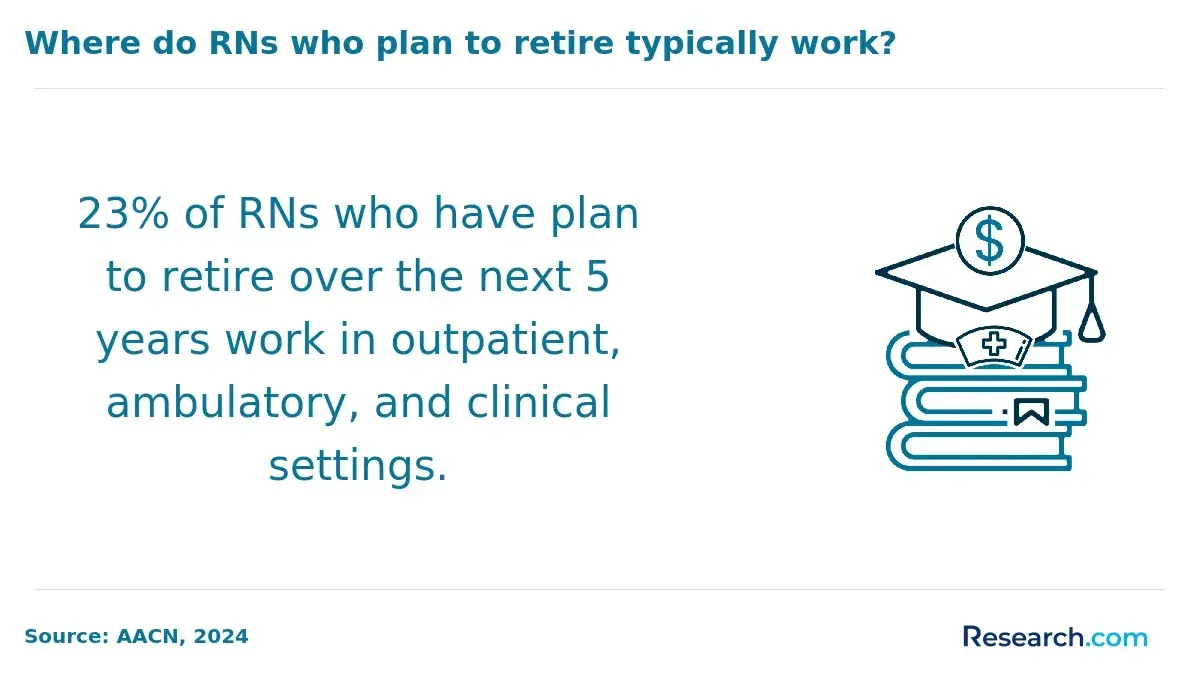
- Outpatient Clinics & Physician Offices: ADN graduates can serve in outpatient roles, assisting with exams, patient education, and treatment management in primary care or specialty clinics. This area often provides more regular hours and chances for specialization or management.
- Home Health Nursing: Home health nurses deliver personalized care in patients' homes, focusing on post-surgical recovery, chronic disease management, and patient education. This role emphasizes autonomy and may lead to case management or palliative care specialization.
- Hospice & Palliative Care: These nurses provide compassionate care for patients with life-limiting illnesses, concentrating on symptom relief and emotional support, with potential for advanced certification and supervisory roles.
For students exploring further education options, reviewing the ranking of affordable online nurse practitioner programs can provide valuable guidance on advancing nursing careers beyond the ADN level.
How much do ADN nurses earn in California?
The median annual salary for Associate Degree in Nursing (ADN) registered nurses in California is approximately $140,330, reflecting a dynamic compensation landscape influenced by multiple factors. Salaries for ADN-prepared RNs vary widely depending on experience, geographic location, healthcare setting, and employer type, which collectively shape earning potential across the state. The following outlines the primary determinants affecting ADN nurse salaries in California:
- Level of Experience: Entry-level ADN nurses typically earn between $84,700 and $95,000 annually, with earnings increasing significantly as experience accumulates. Nurses with over a decade of practice may exceed $145,000, reflecting a strong correlation between tenure and pay.
- Workplace Setting: Salaries are generally higher in government roles and large urban hospital systems, which often provide additional overtime and shift differentials. Conversely, rural clinics or long-term care facilities may offer lower base pay but sometimes compensate with other benefits.
- Geographic Location: Compensation varies sharply by region, with metropolitan areas such as San Jose and San Francisco offering median salaries well above $180,000, though higher cost of living can offset these gains in some locales.
- Specialization and Certifications: ADN nurses who obtain specialty certifications or assume leadership roles can increase their annual earnings by $5,000 to $15,000, narrowing the salary gap with more advanced degree holders.
- Shift Differentials and Overtime: Working evening, night, or weekend shifts often yields higher pay, and overtime availability, especially in hospitals with staffing shortages, can substantially boost income.
Here's What Graduates in California Have to Say About Their ADN Degree
- Completing the ADN program online through Pacific Coast Nursing Academy allowed me to balance my family responsibilities while pursuing my passion. The flexibility truly made a difference, and the virtual labs were surprisingly interactive, providing a set of practical skills that prepared me well. Starting my nursing career in a California hospital has been rewarding, and I feel proud knowing my education paved the way for professional growth and job stability. This program not only enhanced my knowledge but also deepened my commitment to patient care in our community. Lui
- Attending the hybrid ADN program at Sierra Valley College gave me a perfect blend of in-person clinical experience and online coursework. It was challenging juggling both, but it gave me confidence when I began working in home health services here in California. The community I developed among classmates was invaluable, and I appreciated the opportunity to impact patients' lives directly, especially elderly clients needing compassionate care. This experience showed me the meaningful difference nurses can make beyond traditional hospital settings. Anna
- Enrolling in an on-campus ADN program at Golden Gate Nursing Institute completely changed my perspective on healthcare. The hands-on training and face-to-face mentorship cultivated my professional skills and nurtured a strong sense of responsibility. Starting my nursing career at a local academic medical center has opened doors to further specialization and leadership roles. I look forward to advancing in the field and making a lasting impact both inside and outside of hospital walls. Jade
Related Articles for Nearby States
- 2027 Best ADN Nursing Programs in Nevada: Online & Campus
- 2027 Best ADN Nursing Programs in Oregon: Online & Campus
- 2027 Best ADN Nursing Programs in Arizona: Online & Campus
- 2027 Best ADN Nursing Programs in Idaho: Online & Campus
- 2027 Best ADN Nursing Programs in Utah: Online & Campus
- 2027 Best ADN Nursing Programs in Washington: Online & Campus
- 2027 Best ADN Nursing Programs in New Mexico: Online & Campus
- 2027 Best ADN Nursing Programs in Colorado: Online & Campus
- 2027 Best ADN Nursing Programs in Montana: Online & Campus
- 2027 Best ADN Nursing Programs in Wyoming: Online & Campus
References:
- Online ADN Programs in California - NextGraduate. https://nextgraduate.org/california/online-adn-programs/
- Attending a non accredited school California Endorsement - School Programs Support https://allnurses.com/attending-non-accredited-school-california-t735810/
- Financial Aid - College of Nursing and Allied Health https://dhs.lacounty.gov/college-of-nursing-and-allied-health/home/student-support-services/financial-aid-scholarship-opportunities/
- RN Programs at High Desert Medical College | Lancaster | Bakersfield | Temecula | High Desert Medical College https://hdmc.edu/programs/associate-degree-nursing-program-adn-rn/
- ADN Nursing Program | Registered Nurse (RN) Career Training School https://www.gurnick.edu/programs/adn/
- What if My Nursing School Isn’t Accredited? https://www.registerednursing.org/articles/what-if-nursing-school-isnt-accredited/
- Professional Nursing (ADN/RN) Programs | Rasmussen University https://www.rasmussen.edu/degrees/nursing/professional-nursing/
- 2024 Rankings: The Best Associate Degree in Nursing (ADN) Programs in California | NursingSchoolsAlmanac.com https://www.nursingschoolsalmanac.com/rankings/adn/california
- What Is a BSN: Differences Between a BSN and ADN | NU https://www.nu.edu/blog/what-is-a-bsn/
- 30+ California Associates Degree in Nursing (ADN) Programs https://californiadegrees.org/nursing/california-adn-programs/
Other Things You Should Know About Becoming a Nurse in California
Applicants must have completed high school or GED, including prerequisites in subjects like biology, chemistry, and math. Specific courses and grades may vary by institution, but a strong foundation in science is typically required for ADN nursing programs in California for 2027.
Hybrid ADN programs in California offer the flexibility of online learning with the hands-on experience required in nursing. This format accommodates working students, balances family commitments, and provides access to a broad range of clinical settings, enhancing practical skills.


