
2027 Best ADN Nursing Programs in Alabama: Online & Campus

Co-Founder and Chief Data Scientist
Alabama's demand for registered nurses is growing rapidly, with employment projected to increase by over 15% in the next decade. Pursuing an associate degree in nursing (ADN), either online or on-campus, provides a practical pathway into this high-demand healthcare field. The flexibility of online options allows students to balance education with personal responsibilities, while campus programs offer hands-on clinical experience crucial for nursing practice. Both formats equip graduates to meet state licensure requirements and enter the workforce efficiently.
This article, prepared by experts in career planning, guides readers through what an ADN in Alabama entails. It helps clarify what to expect, what to look for, and how to navigate the decision-making process when choosing the right ADN program in Alabama.
Key Benefits of ADN Programs in Alabama
- Alabama offers flexible ADN programs both online and on-campus, allowing you to balance work, family, and study, with many programs boasting NCLEX pass rates above the national average.
- Affordable tuition costs in Alabama make ADN education accessible, often significantly lower than the national median, helping reduce student debt and accelerate your nursing career.
- Strong partnerships with local healthcare facilities ensure hands-on clinical experiences, enhancing your practical skills and improving job placement prospects in Alabama's growing healthcare market.
- What is an Associate Degree in Nursing (ADN) in Alabama?
- What are the admission requirements for ADN programs in Alabama?
- How do ADN programs in Alabama prepare students for the NCLEX-RN?
- How long are ADN nursing programs in Alabama?
- How do online ADN programs in Alabama compare to traditional ones?
- How do I know if an ADN program in Alabama is accredited?
- How much does an ADN program cost in Alabama?
- What financial aid options are available for ADN students in Alabama?
- What can I do with an ADN in Alabama after graduation?
- How much do ADN nurses earn in Alabama?
What is an Associate Degree in Nursing (ADN) in Alabama?
An Associate Degree in Nursing (ADN) in Alabama offers a foundational pathway into the nursing profession, designed to prepare students for Registered Nurse (RN) licensure through academic coursework and clinical training. ADN programs skillfully combine classroom instruction with hands-on experience, equipping students with the essential nursing skills needed for competent, patient-centered care. These programs adhere to the standards of the Alabama Board of Nursing-approved ADN programs, ensuring quality education and readiness for the NCLEX-RN exam. Understanding the various formats available can help you choose the best fit for your learning style and life circumstances.
Alabama offers several types of ADN programs based on learning modality:
- On-Campus ADN Programs: These traditional programs require attending classes, labs, and clinical rotations directly on campus and at local healthcare facilities. They provide structured environments with direct access to instructors and campus resources, ideal for students who prefer face-to-face interaction and hands-on mentorship.
- Hybrid ADN Programs: Blending online coursework with mandatory on-site labs and clinical experiences, hybrid programs offer flexibility for those balancing work or family. Despite the partial online format, they maintain the same rigorous standards and in-person training essential for nursing competence.
- Online ADN Programs: Fully online ADN programs are limited in Alabama due to the state's requirement for in-person clinical training. While theoretical courses may be completed online, all students must complete clinical hours on-site. This approach ensures graduates meet necessary competencies while accommodating scheduling challenges.
For students considering further nursing education, exploring which is better FNP vs DNP can provide valuable insights into advanced career paths beyond the ADN.
What are the admission requirements for ADN programs in Alabama?
ADN programs in Alabama typically have selective admission processes to ensure that applicants are academically prepared and capable of handling the demands of nursing education. These standards help maintain program quality and student success. Below are the key admission requirements common to most online and on-campus ADN programs in Alabama.
- High School Diploma or GED: You must have a recognized high school diploma or GED. This requirement confirms your readiness for college-level studies and lays the foundation for nursing coursework.
- Completion of Prerequisite Courses: Essential courses often include English composition, college-level math, and biology, especially Human Anatomy and Physiology I and II. Many programs expect you to complete these with a grade of "C" or better, sometimes within the last five years, ensuring your knowledge is current for nursing science.
- Minimum GPA Standards: Most programs require a minimum GPA of 2.5 in required classes, with some setting a cumulative GPA floor around 2.0. A higher GPA will strengthen your application in the competitive selection process for Alabama nursing schools, ACT score requirements, and other criteria.
- Standardized Entrance Exams: Tests like the ATI TEAS, ACT, or PAX are frequently required to assess your academic preparedness. For example, a composite ACT score of 18 is a common threshold. Scoring well on these exams can significantly improve your chances of acceptance.
- Official Transcripts and Application Materials: You must submit official transcripts from all prior educational institutions and complete the ADN application by the deadlines. Additional materials, such as letters of recommendation, personal statements, or documentation of healthcare experience, may also be required to provide a fuller picture of your qualifications.
- Background Check and Drug Screening: Because clinical placements are an essential part of training, you will likely need to pass criminal background checks and drug screenings. Meeting these safety standards is critical before you are allowed to participate in any clinical rotations.
- Good Standing and Technical Standards: Applicants must be in good academic and disciplinary standing at their current institutions. Additionally, you must demonstrate the physical and emotional abilities necessary for nursing practice, reflecting the profession's essential functions.
- Online and Hybrid Program Considerations: If pursuing an online or hybrid ADN track, reliable internet access is mandatory, along with attendance at on-campus labs or approved clinical sites in Alabama. Accreditation ensures the program meets rigorous standards relevant to practical nursing training.
For those aspiring to extend their nursing journey beyond ADN, understanding these admission parameters is only the beginning. If you're curious about broader nursing paths, explore how can i start as a holistic nurse practitioner for additional inspiration and guidance.
How do ADN programs in Alabama prepare students for the NCLEX-RN?
ADN programs in Alabama are specifically designed to equip students with the knowledge, clinical skills, and critical thinking abilities needed to pass the NCLEX-RN and become licensed registered nurses. These programs carefully blend theory and practice to build confidence and competence. Here are the key ways they prepare students for NCLEX-RN success:
- Comprehensive Nursing Coursework: Students engage with up-to-date, rigorous curricula covering nursing theory, pharmacology, and patient care essentials. This coursework ensures they understand the foundational knowledge reflected in the NCLEX-RN exam and can apply it effectively.
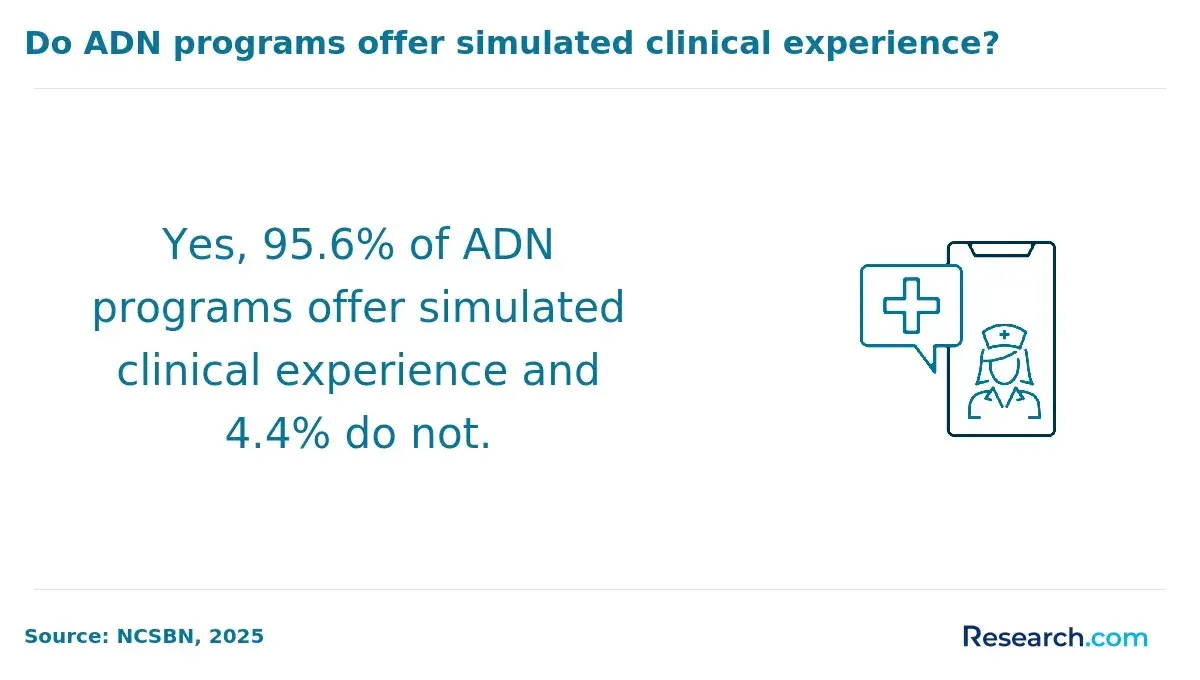
- Simulation Labs and Clinical Rotations: Hands-on learning happens through simulated patient care scenarios and real-world clinical experiences. These opportunities sharpen critical judgment, technical skills, and adaptability under the guidance of experienced instructors.
- NCLEX-Style Test Preparation and Review Sessions: Programs incorporate practice questions and computerized tests modeled after the NCLEX-RN format. These targeted review sessions help students become comfortable with exam pacing and question styles, reducing anxiety on test day.
- Evidence-Based Learning Strategies: Instruction emphasizes applying current research and best nursing practices to patient care. Students develop critical thinking by analyzing case studies and participating in problem-solving activities that mirror exam challenges.
- Faculty Mentorship and Academic Support: Dedicated faculty provide ongoing academic help and motivation through tutoring and study groups. This personalized support fosters persistence and mastery of content, vital for licensure success.
How long are ADN nursing programs in Alabama?
Most Associate Degree in Nursing (ADN) programs in Alabama typically take about two years to complete for full-time students. This usually involves five consecutive semesters of coursework and clinical practice. However, the length can vary depending on whether a student attends full-time or part-time. Some schools offer accelerated tracks designed for those with prior healthcare experience, allowing completion in as little as 12 to 15 months. Conversely, extended or part-time options provide flexibility for students balancing work or personal commitments, which may lengthen the overall timeline.
The duration of an ADN program can be influenced by several important factors. Many students need to complete prerequisite courses such as anatomy and physiology before entering the core nursing curriculum, which can add extra semesters. Clinical training hours-often 12 to 16 per week-are a required component that ensures hands-on skill development but may demand evening or weekend schedules. Programs also offer multiple admission cycles and cohorts to accommodate different pacing needs, yet progression depends on successfully passing each course and clinical rotation. Ultimately, these elements work together to create a balanced experience that thoroughly prepares students for the NCLEX-RN exam and a confident start as registered nurses in Alabama's healthcare system.
How do online ADN programs in Alabama compare to traditional ones?
Both online/hybrid and traditional on-campus ADN programs in Alabama prepare students for RN licensure but differ in flexibility, learning style, and coursework delivery. Exploring these differences can help you choose the format that fits your life and goals best. Consider these key aspects:
- Learning Format: Traditional programs offer structured, in-person lectures and labs, ideal for students who thrive on direct interaction. Online/hybrid programs deliver lectures mostly online, suited for self-motivated learners comfortable with digital tools.
- Clinical Training: Both require hands-on clinical hours at local healthcare sites, ensuring real-world experience regardless of study format.
- Scheduling Flexibility: Online and hybrid options let you study on your own time, perfect for working adults or parents, while traditional programs follow fixed schedules.
- Student Interaction: Traditional students benefit from face-to-face support, whereas online learners connect virtually, which may feel less personal but offers convenience.
- Accessibility: Online/hybrid formats expand opportunities for those in rural areas or with mobility challenges, reducing the need to relocate or commute.
How do I know if an ADN program in Alabama is accredited?
Accreditation is essential for ADN programs in Alabama because it guarantees the program meets the educational standards necessary for RN licensure and prepares you to deliver high-quality patient care. To confidently choose an accredited program, consider the following practical steps:
- Check Official Accreditation Databases: The Accreditation Commission for Education in Nursing (ACEN) provides a searchable database where you can confirm if a program is currently accredited. This step helps you avoid schools that may no longer hold proper accreditation, ensuring your education is recognized.
- Confirm Alabama Board of Nursing (ABN) Approval: The ABN requires ADN programs to be state-approved and accredited by recognized agencies. Visiting the ABN website allows you to verify that a program is approved, which is crucial for eligibility to sit for the NCLEX-RN licensure exam.
- Visit the School's Official Website: Accredited programs openly share their accreditation status and the accrediting agency on their websites. This transparency lets you verify legitimacy and find contact information for the accrediting body to double-check if needed.
- Verify with National or Regional Accreditation Agencies: Confirm the program is accredited by agencies recognized by the U.S. Department of Education, such as ACEN or the Commission on Collegiate Nursing Education (CCNE). This ensures your education will be accepted for credit transfer, financial aid, and further studies.
How much does an ADN program cost in Alabama?
The cost of ADN programs in Alabama can vary widely depending on whether you attend a community college, public university, or private institution, as well as the length of the program and your residency status for tuition purposes. Below are the key factors that contribute to the total expenses you can expect when pursuing an Associate Degree in Nursing in this state.
- Tuition and Fees: Tuition generally forms the largest portion of the ADN program cost and is commonly charged per credit hour. For in-state students, community colleges tend to offer more affordable rates, while private schools command higher tuition. Additional mandatory fees like technology, lab, and testing fees may also apply, increasing the overall tuition costs.
- Books and Supplies: Nursing education requires specialized textbooks and materials, including simulation kits and assessment tools. These essential resources typically result in expenses ranging from $1,200 to $2,000 across the program duration.
- Uniforms and Equipment: Clinical training mandates specific attire such as uniforms, lab coats, and nursing shoes, along with tools like stethoscopes and blood pressure cuffs. These setup costs usually range between $300 and $600, but are crucial investments for your clinical readiness.
- Clinical and Health Expenses: Meeting clinical health requirements involves immunizations, drug tests, physical exams, background checks, and liability insurance. These necessary health compliance costs can add several hundred dollars, depending on the program and your individual needs.
- Living and Transportation Costs: Whether commuting to campus or relocating near clinical sites, living expenses vary greatly. Budgeting for housing, food, utilities, and transportation is important, especially since even online or hybrid ADN programs require in-person clinical attendance, affecting your overall financial planning.
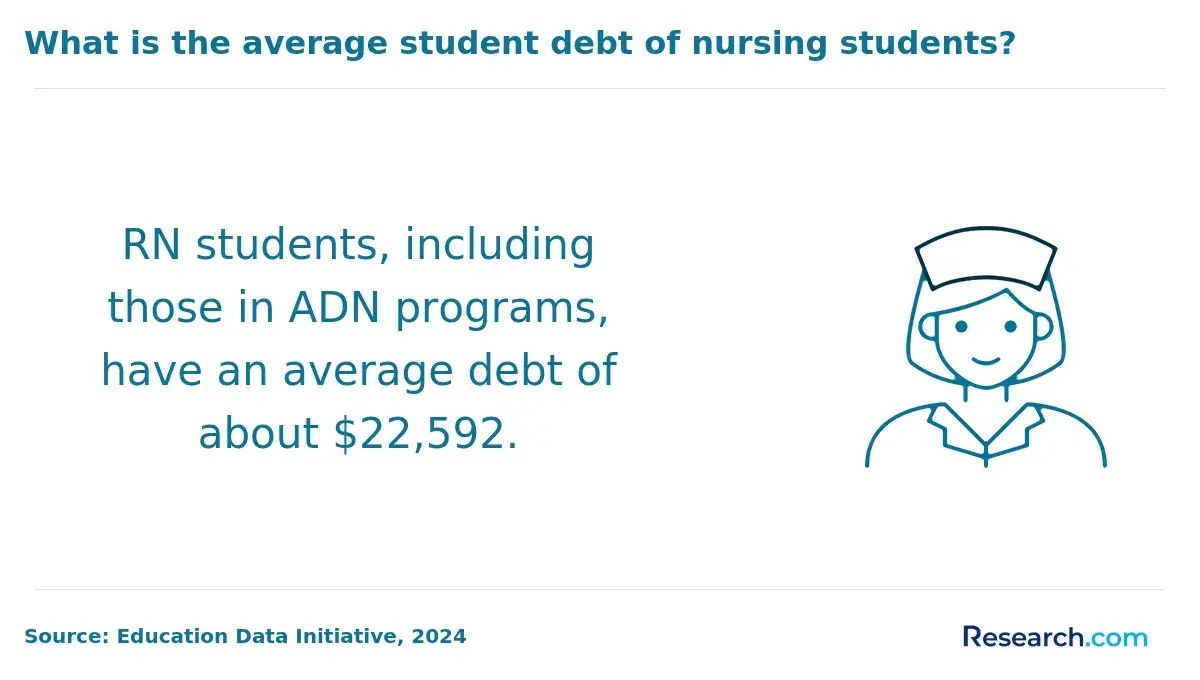
Balancing these costs with available financial aid options can make the cost of associate degree nursing programs in Alabama more manageable. To explore potential scholarships and funding opportunities, consider resources tailored for nursing students and check with your program's financial aid office. If you're seeking advanced nursing pathways after ADN, reviewing direct entry FNP programs could offer valuable insights into the next steps in your nursing career.
What financial aid options are available for ADN students in Alabama?
Financial aid can help make Associate Degree in Nursing (ADN) programs in Alabama more affordable by covering some or all educational expenses. Here are the main financial aid options available to support your journey toward becoming a nurse.
- Federal Financial Aid: Through programs like Pell Grants, Federal Supplemental Educational Opportunity Grants (FSEOG), Direct Stafford Loans, and Federal Work Study, students can access funds to cover tuition, fees, books, and living expenses. Eligibility requires completing the FAFSA, which is accepted by almost all ADN programs in Alabama.
- State-Funded Programs: The Alabama Student Assistance Program (ASAP) offers grants to eligible Alabama residents enrolled in ADN programs, based on financial need. You must be enrolled at least half-time and apply early via FAFSA since funds are limited.
- Institutional Scholarships: Many schools in Alabama provide scholarships based on merit, leadership, or financial need. These vary widely, so connect with your school's financial aid office to discover Alabama nursing scholarships and grants specific to your institution.
- Private Nursing Scholarships: Various nursing associations and healthcare foundations award scholarships targeting nursing students. These often require essays, recommendations, and proof of enrollment in an accredited ADN program, helping reduce your out-of-pocket costs.
- Employer Tuition Assistance: If you're already working in healthcare, check if your employer offers tuition reimbursement or assistance. These programs typically require a work commitment after graduation, but can significantly ease your financial burden.
To further enhance your nursing education funding, consider exploring resources for advanced nursing degrees, such as the best online MSN to FNP program, as you advance in your career.
What can I do with an ADN in Alabama after graduation?
ADN graduates in Alabama are qualified to take the NCLEX-RN exam and pursue a variety of entry-level nursing positions across diverse healthcare settings. These roles offer practical experience and opportunities for professional growth. Below are some of the main career opportunities for ADN nurses in Alabama:
- Hospital Registered Nurse (RN): Hospitals are primary employers for ADN-prepared RNs, where nurses provide patient assessments, administer medications, and collaborate with healthcare teams. This setting often supports career advancement through tuition reimbursement and certifications.
- Long-Term Care and Skilled Nursing Facilities: RNs in nursing homes or rehabilitation centers oversee chronic condition management and medication administration. Experience here can lead to supervisory roles or specialization in gerontology.
- Outpatient and Ambulatory Clinics: Nurses work in physicians' offices or specialty clinics, handling patient intake, basic procedures, and education. These positions frequently offer regular hours and clinical specialization opportunities.
- Home Health and Hospice Nursing: Providing skilled care in patients' homes, these roles emphasize autonomy and education, with potential advancement into case management or coordination.
- Public Health Nursing: Offering community health education and preventive care, public health nursing positions enable ADN graduates to impact underserved populations, with possibilities for leadership as nurse coordinators.
- School Nursing: School RNs manage student health and emergencies, working predictable schedules while contributing to child and adolescent wellness.
- Transition to Advanced Roles or Further Education: Many ADN-prepared nurses pursue RN-to-BSN programs online or on-campus in Alabama to unlock leadership and specialty career paths. For insight into further nursing education timelines, explore the nurse practitioner school timeline.
These nursing jobs with associate degree in Alabama provide a strong foundation for building a fulfilling and varied healthcare career.
How much do ADN nurses earn in Alabama?
The average median salary for ADN-prepared registered nurses in Alabama is approximately $52,212 per year, though earnings can vary significantly depending on experience, location, healthcare setting, and employer type. Understanding these variables is crucial for anyone pursuing or advancing an ADN nursing career in the state. Below are key factors that influence ADN nurse salaries in Alabama:
- Level of Experience: New graduates typically start near $34,900 annually, while experienced nurses with specialized skills may earn upwards of $73,000. Growth in expertise and responsibility generally leads to higher pay.
- Workplace Setting: Hospital positions, especially in metropolitan areas, often pay more than long-term care or outpatient roles, which tend toward the lower end of the salary spectrum.
- Geographic Location: Urban centers like Birmingham and Mobile offer higher salaries reflecting local demand and cost of living, whereas rural areas may provide other incentives but lower base pay.
- Specialization: ADN nurses with skills in emergency or critical care usually command salary premiums over general medical-surgical roles.
- Shift Differentials: Night, weekend, or holiday shifts often include additional pay, significantly boosting annual earnings for nurses willing to work these hours.
Here's What Graduates in Alabama Have to Say About Their ADN Degree
- Completing the online ADN program at Jefferson State Community College allowed me to balance work and study seamlessly. The virtual lectures and resources were accessible whenever I needed, which made it possible to care for my family while pursuing my nursing degree. Starting my career in a hospital setting here in Alabama has been incredibly rewarding, especially knowing that this flexible education model prepared me well for the fast-paced environment. The program also provided great networking opportunities with local nurses, which has helped me grow professionally every day. I'm grateful for the supportive community and training that have set me on a path for long-term success. Shiela
- Attending the hybrid ADN program at Calhoun Community College blended hands-on clinical experience with classroom learning, and this balance was crucial in building my confidence as a nurse. The hybrid format gave me the opportunity to engage in real-world settings within local home health care facilities, which deeply enriched my understanding of patient care. Beyond technical skills, the program inspired me to give back to my community, focusing on improving the well-being of elderly patients through compassionate, patient-centered nursing. Reflecting on my experience, I believe that this degree truly opened doors for professional growth and leadership opportunities in Alabama's healthcare sector. Kendra
- Being part of the on-campus ADN program at Southern Union State Community College was an inspiring journey that strengthened my passion for nursing and personal development. I thrived in the in-person learning environment, which encouraged teamwork and direct mentorship from experienced instructors. Entering the academic health industry here in Alabama, I appreciated how my preparation in critical thinking and clinical skills directly contributed to delivering quality care to patients. The program also challenged me to manage time effectively and prioritize tasks, skills that have been essential in my career advancement. Pursuing this degree locally has connected me with a supportive network dedicated to improving healthcare outcomes within our state. Quin
Related Articles for Nearby States
- 2027 Best ADN Nursing Programs in Mississippi: Online & Campus
- 2027 Best ADN Nursing Programs in Tennessee: Online & Campus
- 2027 Best ADN Nursing Programs in Georgia: Online & Campus
- 2027 Best ADN Nursing Programs in Florida: Online & Campus
- 2027 Best ADN Nursing Programs in Louisiana: Online & Campus
- 2027 Best ADN Nursing Programs in Arkansas: Online & Campus
- 2027 Best ADN Nursing Programs in Kentucky: Online & Campus
- 2027 Best ADN Nursing Programs in South Carolina: Online & Campus
- 2027 Best ADN Nursing Programs in North Carolina: Online & Campus
- 2027 Best ADN Nursing Programs in Missouri: Online & Campus
References:
- University of Mobile ADN Program Delivers 100% NCLEX Success, Now Enrolling for Fall 2025 - University of Mobile https://umobile.edu/2025/06/university-of-mobile-adn-program-delivers-100-nclex-success-now-enrolling-for-fall-2025/
- ADN/BSN Dual Nursing Program https://www.uah.edu/nursing/degree-programs/adn-bsn-dual-nursing
- Traditional Nursing - Nursing - Gadsden State Community College https://www.gadsdenstate.edu/programs-of-study/traditional.cms
- Do Online Nursing Degrees Hold the Same Weight as Traditional Degrees? https://www.herzing.edu/blog/do-online-nursing-degrees-hold-same-weight-traditional-degrees
- The Online Nursing Program | Athens State | Alabama https://www.athens.edu/online-degree-completion-programs-working-adults/the-online-nursing-program-at-athens-state-university/
- Alabama Nursing Schools And Programs | NurseJournal.org https://nursejournal.org/state/alabama/
- Capstone College of Nursing – The University of Alabama Homepage https://nursing.ua.edu/
- Additional Financial Aid https://www.uab.edu/nursing/home/scholarships-financial-aid/other-financial-aid-sources
- Associate Degree Nursing (ADN) | Wallace Community College https://catalog.wallace.edu/nursing-associate-degree-in-nursing/associate-degree-nursing-adn
- Nursing https://www.wallacestate.edu/programs/health-division/nursing/index.html
Other Things You Should Know About Pursuing ADN Nursing Programs in Alabama
In 2027, ADN nursing students in Alabama can explore federal financial aid like Pell Grants and Stafford Loans, state-based scholarships, and institutional aid from specific colleges. Each school has a financial aid office to assist students in navigating available funding options.
To enroll in an ADN nursing program in Alabama for 2027, you typically need a high school diploma or GED, a satisfactory score on a TEAS test, and completion of prerequisite courses in biology and chemistry. Additionally, some programs may require a background check and CPR certification.


