
2027 Best ADN Nursing Programs in Arizona: Online & Campus

Co-Founder and Chief Data Scientist
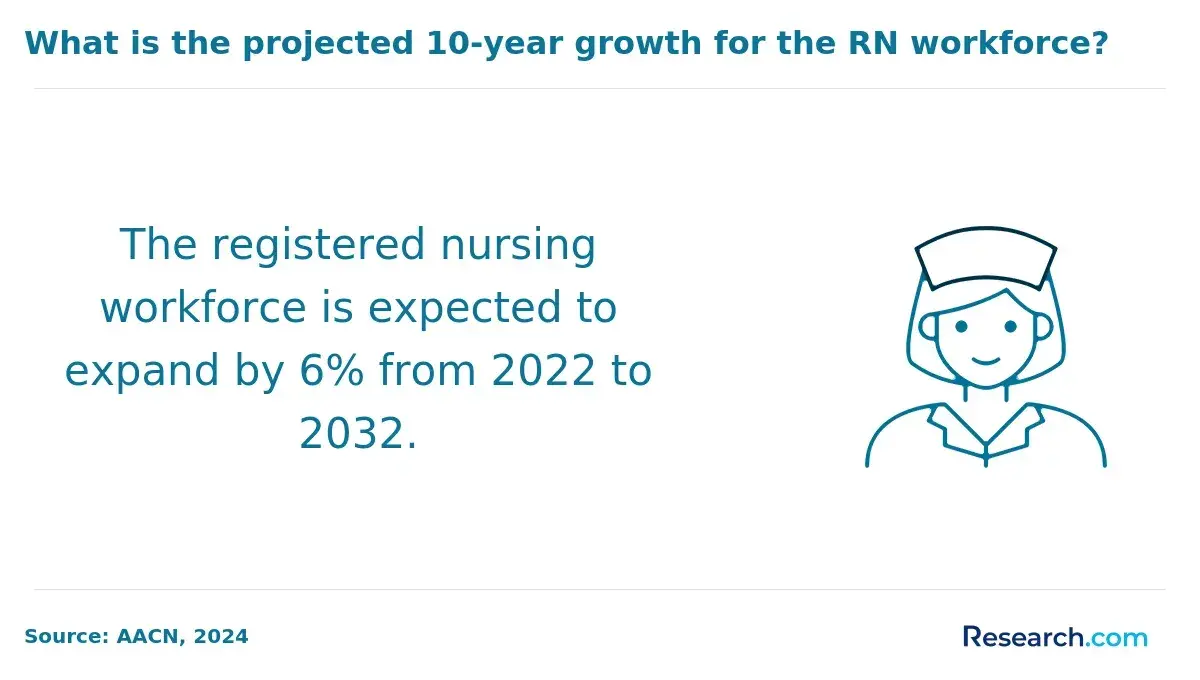
Arizona's growing healthcare sector has increased demand for skilled nurses, with employment for registered nurses expected to rise by 16% over the next decade. Pursuing an associate degree in nursing (ADN) there, whether online or on-campus, offers a swift, cost-effective pathway into this expanding field. The flexibility of online programs caters to diverse lifestyles while on-campus options deliver hands-on clinical experience. Both routes prepare students to meet Arizona's healthcare needs and enter a rewarding profession with promising job security and competitive salaries.
This article explores what an ADN in Arizona entails, crafted by experts in career planning to guide aspiring nurses. It clarifies what to expect, identifies key considerations, and helps navigate choices when selecting the right ADN program in the state.
Key Benefits of ADN Programs in Arizona
- Arizona offers flexible ADN programs with over 40 accredited options combining online theory and hands-on clinical experience, ideal for busy learners seeking practical skills.
- Graduates enjoy a 90% NCLEX pass rate statewide, reflecting strong preparation and support across both campus and virtual learning environments.
- The growing healthcare sector in Arizona projects a 15% job growth for registered nurses by 2030, making ADN graduates highly sought after in vibrant urban and rural communities.
- What is an Associate Degree in Nursing (ADN) in Arizona?
- What are the admission requirements for ADN programs in Arizona?
- How do ADN programs in Arizona prepare students for the NCLEX-RN?
- How long are ADN nursing programs in Arizona?
- How do online ADN programs in Arizona compare to traditional ones?
- How do I know if an ADN program in Arizona is accredited?
- How much does an ADN program cost in Arizona?
- What financial aid options are available for ADN students in Arizona?
- What can I do with an ADN in Arizona after graduation?
- How much do ADN nurses earn in Arizona?
What is an Associate Degree in Nursing (ADN) in Arizona?
An Associate Degree in Nursing (ADN) in Arizona serves as a vital stepping stone into the nursing profession, designed to prepare students for RN licensure through a rigorous blend of academic coursework and clinical training. These programs combine classroom instruction with hands-on experience to develop essential nursing skills like patient care, critical thinking, and effective communication. This blend ensures graduates are well-prepared to meet the demands of diverse healthcare settings. Exploring the different learning modalities for ADN programs in Arizona reveals options tailored to varied student lifestyles and goals.
Types of ADN Programs in Arizona:
- On-Campus ADN Programs: These traditional programs require physical attendance for classes and supervised clinical rotations at nearby healthcare facilities. Ideal for students who thrive in structured environments, they offer direct interaction with faculty and peers, as seen in schools like Pima Community College.
- Hybrid ADN Programs: Combining online coursework with in-person labs and clinical practice, hybrid programs provide flexibility without sacrificing essential hands-on training. This format suits working adults or those balancing family responsibilities.
- Online ADN Programs: Though limited due to clinical hour requirements, online ADN programs deliver most theory through virtual platforms while arranging local clinical placements for in-person practice. This path offers maximal scheduling freedom and suits those in remote areas, making it an adventurous way to pursue nursing education while managing personal commitments.
For anyone interested in advancing beyond the ADN, understanding pathways such as the fastest way to become a family nurse practitioner is a valuable next step.
What are the admission requirements for ADN programs in Arizona?
ADN programs in Arizona are known for their selective admission processes designed to ensure that applicants are academically prepared and capable of embracing the challenges of nursing education. These requirements pave the way for success in both online and on-campus ADN programs. Here are the key admission requirements that guide prospective students on their journey into nursing.
- High School Diploma or GED: Applicants need a high school diploma or GED to demonstrate they have the essential educational foundation needed to tackle college-level courses and nursing training effectively.
- Completion of Prerequisite Courses: Nursing schools in Arizona require students to complete foundational courses like English composition, college algebra, biology (often anatomy and physiology), and chemistry. These prerequisites build the core knowledge crucial for nursing studies and reflect the essential prerequisites for nursing schools in Arizona.
- Minimum GPA Standards: A cumulative GPA ranging from 2.75 to 3.0 is typically expected. This GPA threshold helps programs identify students likely to thrive in the rigorous nursing curriculum and ensures academic readiness.
- Entrance Exams: Many programs require passing standardized exams such as the ATI TEAS or HESI A2 to evaluate competencies in reading, math, science, and English. Entrance exam scores play a vital role in ranking applicants and predicting success in nursing coursework.
- Submission of Application Materials: Besides transcripts and exam scores, applicants may need to submit recommendation letters, personal statements, or legal presence verification. These materials help programs gauge motivation, character, and commitment to the profession.
Additional requirements often include current CPR certification, proof of health insurance, background checks, and immunization records to ensure readiness for clinical experiences. Some ADN programs may ask for proof of nursing assistant training or licensure, ensuring students have practical exposure.
For those intrigued by specialized nursing paths like becoming a forensic nurse, exploring the fastest way to become a forensic nurse offers exciting possibilities linked to foundational ADN education in Arizona.
How do ADN programs in Arizona prepare students for the NCLEX-RN?
ADN programs in Arizona are specifically tailored to equip students with the essential knowledge, clinical skills, and critical thinking abilities needed to successfully pass the NCLEX-RN and become licensed registered nurses. These programs integrate a variety of instructional and hands-on experiences to build strong foundations for exam readiness and nursing practice. Here are some key ways Arizona's ADN programs prepare students for NCLEX-RN success:
- Comprehensive Nursing Coursework: Students engage with foundational nursing theories including pharmacology and medical-surgical concepts, ensuring mastery of topics prominently featured on the NCLEX-RN. Coursework is rigorous and designed to deepen both knowledge and practical understanding.
- Simulation Labs and Clinical Rotations: Cutting-edge simulation centers simulate real-life patient scenarios, allowing students to practice critical skills safely. Supervised clinical rotations in local healthcare settings provide authentic, hands-on patient care experience essential for confidence during licensure exams.
- NCLEX-Style Test Preparation and Review Sessions: Programs incorporate exam-like questions and dedicated review workshops that familiarize students with the format and pacing of the NCLEX-RN, honing effective test-taking strategies and reducing anxiety.
- Evidence-Based Learning Strategies: Instruction emphasizes clinical reasoning and decision-making aligned with current research and best practices, sharpening the ability to apply knowledge to complex situations encountered on the exam and in the field.
- Faculty Mentorship and Academic Support: Personalized tutoring, mentoring, and academic success centers support students throughout their studies, helping to overcome challenges and maintain high NCLEX pass rates.
When asking a nurse from Arizona about his ADN journey, he reflected on the crucial role of the program's real-world simulations and mentoring. "The simulation labs were like stepping into the hospital before I ever got there," he shared. He described how rigorous clinical rotations built not only skill but also the confidence to handle unpredictable situations, which became invaluable during the NCLEX.
He appreciated how instructors provided individualized feedback, helping tailor study plans that eased exam stress. "Without that foundation," he noted, "I wouldn't have felt ready to take on the NCLEX with such assurance." This personal insight highlights the blend of academic rigor and supportive guidance characteristic of Arizona's ADN programs preparing nurses for licensure success.
How long are ADN nursing programs in Arizona?
Most Associate Degree in Nursing (ADN) programs in Arizona typically take about two years to complete for full-time students, though this duration can expand or shorten depending on enrollment status and program design. Some schools offer accelerated tracks that pack coursework into less than 20 months by including summer classes, while others provide extended or flexible schedules to support part-time learners balancing work and study.
Whether attending on-campus, hybrid, or with some online components, students usually progress through core nursing classes alongside clinical practice. These options allow learners to tailor their educational experience without compromising the essential training required to become a registered nurse.
Several key factors affect how long it takes to earn an ADN in Arizona. The need for prerequisite courses before starting the program can add several months, while the required clinical training hours, often exceeding 700, demand significant time commitments hands-on.
Scheduling flexibility, such as weekend or evening cohorts, also influences the overall timeline, accommodating working professionals or those with family obligations. This thoughtful structure ensures students receive a well-balanced mix of academic knowledge and practical experience, fully preparing them to pass the NCLEX-RN exam and enter the nursing workforce confidently.
How do online ADN programs in Arizona compare to traditional ones?
Both online, hybrid, and traditional ADN programs in Arizona prepare students for RN licensure, yet they differ in flexibility, learning format, and how coursework and clinical experiences are delivered. Exploring these differences can help you find the best fit for your lifestyle and learning style. Consider these key comparisons:
- Learning Format: Traditional programs hold classes on campus with fixed schedules and in-person instruction, ideal for those who thrive in structured settings. Hybrid and online formats blend online lectures with in-person clinicals, offering self-directed learners greater flexibility.
- Clinical Training: All require in-person clinical hours, but hybrid students arrange local clinical placements, while traditional students participate in campus-coordinated sites.
- Flexibility: Online and hybrid programs allow study around work and family, fitting busy lives better than the rigid schedules of traditional programs.
- Student Interaction: Traditional programs foster direct peer and faculty bonding; online formats rely on digital communication, suited to proactive, independent students.
- Accessibility: Hybrid and online options open doors for rural or remote learners by reducing commuting barriers, unlike traditional formats that often demand relocation or long travel.
When I spoke with a nurse who graduated from a hybrid ADN program in Arizona, she shared how balancing online coursework with local clinicals allowed her to manage a full-time job and family commitments. She described the initial uncertainty about managing self-paced learning but found the blend of virtual lectures and hands-on practice rewarding.
"It was challenging to stay motivated without being on campus every day, yet the flexibility gave me freedom I never had before," she reflected. This hybrid path brought a unique blend of independence and real-world experience, proving that nursing education can be adaptable without compromising quality.
How do I know if an ADN program in Arizona is accredited?
Accreditation is essential for ADN programs in Arizona because it guarantees that the program meets the educational standards necessary for RN licensure and delivers quality patient care. Confirming accreditation protects your investment in education and supports your future career goals. Here are crucial steps to verify if an ADN program in Arizona holds proper accreditation:
- Check National Accreditation Databases: Access the official lists maintained by the Accreditation Commission for Education in Nursing (ACEN) and the Commission on Collegiate Nursing Education (CCNE). These databases confirm whether the program is nationally recognized, which is important for credit transfers and graduate studies.
- Confirm State Board of Nursing Approval: The Arizona State Board of Nursing approves all nursing programs to ensure they meet state licensure requirements. This approval allows graduates to sit for the NCLEX-RN exam, a must for becoming a registered nurse in Arizona.
- Visit the School's Official Website: Accredited programs usually display their accreditation status clearly, including endorsements by national bodies and state approval. This transparency helps you avoid schools that have lost accreditation or fail to meet standards.
- Verify National or Regional Accrediting Agencies: Focus on programs accredited by recognized agencies like ACEN, CCNE, or regional bodies acknowledged by CHEA or the U.S. Department of Education. Accreditation from unknown agencies warrants further investigation.
How much does an ADN program cost in Arizona?
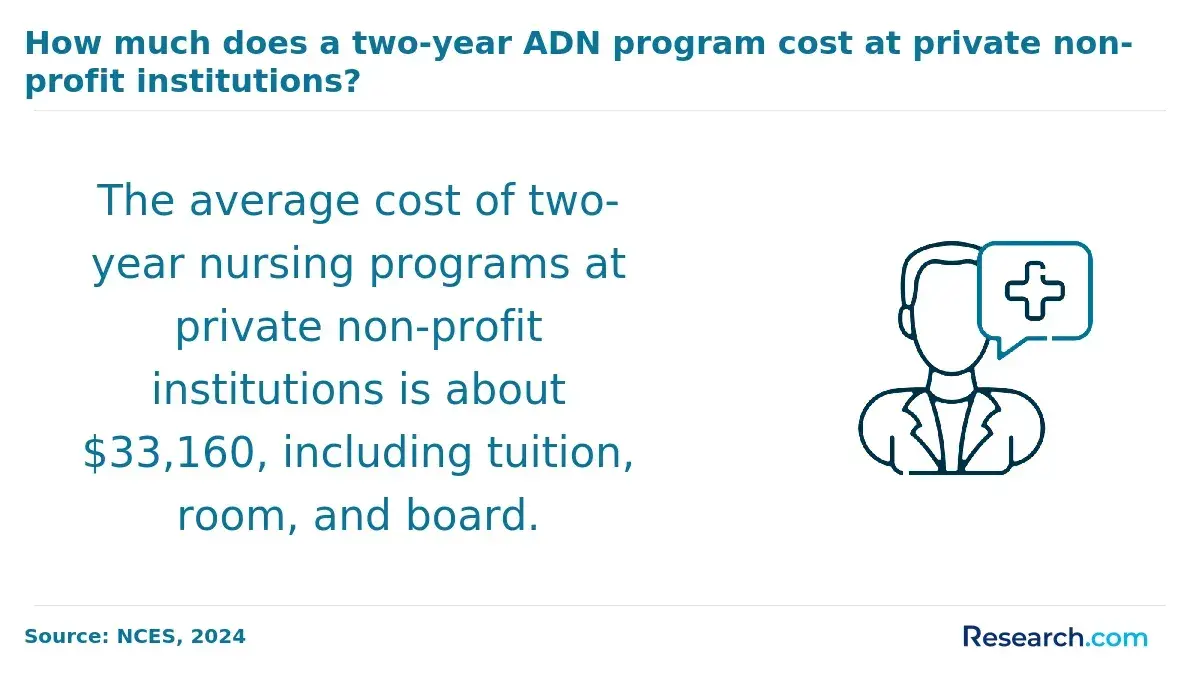
The cost of ADN programs in Arizona can vary widely depending on whether you attend a community college, public university, or private institution, the length of the program, and if you pay in-state or out-of-state tuition. These elements combine to shape the average cost of ADN programs in Arizona. Here are the main factors you'll want to consider as you explore this educational path:
- Tuition and Mandatory Fees: Tuition is the biggest part of your investment and varies significantly by school. Community colleges offer more affordable rates, while private schools tend to be much higher, with prices reflecting the program's reputation and facilities.
- Books and Supplies: Essential resources like textbooks and study materials can add up, often costing over a thousand dollars for the entire program. Additionally, supplies such as stethoscopes or penlights are necessary tools that have their own costs.
- Uniforms and Equipment: Nursing programs usually require specific uniforms, shoes, and equipment. These one-time purchases are crucial for clinical experiences and often include practical items like watches with second hands and basic medical tools.
- Clinical and Health Requirements: Fees for background checks, vaccinations, CPR certification, and clinical tracking systems are sometimes overlooked but are necessary expenses. These health and safety prerequisites keep students prepared and compliant.
- Living and Transportation Costs: Depending on your program's format-online, hybrid, or fully on-campus-housing, meals, and travel to clinical sites can impact your budget. Some costs may decrease if you enroll in hybrid courses, but clinical attendance still often requires travel.
For those aspiring beyond the ADN, it's worth exploring nursing pathways such as direct entry MSN NP programs that may offer different cost structures and professional outcomes.
What financial aid options are available for ADN students in Arizona?
Financial aid can significantly lighten the financial load for students pursuing an Associate Degree in Nursing (ADN) in Arizona by covering tuition, fees, and other educational expenses. Below are key financial aid options that adventurous ADN students can explore to unlock opportunities and support their nursing journey.
- Federal Aid: By filling out the Free Application for Federal Student Aid (FAFSA), students become eligible for federal grants, loans, and work-study programs. Pell Grants, which don't require repayment, are a valuable resource for students with financial need, and many accredited ADN programs in Arizona qualify for these benefits.
- State-Funded Programs: Arizona offers targeted grants and scholarships designed specifically for nursing students enrolled in approved ADN programs. Typically, these require Arizona residency and enrollment in state-approved institutions, helping to reduce tuition costs for both online and campus-based students.
- Institutional Scholarships: Many colleges and nursing schools in Arizona award scholarships based on merit, financial need, or leadership qualities. Organizations like the Arizona Foundation for the Future of Nursing provide exclusive scholarships, often requiring proof of nursing career goals or membership in professional groups.
- Private Nursing Scholarships: National associations and private groups provide nursing scholarships ranging from $1,000 to $5,000, rewarding academic achievement and commitment to nursing. Students searching for nursing scholarships and grants in Arizona should consider opportunities from organizations such as the American Association of Colleges of Nursing and NurseJournal.
- Employer Tuition Assistance: Some healthcare employers in Arizona support employees pursuing ADN degrees by offering tuition reimbursement, often contingent on continuing employment for a set period after graduation. This option helps build a local nursing workforce while easing educational expenses.
For students interested in advancing beyond ADN, investigating what is the easiest online MSN program can provide a next step in their nursing careers.
What can I do with an ADN in Arizona after graduation?
ADN graduates in Arizona are qualified to take the NCLEX-RN exam and pursue a variety of entry-level nursing positions in diverse healthcare settings across the state. These roles open doors to a wide range of career pathways fueled by strong demand for registered nurse jobs in Arizona. Below are some of the key career options available for ADN-prepared nurses ready to embark on their professional journey.
- Registered Nurse (RN) in Hospitals: Hospitals dominate as employers for ADN graduates, offering dynamic roles in medical-surgical units, emergency rooms, intensive care, and labor and delivery. Nurses in this environment provide direct patient care, administer medications, and collaborate closely with healthcare teams, with many chances for specialization and career advancement.
- Long-Term Care and Rehabilitation Facilities: Skilled nursing homes, rehab centers, and assisted living communities employ many ADN nurses to manage complex chronic patient needs. These positions emphasize patient education, staff supervision, and building lasting patient relationships-skills that enhance leadership potential and professional mobility.
- Outpatient Clinics and Ambulatory Care: Working in outpatient or specialty clinics offers nurses a focused scope of practice, including patient assessments, treatments, and minor procedures. The regular hours typical in these settings appeal to those seeking better work-life balance while contributing essential nursing care in community-based roles.
- Home Health Nursing: Home health nurses provide personalized care in patients' residences, supporting recovery, chronic disease management, and palliative needs. This role is notable for its autonomy and flexibility, serving as a stepping stone toward advanced community health or specialty nursing roles.
- Telehealth and Remote Nursing: The expanding telemedicine field offers RNs opportunities to deliver care coordination, triage, and patient education remotely, especially benefiting rural or underserved populations. These innovative roles expand traditional nursing boundaries and accommodate diverse work preferences.
- Transition to Advanced Education: Many ADN programs in Arizona facilitate ADN career opportunities Arizona through seamless RN-to-BSN pathways, allowing nurses to advance their qualifications while working. Pursuing a BSN can unlock leadership, specialty, and educational roles within the profession.
Alongside these career opportunities, aspiring nurses may also explore affordable online psychiatric nurse practitioner programs to further enhance their skills and expand their future options in nursing practice.
How much do ADN nurses earn in Arizona?
The average median salary for ADN-prepared registered nurses in Arizona is approximately $89,951 per year, but earnings can vary widely based on experience, geographic location, healthcare setting, and employer type. Exploring these differences reveals exciting opportunities for nurses at every stage of their career. Consider the primary factors shaping ADN nurse pay in Arizona:
- Level of Experience: Entry-level nurses often start near $35,900 annually, while those with more years in clinical roles can earn $68,500 or more. Seasoned professionals in leadership positions may command salaries above $75,000, reflecting their expertise and responsibilities.
- Workplace Setting: Hospitals and government facilities tend to offer higher wages compared to outpatient clinics or long-term care. Larger hospital systems in Arizona especially provide competitive pay and benefits.
- Geographic Location: Urban centers like Prescott and Phoenix-Mesa-Chandler boast some of the highest salaries, with averages reaching over $96,000, while rural areas may compensate with bonuses and incentives.
- Specialization and Credentials: Nurses who acquire certifications in fields like critical care or emergency nursing enhance their earning potential and access to in-demand roles.
- Shift Differentials and Overtime: Extra pay for night, weekend, or holiday shifts, plus overtime, can increase annual income by 10-20%, adding valuable financial flexibility.
Here's What Graduates in Arizona Have to Say About Their ADN Degree
Completing my ADN degree through the online program at Phoenix College offered me incredible flexibility while balancing family and work. The virtual clinical simulations were thorough, preparing me well for real-world nursing roles. Starting my career in a local hospital has been rewarding as I apply what I learned in class to help patients daily. The program's focus on community health really inspired me to contribute positively to underserved neighborhoods in Arizona. I feel empowered knowing there are so many opportunities for advancement with my ADN. Javier
Attending the hybrid ADN program at Pima Medical Institute challenged me to grow both academically and personally. The combination of on-campus labs and online coursework made learning dynamic and accessible. After graduating, I secured a position in home health care, which gave me a chance to build meaningful connections with patients in their own environments. This journey has deepened my passion for patient advocacy and shaped how I support families through difficult health situations. It's fulfilling to know my work directly impacts the community's well-being. Tiffany
My time at Mesa Community College's on-campus ADN program was rigorous yet incredibly rewarding. The hands-on clinical experiences prepared me thoroughly for fast-paced work in academic health settings. Pursuing this path in Arizona presented unique challenges, especially with clinical site availability, but the faculty's support helped me navigate every hurdle. I'm proud to be part of a growing nursing workforce that's essential to our local healthcare system's stability and growth. Continuing professional development is a priority for me as I aim to advance within my career. Dwight
Related Articles for Nearby States
- 2027 Best ADN Nursing Programs in New Mexico: Online & Campus
- 2027 Best ADN Nursing Programs in Nevada: Online & Campus
- 2027 Best ADN Nursing Programs in California: Online & Campus
- 2027 Best ADN Nursing Programs in Utah: Online & Campus
- 2027 Best ADN Nursing Programs in Colorado: Online & Campus
- 2027 Best ADN Nursing Programs in Texas: Online & Campus
- 2027 Best ADN Nursing Programs in Oklahoma: Online & Campus
- 2027 Best ADN Nursing Programs in Kansas: Online & Campus
- 2027 Best ADN Nursing Programs in Wyoming: Online & Campus
- 2027 Best ADN Nursing Programs in Idaho: Online & Campus
References
- College of Nursing Financial Aid | Office of Scholarships & Financial Aid https://financialaid.arizona.edu/types-of-aid/graduate/nursing
- Registered Nurse Requirements By State | NurseJournal.org https://nursejournal.org/registered-nursing/rn-licensing-requirements-by-state/
- BSN Program Admissions https://nursing.arizona.edu/www.arizona.edu/admissions/apply
- 2025 Best RN to BSN Programs in Arizona Online - Fast & Affordable Options https://www.registerednursing.org/rn-to-bsn/arizona/
- Best ADN Programs in Arizona for 2025 https://allnurses.com/programs/best-associate-nursing-programs-arizona-r44/
- Nursing Bridge Program | University of Phoenix https://www.phoenix.edu/online-nursing-degrees/nurse-bridge-program.html
- Financial Aid https://www.arizonacollege.edu/admissions/financial-aid/
- Online Nursing Schools in AZ: Your Guide Top Options https://www.edumed.org/online-schools/nursing-rn-programs/arizona/
- Apply for a License | Board of Nursing https://azbn.gov/licenses-and-certifications/apply-license
- Nursing https://www.azwestern.edu/degrees-and-certificates/nursing
Other Things You Should Know About ADN Nursing Programs in Arizona
In 2027, admission requirements for ADN programs in Arizona typically include a high school diploma or GED, completion of prerequisite courses like anatomy and physiology, and sometimes a minimum GPA. Students might also need to pass entrance exams, provide letters of recommendation, and complete a background check.
In 2027, some of the top ADN nursing programs in Arizona include GateWay Community College, Mesa Community College, and Pima Medical Institute. These programs offer a mix of online and campus-based learning, providing flexibility and comprehensive training for future nurses.


