
2027 Best ADN Nursing Programs in Iowa: Online & Campus

Co-Founder and Chief Data Scientist
Iowa's demand for registered nurses is expected to grow by 15% over the next decade, reflecting a strong need for skilled healthcare professionals. Pursuing an associate degree in nursing (ADN), whether online or on-campus, offers a practical pathway to enter this expanding field quickly and cost-effectively. ADN programs in Iowa provide foundational clinical training and licensure preparation tailored to the state's healthcare standards, making them a valuable investment for career stability and advancement.
This article, prepared by experts in career planning, guides readers through understanding ADN programs in Iowa. It clearly outlines what to expect, what key factors to consider, and strategies to navigate the decision-making process when selecting the right program. This approach ensures informed choices leading to a successful nursing career.
Key Benefits of ADN Programs in Iowa
- Iowa's ADN programs offer flexible online options, with over 40% of students choosing remote study to balance work and family commitments.
- Campus programs provide hands-on clinical experience through partnerships with local hospitals, enhancing practical skills and job readiness.
- Graduates benefit from Iowa's strong nursing job market, with a 7% projected growth in registered nurse employment through 2030.
- What is an Associate Degree in Nursing (ADN) in Iowa?
- What are the admission requirements for ADN programs in Iowa?
- How do ADN programs in Iowa prepare students for the NCLEX-RN?
- How long are ADN nursing programs in Iowa?
- How do online ADN programs in Iowa compare to traditional ones?
- How do I know if an ADN program in Iowa is accredited?
- How much does an ADN program cost in Iowa?
- What financial aid options are available for ADN students in Iowa?
- What can I do with an ADN in Iowa after graduation?
- How much do ADN nurses earn in Iowa?
What is an Associate Degree in Nursing (ADN) in Iowa?
An Associate Degree in Nursing (ADN) in Iowa serves as a foundational pathway into the nursing profession, preparing students for RN licensure through a mix of academic coursework and clinical training. These ADN programs combine comprehensive classroom instruction in nursing theory, patient care techniques, and medical practices with practical experience in simulation labs and clinical settings. This approach ensures students develop the critical skills required to meet the dynamic challenges of healthcare environments.
The structure of ADN curriculum and requirements in Iowa supports different learning styles by offering multiple program formats. These accommodate various personal and professional needs, enabling students to pursue nursing education in a way that fits their lifestyle. The main types of ADN programs available in Iowa include:
- On-Campus ADN Programs: Traditional programs where students attend classes and clinical experiences in person. This format offers direct faculty interaction, access to campus resources, and hands-on training in labs and clinical settings, providing a highly immersive educational experience.
- Hybrid ADN Programs: These programs combine online coursework with scheduled in-person labs and clinical rotations. This flexibility is ideal for students managing work or family commitments while still ensuring they meet clinical training requirements.
- Online ADN Programs: While fully online ADN programs are rare due to mandatory clinical skills training, some schools provide significant portions of theory coursework online. Students must attend in-person labs and clinicals, maintaining compliance with the Iowa Board of Nursing standards.
Enrolling in an ADN program in Iowa can lead to well-qualified registered nurse positions, with graduates often benefiting from strong NCLEX-RN pass rates. Those interested in specialized fields may explore the highest paying nursing specialties to understand the potential career pathways following completion of an ADN.
What are the admission requirements for ADN programs in Iowa?
ADN programs in Iowa typically have selective admission processes to ensure that applicants are academically prepared and capable of handling the demands of nursing education. Meeting these criteria helps applicants demonstrate their readiness and commitment to a nursing career. Important admission factors include the following:
- High School Diploma or GED: Applicants must submit proof of a high school diploma or its equivalent, such as a GED. This confirms basic academic skills essential for succeeding in college-level nursing coursework.
- Completion of Prerequisite Courses: Most Iowa ADN programs require candidates to complete specific college-level prerequisite courses like Human Anatomy & Physiology, Developmental Psychology, Nutrition, and English Composition with a grade of "C" or higher. These ADN program prerequisites in Iowa establish foundational knowledge for successful nursing training.
- Minimum Cumulative GPA: A minimum GPA, often ranging from 2.0 to 2.7 depending on the school, is required for prerequisite or support courses. This standard helps programs select students who have shown consistent academic achievement aligned with the program's rigor.
- Entrance Exams: Some colleges require applicants to pass standardized entrance exams such as the HESI Admission Assessment (A2) or ACCUPLACER, with minimum scores set for key subjects. These exams evaluate academic readiness for the challenges of nursing education.
- Application Materials: Candidates typically must submit formal applications, including items like letters of recommendation and personal statements. These materials allow faculty to assess motivation and communication skills, which are vital for nursing practice.
Additional requirements often include background checks, health screenings, and attending a mandatory nursing orientation prior to starting clinicals. For Licensed Practical Nurses, many programs offer LPN-to-ADN pathways with specific licensing and GPA prerequisites. Navigating Iowa ADN application requirements carefully increases the likelihood of admission into these competitive programs. Those interested in advancing to specialized roles may explore the promising adult gerontology nurse practitioner career outlook after completing their ADN.
How do ADN programs in Iowa prepare students for the NCLEX-RN?
ADN programs in Iowa are specifically designed to equip students with the knowledge, clinical skills, and critical thinking abilities needed to pass the NCLEX-RN and become licensed registered nurses. Below are the key ways these programs prepare students for NCLEX-RN success:
- Comprehensive Nursing Coursework: Students complete focused instruction in essential nursing areas like medical-surgical, pediatric, and psychiatric care, ensuring mastery of subjects tested on the NCLEX-RN. This coursework is complemented by science and general education classes that establish a solid academic foundation.
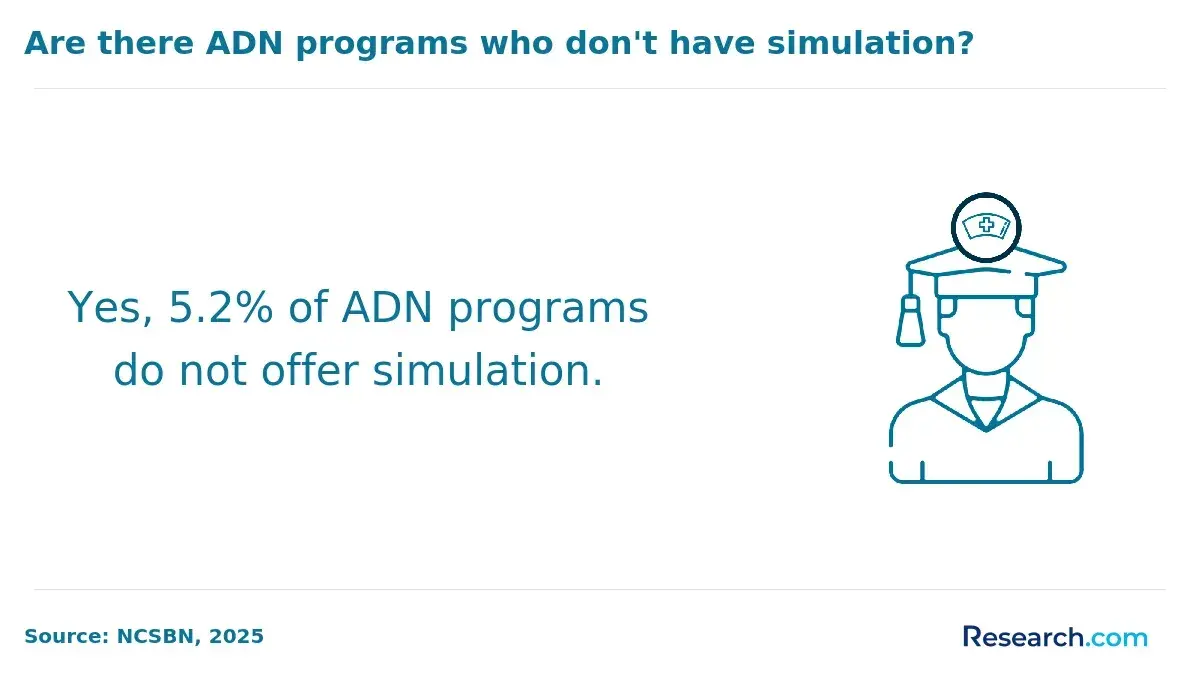
- Simulation Labs and Clinical Rotations: Hands-on experiences in simulation labs and diverse health care settings develop practical skills and critical thinking. These real-world scenarios build the confidence and technical proficiency required for patient care and the NCLEX-RN exam.
- NCLEX-Style Test Preparation and Review Sessions: Practice exams and review workshops familiarize students with the NCLEX's computer-based format and question styles, helping them identify knowledge gaps and refine exam-taking strategies.
- Evidence-Based Learning Strategies: Innovative teaching methods such as case studies and problem-based learning enhance understanding and retention. These approaches improve critical thinking abilities directly linked to NCLEX success.
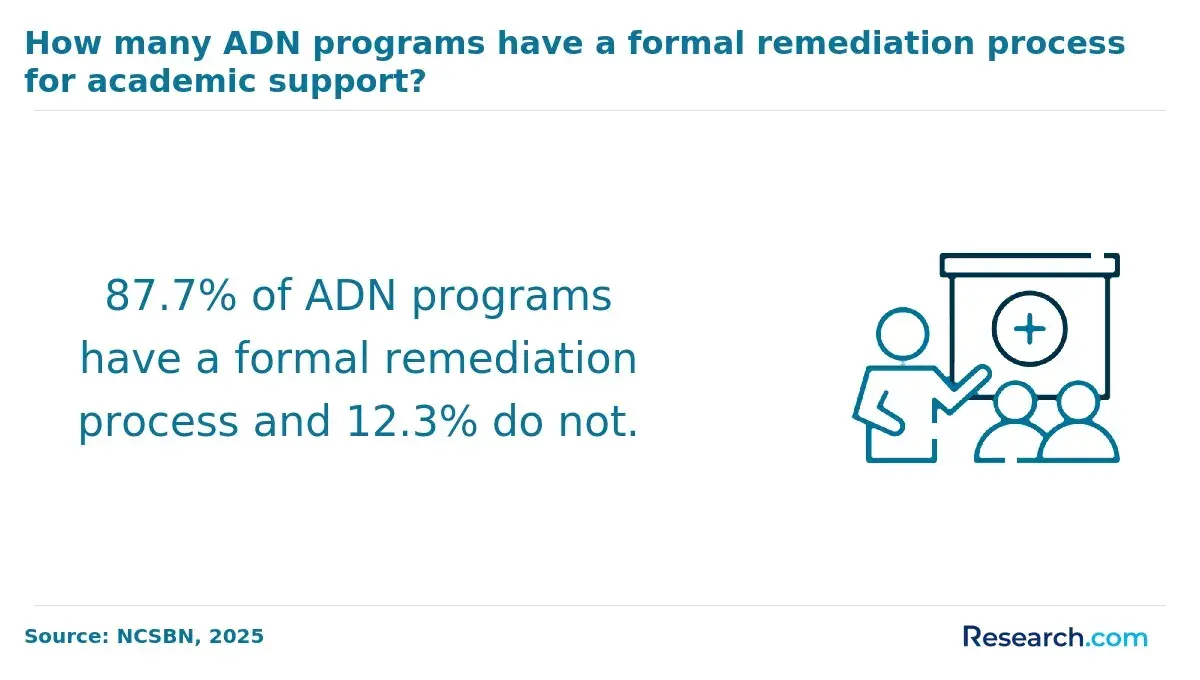
- Faculty Mentorship and Academic Support: Personalized guidance through faculty mentorship and tutoring helps students overcome academic challenges and stay focused on their goal, boosting readiness and exam confidence.
When I spoke with a nurse from Iowa who completed an ADN program at a local school, he reflected on how the program's structured clinical rotations were particularly vital. "The varied real-life patient cases during my rotations helped me apply classroom theory to actual practice, which made the NCLEX questions feel more relatable," he explained. He also noted that the review sessions were a game-changer, saying, "Those practice tests mimicked the exam format so closely that by test day, I felt mentally prepared and less anxious." He recalled moments of doubt but credited the faculty support for keeping him motivated, sharing, "My instructors were always approachable and provided feedback that turned my weaknesses into strengths." This firsthand experience highlights how Iowa's ADN programs strategically build the skills and confidence necessary to pass the NCLEX-RN.
How long are ADN nursing programs in Iowa?
Most Associate Degree in Nursing (ADN) programs in Iowa are designed to be completed in about two years of full-time study, typically spanning four to five semesters. Part-time students may take longer, depending on how many courses they take each term. Some colleges provide accelerated tracks, especially for Licensed Practical Nurses (LPNs) or those with prior healthcare experience, allowing these students to finish more quickly through credit transfers or advanced placement. Meanwhile, extended programs with flexible or hybrid schedules accommodate students balancing work or family commitments. Choosing the right program structure is key to matching your timeline with your personal obligations and educational goals.
Several factors influence how long it takes to earn an ADN in Iowa. Many programs require prerequisite courses in subjects like biology and psychology that can add extra semesters before nursing-specific classes begin. Clinical training hours, essential for practical experience, also affect duration-for example, some colleges require over 700 clinical hours, spread across the program. Scheduling options, such as morning, afternoon, or online classes, provide flexibility but might extend completion time if fewer courses are taken each term. The program's length is carefully balanced to ensure rigorous academics and meaningful hands-on practice, ultimately preparing students to pass the RN licensure exam and succeed in nursing careers.
How do online ADN programs in Iowa compare to traditional ones?
Both online, hybrid, and traditional Associate Degree in Nursing (ADN) programs in Iowa prepare students for RN licensure but vary in flexibility, learning formats, and course delivery. These differences can help you choose the best fit based on your lifestyle and learning preferences. Consider the following key aspects:
- Learning Format: Online programs offer remote lectures and assignments, ideal for self-driven students comfortable with technology. Traditional programs require regular in-person attendance, benefiting those who thrive with structured, face-to-face instruction. Hybrid programs blend both approaches for a balanced experience.
- Clinical Training: All programs require in-person clinical rotations, but online and hybrid students schedule these more flexibly. Traditional students experience a fixed clinical schedule with immersive practice.
- Scheduling Flexibility: Online and hybrid formats allow part-time study and adaptable schedules, suitable for working adults. Traditional routes generally follow a fixed academic calendar.
- Student Interaction: Traditional programs offer direct peer and faculty engagement. Online relies on virtual discussions, while hybrid mixes both, accommodating different social learning needs.
- Accessibility: Online and hybrid options reduce travel and support those in remote or busy life situations. Traditional programs often require proximity to campus.
When I spoke with a nurse who graduated from a hybrid ADN program in Iowa, she reflected on the journey with a thoughtful perspective. "Balancing coursework online gave me the flexibility I needed as a single parent," she shared. "At the same time, the on-campus labs and occasional classes helped me connect with instructors and classmates in ways purely online courses couldn't." She recalled initial doubts about managing remote learning alongside her job but found the hybrid format's blend provided both independence and support. "It wasn't easy, but being able to attend clinic hours around my schedule made finishing the program possible." Her experience highlights the practical benefits of hybrid programs while recognizing the value of traditional hands-on learning.
How do I know if an ADN program in Iowa is accredited?
Accreditation is essential for ADN programs in Iowa because it guarantees the program meets the educational standards required for RN licensure and ensures graduates are prepared to provide safe, high-quality patient care. To verify if an ADN program in Iowa is accredited, students should take these steps:
- Check National Accreditation Databases: Visit the official websites of recognized accrediting bodies like the Accreditation Commission for Education in Nursing (ACEN) and the Commission for Nursing Education Accreditation (CNEA). These databases list accredited ADN programs by state and provide official accreditation dates, helping students confirm valid national recognition.
- Confirm State Board of Nursing Approval: The Iowa Board of Nursing (IBON) approves and regulates nursing education programs in Iowa. Checking IBON's listings ensures the program meets state-specific requirements, which is vital since approval is mandatory for graduates to take the NCLEX-RN licensure exam.
- Visit the School's Official Website: Accredited programs usually display their current accreditation status and approval details on official webpages. Look for clear mentions of ACEN, CNEA, or IBON approval with links or documents verifying their legitimate accreditation.
- Verify Regional or Institutional Accreditation: Beyond nursing-specific accreditation, confirm the college or university holds institutional accreditation, like from the Higher Learning Commission (HLC). This broad accreditation affects credit transfer, federal financial aid eligibility, and overall educational quality.
- Contact Accrediting Agencies Directly: If any information is unclear, reach out to ACEN, CNEA, or the Iowa Board of Nursing for confirmation. These agencies provide the most current accreditation status, including candidacy or recent evaluations affecting licensure eligibility.
How much does an ADN program cost in Iowa?
The cost of an Associate Degree in Nursing (ADN) program in Iowa varies based on the type of institution, program length, and whether you qualify for in-state or out-of-state tuition rates. Several factors come into play when calculating the total investment required. Below are key components that affect the overall expense of pursuing an ADN degree in Iowa.
- Tuition and Fees: Tuition is typically the largest portion of the ADN program cost. Community colleges often offer more affordable rates for in-state students, but out-of-state and private institutions generally charge higher tuition. Additional fees may apply each semester for technology, course materials, or lab access, influencing the total price.
- Books and Supplies: Nursing textbooks, software, and other required materials can add several thousand dollars to the program cost. These resources are essential for mastery of course content and exam preparation, including the NCLEX-RN licensure exam.
- Uniforms and Equipment: Clinical uniforms, lab coats, stethoscopes, and other necessary gear usually cost between $180 and $200. These are vital for clinical rotations and must meet specific program standards.
- Clinical Expenses: Background checks, drug screenings, immunizations, and transportation for clinical placements often require extra out-of-pocket spending. Some programs estimate these costs around $500 or more for the duration of the curriculum.
- Testing and Licensure Fees: Standardized tests such as ATI or HESI exams, NCLEX-RN exam fees, and state licensure applications are mandatory and can total over $2,000. Preparing thoroughly for these exams is crucial to successfully becoming a registered nurse.
- Living and Transportation Costs: Although these vary by individual circumstances, housing, food, utilities, and commuting expenses are important budget considerations. These expenses can fluctuate depending on whether you attend classes on-campus, online, or via a hybrid model.
Exploring financial aid options and scholarships may help reduce your upfront costs, making ADN program tuition in Iowa more manageable. For those interested in accelerated or flexible pathways, it can be helpful to research the best rated 1 year online nurse practitioner programs as part of long-term career planning in nursing.
What financial aid options are available for ADN students in Iowa?
Financial aid can help make Associate Degree in Nursing (ADN) programs in Iowa more affordable by covering some or all educational expenses. Below are the main financial aid options available to ADN students in Iowa.
- Federal Grants and Loans: Federal programs like the Pell Grant and Federal Direct Subsidized Loans support ADN students who demonstrate financial need through the FAFSA. Pell Grants provide up to $7,395 annually and do not require repayment, while subsidized loans offer low-interest borrowing terms for students enrolled at least half-time.
- Iowa State-Funded Aid: Iowa residents can access state programs such as the Iowa Tuition Grant for eligible private college attendees and the All Iowa Opportunity Scholarship (AIOS), which offers up to $5,334 yearly for students showing both academic merit and financial need. Application begins with completing the FAFSA.
- Iowa's Last-Dollar Scholarship: This scholarship covers remaining tuition after other grants have been applied, available to ADN students enrolled at least half-time with a Student Aid Index of $20,000 or less. It supports students attending approved Iowa community colleges and private institutions as part of the state's workforce initiative.
- Institutional Scholarships and Assistance: Many Iowa colleges provide scholarships, grants, and work-study programs based on merit or financial need. For example, Great River Health offers up to $8,000 for ADN students at Southeastern Community College who commit to working after graduation, with some schools also covering licensure exam fees.
- Private Nursing Scholarships: Various organizations and foundations in Iowa offer scholarships targeting nursing students, typically emphasizing community service or academic achievement. Eligibility and application procedures vary widely, so early research is essential for applicants interested in these awards.
- Employer Tuition Assistance: Healthcare employers such as UnityPoint Health frequently offer tuition reimbursement or scholarships to current employees enrolled in ADN programs. Applicants usually must be admitted to a nursing program and agree to post-graduation employment commitments.
ADN students searching for financial support can start by completing the FAFSA, which unlocks most federal, state, and institutional aid options. For those interested in further advancing their nursing education beyond ADN programs, exploring the shortest post master's FNP program available can be a strategic next step.
What can I do with an ADN in Iowa after graduation?
ADN graduates in Iowa are eligible to take the NCLEX-RN exam, allowing them to become licensed registered nurses and begin their nursing careers in various healthcare environments. These graduates have access to a range of entry-level options, each offering unique responsibilities and opportunities for growth. The following outlines the main nursing jobs for ADN graduates in Iowa:
- Registered Nurse (RN) in Hospitals: Hospital RNs provide direct patient care, administer medications, and collaborate with healthcare teams on medical-surgical, emergency, and critical care units. These roles often allow shift flexibility and pathways to leadership positions like charge nurse or nurse manager.
- Long-Term Care and Rehabilitation Facilities: In these settings, ADN-prepared nurses manage care plans and supervise support staff while working with patients facing chronic illnesses or disabilities. The environment offers job stability and chances to specialize in geriatric or rehabilitative nursing.
- Outpatient Clinics and Medical Offices: RNs assist with procedures, patient education, and routine care in smaller practice settings. Regular hours and potential advancement to clinic supervisor or office manager make this a popular choice.
- Home Health and Community Health Nursing: Nurses provide in-home care focused on recovery and chronic condition management, delivering personalized care and education. This role supports autonomy and flexibility, ideal for those who want to emphasize preventive care.
These diverse career paths not only welcome ADN graduates but encourage career advancement for Iowa ADN nurses who seek higher credentials through RN-to-BSN programs. Many programs facilitate online learning, helping nurses pursue higher degrees while working. For those exploring advanced roles, it is worthwhile to investigate whether are online womens health nurse practitioner degree programs affordable as part of long-term professional development.
How much do ADN nurses earn in Iowa?
The average median pay for ADN nurses in Iowa is approximately $54,106 per year, though salaries can vary widely depending on factors such as experience, location, healthcare setting, and employer type. Understanding these influences can help prospective ADN nurses set realistic salary expectations and plan their careers. Below are the key factors affecting ADN nurse earnings in Iowa:
- Level of Experience: Entry-level ADN nurses generally start with lower wages, while experienced nurses with certifications or supervisory roles can earn significantly more, with top earners reaching close to $79,000 annually.
- Workplace Setting: Larger hospitals and specialty centers in urban areas tend to offer higher salaries compared to smaller clinics or rural facilities, where pay rates usually are lower due to limited resources.
- Geographic Location: ADN nurses in metropolitan cities like Iowa City and Des Moines earn more than those in rural counties, reflecting local demand and cost of living differences.
- Specialization: Nurses working in high-demand areas such as emergency departments or oncology often command higher wages, potentially exceeding $85,000 with experience and additional credentials.
- Shift Differentials and Overtime: Evening, night, weekend, and holiday shifts typically include pay premiums, and overtime work can substantially increase overall income.
Here's What Graduates in Iowa Have to Say About Their ADN Degree
- Completing the online ADN program at Iowa Central Community College gave me the flexibility I needed to balance work, family, and school. The interactive virtual labs and supportive instructors made learning engaging, even from a distance. Starting my career in a local hospital, I quickly realized how well-prepared I was to handle real-world challenges and patient care. The program's focus on practical skills helped build my confidence as a new nurse. I'm grateful for the opportunity to serve my community while continuing to grow professionally. Kyrie
- Attending Kirkwood Community College's hybrid ADN program was a rewarding experience that combined the best of both worlds: hands-on clinical practice on campus and the convenience of online coursework. After graduating, I began working in home health care, where I can make a meaningful difference in patients' lives right in their own homes. Reflecting on my journey, I appreciate how the program emphasized compassionate care and community engagement, helping me connect with diverse populations throughout Iowa. This path has also opened doors for me to pursue further education and leadership roles in nursing. Allan
- The on-campus ADN program at Des Moines Area Community College was intense but incredibly fulfilling. It pushed me to develop not only clinical expertise but also professionalism and time management skills that are vital in busy academic healthcare settings. Starting my nursing career at a local academic institution, I find joy in mentoring younger students and advocating for health education in the community. Navigating through the challenges of balancing coursework with clinical hours taught me resilience and gave me a strong foundation for ongoing career advancement in Iowa's healthcare system. Carmie
Related Articles for Nearby States
- 2027 Best ADN Nursing Programs in Minnesota: Online & Campus
- 2027 Best ADN Nursing Programs in Wisconsin: Online & Campus
- 2027 Best ADN Nursing Programs in Illinois: Online & Campus
- 2027 Best ADN Nursing Programs in Nebraska: Online & Campus
- 2027 Best ADN Nursing Programs in South Dakota: Online & Campus
- 2027 Best ADN Nursing Programs in Missouri: Online & Campus
- 2027 Best ADN Nursing Programs in Kansas: Online & Campus
- 2027 Best ADN Nursing Programs in Indiana: Online & Campus
- 2027 Best ADN Nursing Programs in North Dakota: Online & Campus
- 2027 Best ADN Nursing Programs in Michigan: Online & Campus
References:
- ADN Nurse Salary Guide https://nurse.org/education/ADN-nurse-salary/
- Nursing: Associate Degree Nursing, A.A.S. - Iowa Western Community College https://www.iwcc.edu/academic_programs/health/nursing-associate-degree-nursing-a-a-s/
- Types of Financial Aid https://educate.iowa.gov/higher-ed/financial-aid/types
- Iowa Central: Health Science Associate Degree Nursing Program (ADN or Registered Nurse) https://www.iowacentral.edu/health_science/associate_degree_nursing/index.asp
- Federal Nursing Student Loan https://financialaid.uiowa.edu/types-aid/loans/federal-nursing-student-loan
- 8 Best ADN Programs in Iowa – (2-Year RN Programs) https://www.nursingprocess.org/adn-programs/iowa/
- Iowa Financial Aid Application https://icaps.iowacollegeaid.gov/ICAPS/ApplicationProcess/ApplicationMainPage
- University of Iowa Tuition & Fees https://tuition.ais.its.uiowa.edu/rates
- Associate Degree in Nursing (ADN) - Iowa Lakes Community College https://iowalakes.edu/program/associate-degree-nursing-aas/
- RN To BSN (Online) https://nursing.uiowa.edu/academics/rn-bsn
Other Things You Should Know About Becoming a Nurse in Iowa
For 2027, top ADN nursing programs in Iowa include Des Moines Area Community College and Kirkwood Community College, both of which offer campus-based training. Currently, there are limited online ADN options, as most programs require hands-on clinical experience.
The admission requirements for ADN nursing programs in Iowa in 2027 generally include a high school diploma or GED, completion of prerequisite courses, a minimum GPA, and possibly TEAS test scores. Some schools may also require healthcare experience and letters of recommendation.
In 2027, standout ADN nursing programs in Iowa, like those at Des Moines Area Community College and Kirkwood Community College, offer strong clinical training with modern labs. These programs provide flexible learning options, including both campus-based and online coursework, ensuring that students gain essential hands-on experience and theoretical knowledge.


