
2027 Best ADN Nursing Programs in Massachusetts: Online & Campus

Co-Founder and Chief Data Scientist
Massachusetts presents a robust landscape for Associate Degree in Nursing (ADN) programs, with nearly 30% of registered nurses in the state holding an ADN as their initial nursing degree. Pursuing an ADN, whether online or on-campus, offers a timely and cost-effective pathway into a growing healthcare workforce. However, the choice between delivery modes requires careful consideration of learning styles, program reputation, and clinical placement opportunities. The decision carries implications not only for academic success but also for professional readiness in a complex healthcare environment.
This article, crafted by experts in career planning, aims to clarify what an ADN program in Massachusetts entails. It guides prospective students through key factors to expect, pertinent criteria to evaluate, and strategies for making informed choices in the competitive nursing education landscape. Readers will gain critical insights to navigate ADN options with confidence and clarity.
Key Benefits of ADN Programs in Massachusetts
- Massachusetts offers diverse ADN programs combining strong clinical practice with flexible online coursework, appealing to students balancing work or family commitments.
- Statewide job placement rates for ADN graduates hover around 85%, reflecting robust healthcare demand and effective training at both campus and online institutions.
- Tuition rates vary significantly, making it essential for students to compare costs and financial aid opportunities across programs to ensure affordability without compromising quality.
- What is an Associate Degree in Nursing (ADN) in Massachusetts?
- What are the admission requirements for ADN programs in Massachusetts?
- How do ADN programs in Massachusetts prepare students for the NCLEX-RN?
- How long are ADN nursing programs in Massachusetts?
- How do online ADN programs in Massachusetts compare to traditional ones?
- How do I know if an ADN program in Massachusetts is accredited?
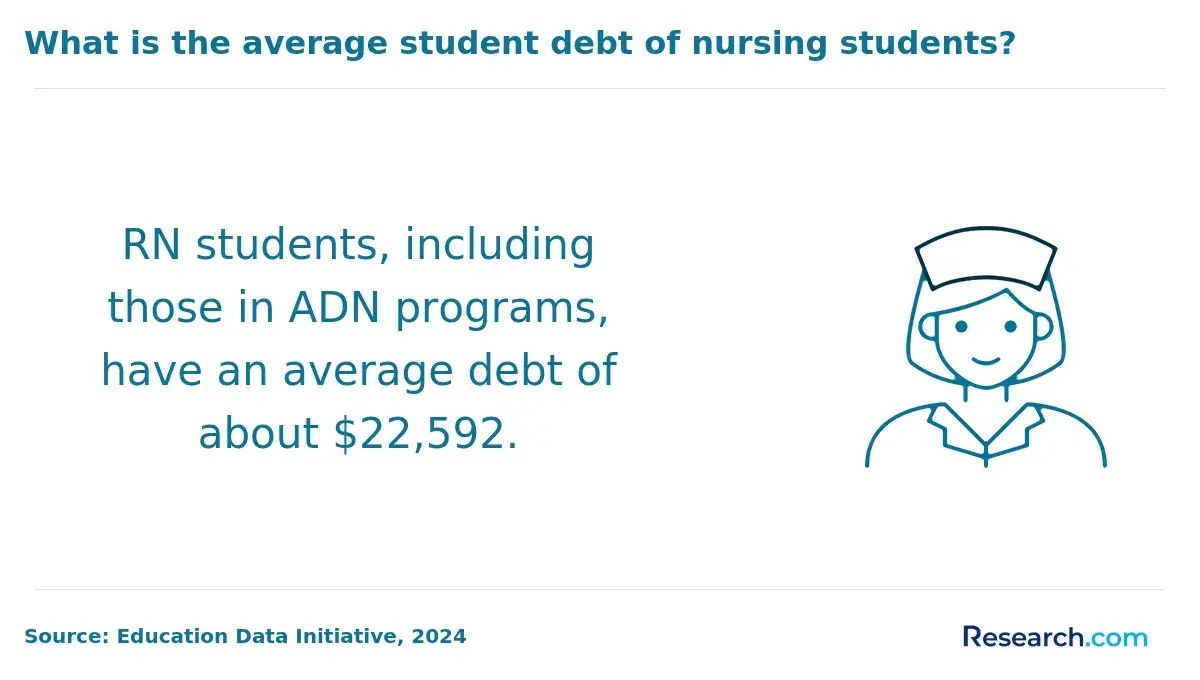
- How much does an ADN program cost in Massachusetts?
- What financial aid options are available for ADN students in Massachusetts?
- What can I do with an ADN in Massachusetts after graduation?
- How much do ADN nurses earn in Massachusetts?
What is an Associate Degree in Nursing (ADN) in Massachusetts?
An Associate Degree in Nursing (ADN) serves as a foundational pathway into the nursing profession, thoughtfully designed to prepare students for Registered Nurse (RN) licensure through a combination of academic coursework and hands-on clinical training. ADN programs in Massachusetts integrate classroom instruction with practical experience to develop core nursing competencies such as patient care, health assessment, and nursing theory. These programs typically require about 70 credits and include approximately 700 hours of clinical practice, equipping graduates to meet the rigorous ADN requirements in Massachusetts for entry-level nursing roles.
ADN programs in Massachusetts vary according to learning modalities, accommodating different lifestyles and educational preferences. The primary types include:
- On-Campus ADN Programs: These traditional programs involve attending classes and clinical training at community colleges or vocational-technical schools. They emphasize face-to-face learning, direct mentorship from faculty, and access to advanced simulation labs. Such programs are widely accredited and remain the standard route for many students.
- Hybrid ADN Programs: Combining online coursework with in-person clinical experiences, hybrid programs offer flexibility without sacrificing essential hands-on training. Theoretical content such as pharmacology is often delivered online, while clinical hours occur at local healthcare facilities, supporting students who need to balance education with other commitments.
- Online ADN Programs: Although fully online ADN programs are uncommon due to clinical training requirements, some offer mostly online didactic instruction paired with local clinical rotations. This option suits working adults or those seeking schedule flexibility, but all must ensure compliance with state licensure rules to remain eligible for the NCLEX-RN exam and related pathways like how much does it cost to become a family nurse practitioner.
What are the admission requirements for ADN programs in Massachusetts?
ADN programs in Massachusetts generally implement selective admission processes to ensure applicants possess the academic skills and determination required to succeed in nursing education. These requirements help both online and on-campus programs identify candidates capable of managing the program's intensity while preparing for future licensure. Below are the key admission criteria commonly observed across Massachusetts ADN programs, reflecting a balance between academic preparation and personal readiness.
- High School Diploma or GED: Applicants must provide evidence of completing high school or an equivalent credential like a GED. This baseline ensures that all candidates have the necessary foundational skills for college-level coursework and nursing studies.
- Official Transcripts: Submission of transcripts from high school and any prior college credits is required to verify academic history and confirm prerequisite course completion, which is essential for evaluating overall readiness.
- Completion of Prerequisite Courses: Most programs demand specific courses such as English Composition, Algebra, Biology with lab, Chemistry, and Anatomy & Physiology with minimum passing grades. These prerequisites establish critical knowledge foundations, particularly for rigorous nursing content.
- Minimum GPA Standards: Programs typically enforce GPA cutoffs usually between 2.5 and above 3.0 in prerequisite and core subjects to select students demonstrating strong academic consistency, enhancing likelihood of success.
- Entrance Exam Requirements: Many Massachusetts nursing programs require standardized tests like the ATI TEAS or HESI A2, with minimum score thresholds to assess skills in areas central to nursing. Understanding the TEAS requirements for Massachusetts nursing programs is crucial for applicants aiming to meet these benchmarks.
- Attendance at Information Sessions: Prospective students are often required to attend program-specific orientation or informational meetings, which clarify expectations and application processes and demonstrate applicant commitment.
- Application Materials: Certain schools request personal statements or essays, alongside letters of recommendation, to better assess motivation, communication abilities, and suitability for nursing's demands.
- Residency and Background Checks: Some ADN programs restrict admission to Massachusetts residents due to clinical placement logistics, and post-acceptance, background checks and immunization records become mandatory before clinical participation.
For students uncertain about professional nursing roles post-ADN, exploring resources such as how to become a adult gerontology nurse practitioner can provide valuable guidance on advanced nursing career pathways beyond initial licensure.
How do ADN programs in Massachusetts prepare students for the NCLEX-RN?
ADN programs in Massachusetts are specifically designed to equip students with the knowledge, clinical skills, and critical thinking abilities needed to pass the NCLEX-RN and become licensed registered nurses. These programs use a multifaceted approach to enhance student readiness for this pivotal exam and professional practice. Key methods include:
- Comprehensive Nursing Coursework: Curricula cover core areas such as medical-surgical nursing, pharmacology, mental health, pediatrics, and maternal health, ensuring students build a solid knowledge foundation aligned with NCLEX-RN content. This rigorous academic preparation helps develop both understanding and clinical judgment essential for safe nursing practice.
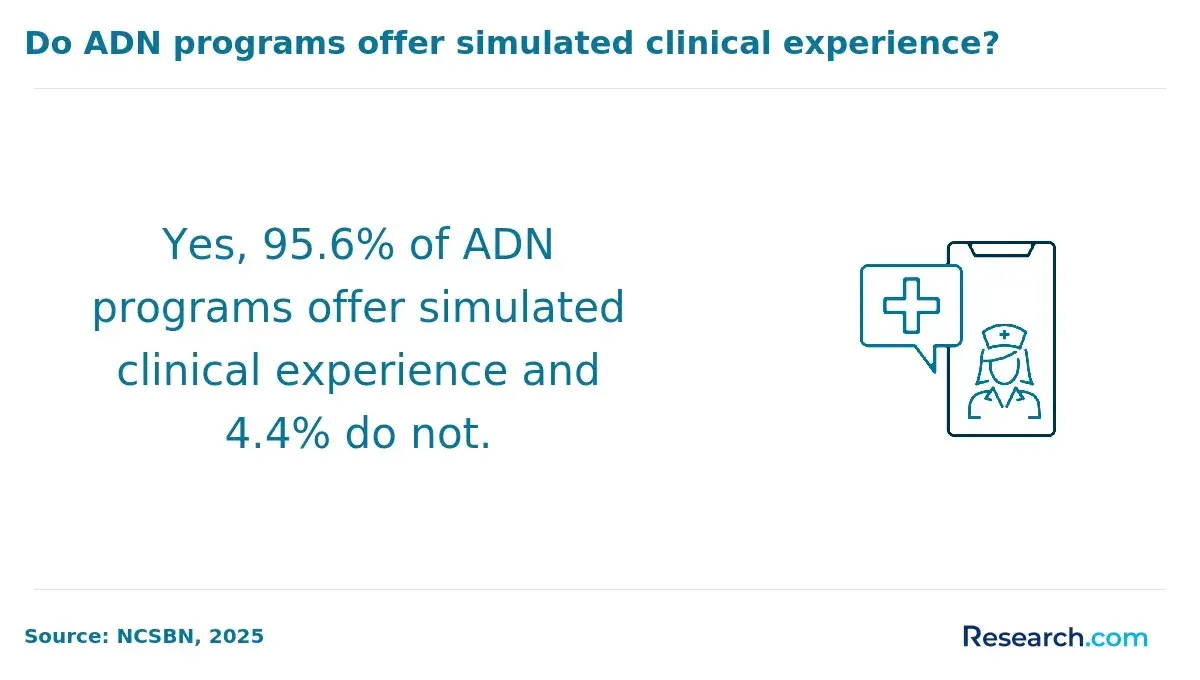
- Simulation Labs and Clinical Rotations: Through simulated hospital environments and hands-on clinical placements, students gain practical experience and confidence in real-world patient care scenarios. This realistic exposure bridges theory to practice and supports skill mastery prior to licensure.
- NCLEX-Style Test Preparation and Review Sessions: Incorporating practice exams and review workshops familiarizes students with the exam's format and question types, reducing test anxiety and improving performance through repeated exposure.
- Evidence-Based Learning Strategies: Teaching students to apply current research and clinical guidelines fosters critical thinking and adaptability, which are crucial given the evolving nature of healthcare and NCLEX standards.
- Faculty Mentorship and Academic Support: Personalized guidance and academic resources, including tutoring and skills labs, help learners overcome challenges and maintain high pass rates on the licensure exam.
When I spoke with a nurse from Massachusetts who graduated from a local ADN program, he reflected on the complexity of the journey toward NCLEX success. "The program's simulation labs were intense but invaluable," he said, emphasizing how practicing scenarios in a controlled setting made real clinical pressures more manageable. He described moments of doubt balanced by the structured review sessions that helped him identify weaknesses and build confidence. "What really stood out was the faculty's availability-they weren't just instructors but mentors who encouraged me not to give up," he shared. This nurse viewed his ADN education as a comprehensive preparation process that combined academic rigor with practical support, ultimately shaping his success on the NCLEX-RN and readiness for nursing practice.
How long are ADN nursing programs in Massachusetts?
Most Associate Degree in Nursing (ADN) programs in Massachusetts take about two years to complete when pursued full-time, though the timeline can vary significantly depending on enrollment status and program design. Full-time students at colleges like Springfield Technical Community College or Labouré College typically finish within this period, while some institutions also offer accelerated tracks that can be completed in as little as 18 months for those seeking a faster path. On the other hand, part-time or extended schedule options allow students to balance other commitments but often prolong the time needed to graduate. Flexibility in course delivery-such as online or hybrid models-can also influence how quickly students progress through the curriculum based on their personal circumstances.
Several key factors impact the overall duration of ADN programs in Massachusetts. The need to complete prerequisite courses before beginning nursing-specific classes can add months or even longer to the timeline if these are not already fulfilled. Clinical training requirements, which involve hands-on practice in healthcare settings, must meet state standards and naturally affect scheduling due to availability and placement logistics. Additionally, the structure of classes-daytime, evening, or weekend-and the format of instruction can provide flexibility but may slow down the pace for some learners. Ultimately, these components aim to ensure students gain both comprehensive academic knowledge and practical skills essential for passing the NCLEX-RN and succeeding as registered nurses.
How do online ADN programs in Massachusetts compare to traditional ones?
Both online, hybrid, and traditional ADN programs in Massachusetts prepare students for RN licensure but differ in flexibility, learning format, and delivery methods. These differences impact student experiences and outcomes in meaningful ways. Below are key comparisons to consider when choosing among these options:
- Learning Format: Traditional programs require in-person attendance for all lectures and labs, ideal for students who thrive on face-to-face interaction. Online programs deliver theory fully online, suiting those who prefer self-paced digital learning, while hybrid models combine virtual lectures with scheduled campus labs.
- Clinical Training: All formats demand in-person clinical hours, critical for hands-on skills. Traditional students benefit from campus-coordinated placements, providing structure, while online and hybrid students must independently secure clinical sites, offering flexibility but requiring proactivity.
- Scheduling Flexibility: Online and hybrid programs accommodate working adults or caregivers by allowing asynchronous study, unlike traditional programs with fixed schedules. This flexibility is vital for students balancing multiple responsibilities.
- Student Interaction: Traditional programs offer spontaneous peer and faculty interactions, fostering community. Online and hybrid students rely on virtual forums and planned meetings, which can limit informal support but encourage self-discipline.
- Accessibility: Online and hybrid options expand access for those distant from campuses or with transportation challenges; however, all students must travel for clinical experiences. Traditional programs favor those living within commuting range.
A nurse who completed a hybrid ADN program in Massachusetts shared that balancing online coursework with in-person labs was initially challenging yet rewarding. She recalled feeling "both empowered and sometimes isolated," requiring strong time management and self-motivation. Unlike her peers in traditional programs, she appreciated the ability to study around her family's schedule but noted scheduling clinical hours independently demanded persistence. Reflecting on her journey, she said, "The hybrid format gave me flexibility but also taught me responsibility in a way I hadn't expected." Her experience underscores how hybrid programs blend convenience with demands that shape not just nursing skills but also personal growth and adaptability.
How do I know if an ADN program in Massachusetts is accredited?
Accreditation is essential for ADN programs in Massachusetts because it guarantees that the program meets the educational standards necessary for registered nurse licensure and supports the preparation of qualified nurses who provide safe, effective care. To verify an ADN program's accreditation status, prospective students should consider several key steps:
- Check national accreditation databases: Search the Accreditation Commission for Education in Nursing (ACEN) and the Commission on Collegiate Nursing Education (CCNE) databases to confirm that the ADN program is listed. These agencies certify that the curriculum and faculty meet national quality benchmarks.
- Confirm approval from the Massachusetts Board of Registration in Nursing: Review the Board's official list of approved prelicensure programs to ensure the school holds "Full Approval" or at least "Initial Approval." Only graduates from Board-approved programs can take the NCLEX-RN and apply for licensure in the state.
- Visit the school's official website: Legitimate programs typically provide clear information about their accreditation and state approval status, including details about accrediting bodies and NCLEX pass rates, which reflect program quality and transparency.
- Verify regional accreditation of the institution: Confirm that the college or university has regional accreditation, such as from the New England Commission of Higher Education (NECHE), which ensures broader academic standards and eligibility for federal financial aid.
- Contact accrediting agencies directly: When in doubt, reaching out to ACEN, CCNE, or the Massachusetts Board of Registration in Nursing can provide authoritative confirmation, especially for newer or online programs with less publicly available information.
How much does an ADN program cost in Massachusetts?
The cost of an Associate Degree in Nursing (ADN) program in Massachusetts varies widely depending on whether you attend a community college, public university, or private institution, as well as the length of the program and your residency status. These factors all play a key role in determining the overall price. Below are some important considerations that influence the total ADN program cost in Massachusetts:
- Tuition and Mandatory Fees: Tuition rates differ significantly, with community colleges generally offering the most affordable options for in-state students, often ranging from approximately $10,000 to $24,000 for the full program. Out-of-state students and those attending private schools face considerably higher costs, reflecting a broad spectrum within the ADN tuition and fees Massachusetts landscape.
- Books and Supplies: Textbooks, online access codes, and instructional materials can add $1,000 to $2,500 over the course of the program. Some programs allow used or digital books, while others include book bundles or "first day complete" packages that may help reduce these expenses.
- Uniforms and Equipment: Required clinical attire such as scrubs and lab coats, along with basic nursing tools like stethoscopes and blood pressure cuffs, typically cost between $300 and $600. These are essential investments that can affect your preparedness and costs.
- Clinical Expenses and Testing Fees: Costs associated with background checks, immunizations, liability insurance, and transportation to clinical placements add to the total. Additionally, fees for standardized testing, including NCLEX-RN preparation and registration, can range from $300 to $500 or more, sometimes included in tuition but often separate.
- Living and Transportation Costs: For on-campus ADN students, commuting, parking, and housing costs vary widely depending on location, especially in urban areas. Online programs may reduce some of these expenses but rarely eliminate travel needed for in-person clinical requirements.
- Health Insurance and Additional Fees: Students taking nine or more credits per semester usually need health insurance, which can cost over $4,000 annually if not covered elsewhere. Other fees such as technology, activity, and graduation charges may also apply.
Considering all these factors is essential, especially when comparing programs or seeking financial assistance, which is commonly available. For those interested in accelerating their nursing career, exploring the best rated 12 month family nurse practitioner program options can provide additional pathways beyond the ADN degree.
What financial aid options are available for ADN students in Massachusetts?
Financial aid plays a key role in making financial aid for ADN programs in Massachusetts more accessible by offsetting tuition, fees, books, and supplies. Several options exist to help students manage these costs effectively. Below are the main types of financial aid available to ADN students in the state.
- Federal Student Aid: Through the FAFSA application, students gain access to federal grants, loans, and work-study opportunities. Pell Grants provide no-repayment financial support for eligible students, while direct loans offer manageable borrowing terms. FAFSA completion is often required to unlock other aid sources.
- Massachusetts Community College Nursing Scholarship Program: This state-funded scholarship targets Massachusetts residents enrolled at least half-time in ADN programs at public community colleges. It covers the remaining educational costs after other aid is applied, requiring applicants to submit FAFSA or MASFA and meet residency and enrollment criteria.
- Institutional Scholarships and Grants: Schools offering ADN programs may grant scholarships based on merit, financial need, or other specific qualifications. These awards often require separate applications alongside FAFSA and can apply to online, hybrid, or on-campus students.
- Private and Professional Nursing Scholarships: Nursing organizations and private foundations support nursing scholarships for Massachusetts ADN students, with awards varying by eligibility and amount. For example, the Mary Cafolla Wallace Nursing Scholarship offers renewable funding for adult residents pursuing a nursing career at eligible New England not-for-profit institutions.
- Employer Tuition Assistance and Reimbursement: Healthcare employers in Massachusetts frequently support employees engaged in nursing education through tuition reimbursement programs. These usually require ongoing employment and may include academic or licensure conditions.
Students should also consider exploring different nursing specializations, such as by reviewing what is the easiest nurse practitioner specialty program to get into, as these pathways can influence financial aid opportunities and career outcomes.
What can I do with an ADN in Massachusetts after graduation?
ADN graduates in Massachusetts are eligible to take the NCLEX-RN exam, allowing them to enter various entry-level nursing roles across a range of healthcare environments. These positions not only provide valuable experience but also serve as starting points for those seeking to advance their careers. The following outlines key RN career opportunities in Massachusetts for ADN-prepared nurses:
- Registered Nurse (RN) in Hospitals: Hospitals are primary employers for ADN graduates, where nurses deliver patient care, administer medications, and collaborate with interdisciplinary teams. Roles in medical-surgical, emergency, and psychiatric units offer diverse experiences, with advancement possible through certifications or further education.
- Long-Term Care and Rehabilitation Facilities: RNs in nursing homes and rehab centers manage patient care plans, supervise staff, and educate patients and families. These roles often lead to leadership opportunities, reflecting growing demand driven by Massachusetts' aging population.
- Outpatient Clinics and Ambulatory Care Centers: Nurses in outpatient settings conduct patient assessments, assist with procedures, and coordinate care. These jobs typically offer regular hours and a chance to specialize in fields like pediatrics or cardiology.
- Home Health Nursing: Providing care in patients' homes, home health RNs focus on chronic disease management, wound care, and patient education. This path offers autonomy and flexibility, with potential growth into supervisory or case management roles.
- Community and Public Health Nursing: Roles in public health departments and schools emphasize prevention, outreach, and education. While some positions prefer a BSN, ADN-prepared nurses find entry-level work and opportunities to advance with further credentials.
Many ADN programs in Massachusetts encourage further study through RN-to-BSN or RN-to-MSN pathways, including online options that support career progression. For those curious about advanced nursing education, understanding how long is nurse practitioner school can help in planning future steps beyond ADN nursing jobs in Massachusetts.
How much do ADN nurses earn in Massachusetts?
The average median pay for ADN-prepared registered nurses in Massachusetts is approximately $86,581 per year, though actual salaries can vary significantly depending on experience, geographic location, healthcare setting, and employer type. Understanding these variables is crucial for prospective students and practicing nurses alike to gauge realistic earning potential and career growth. Below are the primary factors that influence ADN nurse salaries in Massachusetts:
- Level of Experience: Entry-level ADN nurses typically start on the lower end of the pay scale, around $55,784 annually, while those with extensive experience and advanced skills may earn upwards of $93,331, with top earners making as much as $133,560 per year.
- Workplace Setting: Nurses employed in hospital environments, particularly acute or specialty units, often receive higher salaries and additional earnings through shift differentials and overtime compared to those working in outpatient or long-term care settings.
- Geographic Location: Urban areas such as Boston and Cambridge generally offer higher wages to account for increased living costs and demand, whereas rural or suburban regions may present lower salary ranges.
- Specialization and Certifications: Pursuing certifications in critical care or perioperative nursing can enhance earning potential by qualifying nurses for more competitive and higher-paying positions.
- Shift Differentials and Overtime: Working non-traditional hours or extra shifts frequently results in additional pay, making these options valuable for nurses aiming to increase their annual income.
Here's What Graduates in Massachusetts Have to Say About Their ADN Degree
- The online ADN program at Bristol Community College perfectly fit my busy lifestyle as a single parent. The flexibility of asynchronous lectures combined with occasional in-person labs gave me the confidence and hands-on experience I needed without sacrificing family time. Starting my nursing career in a local hospital has been rewarding, especially knowing the foundation I built through this program prepared me well for real-world challenges. This journey has ignited my passion for lifelong learning and motivated me to eventually pursue a specialty certification. Khalil
- Completing the hybrid ADN program at North Shore Community College was a transformative experience in both my personal and professional life. Balancing online coursework with on-campus clinicals helped me develop strong time management skills and deepened my connection with fellow students and instructors. Working now in home health care, I appreciate how the program emphasized community health and patient-centered care, which resonates with my passion for supporting vulnerable populations in Massachusetts. Isabella
- Attending Massachusetts Bay Community College's on-campus ADN program immersed me in an environment rich with diverse peers and rigorous academics. The structured face-to-face setting pushed me to grow professionally and personally, fostering a strong commitment to excellence and ethical nursing practice. Starting my nursing role at an academic medical center has exposed me to many opportunities for advancement and specialization, highlighting the robustness and respect for ADN-prepared nurses within the Massachusetts healthcare system. Diego
References:
- All About Massachusetts State Financial Aid https://www.mefa.org/article/all-about-massachusetts-state-financial-aid/
- Nursing Programs in MA | Mount Wachusett Community College https://mwcc.edu/academics/degree/nursing/
- Nursing: Career Paths https://www.massbay.edu/academics/health-services/nursing/career-paths
- ADN Nurse Salary Guide https://nurse.org/education/ADN-nurse-salary/
- How Long Is Nursing School? | MCPHS https://www.mcphs.edu/admission-and-aid/blog/how-long-is-nursing-school
- Average Registered Nurse Salary in Massachusetts https://www.incrediblehealth.com/salaries/rn/ma
- 2025 Best RN to BSN Programs in Massachusetts Online - Fast & Affordable Options https://www.registerednursing.org/rn-to-bsn/massachusetts/
- Nursing ADN Program https://www.berkshirecc.edu/academics/programs-and-classes/nursing/adn_nursing.php
- Earn Better Career Opportunities With a BS in Nursing Degree https://online.fitchburgstate.edu/degrees/nursing/rn-to-bsn/better-career-opportunities-bs-nursing/
- Second Degree Accelerated BS in Nursing (Hybrid) https://www.umassd.edu/programs/nursing-abs-online/
Other Things You Should Know About ADN Nursing Programs in Massachusetts
In 2027, Massachusetts offers a variety of ADN programs, available both online and on-campus. Top institutions like Bunker Hill Community College, Massachusetts Bay Community College, and Quincy College provide flexible learning options to fit different schedules, catering to both traditional and non-traditional nursing students.
In Massachusetts, advancing your nursing career with just an Associate Degree in Nursing (ADN) is possible but comes with certain limitations. While an ADN allows you to become a Registered Nurse (RN) and gain essential clinical experience, many employers and advanced practice roles prefer or require a Bachelor of Science in Nursing (BSN) or higher. To enhance career opportunities and qualify for leadership, specialty, or advanced practice positions, many ADN graduates pursue RN-to-BSN programs, which are widely available both online and on campus in Massachusetts. Thus, while an ADN serves as a strong foundation, further education is often necessary to fully advance your nursing career in the state.
In 2027, the top ADN (Associate Degree in Nursing) programs in Massachusetts include institutions like Berkshire Community College, Cape Cod Community College, and Quincy College. These schools are recognized for their rigorous curricula, state-of-the-art facilities, and high NCLEX-RN pass rates, making them excellent choices for aspiring nurses.


