
2027 Best ADN Nursing Programs in Missouri: Online & Campus

Co-Founder and Chief Data Scientist
Missouri offers a robust landscape for pursuing an Associate Degree in Nursing (ADN), with over 60% of registered nurses in the state holding this credential. An ADN provides a practical and efficient pathway to enter a thriving healthcare workforce, balancing theory and clinical practice that prepares students for immediate employment. Whether online or on-campus, this degree supports flexible learning styles and addresses the state's growing demand for skilled nurses in diverse settings.
This article, crafted by career planning experts, guides readers through what an ADN program in Missouri entails. It clarifies what to expect, key factors to consider, and how to make informed decisions when selecting the right ADN path to suit individual goals and circumstances.
Key Benefits of ADN Programs in Missouri
- Missouri offers affordable ADN programs averaging under $7,000 per year, making quality nursing education accessible both online and on campus.
- Flexible online ADN options provide working students the chance to balance studies and life, while campus programs deliver hands-on clinical experience crucial for nursing competence.
- With Missouri's growing healthcare sector, ADN graduates enjoy a 10% job growth rate, increasing employment opportunities in hospitals, clinics, and long-term care facilities statewide.
- What is an Associate Degree in Nursing (ADN) in Missouri?
- What are the admission requirements for ADN programs in Missouri?
- How do ADN programs in Missouri prepare students for the NCLEX-RN?
- How long are ADN nursing programs in Missouri?
- How do online ADN programs in Missouri compare to traditional ones?
- How do I know if an ADN program in Missouri is accredited?
- How much does an ADN program cost in Missouri?
- What financial aid options are available for ADN students in Missouri?
- What can I do with an ADN in Missouri after graduation?
- How much do ADN nurses earn in Missouri?
What is an Associate Degree in Nursing (ADN) in Missouri?
An Associate Degree in Nursing (ADN) in Missouri serves as a foundational pathway for those pursuing a career in nursing. This degree prepares students for Registered Nurse (RN) licensure by combining rigorous academic coursework with essential clinical training. ADN programs in Missouri are carefully designed to provide both classroom instruction and hands-on experience, ensuring students gain the skills necessary to deliver high-quality patient care.
- On-Campus ADN Programs: Typically lasting two years, these programs are offered at physical campuses such as Moberly Area Community College and St. Louis Community College. On-campus ADN programs allow direct interaction with instructors and peers, which enriches clinical training and networking opportunities.
- Hybrid ADN Programs: These programs blend online coursework with on-site clinical experiences, providing flexibility for students while maintaining vital hands-on practice in healthcare environments.
- Online ADN Programs: Designed mainly for Licensed Practical Nurses (LPNs) advancing to RN roles, programs like North Central Missouri College's online ADN offer flexibility in completing theoretical coursework remotely, though clinical requirements must still be met in person.
If you're curious about career progression beyond RN licensure, it's helpful to explore topics like how many years to become a family nurse practitioner, which can guide long-term professional planning.
What are the admission requirements for ADN programs in Missouri?
ADN programs in Missouri typically have selective admission processes to ensure that applicants are academically prepared and capable of handling the demands of nursing education. Meeting these criteria helps students gain the foundation needed to succeed in both online and on-campus formats. Here are the key admission requirements for most ADN programs in Missouri:
- High School Diploma or GED: Applicants must hold a high school diploma or an equivalent such as a GED. This requirement establishes essential academic proficiency and is a universal prerequisite across all ADN programs in Missouri.
- Completion of Prerequisite Courses: Most programs require specific college-level courses in biology, chemistry, anatomy and physiology, and math completed with a grade of "C" or better. These prerequisites ensure that students have a solid scientific foundation, which is crucial according to the prerequisites for nursing schools in Missouri.
- Minimum GPA Standards: A cumulative GPA, usually between 2.5 and 3.0 on a 4.0 scale, is required in either recent college work or high school records. This highlights consistent academic performance to programs evaluating candidates' readiness.
- Entrance Exams: Many ADN programs mandate standardized tests like the TEAS or HESI A2 with minimum scores on sections such as reading, math, and science. These exams help determine if applicants are prepared for rigorous nursing studies.
- Submission of Application Materials: An official application is required by deadlines, often including transcripts, recommendation letters, and personal statements. These materials allow admissions teams to assess motivation, communication skills, and suitability for nursing.
For those considering further growth, understanding how to start as a nurse practitioner can also expand long-term career prospects.
How do ADN programs in Missouri prepare students for the NCLEX-RN?
Associate Degree in Nursing (ADN) programs in Missouri are specifically designed to equip students with the knowledge, clinical skills, and critical thinking abilities needed to pass the NCLEX-RN and become licensed registered nurses. These programs prepare students through several crucial components that build both competence and confidence for exam success.
- Comprehensive Nursing Coursework: Students receive in-depth instruction in anatomy, physiology, microbiology, and specialized nursing topics, ensuring a thorough understanding of foundational concepts essential for the NCLEX-RN.
- Simulation Labs and Clinical Rotations: Hands-on training through advanced simulation technology and real-world clinical experiences allows students to practice patient care skills and clinical decision-making, reflecting the demands of actual nursing environments.
- NCLEX-Style Test Preparation and Review Sessions: Focused review courses, practice questions, and mock exams help students familiarize themselves with the exam format and sharpen test-taking strategies critical for passing the NCLEX-RN.
- Evidence-Based Learning Strategies: The curriculum incorporates current best practices such as case studies and concept mapping, promoting critical thinking and the practical application of knowledge needed on the exam and in nursing practice.
- Faculty Mentorship and Academic Support: Experienced faculty provide personalized guidance, tutoring, and access to additional resources, supporting students in overcoming challenges and maintaining motivation throughout the program.
When I spoke with a nurse from Missouri who completed an ADN program at a local school, he recalled how the structured clinical rotations initially felt overwhelming, but the faculty's ongoing encouragement made a difference. "The simulation labs were honestly a game changer," he said, reflecting on how the realistic scenarios gave him the confidence to handle unexpected challenges during patient care. He also highlighted the value of the NCLEX-style review sessions, explaining that "taking timed practice exams really helped me get comfortable with the pressure." His experience illustrates how Missouri ADN programs do more than teach-they prepare you to succeed through a supportive environment and practical learning opportunities tailored to the NCLEX-RN.
How long are ADN nursing programs in Missouri?
Most Associate Degree in Nursing programs in Missouri take about two years to complete when pursued full-time, which aligns with the national standard for ADN education. This timeline typically includes four semesters of both classroom learning and supervised clinical experience essential for licensure. Part-time students may need additional semesters to finish, while some schools offer accelerated tracks or bridge programs for Licensed Practical Nurses that can shorten completion to nine months or one year.
These options provide flexibility to meet the diverse needs of students, whether balancing work, family, or other commitments. Several factors influence how long it takes to earn an ADN in Missouri. The need to complete prerequisite courses in subjects like anatomy and physiology before starting the main program can extend the timeline.
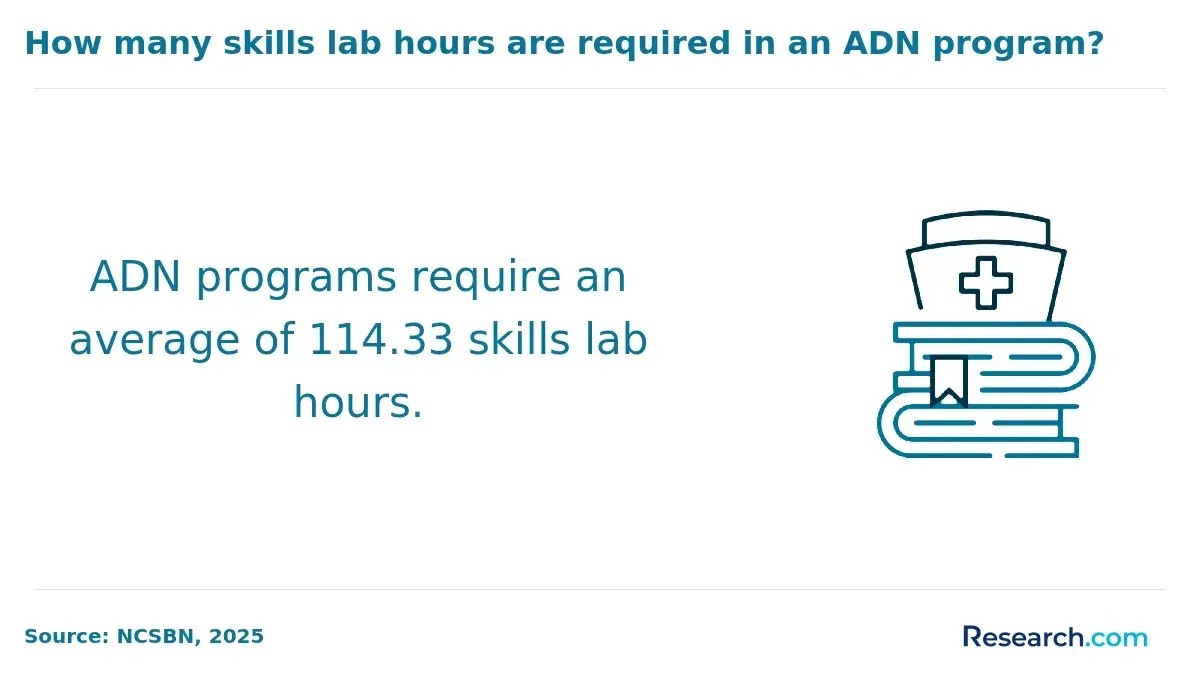
Clinical training requirements, often involving 16 or more hours weekly in healthcare settings, are crucial and must be completed in person, even for online or hybrid programs. Ultimately, ADN program lengths strike a careful balance between rigorous academic coursework and practical, hands-on clinical experience, fully preparing graduates to succeed on the NCLEX-RN exam and enter the nursing workforce confidently.
How do online ADN programs in Missouri compare to traditional ones?
Both online, hybrid, and traditional ADN programs in Missouri prepare students for RN licensure but vary in flexibility, learning style, and course delivery. Exploring these differences can guide you to the best fit for your needs and goals. Here's how they compare:
- Learning Format: Traditional programs focus on in-person classes with structured schedules, ideal for those who thrive in direct interaction. Online and hybrid options offer virtual coursework, sometimes self-paced, suiting students who need flexible timing.
- Clinical Training: All formats require in-person clinical hours; online and hybrid students arrange placements closer to home, benefiting those with geographic constraints. Traditional students often complete clinicals near campus.
- Scheduling Flexibility: Online and hybrid programs allow greater control over study times, easing work or family commitments. Traditional programs follow fixed academic calendars that may require more routine availability.
- Student Interaction: Traditional settings offer immediate face-to-face collaboration, which supports strong peer networks. Online and hybrid students engage through virtual discussions, benefiting those comfortable with independent learning.
- Accessibility: Online and hybrid ADN programs open doors for students in rural areas or with transportation challenges, while traditional programs typically require proximity to campus.
When I spoke with a nurse who graduated from a hybrid ADN program at a local Missouri school, she shared how balancing coursework and family was sometimes overwhelming yet deeply rewarding. She appreciated the flexibility online classes gave her to study nights after work, though she found on-campus labs crucial for mastering hands-on skills. "It wasn't always easy switching between virtual lectures and in-person clinicals," she reflected, "but the hybrid approach let me stay with my family and still confidently complete my training." Her journey highlights how hybrid programs blend convenience with essential real-world experience, shaping a practical pathway for many Missouri students.
How do I know if an ADN program in Missouri is accredited?
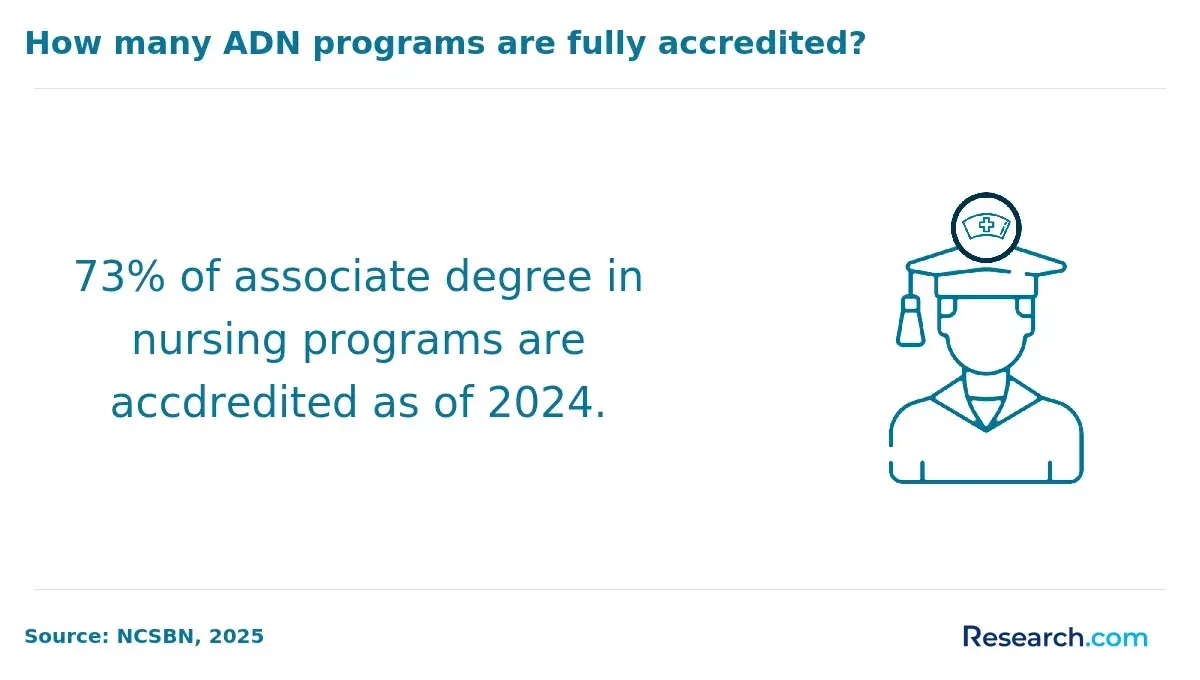
Accreditation is essential for nursing programs in Missouri because it guarantees that the curriculum, faculty, and clinical training meet the high standards required for RN licensure and quality patient care. To ensure you enroll in a reputable ADN program, here are important steps to verify its accreditation status:
- Check National Accreditation Databases: Visit the Accreditation Commission for Education in Nursing (ACEN) and the National League for Nursing Commission for Nursing Education Accreditation (NLN CNEA) websites to confirm if the program appears on their approved lists. This step ensures your education is recognized nationwide by employers and licensing boards.
- Confirm Missouri State Board of Nursing Approval: Since Missouri requires graduation from a board-approved program for RN licensure, verify the program's approval status on the Missouri State Board of Nursing's official site or request proof directly from the school. State board approval is a vital credential that protects your eligibility for licensure.
- Review the School's Official Website: Accredited programs clearly display their current accreditation status, including the name of the accrediting agency and recent decisions. Look for official badges, statements, and links to the accrediting organizations to confirm legitimacy.
- Verify Regional or Institutional Accreditation: Beyond nursing-specific accreditation, the institution should hold regional or national accreditation recognized by the U.S. Department of Education, such as from the Higher Learning Commission. This broader accreditation affects financial aid opportunities and credit transfer options.
How much does an ADN program cost in Missouri?
The cost of an ADN program in Missouri varies widely depending on the type of school a student chooses-whether a community college, public university, or private institution-as well as the length of the program and residency status affecting tuition. Understanding the major expenses involved can help you plan wisely and pursue your nursing goals with confidence. Here are the key factors that influence the total cost of an ADN program in Missouri:
- Tuition and Fees: This is the largest part of the expense, with in-state tuition at public schools typically ranging from $10,000 to over $20,000, while private institutions often charge higher rates. The difference between in-state and out-of-state tuition can be significant, so confirming your residency status is vital to estimating the average cost of nursing school in Missouri accurately.
- Books and Supplies: Nursing students invest in textbooks, lab kits, access codes, and other materials that can add $1,500 to $2,500 to their total costs. These expenses are crucial to your learning experience and tend to be similar for both online and campus-based ADN programs.
- Uniforms and Equipment: Clinical participation requires purchasing uniforms, shoes, stethoscopes, and other tools. While these may be one-time costs, they can total several hundred dollars and are essential for practical training and professional presentation.
- Clinical and Program Fees: Additional fees cover clinical lab access, technology, liability insurance, and specific course-related charges. These can amount to several hundred or even thousands of dollars, depending on the program's requirements, so consider them carefully when budgeting.
- Living and Transportation Expenses: Beyond tuition and supplies, students must budget for daily living costs and travel to clinical sites. These vary widely, especially if you live off-campus or commute frequently, but they remain an important part of the overall financial picture.
Remember to investigate financial aid options that can significantly reduce your expenses. If you're considering advancing beyond ADN, exploring nurse practitioner accelerated programs could be an empowering next step for your nursing career.
What financial aid options are available for ADN students in Missouri?
Financial aid can help make ADN programs in Missouri more affordable by covering some or all educational expenses. Exploring various funding sources can significantly ease your financial burden and support your nursing journey. Below are the main types of financial aid available to Missouri ADN students:
- Federal Student Aid: This includes grants like the Pell Grant and federal loans, accessible by completing the FAFSA. These funds help cover tuition, fees, and other education-related expenses for both full-time and part-time students, making them a foundational option for those seeking financial aid for ADN programs in Missouri.
- State-Funded Programs: The Access Missouri Financial Assistance Program is a need-based grant for Missouri residents with a Student Aid Index of $12,000 or less. It offers predictable, renewable support for up to five semesters at two-year schools, rewarding academic progress and helping students stay on track.
- Institutional Scholarships: Many nursing schools in Missouri award scholarships based on merit, need, leadership, or community service. These scholarships usually require FAFSA completion along with a separate application, providing targeted support that reflects the values of Missouri nursing scholarships and grants.
- Private Nursing Scholarships: Various foundations and professional organizations offer scholarships for ADN students, often emphasizing academic performance, minority status, or dedication to nursing. Students need to proactively research and apply for these opportunities to enhance their financial support.
- Employer Assistance and Tuition Reimbursement: Healthcare employers may provide tuition reimbursement or scholarships in exchange for service commitments after graduation. These programs encourage students to gain work experience while helping offset educational costs.
Starting with FAFSA and consulting your school's financial aid office will maximize your access to these resources. For those considering advancement, knowing what is the best online msn to fnp program can open new doors in your nursing career.
What can I do with an ADN in Missouri after graduation?
ADN graduates in Missouri are eligible to take the NCLEX-RN exam, opening doors to a wide range of entry-level nursing jobs in Missouri across diverse healthcare settings. These roles provide a strong foundation for building a lasting nursing career. Explore the following key career options that ADN-prepared nurses can pursue throughout the state.
- Hospital Staff Nurse: Hospitals are the largest employers of ADN RNs in Missouri. Here, nurses deliver direct patient care in fast-paced units such as medical-surgical, emergency, and maternity. Responsibilities include administering medications, monitoring patient conditions, and working closely with healthcare teams. Many hospitals also offer tuition reimbursement and nurse residency programs to promote career growth.
- Long-Term Care and Skilled Nursing Facilities: Nurses in these settings care for elderly or chronically ill patients at nursing homes, rehabilitation centers, and assisted living facilities. The role demands expertise in medication management and collaboration with multidisciplinary teams. With Missouri's aging population, there is strong and steady demand for specialized geriatric nursing care.
- Outpatient Clinics and Physician Offices: ADN RNs working in outpatient settings perform patient assessments, administer treatments, and provide health education, often during regular daytime hours. These positions allow nurses to build meaningful patient relationships and gain experience useful for advanced specialization or practice.
- Home Health and Community Nursing: Providing care to patients at home, nurses in this role support recovery, manage chronic conditions, and educate families on health plans. This career path offers autonomy and flexibility, aligning well with the shift toward community-based healthcare models.
- Case Management and Utilization Review: For those interested in less direct patient care, these roles focus on coordinating care, managing resources, and supporting telehealth services. Such positions provide alternative career paths and opportunities for remote work, which can be appealing for some ADN nurses.
- Opportunities for Advancement: Many Missouri employers support ADN nurses pursuing further education like a BSN or specialty certifications. Advancing your education opens pathways to leadership, clinical specialties, and graduate-level roles. For perspective on similar healthcare roles, consider learning about the difference between physician assistant and nurse practitioner.
How much do ADN nurses earn in Missouri?
Missouri offers a variety of online, hybrid, and on-campus Associate Degree in Nursing (ADN) programs designed to provide a solid foundation for aspiring nurses. These programs equip students with the essential knowledge and hands-on skills necessary to succeed on the NCLEX-RN exam and confidently enter the nursing workforce. Whether you prefer the flexibility of online learning or the immersive environment of campus classes, accredited ADN options in Missouri ensure access to quality education supported by strong NCLEX pass rates.
Federal financial aid is available to eligible students, making these programs more accessible and affordable. As a prospective student, prioritize programs with rigorous clinical components and verified accreditation to boost your employability and long-term career success. Embrace this pathway with determination and the right preparation, and you'll be well-positioned to join Missouri's vital healthcare community and contribute meaningfully to patient care.
Here's What Graduates in Missouri Have to Say About Their ADN Degree
- Completing the online ADN program at Meramec Community College allowed me to balance my family life with my studies, which was crucial given my busy schedule. The flexibility of the coursework meant I could learn at my own pace while still gaining the hands-on clinical experience needed. Starting my career in a hospital setting, I felt well-prepared both technically and emotionally to provide quality care. This journey has ignited a deep passion to contribute to healthcare access in underserved parts of Missouri. Eliot
- My experience at St. Louis Community College's hybrid ADN program was transformative and rewarding. The blend of virtual learning and in-person labs gave me a comprehensive grasp of nursing fundamentals and real-world practice. Working in a home health facility after graduation, I appreciate how the program emphasized community-focused care and patient education. Pursuing this degree in Missouri brought unique challenges but also opened doors for professional growth I hadn't initially imagined. Alice
- Attending the fully on-campus ADN program at Ozarks Technical Community College fostered not just my nursing skills but immense personal growth. The supportive environment and close-knit community motivated me to excel academically and clinically. Entering the academic industry as a nurse educator's assistant, I now help mentor new students, paying forward what I learned. The stable job market in Missouri and opportunities for advancement have given me confidence that this career path will sustain me long-term. Julia
Related Articles for Nearby States
- 2027 Best ADN Nursing Programs in Kansas: Online & Campus
- 2027 Best ADN Nursing Programs in Iowa: Online & Campus
- 2027 Best ADN Nursing Programs in Nebraska: Online & Campus
- 2027 Best ADN Nursing Programs in Arkansas: Online & Campus
- 2027 Best ADN Nursing Programs in Oklahoma: Online & Campus
- 2027 Best ADN Nursing Programs in Illinois: Online & Campus
- 2027 Best ADN Nursing Programs in Kentucky: Online & Campus
- 2027 Best ADN Nursing Programs in Tennessee: Online & Campus
- 2027 Best ADN Nursing Programs in Indiana: Online & Campus
- 2027 Best ADN Nursing Programs in South Dakota: Online & Campus
References:
- NCLEX Exam Requirements: What You Need to Know Before You Test https://onlinedegrees.rockhurst.edu/blog/nclex-exam-requirements
- 5 Short ADN Programs [Updated 2025] https://www.registerednursing.org/articles/shortest-adn-programs/
- Nursing - RN-BS Nursing Option, BS https://www.ucmo.edu/academics/programs/majors/chst/nursing/rn-to-bsn-programs/
- Scholarships - missourihealthcareers.com https://missourihealthcareers.com/scholarships/
- Careers and Outcomes https://www.missouristate.edu/Nursing/Undergraduate/Careers.htm
- Online Nursing Programs in Missouri: Find the School for You https://www.edumed.org/online-schools/nursing-rn-programs/missouri/
- 2025 Best Online Nursing Programs in Missouri https://www.onlineu.com/degrees/nursing/missouri
- Associate vs. Bachelor’s in Nursing: What You Need to Know https://www.herzing.edu/difference/adn-vs-bsn
- Professional Nursing Program - MCC Kansas City https://mcckc.edu/programs/professional-nursing/index.aspx
- Registered Nurse Salary in Missouri (2024) | Trusted Health https://www.trustedhealth.com/nurse-salary-guide/missouri
Other Things You Should Know About ADN Programs in Missouri
For 2027, some of the top ADN nursing programs in Missouri include Saint Louis Community College, Ozarks Technical Community College, and North Central Missouri College. These programs offer strong foundational training both online and on-campus, preparing students for RN licensure across the state.
In 2027, the top ADN nursing programs in Missouri are determined by graduation rates, NCLEX-RN pass rates, faculty credentials, and clinical placement opportunities. Highly regarded programs also offer a comprehensive curriculum and support services that enhance student success and readiness for the nursing profession.


