
2027 Best ADN Nursing Programs in Michigan: Online & Campus

Co-Founder and Chief Data Scientist
Michigan's healthcare sector is growing, with the Bureau of Labor Statistics projecting a 15% increase in registered nurse employment locally by 2030. Pursuing an Associate Degree in Nursing (ADN), whether online or on-campus, positions students to enter this expanding market swiftly and cost-effectively. The flexibility of delivery methods aligns with evolving educational trends, accommodating diverse lifestyles and accelerating career entry. This adaptability makes ADN programs in Michigan increasingly relevant for those aiming to meet future healthcare demands.
This article explores what an associate degree in nursing in Michigan entails. Prepared by experts in career planning, it guides readers through program expectations, key factors to evaluate, and decision-making strategies. The focus remains on understanding ADN options to navigate this path confidently amid emerging educational and industry developments.
Key Benefits of ADN Programs in Michigan
- Michigan offers a growing number of accredited ADN programs blending online flexibility with hands-on clinical experience, catering to working adults and career changers.
- Graduates benefit from a strong state healthcare network with a 12% projected job growth for registered nurses through 2030, ensuring robust employment prospects.
- Increasing integration of simulation technology in campus labs enhances practical skills, while online platforms expand access for rural students, shaping future-ready nursing professionals.
- What is an Associate Degree in Nursing (ADN) in Michigan?
- What are the admission requirements for ADN programs in Michigan?
- How do ADN programs in Michigan prepare students for the NCLEX-RN?
- How long are ADN nursing programs in Michigan?
- How do online ADN programs in Michigan compare to traditional ones?
- How do I know if an ADN program in Michigan is accredited?
- How much does an ADN program cost in Michigan?
- What financial aid options are available for ADN students in Michigan?
- What can I do with an ADN in Michigan after graduation?
- How much do ADN nurses earn in Michigan?
What is an Associate Degree in Nursing (ADN) in Michigan?
An Associate Degree in Nursing (ADN) is a foundational pathway into the nursing profession designed to prepare students for RN licensure through academic coursework and clinical training. ADN programs in Michigan carefully combine classroom instruction with hands-on experience to equip students with essential nursing skills for real-world healthcare settings. This integration is crucial in meeting Michigan ADN program requirements and ensuring students are able to meet licensure standards. The evolving landscape of education delivery has led to diverse program formats to serve different student needs, opening opportunities for flexibility and innovation.
Various learning modalities shape the ADN programs available in Michigan:
- On-Campus ADN Programs: These traditional programs offer immersive, full-time cohort learning with direct access to labs and simulation centers. Students benefit from face-to-face instruction and clinical rotations at healthcare facilities, fostering strong foundational skills through consistent hands-on training.
- Hybrid ADN Programs: Combining online coursework with scheduled on-site labs and clinical placements, hybrid programs provide flexibility without compromising practical skill development. This format supports working students or those needing adaptable schedules while maintaining the essential in-person components mandated by nursing standards.
- Online ADN Programs: Although fully online ADN programs remain rare in Michigan due to extensive clinical hour requirements, some theoretical content may be delivered remotely. However, rigorous in-person clinical training at approved sites is unavoidable, and future advancements may further integrate technology while preserving clinical excellence.
Emerging trends in ADN education suggest growing incorporation of advanced simulation technologies, which could transform traditional and hybrid delivery methods. Prospective students should carefully assess program structures in light of Michigan ADN program requirements and explore resources like the difference between fnp and agnp to better understand their career trajectory options.
What are the admission requirements for ADN programs in Michigan?
ADN programs in Michigan typically have selective admission processes to ensure that applicants are academically prepared and capable of handling the demands of nursing education. These requirements help schools identify candidates who are ready to succeed in both online and on-campus ADN programs.
- High School Diploma or GED: Applicants must submit proof of high school completion or an equivalent credential. This foundational requirement ensures that all students meet a basic educational standard necessary for college-level nursing coursework.
- Completion of Prerequisite Courses: Most programs require coursework in biology, chemistry, and mathematics with a minimum grade, often a "C" or higher. These prerequisites guarantee that students possess essential scientific knowledge before entering nursing training, a key step in ADN program prerequisites in Michigan.
- Minimum GPA Standards: ADN programs usually set minimum GPA requirements between 2.5 and 3.0, with some competitive tracks demanding higher averages. Maintaining a strong GPA demonstrates academic consistency and predicts success in the intensive nursing curriculum.
- Entrance Exams: Standardized tests like the HESI Admission Assessment evaluate skills in reading, math, science, and grammar. Meeting the minimum score thresholds helps programs assess applicants' readiness for rigorous nursing studies and aligns with Michigan ADN application requirements.
- Application Materials: Candidates often need to provide personal statements, letters of recommendation, and official transcripts. These materials allow admissions committees to gauge motivation, communication skills, and overall suitability for the nursing profession.
Looking ahead, the integration of virtual simulation and augmented reality in practical training may influence future admission criteria, emphasizing adaptability and tech fluency. Outside of traditional requirements, students interested in expanding their nursing career may explore pathways such as a holistic nurse practitioner how to become, which could complement ADN-level experience and education.
How do ADN programs in Michigan prepare students for the NCLEX-RN?
ADN programs in Michigan are specifically designed to equip students with the knowledge, clinical skills, and critical thinking abilities needed to pass the NCLEX-RN and become licensed registered nurses. These programs use a multifaceted approach to ensure a thorough and practical preparation. Key elements include:
- Comprehensive Nursing Coursework: Coursework covers a wide range of nursing topics that align closely with NCLEX content, helping students develop a strong foundational and advanced understanding of patient care and safety principles.
- Simulation Labs and Clinical Rotations: Hands-on experiences in simulation labs and diverse clinical settings allow students to apply theory to practice, enhancing critical judgment and confidence essential for real-world NCLEX scenarios.
- NCLEX-Style Test Preparation and Review Sessions: Integrating adaptive tests and review sessions familiarizes students with exam formats and strengthens effective test-taking strategies to boost their readiness.
- Evidence-Based Learning Strategies: Emphasis on critical thinking and problem-solving encourages students to analyze data and make informed decisions, skills directly assessed on the NCLEX exam.
- Faculty Mentorship and Academic Support: Experienced instructors provide personalized guidance throughout coursework and clinicals, supplemented by tutoring and study groups, which support students' success especially in hybrid or online formats.
A nurse from Michigan who graduated from a local ADN program shared insights on this journey. "What really stood out was the mentorship; my instructors were always available to talk through challenging concepts and clinical experiences," he recalled. Preparing for the NCLEX wasn't just about memorizing facts but learning how to think like a nurse, something the program emphasized consistently. He also described the blend of simulation exercises and real patient care as critical in building his confidence. "The adaptive tests helped me realize where I needed to improve and gave me a sense of the actual exam's flow," he said. Despite moments of self-doubt, the structured support and targeted preparation made passing the NCLEX feel achievable rather than overwhelming."
How long are ADN nursing programs in Michigan?
Most Associate Degree in Nursing (ADN) programs in Michigan typically take about two years to complete, assuming full-time enrollment. This timeline generally includes a pre-nursing semester followed by four semesters of nursing coursework, combining classroom instruction with clinical practice. However, the length can vary depending on whether students enroll part-time or full-time and the specific program design. Some schools offer accelerated tracks that can reduce completion time to as little as 15 to 18 months for qualified applicants, while extended or flexible schedules may cater to working students or those with other commitments.
Several factors influence how long the ADN program lasts, such as the need to complete prerequisite courses before entering the core nursing curriculum. The number of clinical training hours required by Michigan's Board of Nursing also affects the timeline, as hands-on experience is essential for skill development. Additionally, the availability of evening, weekend, or hybrid course options provides scheduling flexibility but may extend program duration. Looking ahead, emerging trends like increased online coursework and simulation technology could further shape how efficiently students balance academic study with practical training, maintaining a strong focus on preparing them for successful RN licensure.
How do online ADN programs in Michigan compare to traditional ones?
Both online, hybrid, and traditional ADN programs in Michigan prepare students for RN licensure but differ in flexibility, learning format, and coursework delivery. Here is a comparison of key features reflecting these differences:
- Learning Format and Delivery: Online and hybrid programs offer remote lectures and assignments, ideal for self-motivated learners, while traditional programs provide face-to-face instruction suited to students who prefer classroom engagement.
- Clinical Training: All require in-person clinicals; hybrid students arrange local placements and attend labs periodically, whereas traditional students follow a structured campus schedule for hands-on experience.
- Scheduling Flexibility: Hybrid options offer asynchronous learning and multiple start dates, benefiting those with work or family commitments; traditional formats maintain fixed calendars demanding regular campus presence.
- Student Interaction: Traditional programs foster daily peer and instructor contact, enhancing immediate support; online formats rely on virtual communication, favoring independent learners comfortable with technology.
- Accessibility: Hybrid programs extend reach to remote students by reducing commuting needs, but proximity to clinical sites remains essential; traditional programs suit those living near campus and seeking consistent routines.
When I asked a Michigan nurse who graduated from a hybrid ADN program about her experience, she reflected on the balancing act of juggling coursework and work. "The flexibility to access lectures anytime was a lifesaver when I had night shifts, but coordinating clinical hours required careful planning," she explained. She valued the independence online learning offered but also missed the immediate face-to-face feedback typical in traditional settings. Her hybrid program's mix of virtual and in-person components prepared her well both academically and practically, making her confident entering the nursing field. "It wasn't always easy, but that blend suited my situation and helped me succeed," she shared thoughtfully.
How do I know if an ADN program in Michigan is accredited?
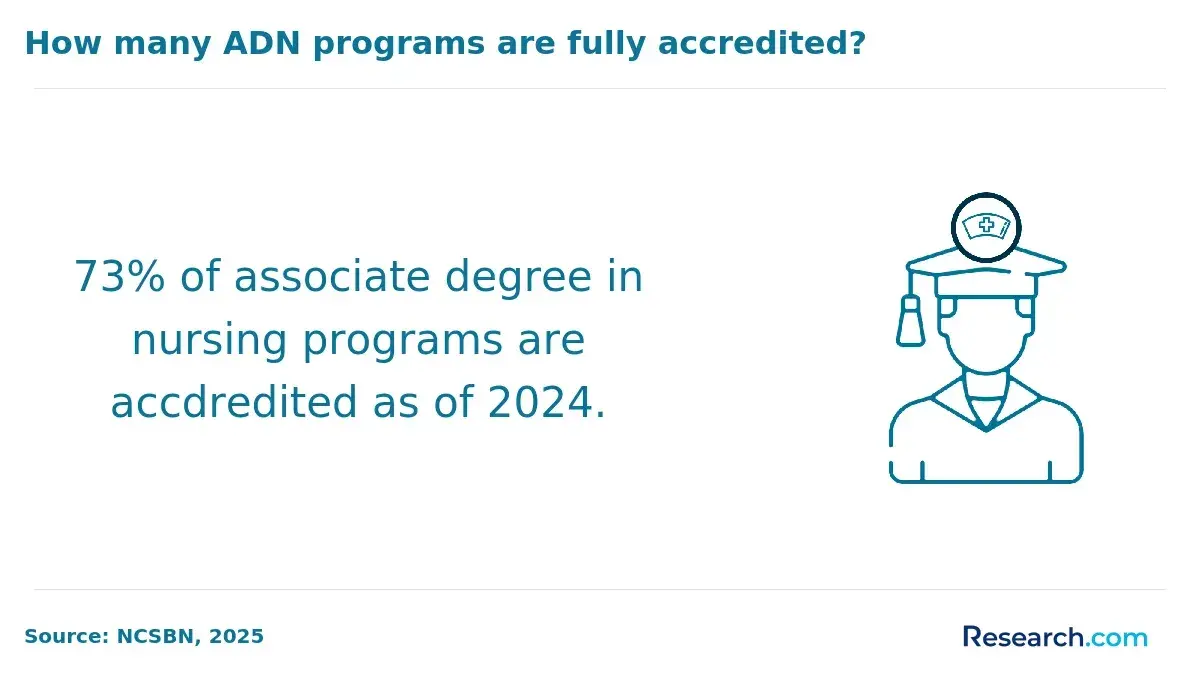
Accreditation is essential for nursing programs in Michigan because it guarantees that the curriculum meets the rigorous educational standards necessary for RN licensure and quality patient care. To ensure a program is legitimately accredited, prospective students can take these key steps:
- Check Accreditation Databases: The Accreditation Commission for Education in Nursing (ACEN) is the primary authority accrediting ADN programs nationwide. Searching their database confirms if a Michigan program is recognized, ensuring federal financial aid eligibility and acceptance of credits by other institutions.
- Confirm State Board of Nursing Approval: The Michigan Board of Nursing lists all state-approved nursing programs. Graduating from one of these is required to sit for the NCLEX-RN exam, indicating the program meets state-specific standards essential for licensure and employment.
- Visit the School's Official Website: Accredited programs typically display their accreditation status and approving agencies clearly on their websites. If this information isn't found, directly contacting the nursing department can provide verification and prevent enrollment in unaccredited programs.
- Verify National or Regional Accreditation Agencies: In addition to ACEN, some programs may be accredited by bodies such as the Commission for Nursing Education Accreditation (CNEA). Accreditation from these agencies confirms adherence to national quality standards and may impact eligibility for licensure or advanced studies outside Michigan.
How much does an ADN program cost in Michigan?
The cost of an ADN program in Michigan can vary considerably based on whether the school is a community college, public university, or private institution, the length of the program, and the residency status of the student. These elements shape Michigan ADN tuition and fees and are essential factors when budgeting for nursing education. Below are the key components that influence the overall expense of earning an Associate Degree in Nursing in Michigan:
- Tuition and Fees: Tuition makes up the largest portion of the ADN program cost in Michigan and depends heavily on the institution and residency. In-state students typically benefit from significantly lower rates, while out-of-state students face higher fees. Additional charges such as technology and facility fees can add several hundred dollars each semester, gradually increasing total costs.
- Books and Supplies: Textbooks, course materials, and essential supplies like stethoscopes can add $300 to $1,000 or more throughout the program. Digital resources and book bundles may help reduce expenses, yet students should anticipate some unavoidable spending on specialized equipment.
- Uniforms and Equipment: Nurses require specific uniforms, shoes, and clinical tools, which contribute to upfront costs. These necessary items can amount to a few hundred dollars, depending on program requirements and where supplies are purchased.
- Clinical and Testing Expenses: Clinical placements may require background checks, immunizations, and screenings, all billed separately. Testing fees, including standardized exams and licensure applications, typically range from $75 to $560, with some costs dependent on testing attempts and institution policies.
- Living and Transportation Costs: Housing, food, and transport add a variable but substantial factor, particularly for campus-based students. Some programs offer hybrid or online options, which may reduce travel expenses but still require investment in reliable internet and technology for courses. Prospective students interested in advancing their credentials can explore options like direct entry nurse practitioner programs as a future step beyond the ADN.
What financial aid options are available for ADN students in Michigan?
Financial aid can make Associate Degree in Nursing (ADN) programs in Michigan more affordable by helping to cover tuition, fees, books, and other expenses. Below are the primary types of financial aid available to ADN students in the state:
- Federal Student Aid: This includes Pell Grants, subsidized and unsubsidized loans, and federal work-study opportunities. Eligibility depends on FAFSA submission, and federal aid may be complemented by loan forgiveness for nurses working in underserved communities.
- State-Funded Programs: Michigan offers specific grants and scholarships such as the Michigan Competitive Scholarship and Michigan Reconnect, which grants tuition-free community college access to eligible residents over 25. These programs require state residency and often FAFSA completion.
- Institutional Scholarships and Grants: Many nursing schools in Michigan provide scholarships based on academic merit, financial need, or community involvement. Students should consult their school's financial aid office and apply through institutional forms alongside FAFSA.
- Private Nursing Scholarships: External organizations like nursing associations and local foundations award scholarships that support ADN students in Michigan. These scholarships vary widely and require early research and application to maximize chances.
- Employer Assistance Programs: Healthcare employers may offer tuition reimbursement or loan repayment in exchange for service commitments, helping students reduce program costs while gaining work experience.
Exploring financial aid options is increasingly important as costs rise, and future trends suggest more innovative funding will emerge to support nursing students. To better understand pathways beyond ADN programs, students may also consider the list of the best online nurse practitioner programs reflecting evolving career opportunities in nursing education.
What can I do with an ADN in Michigan after graduation?
Graduates of Associate Degree in Nursing (ADN) programs in Michigan are qualified to take the NCLEX-RN exam and pursue a variety of entry-level nursing positions in diverse healthcare settings across the state. The evolving healthcare landscape creates numerous avenues for ADN holders, offering both stability and growth. Below are key roles shaping registered nurse career opportunities Michigan holds for ADN nursing jobs in Michigan:
- Hospital Registered Nurse: ADN-prepared RNs typically work in acute care, handling patient assessment, medication administration, and interdisciplinary collaboration. This pathway often leads to specialization or leadership roles in high-demand hospital units.
- Long-Term Care Nurse: Working in nursing homes and rehabilitation centers, these nurses focus on chronic illness management and supervisory duties, benefiting from Michigan's strong need for elder care professionals.
- Outpatient Clinic Nurse: RNs here provide preventive care, minor procedure support, and patient education, often enjoying predictable hours and less physically demanding work environments.
- Home Health Nurse: Offering direct care in patients' homes, this role emphasizes independence and flexibility, aligning with healthcare's shift toward community-based services for Michigan residents.
- Public Health Nurse: Focused on disease prevention and health education through community outreach, this path can encourage further certifications and advanced practice opportunities.
- Rehabilitation Nurse: Supporting recovery in specialized centers, these nurses coordinate care with therapists and have pathways to case management and clinical leadership roles.
- Continuing Education and Advancement: Many ADN graduates leverage RN-to-BSN bridge programs, available either online or on campus, to expand their career horizons. Institutions across Michigan support this progression with credit transfers and financial aid, facilitating roles in management and advanced practice. Some graduates may also explore related fields hinted at by resources such as this ranking of easiest pediatric nurse practitioner online programs to get into.
How much do ADN nurses earn in Michigan?
The average median salary for Associate Degree in Nursing (ADN) registered nurses in Michigan is $76,585 per year, though earnings can differ widely depending on experience, location, healthcare setting, and employer type. As the healthcare landscape evolves, understanding these salary determinants is crucial for prospective ADN nurses pursuing both online and on-campus programs. Below are the main factors shaping ADN nurse salaries in Michigan:
- Level of Experience: Entry-level nurses typically earn between $57,000 and $65,000 annually, with salaries rising to $70,000-$80,000 or more as expertise grows. Seasoned nurses with over five years' experience may see earnings reaching $85,000 to $95,000, reflecting greater responsibilities.
- Workplace Setting: Hospital-based nurses generally receive higher pay and benefits compared to those in outpatient clinics or long-term care, though the latter may offer improved work-life balance.
- Geographic Location: Metropolitan areas such as Detroit and Ann Arbor provide higher wages due to demand and cost of living, while rural positions often include other financial incentives.
- Specialization: Pursuing certifications in areas like critical care or pediatrics can enhance earning potential by adding expertise that is highly valued by employers.
- Shift Differentials and Overtime: Working nights, weekends, or extra hours usually results in higher hourly rates, boosting annual income for many ADN nurses.
Here's What Graduates in Michigan Have to Say About Their ADN Degree
- Completing my ADN through the online program at Lake Michigan College gave me the flexibility I needed while working part-time. The curriculum was challenging but accessible, allowing me to balance study and family life effectively. Starting my nursing career in a local hospital has been rewarding, especially knowing my education prepared me well for the fast-paced environment. I'm proud to contribute to quality patient care in my community and continue growing professionally every day. The program truly opened doors I never thought possible. Kim
- Attending the hybrid ADN program at Macomb Community College was a transformative experience that combined hands-on clinicals with the convenience of online lectures. It allowed me to stay connected with instructors personally while maintaining a manageable schedule. After graduation, I began working in a school health services setting, where I support children's well-being and help create healthier futures. This role feels deeply meaningful as I see a direct impact on the students. The program's emphasis on community health prepared me uniquely for this path. Ara
- My on-campus ADN education at Henry Ford College was intense but incredibly rewarding. Being present on campus fostered strong relationships with peers and instructors, which helped me navigate the rigorous coursework and clinical practice. Launching my nursing career in home health care has been fulfilling, as I provide personalized support to patients in their own environments. This experience highlighted the importance of adaptability and compassion in nursing. Professionally, the degree gave me a solid foundation and many opportunities for advancement within Michigan's healthcare system. Dom
Related Articles for Nearby States
- 2027 Best ADN Nursing Programs in Ohio: Online & Campus
- 2027 Best ADN Nursing Programs in Indiana: Online & Campus
- 2027 Best ADN Nursing Programs in Wisconsin: Online & Campus
- 2027 Best ADN Nursing Programs in Illinois: Online & Campus
- 2027 Best ADN Nursing Programs in Minnesota: Online & Campus
- 2027 Best ADN Nursing Programs in Pennsylvania: Online & Campus
- 2027 Best ADN Nursing Programs in Kentucky: Online & Campus
- 2027 Best ADN Nursing Programs in West Virginia: Online & Campus
- 2027 Best ADN Nursing Programs in Iowa: Online & Campus
- 2027 Best ADN Nursing Programs in Missouri: Online & Campus
References:
- Online RN to BSN Completion Degree | UM-Flint https://www.umflint.edu/nursing/undergrad/rn-to-bsn-online/
- How Much Do Nurses Make in Michigan? | NMU Global Campus https://online.nmu.edu/how-much-do-nurses-make-in-michigan/
- Was it worth continuing education for nurses to get their BSN vs the ADN/ASN? https://www.incrediblehealth.com/nurse-advice/questions/608b6494/was-it-worth-continuing-education-for-nurses-to
- Associate vs. Bachelor’s in Nursing: What You Need to Know https://www.herzing.edu/difference/adn-vs-bsn
- Nursing Degrees in Michigan | Kirtland Community College https://www.kirtland.edu/programs-we-offer/nursing-program/
- Can You Get Your Associate Degree in Nursing (ADN) Online? https://nurse.org/education/online-associate-degree-nursing/
- How Long Is Nursing School in Michigan? Requirements, Scholarships & Timeline https://www.comonmi.com/how-long-is-nursing-school-in-michigan/
- Healthcare Occupations - RNs | MHC https://www.mhc.org/registered-nurses
- 2025 Best RN to BSN Programs in Michigan Online - Fast & Affordable Options https://www.registerednursing.org/rn-to-bsn/michigan/
- Search Programs https://www.acenursing.org/search-programs
Other Things You Should Know About Becoming a Nurse in Michigan
When choosing an ADN nursing program in Michigan for 2027, consider the program’s accreditation status, NCLEX-RN pass rates, clinical placement opportunities, faculty expertise, and available support services. These factors can significantly impact your education quality and career readiness.
ADN programs in Michigan typically require a high school diploma or GED, completion of prerequisite courses such as biology and chemistry, and a minimum GPA. Some programs may also require entrance exams or CPR certification. Be sure to check specific school requirements.


