
2027 Best ADN Nursing Programs in Wyoming: Online & Campus

Co-Founder and Chief Data Scientist
Wyoming's healthcare sector expects a 12% growth in registered nursing jobs by 2030, driven by an aging population and increased healthcare demand. Pursuing an associate degree in nursing (ADN), whether online or on-campus, offers a cost-effective pathway to enter this expanding field with practical skills and licensure eligibility. ADN programs provide foundational clinical training and prepare candidates for the NCLEX-RN exam, ensuring readiness for diverse healthcare settings across the state.
This article, prepared by experts in career planning, aims to clarify what an ADN program in Wyoming entails. It will guide readers through key expectations, important selection criteria, and effective decision-making strategies to navigate ADN options tailored to Wyoming's unique healthcare landscape.
Key Benefits of ADN Programs in Wyoming
- Wyoming ADN programs offer flexible learning with over 40% of students enrolled in online or hybrid formats, accommodating working adults and remote learners.
- Graduation rates average around 85%, reflecting strong student support and program quality across both urban and rural campuses.
- The state's growing healthcare sector projects a 15% increase in nursing jobs by 2030, making ADN graduates highly employable and vital for Wyoming's communities.
- What is an Associate Degree in Nursing (ADN) in Wyoming?
- What are the admission requirements for ADN programs in Wyoming?
- How do ADN programs in Wyoming prepare students for the NCLEX-RN?
- How long are ADN nursing programs in Wyoming?
- How do online ADN programs in Wyoming compare to traditional ones?
- How do I know if an ADN program in Wyoming is accredited?
- How much does an ADN program cost in Wyoming?
- What financial aid options are available for ADN students in Wyoming?
- What can I do with an ADN in Wyoming after graduation?
- How much do ADN nurses earn in Wyoming?
What is an Associate Degree in Nursing (ADN) in Wyoming?
An Associate Degree in Nursing (ADN) in Wyoming provides a foundational pathway for individuals seeking to enter the nursing profession. These programs blend rigorous academic coursework with supervised clinical training, ensuring students acquire both theoretical knowledge and essential hands-on skills.
The different types of ADN programs in Wyoming cater to various learning preferences and circumstances, each designed to uphold state requirements and quality standards:
- On-Campus Programs: These traditional formats require physical attendance at colleges such as Casper College, offering direct engagement with faculty and peers through in-person classes, labs, and clinical rotations. Program lengths typically span two to five semesters with structured schedules and minimum GPA requirements.
- Hybrid Programs: Combining online coursework with mandatory in-person clinical labs and rotations, hybrid programs offer flexibility for working students or those with family commitments. Theoretical courses can be completed remotely, but clinical experiences must take place in approved Wyoming healthcare facilities.
- Online Programs: Fully online ADN programs are uncommon due to the essential clinical training component mandated by state nursing boards. However, some institutions offer online RN-to-BSN completion programs for licensed nurses. Initial licensure programs require significant in-person clinical practice despite some online instruction elements.
Wyoming ADN requirements and curriculum rigorously prepare students for RN licensure and employment in a growing healthcare market. Interested individuals can learn more about career trajectories, including the psychiatric nurse practitioner career outlook, which represents one of the many nursing specialties accessible after foundational training.
What are the admission requirements for ADN programs in Wyoming?
ADN programs in Wyoming typically have selective admission processes to ensure that applicants are academically prepared and capable of handling the demands of nursing education. Below are the common criteria applicants must meet to qualify for enrollment in both online and campus-based programs.
- High School Diploma or GED: Applicants must provide proof of completing high school or hold a GED certificate. This minimum educational requirement confirms that students have essential academic skills to begin college-level studies.
- Completion of Prerequisite Courses: Essential courses such as biology, chemistry, anatomy, physiology, and mathematics are generally required before admission. These prerequisites, often necessitating at least a "C" grade, form the foundation for advanced nursing coursework and clinical training, making the prerequisites for nursing associate degree Wyoming programs crucial for academic success.
- Minimum GPA Standards: Most ADN programs demand a cumulative GPA between 2.5 and 2.75 derived from prerequisite or overall college coursework. A competitive GPA signals the applicant's capability to manage a rigorous healthcare curriculum and contributes to program admission decisions.
- Entrance Exams: Candidates may need to pass entrance tests like the Test of Essential Academic Skills (TEAS), which evaluate proficiency in key areas including reading, math, science, and English. For instance, some schools require a minimum score-for example, Eastern Wyoming College expects at least 58.7%. These exams gauge readiness and academic aptitude before acceptance.
- Certified Nursing Assistant (CNA) Certification: Certain programs, such as those at Casper College, require applicants to hold an active CNA license beforehand. This ensures familiarity with patient care and exposure to healthcare environments prior to beginning nursing studies.
- Application Materials: Prospective students must submit applications both to the college and separately to the nursing program. Additional documents like recommendation letters or personal statements may be requested to assess motivation, ethics, and communication skills pertinent to nursing.
- Official Transcripts: Submission of verified transcripts from high school and any prior college work is mandatory. These documents confirm completion of required courses and academic achievements.
- Background Check and Drug Screening: Admitted students must successfully pass these screenings to ensure patient safety and meet regulatory standards before clinical placements begin.
- Additional Considerations: Some programs prioritize Wyoming residents or applicants with healthcare experience, reflecting workforce needs and community health priorities.
Students interested in nursing careers may also research related topics such as how much does a forensic nurse make to explore specialized fields upon graduation.
How do ADN programs in Wyoming prepare students for the NCLEX-RN?
ADN programs in Wyoming are specifically designed to equip students with the knowledge, clinical skills, and critical thinking abilities needed to pass the NCLEX-RN and become licensed registered nurses. The following components highlight how these programs effectively prepare students for licensure success:
- Comprehensive Nursing Coursework: Wyoming's ADN curriculum aligns with state and national standards, covering essential subjects such as anatomy, physiology, microbiology, and pharmacology. Many prerequisite and core courses are available online or in hybrid formats, providing flexibility while ensuring foundational knowledge.
- Simulation Labs and Clinical Rotations: Practical experience is gained through controlled simulation labs and diverse clinical placements in hospitals and community settings. These opportunities allow students to apply theory, develop technical skills, and build confidence in real-world nursing scenarios under faculty supervision.
- NCLEX-Style Test Preparation: Programs incorporate frequent practice exams and review sessions emulating the NCLEX format, helping students acclimate to question styles and critical thinking demands. This approach contributes to reported pass rates near 90% at some institutions.
- Evidence-Based Learning Strategies: Active learning techniques such as case studies and group problem-solving foster critical judgment and clinical reasoning, essential attributes for safely managing nursing responsibilities and excelling on the NCLEX exam.
- Faculty Mentorship and Academic Support: Experienced instructors provide personalized guidance, tutoring, and academic resources. Financial support programs also assist eligible students in overcoming economic barriers that might impede program completion and licensure.
When asked about how ADN programs in Wyoming prepare students, a nurse who graduated from a local ADN program reflected on the journey: "The simulation labs were a game changer for me-it was one thing to learn theory, but quite another to perform skills in a realistic environment. Faculty encouragement kept me motivated during tougher courses, and the regular NCLEX-style quizzes helped me manage exam anxiety." He recalled moments of stress balanced by strong mentorship and appreciated the program's focus on critical thinking rather than rote memorization. These elements collectively built his confidence leading up to the NCLEX-RN, affirming the program's comprehensive preparation approach.
How long are ADN nursing programs in Wyoming?
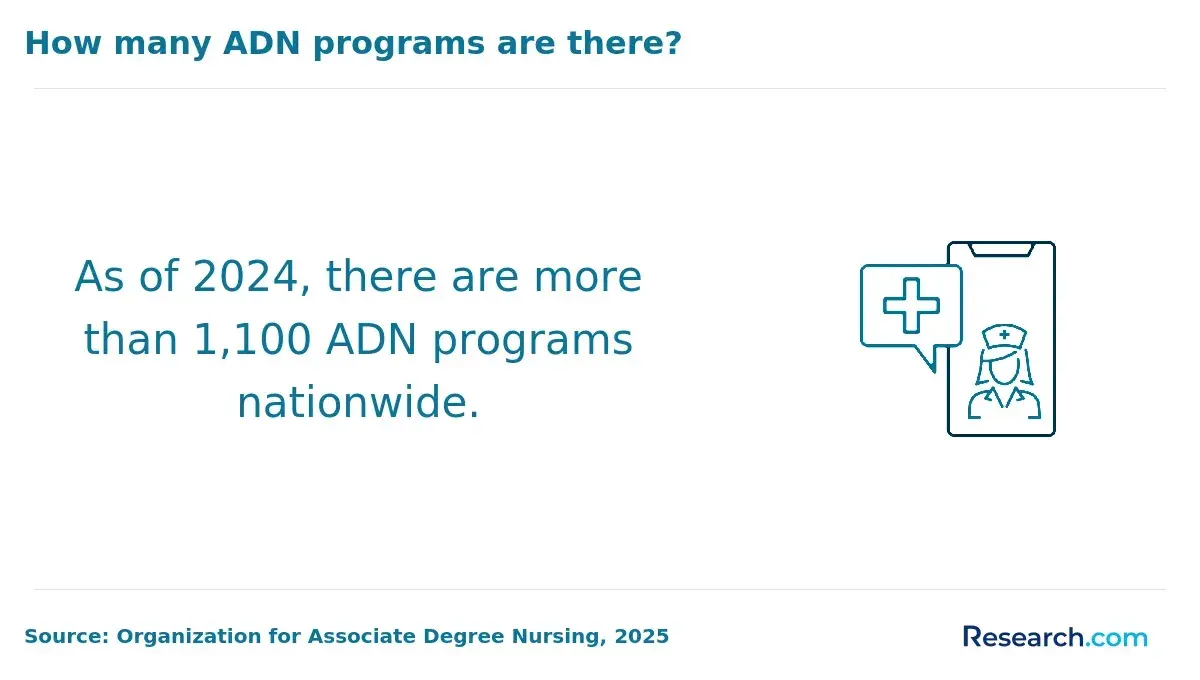
Most Associate Degree in Nursing (ADN) programs in Wyoming are structured to be completed in about two years of full-time study. This typically involves four semesters of coursework after admission, though the duration can vary depending on whether students enroll full-time or part-time. Several institutions, including Northwest College and Laramie County Community College, provide both traditional and hybrid formats, balancing online and on-campus components for added flexibility.
Additionally, some programs offer accelerated tracks for faster completion or extended options for students needing more time, allowing individuals to select a pace that matches their personal and professional obligations. Program length is influenced by multiple factors such as prerequisite coursework, which often includes biology, anatomy, and mathematics, potentially extending the timeline before formal nursing studies begin.
Clinical training hours, integrated throughout the curriculum, are essential for developing practical skills and require consistent time commitment. Scheduling flexibility, like evening and hybrid classes, also affects total program duration by accommodating working students but sometimes lengthening completion time.
How do online ADN programs in Wyoming compare to traditional ones?
Online, hybrid, and traditional ADN programs in Wyoming all prepare students for RN licensure but differ in flexibility, course delivery, and learning environments. These distinctions can influence which format suits individual needs best. Key comparisons include:
- Learning Format: Traditional programs feature in-person classes and labs, ideal for those preferring direct faculty interaction. Hybrid options blend online lectures with on-campus labs, offering flexibility with essential hands-on training. Purely online options are limited due to clinical requirements.
- Clinical Training: All formats require in-person clinical hours. Traditional programs arrange local clinicals, while hybrid students may travel to designated sites, balancing work or location constraints.
- Scheduling Flexibility: Online and hybrid programs allow asynchronous study, accommodating working adults and remote learners. Traditional programs demand regular campus attendance.
- Student Interaction: In-person programs foster close peer and faculty connections; hybrids mix online communication with face-to-face experiences. Online formats rely heavily on virtual support.
- Accessibility: Hybrid and online programs expand reach to rural students, reducing commute barriers, whereas traditional programs primarily serve those near campuses.
When I spoke with a Wyoming nurse who graduated from a local hybrid ADN program, she reflected on managing the blend of online coursework with required in-person clinicals. She described initial concerns about balancing family obligations and travel but found the hybrid model provided critical flexibility without sacrificing hands-on learning. "The online classes let me study late at night after my kids were asleep, but the in-person labs kept my skills sharp," she said. The experience, she noted, required strong self-discipline and careful scheduling but rewarded her with confident preparation for licensure and patient care. Her journey highlights how hybrid programs in Wyoming can effectively accommodate diverse student needs while maintaining rigorous training.
How do I know if an ADN program in Wyoming is accredited?
Accreditation is fundamental for nursing programs in Wyoming as it confirms that an Associate Degree in Nursing (ADN) program meets rigorous educational standards essential for RN licensure and ensures graduates are prepared for safe, effective patient care. Verifying accreditation safeguards your educational investment and eligibility for the NCLEX-RN exam. Here are the principal steps to confirm if an ADN program in Wyoming is accredited:
- Check National Accreditation Databases: Use the Accreditation Commission for Education in Nursing (ACEN) or Commission on Collegiate Nursing Education (CCNE) databases to verify if the ADN program holds current accreditation. For example, Central Wyoming College's ADN program is listed as continuing accredited, ensuring it meets national quality standards.
- Confirm Approval by the Wyoming State Board of Nursing (WSBN): The WSBN authorizes ADN programs whose graduates are eligible for RN licensure in Wyoming. Only WSBN-approved programs qualify graduates to take the NCLEX-RN exam, so review the WSBN's published list of approved programs before enrolling.
- Visit the School's Official Website: Accredited programs typically display both their national accreditation and WSBN approval clearly on institutional websites. This transparency allows students to verify accreditation claims and avoid unaccredited or misleading programs.
- Verify Accreditation with National and Regional Agencies: In addition to ACEN and CCNE, regional accreditors like the Higher Learning Commission (HLC) also support institutional quality and credit transferability. Confirming accreditation with these agencies provides assurance the school complies with recognized standards and is eligible for federal financial aid.
- Contact the Program or Accrediting Agency Directly: If questions persist, reach out to the nursing program's administration or the accrediting body for official documentation of accreditation and renewal timelines. This is crucial to avoid programs that may have lost or are under review for accreditation.
How much does an ADN program cost in Wyoming?
The cost of an Associate Degree in Nursing (ADN) program in Wyoming varies based on the type of institution, program duration, and whether students pay in-state or out-of-state tuition. Several factors impact the total financial commitment required, which can help you plan an accurate budget for your nursing education. Key cost components include:
- Tuition and Fees: Tuition represents the largest portion of ADN program tuition in Wyoming, differing significantly by residency status and school type. In-state students typically pay between $6,000 and $15,000 for the full program, while out-of-state tuition rates can be triple or more per credit hour. Additional mandatory fees for labs, testing packages, and registration also contribute several hundred dollars annually.
- Books and Supplies: Specialized textbooks and access to digital learning resources are essential and costly components of nursing education. Students can expect to spend approximately $1,500 per year on these materials, which are necessary to keep current with coursework and NCLEX-RN preparation requirements.
- Uniforms and Equipment: Clinical attire and tools such as scrubs, lab coats, clinical shoes, and medical instruments generally incur costs around $330 to $350. These purchases are obligatory for hands-on clinical experiences and practical training.
- Clinical Expenses: Clinical rotations often require travel across Wyoming, with transportation and potential lodging expenses that may exceed $1,000 annually. Other costs can include background checks, drug screenings, immunizations, and liability insurance required before clinical placements.
- Living and Transportation Costs: Housing, food, and commuting costs add to the overall expense, with estimated room and board totaling approximately $3,300 to $3,400 per year near community college campuses. Even with online or hybrid formats, students must be locally available for in-person labs and clinicals, affecting total living expenses.
For students considering pathways beyond ADN programs, such as advanced degrees, exploring options like a direct entry MSN may be valuable for planning long-term educational investment.
What financial aid options are available for ADN students in Wyoming?
Financial aid can significantly reduce the cost of Associate Degree in Nursing (ADN) programs in Wyoming by covering tuition, fees, and other related expenses. Various financial assistance options are available to support students throughout their nursing education. Below are the main types of aid that ADN students in Wyoming can explore.
- Federal Financial Aid: By completing the FAFSA, students become eligible for federal grants, loans, and work-study programs. Pell Grants and Direct Loans are awarded based on financial need, while federal work-study provides part-time campus employment opportunities.
- Wyoming Investment in Nursing (WyIN) financial aid for ADN students: Wyoming residents enrolled in ADN programs at community colleges or the University of Wyoming may qualify for WyIN loans to cover remaining education costs after other aid. These loans can be forgiven through nursing service in Wyoming, incentivizing graduates to work locally.
- Institutional Scholarships: Many Wyoming colleges offer merit- and need-based scholarships specifically for nursing students. Award criteria include academic achievement and financial need, with some scholarships requiring essays and others being automatically granted.
- Private Nursing Scholarships: Private organizations fund scholarships for Wyoming ADN students, often awarding based on academic merit, community engagement, or specific eligibility requirements. Details are usually available on institutional scholarship portals or through local nursing groups.
- Employer Tuition Assistance: Healthcare employers in Wyoming may provide tuition reimbursement or scholarships for employees pursuing ADN degrees. These benefits frequently involve a post-graduation work commitment within the employer's organization.
Students interested in advancing their nursing education can also explore specialized offerings like the best shortest online post masters fnp certificate program, which complements ADN training and supports career growth in nursing fields.
What can I do with an ADN in Wyoming after graduation?
ADN graduates in Wyoming are qualified to take the NCLEX-RN exam, enabling them to become licensed registered nurses and pursue a variety of entry-level nursing positions in diverse healthcare environments. These roles provide foundational experience and clear opportunities for advancement, reflecting the strong demand for nursing jobs for ADN graduates in Wyoming. The key career options include:
- Hospital Registered Nurse (RN): ADN-prepared nurses are eligible for hospital positions in departments such as medical-surgical, emergency, ICU, and labor and delivery. Typical responsibilities include patient assessment, medication administration, and multidisciplinary collaboration, with growth potential into specialty or leadership roles supported by hospital education programs.
- Long-Term Care and Rehabilitation Facilities: Many ADN graduates work in nursing homes, assisted living, or rehab centers, focusing on elderly or chronically ill patients. Duties include health monitoring, wound care, and assisting with daily living, offering pathways to specialize in geriatric or rehabilitative nursing amid steady demand from Wyoming's aging population.
- Outpatient Clinics and Physician Offices: RNs in outpatient settings perform patient triage, assist with procedures, and manage follow-up care. These positions feature regular hours and opportunities for clinic management or specialty nursing, aligning with the variety of RN career opportunities in Wyoming.
- Home Health and Hospice Nursing: ADN graduates provide skilled nursing, palliative care, and education in patients' homes, crucial in rural areas with limited facility access. Roles emphasize autonomy and community health expertise, supporting chronic disease management and care coordination.
- Public Health and Community Nursing: Some ADN RNs work in public health departments or community programs, focusing on immunizations, screenings, and outreach. These positions impact population health and often serve as a springboard to advanced public health roles requiring further education.
- Veterans Affairs and Government Facilities: Employment opportunities include VA hospitals, correctional institutions, and government clinics, which offer competitive wages and stable jobs. Advancement may involve leadership or case management positions tailored to unique patient populations.
- Pathways to BSN and Advanced Practice: Many Wyoming ADN graduates access seamless transfer options to BSN programs through the ReNEW curriculum at the University of Wyoming, supporting career advancement in leadership, research, and specialty practice. For professionals curious about further specialization, knowing is pediatric nurse practitioner online program easy can offer valuable insights.
How much do ADN nurses earn in Wyoming?
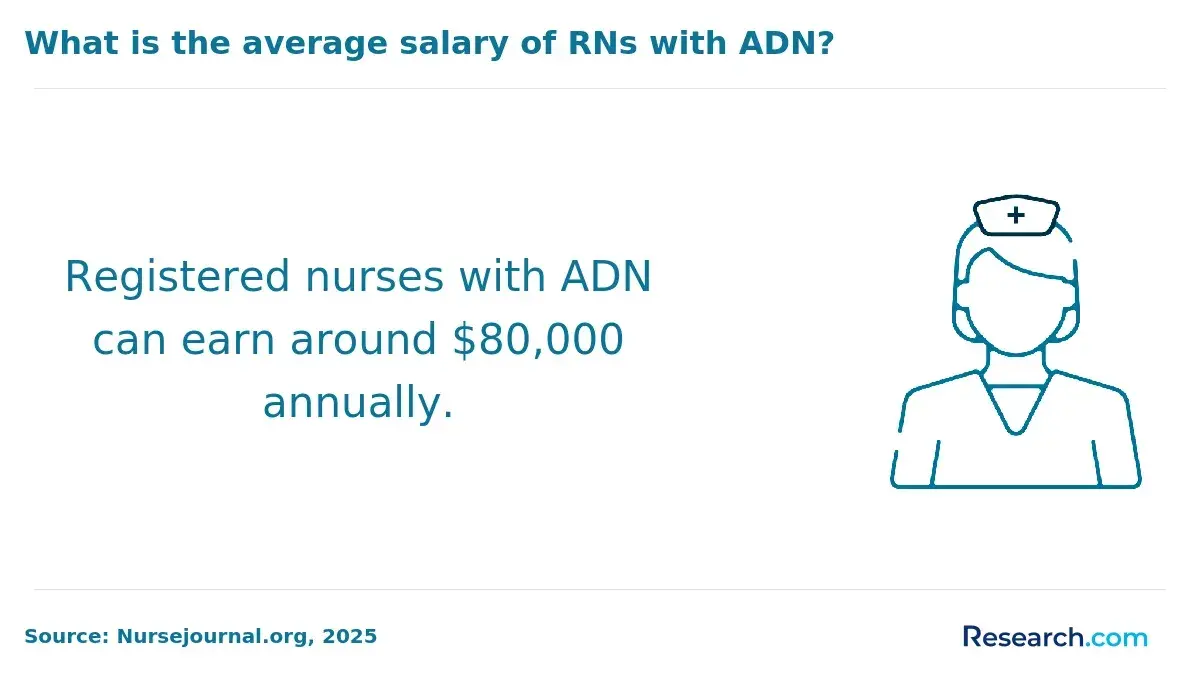
The average median salary for ADN-prepared registered nurses (RNs) in Wyoming is about $55,370 per year, though pay can vary substantially depending on experience, location, healthcare setting, and employer type. Understanding these factors is essential for prospective ADN nurses assessing their salary potential in the state. The following key influences shape ADN nurse earnings in Wyoming:
- Level of Experience: Entry-level ADN nurses typically start near the median salary, while those with several years or supervisory roles can earn closer to or above $75,000 annually.
- Workplace Setting: Nurses employed in hospitals or acute care settings generally receive higher wages compared to those in long-term care or outpatient clinics, with specialized units offering additional pay incentives.
- Geographic Location: Urban areas like Cheyenne or Casper often provide higher salaries due to demand and cost of living, while rural regions may offset lower pay with bonuses and loan repayment programs.
- Specialization and Credentials: Certification in high-demand specialties or advanced training can increase salary prospects substantially.
- Shift Differentials and Overtime: Nurses working nights, weekends, or holidays, as well as overtime, can expect increased hourly rates that boost overall earnings.
Here's What Graduates in Wyoming Have to Say About Their ADN Degree
- Completing my ADN through Eastern Wyoming College's online program gave me the flexibility I needed to balance family life and studies. The hybrid format combined practical, on-campus clinicals with engaging virtual lectures, making it convenient without sacrificing quality. Starting in the hospital industry locally has been incredibly fulfilling, allowing me to apply what I learned immediately while continuing to grow professionally. The community-oriented approach of the program inspired me to give back and advocate for better health education in rural areas. I feel confident that my career has a strong foundation thanks to this program. Kyle
- Attending Laramie County Community College's traditional on-campus ADN program was a transformative experience. The hands-on training and face-to-face mentorship prepared me not only for technical skills but also for meaningful patient interaction in academic health settings. Wyoming's unique rural healthcare challenges meant we received specialized education tailored to meet diverse patient needs, which I deeply appreciate. I've grown both personally and professionally, gaining a passion for community health and wellness that motivates me every day. Choosing an on-campus program here was the best decision for my nursing journey. Mauricio
- Wyoming's online ADN program through Northwest College offered a unique opportunity to advance my nursing career while continuing to work. The flexible schedule allowed me to gain professional development without pausing my responsibilities at local home health facilities. This program highlighted Wyoming's commitment to accessible education, especially important in a state with vast rural areas. It was challenging balancing work and study, but the support from instructors made it manageable. The degree opened doors for advancement and deepened my dedication to improving patient care within my community. Lisa
Related Articles for Nearby States
- 2027 Best ADN Nursing Programs in Montana: Online & Campus
- 2027 Best ADN Nursing Programs in South Dakota: Online & Campus
- 2027 Best ADN Nursing Programs in Nebraska: Online & Campus
- 2027 Best ADN Nursing Programs in Colorado: Online & Campus
- 2027 Best ADN Nursing Programs in Idaho: Online & Campus
- 2027 Best ADN Nursing Programs in Utah: Online & Campus
- 2027 Best ADN Nursing Programs in North Dakota: Online & Campus
- 2027 Best ADN Nursing Programs in Kansas: Online & Campus
- 2027 Best ADN Nursing Programs in Iowa: Online & Campus
- 2027 Best ADN Nursing Programs in Nevada: Online & Campus
References:
- About Sheridan College | NWCCD https://catalog.sheridan.edu/preview_program.php
- University of Wyoming ABSN - Accelerated Nursing Program https://www.absnprograms.org/absn-schools/university-of-wyoming-absn-program/
- RN-BSN Bridge Program Expectations - University of Providence https://www.uprovidence.edu/about/news/rn-bsn-bridge-program/
- ADN vs BSN: Which is Right for You? https://www.nursingworld.org/content-hub/resources/becoming-a-nurse/adn-vs-bsn/
- Online Nursing Schools in WY: Inside Top Programs https://www.edumed.org/online-schools/nursing-rn-programs/wyoming/
- Best Nursing Schools in Wyoming - ADN, BSN - Updated https://www.registerednursing.org/state/wyoming/
- Wyoming Nursing Schools And Programs | NurseJournal.org https://nursejournal.org/state/wyoming/
- 6 Best ADN Programs in Wyoming – (2-Year RN Programs) https://www.nursingprocess.org/adn-programs/wyoming/
- Nursing - Registered Nurse, A.D.N. | Academic Programs | Academics | Northwest College | Powell, Wyoming USA https://nwc.edu/academics/programs/nursing-registered-nurse-a-d-n.html
- Nursing FAQs https://www.westernwyoming.edu/academics/major-programs/health-care/nursing/faqs.php
Other Things You Should Know About ADN Programs in Wyoming
To select the best ADN program in Wyoming for 2027, consider factors like accreditation status, NCLEX-RN pass rates, clinical experience opportunities, and faculty qualifications. Research the specific curriculum and check if the school offers support resources, such as tutoring and career services, to enhance your educational experience.
In Wyoming, advancing your nursing career with just an Associate Degree in Nursing (ADN) is possible but somewhat limited compared to holding a Bachelor of Science in Nursing (BSN). An ADN allows you to become a registered nurse (RN) and work in various healthcare settings, but many leadership, specialized, and higher-paying roles typically require a BSN or higher. For those seeking career growth without a BSN, gaining experience as an RN and pursuing certifications in specialties can help, but further education is often recommended to maximize advancement opportunities in Wyoming's competitive healthcare market.
In 2027, the top ADN nursing programs in Wyoming are Cheyenne’s Laramie County Community College, which offers a robust curriculum, and Sheridan College, known for its high NCLEX pass rates. These programs provide a blend of theoretical and practical training essential for aspiring nurses.


