
2027 Best ADN Nursing Programs in Mississippi: Online & Campus

Co-Founder and Chief Data Scientist
Mississippi's healthcare sector anticipates a 15% growth in nursing positions over the next decade, highlighting a strong demand for qualified nurses. Pursuing an Associate Degree in Nursing (ADN), either online or on-campus, offers a practical pathway to enter this expanding field with relatively lower tuition costs and shorter program lengths compared to traditional bachelor's degrees. This degree equips students with essential clinical skills and prepares them for the NCLEX-RN licensure exam, critical for employment within Mississippi's healthcare system.
This article, prepared by experts in career planning, guides readers through understanding what an ADN program in Mississippi entails. It will clarify expectations, highlight key factors to consider, and assist in navigating the decision-making process when choosing the most suitable ADN option in the state.
Key Benefits of ADN Programs in Mississippi
- Mississippi ADN programs offer flexible learning with over 40% of schools providing online courses, accommodating working students and those in rural areas.
- The state's ADN graduates boast a strong NCLEX-RN pass rate averaging 85%, reflecting the high quality of training across both campus and online formats.
- Affordable tuition costs below the national average make Mississippi ADN programs accessible, often under $8,000 per year, reducing student debt burden significantly.
- What is an Associate Degree in Nursing (ADN) in Mississippi?
- What are the admission requirements for ADN programs in Mississippi?
- How do ADN programs in Mississippi prepare students for the NCLEX-RN?
- How long are ADN nursing programs in Mississippi?
- How do online ADN programs in Mississippi compare to traditional ones?
- How do I know if an ADN program in Mississippi is accredited?
- How much does an ADN program cost in Mississippi?
- What financial aid options are available for ADN students in Mississippi?
- What can I do with an ADN in Mississippi after graduation?
- How much do ADN nurses earn in Mississippi?
What is an Associate Degree in Nursing (ADN) in Mississippi?
An Associate Degree in Nursing (ADN) in Mississippi serves as a foundational pathway into the nursing profession, combining academic coursework with clinical training to prepare students for registered nurse (RN) licensure. These programs blend classroom instruction and hands-on experience, equipping students with essential nursing skills such as patient-centered care, evidence-based practice, and teamwork.
Graduates earn an Associate in Applied Science degree and become eligible to take the NCLEX-RN exam, a key requirement for the ADN requirements for Mississippi registered nurse license. ADN programs in the state vary in delivery format to accommodate different student needs and lifestyles. Below are the primary types available:
- On-Campus ADN Programs: This traditional model involves attending classes and completing clinical rotations at college facilities or affiliated healthcare centers. Students benefit from direct access to labs, faculty mentorship, and local healthcare partnerships, common at institutions like Northwest Mississippi Community College.
- Hybrid ADN Programs: Combining online coursework with in-person labs and clinical hours, these programs offer flexibility to learners balancing work or family responsibilities while ensuring hands-on training meets state standards.
- Online ADN Programs: Fully online ADN programs are limited due to Mississippi's requirement for in-person clinical hours for licensure. Some colleges offer theory courses online or LPN-to-RN bridge programs with online components, but students should verify that these align with ADN requirements for Mississippi registered nurse license.
Mississippi's ADN programs are accredited and maintain high NCLEX-RN pass rates, preparing graduates to enter a healthcare market that values expertise and training. Those interested in pursuing nursing might also explore the highest paying nursing career options, which can inform long-term professional and educational decisions.
What are the admission requirements for ADN programs in Mississippi?
ADN programs in Mississippi typically have selective admission processes to ensure that applicants are academically prepared and capable of handling the demands of nursing education. These processes apply equally to online and on-campus ADN offerings, maintaining consistent standards statewide. Key admission criteria generally include the following:
- High School Diploma or GED: Applicants must provide proof of a high school diploma or GED, establishing minimum educational eligibility and readiness for college-level studies.
- Completion of Prerequisite Courses: Most programs require successful completion of specific prerequisite courses such as Anatomy & Physiology I and II with labs, Microbiology with lab, and general education classes like English Composition and College Algebra, usually with a grade of "C" or better. These Mississippi ADN program prerequisites ensure foundational knowledge necessary for nursing coursework.
- Minimum GPA Standards: A cumulative GPA of at least 2.0 on a 4.0 scale is commonly required; some programs set higher standards, including a 2.5 GPA or above, particularly in prerequisite subjects. Meeting these GPA thresholds indicates academic preparedness for the rigorous curriculum.
- Standardized Entrance Exams: Many programs ask for ACT composite scores, often with a minimum range of 16 to 18, sometimes emphasizing the science section. Alternative exams like Kaplan or NACE may be accepted with minimum passing scores. These exams assess critical thinking and science proficiency important for nursing.
- Application Materials: Applicants must submit formal applications including transcripts, documentation of prerequisite completion, and sometimes letters of recommendation or personal statements. These materials provide insight into the applicant's motivation and commitment, relevant to their future in nursing.
- Background Checks and Health Requirements: Passing a criminal background check and drug screening is mandatory to ensure eligibility for clinical placements and licensure.
- Age and Residency Requirements: Generally, applicants must be at least 18 years old, and some community colleges give preference to in-district residents when enrollment capacity is limited.
- Mandatory Orientation: Accepted students are required to attend an orientation to understand program expectations and resources.
These admission requirements are designed to prepare students for licensure success and professional practice. Prospective students seeking guidance on program pathways may also explore the holistic nurse practitioner career path for broader nursing career options.
How do ADN programs in Mississippi prepare students for the NCLEX-RN?
ADN programs in Mississippi are specifically designed to equip students with the knowledge, clinical skills, and critical thinking abilities needed to pass the NCLEX-RN and become licensed registered nurses. These programs combine rigorous academic content with practical experience, creating a comprehensive foundation for exam success and professional readiness. Key components of this preparation include:
- Comprehensive Nursing Coursework: Curricula integrate foundational and specialized nursing topics aligned with the NCLEX-RN test plan, covering diverse fields such as medical-surgical, pediatric, and psychiatric nursing to ensure a broad, evidence-based understanding of patient care.
- Simulation Labs and Clinical Rotations: Hands-on training through realistic simulations and supervised clinical experiences enables students to apply theory to practice, refine clinical judgment, and gain confidence in real-world scenarios reflective of NCLEX competencies.
- NCLEX-Style Test Preparation and Review Sessions: Programs provide targeted review courses and practice exams using NCLEX-format questions, helping students develop test-taking strategies and adapt to the computerized exam environment.
- Evidence-Based Learning Strategies: Constant curriculum updates aligned with national standards ensure students learn current nursing practices, promoting critical thinking and sound clinical decision-making.
- Faculty Mentorship and Academic Support: Accessible faculty mentorship, individualized remediation, and peer study groups create a supportive learning atmosphere that reinforces comprehension and exam readiness.
When speaking with a nurse who graduated from an ADN program at a local Mississippi school, he recalled the initial anxiety of facing the NCLEX-RN but emphasized how the program's structured review sessions and repeated practice exams built his confidence. "The clinical rotations were invaluable," he said, noting that applying textbook knowledge in diverse healthcare settings helped him think critically under pressure. He also appreciated faculty who were always available for guidance and personalized feedback.
Reflecting on the process, he shared, "It wasn't just about passing the test-it was about feeling prepared to care for real patients." His experience highlights how the blend of academic rigor, practical application, and supportive mentorship found in Mississippi ADN programs effectively prepares graduates for licensure and nursing careers.
How long are ADN nursing programs in Mississippi?
Most Associate Degree in Nursing (ADN) programs in Mississippi typically take about two years to complete for full-time students, generally spanning four to five semesters. This duration can vary depending on whether students enroll full-time or part-time, with some programs offering part-time options that extend up to five years.
Several colleges provide accelerated tracks tailored for Licensed Practical Nurses (LPNs) or paramedics, allowing them to finish their ADN in as little as twelve months. These variations accommodate diverse student needs, balancing faster completion paths with more flexible schedules.
The length of an ADN program is influenced by multiple factors, including prerequisite coursework, required clinical training hours, and course scheduling flexibility. Students needing foundational science or anatomy classes before starting core nursing courses may face a longer timeline.
Additionally, clinical rotations, integral for practical training, are spread throughout the program to ensure students gain sufficient hands-on experience. Programs are carefully structured to integrate didactic learning with clinical practice, optimizing readiness for the NCLEX-RN exam and professional nursing roles in Mississippi.
How do online ADN programs in Mississippi compare to traditional ones?
Both online, hybrid, and traditional ADN programs in Mississippi prepare students for RN licensure but differ notably in flexibility, learning format, and course delivery. Below are key comparisons highlighting these distinctions to help students choose the best fit for their needs.
- Learning Format & Delivery: Online and hybrid programs rely on digital platforms for lectures and assignments, allowing asynchronous study, ideal for self-directed learners. Traditional programs require scheduled in-person classes, benefiting those who prefer real-time interaction.
- Clinical Training: All formats mandate in-person clinical rotations at approved facilities, ensuring hands-on experience, which remains a fixed, non-flexible component across all programs.
- Scheduling Flexibility: Online/hybrid options offer greater schedule freedom outside clinical hours, accommodating working adults and parents; traditional programs follow fixed schedules but sometimes offer part-time enrollment.
- Student Interaction: Traditional programs provide direct face-to-face support and feedback, while online and hybrid formats use forums and virtual sessions, suiting independent learners but potentially feeling isolating.
- Accessibility: Online and hybrid programs expand reach across Mississippi, especially in rural areas, while traditional programs are city-based, limiting options for remote students.
A nurse who completed a hybrid ADN program from a local Mississippi school shared her experience, noting the initial struggle balancing remote coursework with family demands. She valued the flexibility of completing theory online but found coordinating local clinical rotations challenging, especially with limited scheduling options.
"The hybrid path required a lot of self-discipline, but I appreciated the occasional in-person sessions for staying connected," she reflected. This blend gave her the chance to work while studying, unlike her peers in traditional programs who faced stricter schedules. Her journey highlights how hybrid formats, while demanding adaptability, provide unique opportunities for those managing multiple responsibilities in Mississippi's nursing education landscape.
How do I know if an ADN program in Mississippi is accredited?
Accreditation is essential for ADN programs in Mississippi because it ensures they meet the educational standards required for Registered Nurse licensure and patient care quality. To verify if an ADN program is accredited, students can use these key steps:
- Check National Accreditation Databases: The Accreditation Commission for Education in Nursing (ACEN) maintains a searchable database of accredited ADN programs, including those in Mississippi. This allows students to confirm current accreditation status, ensuring the program meets national standards for curriculum, faculty, and graduate outcomes.
- Verify State Board of Nursing Approval: The Mississippi Board of Nursing (MSBN) requires RN licensure candidates to graduate from state-approved programs. Confirming program approval with MSBN guarantees eligibility for the NCLEX-RN exam and licensure in Mississippi, which is updated regularly.
- Visit the School's Official Website: Accredited programs usually display accreditation and approval details on their sites, including national bodies like ACEN and state authorities such as the Board of Trustees of State Institutions of Higher Learning. Absence of clear accreditation information should prompt direct contact with admissions.
- Confirm National or Regional Accreditation Agencies: Mississippi ADN programs must hold regional accreditation from SACSCOC and national accreditation from ACEN, CCNE, or NLN CNEA. Verifying these agencies through their official platforms ensures the program's legitimacy and eligibility for federal aid.
- Consult the Mississippi Commission on College Accreditation: This commission oversees state degree-granting institutions. Checking its listings ensures the hosting college is authorized to confer degrees and prevents enrollment in unrecognized or fraudulent institutions.
How much does an ADN program cost in Mississippi?
The cost of ADN programs in Mississippi can vary significantly based on the type of institution attended-community college, public university, or private school-as well as program length and residency status. Several key factors contribute to the overall expense of completing an Associate Degree in Nursing in this state. Below are the primary cost components to consider:
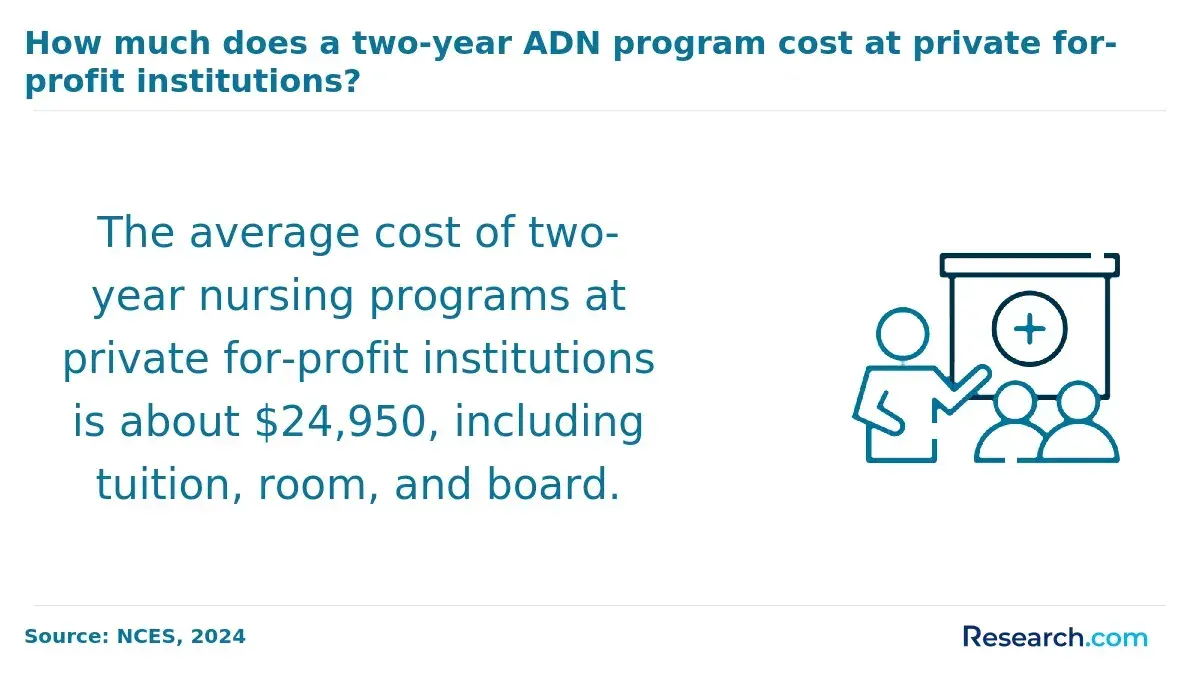
- Tuition and Fees: Tuition represents the largest portion of expenses, typically being lower at community colleges. In-state students might pay around $4,980 annually, whereas out-of-state tuition can be substantially higher, reaching up to $7,780 per year at some schools. Additional fees specifically for the nursing program, including specialized course fees, also add several hundred to over a thousand dollars each semester. These are central to understanding the average cost of ADN programs in Mississippi.
- Books and Supplies: Textbooks, e-books, and other academic materials necessary for coursework and exam preparation generally range from $600 to $800 per semester. Over the course of the program, these costs can accumulate to roughly $2,250, representing a notable yet often overlooked expense.
- Uniforms and Equipment: Clinical requirements mandate the purchase of uniforms, lab coats, and nursing equipment such as stethoscopes. Expect to spend approximately $200 to $300 annually for these essential items, which vary slightly depending on program-specific requirements.
- Clinical and Testing Expenses: Students must budget for liability insurance, standardized testing fees, and background checks. Testing fees alone can reach $800 per semester, and other expenses like insurance and background verification add additional costs necessary for clinical placement eligibility and licensure readiness.
- Living and Transportation Costs: Housing, food, and commuting form a significant portion of total expenses outside tuition and fees. Annual living expenses vary widely, from about $4,600 for on-campus students to nearly $14,000 for those living independently, with transportation costs increasing depending on proximity to clinical sites.
- Technology and Online Learning Fees: For students enrolled in online or hybrid ADN programs, technology fees are commonly charged per credit hour, along with the need for reliable computers and internet access. These fees support digital learning platforms and contribute to overall tuition and fees for ADN programs in Mississippi.
For those considering advancing beyond ADN, understanding how to become a nurse practitioner in QLD may provide additional career pathways and educational planning insights.
What financial aid options are available for ADN students in Mississippi?
Financial aid can help make ADN programs in Mississippi more affordable by covering some or all educational expenses such as tuition, fees, and supplies. Various types of funding are accessible to nursing students in the state, each with specific eligibility rules and application procedures. Here's an overview of the main financial aid options available to ADN students in Mississippi.
- Federal Student Aid: Eligible students can apply for grants like Pell Grants, federal loans, and Federal Work-Study by submitting the FAFSA. Awards depend on financial need, enrollment status, and cost of attendance, providing foundational support for many ADN candidates.
- State-Funded Loans and Scholarships: Mississippi offers programs such as the Nursing and Respiratory Therapy Incentive Loan (NERT) and the Nursing Education Forgivable Loan (NELR). These provide funds that cover tuition and fees, with loan forgiveness options tied to in-state employment, making nursing education more accessible for residents.
- Office of Nursing Workforce Scholarship: Targeted at students in their final ADN semesters, this scholarship awards up to $10,140 and requires Mississippi residency and enrollment in accredited programs. It supports those close to entering the nursing workforce.
- Institutional Scholarships: Many community colleges and universities offer need-based and merit-based scholarships for ADN nursing students in Mississippi. Programs vary by institution, and students are advised to consult their school's financial aid office for specific opportunities.
- Private and Foundation Scholarships: Organizations like the Mississippi Nurses Foundation provide scholarships up to $5,000 for academically strong ADN students committed to nursing careers. Applicants typically submit transcripts, references, essays, and verification of enrollment.
- Employer Tuition Assistance: Some healthcare employers in Mississippi reimburse tuition or offer aid to employees pursuing ADN degrees who agree to work post-graduation, helping reduce student debt while encouraging workforce retention.
Students interested in advanced nurse practitioner roles can also explore a list of the best online nurse practitioner programs to plan their career progression beyond the ADN level.
What can I do with an ADN in Mississippi after graduation?
ADN graduates in Mississippi are eligible to take the NCLEX-RN exam and pursue a range of entry-level nursing positions across various healthcare settings. These roles provide multiple avenues for employment and professional development in the state's healthcare sector. Key career paths for ADN nursing careers in Mississippi include:
- Hospital Registered Nurse: Hospitals are the primary employers of ADN-prepared nurses, where they deliver direct patient care, manage medications, monitor vital signs, and collaborate with healthcare teams. New nurses frequently start in units like medical-surgical, emergency, or specialty departments, with opportunities to advance into charge nurse or managerial positions.
- Long-Term Care and Rehabilitation Nurse: These nurses work in nursing homes and rehabilitation centers, caring for elderly patients or those recovering from illness or surgery. Responsibilities focus on care planning, treatment administration, and family support, with potential specialization in geriatric or rehabilitative nursing.
- Outpatient Clinic Nurse: ADN nurses in outpatient clinics assist with routine physicals, patient education, immunizations, and minor procedures. These roles often offer predictable hours and less acute care, supporting a balanced lifestyle and career growth into leadership or care coordination.
- Home Health Nurse: This growing field involves providing skilled nursing care in patients' homes, such as wound care and chronic disease monitoring. Nurses in home health roles work independently with flexible schedules, which can lead to case management or administrative opportunities.
- Mental Health and Psychiatric Nurse: With high demand in Mississippi, these nurses provide care in psychiatric hospitals and mental health clinics, including medication management and crisis intervention. Additional certification enhances their career advancement potential.
- Community Health Nurse: ADN graduates serve in public health departments and schools, focusing on health promotion and disease prevention. Roles include outreach and immunization clinics, often leading to positions in public health administration or case management.
The diverse RN job opportunities in Mississippi reflect the strong demand for skilled nurses statewide and the versatility of an ADN degree. Graduates interested in advancing their credentials can also explore online RN to MSN programs, which provide flexible pathways for career growth in nursing.
How much do ADN nurses earn in Mississippi?
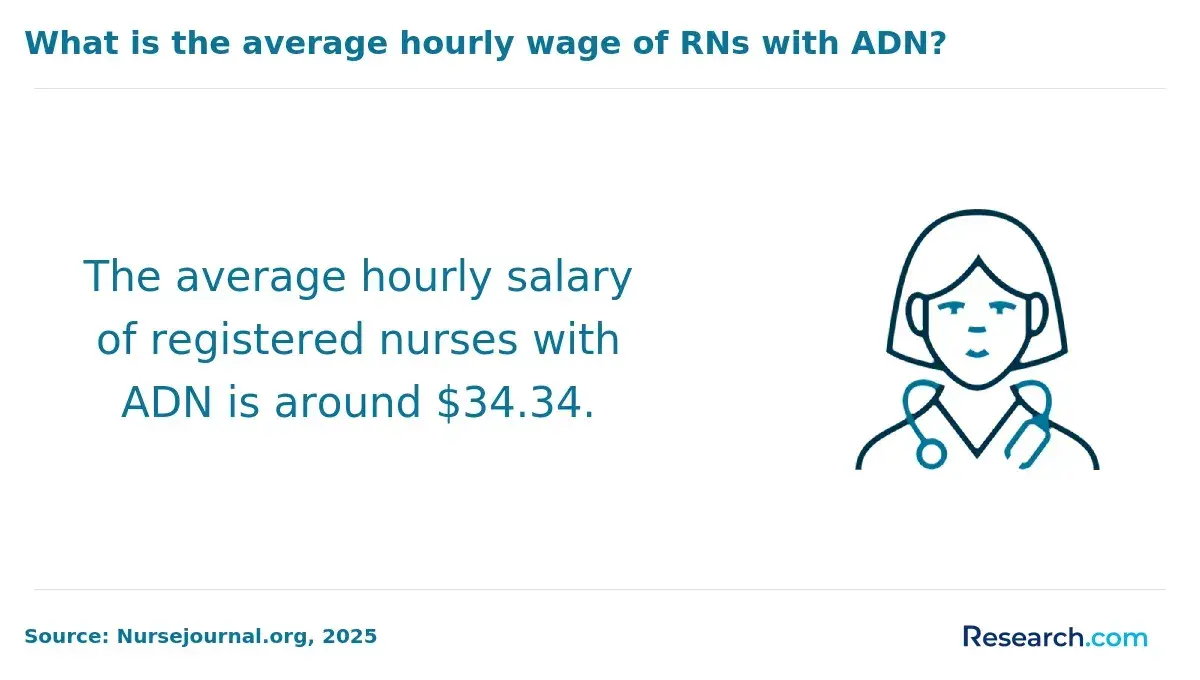
The average median pay for Associate Degree in Nursing (ADN) nurses in Mississippi is approximately $83,217 per year, or about $40.01 per hour. Salaries for ADN-prepared registered nurses in the state vary depending on several factors, including work experience, geographic location, healthcare setting, and employer type.
Understanding these influences is essential for prospective nurses exploring online and on-campus ADN programs. Key factors affecting ADN nurse salaries in Mississippi include:
- Level of Experience: Entry-level ADN nurses typically earn around $62,000 annually, while those with substantial clinical experience can make more than $98,000. Experience also enhances opportunities for promotions and shift differentials.
- Workplace Setting: Nurses employed in hospitals, especially specialized units, generally receive higher pay than those in clinics or long-term care facilities, with hospital roles often meeting or exceeding state averages.
- Geographic Location: Urban centers like Jackson offer higher wages due to demand and cost of living, contrasting with lower pay scales in rural areas.
- Specialization and Skills: Additional certifications in areas such as emergency or intensive care nursing can increase earning potential above the median.
- Shift Differentials and Overtime: Night shifts, weekends, and overtime work may add substantially to base compensation, sometimes increasing annual earnings by roughly $12,000.
Here's What Graduates in Mississippi Have to Say About Their ADN Degree
Completing the hybrid ADN program at Mississippi Delta Community College truly exceeded my expectations. Balancing online coursework with on-campus labs offered me the perfect flexibility and hands-on experience I needed. Once I started working in a local hospital, I felt well-prepared and confident to provide quality patient care. This program not only enhanced my nursing skills but also helped me grow personally by teaching resilience and time management. I feel proud to contribute positively to my community's health with the foundation I built here. Terrence
Enrolling in the fully online ADN program at East Central Community College was a game-changer for me. Being a single mom, the ability to study at my own pace allowed me to keep moving forward without having to put my family or goals on hold. Starting my career in home health facilities brought challenges but also immense satisfaction from helping people maintain their independence. The program equipped me with essential knowledge and communicated the importance of empathy in nursing. I'm grateful to have been part of an inclusive program focused on student success and community impact. Amina
Attending the on-campus ADN program at Hinds Community College helped me not only gain solid clinical skills but also develop strong professional connections. The supportive faculty and real-world clinical placements prepared me to enter the academic nursing industry with confidence. Reflecting on my journey, I appreciate how this degree opened doors for career advancement and continuing education opportunities. It has been fulfilling to witness how my role positively affects the well-being of young nursing students, encouraging me to keep learning and growing as a healthcare professional. Carlos
Related Articles for Nearby States
- 2027 Best ADN Nursing Programs in Louisiana: Online & Campus
- 2027 Best ADN Nursing Programs in Alabama: Online & Campus
- 2027 Best ADN Nursing Programs in Arkansas: Online & Campus
- 2027 Best ADN Nursing Programs in Tennessee: Online & Campus
- 2027 Best ADN Nursing Programs in Florida: Online & Campus
- 2027 Best ADN Nursing Programs in Missouri: Online & Campus
- 2027 Best ADN Nursing Programs in Georgia: Online & Campus
- 2027 Best ADN Nursing Programs in Kentucky: Online & Campus
- 2027 Best ADN Nursing Programs in Texas: Online & Campus
- 2027 Best ADN Nursing Programs in Indiana: Online & Campus
References
- Associate Degree Nursing Admission Requirements | East Central Community College https://www.eccc.edu/associate-degree-nursing-admission-requirements
- Associate Degree Hybrid Nursing https://meridiancc.edu/programs/career_and_technical_programs/division_of_nursing/hybrid_nursing/index.html
- Office of Nursing Workforce Scholarship - Mississippi Gulf Coast Community College https://mgccc.edu/onw-scholarship/
- Become a Nurse in Mississippi – Licensure & Requirements https://nursinglicensemap.com/states/mississippi-nursing-license/
- ADN Nurse Salary Guide https://nurse.org/education/ADN-nurse-salary/
- Best Mississippi Nursing Schools and Programs | NursingEducation https://nursingeducation.org/state/mississippi/
- Online Nursing Schools in MS: Finding Top Programs https://www.edumed.org/online-schools/nursing-rn-programs/mississippi/
- NELM – Nursing Education, MSN https://www.msfinancialaid.org/nelm/
- Associate Degree Nursing https://www.eastms.edu/programs/career-technical/associate-degree-nursing.html
Other Things You Should Know About ADN Nursing Programs in Mississippi
For 2027, the best ADN nursing programs in Mississippi include institutions like Mississippi Gulf Coast Community College and Hinds Community College. Both offer robust on-campus programs. For online options, Holmes Community College provides flexible pathways. Accreditation and NCLEX-RN pass rates are crucial factors in these rankings.
In 2027, top ADN programs in Mississippi include Hinds Community College in Raymond, Mississippi Gulf Coast Community College in Perkinston, and Northeast Mississippi Community College in Booneville. Each program is accredited, offers quality education, and prepares students for the NCLEX-RN exam.


