
2027 Best ADN Nursing Programs in Arkansas: Online & Campus

Co-Founder and Chief Data Scientist
Arkansas is seeing a steady increase in demand for registered nurses, with the state expecting nearly 4,000 new openings by 2028. Choosing an associate degree in nursing (ADN), whether online or on-campus, offers a practical path into this growing field. The flexibility of online programs combined with hands-on clinical experiences in local healthcare settings makes earning an ADN a smart investment.
This article breaks down what an ADN program in Arkansas really means. Crafted by career planning experts, it guides you through what to expect, what to look out for, and how to make informed decisions.
Key Benefits of ADN Programs in Arkansas
- Affordable tuition with many ADN programs in Arkansas costing under $6,000 per year, making nursing education accessible for most budgets.
- Flexible learning options including online classes combined with on-campus labs, allowing students to balance work, family, and studies effectively.
- Strong job placement rates after graduation, with Arkansas showing a 90%+ employment rate in nursing roles within six months, thanks to statewide demand.
- What is an Associate Degree in Nursing (ADN) in Arkansas?
- What are the admission requirements for ADN programs in Arkansas?
- How do ADN programs in Arkansas prepare students for the NCLEX-RN?
- How long are ADN nursing programs in Arkansas?
- How do online ADN programs in Arkansas compare to traditional ones?
- How do I know if an ADN program in Arkansas is accredited?
- How much does an ADN program cost in Arkansas?
- What financial aid options are available for ADN students in Arkansas?
- What can I do with an ADN in Arkansas after graduation?
- How much do ADN nurses earn in Arkansas?
What is an Associate Degree in Nursing (ADN) in Arkansas?
An Associate Degree in Nursing (ADN) is a solid stepping stone into the nursing world, built to get you ready for RN licensure through a mix of classroom learning and hands-on clinical training. ADN programs are designed to blend nursing theory and sciences with practical patient care, making sure you gain the skills needed to provide safe and compassionate care. These programs are a go-to for many because they balance academic knowledge with real-life nursing experience.
Here's a quick look at the types of ADN programs available based on how you can learn:
- On-campus ADN programs: These are the classic, in-person options where you attend classes and clinical sessions directly at the school and local healthcare sites. It's great if you prefer face-to-face interaction and structured schedules.
- Hybrid ADN programs: A mix of online and in-person learning, hybrid programs let you take theory classes online but require you to attend labs and clinicals in person. This is perfect for students juggling jobs or family responsibilities but still wanting some campus time.
- Online ADN programs: Fully online ADN paths are pretty limited in Arkansas because of the state's focus on in-person clinical training. Still, some programs offer non-clinical courses online combined with local clinical placements to keep things flexible yet compliant with ADN requirements in Arkansas.
If you want to dig deeper into nursing roles, is there a difference between FNP and AGNP is a great resource to check out.
What are the admission requirements for ADN programs in Arkansas?
ADN programs typically have selective admission processes to make sure applicants are prepared and ready for the challenges of nursing education. Here's a quick rundown of the common requirements you'll find whether you're looking at online or on-campus ADN programs.
- High School Diploma or GED: You'll need a high school diploma or its equivalent like a GED to prove you have the basic academic foundation needed for college-level study.
- Minimum GPA Standards: Most programs require a cumulative GPA of around 2.5 or higher, covering all your college coursework including transfer credits. This helps schools confirm that you're consistent and capable of handling the tough nursing curriculum.
- Completion of Prerequisite Courses: Before you get started, you'll usually need to finish key courses like anatomy, physiology, biology, and college-level math. Some programs also limit how many times you can retake these classes to ensure you truly understand the material.
- Entrance Exams: Many Arkansas nursing schools require passing scores on tests like the TEAS or the NLN exam. These tests check your skills in reading, math, science, and critical thinking, with passing scores generally between 58.7% and 70%. This is a key part of ADN program admission requirements in Arkansas and helps programs pick students most likely to succeed.
- Application Materials: You'll need to submit a completed application on time along with official transcripts and often letters of recommendation or personal statements. These documents give the school insight into your motivation and communication skills. This is important if you want to stand out and move forward in the process.
If you want to know more about related nursing career paths and what requirements are needed to become a womens health nurse practitioner, that's a helpful resource to check out.
How do ADN programs in Arkansas prepare students for the NCLEX-RN?
ADN programs in Arkansas are crafted to give students the right mix of knowledge, clinical skills, and critical thinking needed to pass the NCLEX-RN and become licensed registered nurses. Here's a quick look at the main ways these programs gear students up for success on the exam:
- Comprehensive Nursing Coursework: Students dive into core subjects like anatomy, pharmacology, and patient care, building a solid foundation that matches what they'll face on the NCLEX-RN. This thorough groundwork boosts confidence in handling test questions and real-world nursing situations.
- Simulation Labs and Clinical Rotations: Hands-on practice through labs and real patient care settings lets students apply what they've learned. These experiences sharpen clinical skills and prepare them to think on their feet during the exam and on the job.
- NCLEX-Style Test Preparation and Review Sessions: Practice tests and review sessions mimic the NCLEX format, easing test anxiety and helping students master tricky question styles. This familiarity makes a big difference come exam day.
- Evidence-Based Learning Strategies: Programs focus on critical thinking and applying the latest nursing research, so students develop strong reasoning skills essential for both the test and nursing practice.
- Faculty Mentorship and Academic Support: Experienced faculty guide students through challenges with advice, tutoring, and encouragement, ensuring no one feels stuck or overwhelmed before the big exam.
When I talked to a nurse from Arkansas who graduated from a local ADN program, he shared how the program's structure really helped him tackle the NCLEX. "The practice questions were tough but realistic," he said, "and the clinical rotations gave me the confidence to make decisions under pressure." He recalled feeling nervous before the exam but said, "Having mentors to lean on for study tips and encouragement made all the difference." His experience highlights how those programs don't just teach facts-they prepare you mentally and emotionally for nursing's challenges and the licensure exam ahead.
How long are ADN nursing programs in Arkansas?
Most Associate Degree in Nursing (ADN) programs in Arkansas usually take about two years to complete if you're studying full-time, typically spanning four semesters. If you're part-time, it might take longer depending on how many classes you can handle at once. Some schools even offer accelerated options, like 12-month bridge programs for licensed practical nurses already working in the field, while others have extended tracks for those juggling work, family, or other commitments.
This flexibility means you can find a pace that fits your life, whether you prefer traditional classes, hybrid formats, or some online courses. The time it takes to finish an ADN program also depends on a few key factors. Many programs require you to complete prerequisite courses before jumping into core nursing classes, which can add extra months.
Clinical training hours are a big part of the program too, involving hands-on practice that's spread throughout your study period. Plus, schools may offer evening or weekend classes to accommodate your schedule, which can influence how fast you move through the program.
How do online ADN programs in Arkansas compare to traditional ones?
Both online, hybrid, and traditional ADN programs in Arkansas prepare students for RN licensure but differ in how flexible they are, how classes are delivered, and how clinical training works. Here's a quick look at what sets these options apart:
- Learning Format: Traditional ADN programs happen mostly on campus with in-person lectures and labs, ideal if you like face-to-face interaction. Online and hybrid programs deliver lectures online, perfect for self-motivated students who need flexibility.
- Clinical Training: All students complete hands-on clinical hours, but traditional students usually get local placements arranged, while online and hybrid students often find or attend clinicals in their communities, which can be more flexible.
- Scheduling Flexibility: Online and hybrid formats allow you to study on your own time, great if you're juggling work or family. Traditional programs have fixed schedules needing regular attendance.
- Student Interaction: Traditional programs offer more in-person support and peer collaboration, whereas online and hybrid use virtual chats and sessions, which may feel isolating to some.
- Accessibility: Online and hybrid options are a lifesaver if you live far from campus or in rural areas, cutting down travel time. Traditional programs offer campus resources but aren't as easy to access remotely.
I chatted with a nurse who graduated from a hybrid ADN program at a local Arkansas school. She said balancing online classes with occasional campus visits allowed her to keep her full-time job and care for her family. "It wasn't always easy," she shared, "especially coordinating clinical rotations on my own, but having that mix of online flexibility and some face time made a huge difference." She appreciated the hands-on training she got during on-campus days and valued staying connected to instructors in person, something she felt online-only programs might lack. Overall, the hybrid route gave her the support and freedom she needed to succeed.
How do I know if an ADN program in Arkansas is accredited?
Accreditation is key for ADN programs in Arkansas because it guarantees the program meets the educational standards needed for RN licensure and ensures quality patient care. To confidently check if an ADN program is accredited, here are some straightforward steps you can take:
- Check Official Accreditation Databases: Look up national databases like the Accreditation Commission for Education in Nursing (ACEN) and the National League for Nursing Commission for Nursing Education Accreditation (NLN CNEA). These lists show accredited programs, confirming they meet recognized nursing education standards.
- Confirm State Board of Nursing Approval: The Arkansas State Board of Nursing keeps an updated list of approved ADN programs. Graduating from one of these approved programs is mandatory for RN licensure in Arkansas, so this step helps you avoid any programs that aren't legit.
- Visit the School's Official Website: Most accredited programs proudly display their accreditation status and state board approval right on their site. Check for clear info about their current accreditation and contact details for the accrediting agencies.
- Verify National or Regional Accreditation Agencies: Besides program accreditation, the school itself should be regionally accredited by bodies like the Higher Learning Commission (HLC) or Southern Association of Colleges and Schools (SACSCOC). This affects financial aid eligibility and credit transfers, so it's another important check.
- Review NCLEX-RN Pass Rates and Outcomes: Accredited programs often publish how many graduates pass the NCLEX-RN exam. High pass rates usually mean the program prepares students well and maintains quality standards.
- Contact the Admissions or Nursing Department Directly: If anything is unclear, don't hesitate to reach out and ask for written proof of accreditation and approval. Legit programs won't hesitate to share this info and guide you on verifying their status.
How much does an ADN program cost in Arkansas?
The cost of ADN programs can vary quite a bit depending on whether you go to a community college, public university, or private school, as well as how long the program takes and if you pay in-state or out-of-state tuition. Here are some of the key factors that influence the overall expense of earning an Associate Degree in Nursing:
- Tuition and Fees: This is usually the biggest chunk of the cost. In-state students at public schools pay much less than out-of-state students or those attending private colleges. For example, tuition at places like ASU Three Rivers hovers around $2,484 per semester for locals, but total costs can push higher depending on the school and program length.
- Books and Supplies: Expect to spend anywhere from $600 up to $1,800 or more on textbooks and other learning materials. Nursing students also need specific tools like stethoscopes and kits, which might be included in certain program fees but still add to your budget.
- Uniforms and Equipment: Nurses-to-be need uniforms, shoes, and sometimes lab coats, usually costing between $80 and $250 per program. Some schools also require accessories like watches with a second hand or penlights for clinical work.
- Clinical Expenses: Hands-on training means extra fees - think immunizations, background checks, drug screenings, and liability insurance. These costs can easily top $400, not to mention transportation to clinical sites.
- Living and Transportation Costs: Although not part of tuition, these everyday expenses for housing, food, and travel are a major factor in your overall budget. Students living on campus or commuting will feel the impact, but even online learners might encounter some travel or exam fees.
If you're exploring options, also consider that accredited programs open doors to financial aid and scholarships that can ease these expenses. For more specialized paths, you might check out the best online acute care nurse practitioner program to see what advanced nursing education looks like beyond the ADN level.
What financial aid options are available for ADN students in Arkansas?
Financial aid can make ADN programs a lot easier to afford by helping cover tuition, fees, and other education costs. If you're wondering what options are out there, here's a quick rundown of some of the main types of financial support available for ADN students in the state.
- Federal Student Aid: If your ADN program is accredited, you can apply for federal help like Pell Grants, Direct Subsidized and Unsubsidized Loans, or even Federal Work-Study by filling out the FAFSA. These options depend on your financial need and citizenship status, and it all kicks off each year starting October 1.
- State-Funded Grants and Scholarships: Arkansas offers targeted aid such as the ArFuture Grant, which pays for tuition and fees for qualifying nursing degrees at public schools, as long as you're a resident and plan to work in the state post-graduation. There's also the Arkansas Challenge Scholarship for recent grads and adults, with deadlines in January and July through the Arkansas Division of Higher Education.
- Institutional Scholarships: Many colleges, including Baptist Health College Little Rock, have scholarships geared toward ADN nursing students. These awards often consider your grades, test scores, and financial need, and typically require both their own application plus a FAFSA submission to apply.
- Private Nursing Scholarships: Various organizations, like the American Association of Colleges of Nursing and local healthcare foundations, provide scholarships based on merit, leadership, or specific criteria. It's smart to check with local hospitals, nursing groups, and state boards to spot all opportunities related to ADN nursing scholarships in Arkansas.
- Employer Tuition Assistance and Loan Forgiveness: Some healthcare employers in Arkansas offer tuition reimbursement or loan repayment programs if you commit to working with them after graduation. Plus, programs like the Faith A. Fields Nursing Scholarship Loan support students who want to teach nursing in Arkansas, which ties in nicely if you're curious about how to become a family nurse practitioner.
What can I do with an ADN in Arkansas after graduation?
ADN graduates in Arkansas are eligible to take the NCLEX-RN exam, opening the door to a variety of entry-level nursing jobs in Arkansas for ADN graduates across many healthcare settings. Once licensed, the career paths are diverse and offer solid opportunities for growth. Here are some common roles you might explore:
- Hospital Registered Nurse: Working in hospitals, ADN grads provide direct patient care, handle medications, and assist with diagnostics. This role exposes you to specialties like emergency or critical care, with shift differentials and overtime often boosting earnings.
- Long-Term Care/Skilled Nursing Facility RN: These nurses support residents in nursing homes or rehab centers by managing chronic conditions and coordinating daily care. It's a stable role that offers paths into supervisory positions over time.
- Outpatient Clinic RN: In outpatient clinics or doctor's offices, ADN nurses perform patient assessments, educate on preventive care, and help with routine follow-ups. This option usually provides regular hours and can lead to specialization in fields like pediatrics or cardiology.
- Home Health Nurse: Providing care at patients' homes after hospital stays or for chronic illness management, this role offers flexibility and autonomy. You could focus on specialties such as hospice or pediatric home care.
- School Nurse: Serving in schools, these nurses handle student health concerns, manage chronic illnesses, and conduct health education, typically enjoying a school calendar schedule.
If you're looking to take your career further, many Arkansas ADN nurses also pursue career advancement opportunities for Arkansas ADN nurses by enrolling in RN-to-BSN programs, available in both campus and flexible online formats that suit working professionals. Some programs even offer scholarships and tuition reimbursement, making it easier to advance without breaking the bank. For extra info, check out this helpful resource on online RN pathways.
How much do ADN nurses earn in Arkansas?
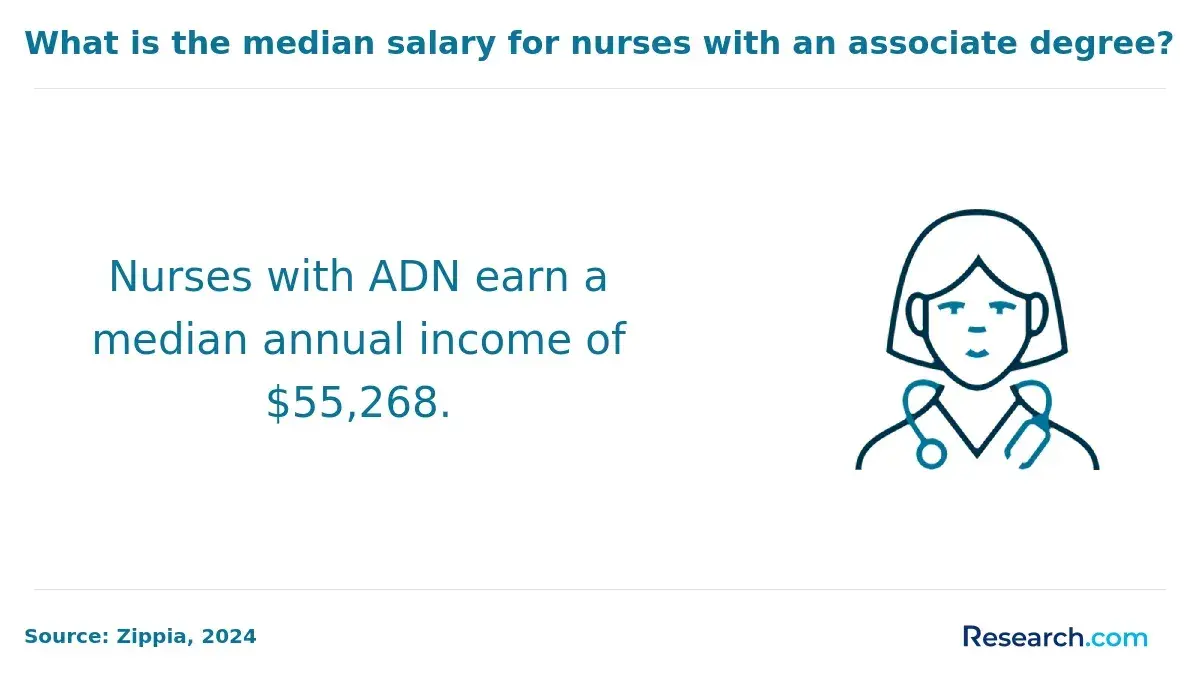
The average median pay for Associate Degree in Nursing (ADN) nurses in Arkansas is around $34.93 per hour, which works out to about $72,658 annually. However, salaries can shift quite a bit depending on factors like experience, where you work, the healthcare setting, and who your employer is. Here's a quick look at what influences ADN nurse earnings across the state:
- Level of Experience: New nurses usually start on the lower end, making about $26 per hour, while seasoned pros can earn over $41 per hour. More experience and additional training open doors to higher pay and specialty roles.
- Workplace Setting: Hospital jobs tend to pay more, with salaries ranging roughly from $63,800 to $96,800 annually. Careers in clinics or long-term care usually come with lower pay but might offer a steadier schedule.
- Geographic Location: Urban areas like Little Rock and Fayetteville generally provide higher wages, often between $70,000 and $78,000 a year, while rural spots often stick closer to the state median.
- Specialization: Nurses focusing on areas like emergency or intensive care can command more pay thanks to extra certifications and responsibilities.
- Shift Differentials: Working nights, weekends, or holidays can boost hourly pay significantly through shift differentials, making those shifts more lucrative for many ADN nurses.
Here's What Graduates in Arkansas Have to Say About Their ADN Degree
- Completing the online ADN program at Arkansas State University was a game changer for me. It allowed me to balance work and family while advancing my education without relocating. Transitioning into a nursing role within a local hospital was seamless thanks to the program's strong emphasis on practical skills and clinical experience. I am grateful for the support from instructors who truly cared about my success and for the flexibility the program offered. This journey has fueled my passion for providing compassionate care in my community. Carla
- Attending the hybrid ADN program at Pulaski Technical College gave me a unique blend of on-campus instruction and remote learning that fit perfectly with my busy schedule. Starting my nursing career in a home health care setting has been incredibly rewarding as I get to work closely with patients in their own environments, helping improve their quality of life. The program's focus on both theory and hands-on experience prepared me well for the challenges of nursing in Arkansas. It also strengthened my confidence and professional outlook in a growing field with solid job stability. I believe this education has opened many doors for my future advancement. Jordan
- Choosing the on-campus ADN program at NorthWest Arkansas Community College was an eye-opening experience that expanded my perspective both personally and professionally. Engaging with classmates and faculty in person helped me build meaningful connections and community ties. After graduation, I began working in an academic health organization where I contribute to the well-being of young patients, which is deeply fulfilling. The program's comprehensive curriculum and the supportive environment challenged me to grow and develop critical nursing skills. I'm proud to be part of the wave of nurses helping to meet Arkansas's healthcare needs. Drew
Related Articles for Nearby States
- 2027 Best ADN Nursing Programs in Missouri: Online & Campus
- 2027 Best ADN Nursing Programs in Oklahoma: Online & Campus
- 2027 Best ADN Nursing Programs in Tennessee: Online & Campus
- 2027 Best ADN Nursing Programs in Mississippi: Online & Campus
- 2027 Best ADN Nursing Programs in Louisiana: Online & Campus
- 2027 Best ADN Nursing Programs in Texas: Online & Campus
- 2027 Best ADN Nursing Programs in Kentucky: Online & Campus
- 2027 Best ADN Nursing Programs in Kansas: Online & Campus
- 2027 Best ADN Nursing Programs in Alabama: Online & Campus
- 2027 Best ADN Nursing Programs in Illinois: Online & Campus
References:
- Associate of Applied Science in Nursing LPN/LPTN/LVN to RN Transition https://www.uaht.edu/academics/aas-nursing-rn.php
- University of Central Arkansas | UCA https://uca.edu/online/rn-to-bsn/
- ADN Nurse Salary Guide https://nurse.org/education/ADN-nurse-salary/
- Associate Degree in Nursing https://uafs.edu/adn/index.php
- Was it worth continuing education for nurses to get their BSN vs the ADN/ASN? https://www.incrediblehealth.com/nurse-advice/questions/608b6494/was-it-worth-continuing-education-for-nurses-to
- School of Nursing https://www.astate.edu/college/conhp/departments/nursing/
- Tuition & Fees | East Arkansas Community College | Forrest City, AR https://www.eacc.edu/tuition-and-fees
- Registered Nursing Program - Black River Technical College https://blackrivertech.edu/college-coursework/academic-units/allied-health/nursing/registered-program/
- Bachelor of Science in Nursing - Options https://nursing.uark.edu/programs/bsn-options/
- Become a Nurse (AAS Degree) - Associate of Applied Science in Nursing https://ualr.edu/nursing/become-a-nurse/
Other Things You Should Know About ADN Programs in Arkansas
To choose the best ADN Nursing programs in Arkansas for 2027, consider factors like NCLEX pass rates, accreditation, clinical placement opportunities, faculty qualifications, and student support services. Additionally, reviewing student and alumni feedback can provide insights into the program's effectiveness and support.
Admission requirements for 2027 ADN nursing programs in Arkansas typically include a high school diploma or GED, a minimum GPA (often around 2.50), completion of prerequisite coursework, and passing scores on entrance exams like the TEAS. Some programs also require letters of recommendation and a personal statement.


