
2027 Best ADN Nursing Programs in Illinois: Online & Campus

Co-Founder and Chief Data Scientist
Illinois stands at the crossroads of opportunity for aspiring nurses, with over 17,000 nursing job openings projected annually through 2030. An associate degree in nursing (ADN), whether earned online or on-campus, offers a practical gateway into this high-demand field. The blend of flexibility and foundational education equips students to step confidently into the complex landscapes of healthcare. Pursuing an ADN here is more than a credential; it's an investment in a dynamic career amid evolving patient needs and technological advances.
This article unpacks what an associate degree in nursing in Illinois truly entails. Crafted by seasoned career planning experts, it guides readers through the ADN journey-clarifying expectations, critical considerations, and strategic decisions. It empowers future nurses to navigate options with insight and precision, setting the stage for informed, purposeful choices years ahead.
Key Benefits of ADN Programs in Illinois
- Illinois ADN programs blend tech-savvy online flexibility with hands-on campus labs, letting students juggle life and learning effortlessly while maintaining a 92% NCLEX pass rate.
- Cost-effective options abound, with many public community colleges charging under $5,000 annually, making top-tier nursing education accessible without crushing debt.
- The state's thriving healthcare scene offers rich clinical placements, giving ADN students immersive experiences that turbocharge job prospects across Illinois' hospitals and clinics.
- What is an Associate Degree in Nursing (ADN) in Illinois?
- What are the admission requirements for ADN programs in Illinois?
- How do ADN programs in Illinois prepare students for the NCLEX-RN?
- How long are ADN nursing programs in Illinois?
- How do online ADN programs in Illinois compare to traditional ones?
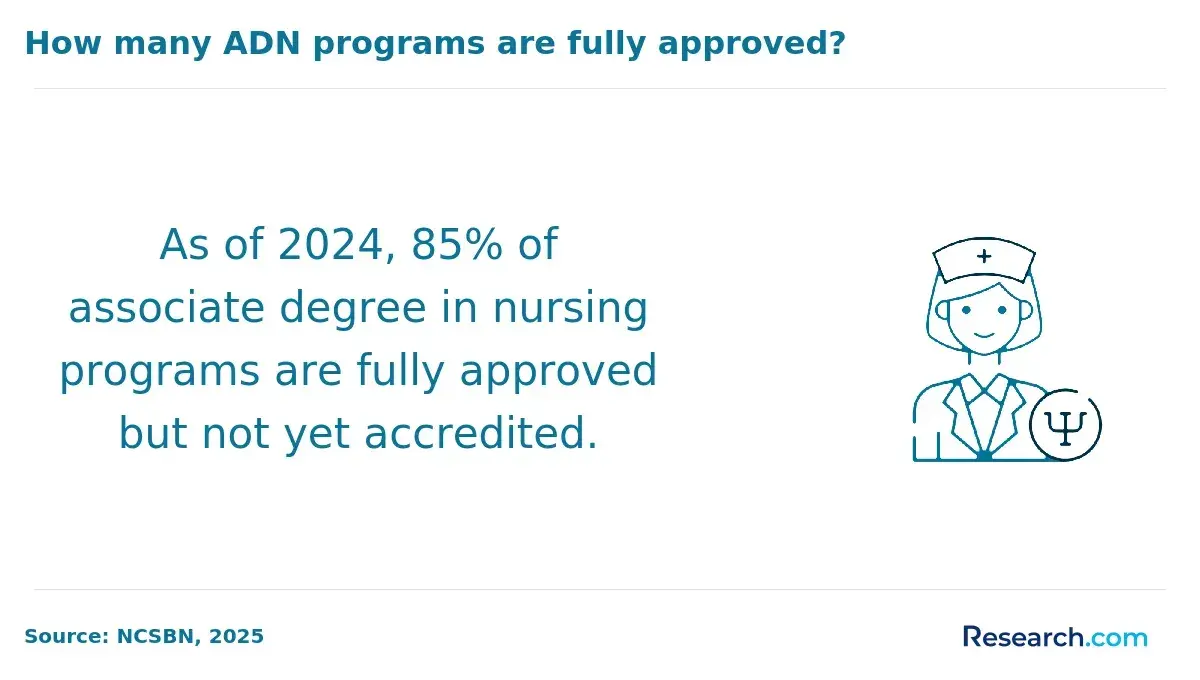
- How do I know if an ADN program in Illinois is accredited?
- How much does an ADN program cost in Illinois?
- What financial aid options are available for ADN students in Illinois?
- What can I do with an ADN in Illinois after graduation?
- How much do ADN nurses earn in Illinois?
What is an Associate Degree in Nursing (ADN) in Illinois?
An Associate Degree in Nursing (ADN) serves as a vital launching pad into the nursing profession, sculpting aspiring registered nurses through a meaningful blend of academic coursework and immersive clinical training. ADN programs in Illinois skillfully interweave classroom instruction with hands-on experience, sculpting students who are fluent in patient care, safety protocols, communication, and critical thinking-the core skills that define modern nursing practice. To navigate the landscape of ADN nursing requirements in Illinois, it helps to know the range of program formats available, tailored to diverse lifestyles and learning preferences.
- On-Campus ADN Programs: Traditional and immersive, these programs engage students in face-to-face lectures and extensive clinical rotations at local healthcare facilities. The in-person environment fosters direct mentorship and real-time patient care experience, ideal for those who thrive in structured settings and crave community connections within the nursing field.
- Hybrid ADN Programs: Offering a clever fusion of digital and physical learning, hybrid programs allow students to tackle theoretical coursework online while committing to scheduled in-person clinical labs. This format is well-suited for those balancing work or family, blending flexibility with indispensable hands-on practice.
- Online ADN Programs: Although fully online ADN programs are rare in Illinois due to mandatory clinical training, online courses often cover prerequisite and general education classes. These digital components support accelerated pathways, especially for licensed practical nurses aiming to advance, while ensuring clinical skill integrity through locally arranged practicums.
For those curious about how to start as a psychiatric nurse practitioner, pursuing an ADN remains a foundational stepping stone with various program options that respect different learning needs and schedules.
What are the admission requirements for ADN programs in Illinois?
ADN programs in Illinois employ selective admission processes to ensure applicants are academically prepared and capable of managing the demands of nursing education. These requirements form the backbone of evaluating who is ready to embark on a nursing journey. Here are the key admission prerequisites commonly expected:
- High School Diploma or GED: This foundational credential verifies that applicants possess the basic educational background necessary for college-level study and nursing coursework, setting a solid base for future learning.
- Completion of Prerequisite Courses: Prospective students often must complete essential courses such as English, math, anatomy and physiology, psychology, and nursing assistant training with satisfactory grades. These prerequisites ensure candidates have critical knowledge and skills before advancing.
- Minimum GPA Standards: Programs typically require a cumulative GPA between 2.5 and 2.75, reflecting consistent academic performance. This benchmark helps schools assess an applicant's ability to handle rigorous nursing content.
- Standardized Entrance Exams: Many ADN applicants take tests like the ATI TEAS or HESI to evaluate their academic readiness across reading, science, math, and English. Minimum passing scores usually range from 60% to 70%, serving as an extra layer of assessment.
- Application Packet Submission: A complete application includes transcripts, proof of prerequisites, exam results, and sometimes letters of recommendation or personal statements. These materials give insight into the applicant's qualifications and motivation for nursing.
Additional requirements may include background checks, drug screening, and health verifications to maintain safety and compliance with healthcare regulations. For LPN-to-ADN bridge students, verification of Illinois licensure and experience is essential. Integrating these elements, both online and on-campus ADN programs in Illinois uphold standards that position students for success. Students can explore financial aid options and program accreditation as part of their preparation. To understand potential career outcomes, learn more about adult gerontology nurse practitioner salary paths related to advanced nursing education.
How do ADN programs in Illinois prepare students for the NCLEX-RN?
Associate Degree in Nursing (ADN) programs in Illinois intricately weave knowledge, clinical skill, and critical thinking into a comprehensive preparation fabric designed to elevate students toward passing the NCLEX-RN and becoming licensed registered nurses. Below are the key pillars shaping their NCLEX readiness:
- Comprehensive Nursing Coursework: Curricula immerse students in core nursing concepts, pharmacology, and patient care, constantly refreshed to mirror the evolving NCLEX framework, ensuring fluency in clinical judgment and real-world scenarios.
- Simulation Labs and Clinical Rotations: By blending hands-on practice with realistic simulations in healthcare settings, programs transport students from textbook theory to the frontline of patient care, cultivating assessment skills and confidence under expert supervision.
- NCLEX-Style Test Preparation and Review Sessions: Adaptive, timed quizzes and case-based reviews mimic exam rigor, sharpening test-taking strategies and easing exam anxiety through familiarization with Next Generation NCLEX formats.
- Evidence-Based Learning Strategies: Interactive cases and problem-based exercises deepen understanding beyond memorization, encouraging clinical reasoning crucial for sound nursing decisions.
- Faculty Mentorship and Academic Support: Personalized guidance through mentorship and tutoring builds tailored study plans and nurtures resilience, helping students navigate challenges toward exam success.
One Illinois nurse shared how the ADN program at a local school became a cornerstone in their NCLEX journey. "The simulation labs felt like stepping into the real ward before the real thing," they recalled. Facing early doubts, the adaptive practice tests calibrated their pace and boosted their stamina, transforming anxiety into focus. Mentors didn't just teach facts-they modeled confidence and helped tailor study techniques that matched personal learning rhythms. This layered support, the nurse explained, made the NCLEX feel less like an insurmountable hurdle and more like a challenge they were prepared to conquer.
How long are ADN nursing programs in Illinois?
Most Associate Degree in Nursing programs in Illinois unfold over about two years when pursued full-time, a timeline designed to seamlessly blend classroom theory with clinical practice. This typical duration spans four semesters but can flex like a reed in the wind-some institutions offer accelerated paths that fast-track seasoned healthcare hopefuls, while others stretch the journey to accommodate part-time learners juggling life's many hats. Whether on campus, online, or somewhere in between, the structures invite adaptability without compromising the rigor necessary to meet Illinois' licensure standards. It's a carefully choreographed dance between pacing and proficiency, allowing each student's tempo to shape their educational journey.
The stretch or shrink of an ADN program often waltzes with prerequisites, clinical hour requirements, and the ebb and flow of scheduling options. For those stepping in without foundational courses-like anatomy or psychology-the clock ticks longer as these essentials are layered in. Clinical placements add another rhythm, sometimes clustering intensely in blocks or weaving through evenings and weekends, crafting a mosaic of hands-on learning that shapes readiness. Each program's timeline is a strategic balance, forging nurses who are not just book-smart but battle-tested through real-world practice, prepared to take that crucial step into Illinois' healthcare frontline.
How do online ADN programs in Illinois compare to traditional ones?
Online, hybrid, and traditional ADN programs in Illinois all gear students toward RN licensure but reveal contrasting worlds in how learning is structured and delivered. These differences shape who thrives in each setting and influence daily routines. Let's explore how they stack up:
- Learning Format: Online and hybrid programs leverage digital platforms for lectures, appealing to self-motivated learners who juggle life's demands. Traditional paths immerse students on campus, ideal for those who absorb best through face-to-face interaction and hands-on labs.
- Clinical Training: Clinical hours are non-negotiable and happen in person for all, but hybrids demand more personal scheduling and travel, unlike traditional programs that coordinate placements more tightly.
- Scheduling Flexibility: Online and hybrid offerings empower part-time and asynchronous study, easing the balance of work and family, while traditional formats lock in fixed, full-time campus hours.
- Student Interaction: Digital dialogue in online formats can feel distant, hybrids blend screen time with occasional campus visits, and traditional programs thrive on daily peer and instructor engagement.
- Accessibility: Online and hybrid routes open doors for students in remote Illinois areas by shrinking commute obstacles, whereas traditional routes may limit options for those far from campus.
When I spoke with a nurse who graduated from a hybrid ADN program at a local Illinois school, she described the experience as a "carefully choreographed dance" between independence and community. "Balancing online classes with real-world clinicals wasn't easy-there was a relentless push to self-manage," she said, "but the flexibility helped me keep my job and family life intact." She recalled moments where coordinating clinical placements demanded tenacity, contrasting with friends in traditional programs whose schedules felt more predictable. Yet, despite the occasional isolation of virtual learning, she valued the handshake between worlds: "Hybrid gave me control without cutting me off from hands-on learning, and that blend shaped me into a confident nurse ready for any shift."
How do I know if an ADN program in Illinois is accredited?
Accreditation is the gatekeeper for nursing programs in Illinois, ensuring each ADN offering meets strict educational standards needed for RN licensure and delivering quality patient care. To confidently choose a legit program, consider these crucial checkpoints:
- Check National Accreditation Databases: Start by exploring the Accreditation Commission for Education in Nursing (ACEN) online directory. This up-to-date database confirms if an Illinois ADN program holds national accreditation, a must for sitting the NCLEX-RN exam and transferring credits.
- Confirm State Board of Nursing Approval: Illinois requires ADN programs to have approval from the Illinois Department of Financial and Professional Regulation (IDFPR). This seal means the program meets state educational and licensure preparation standards.
- Visit the School's Official Website: Accredited programs proudly display their status online, often alongside NCLEX-RN pass rates and graduation stats. Reviewing these details offers insight into program quality and transfer options.
- Verify National and Regional Accreditation Agencies: Look beyond ACEN to agencies like the Commission on Collegiate Nursing Education (CCNE) or regional bodies recognized by federal authorities. Proper accreditation affects eligibility for financial aid and graduate programs.
- Review NCLEX-RN Pass Rates and Program Outcomes: Programs maintain federally or state-mandated pass rates to stay accredited. Consistently high pass rates reveal a school's commitment to effective nursing education.
How much does an ADN program cost in Illinois?
The cost of ADN programs in Illinois can shift quite a bit depending on whether you're enrolling in a community college, a public university, or a private institution, as well as the program length and whether you qualify for in-state tuition. The average tuition for nursing schools in Illinois is only one piece of the financial puzzle. Here are the major cost factors shaping the total price tag of an ADN degree.
- Tuition and Mandatory Fees: This is the lion's share of what you'll pay-varying widely by residency and school type. For in-state students, community colleges offer the most budget-friendly rates, while private schools may charge steeply higher fees per credit hour, pushing the total tuition upward.
- Books and Academic Supplies: Imagine a treasure trove of textbooks, e-resources, and study tools that can range from affordable essentials to pricey digital bundles. These materials are necessary brain fuel that can add hundreds to a couple thousand dollars to your upfront costs.
- Uniforms and Equipment: Nursing isn't just theory; it's hands-on practice embellished with crisp uniforms and essential gadgets. Costs here include your scrubs, stethoscopes, watches, and name badges-each a small but vital investment in your professional appearance and function.
- Clinical and Health-Related Expenses: The gateway to real-world nursing experiences requires background checks, immunizations, and screenings. These medical and administrative hoops can add a couple hundred dollars, varying with each program's specific needs.
- Licensure and Exam Fees: Crossing the finish line means passing the NCLEX-RN exam and securing your Illinois RN license, each accompanied by fees like fingerprinting and background checks-essential payments toward the badge of your new career.
- Technology and Learning Resources: In this digital age, owning or accessing a laptop, e-reader, and specialized online platforms is almost a no-negotiable. These geek-friendly necessities can cost several hundred dollars, supporting your studies both inside and outside the classroom.
- Living and Transportation Costs: Whether you're chasing clinical hours across town or logging in remotely, the price of housing, food, and travel plays a subtle yet persistent role. Budgeting for these essentials is key to navigating your ADN journey smoothly.
- Other Program-Specific Fees: Think of this as the fine print-exam prep subscriptions, liability insurance, and admission test fees that uniquely pepper each program's financial landscape. They might not be headline costs but collectively shape your educational investment.
For those curious about advancing their nursing education further, exploring what are the best 12 month family nurse practitioner programs could uncover new pathways beyond the ADN.
What financial aid options are available for ADN students in Illinois?
Financial aid can dramatically ease the cost burden of ADN programs in Illinois by covering tuition, fees, books, and supplies. Let's explore the main financial aid avenues open to nursing students navigating their way through these programs.
- Federal Financial Aid: This lifeline includes the Pell Grant, Federal Supplemental Educational Opportunity Grant (FSEOG), and federal loans. Students unlock these funds by submitting the FAFSA, which evaluates financial need and eligibility for accredited ADN programs whether online or on-campus.
- Illinois Nursing Education Scholarship Program (NESP): A powerful state-sponsored boost, this scholarship supports Illinois residents willing to commit to serving the state's healthcare system after graduation. Applying requires FAFSA submission during the yearly March-April window and meeting financial need criteria.
- Illinois Monetary Award Program (MAP): MAP dispenses need-based grants to Illinois residents enrolled in approved colleges, including ADN tracks. By filing the FAFSA and demonstrating financial need, students can receive grants that cover tuition and mandatory fees for both online and campus formats.
- Institutional Scholarships: Many Illinois colleges hand out scholarships tailored to ADN hopefuls, rewarding academic excellence, leadership, need, or diversity. Programs such as those at the University of Illinois Chicago require FAFSA and additional forms, including options for DACA and international students.
- Private Nursing Scholarships: Funded by foundations and professional groups, these awards range from $500 to $3,000+ and demand essays or letters of recommendation. They champion ADN students enrolled in accredited programs of all formats, enriching the pool of nursing scholarships for ADN programs in Illinois.
- Employer Tuition Assistance: Certain healthcare employers invest in their future workforce by offering tuition reimbursement or sponsorships. These opportunities often ask for a post-graduation work commitment, providing valuable financial support for both part-time and full-time ADN students.
Students seeking to enhance their credentials beyond ADN pathways might consider post MSN certificate programs to further strengthen their nursing careers.
What can I do with an ADN in Illinois after graduation?
ADN graduates in Illinois are eligible to take the NCLEX-RN exam and can step into diverse entry-level nursing roles across multiple healthcare environments. These positions offer a launching pad into the nursing workforce, each with distinct responsibilities and room for growth. Explore the main career pathways that open up after completing an ADN in Illinois:
- Registered Nurse (RN) in Hospitals: Focus on direct patient care, medication administration, and team collaboration in fast-paced hospital settings. Many new nurses enter residency programs that sharpen clinical skills and set the stage for specialty training or leadership roles.
- Long-Term Care and Skilled Nursing Facilities: Provide care plans, conduct assessments, and oversee nursing assistants for elderly or chronically ill patients. This area offers hands-on experience and pathways to supervisory or specialized nursing careers.
- Outpatient Clinics and Ambulatory Care: Support patient education and routine medical procedures in clinics, fostering ongoing patient relationships with more predictable hours compared to hospital shifts.
- Home Health and Hospice Nursing: Deliver personalized care at patients' homes, focusing on recovery, pain management, and emotional support for terminally ill individuals.
- Behavioral Health and Mental Health Facilities: Assist patients with psychiatric or substance use disorders through monitoring, medication administration, and supportive interventions.
- Occupational Health and Corporate Clinics: Provide health education, first aid, and injury management in workplace settings, contributing to employee wellness programs.
- Specialty Areas and Advanced Training: Move into focused departments like emergency, dialysis, or surgical units, often supported by hospital orientation programs for new graduates.
- Nursing Education and Instruction: Experienced RNs can transition into teaching roles within CNA or LPN programs, mentoring future nurses and sharing clinical expertise.
Many ADN graduates pursue ADN to BSN programs in Illinois to expand their career horizons and access greater opportunities. For those interested in behavioral nursing specialties, an affordable online PMHNP degree program can be a strategic next step.
How much do ADN nurses earn in Illinois?
The average median pay for ADN-prepared registered nurses in Illinois is approximately $85,146 per year, but actual salaries can vary widely depending on experience, geographic location, healthcare setting, and employer type. These variables weave together to shape the financial landscape for ADN nurses across the state. Below are the core factors influencing how much ADN nurses in Illinois typically earn.
- Level of Experience: Entry-level nurses often start near $63,500 annually, while seasoned professionals with a decade or more may exceed $100,800, reflecting progressive skill mastery and responsibility.
- Workplace Setting: Hospital-based nurses, especially in urban centers, usually earn above the state median, whereas those in nursing homes or outpatient clinics tend to see lower wages.
- Geographic Location: Metropolitan areas like Chicago offer higher hourly rates, sometimes surpassing $48, while rural regions generally offer pay closer to the state's 25th percentile.
- Specialization and Advanced Roles: Expertise in critical care or similar high-demand fields can boost earnings, even within ADN licensure boundaries.
- Shift Differentials and Overtime: Premiums for nights, weekends, and holidays, plus overtime opportunities, often add significant income beyond base salaries.
Here's What Graduates in Illinois Have to Say About Their ADN Degree
- Completing the online ADN program at Prairie State College allowed me to balance my studies with family responsibilities in a way I never thought possible. The flexibility helped me stay focused and confident while gaining all the essential nursing skills. After graduating, starting my career in a Chicago hospital matched perfectly with my passion for acute care and providing hands-on support to diverse patients. This experience showed me how vital adaptable learning methods are, especially in the fast-paced healthcare industry. I feel prepared and optimistic about advancing my nursing career in Illinois. Ken
- Attending the hybrid ADN program at Kishwaukee College gave me a unique blend of classroom learning and practical clinical experience. Being able to engage in person while still having some online coursework ensured I stayed connected with my instructors and peers. Working now with community health organizations has deepened my commitment to public health, especially in underserved areas. The personal growth I experienced throughout the program taught me resilience and inspired me to contribute positively to people's well-being. Pursuing nursing here in Illinois has been both a challenge and a rewarding journey. Jia
- My on-campus ADN program at Black Hawk College truly shaped my professional development. Immersed in a supportive environment with experienced faculty, I gained the confidence to enter the academic nursing field. Starting work in a local educational organization has allowed me to mentor aspiring nurses and foster a positive impact on future generations. The consistency and strong community ties the program offered made me appreciate the stability and career opportunities available to ADN graduates in Illinois. This degree opened doors I didn't expect and continues to motivate my growth. Isa
Related Articles for Nearby States
- 2027 Best ADN Nursing Programs in Indiana: Online & Campus
- 2027 Best ADN Nursing Programs in Wisconsin: Online & Campus
- 2027 Best ADN Nursing Programs in Iowa: Online & Campus
- 2027 Best ADN Nursing Programs in Missouri: Online & Campus
- 2027 Best ADN Nursing Programs in Kentucky: Online & Campus
- 2027 Best ADN Nursing Programs in Michigan: Online & Campus
- 2027 Best ADN Nursing Programs in Minnesota: Online & Campus
- 2027 Best ADN Nursing Programs in Ohio: Online & Campus
- 2027 Best ADN Nursing Programs in Tennessee: Online & Campus
- 2027 Best ADN Nursing Programs in Arkansas: Online & Campus
References:
- Best Nursing Schools in Illinois - ADN, BSN - Updated https://www.registerednursing.org/state/illinois/
- Associate Degree Nursing (ADN)-Registered Nurse | Southeastern Illinois College https://sic.edu/academics/programs-by-department/nursing/nursing-program/associate-degree-nursing-adn-registered-nurse/
- Online ADN Programs with Financial Aid: Which Schools Offer It? https://www.edumed.org/online-schools/associate-nursing-programs/financial-aid/
- Nursing (ADN) Hybrid Online Full-Time - AAS Degree - John A. Logan College https://www.jalc.edu/nursing-adn-hybrid-online-full-time-aas-degree/
- Associate Degree Nursing (ADN) | South Suburban College https://www.ssc.edu/academics/programs-of-study/nursing/adn-program/
- Registered Nurse - Illinois Central College https://icc.edu/programs/registered-nurse/
- RN to BSN https://onlinenursing.uic.edu/online-programs/rn-bsn/
- Admission Requirements https://nursing.uic.edu/programs/master-science-for-non-rns/apply-now/admission-requirements/
- Average Registered Nurse Salary in Illinois https://www.incrediblehealth.com/salaries/rn/il
- B.S. in Nursing (RN to BS) | Online Programs | Northern Illinois University https://www.niu.edu/online/undergraduate-programs/bs-nursing.shtml
Other Things You Should Know About Becoming a Nurse in Illinois
ADN programs in Illinois include clinical experiences that cover areas like pediatrics, medical-surgical nursing, and community health, providing hands-on training at hospitals and clinics. These experiences are designed to build skills in real-world healthcare settings, essential for nursing proficiency.
Yes, many ADN programs in Illinois offer transfer pathways to BSN programs. These pathways are often designed in collaboration with universities to ensure that your credits are recognized, facilitating a smoother transition for advancing your nursing education.


