2027 Cheapest Online Data Science Bachelor's Degrees That Pay Well: Tuition, Duration, and Earnings

Co-Founder and Chief Data Scientist
Many working professionals with non-technical backgrounds face the challenge of switching careers into data science without incurring crippling debt or interrupting their income streams. Online data science bachelor's programs offer flexible options, but costs vary widely, and graduates seek degrees with strong earning potential to justify their investment. According to the Bureau of Labor Statistics, employment in data science is projected to grow 31% from 2020 to 2030, emphasizing the importance of affordable credentials in this high-demand field. This article examines the cheapest accredited online data science bachelor's degrees that deliver competitive tuition, program length, and salary outcomes to guide informed decisions.
Key Benefits of the Cheapest Online Data Science Bachelor's Degree That Pays Well
- Affordable online data science bachelor's degrees reduce student debt by offering lower tuition and financial aid options, with median costs often below $15,000, enabling faster return on investment.
- Flexible program structures accommodate working adults, allowing part-time study or accelerated courses to balance career demands and skill acquisition within two to four years.
- Graduates from accredited programs report strong average starting salaries near $70,000, benefiting from industry connections and global networking opportunities essential for career advancement.
What Are the Most Affordable Accredited Online Data Science Bachelor's Degree Programs Available Today?
Accreditation ensures that affordable online data science bachelor's degree programs meet rigorous educational standards, enhancing their credibility and value. It impacts credit transferability, eligibility for federal aid, and employer recognition, which are crucial when selecting low-cost options. Below are five accredited institutions known for offering some of the most affordable online data science bachelor's degrees with approximate in-state tuition rates:
- Western Governors University: This university uses a competency-based learning model charging around $3,920 per six-month term. The flexible pace allows students to accelerate their studies and potentially reduce time to degree completion.
- Fort Hays State University: FHSU offers a Bachelor of Science in data science at about $218 per credit hour in-state. Its curriculum focuses on practical skills in analytics and statistics aligned with current workforce needs.
- Valdosta State University: Tuition is approximately $225 per credit hour for in-state students. Their program combines computer science fundamentals with data management, preparing graduates for diverse professional roles.
- University of North Dakota: UND's in-state tuition is near $354 per credit hour, emphasizing interdisciplinary training in statistics, programming, and domain expertise.
- Texas A&M University-Commerce: Charging roughly $317 per credit hour in-state, TAMU-Commerce offers flexibility and strong faculty support, with programs tailored toward industry applications.
The most affordable accredited online data science bachelor's degree programs often feature flexible learning formats such as competency-based education or accelerated schedules to lower total costs and duration. Mid-range programs may offer higher tuition but include expanded resources, research opportunities, or specialized tracks. Balancing price with features like transfer credit policies, financial aid, and program alignment with career goals is key. For those seeking online edd programs affordable, similar principles apply when evaluating cost-effectiveness and quality in graduate education.
How Does Tuition Cost for Online Data Science Bachelor's Programs Compare Across Public and Private Universities?
Tuition Rate Differences
Public universities generally charge between $250 and $500 per credit for online data science bachelor's programs, benefiting from state funding. Private nonprofit institutions, relying more heavily on tuition revenue, often set higher rates ranging from $400 to $900 per credit. These rates reflect core cost differences in the tuition comparison for online data science bachelor's programs.
Total Program Cost Variation
Despite higher per-credit fees, private universities may offer accelerated or shorter program structures, sometimes making their total tuition comparable to or even less than that of public institutions. For instance, a private university's 120-credit curriculum might be completed faster than a 130-credit public university degree, balancing costs despite steeper credit prices.
State Resident Benefits
Residency status significantly impacts affordability at public universities. In-state students can pay less than half the tuition of out-of-state peers, a discount that often makes public institutions especially attractive locally. However, non-residents may encounter tuition rates close to or exceeding those at private universities, affecting the cost differences between public and private universities for data science degrees.
Program Delivery and Scale
Larger public universities leverage scale, enrolling many online students with primarily asynchronous instruction to lower costs. Conversely, private schools emphasize personalized teaching and flexible schedules, which can raise fees but offer benefits like smaller class sizes and stronger support services.
Financial Aid and Scholarships
Private nonprofit schools frequently provide more merit-based aid and scholarships, narrowing the tuition gap with public options. Qualifying students may effectively lower net tuition, making private programs more affordable than sticker prices imply. Prospective students can also explore related fields to broaden their options, such as psychology degrees online.
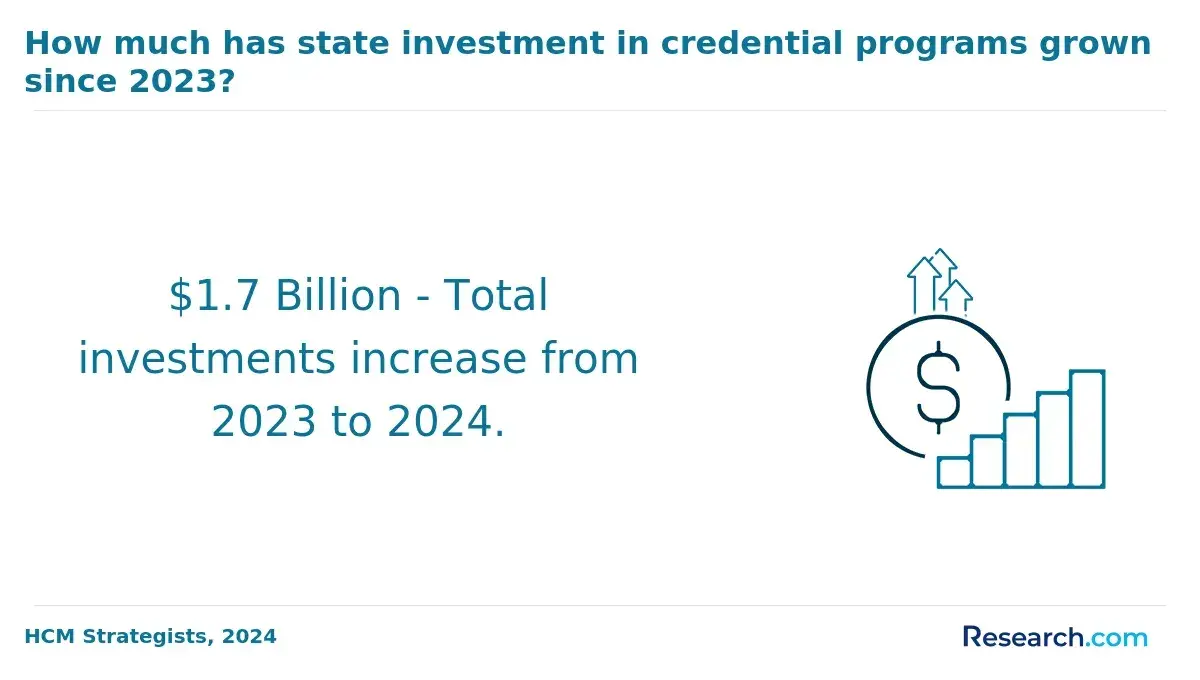
2026 Update: Hidden Online Learning Costs to Check Before Enrolling
For the 2026 refresh, we added a practical cost-check angle beyond advertised tuition so students can better compare affordable online data science bachelor’s programs by total out-of-pocket expense.
- Technology requirements, including laptop specifications for coding, statistics, and machine learning coursework
- Software, cloud computing, database, or virtual lab access fees not included in tuition
- Online course fees, student service fees, graduation fees, or digital materials charges
- Proctored exam costs, identity verification fees, or testing center requirements
- Optional or required bootcamps, capstone tools, portfolio platforms, or certification exam preparation
- Internship, project, or practicum expectations that may affect work schedules or transportation costs
Checking these items before applying helps students identify the truly cheapest program, not just the one with the lowest tuition rate.
What Is the Typical Duration of an Online Data Science Bachelor's Degree, and How Can Students Graduate Faster?
The majority of online data science bachelor's programs follow a standard requirement of roughly 120 credit hours, designed to cover essential foundational courses, major-specific curriculum, and general education. Typically, full-time students complete this credit load over four years by attending traditional fall and spring semesters.
- Credit Structure: Most degrees mandate around 120 credits, blending core subjects with electives to ensure comprehensive knowledge. This setup usually means finishing in four years for those enrolled full time during standard semesters.
- Accelerated Eight-Week Terms: Some universities shorten semester lengths to intensive eight-week sessions. This model lets students concentrate on fewer classes simultaneously but take more classes each year, effectively trimming overall degree time.
- Year-Round Enrollment: Offering courses in fall, spring, and summer sessions allows continuous study without long breaks. By taking advantage of all terms, students can reduce their time-to-degree by several months up to a full year.
- Competency-Based Learning: Schools like Western Governors University use this approach, emphasizing skill mastery over seat time. Students advance by demonstrating knowledge, often finishing degrees within 2.5 to 3 years by progressing at their own pace.
- Cost and Earnings Impact: Completing sooner lowers tuition spending and decreases lost income opportunities by enabling graduates to enter the workforce earlier. Accelerated paths provide financial and career benefits in data science's competitive environment.
A professional who enrolled in an online data science bachelor's program shared insights about the experience. He described balancing work, family, and studies as a "juggling act" that demanded strong self-motivation and time management. He noted the challenge of staying disciplined without regular campus schedules, saying, "You have to create your own structure, which was tough but rewarding." The flexibility of online, accelerated options allowed him to tailor coursework around his life, speeding up completion when possible. Reflecting on the journey, he emphasized that despite the hurdles, finishing faster helped him transition into his new career more confidently and with less financial strain.
Which Online Data Science Bachelor's Programs Offer the Best Earning Potential After Graduation?
Careers linked to data science bachelor's graduates, such as computer and information research, software development, and data analysis, rank among the highest median salaries according to the Bureau of Labor Statistics Occupational Outlook Handbook. Programs focusing on specializations like artificial intelligence, machine learning, or big data analytics generally open doors to better-paying positions within the industry. Additionally, institution-specific data from IPEDS and university career reports show that graduates of accredited online programs emphasizing practical experience often achieve superior starting salaries.
Real-world projects, internships, and industry collaborations not only enhance skills but also improve job placement and earning potential. For students considering the best earning potential data science degrees in the U.S., flexibility in transfer credits and strong financial aid can reduce debt, boosting overall net income after graduation. It's important to weigh these financial aid opportunities alongside tuition and program length to optimize return on investment.
- Specialization Impact: Concentrations in artificial intelligence and big data analytics correlate with higher median salaries due to strong market demand for these skills.
- Accreditation Benefits: Graduates from well-accredited institutions with transparent outcomes reporting often command better salaries reflecting employer confidence in their education.
- Industry Experience: Practical internships and partnerships enhance networking and employability, directly influencing earning potential.
- Transfer Credit Flexibility: Permit quicker, cost-effective degree completion, helping students reduce expenses and graduate sooner.
- Salary Range: Median earnings for data science bachelor's grads usually fall between $65,000 and $90,000, depending on specialization and institution quality.
Students looking to balance cost and outcomes might compare offerings with other fields, such as an online criminal justice degree, to understand tuition variation and earning prospects.
What Financial Aid and Scholarship Opportunities Are Available for Online Data Science Bachelor's Students?
Online students pursuing data science degrees can access several financial aid options designed to lower educational expenses. The Free Application for Federal Student Aid (FAFSA) serves as the gateway to federal assistance, including Pell Grants and subsidized loans. According to the College Board's 2023 Trends in Student Aid, more than 70% of undergraduates benefit from some form of aid, with Pell Grants averaging about $4,900 annually for eligible students. These grants are particularly beneficial since they do not require repayment.
Many institutions also offer merit- and need-based scholarships targeting online learners and data science majors specifically. Additionally, state grants provide extra funding for those enrolled in public online universities or attending schools in their home state, though availability and amounts differ widely. Professional associations such as the Data Science Association and the Association for Computing Machinery provide scholarships aimed at early-career students, often emphasizing academic performance or efforts to increase diversity in the field.
It is crucial for students to seek out free aid options like grants and scholarships before considering loan funding to limit future debt. Recent trends highlight increasing scholarship opportunities for women and underrepresented minorities in STEM disciplines, aligning with broader diversity initiatives.
- Federal Pell Grants: Non-repayable grants allocated based on financial need via FAFSA, supporting low- and moderate-income students.
- Institutional Scholarships: Awards provided by universities for academic merit and leadership among online data science students.
- State-Based Grants: Financial aid available to residents attending eligible in-state or online public universities, varying by location.
- Professional Association Scholarships: Targeted aid from industry groups promoting skilled data science professionals, often focusing on academic excellence or diversity.
- Maximize Gift Aid First: Prioritize grants and scholarships over loans to reduce debt and improve educational ROI.
A professional who completed her online Data Science master's degree described the financial aid landscape as initially overwhelming but ultimately rewarding. She shared that navigating numerous applications required patience and organization, yet the scholarships and grants she secured alleviated much of the financial stress. "I found that dedicating time early to research and apply for as many scholarships as possible really paid off," she reflected. Her experience underscores how proactive efforts can unlock valuable resources, making online data science programs more accessible and affordable for working adults balancing career and education.
How Many Transfer Credits Can Online Data Science Bachelor's Programs Accept, and From Which Institutions?
Transfer credit acceptance varies considerably among online data science bachelor's programs, significantly impacting both tuition expenses and the length of study. Some institutions permit as few as 30 transferred credits, while others accept as many as 90, potentially covering almost three years of coursework. This variance offers important opportunities to reduce time and cost when choosing a program.
Many universities prioritize credits from regionally accredited colleges, with an emphasis on STEM-related coursework relevant to data science. Programs like Western Governors University permit transfer credits for up to 75% of degree requirements, incorporating coursework, CLEP exam results, and military training via the Joint Services Transcript. Southern New Hampshire University allows up to 90 transfer credits, including professional certifications and standardized exams, enabling faster completion.
Prospective students should conduct a comprehensive review of their prior academic credits and training before applying. Collecting transcripts and documentation ensures they identify all transferable credits, minimizing repetitive classes and lowering education costs. Early consultation with transfer advisors promotes clearer understanding of acceptance policies and optimized pathways.
Recent studies indicate that about 64% of students in online bachelor's programs utilize transfer credits, underscoring the growing relevance of flexible credit policies in expanding access and affordability.
- Wide Credit Range: Accepted transfer credits span from 30 to 90, with higher allowances drastically shortening degree duration and lowering tuition.
- Accreditation Focus: Credits from regionally accredited institutions and relevant STEM coursework are typically prioritized for data science majors.
- CLEP and Military Credits: Many programs recognize CLEP and military training credits, providing a streamlined path especially for veterans and non-traditional students.
- Pre-Application Audits: Evaluating past credits early helps students avoid redundant courses and maximize transfer benefits.
- Growing Utilization: Over 60% of online undergraduates benefit from transfer credits, highlighting their critical role in cost-effective degree completion.
What Accreditation Should an Online Data Science Bachelor's Program Have to Ensure Quality and Employer Recognition?
Accreditation is a critical factor when selecting an online data science bachelor's program, influencing both the quality of education and acceptance by employers and graduate schools. Regional accreditation is generally more prestigious and widely recognized, stemming from organizations like the Higher Learning Commission (HLC), the Southern Association of Colleges and Schools Commission on Colleges (SACSCOC), and the New England Commission of Higher Education (NECHE). These accreditors evaluate schools on stringent academic criteria, providing assurance of a credible degree.
Currently, few data science bachelor's programs hold specialized programmatic accreditation, so institutional regional accreditation remains the key indicator of program quality. Prospective students should be wary of programs accredited only at the national level or lacking accreditation, as credits from such institutions may not transfer easily, and their degrees could be viewed less favorably by employers.
It is advisable to verify a school's accreditation status through the U.S. Department of Education's online accreditation database before enrolling. With online bachelor's degree enrollment rising by 21% over recent years, due diligence on program legitimacy has become increasingly important for ensuring both educational value and career outcomes.
- Regional Accreditation: Regional accreditors like HLC, SACSCOC, and NECHE uphold rigorous academic standards widely respected by employers and graduate programs.
- Limited Programmatic Accreditation: Most data science degrees lack specialized accreditation, so institutional regional accreditation remains the main quality benchmark.
- Risks of National or No Accreditation: Programs with only national accreditation or no accreditation risk credit transfer issues and diminished employer recognition of degrees.
- Accreditation Verification: Confirm program legitimacy through the U.S. Department of Education's accreditation database before committing.
- Growth in Online Education: A 21% increase in online bachelor's degree enrollment underscores the need to carefully evaluate accreditation for quality assurance.
What Are the Admission Requirements for the Cheapest Online Data Science Bachelor's Programs?
Admission standards for the cheapest online data science bachelor's degree programs usually require a high school diploma or GED to confirm completion of secondary education. Many affordable programs set a minimum GPA of about 2.0 to 2.5 on a 4.0 scale, although some schools with open-admission policies waive this threshold entirely. Standardized tests like the SAT or ACT are increasingly optional or not required, aligning with broader trends that facilitate easier access and encourage diverse applicants. Applicants pursuing online data science bachelor's program application criteria may also need prerequisite courses in introductory math, statistics, or computer science to prepare for degree coursework. However, some low-cost programs provide foundational classes to help students without these prerequisites.
Open-admission or rolling-admission policies are common among the most affordable programs, offering flexible entry without stringent application barriers. This accessibility benefits non-traditional learners and working professionals seeking efficient pathways. In contrast, selective programs typically demand higher academic standards but often provide more robust academic support services and may carry greater prestige in the job market. For applicants who don't initially meet requirements, strengthening applications with relevant work experience, extra coursework, or compelling recommendation letters can improve chances. Transfer credit options may also enable advanced standing, reducing time and expenses.
Students interested in accelerating their education might explore a masters in 6 months, which complements a bachelor's degree well for career advancement.
- Academic Credentials: Most programs require a high school diploma or GED and a minimum GPA around 2.0 to 2.5, but some open-admission schools do not enforce strict GPA cutoffs.
- Standardized Tests: SAT or ACT scores are often optional or waived in affordable programs, reducing obstacles to admission.
- Prerequisite Courses: Foundational math or computer science courses are usually required, though some programs provide remediation for those lacking prerequisites.
- Admission Policies: Open and rolling admissions increase accessibility, while selective schools offer stronger academic support but higher entry standards.
- Application Strengthening: Gaining work experience, completing extra coursework, or submitting strong recommendations enhances admission chances if minimum standards are unmet.
What Concentrations or Specializations Are Available Within Affordable Online Data Science Bachelor's Degree Programs?
Affordable online data science bachelor's degree concentrations often include specialized tracks tailored to distinct industry demands and career roles. Choosing the right specialization can enhance graduates' job prospects and earning potential, supported by Bureau of Labor Statistics (BLS) insights. Many accredited online data science programs allow students to align their studies with market trends and personal interests for better outcomes.
- Data Analytics: Focuses on analyzing complex datasets to generate actionable business insights. Graduates typically enter roles such as data analysts or business intelligence specialists, with median salaries between $65,000 and $85,000 and favorable job growth outlooks.
- Machine Learning and Artificial Intelligence: Emphasizes algorithm development and predictive modeling. Careers in this track, like machine learning engineer or AI researcher, often exceed $100,000 annually but may require extra certifications to advance professionally.
- Big Data Engineering: Covers management of large-scale data infrastructure with technologies such as Hadoop and Spark. This specialization prepares students for data engineer positions, commanding median salaries of $90,000 to $110,000 amid growing industry demand.
- Statistical Modeling: Concentrates on mathematical and statistical techniques critical for rigorous data analysis, leading to roles in research, financial analytics, or actuarial science. Some positions may necessitate additional licenses or credentials.
- Business Data Science: Integrates data science with strategic business applications to optimize decision-making processes. Graduates pursue jobs like management analysts or operations research analysts, combining technical expertise with strong communication skills.
Understanding these specialization options within affordable online data science bachelor's degree concentrations helps students make informed decisions that align with long-term career goals. For working professionals considering further study, programs often offer transfer credit flexibility and financial aid. Additionally, exploring the fastest masters degree online can be a strategic next step after completing a bachelor's.
Can Students Earn College Credit Through CLEP, DSST, or Prior Learning Assessments in Online Data Science Bachelor's Programs?
Many affordable online data science bachelor's programs grant students the opportunity to earn college credit through CLEP, DSST, and Prior Learning Assessments (PLA), which recognize existing knowledge and experience. These options can significantly reduce both the duration and cost of completing the degree by allowing students to test out of foundational courses. Programs with the most accommodating PLA policies often accept 30 to 45 credits from portfolio submissions, professional experience, or military training that align with academic standards.
The American Council on Education (ACE) plays a crucial role by evaluating and endorsing credit recommendations for various military and workplace learning programs, which many universities incorporate into their credit transfer policies. Students seeking PLA credit must provide thorough documentation such as detailed portfolios, course descriptions, resumes, and certifications to support evaluators in assessing relevant learning outcomes. Institutions known for flexible PLA provisions typically offer clear guidelines and dedicated advising to streamline the credit approval process.
- Credit Flexibility: CLEP, DSST, and PLA allow students to bypass many required courses, potentially awarding up to 45 credits and shortening time to degree completion.
- ACE Credit Evaluation: ACE's nationally recognized credit recommendations facilitate acceptance of military and workplace training in data science-related fields.
- Documentation Standards: Students must submit portfolios, resumes, or certificates outlining their prior learning for credit consideration through PLA.
- Institutional Support: Leading programs provide clear PLA policies and personnel support to assist students in navigating credit approval.
- Cost and Time Reduction: Utilizing these credit options helps lower tuition expenses and accelerates graduation without compromising academic quality.
What Is the Return on Investment (ROI) of Earning a Cheap Online Data Science Bachelor's Degree?
Return on investment (ROI) in higher education evaluates the financial benefit of earning a degree by subtracting the total cost-including tuition and fees-from the projected lifetime earnings gained as a result of the credential. For data science degrees, credible sources like the Georgetown University Center on Education and the Workforce and Payscale College ROI data show that these programs tend to outperform average bachelor's degrees in salary growth and long-term earnings potential.
Calculating ROI involves comparing the upfront educational expenses against expected increases in earnings over 10- and 20-year career spans. Affordable online data science degree programs often present an especially strong ROI because of their lower costs combined with high demand and salaries in the field. These programs enable learners to minimize debt while maximizing earning potential, making them well-suited for career changers or working professionals seeking growth.
- Clear ROI Calculation: Measuring ROI means weighing total program costs against anticipated earnings gained due to the degree, which clarifies the economic advantage of the investment.
- Reliable Benchmarks: Data from Georgetown University and Payscale consistently show data science graduates enjoy higher salary increases and better ROI than average college graduates.
- Cost-Effective Programs: Low tuition expenses paired with strong salary outcomes improve ROI considerably within 10 to 20 years post-graduation.
- Long-Term Gains: Over two decades, earnings gains typically surpass initial costs, providing substantial financial benefits throughout a data science career.
- Program Features Influence ROI: Selecting accredited programs with flexible credit transfers and financial aid can further reduce costs and enhance overall return.
What Graduates Say About Earning the Cheapest Online Data Science Bachelor's Degree That Pays Well
- Jireh: "I chose the online data science bachelor's degree program because it offered the flexibility I needed to balance work and studies. The affordable tuition made it possible to pursue my passion without financial strain. Since graduating, I've seen a clear acceleration in my career opportunities and confidence in handling complex data projects."
- Henrik: "Reflecting on my journey, the reason I opted for this program was its strong curriculum and practical approach. The cost was reasonable compared to traditional programs, which made it easier to commit fully. The skills I gained have not only enhanced my resume but also empowered me to contribute meaningfully to data-driven decisions at my company."
- Weston: "The biggest draw for me was the program's reputation and the ability to learn at my own pace. It was cost-effective, especially considering the quality of education and resources provided. Completing the online data science bachelor's degree has had a profound impact on my career, opening doors to roles I previously thought unattainable."
Other Things You Should Know About Data Science Degrees
When assessing the affordability and earning potential of online data science bachelor’s degrees in 2027, key factors include tuition costs, program duration, graduation rates, job placement support, and post-graduation salaries. Furthermore, consider accreditation and industry connections, which can enhance career prospects and program value.
In 2027, affordable online data science bachelor's programs typically charge between $150 to $300 per credit hour. Despite the lower tuition, these programs often lead to competitive earnings, as they provide essential skills sought after in the job market.
Yes, some fully online data science bachelor's programs charge a single flat tuition rate regardless of a student's state residency. These programs aim to increase accessibility by removing out-of-state tuition premiums, which can significantly reduce costs for students living outside the institution's home state. It's important to verify residency policies before enrolling as they vary between schools.
The cost per credit hour for online data science bachelor's degrees can range widely but generally falls below the national average for on-campus STEM programs due to reduced overhead. Affordable online programs often charge between $200 and $400 per credit hour, which is competitive when compared to the national average, offering a cost-effective path to a high-demand degree.
References
- Top Online Schools That Accept Transfer Credits https://www.edvisorly.com/student-guides/online-schools-that-accept-transfer-credits
- Pros And Cons Of Online Data Science Degree https://pwskills.com/blog/online-data-science-degree/
- 15 Best Online Colleges that Accept Transfer Credits - College Educated https://collegeeducated.com/online-degrees/online-colleges-accept-transfer-credits/
- Online Degrees: Are They Respected by Employers? https://en.sorumatik.co/t/online-degrees-are-they-respected-by-employers/320066
- 7 Legit Ways to Earn College Credit Outside the Classroom https://www.scholaro.com/db/News/ways-to-earn-college-credit-outside-the-classroom-295
- Does College Pay Off? A Comprehensive Return On Investment Analysis - FREOPP https://freopp.org/whitepapers/does-college-pay-off-a-comprehensive-return-on-investment-analysis/
- Best Online Data Science Bachelor's Degree Programs, Jobs, and Salaries https://careerkarma.com/blog/best-online-data-science-bachelors-degrees/
- Data Science Certifications and Institutional Accreditation | DASCA https://www.dasca.org/
- Prior Learning Assessment | Webster University https://www.webster.edu/admissions/undergraduate/prior-learning.php
- Online Data Science Degrees That Employers Value Most - Online Schools Report https://www.onlineschoolsreport.com/valuable-data-science-degrees/