
2027 How Long Does It Take to Be a Teacher in Arizona?

Co-Founder and Chief Data Scientist
Becoming a teacher in Arizona offers a rewarding path with promising prospects. The state reported a 10% increase in demand for educators over the past five years, making teaching a stable career choice. Arizona’s diverse classrooms create enriching environments for professionals eager to make a difference. Understanding the time commitment to earn certification and classroom readiness is crucial for aspiring teachers.
This article explores how long it takes to become a teacher in Arizona, guided by experts in career planning. Readers will find clear, reliable information to navigate their journey into education successfully and confidently.
Key Things to Know About How Long It Takes to Be a Teacher in Arizona
- Completing a bachelor's degree and an approved teacher preparation program in Arizona usually takes about 4 to 5 years, setting a solid academic foundation.
- Passing the Arizona Educator Proficiency Assessments (AEPA) and background checks can add a few months but are essential steps to obtain your teaching certification.
- New teachers often start with an interim or preliminary certificate, allowing classroom experience while fulfilling additional requirements, which may extend the full certification process by 1 to 2 years.
- How long does it take to earn a teaching degree in Arizona?
- How long does teacher certification take in Arizona?
- Do career changers take less time to become teachers in Arizona?
- Do advanced degrees shorten the teacher certification process in Arizona?
- Are online programs speeding up the process of becoming a teacher in Arizona?
- Do elementary and secondary teachers have different timelines in Arizona?
- How can I specialize as a physical education teacher in Arizona?
- How long is the probationary teaching period in Arizona?
- How much does it cost to complete the education requirements in Arizona?
- How long after certification can you get hired as a teacher in Arizona?
- How does a teacher's salary in Arizona increase over the career timeline?
How long does it take to earn a teaching degree in Arizona?
The time it takes to earn a teaching degree in Arizona can vary based on several factors, such as whether a student studies full-time or part-time, the specific education program structure, and whether the student has prior college credits. Most aspiring teachers pursue a traditional bachelor's degree in education, which typically follows a consistent timeline but allows some flexibility depending on individual circumstances. Exploring the Arizona teacher education program length reveals a journey that balances foundational learning with practical experience.
- Full-Time Bachelor’s Degree Enrollment: Most students complete a bachelor’s degree in education in about four years of full-time study, following a standard undergraduate timeline.
- General Education Requirements: The first two years focus on general coursework such as math, science, writing, and humanities along with introductory education classes.
- Education Major Coursework: The final two years dive into specialized courses in teaching theory, instructional methods, classroom management, and subject-specific pedagogy.
- Field Experiences and Practicum: Supervised fieldwork begins around the junior year, starting with observation and progressing to hands-on practicum assignments in K–12 classrooms.
- Student Teaching Semester: The degree culminates in a full-time student teaching placement lasting roughly 12 to 16 weeks, where students take on real classroom responsibilities under certified mentor supervision.
- Graduation and Degree Conferral: After completing coursework and student teaching, students earn a Bachelor of Arts or Science in Education, which qualifies them for standard teacher certification.
For those curious about the how long to get a teaching degree in Arizona or seeking information on the Arizona teacher education program length, this traditional pathway remains the most common. To explore options for studying online, you might find valuable insights by checking what is the best bachelors in education online.
How long does teacher certification take in Arizona?
The teacher certification timeline in Arizona varies widely depending on your prior education, the certification route you select, and the specific requirements you must meet. Whether you’re embarking on the traditional path starting with a bachelor’s degree or pursuing alternative routes designed for fast-tracking experienced candidates, understanding each step can help you navigate how long to become a certified teacher in Arizona.
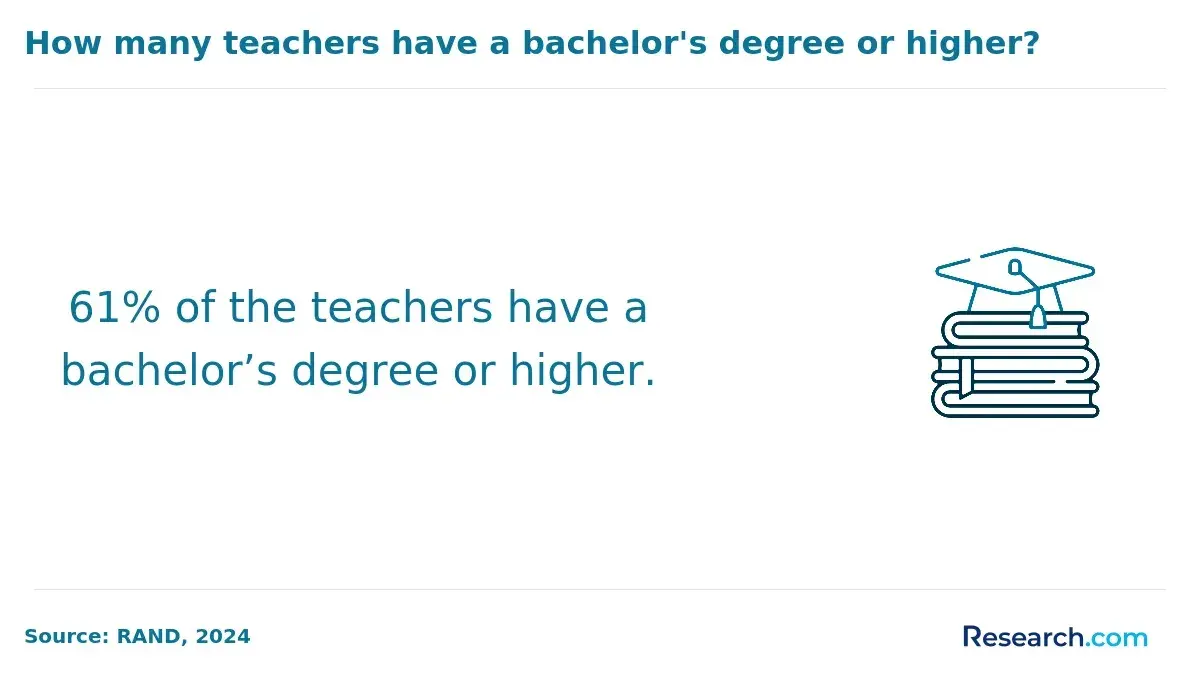
- Completing a Bachelor’s Degree: A traditional education degree typically requires four years of full-time study. If you already have a bachelor’s degree, accelerated programs can shorten teacher preparation to 9–24 months, enabling candidates to jump-start their teaching careers.
- Finishing an Approved Educator Preparation Program (EPP): Completing an EPP involves coursework and supervised student teaching. Traditional student teaching lasts one semester (3-4 months), but some alternative programs condense this experience into shorter timeframes.
- Passing Certification Exams: Candidates must pass the Arizona Educator Proficiency Assessments or National Evaluation Series exams. Time to study and schedule exams can add weeks or months, although some candidates may be eligible for waivers based on experience or advanced degrees.
- Meeting Constitution Requirements: Coursework or exams on the U.S. and Arizona Constitutions are mandatory. Provisional certificates offer up to three years to complete these requirements, but social studies teachers must comply within one year.
- Obtaining Fingerprint Clearance: A fingerprint clearance card from the Arizona Department of Public Safety requires a criminal background check and usually takes 2 to 6 weeks to process.
- Submitting Application and Documentation: After fulfilling all requirements, candidates submit their application to the Arizona Department of Education. Review and approval times vary but typically span several weeks.
For those seeking the ultimate quality online education programs, accelerated options are available that allow certification in as little as 9 to 12 months. This flexibility makes the teacher certification timeline in Arizona adaptable to your own pace and background, revolutionizing how long to become a certified teacher in Arizona.
Do career changers take less time to become teachers in Arizona?
Alternative certification pathways in Arizona offer a creative shortcut for professionals from other fields eager to step into classrooms quicker than traditional routes allow. These programs cleverly blend prior experience and flexible training, opening doors to teaching with less waiting time and more on-the-job learning.
- Teaching While Completing Coursework: Candidates often begin full-time teaching as the official classroom teacher while finishing their pedagogical studies. This blend of earning a salary and gaining experience accelerates readiness without the wait of completing all coursework first.
- Waivers Based on Prior Education: Holding a bachelor’s degree in a relevant area can exempt candidates from some content exams or classes, letting them focus on teaching skills instead of redundancies. This targeted acceleration trims weeks or months off the timeline.
- Accelerated Program Options: Fast-paced, often online programs let candidates complete certification requirements in just 8 to 12 weeks, followed by a paid teaching year. Such structures contrast sharply with the usual multi-year traditional preparation.
- Flexible and Online Coursework: Asynchronous classes allow career changers to learn on their own schedule, a vital benefit when juggling existing jobs or family commitments.
When I spoke with a teacher from Arizona who switched careers after graduating from a local university, he reflected on this accelerated yet demanding path. “It wasn’t just about moving fast,” he said thoughtfully, “but balancing the thrill of stepping into a real classroom with the pressure of coursework still looming. The support from the district and mentors made all the difference, but some nights I doubted if I could keep up.” His experience underscored how these alternative routes are as much journeys of resilience as of time-saving innovation, with challenges met one day at a time toward a rewarding goal.
Do advanced degrees shorten the teacher certification process in Arizona?
Holding a master’s or doctoral degree can open exciting shortcuts in Arizona’s teacher certification process. These advanced degrees not only reflect a deeper knowledge but also unlock options to speed up your path to the classroom, cutting through some usual hurdles. Here are some of the ways advanced degrees may shorten the certification process in Arizona:
- Waiving Prerequisite Coursework: If you hold a master's or doctoral degree, especially in education or a related content field, you may skip certain prerequisite courses typically required. This is especially beneficial for Career and Technical Education certification, where your degree and experience can replace formal coursework, saving you time.
- Eligibility for Accelerated Certification Programs: Advanced degrees often qualify candidates for faster certification routes lasting about 9 months. These programs concentrate on essential teaching skills through an intensive curriculum tailored for those with prior academic and professional backgrounds.
- Reduced Student Teaching Requirements: Candidates with substantial graduate coursework or professional experience might face fewer student teaching hours. Demonstrating proficiency and actual teaching experience can help you move swiftly from provisional certification to full licensure.
- Alternative Pathways for Subject Experts: Principals can recommend certification for candidates with advanced degrees and significant experience, bypassing some standard steps. This option addresses critical teacher shortages by placing skilled educators more rapidly in classrooms.
Are online programs speeding up the process of becoming a teacher in Arizona?
Flexible, online teacher preparation programs are transforming the speed at which candidates become certified teachers in Arizona. By blending remote learning, self-paced modules, and hands-on teaching, these programs offer a faster, more accessible path to the classroom than traditional routes.
- Self-Paced Coursework – Candidates can complete coursework at their own speed, skipping the rigid timelines of standard academic calendars. Many finish required modules in as little as one to three months, accelerating their journey toward certification.
- Condensed Program Formats – Some universities offer fast-track online or hybrid options, shrinking multi-year degrees into just one year. This intense format allows candidates to earn advanced degrees alongside certification more quickly than ever before.
- Concurrent Teaching and Coursework – Online alternative routes enable candidates to teach full-time under provisional certification while finishing online classes. This simultaneous approach means gaining practical experience and income without delay.
- Remote Access to Required Courses – Candidates statewide can take essential endorsement classes online without relocating or commuting, smoothing out logistical hurdles and saving time.
- Flexible Scheduling – Asynchronous learning lets students fit studies around jobs and family commitments, minimizing downtime and fast-tracking completion for motivated individuals.
I spoke with a teacher from Arizona who graduated through a local program and reflected on how the online structure accelerated her certification. “Balancing my full-time job and family was tough,” she recalled, “but being able to log in late at night and work through lessons at my own pace made a huge difference.” She described how teaching on a provisional license while completing coursework gave her invaluable hands-on experience and brought in a steady paycheck, easing financial stress. “Without the online option, I’m sure it would have taken me much longer to get certified,” she said. Her journey highlights how these flexible programs are not just speeding up timelines but also making the path to becoming a teacher in Arizona more manageable and less overwhelming.
Do elementary and secondary teachers have different timelines in Arizona?
The journey to becoming an elementary or secondary teacher in Arizona shares a common foundation: earning a bachelor’s degree, completing a state-approved teacher preparation program with at least 12 weeks of student teaching, and passing required state exams. Both pathways usually take about four years for traditional students. However, elementary candidates focus on foundational subjects and literacy, including mandatory literacy coursework introduced in 2022, which might extend their preparation if not previously covered.
Secondary teacher candidates dive deeper into specific subject areas like math or science, needing to prove subject matter expertise through exams or degree alignment. This specialization can add extra time, especially for those changing careers or lacking a relevant degree. Certification allows some requirements to be completed while teaching, but these must be met within three years. Overall, the timeline is similar, yet these nuances subtly shape each path’s duration.
How can I specialize as a physical education teacher in Arizona?
Physical education teaching requires a tailored pathway that integrates both specialized subject expertise and standard certification procedures. Candidates interested in this focus may need to complete additional coursework in physical education theory, sports science, and safety protocols alongside conventional teacher preparation programs. Districts might also favor applicants who demonstrate a clear commitment to enhancing students' physical wellbeing and an understanding of extracurricular program management. For detailed information on the tailored requirements and steps, refer to how to become a PE teacher in Arizona.
How long is the probationary teaching period in Arizona?
The probationary teacher period in Arizona is typically set at three consecutive full school years for new teachers employed in the state’s public school districts. This timeline applies uniformly, whether educators are teaching at the elementary or secondary level, as there is no statutory distinction in probation length based on grade level. Even if a teacher moves to a new district after previously earning continuing status (similar to tenure) elsewhere, they must start a fresh probationary period. While local districts may implement their own evaluation methods and support programs, they cannot shorten this state-mandated three-year minimum. This structured period allows districts to closely monitor teacher performance through annual evaluations and classroom observations, ensuring that new educators demonstrate effective teaching practices before gaining additional job security.
After successfully completing this probationary period without receiving an “ineffective” rating, a teacher becomes eligible for continuing contract status, which serves as Arizona’s version of teacher tenure. Achieving this status means stronger job protections, such as due process rights if contract termination is considered. To move beyond probation, teachers must typically show consistent satisfactory performance as defined by state and district evaluation systems. Those who do not meet these standards risk remaining on probation or even returning to it if previously tenured.
For anyone exploring a path in Arizona education, understanding how long to get teacher tenure in Arizona can be key to planning a career. For additional guidance and opportunities in advanced education, consider exploring this list of most affordable online edd programs, which can support teachers aiming to enhance their qualifications and professional standing.
How much does it cost to complete the education requirements in Arizona?
Calculating the total cost to become a teacher in Arizona invites aspiring educators to explore a variety of investment opportunities that shape their professional journey. Expenses vary widely based on whether you pursue a bachelor’s or master’s degree, consider alternative certification paths, or encounter added fees based on residency and testing requirements.
- Bachelor’s and Master’s Program Tuition and Fees: State universities and colleges typically offer programs with tuition that depends on your residency status, with in-state students enjoying lower rates. These programs lay the solid academic foundation needed for Arizona teacher education tuition and fees, equipping candidates with essential skills and certification eligibility recognized statewide.
- Alternative Certification Programs: For those eager to jump into teaching through less traditional routes, alternative certification offers targeted training often at reduced costs. These programs accelerate career entry and are valued for blending practical experience with focused instruction, a path favored by many districts seeking versatile educators.
- Additional Expenses (Testing, Application, Background Checks): Beyond tuition, budgeting for mandatory tests, application fees, and background screenings is essential. They serve as gatekeepers, ensuring candidates meet ethical and professional standards before stepping into classrooms.
- Continuing Education and Professional Development: Lifelong learning plays a vital role, with ongoing courses and workshops enhancing skills and mastery. Investment here sharpens teaching strategies and opens doors to advanced roles or specialized certifications, enriching a teacher’s career trajectory.
Exploring financial options can also lead to unexpected opportunities, such as federal aid or scholarships. For a clearer picture that fits your personal goals, consider checking resources about an online bachelors degree in ece benefits, which may offer flexible and affordable pathways to meet Arizona’s education demands.
How long after certification can you get hired as a teacher in Arizona?
The Arizona teacher certification timeline varies widely, shaped by numerous elements that affect how soon new teachers can enter the classroom. Some candidates secure positions within weeks, especially if they align with peak hiring seasons, while others might wait several months or even until the next school year hiring cycle. Being aware of these factors helps navigate the path from certification to employment more effectively.
- School Hiring Seasons: Most districts hire primarily between March and June for positions starting in August, making certification timing essential for quick placement.
- Subject Area Demand: High-need fields like special education, math, and science tend to fill openings faster, while general subjects may require longer job searches.
- Geographic Location: Urban and fast-growing suburban districts generally offer more opportunities than rural areas, though some rural districts expedite hiring with incentives.
- Networking and Professional Connections: Engagement in student teaching, substitute roles, or job fairs can speed up hiring by increasing visibility to school leaders.
- Alternative Pathways and Emergency Hiring: Conditional certificates allow urgent hiring in critical shortages, sometimes reducing wait times to mere weeks.
- Application and Interview Process: Prompt responses and timely contract acceptance are crucial, as delays might lead to lost job opportunities.
For those curious about how long to get a teaching degree in Arizona, it’s worth exploring the education degree benefits which can influence both certification speed and employability in this dynamic job market.
How does a teacher's salary in Arizona increase over the career timeline?
In Arizona, a teacher’s salary embarks on a steady journey of growth, closely tied to both their years of service and ongoing professional development. As educators accumulate experience and pursue further qualifications, their earnings evolve to reflect dedication and enhanced expertise. This dynamic salary progression rewards longevity and continuous learning, fostering a career rich with opportunity.
- Years of Experience and Step Increases: Teachers receive annual raises through a step system, starting near $44,124 for first-year educators and climbing toward $75,000 for those with extensive tenure and credentials.
- Education and Certifications: Advancing through master’s degrees, doctorates, or National Board Certification opens new salary lanes, providing significant pay boosts that recognize advanced knowledge.
- Promotions and Leadership Roles: Taking on roles such as department head or instructional coach adds compensation, while administrative positions like principal lead to more substantial salary increases.
- Longevity Bonuses and Additional Duties: Milestone bonuses and stipends for mentoring or coaching enrich income beyond the classroom, rewarding extra contributions.
What Do Teachers in Arizona Say About Their Career?
- Completing my teaching credential at Desert Valley Academy truly prepared me for the realities of the classroom. The program emphasized hands-on learning and connected me with experienced educators who guided me every step of the way. Starting my career in a local school here gave me the chance to make an immediate difference in my students’ lives and embrace Arizona’s vibrant cultural diversity. I feel proud knowing I’m contributing to a community that values education and growth. Antonio
- My journey as a teacher began at a local school, grounded in a passion to nurture young minds and help them realize their potential. The unique challenges of teaching in Arizona, like integrating Native American histories and respecting diverse backgrounds, have enriched my approach to education. The growth I’ve experienced professionally has been rewarding, especially through professional development opportunities tailored to our state’s specific needs. This career path continues to inspire me every day. Tamara
- What stands out most about teaching in Arizona is the opportunity to engage deeply with students from all walks of life while growing immensely on a personal level. After finishing my program at Copper Canyon Teaching Institute, I found that the career stability here allowed me to focus on creating meaningful lesson plans that reflect Arizona’s unique environment and history. The sense of community and support among educators has been invaluable, and I am motivated by the chance to positively impact future generations. Tom
Related Articles for Nearby States
- 2027 How Long Does It Take to Be a Teacher in New Mexico?
- 2027 How Long Does It Take to Be a Teacher in Nevada?
- 2027 How Long Does It Take to Be a Teacher in California?
- 2027 How Long Does It Take to Be a Teacher in Utah?
- 2027 How Long Does It Take to Be a Teacher in Colorado?
- 2027 How Long Does It Take to Be a Teacher in Texas?
- 2027 How Long Does It Take to Be a Teacher in Oklahoma?
- 2027 How Long Does It Take to Be a Teacher in Kansas?
- 2027 How Long Does It Take to Be a Teacher in Wyoming?
- 2027 How Long Does It Take to Be a Teacher in Idaho?
References:
- Become an Educator | Arizona Department of Education https://www.azed.gov/teach/enter-the-profession/becoming-an-educator-in-arizona
- Become a Teacher in Arizona https://teach.com/careers/become-a-teacher/teaching-credential/state-requirements/arizona/
- How to Become a K-12 Teacher | University of Phoenix https://www.phoenix.edu/articles/education/how-to-become-a-k-12-teacher.html
- Plagued by teacher shortages, some states turn to fast-track credentialing https://azmirror.com/2023/07/24/plagued-by-teacher-shortages-some-states-turn-to-fast-track-credentialing/
- How to Become a Certified Teacher in Arizona | How It Works https://www.teachersoftomorrow.org/arizona/how-it-works/
- Arizona Alternative Teacher Certification - iteach https://iteach.net/alternative-teacher-certification/arizona-alternative-teacher-certification
Other Things You Should Know About How Long It Takes to Be a Teacher in Arizona
To maintain certification in Arizona in 2027, teachers must complete 180 hours of professional development every six years. They must also ensure they adhere to any additional state-mandated requirements, which could include specific coursework or teaching evaluations, as defined by the Arizona Department of Education.
In Arizona, substitute teachers do not need to complete student teaching in 2027. Instead, they require a substitute teaching certificate, which involves a background check and having at least a bachelor’s degree in any field. There is no student teaching requirement for substitutes.
The Teach for America (TFA) pathway typically involves an intensive five-week summer training followed by placement in a school. Participants work full-time and pursue an alternative certification, taking roughly two years to fully complete the requirements to be a certified teacher in Arizona.


