
2027 How to Become a Physical Education Teacher in Arizona

Co-Founder and Chief Data Scientist
Arizona offers a dynamic opportunity for aspiring physical education teachers, with the state employing over 3,200 PE instructors as of recent data. This career choice brings both personal fulfillment and professional stability, fueled by Arizona’s commitment to student health and active lifestyles. The growing emphasis on wellness in schools underscores the value placed on skilled educators who inspire fitness and teamwork.
This article explores the clear steps needed to become a physical education teacher in Arizona. Crafted by career planning experts, it provides essential guidance to navigate certification, education requirements, and job prospects. Readers will find well-researched insights to confidently pursue this rewarding path.
Key Things to Know About Becoming a Physical Education Teacher in Arizona
- Earn a bachelor’s degree in physical education or a related field; Arizona requires this as the foundation for certification.
- Complete an educator preparation program recognized by the Arizona Department of Education to gain hands-on teaching experience.
- Pass the Arizona Educator Proficiency Assessments including content and professional knowledge exams to secure your teaching license.
- What are the education requirements to become a physical education teacher in Arizona?
- What skills are essential for physical education teachers in Arizona?
- Do PE teachers in Arizona need a teaching license?
- How do you get certified as a PE teacher in Arizona?
- Can out-of-state teachers transfer their license to Arizona for PE teaching?
- How long does it take to become a PE teacher in Arizona?
- How can professional development enhance your PE teaching career in Arizona?
- How much does it cost to become a PE teacher in Arizona?
- Are there scholarships for physical education teaching students in Arizona?
- Is there demand for physical education teachers in Arizona?
- What is the average salary of a PE teacher in Arizona?
What are the education requirements to become a physical education teacher in Arizona?
Formal education is the backbone for preparing physical education teachers in Arizona, equipping them with the specialized knowledge and hands-on experience needed to design engaging programs that boost lifelong wellness among students. Well-rounded training helps educators meet students’ diverse needs while aligning with rigorous state standards. Here are the essential education pathways to embark on this rewarding career adventure.
- Bachelor’s Degree Requirements for Arizona PE Teachers: A foundational step is earning a bachelor’s degree from an accredited institution, usually in physical education, kinesiology, exercise science, or a closely related field. This degree lays the groundwork in both theory and practice needed to succeed in Arizona’s schools.
- Arizona Approved Teacher Preparation Program for Physical Education: Candidates must complete a state-approved teacher preparation program that blends educational theory with practical classroom experience. This crucial step ensures readiness to effectively instruct and inspire students across the PreK–12 spectrum.
- Alternative Pathways for Degree Holders in Other Fields: Those holding a bachelor’s degree outside of physical education can explore alternative certification programs approved by the state. These flexible routes often combine online coursework with guided teaching practice to address workforce demands.
- Coursework and Practicum Requirements: Prospective teachers should complete at least 33 semester hours in education or physical education courses, including a 12-hour practicum evenly split between elementary and secondary teaching levels. These practical experiences build confidence and skill in real classroom settings.
- Arizona-Specific Curriculum Components: Some programs include or require passing assessments related to the Arizona and U.S. Constitutions. If these are unmet before certification, teachers may be given provisional opportunities to fulfill this requirement.
For those curious about advancing their career in educational leadership within physical education or related fields, exploring options like a masters in education administration can be a valuable next step.
What skills are essential for physical education teachers in Arizona?
To truly thrive as a physical education teacher in Arizona, possessing a dynamic mix of skills is essential for sparking student engagement, encouraging lifelong healthy habits, and managing the challenges of diverse classroom settings. These abilities transform ordinary lessons into captivating journeys of physical growth and social connection.
Here are some essential skills for Arizona PE teachers that make this possible:
- Communication Skills: Mastering clear and inspiring communication helps physical education teachers set expectations, give positive feedback, and connect meaningfully with students, parents, and colleagues. This skill is a cornerstone for building a positive atmosphere where students feel motivated to actively participate.
- Leadership and Teamwork: Effective classroom management skills for physical education teachers in Arizona include the ability to lead by example, organize activities smoothly, and nurture teamwork. Encouraging cooperation and respect helps students develop critical social skills alongside physical ones.
- Adaptability and Flexibility: Every classroom is a mosaic of different abilities and needs. Great PE teachers adjust lesson plans on the fly, creating inclusive experiences that allow all students to engage safely and confidently, regardless of skill level or physical limitation.
- Knowledge of Fitness and Health: A deep understanding of physical fitness, health education, and sports science enables teachers to design curricula that promote wellness and lifelong fitness habits. This expertise also includes educating students on nutrition and overall well-being.
For those curious about advancing their education in related fields, exploring the rankings of the best online doctorate in higher education programs can open new doors to leadership and expertise in education.
Do PE teachers in Arizona need a teaching license?
Licensing requirements play a key role in maintaining high teaching standards and ensuring that students in Arizona receive quality physical education instruction. These rules help standardize what teachers know and how they deliver lessons, ultimately supporting students’ growth in health and fitness across the state.
In Arizona’s public schools, a valid teaching license is a must for physical education teachers. Candidates usually need to complete an approved teacher preparation program or an alternative certification, hold at least a bachelor’s degree, and pass exams like the Arizona Educator Exam in Physical Education. Additional steps include background checks and sometimes coursework on U.S. and Arizona Constitutions.
Once all requirements are met, teachers earn the Standard Professional Pre-K-12 Physical Education Certificate, allowing them to teach across all grade levels in public schools. This strict licensure helps ensure that PE instruction aligns with state standards and supports a consistent curriculum for all students.
Private and charter schools in Arizona take a more flexible approach. While many private schools prefer licensed candidates, they are not legally required to hire only certified teachers. Charter schools operate with more autonomy and can set varied qualification standards, sometimes valuing relevant degrees or experience over state certification.
This flexibility creates a landscape where licensed teachers have broader access to stable public school jobs, which make up the majority of PE positions in Arizona, whereas others may find opportunities in private or charter schools but with less uniformity in requirements and job security.
How do you get certified as a PE teacher in Arizona?
Certification forms the backbone of ensuring that physical education teachers in Arizona are equipped not just with knowledge but with the practical skills to inspire lifelong wellness and physical fitness among students. It sets a clear standard that supports both the quality of education and addresses the shortage of qualified PE educators across the state. Here’s a detailed look at the key steps on this path:
- Earn a Bachelor’s Degree: Begin your journey by completing a bachelor’s degree in physical education, exercise science, or a related field. This foundational education provides the essential knowledge to confidently teach PE to students across various grade levels.
- Complete a State-Approved Teacher Preparation Program: After your degree, enroll in a teacher preparation program recognized by Arizona’s State Board of Education. Whether as part of your undergraduate studies or through alternative pathways, these programs combine coursework with hands-on teaching experiences.
- Pass Required State Examinations: Demonstrate your expertise by passing the Arizona Educator Exams, including both the Professional Knowledge and Physical Education Subject exams, confirming your readiness to teach.
- Obtain Fingerprint Clearance: Ensuring student safety is critical, so securing an Identity Verified Print clearance card through the Arizona Department of Public Safety is a necessary step.
- Apply for Certification and Endorsement: Submit your certification application along with transcripts, exam results, fingerprint clearance, and fees. You must also show evidence of 30 semester hours in physical education coursework, including methods courses for different educational levels.
- Consider Alternative and Reciprocity Pathways: For those switching careers or moving from other states, Arizona provides alternative certification routes and reciprocity options to streamline the process.
Reflecting on this process, a PE teacher from Arizona, who graduated from a local university, shared, “The certification journey felt like a true rite of passage. Navigating the detailed paperwork and exams was tough at times, especially balancing student teaching hours with coursework. But those practical experiences were invaluable—they shaped my confidence and teaching style.
The fingerprint clearance and application steps required patience, yet they reinforced the seriousness of our responsibility to students. Looking back, each hurdle was a meaningful challenge that prepared me well, and now I appreciate how it all comes together to create dedicated educators ready to impact children’s health positively.”

Can out-of-state teachers transfer their license to Arizona for PE teaching?
If you hold a valid, comparable teaching certificate from another state and are in good standing, Arizona warmly welcomes you to transfer your license for physical education teaching without the hassle of additional testing or coursework. The state offers a smooth reciprocity process that exempts qualified educators from Arizona-specific exams, such as content or professional knowledge tests.
However, this privilege doesn’t extend to expired, temporary, non-renewable, or international licenses. To make it official, applicants need to provide a fingerprint clearance card verified by the Arizona Department of Public Safety, a photocopy of their current certificate, and official transcripts, along with a $60 fee for each certificate or endorsement.
Should your credentials fall short of the marked reciprocity standards, Arizona may issue a provisional license, granting you valuable time to meet any missing state-specific requirements, including coursework or the constitution test.
For physical education teachers eager to continue their careers after moving to Arizona, these policies open doors to a relatively swift and straightforward transition. The absence of redundant exams or extra training means you can dive right into teaching, aligning with Arizona’s goal to fill PE positions efficiently—especially given the national shortage of qualified educators in this field.
With active licenses from over 40 states recognized, including big ones like California and Texas, many PE teachers find their journey into the Arizona school system refreshingly simple. While you still must complete the fingerprint background check, this requirement ensures a safe hiring process without creating heavy obstacles.
For those with alternative or provisional credentials, Arizona’s temporary certification framework offers a supportive bridge, minimizing career interruption while meeting state standards. This blend of practicality and flexibility makes Arizona a promising destination for out-of-state PE teachers ready for a new challenge.
How long does it take to become a PE teacher in Arizona?
The time to become a physical education teacher in Arizona can differ widely depending on your academic path, certification steps, and practical experience. Whether starting fresh with a bachelor’s degree or pursuing alternative certification while already teaching, each phase offers unique challenges and opportunities to grow your skills.
- Bachelor’s Degree (4 years): A solid foundation begins with completing a bachelor’s degree, often in physical education, kinesiology, or related fields. This stage includes coursework related to health, exercise science, and teaching methods, typically requiring four years of study at an accredited institution.
- Teacher Preparation Program (1–2 years, often concurrent): Arizona mandates that candidates finish a state-approved teacher preparation program, which may be integrated with the bachelor’s degree or taken as a separate post-baccalaureate path. These programs incorporate pedagogical training and at least 12 weeks of supervised teaching experience in a physical education classroom.
- Required Examinations (several months of preparation): Passing the Arizona Educator Exams in Professional Knowledge and Physical Education Subject Knowledge is essential. Preparation can take several months, although some candidates might qualify for exam waivers or substitutions based on prior experience or graduate degrees.
- Certification Application and Processing (1–3 months): After meeting the requirements, applying for the Standard Professional PreK–12 Physical Education Certificate is next. Processing times vary but usually take one to three months, depending on application completeness and background checks.
- Alternative and Accelerated Pathways (1–2 years): For those already working or changing careers, Arizona offers alternative certification options like the Teaching Intern Certificate or Northern Arizona University’s Physical Education Pathway to Certification (PEPC). These flexible routes allow completion of requirements while teaching, often shortening the Arizona PE teacher certification process duration.
For most, this journey spans about four to six years in total, but embracing alternative paths can speed up the timeline to become a professional PE teacher. If you’re considering affordable options for your education, exploring a cheap online education degree might be an adventurous way to save time and money while preparing for your teaching career.
How can professional development enhance your PE teaching career in Arizona?
Ongoing professional development is crucial for staying current with evolving educational practices and state standards. PE teachers can benefit from targeted workshops, specialized certifications, and advanced training programs that refine instructional methods and innovative fitness curriculum design. These opportunities not only support classroom effectiveness but also pave the way for leadership roles in curriculum development and school wellness initiatives. Additionally, understanding milestones such as how long does it take to become a teacher in Arizona can provide a clear framework for integrating initial certification with further professional growth.
How much does it cost to become a PE teacher in Arizona?
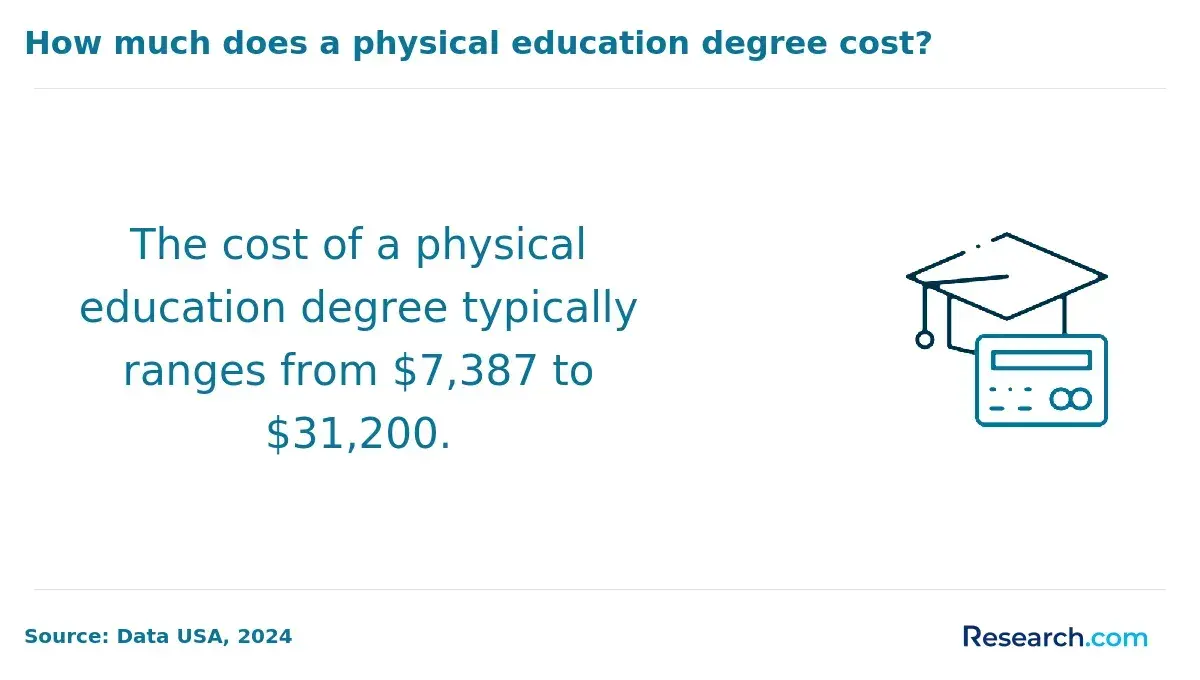
The cost to become a physical education teacher in Arizona involves several factors, from college tuition to certification exams and essential background checks. These expenses can vary widely based on your chosen educational path and whether you qualify for any financial assistance along the way. Here’s a breakdown of the key Arizona PE teacher certification fees and other costs you should prepare for:
- Bachelor’s Degree Tuition: Earning a bachelor’s degree is usually required, with public university tuition in Arizona ranging from about $10,000 to $12,000 annually for in-state students. This means the total cost over four years can add up to $40,000 to $48,000, while private or out-of-state options may be higher.
- PE Teacher Preparation Program: For those who already hold a degree, alternative certification programs are available. For example, the Northern Arizona University online Physical Education Pathway to Certification offers a route eligible for financial aid through the Arizona Teachers Academy, which helps cover most tuition and fees. Private alternatives like Teachers of Tomorrow or iteach cost roughly $4,795 to $4,949.
- Licensing and Exam Fees: Applying for the physical education certificate requires a $60 application fee. Exams such as the Arizona Educator Proficiency Assessments typically range from $95 to $180, depending on the required tests.
- Fingerprint and Background Check: A fingerprint clearance card from the Arizona Department of Public Safety costs around $67 and is mandatory before you can be placed in a classroom or receive licensure.
- Books, Supplies, and Study Materials: Budgeting an additional $500 to $1,000 for textbooks and exam prep materials is necessary throughout your studies.
The overall expenses highlight the importance of exploring resources such as what can you do with online bachelors degree in early childhood education programs, which might inspire alternative educational routes or financial strategies while pursuing your teaching goals.
Are there scholarships for physical education teaching students in Arizona?
Financing a physical education career in Arizona can feel like navigating a challenging course, but a variety of scholarships and financial aid options make the journey more accessible. These resources help aspiring PE teachers manage tuition and fees, turning aspirations into achievable goals.
- Federal Financial Aid: Completing the FAFSA unlocks access to Pell Grants and Direct Loans, offering vital support based on financial need. Pell Grants don’t require repayment, easing upfront costs for many students.
- Arizona Teachers Academy (ATA) Scholarship: This standout program covers remaining tuition and fees at participating institutions after other aid, with a service commitment to teach in Arizona public schools.
- Institutional Scholarships: Universities and organizations like SHAPE America provide targeted awards supporting physical education majors, boosting funds for your education.
- Teaching Grants: Grants from national and state bodies finance research projects, conferences, or wellness initiatives, enriching your professional development.
- Loan Forgiveness Programs: Options like Public Service Loan Forgiveness reward sustained service in qualifying schools, lightening student loan burdens over time.
When I spoke with a PE teacher from Arizona who graduated locally, she shared how navigating scholarships felt like an adventure itself. “Applying for the ATA scholarship was intense because I had to balance coursework and paperwork,” she recalled. The promise of tuition coverage was a huge relief, but the commitment to teach added real meaning to her studies.
She also credits smaller institutional scholarships that helped cover expenses her federal aid didn’t, describing how each piece of support "formed a puzzle that made teaching possible." Her story shows that while the financial path isn’t always smooth, scholarships turn the dream of becoming a PE teacher in Arizona into a rewarding reality.
Is there demand for physical education teachers in Arizona?
The demand for physical education teachers in Arizona is influenced by several dynamic factors, including fluctuating school enrollment, state-driven health initiatives, and the retirement rates of experienced educators. These elements together shape a lively and evolving landscape for those interested in teaching PE, offering new openings as schools adapt to changing priorities in student health and wellness. As the state's population shifts and educators retire, fresh opportunities arise for passionate individuals ready to step into these crucial roles.
In Arizona, the strongest demand for PE educators lies primarily within public schools, which make up the largest employer group for these professionals. Urban areas like Phoenix and growing suburban districts lead in job postings, spanning elementary through high school levels. Yet, it’s not just the cities where you’ll find openings—underserved rural and lower-income regions also present significant needs, often accompanied by incentives to attract qualified teachers.
Nationally, the Arizona physical education teacher job market mirrors a positive forecast, with job growth estimates around 3.1% through 2032, supported by broader trends emphasizing childhood obesity prevention and student well-being. This steady growth reflects the state's commitment to physical education as part of the curriculum and signals ongoing opportunities for certified educators.
For those exploring the path toward becoming a certified physical education teacher, these trends suggest a stable and rewarding career ahead. Candidates with full certification and a focus on wellness stand to benefit most, especially if they embrace roles in high-need districts. Pursuing further education, such as an online edd, can also boost qualifications and open doors in this expanding field.
What is the average salary of a PE teacher in Arizona?
In Arizona, PE teachers earn an average salary around $64,200, positioning the state at the national median and offering a competitive edge compared to other states. Salary plays a crucial role for aspiring PE teachers in Arizona, influencing long-term financial stability, job satisfaction, and opportunities for professional growth. Understanding what drives these salaries can help guide career decisions.
Key factors that affect PE teacher salaries in Arizona include:
- Years of Experience: Entry-level teachers often start near $60,580, with seasoned educators earning up to $99,150 due to step increases and cost-of-living adjustments.
- Education Level: Advanced degrees or additional certifications can boost salaries by several thousand dollars, reflecting district incentives for continued learning.
- School Type (Public vs. Private): Public schools typically offer higher salaries and better benefits than private or charter schools, supported by state funding and union-negotiated pay scales.
- Geographic Location within Arizona: Salaries vary by region, with places like Phoenix offering between $60,421 and $66,855, while rural areas may pay less due to budget constraints.
The earning potential for PE teachers in Arizona captures the dynamic balance between challenges and rewards, underscoring the importance of strategic career planning in this vibrant educational field.
What Do Physical Education Teachers in Arizona Say About Their Career?
- Completing my physical education program at Sonoran Desert Academy was a transformative experience that prepared me well for the realities of teaching in Arizona. Starting my career in a local school, I quickly realized how rewarding it is to engage students outdoors, utilizing Arizona's beautiful climate and natural resources to promote active lifestyles. The job stability and community support have been incredible motivators, and I feel passionate about inspiring young people to value their health and wellness. Every day brings new challenges, but the impact on my students' lives makes it all worthwhile. Adam
- Reflecting on my journey through the physical education program at Mesa Ridge High School, I appreciate the solid foundation it gave me in both theory and practice. Since beginning work as a PE teacher in a local school, the professional development opportunities available in Arizona's education system have been vital for my career growth. The cultural diversity of the student body enriches each lesson, helping me adapt and refine my approach. I am grateful to contribute to my community by fostering not just physical fitness but also teamwork and resilience among students. Ira
- Teaching PE in Arizona offers unique opportunities and challenges that I find deeply fulfilling. After finishing my training at Cactus Valley Academy, I embraced the chance to integrate outdoor education and desert ecology into my curriculum, which resonates strongly with my students. The blend of professional advancement possibilities and meaningful community impact keeps me dedicated to this career path. It's rewarding to see how physical education promotes both mental and physical well-being in our youth, especially within such a vibrant and diverse state environment. Harry
Related Articles for Nearby States
- 2027 How to Become a Physical Education Teacher in New Mexico
- 2027 How to Become a Physical Education Teacher in Nevada
- 2027 How to Become a Physical Education Teacher in California
- 2027 How to Become a Physical Education Teacher in Utah
- 2027 How to Become a Physical Education Teacher in Colorado
- 2027 How to Become a Physical Education Teacher in Texas
- 2027 How to Become a Physical Education Teacher in Oklahoma
- 2027 How to Become a Physical Education Teacher in Kansas
- 2027 How to Become a Physical Education Teacher in Wyoming
- 2027 How to Become a Physical Education Teacher in Idaho
References:
- How to Become a PE Teacher in Arizona | Requirements for PE Teacher Jobs in AZ https://www.peteacheredu.org/arizona/
- Physical Education, PreK - 12 | Arizona Department of Education https://www.azed.gov/educator-certification/physical-education-prek-12
- Physical Education, MPE - MPE | Degree Details | ASU Degree Search https://degrees.apps.asu.edu/masters-phd/major/ASU00/ECPHYEDMPE/physical-education-mpe
- How to Become a Certified Teacher in Arizona | How It Works https://www.teachersoftomorrow.org/arizona/how-it-works/
- Ariz. Admin. Code § R7-2-615 - Endorsements | State Regulations | US Law | LII / Legal Information Institute https://www.law.cornell.edu/regulations/arizona/Ariz-Admin-Code-SS-R7-2-615
- NAU launches pathway to Arizona Physical Education Teaching Certification – The NAU Review https://news.nau.edu/pepc/
- Requirements & Certifications for Arizona Teachers http://www.teachingarizona.org/get-certified
- Physical Education | Mary Lou Fulton College for Teaching and Learning Innovation https://education.asu.edu/bachelors-degrees/majorinfo/TEPPEBAE/undergrad/false/2
- Physical education teacher salary in Arizona ‐ CareerExplorer https://www.careerexplorer.com/careers/physical-education-teacher/salary/arizona/
- Salary: Physical Education Teacher in Phoenix, AZ, United States 2025 | Glassdoor https://www.glassdoor.co.uk/Salaries/phoenix-az-physical-education-teacher-salary-SRCH_IL.0,10_IM678_KO11,37.htm
Other Things You Should Know About Becoming a PE Teacher in Arizona
To become a PE teacher in Arizona in 2027, candidates primarily need a bachelor's degree in physical education or a related field and a state-issued teaching certification. Completion of a teacher preparation program and passing the Arizona Educator Proficiency Assessments are also required.
Arizona does offer alternative certification pathways for aspiring Physical Education (PE) teachers, allowing individuals who hold a bachelor’s degree but lack traditional teaching credentials to enter the profession. These programs typically require candidates to pass required exams and complete pedagogical training while teaching under supervision.
Alternative certification is particularly beneficial for career changers or those with specialized expertise who want a quicker route into teaching. However, candidates must meet state-specific requirements, including background checks and coursework, to become fully licensed PE teachers in Arizona.


