2027 Cheapest Pediatric Nurse Practitioner Degree Programs for Working Adults

Co-Founder and Chief Data Scientist
How can a full-time employee with family obligations navigate the challenge of earning a pediatric nurse practitioner degree without incurring overwhelming debt? For many working adults, cost remains the biggest barrier to advancing their healthcare careers. Accredited programs offering flexible schedules and generous transfer credit policies can ease this burden.
Currently, employment for pediatric nurse practitioners is expected to grow by 45% through 2030, highlighting urgent workforce demand. This article explores some of the most affordable pediatric nurse practitioner degree programs tailored for working adults and examines key factors such as tuition structure, program accreditation, and learning formats to help readers make informed decisions.
Key Things to Know About the Cheapest Pediatric Nurse Practitioner Degree Programs for Working Adults
- Cheapest pediatric nurse practitioner degree programs commonly offer low tuition, extensive online coursework, generous transfer credit policies, and flexible scheduling to accommodate full-time workers.
- Choosing low-cost programs increases accessibility but may involve tradeoffs like fewer electives; ensure they are accredited, employer-recognized, and possibly offer accelerated tracks.
- Prospective students should assess total costs, financial aid options, state licensing eligibility, accreditation, student support, and job placement rates before committing.
What Are the Cheapest Accredited Pediatric Nurse Practitioner Degree Programs Online?
Accredited online pediatric nurse practitioner degree programs offer flexible and often more affordable educational pathways tailored for working adults managing busy schedules. Factors such as tuition structure, transfer credit policies, delivery format, and institutional accreditation influence both cost and accessibility. With more than 35% of graduate students enrolling in online courses, many adult learners find these programs a practical choice when balancing work and family commitments.
Several key considerations can help when comparing the cheapest accredited pediatric nurse practitioner degree programs online:
- Accreditation Status: Ensuring a program is accredited by recognized agencies safeguards educational quality and access to federal financial aid. Accreditation also impacts eligibility for licensure and employer acceptance, making it a critical factor in evaluating affordability and long-term value.
- Tuition and Fee Structure: Some programs use flat-rate tuition while others charge per credit, which can affect overall cost based on course load and pace. Transparent fee schedules and the possibility of bundled clinical fees contribute to financial planning for working adults.
- Transfer Credit Acceptance: Programs that accept previous graduate nursing coursework can reduce total credits required, lowering tuition expenses and shortening the time to degree completion. Confirming transfer policies helps leverage prior education for cost savings.
- Scheduling Flexibility: Asynchronous coursework and part-time enrollment options allow students to tailor their studies around professional and personal obligations. Flexible formats help accommodate unpredictable schedules typical for working adults pursuing advanced nursing degrees.
- Financial Aid Opportunities: Availability of scholarships, grants, and employer tuition reimbursement can substantially decrease out-of-pocket costs. Investigating these options is essential for affordability, especially for those evaluating the cheapest accredited pediatric nurse practitioner degree programs online.
Adult learners looking for cost-effective healthcare degrees might also consider exploring options in related fields, such as PharmD online programs, which similarly offer flexible delivery and financial aid prospects.
How Much Does an Online Pediatric Nurse Practitioner Degree Cost for Working Adults?
The cost of an online pediatric nurse practitioner degree for working adults varies widely depending on tuition structure, school type, transfer credits, residency status, and program format. Affordability and scheduling flexibility are often top priorities for nontraditional learners balancing employment or family commitments. Nearly 5.5 million undergraduate students took at least one distance education course in recent years, highlighting growing demand for flexible and affordable online degree options.
Factors influencing the total educational expenses include more than just tuition. Key considerations that affect overall costs are:
- Tuition Models: Some programs charge per credit hour, offering flexibility for part-time enrollment or accelerated study, while others use flat-rate tuition for a semester or full program. Per-credit systems can allow working adults to manage expenses by controlling course loads.
- Transfer Credits: Many institutions accept transfer credits from relevant prior coursework or certifications, which can shorten program duration and lower total tuition costs. However, this varies widely by school and requires careful review during application.
- Financial Aid Opportunities: Federal aid, scholarships, and employer tuition assistance can significantly reduce out-of-pocket costs. Working adults should explore all available financial support to find affordable pediatric nurse practitioner programs for employed students.
- Technology and Fees: Additional charges such as technology fees or course materials fees apply to online learning platforms and digital resources. These moderate costs should be included in the budget as they are required regardless of enrollment status.
- Accelerated Formats: Accelerated degree pathways allow students to finish more quickly, potentially reducing tuition and living expenses over time. This option suits working adults seeking efficiency without sacrificing program quality.
For those wondering 'How much is the RN program?', examining these components closely helps identify affordable, accredited online pediatric nurse practitioner degree options tailored to working adults' needs.
Are Cheap Pediatric Nurse Practitioner Degree Programs Legitimate and Respected by Employers?
Affordability alone does not determine the legitimacy or employer regard of pediatric nurse practitioner degree programs. Accreditation, institutional reputation, curriculum rigor, and alignment with healthcare workforce needs often weigh more heavily in employer evaluations of online and low-cost degrees. Working adults typically assess these affordable programs based on how well they fit their career aspirations, schedule flexibility, and credentialing requirements.
Notably, about 76% of employers now trust degrees earned through accredited online programs, reflecting growing acceptance of nontraditional pathways. Several factors influence whether inexpensive pediatric nurse practitioner programs are respected by employers:
- Institutional Accreditation: Recognition by established accrediting bodies ensures programs meet essential quality and ethical standards. This formal validation signals to employers that graduates possess credible training.
- Programmatic Quality: Curriculum designed around current pediatric healthcare practices and evidence-based guidelines increases workforce relevance. Programs emphasizing practical skill development alongside theory tend to be valued more highly.
- Employer Recognition of Online Degrees: As industry confidence grows in accredited online education, employers become more open to degrees earned remotely, especially when transparency around outcomes and credit transfer exists.
- Faculty Expertise: Experienced instructors with clinical backgrounds contribute to maintaining academic integrity and preparing students for real-world pediatric care challenges.
A pediatric nurse practitioner degree graduate shared that beyond technical skills, their program fostered critical soft skills such as empathy, communication, and adaptability. They described moments of balancing demanding clinical rotations with coursework.
He noted that these experiences "taught me how to connect with families under stress and think on my feet." The graduate reflected that these interpersonal abilities were equally important when later interacting with employer expectations and navigating workplace dynamics.
What Are the Best Pediatric Nurse Practitioner Degree Programs for Working Adults?
The best pediatric nurse practitioner degree programs for working adults focus on more than just affordability. Flexibility, accreditation, transfer credit policies, and strong student support services are essential for nontraditional students balancing employment or family duties. With over 40% of postsecondary students participating in online education, accessible online and hybrid learning options have become critical to expanding degree opportunities for adult learners.
Key program features to consider include:
- Accreditation Standards: Accredited programs ensure a high level of educational quality, which is crucial for licensure and certification. Recognized accreditation also guarantees that the curriculum meets professional and clinical standards valued by employers.
- Scheduling Flexibility: Programs offering asynchronous coursework enable students to manage their studies around work and family commitments. This flexibility allows learners to complete assignments and participate in lectures at their own pace without rigid time constraints.
- Transfer Credit Acceptance: Many programs assess and accept relevant prior nursing coursework or clinical experience. This can significantly reduce the time and tuition costs required to earn a pediatric nurse practitioner degree, making programs more affordable and accessible for working adults.
- Affordability and Financial Aid: Transparent tuition rates combined with financial aid options make attaining an affordable online pediatric nurse practitioner program for working adults feasible. Some programs may also offer accelerated pathways that shorten degree completion without compromising academic rigor.
- Student Support Services: Dedicated advisors, tutoring, and career counseling tailored to adult learners help improve retention and successful degree completion. Supportive resources ensure students remain engaged despite the challenges of balancing school with other responsibilities.
Balancing quality, flexibility, and cost is crucial when choosing suitable programs. For those interested in healthcare career prospects, understanding related factors such as medical billing and coding salary trends can also influence long-term planning and workforce entry strategies.
Which Pediatric Nurse Practitioner Degree Programs Offer the Most Flexible Schedules?
Flexible scheduling is essential for working adults pursuing a pediatric nurse practitioner degree, allowing them to juggle employment, family, and other personal duties. Online and hybrid learning options have broadened access to programs with adaptable pacing and course delivery. Currently, over 40% of U.S. postsecondary students attend part-time, highlighting the growing need for education formats that fit diverse schedules.
Key features that enhance flexibility in pediatric nurse practitioner programs include the following:
- Asynchronous Coursework: Students can complete lectures and assignments on their own time without mandatory live sessions, which helps accommodate varying work hours and family responsibilities.
- Part-Time Enrollment: Many programs allow students to spread their coursework across multiple terms to lessen academic pressure and better align with life commitments.
- Multiple Start Dates: Offering several entry points throughout the year reduces wait times and enables more immediate enrollment based on individual readiness.
- Transfer Credit Acceptance: Programs that recognize prior coursework enable students to bypass certain classes, decreasing time and cost needed to finish the degree.
- Hybrid Learning Models: Combining online and occasional in-person classes offers a balance between flexibility and hands-on experiences, catering to different learning preferences and schedules.
A pediatric nurse practitioner professional I spoke with reflected on her experience balancing work, family, and study. She mentioned, "Choosing a program with evening and weekend coursework made all the difference because I didn't have to sacrifice my job or family time." She also appreciated how asynchronous classes allowed her to progress during nights when her children were asleep.
"It wasn't always easy managing the workload, but having flexible options kept me motivated and made it possible to complete the degree without overwhelming my daily life." This balanced approach to learning enabled her to advance her career without putting personal responsibilities on hold.
What Are the Fastest and Cheapest Pediatric Nurse Practitioner Degree Programs?
Several accredited pediatric nurse practitioner degree programs cater to working adults by offering options that streamline completion and reduce costs. Features like flexible scheduling, accelerated coursework, and online formats help balance quality education with affordability and time efficiency. Notably, about 57% of adult learners take advantage of transfer credits, accelerating their degree progress.
Programs designed for speed and savings often include the following characteristics:
- Accelerated Coursework: Condensed terms allow students to finish required classes in less time, which cuts down tuition and related expenses by shortening overall enrollment.
- Transfer Credit Acceptance: Many programs recognize previous professional experience and academic work, enabling students to bypass some courses and reduce their total credit load.
- Asynchronous Scheduling: Online lectures and assignments available at any time offer flexible pacing, helping learners juggle studies alongside jobs and family responsibilities.
- Competency-Based Education: This approach focuses on mastery of skills rather than seat time, letting students progress faster if they can demonstrate their knowledge effectively.
- Multiple Start Dates and Part-Time Options: These features provide additional flexibility to adapt enrollment timing and workload to individual circumstances, making it easier to maintain steady progression.
Which Schools Accept the Most Transfer Credits for a Pediatric Nurse Practitioner Degree?
Transfer credit acceptance plays a vital role for working adults pursuing a pediatric nurse practitioner degree by shortening the time to completion and lowering educational costs. Many programs allow students to apply previous college credits, military training, professional certifications, or other prior learning experiences toward degree requirements.
However, transfer flexibility can differ significantly based on institutional policies, accreditation standards, and program design. Notably, around 38% of postsecondary students transfer at least once, reflecting how common credit mobility is among adult learners. Key factors influencing transfer credit acceptance include:
- Accreditation Compatibility: Schools accredited by recognized agencies often facilitate smoother credit transfers when previous coursework comes from similarly accredited institutions. This compatibility minimizes lost credits and helps maintain quality standards while accelerating degree progress.
- Transfer Equivalency Evaluations: Institutions conduct detailed assessments, including transcript reviews and equivalency exams, to determine which credits apply toward the pediatric nurse practitioner program. Robust evaluation systems increase the chances of more credits transferring, reducing tuition costs and program length.
- Residency Requirements: Many programs require that a specific minimum number of credits be earned directly at their institution. Programs with lower residency mandates offer greater transfer credit acceptance, which benefits working adults juggling education with career and family obligations.
- Articulation Agreements: Formal agreements between community colleges and universities guarantee that certain prerequisite and foundational courses transfer seamlessly. These partnerships allow learners to complete initial coursework at lower cost before advancing, improving affordability and accessibility.
- Prior Learning Assessments (PLA): Some schools grant academic credit for military training, professional certificates, or relevant job experience through PLA processes. This recognition of experiential learning helps adult students circumvent redundant classes, saving time and tuition.
By choosing pediatric nurse practitioner programs with transfer-friendly policies, working adults can enhance flexibility, accelerate degree completion, and better align education with career goals.
What Financial Aid Options Are Available for Pediatric Nurse Practitioner Students?
Financial aid opportunities can significantly reduce the cost of earning a pediatric nurse practitioner degree for working adults. While eligibility and availability vary by school, enrollment status, and accreditation, many adult learners benefit from grants, scholarships, employer assistance, federal programs, or institutional resources. Approximately 60% of employers offer tuition assistance, highlighting a key support for students balancing work and study.
Affordability concerns remain a major factor influencing adults returning to school. These financial aid options commonly available to pediatric nurse practitioner students include:
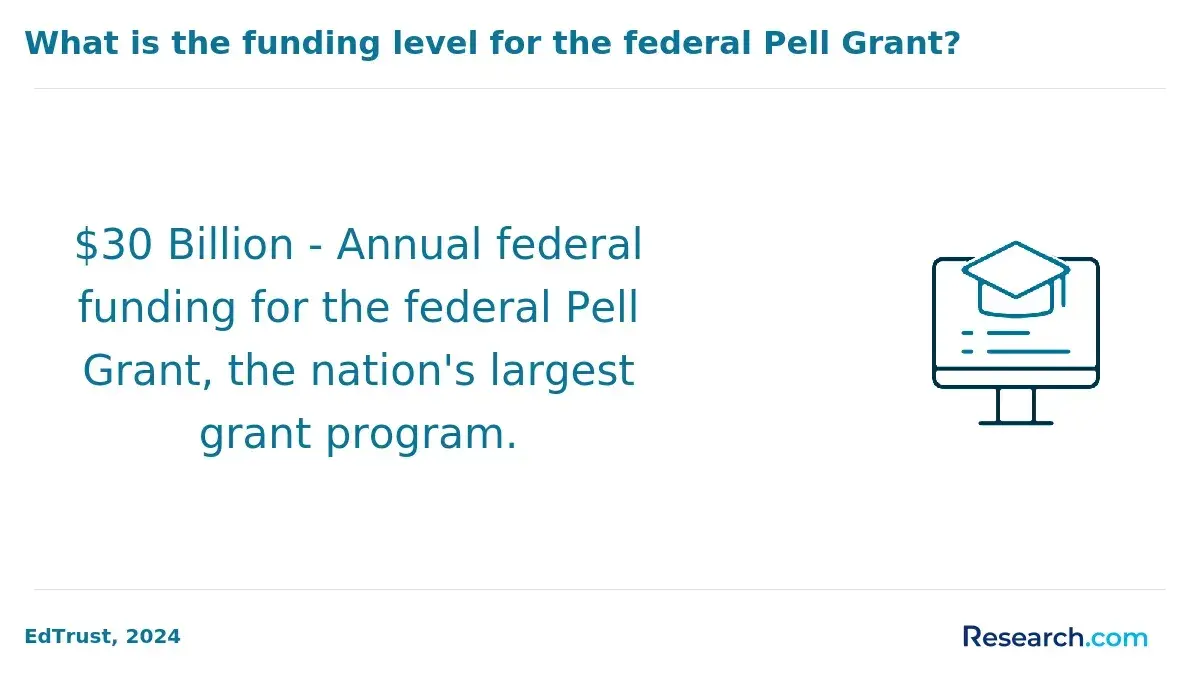
- Federal Grants and Loans: Programs such as the Pell Grant and Direct Subsidized Loans help lower upfront expenses and offer flexible repayment plans. These federal aids are essential for many students navigating tuition affordability and reducing borrowing needs.
- Employer Tuition Assistance: Many employers provide tuition reimbursement or support, which can cover a significant portion of program costs. This assistance encourages sustained enrollment and faster degree completion by easing financial pressure.
- Scholarships for Adult Learners: Institutions and professional organizations often offer scholarships specifically tailored for working adults. These awards help reduce reliance on loans and accommodate nontraditional schedules, making it easier to pursue pediatric nurse practitioner degrees.
- Military and Veteran Benefits: Education benefits like the GI Bill and tuition assistance plans provide financial support for eligible military personnel. These options help students combine work commitments with part-time study effectively.
- Institutional Support Programs: Payment plans, transfer credit policies, and prior learning assessments allow students to control expenses and shorten time to degree. By spreading out tuition payments and earning credit for previous coursework or experience, these resources enhance flexibility and affordability.
Working adults seeking tuition assistance and scholarships for online pediatric nurse practitioner degrees should also consider programs designed to fit career demands and transfer credits. Exploring options can improve access to affordable, accredited pathways in this growing field. For detailed program comparisons, see MSN to DNP programs.
What Jobs Can You Get With a Pediatric Nurse Practitioner Degree?
A pediatric nurse practitioner degree provides working adults with pathways to diverse entry-level, mid-level, and specialized careers in child healthcare, tailored to their prior education, certifications, and experience. Flexible, affordable programs with transfer credit options support career advancement and transitions in this growing field. Employment for nurse practitioners is projected to grow 45% through 2031, reflecting strong industry demand and opportunities for adult learner career mobility.
Common pediatric nurse practitioner job titles and salaries correspond to roles such as:
- Clinical Care Roles: These include direct patient care in hospitals, pediatric clinics, or specialty practices, addressing acute and chronic pediatric health conditions. These roles often serve as entry points or career growth stages.
- Community Health and Outreach: Practitioners work in schools, public health agencies, or nonprofit groups, focusing on childhood health education, prevention, and wellness initiatives that benefit local populations.
- Management and Leadership: With advanced degrees, pediatric nurse practitioners assume supervisory or administrative responsibilities, guiding care teams and influencing healthcare service delivery.
- Technical and Specialty Support: These roles involve collaboration with physicians in specialized areas like pediatric cardiology or neonatology, frequently requiring additional certifications and focused expertise.
- Health Policy and Education: Some graduates engage in developing pediatric health policies or train healthcare professionals and families, contributing to broader system improvements.
For working adults balancing family and work, selecting affordable, accredited, and flexible programs is essential. Those seeking the cheapest online nutrition degree often find similar benefits in pediatric nurse practitioner degrees that align with their long-term career goals.
What Should Working Adults Look for When Choosing a Pediatric Nurse Practitioner Degree Program?
Working adults often weigh affordability, flexibility, accreditation, career relevance, and long-term educational value when selecting a pediatric nurse practitioner degree program. Balancing work, family, and other commitments can be challenging, but the expansion of online and hybrid learning options has made education more accessible. Recent studies show that more than 40% of adult learners pursue their degrees online, reflecting this growing trend.
Several critical factors deserve attention when choosing the right program:
- Accreditation: Ensures the program meets rigorous industry standards and qualifies graduates for certification and licensure, which are essential for career advancement and professional credibility.
- Scheduling Flexibility: Programs offering asynchronous courses allow adult students to study at their own pace, helping to juggle employment and personal responsibilities more effectively.
- Transfer Credit Policies: Acceptance of previous nursing coursework can shorten the duration and reduce the cost of earning the degree, enabling faster entry into advanced practice roles.
- Affordability and Financial Aid: Comparing tuition rates and available scholarships or grants is vital, as financial support can ease the burden of balancing education expenses with daily living costs.
- Student Support Services: Services tailored to adult learners, such as academic advising and career counseling, increase persistence and success by addressing unique challenges faced during the program.
What Do Students Say About Affordable Pediatric Nurse Practitioner Degree Programs?
- Levi: "As a working dad returning to school, I quickly realized the importance of finding a Pediatric nurse practitioner program that offered real flexibility to accommodate my 9-to-5 job. Prioritizing programs that allowed transfer credits saved me both time and money, and ensuring the program was accredited gave me confidence that it would be respected by employers. If you're balancing work and family, look for affordable options that fit your schedule without compromising quality."
- Ahmed: "Choosing the right Pediatric nurse practitioner degree was a journey of careful research and reflection on my career goals. I focused on programs that were both cost-effective and fully accredited, making sure they'd open doors in hospitals and clinics down the line. Flexible online course options were a game-changer for me, allowing me to keep working full-time while progressing steadily toward my degree."
- Christopher: "From a professional standpoint, verifying a program's legitimacy was crucial before investing my time and resources. Many affordable Pediatric nurse practitioner degrees exist, but not all hold the same weight with employers or licensing boards. I appreciated programs that clearly demonstrated accreditation and offered flexible scheduling, which aligned perfectly with my desire to maintain career momentum while upgrading my qualifications."
Other Things You Should Know About Pediatric Nurse Practitioner Degrees
Working adults should consider accreditation, flexibility of online or hybrid learning options, total program costs, availability of financial aid, and the program’s reputation. These factors ensure quality education and support while balancing work commitments.
Yes, many of the cheapest pediatric nurse practitioner degree programs are designed with part-time options to serve working adults. Part-time enrollment allows students to extend the duration of their studies while managing employment and family responsibilities. These programs maintain accreditation and clinical hour requirements but provide greater flexibility in course load and scheduling.
Lower tuition does not necessarily mean lower quality faculty in pediatric nurse practitioner programs. Many affordable programs employ experienced instructors who hold advanced degrees and certifications in pediatric nursing. These programs often balance cost efficiency with hiring qualified faculty to ensure students receive proper education and mentorship.
Working adults should verify that affordable pediatric nurse practitioner programs provide up-to-date technology and learning resources. Quality programs offer online libraries, simulation labs, and digital platforms that support distance learning and skills development. Adequate technological support is essential for completing coursework efficiently and keeping pace with clinical practice standards.
References
- Most Affordable Online NP Programs (2026): Comprehensive https://www.npschools.com/rankings/all-affordable-online-np-programs
- What does a Pediatric Nurse Practitioner (PNP) do? Career Overview, Roles, Jobs | TNPA https://jobboard.tnpa.com/career/pediatric-nurse-practitioner-pnp
- What Kinds of Financial Aid are Available to Nurse Practitioner Students? | ThriveAP https://provider.thriveap.com/blog/what-kinds-financial-aid-are-available-nurse-practitioner-students
- Career Pathways | PNCB https://www.pncb.org/career-pathways
- All Pediatric Nurse Practitioner Programs in One Place - PNPprograms.com https://www.pnpprograms.com/
- 2026 Best Online Nurse Practitioner (NP) Programs and Schools - Nurse Practitioner Degrees https://npdegrees.org/degrees/online-np-masters-degrees/online-nurse-practitioner-programs/
- Most Affordable Online Pediatric NP Programs (2026) https://www.healthcaredegree.com/blog/most-affordable-pnp-programs
- How To Become a Pediatric Nurse Practitioner | Betternurse.org https://betternurse.org/pediatric-nurse-practitioner/
- Are You Considering a Career as a Pediatric Nurse Practitioner? https://www.aanp.org/news-feed/are-you-considering-a-career-as-a-pediatric-nurse-practitioner
- Scholarships & Financial Aid https://www.aacnnursing.org/students/scholarships-financial-aid