2027 Pediatric Nurse Practitioner Internship Requirements: Hours, Placements, and Supervision

Co-Founder and Chief Data Scientist
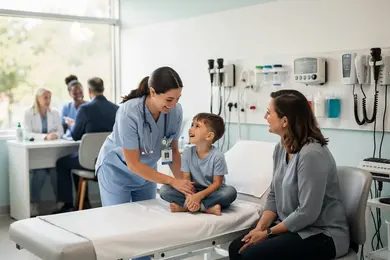
How many hours must a pediatric nurse practitioner student complete during their internship? This question is central for those balancing academic demands with clinical experience. Internships often take place in diverse settings such as outpatient clinics, hospitals, or community health centers, each requiring specific supervision by licensed practitioners.
With the U.S. Bureau of Labor Statistics projecting a 52% growth in pediatric nurse practitioner employment through 2030, understanding these requirements becomes increasingly important. This article explains the typical internship hour mandates, placement procedures, and supervision rules within pediatric nurse practitioner degree programs to guide students toward fulfilling their clinical training efficiently.
Key Things to Know About Pediatric Nurse Practitioner Internship Requirements
- Internship hours for pediatric nurse practitioner programs typically range from 500 to 700, requiring careful scheduling to balance clinical experience with academic coursework.
- Placement availability varies by region, making early application essential as clinical sites limit student capacity and affect internship location options.
- Supervision must meet accreditation standards, with experienced nurse practitioners or physicians providing evaluations that significantly influence skill development and program completion.
Do All Pediatric Nurse Practitioner Degrees Require an Internship?
Many pediatric nurse practitioner degree programs include internships or clinical practicums to provide hands-on experience essential for patient care. According to the American Association of Nurse Practitioners, over 90% of these programs require at least 500 clinical hours, though the format and naming of these experiences can vary widely.
Several factors influence whether a traditional internship is a mandatory component of program completion.
- Program Type: Master of Science in Nursing (MSN) and Doctor of Nursing Practice (DNP) degrees often differ in clinical hour requirements. DNP programs typically mandate more extensive clinical experiences and may incorporate internships differently or as part of broader residency requirements.
- Accreditation Expectations: Accreditation bodies like the CCNE or ACEN specify minimum clinical hours but do not always require a formal internship. Programs must meet these standards but may fulfill them via various clinical placements or supervised practicum hours.
- Specialization Tracks: Some pediatric nurse practitioner programs offer specialized tracks focusing on specific patient populations, which may necessitate additional or tailored clinical experiences resembling internships to meet competency goals.
- Alternative Experiential Learning: Simulation training, clinical residencies, or supervised lab work can sometimes substitute traditional internships, providing hands-on learning in ways that align with program design and accreditation guidelines.
For students exploring paths that complement clinical training, medically oriented pathways like a medical billing and coding certification may offer additional career options beyond direct patient care roles.
What Requirements Must Be Met Before Starting a Pediatric Nurse Practitioner Internship?
Programs set specific prerequisites for pediatric nurse practitioner internships to ensure students are academically and professionally prepared for advanced clinical roles. Research shows that approximately 85% of nurse practitioner programs require a minimum GPA of 3.0 for clinical placements, demonstrating the importance of maintaining strong academic standards.
The following list outlines common eligibility criteria students must meet before starting their internships.
- Minimum GPA: A minimum grade point average around 3.0 on a 4.0 scale is typically required to demonstrate consistent academic achievement and readiness for rigorous clinical training.
- Completed Coursework: Students must finish prerequisite courses such as advanced pathophysiology, pharmacology, and health assessment. These provide essential knowledge to understand pediatric conditions and deliver effective care.
- Application Approval: Approval usually involves submitting transcripts, letters of recommendation, and a personal statement. Program coordinators review these to verify qualifications and facilitate placement at appropriate clinical sites.
- Background Checks and Immunizations: Most programs require successful completion of background screenings and immunization verifications to protect vulnerable pediatric populations and comply with healthcare policies.
By enforcing these standards, pediatric nurse practitioner programs promote ethical, competent, and evidence-based care in clinical settings for children and families.
How Many Internship Hours Are Required for Pediatric Nurse Practitioner Degrees?
Internship hours for pediatric nurse practitioner degrees ensure students gain essential clinical experience before entering practice. Most programs require between 500 and 1,000 clinical hours, with a common benchmark around 600 hours. This often equates to about 40 credits based on typical clinical hour-to-credit conversions.
Several factors influence these hour requirements:
- Academic Credit Equivalencies: The number of clinical hours required depends on how programs convert academic credits to clinical time. For instance, one credit might represent around 15 clinical hours, so programs with more clinical credits demand additional hours to complete.
- Program Format: Full-time and part-time students typically have the same total hour requirements, but full-time students finish more quickly due to condensed schedules. Part-time learners spread hours over a longer timeframe without altering total clinical hour expectations.
- Accreditation Standards: Accreditation agencies like the CCNE and ACEN set minimum clinical hour benchmarks to ensure education quality. These guidelines help maintain consistency across programs and prepare graduates for certification and professional practice.
- Certification Board Guidance: Boards such as the Pediatric Nursing Certification Board recommend clinical hours to guarantee graduates are prepared for safe and effective pediatric care. Programs tailor hour requirements to meet or exceed these recommendations.
When asked about how many internship hours are needed, a pediatric nurse practitioner degree graduate recalled the intensity of balancing clinical hours with coursework. He mentioned, "It was challenging to secure quality placements that offered diverse pediatric experiences, especially while managing part-time work."
The rigorous hours "felt demanding at times, but knowing it was vital for my confidence and skillset made it worthwhile." This firsthand insight highlights the commitment behind fulfilling these clinical hour requirements and the real-world readiness they foster.
Where Do Pediatric Nurse Practitioner Students Complete Internships?
Internship placement environments significantly influence the breadth of practical learning for pediatric nurse practitioner students. Nearly 60% of these internships occur within hospital systems and outpatient clinics, offering exposure to varied clinical experiences essential for skill development. These diverse settings prepare students to navigate different healthcare models and patient demographics effectively.
Common pediatric nurse practitioner internship locations reflect this range of environments.
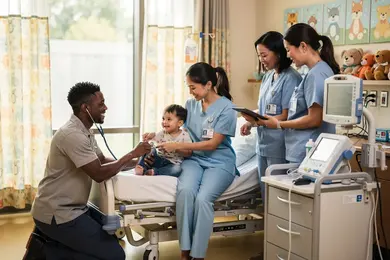
- Hospital Settings: Hospitals provide intensive, hands-on clinical experience across various pediatric specialties. Students encounter diverse patient conditions, allowing them to refine diagnostic and treatment skills under specialized supervision.
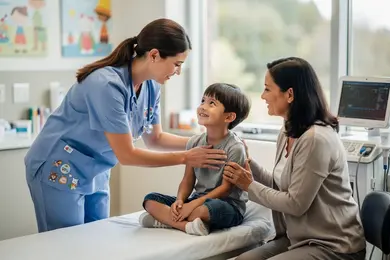
- Outpatient Clinics: These settings emphasize preventive care, chronic disease management, and routine wellness visits. Internships here help students understand ambulatory care dynamics and long-term health monitoring for children.
- Community Health Organizations: Offering care to underserved populations, these organizations focus on health promotion and education. Students gain insights into social determinants of health and population-based pediatric care strategies.
- Government Agencies and Nonprofits: Internships in these institutions expose students to public health policy, advocacy, and program development tailored to child health. The experiences emphasize interdisciplinary collaboration and community health initiatives.
- Research Institutions: Engaging in pediatric research fosters analytical skills and awareness of emerging healthcare trends. Students contribute to studies focused on improving child health outcomes, complementing their clinical training.
Pediatric nurse practitioner clinical rotation sites and these varied placements ensure well-rounded professional growth. Prospective students interested in furthering their expertise in healthcare management can explore healthcare administration programs to complement clinical training.
How Are Internship Placements Assigned in Pediatric Nurse Practitioner Programs?
Internship placement processes in pediatric nurse practitioner programs are designed to balance educational goals with practical considerations, ensuring students gain appropriate clinical experience. About 65% of programs rely on structured collaboration between schools and clinical sites to assign placements, streamlining student matching across multiple locations.
Below are common approaches institutions use to coordinate internship assignments.
- Faculty-Guided Matching: Academic advisors and clinical coordinators review students' interests, backgrounds, and geographic preferences to assign internship sites. This approach helps align clinical opportunities with educational objectives while maintaining program standards.
- Student Preference Requests: Some programs allow students to suggest or rank preferred clinical sites. While final decisions rest with the school, incorporating student input can improve motivation and fit between the student and internship setting.
- Centralized Placement Systems: Larger institutions or consortiums may use centralized databases that match students to internships based on availability, previous site relationships, and accreditation requirements. This system minimizes scheduling conflicts and ensures even distribution of internship slots.
- Partnership Agreements: Many programs have established contracts with healthcare facilities that reserve a set number of placements for students each term. These partnerships facilitate seamless coordination and consistent clinical experiences aligned with curriculum requirements.
When asked about her experience with internship placements, a pediatric nurse practitioner degree student reflected on the complexities involved. "I appreciated how my program assigned me to a site that matched my pediatric interests, but I also found the process a bit nerve-wracking," she shared.
"There was some uncertainty while waiting to hear back, but once placed, I felt confident knowing my advisors had prioritized both my goals and clinical exposure." Her reflection highlights how these placement strategies aim to balance student agency and program oversight effectively.
Are Virtual or Remote Internships Available?
Remote work has increasingly influenced internship formats within pediatric nurse practitioner programs, particularly following the widespread adoption of online and hybrid education models. A 2024 study by the American Association of Colleges of Nursing found that over 52% of nurse practitioner internships now feature some form of virtual involvement, either fully remote or blended with in-person training.
This shift reflects a broader acceptance of flexible clinical training options that accommodate evolving healthcare education needs. The following discussion explores how these virtual and hybrid internships are integrated into pediatric nurse practitioner training.
Virtual and hybrid internships allow students to communicate with supervisors, complete case studies, and engage in telehealth patient care through digital platforms, often employing video calls, electronic health record simulations, and shared documentation tools. This digital approach enhances flexibility, giving students the ability to balance clinical duties alongside other commitments while connecting with a wider range of employers beyond their local area.
However, the availability of remote internships varies significantly depending on individual program requirements and policies, as many programs still mandate in-person clinical hours for hands-on skill development. Additionally, factors such as confidentiality concerns and technology access influence whether remote participation is feasible in certain clinical settings.
Are Part-Time Internships Allowed for Working Students?
Many students enrolled in pediatric nurse practitioner programs work part-time or full-time while completing their clinical training, making flexible internship options increasingly important. Research shows that about 75% of graduate students maintain some employment during their studies, highlighting the need for accommodations.
The following points outline key features of part-time internships designed to support working students.
- Scheduling Flexibility: Part-time internships often allow clinical hours to be completed over a longer timeline rather than in consecutive full-time blocks. This flexibility enables students to balance their clinical training with job responsibilities without sacrificing the quality of their education.
- Employer Accommodations: Many employers who partner with pediatric nurse practitioner programs make adjustments, such as offering varied shift options or integrating clinical tasks into work duties, to help students manage their dual roles effectively.
- Academic Workload Balance: Programs frequently provide guidance on pacing coursework and clinical hours, ensuring students meet required competencies and deadlines while avoiding academic overload during their internships.
- Program-Specific Restrictions: Some programs set minimum weekly hour thresholds or maximum total durations for clinical placements. These limits help maintain consistent clinical education standards while allowing necessary flexibility for working students.
What Supervision Is Required During a Pediatric Nurse Practitioner Internship?
Supervision is a vital component of pediatric nurse practitioner internships, ensuring that students gain hands-on experience while maintaining patient safety and professional standards. Research indicates that 85% of nursing students report increased confidence and competence with effective mentorship during clinical education.
This strong supervisory framework supports both learning and accountability. Key elements of pediatric nurse practitioner clinical supervision guidelines include:
- Faculty Oversight: Academic supervisors maintain regular communication with interns, reviewing clinical progress and providing guidance on decision-making. They collaborate with clinical mentors to tailor experiences according to each student's educational needs within program competencies.
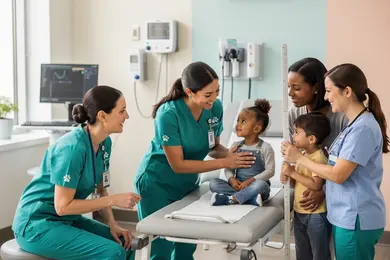
- Workplace Mentors: Licensed pediatric nurse practitioners or other qualified healthcare providers offer direct supervision during daily clinical activities. These mentors provide hands-on instruction, immediate feedback, and model professional and ethical standards in delivering pediatric care.
- Progress Monitoring: Continuous feedback occurs through formal meetings and informal interactions, enabling interns to improve performance and address knowledge gaps. This ongoing evaluation is essential to prepare students for independent practice.
- Performance Feedback: Constructive, timely feedback from both faculty and workplace mentors helps identify strengths and areas for development. It fosters confidence and ensures adherence to high standards of patient safety and care quality.
Students seeking to deepen their clinical knowledge and supervision standards should familiarize themselves with pediatric nurse practitioner clinical supervision guidelines. Additional resources, such as those covering medical coding certification, may further enhance understanding of healthcare processes integral to clinical practice.
How Are Pediatric Nurse Practitioner Internships Evaluated?
Evaluating pediatric nurse practitioner internships is vital to ensuring students develop the clinical competencies required for successful practice. A 2024 study by the National Association of Pediatric Nurse Practitioners found that 92% of programs linking systematic internship evaluation with improved readiness for certification exams and clinical settings.
Effective evaluation relies on diverse methods to comprehensively assess student performance and learning outcomes. Below are commonly used approaches.
- Supervisor Reviews: Clinical preceptors provide detailed feedback on a student's clinical skills, professionalism, and ability to apply theoretical knowledge in real-world pediatric settings. These evaluations often combine structured rating scales with qualitative narrative comments, offering a balanced view of student progress.
- Reflective Assignments: Students engage in reflective journals or essays to assess their own experiences, challenges, and growth during the internship. This process encourages critical thinking and strengthens clinical judgment by fostering self-awareness.
- Performance Benchmarks: Programs set objective criteria for key competencies such as diagnostic reasoning, communication effectiveness, and patient assessment accuracy. These benchmarks ensure adherence to established clinical standards throughout the internship.
- Faculty Assessments: Faculty members conduct direct observations and review clinical documentation to confirm that internship experiences align with academic expectations. This oversight adds rigor to the evaluation process.
Internship evaluation criteria for reviewing pediatric nurse practitioner internship performance serve both grading and program improvement purposes. For those interested in advancing their credentials further, pursuing a doctorate in healthcare administration can enhance career prospects and leadership opportunities in clinical education and healthcare management.
What Challenges Do Pediatric Nurse Practitioner Students Face During Internships?
Internships provide crucial hands-on experience for pediatric nurse practitioner students, but also bring significant pressures. Nearly 70% of nurse practitioner students report stress related to internships, highlighting how challenging balancing academic and clinical demands can be. These obstacles test students' resilience and adaptability while preparing them for advanced healthcare roles.
Common challenges encountered during pediatric nurse practitioner internships include:
- Balancing Schedules: Managing rigorous clinical hours alongside coursework and personal commitments requires strong organizational skills. Many students struggle to maintain this balance, leading to fatigue and stress.
- Adapting to Clinical Expectations: Transitioning from classroom learning to real-world practice demands quick adjustment to workplace protocols and responsibilities, which can be overwhelming initially for students.
- Transportation and Financial Concerns: Clinical placements often require travel and unpaid hours, creating financial strain and logistical issues for many interns.
- Handling Professional Responsibilities: For the first time, students must develop confidence in patient care and decision-making under supervision, a process that can provoke anxiety but is essential for growth.
Overcoming internship obstacles in pediatric nurse practitioner programs is key to building competence and professional identity. For those interested in understanding more about how to become a nurse practitioner, tackling these common challenges is a vital step in the journey.
What Graduates Say About Pediatric Nurse Practitioner Internship Requirements
- Levi: "The internship hours required for the pediatric nurse practitioner program were intense but incredibly rewarding. Being placed in diverse clinical settings allowed me to gain firsthand experience with a wide range of pediatric cases. I genuinely believe that the supervised internships prepared me to handle real-world challenges confidently and significantly boosted my career prospects."
- Ahmed: "Reflecting on my time as a pediatric nurse practitioner intern, the structured supervision made a huge difference in my learning process. The hands-on training in specialized pediatric units deepened my understanding of child healthcare. These internships didn't just fulfill academic requirements-they shaped how I approach patient care professionally."
- Christopher: "From a professional standpoint, the pediatric nurse practitioner internships were foundational. The combination of rigorous hour requirements and expert supervision refined my clinical skills and clinical decision-making. Looking back, those placements were crucial stepping stones that helped me transition smoothly into my current role."
Other Things You Should Know About Pediatric Nurse Practitioner Degrees
Yes, pediatric nurse practitioner students often complete internship hours across a variety of healthcare environments, including outpatient clinics, hospitals, and community health centers. This diversity ensures exposure to a broad range of pediatric patient care scenarios, which enhances clinical skills and professional development.
Internship schedules vary by program, but most pediatric nurse practitioner internships offer some flexibility to accommodate students' coursework and personal responsibilities. While many internships are structured full-time to immerse students in clinical practice, part-time or adjusted schedules may be available depending on institutional policies.
Completion of the required internship hours is mandatory for pediatric nurse practitioner students to qualify for certification exams. Accrediting bodies typically require documented clinical experience that verifies competency in pediatric care before allowing candidates to sit for national certification assessments.
References
- Student Career Path https://www.pedsnurses.org/student-nurses
- Student Nurse Opportunities | Lurie Children's https://www.luriechildrens.org/en/for-healthcare-professionals/education/medical-education-training/training-programs/student-nurse-program/
- Child Life Services Internship | Children's National Hospital | Children's National Hospital https://www.childrensnational.org/for-healthcare-professionals/healthcare-education/training-programs/family-and-child-life-opportunities/child-life-services-internship
- School of Nursing https://www.ohsu.edu/school-of-nursing/pediatric-nurse-practitioner-dual-dnp-degree-program-classes-and-requirements
- Remote Pediatric NP Jobs https://www.nphub.com/blog/remote-pediatric-np-jobs
- How to Become a Pediatric Nurse Practitioner (PNP) https://www.herzing.edu/become/pnp
- Top Remote Pediatric NP Jobs: Salary, Skills & How to Get Hired https://www.nphire.com/blog/top-remote-pediatric-nurse-practitioner-jobs-your-complete-guide-to-landing-the-perfect-position
- Challenges and strategic directions in pediatric nursing clinical practicum in South Korea: a descriptive study https://www.e-chnr.org/journal/view.php
- Meeting the needs of pediatric nurse practitioner students today: Challenges of implementing a new curriculum https://www.sciedupress.com/journal/index.php/jnep/article/view/7691
- Student Nurse Intern Program (SNIP) | Nicklaus Children's Hospital https://www.nicklauschildrens.org/medical-professionals/nursing/student-nurse-intern-program-(snip)