2027 Christian Counseling Clinical Hours Requirements: What Counts and How to Complete Them

Co-Founder and Chief Data Scientist
Many students preparing for clinical training in Christian Counseling face uncertainty about how to meet supervised hours requirements. Balancing practicum training with coursework challenges time management while securing approved placements in hospitals, churches, or mental health centers can be daunting. According to recent data, over 60% of counseling programs nationwide mandate at least 700 supervised clinical hours before graduation and licensure eligibility.
Understanding what qualifies as clinical hours and acceptable field experiences is critical for completing these requirements efficiently. This article clarifies what counts toward clinical hours and outlines common pathways to fulfill practicum training in Christian Counseling programs to support student success.
Key Things to Know About Christian Counseling Clinical Hours Requirements
- Clinical hours provide supervised, hands-on experience, allowing students to apply classroom theory in real-world Christian Counseling settings effectively.
- Placement processes and approved training environments determine where and how students fulfill required clinical hours, often including community churches, counseling centers, or faith-based clinics.
- Strict documentation, supervision, and evaluation protocols ensure clinical hours meet program standards, enhancing students' preparedness for licensure and professional practice in Christian Counseling.
What Are the Clinical Hours Requirements for Christian Counseling Programs?
The clinical hours requirements for Christian counseling programs typically range from 600 to 1,000 hours of supervised practical experience. Research shows that over 70% of counseling students attribute hands-on clinical education as vital to their professional readiness. These clinical training hours are designed to provide experiential learning that bridges theoretical knowledge with applied counseling skills. This immersive approach is essential for preparing students to address diverse client needs within a faith-based counseling framework.
Required clinical training hours for Christian counseling students are often embedded within graduation criteria and professional licensure preparation. Completion of these hours alongside academic coursework ensures that students develop applied competency and workplace readiness. Meeting these benchmarks helps future counselors demonstrate their ability to handle complex counseling situations while adhering to ethical and professional standards. For those interested in accelerating their healthcare education, some may explore a medical assistant accelerated program as an example of intensive clinical practice integration across fields.
What Counts as Clinical Hours in Christian Counseling Programs?
Clinical hour requirements in Christian counseling programs ensure students gain essential hands-on experience applying theoretical knowledge in real-world settings. Research shows that experiential learning can boost retention by up to 75% compared to traditional lectures, highlighting the importance of supervised practical work. The following outlines the main activities that typically qualify as valid clinical hours in these programs.
- Individual Counseling Sessions: These involve one-on-one client interactions where students practice assessment, intervention, and therapeutic communication skills, integrating faith perspectives directly into counseling.
- Group Therapy Facilitation: Participating in or leading group counseling sessions helps students develop skills in managing group dynamics and delivering faith-based support to multiple clients simultaneously.
- Case Management: Duties such as client record keeping, treatment planning, and coordinating community resources count as clinical hours by supporting comprehensive client care beyond direct counseling.
- Crisis Intervention: Responding to client emergencies or urgent mental health needs provides critical experience in applying counseling principles under pressure, a key component of professional readiness.
- Community Outreach Programs: Engagement in prevention or outreach initiatives led by counseling centers extends counseling practices into broader ministry and public health contexts, demonstrating versatility in applying counseling skills.
A Christian Counseling degree graduate shared how tracking qualifying activities was initially overwhelming. "At first, I wasn't sure if assisting with outreach events really counted, but my supervisor confirmed it was vital clinical experience." He recalled the emotional challenge of crisis intervention hours, noting, "Those moments required me to rely deeply on my training and faith simultaneously. It was stressful but incredibly formative." This blend of spiritual care with practical skills shaped his confidence, underscoring how diverse activities contribute profoundly to clinical hour fulfillment.
Do Clinical Hour Requirements Vary by State?
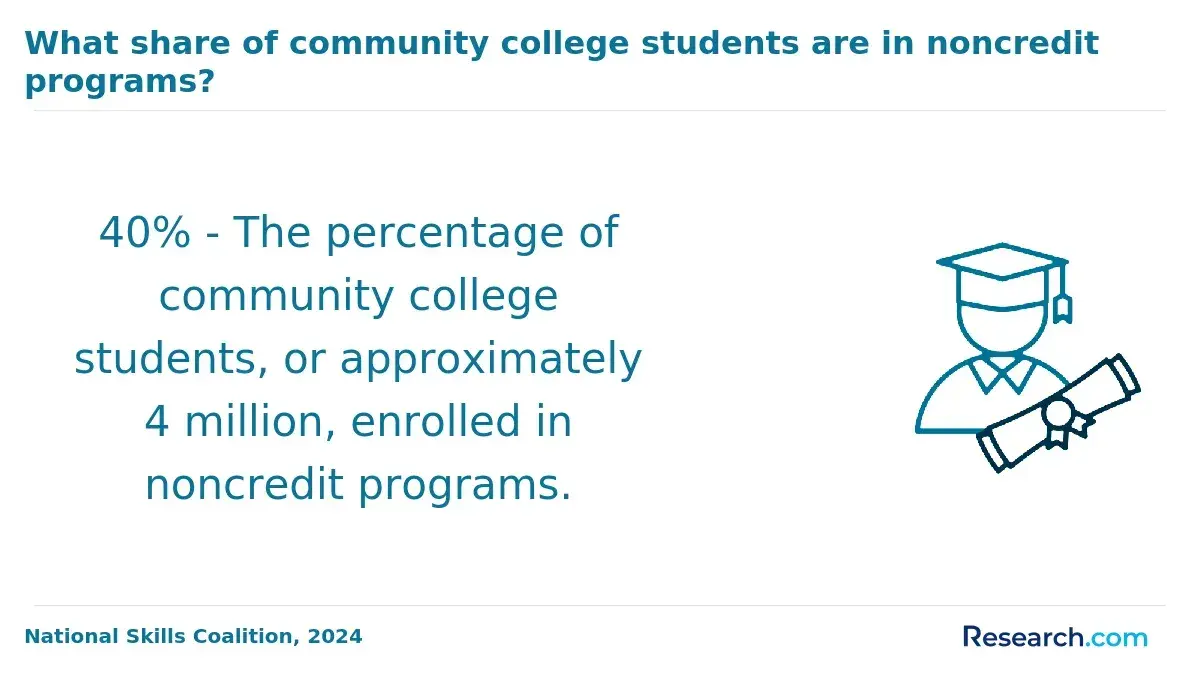
State regulatory agencies and professional licensing boards strongly influence clinical hour requirements for Christian Counseling programs, leading to significant variation across the U.S. A recent survey highlighted that around 40% of states require more than 2,000 supervised clinical hours for licensure, while others set the bar below 1,800 hours. These regulatory differences shape what counts toward clinical training and how students fulfill those hours.
- Total Hour Requirements: The number of clinical hours needed for licensure can vary widely, often by several hundred hours. This discrepancy affects the overall timeline and structure of Christian Counseling training programs.
- Direct vs. Indirect Hours: States differ in their acceptance of direct client contact hours compared to indirect activities like paperwork or case review. This influences how students must divide their time during practicum or internship phases.
- Approved Clinical Settings: Licensing boards specify which practice environments qualify for clinical hours. This impacts where students can pursue internships or practicums and may limit placement options.
- Supervision Standards: Some states set strict criteria for supervisors' credentials and oversight quality. These requirements can affect how clinical hours are verified and counted within the training program.
- Post-Degree Experience: Certain states mandate additional supervised clinical hours after program completion, extending the period required before a counselor attains full licensure.
Understanding these state-imposed variations enables Christian Counseling students to better navigate their clinical hour commitments and align their training with local licensure demands.
Where Do Students Complete Christian Counseling Clinical Hours?
Research shows that nearly 70% of professional skills are acquired through hands-on experiences in real-world settings. For students pursuing clinical hours in Christian Counseling, these placements are essential for bridging academic knowledge with practical application. Below are typical environments where these clinical hours are fulfilled.
- Church-Based Ministries: Students work within church counseling programs, blending spiritual guidance with pastoral care. This setting enhances their ability to support individuals through faith-based counseling approaches.
- Community Mental Health Centers: These centers expose students to a broad range of client issues in structured environments. The experience helps sharpen diverse counseling techniques and cultural competence.
- Private Practices: Under licensed supervisors, students engage in individualized client sessions, gaining insight into ethical standards and professional business practices. This setting fosters personalized therapeutic skills.
- Nonprofit Organizations: Agencies focusing on family support or addiction recovery allow students to address specialized needs. Here, they develop crisis intervention skills within mission-driven contexts.
- Healthcare Facilities: Working alongside multidisciplinary teams in hospitals or clinics, students integrate Christian Counseling principles with medical treatment plans. This environment broadens understanding of mental health care in clinical settings.
Each placement cultivates different competencies crucial for competent and compassionate Christian Counseling practice after graduation and licensure.
How Are Clinical Placements Assigned in Christian Counseling Programs?
Clinical placements are vital in Christian Counseling programs, providing supervised, real-world experience essential for developing counseling skills. Research indicates nearly 70% of effective skill-building happens during practical training. Below are common approaches used to assign placements within these programs, ensuring alignment with educational goals and student needs.
- Faculty-Driven Placement: Program faculty use their professional relationships to connect students with trusted, approved sites. These partnerships ensure placements align closely with Christian Counseling clinical placement assignment processes, supporting relevant hands-on learning.
- Student Preference Ranking: Students often submit ranked choices based on preferred settings like faith-based agencies or private practices. Staff balance these preferences with site availability and supervision capacity to accommodate interests when possible.
- Application and Interview Screening: Some agencies require interviews to evaluate student fit, sharing feedback with the program before finalizing placements. This step promotes mutual understanding and appropriate environment selection.
- Rotational Assignments: Occasionally, students rotate through multiple sites to gain diverse exposure. Though logistically complex, this method broadens practical experience across different counseling contexts.
Those seeking advanced clinical training pathways may explore options such as an MSN to DNP program, which also emphasize structured experiential learning.
Can Christian Counseling Clinical Hours Be Completed Online or Part-Time?
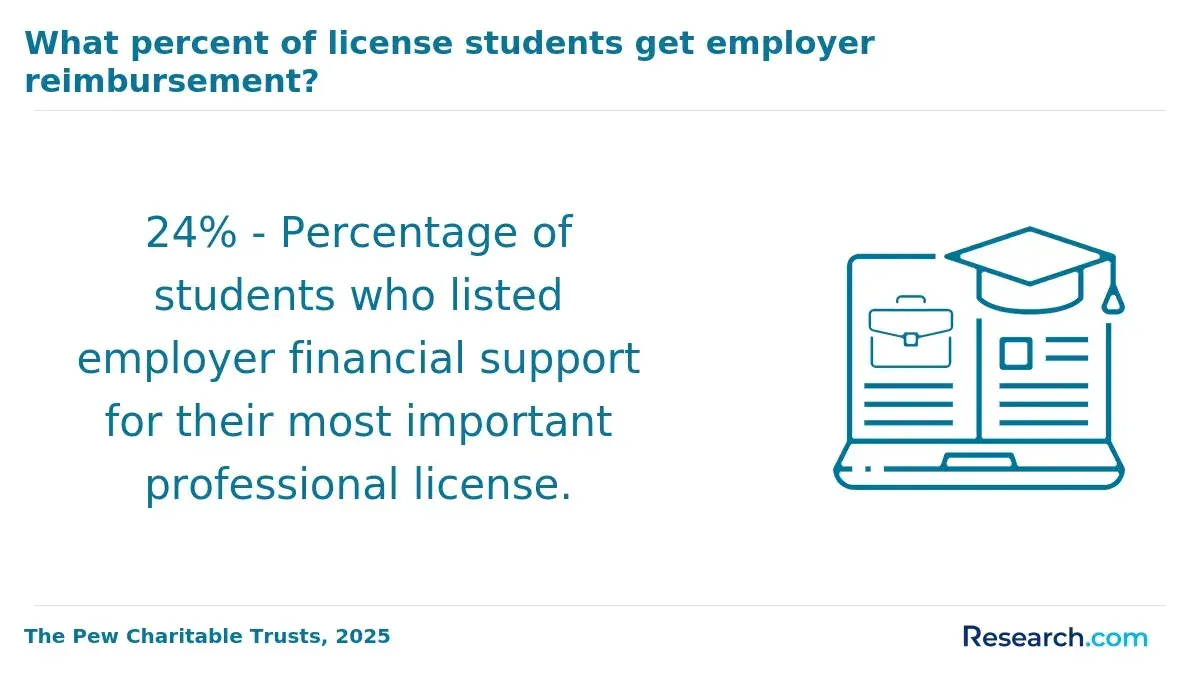
Christian counseling clinical hours generally cannot be completed entirely online or solely on a part-time basis. Approximately 40% of counseling programs incorporate hybrid models that blend remote coursework with in-person clinical practice, reflecting a growing trend toward flexible education. This approach exists because direct client interaction and supervision are essential components of effective clinical training, which online-only formats cannot fully replicate. The balance of remote and hands-on experience allows students to meet professional standards while benefiting from adaptable schedules.
Some programs offer limited flexibility by permitting part-time completion of clinical hours, provided students fulfill all supervised, face-to-face requirements. The clinical hour structure must ensure consistent oversight by qualified supervisors and sufficient client contact to develop practical counseling skills. Hybrid training options are increasingly common, enabling students to combine theory delivered online with real-world experience gained in physical settings. However, fully remote clinical hours are usually not accepted because they lack the necessary direct engagement and immediate feedback crucial to licensure preparation.
When I spoke with a professional holding a Christian Counseling degree about her clinical hour experience, she described the process as both challenging and rewarding. She recalled juggling her part-time job while scheduling regular in-person sessions required by her program, often fitting client meetings into evenings or weekends. "The hands-on hours were intense but invaluable," she shared, emphasizing how critical the live supervision was for refining her counseling approach. Though some theoretical classes were conveniently online, she found the face-to-face clinical work essential for building real confidence and competence before entering ministry.
What Supervision Is Required During Christian Counseling Clinical Hours?
During clinical hours in Christian Counseling programs, supervision is typically provided by licensed counselors, psychologists, or experienced Christian counselors approved by the academic institution. This professional oversight is essential to guide students as they apply theoretical knowledge in real-world settings, ensuring ethical and effective practice. Supervision supports both student learning and client safety by fostering reflection, skill development, and accountability. Research indicates that structured supervision improves clinical performance in more than 70% of trainees, highlighting its critical role in developing competent practitioners.
Supervision during clinical training allows students to receive constructive feedback on their counseling techniques and client interactions. It helps instructors evaluate students' progress toward meeting required competencies and ensures that ethical standards are consistently upheld. This process promotes a safe learning environment where students can refine their skills, enhance their professional readiness, and address challenges as they prepare for independent practice. Ultimately, thorough supervision is fundamental to producing confident, ethical Christian counselors capable of serving diverse client populations.
How Are Christian Counseling Clinical Hours Tracked?
Tracking clinical hours is essential for documenting student progress and ensuring completion of Christian Counseling clinical hours requirements. Accurate records confirm that students meet program standards and receive proper credit for practical experience. Studies show that nearly 85% of professional education programs utilize detailed logs to enhance compliance and transparency. Below are common methods used to track clinical hours effectively.
- Digital Logging Systems: Students input completed hours and counseling activity details into digital platforms. These systems enable real-time submission, allowing supervisors and administrators to monitor, review, and approve hours efficiently, minimizing errors and lost records.
- Supervisor Verification Forms: After completing clinical hours, students submit forms signed by supervisors who confirm that the hours were completed under appropriate guidance. This adds accountability and ensures that practical experience meets program standards.
- Attendance Documentation: Records of attendance during group counseling sessions or workshops provide proof that students participated in required experiential learning activities essential to their clinical training.
- Progress Reports: Students or faculty advisors prepare reports summarizing clinical experiences and competencies developed. These qualitative insights complement hour logs by reflecting student growth throughout the program.
- Academic Tracking Platforms: Some Christian Counseling programs integrate clinical hour tracking into broader academic systems. This linkage offers a comprehensive view of students' progression toward graduation by connecting classroom learning with hands-on practice.
These effective documentation methods for Christian Counseling clinical hours help maintain clear records and support program accountability. Prospective students interested in advancing their education may also explore opportunities such as the PhD in nursing education to expand their professional credentials.
What Challenges Do Students Face During Clinical Training?
Clinical training can be especially demanding for students pursuing Christian Counseling degrees, with approximately 70% reporting moderate to high levels of stress related to balancing academic and clinical responsibilities. This phase of experiential learning often requires navigating complex challenges that can impact successful completion of clinical hours. The following points highlight common obstacles students face during their clinical training.
- Balancing Workloads: Students must manage academic coursework alongside required clinical hours, which often leads to scheduling conflicts and time management difficulties. Failing to maintain this balance can delay clinical hours completion and academic progress.
- Adjusting to Professional Settings: Transitioning from classroom learning to clinical environments requires adapting to organizational protocols, ethical standards, and effective communication with supervisors and clients, which can be overwhelming for many students.
- Emotional Stress: Christian Counseling students frequently work with clients experiencing deep personal struggles, potentially resulting in compassion fatigue or burnout if emotional boundaries and coping mechanisms are not established early in training.
- Hands-On Learning Demands: Clinical hours emphasize practical application over theory, challenging students to build confidence and clinical skills under supervision. This real-world practice often tests students' self-efficacy and resilience.
Understanding these clinical training challenges for Christian counseling students is key to navigating their degree requirements effectively. For students seeking related allied health fields, programs like a health information technology associate degree online offer alternative pathways. Overcoming obstacles in Christian counseling clinical hours completion involves recognizing these demands while developing strategies to manage stress and skill acquisition successfully.
What Strategies Help Students Succeed in Clinical Environments?
Preparation and adaptability are essential to thriving in clinical training for Christian Counseling students, as these skills enable them to manage complex client interactions and challenging scenarios with confidence. Research shows students who use adaptive learning techniques improve their clinical readiness by 25%, highlighting the value of practical experiential training. Below are strategies to enhance performance and professional growth during clinical hours.
- Clear Communication: Developing strong, empathetic communication fosters trust with clients and supervisors alike. This skill enhances therapeutic rapport and creates a supportive environment conducive to effective learning and client care.
- Time Management: Efficiently organizing clinical tasks alongside coursework ensures students meet all program requirements without burnout. Prioritizing responsibilities helps maintain balance between clinical hours and self-care.
- Professional Conduct: Upholding ethical standards, punctuality, and respect reinforces a positive professional image. Demonstrating these qualities not only builds credibility but also prepares students for future roles in Christian Counseling settings.
- Active Engagement: Being attentive during clinical experiences and proactively seeking feedback encourages continuous skill development. This approach deepens understanding of therapeutic techniques and client needs.
- Flexibility: Adapting to varied client backgrounds and evolving case dynamics equips students to handle diverse challenges proficiently. Openness to alternative strategies strengthens problem-solving capabilities during clinical hours.
Christian Counseling students aiming to complete clinical hours successfully can also explore 1 year MHA programs online to complement their training with focused healthcare management education.
What Graduates Say About Christian Counseling Clinical Hours Requirements
- Jaime: "Completing the clinical hour requirements for my Christian counseling degree was challenging but incredibly rewarding. I was initially concerned about the cost involved, but the investment was worthwhile considering the hands-on experience I gained. These hours helped me develop essential skills that have truly shaped my professional approach."
- Enzo: "Reflecting on my journey, fulfilling the clinical hours in Christian counseling was a significant milestone that deepened my understanding of client care. I carefully budgeted for the expenses, which were manageable with proper planning, and the real-world practice I received made me confident stepping into my career. This practical experience proved invaluable in connecting theory to practice."
- Rowan: "As a professional, I appreciate how the clinical hours requirement in the Christian counseling program strengthened my ability to counsel effectively. While the cost to complete these hours was notable, it was an investment in my future that paid off. The experience gained through these hands-on hours is something I carry with me in every session I conduct."
Other Things You Should Know About Christian Counseling Degrees
Some programs mandate reflective journals or case study reports as part of the clinical hour requirements. These written components encourage students to critically analyze their counseling techniques and integrate theoretical knowledge with practical experience.
In 2027, Christian counseling programs typically require students to engage in diverse counseling sessions, including individual, group, and family therapy. This variety ensures a comprehensive skill set, addressing spiritual and emotional needs, and often includes faith-based contexts to align with Christian counseling principles.
Clinical hours can often be completed in community and faith-based organizations that align with the values of christian counseling. These settings provide practical experience while supporting the integration of spiritual and psychological care, which is central to the discipline.
References
- Clinical Supervision & 3,000 hours https://www.growthroughlifecounseling.com/post/clinical-supervision-3-000-hours
- Internships & Practicum | Cornerstone Christian Counseling https://christiancounselingco.com/internships-practicum/
- Requirements https://www.ibccglobal.com/bcppc/requirements/
- What Counts? Tracking Hours. https://blog.time2track.com/what-counts-tracking-hours
- The Challenges Faced by Christian Counselors https://www.uph.edu/2010/02/03/the-challenges-faced-by-christian-counselors/
- Spiritual Christian Counseling Information https://aihcp.net/spiritual-christian-counseling-information/
- Advanced Licensure for Professional Counselors - CrossPointe Theological Seminary https://crosspointe.education/advanced-licensure-for-professional-counselors/
- Easily track your Counseling training and LPC hours online https://time2track.com/track-LPC-counseling-hours
- Certificate Track Christian Counseling Training Courses https://gatewaybiblicalcounseling.org/courses/certificate-track/
- Online Biblical Counseling Certificate | Light University https://lightuniversity.com/biblical-counseling-psychology/